9 Illegal Backyard Crops New York Gardeners Could Get in Trouble for Growing
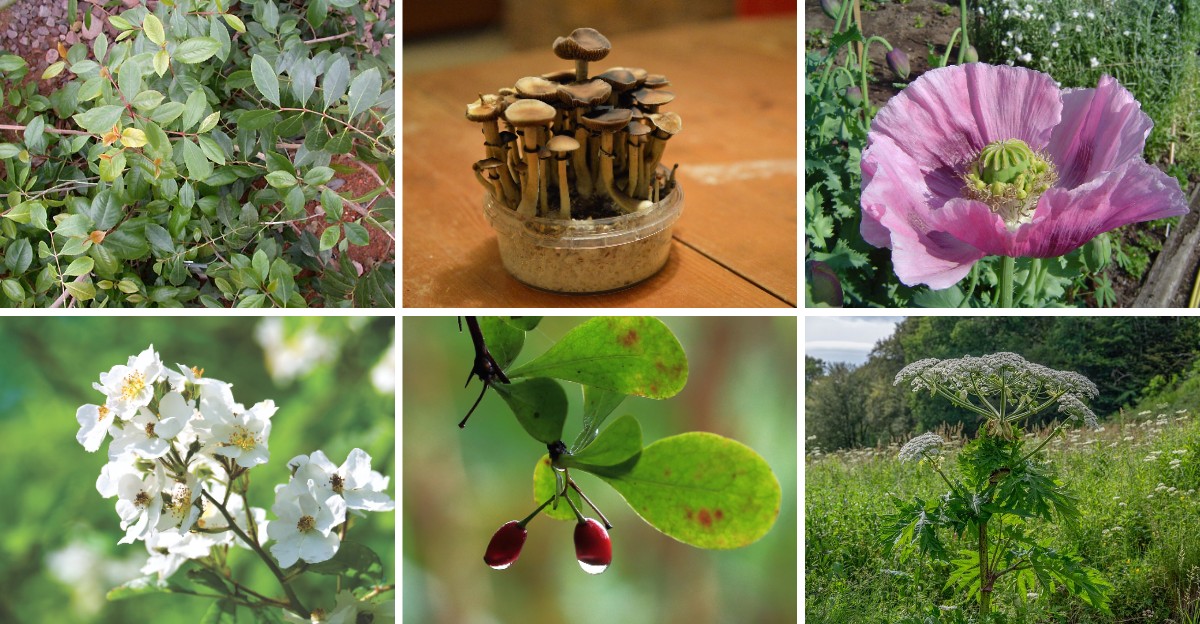
Some of the prettiest shrubs sold at garden centers for decades are now banned from sale across New York. Possessing a handful of tiny seeds or one leafy plant can technically land a backyard grower in legal hot water.
State law lists dozens of prohibited species, and federal drug rules add a few more surprises to the pile. Some of these troublemakers bloom in cheerful colors, while one towering weed can leave painful blisters on bare skin.
I have to admit that a few entries shocked me, because I once admired them along country roads. You might already have one growing near your fence line without realizing anyone in Albany cares about it.
Rules shift between federal agencies and local towns, so honest gardeners in New York can slip up easily. Which of these sneaky growers do you think is quietly hiding somewhere in your own yard right now?
1. Psilocybin Mushrooms
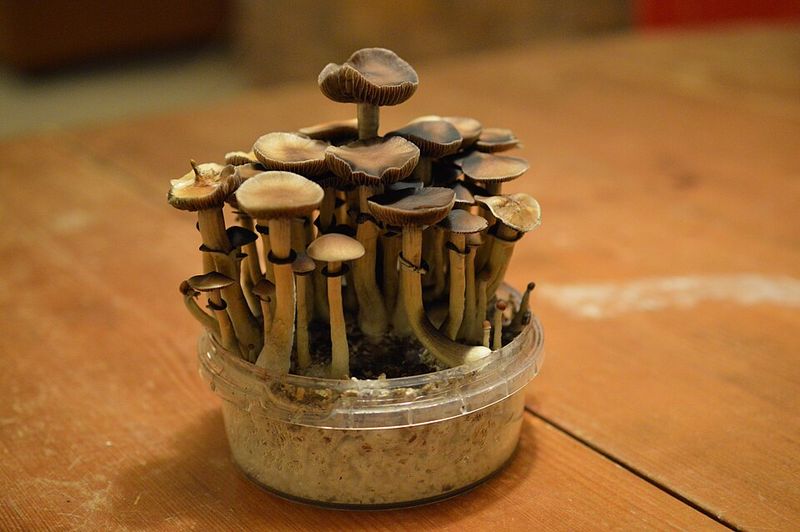
Those little brown caps that bruise blue when handled carry one of the strictest legal labels in America. Psilocybin, the compound inside many Psilocybe cubensis mushrooms, sits on Schedule I under both federal and state law.
Personally, I find it wild that a fungus smaller than my thumb can trigger felony-level trouble. Growing them at home counts as cultivation, and that is treated far more seriously than a simple garden mistake.
Some cities elsewhere have relaxed enforcement, yet no statewide legalization or broad decriminalization exists here at all. Bills have been introduced in Albany over the years, but none has passed into law so far.
Grow kits sold online often arrive as spore syringes, which occupy a strange gray area in many places. Spores themselves lack psilocybin, but once they sprout into mushrooms, the legal picture changes very quickly.
You also need caution with wild mushrooms popping up in mulch beds after a rainy spell. Several look-alike species are toxic, and guessing their identity can send someone straight to the emergency room.
If odd mushrooms appear in your lawn, pull them up with gloves and toss them in the trash. Kids and pets are curious, so a quick weekly scan of shady spots is a smart habit.
For a legal fungus adventure, try oyster or shiitake kits instead, which grow happily on logs or straw. I love how fast oysters fruit, and you get dinner without any worries about a knock on the door.
2. Khat
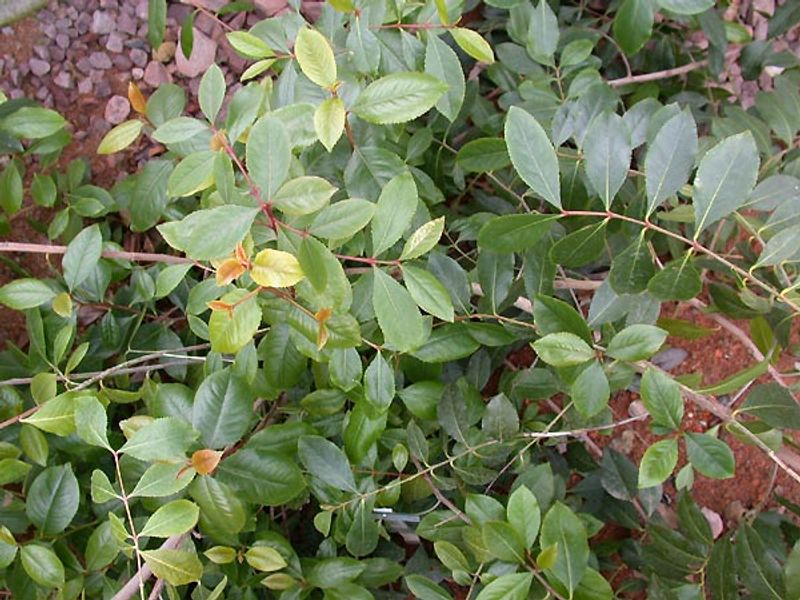
Glossy leaves that look a bit like wilted basil hide a stimulant the federal government takes very seriously. Khat, or Catha edulis, is a flowering shrub native to northeast Africa and the Arabian Peninsula.
Fresh leaves contain cathinone, a Schedule I substance, and that chemical slowly breaks down into Schedule IV cathine. Within about two days after harvest, much of the cathinone fades, which is why traders rush fresh bundles.
I can’t imagine most gardeners stumbling onto this one, yet seeds and cuttings occasionally show up through specialty sellers. Owning the shrub with plans to harvest or share its leaves can bring serious federal charges.
In the wild, khat can stretch anywhere from three to sixteen feet, depending on climate and care. It thrives in warm zones around 9 through 11, so it cannot survive our winters outside.
Anyone growing it here would need a heated room or greenhouse, which makes it hard to pass off innocently. Customs officers regularly seize khat shipments at airports, and those busts often make the local news.
You should skip this exotic purchase, even if a seller calls it a rare ornamental tea plant. Laws focus on the active chemicals, and a living shrub is basically a factory for producing them.
For a similar glossy, evergreen look on a sunny windowsill, consider a coffee plant or a potted bay laurel instead. Both offer handsome foliage, and neither will make you nervous when a curious houseguest asks questions.
3. Cannabis
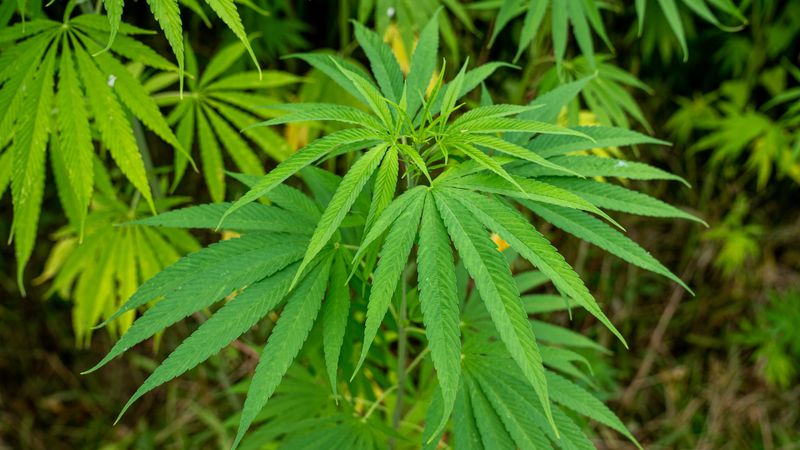
Legal homegrown cannabis surprised plenty of neighbors when the rules took effect, but the fine print matters. Adults 21 and older may grow three mature and three immature plants each, with strict household caps.
No home can exceed six mature and six immature plants, no matter how many adults live under one roof. Going one plant over that number is enough to move you from hobbyist to rule breaker.
Plants must stay out of plain public view, so a sunny front porch display is a bad idea. You also need to secure them from minors, which often means a locked fence or grow tent.
Selling your harvest is prohibited, and swapping buds for a friend’s zucchini counts as trouble too. Gifting small amounts to other adults is allowed, but money or goods cannot change hands at all.
Renters should read their lease carefully, since landlords are allowed to ban home cultivation on their property. I believe a quick chat with your landlord beats an awkward eviction notice any day of the week.
Outdoors, cannabis grows as an annual and can tower past ten feet in a long, warm season. Start seedlings after your last frost, and give them full sun with rich, well-drained soil.
Some towns add their own rules on odors or setbacks, so check local codes before planting. A little homework in spring keeps your autumn harvest relaxing instead of turning it into a stressful headache.
4. Hemp
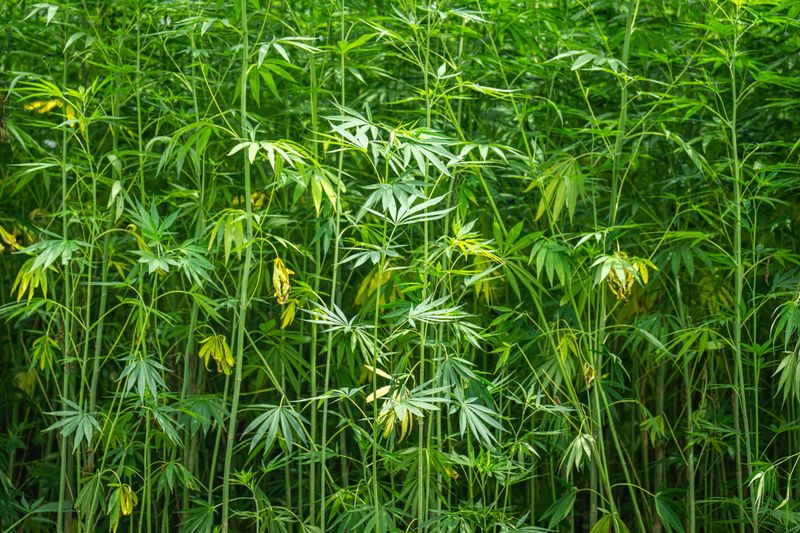
Hemp and marijuana share the same scientific name, Cannabis sativa, which confuses nearly everyone who hears it. Legally, hemp must test at or below 0.3 percent total THC on a dry weight basis.
The twist surprises people, because growing hemp in New York requires a license from Agriculture and Markets. Unlicensed hemp plants are illegal, even if you only wanted a few for fiber or seeds.
Licenses last three years and involve an application fee plus an FBI Identity History Summary Check. Every licensed crop must be sampled and tested before harvest to confirm it stays under the THC limit.
I have to admit the paperwork sounds intense for a plant mostly grown for its fiber and seed oil. Still, the rules exist because hemp and marijuana plants can look nearly identical growing side by side in a field.
Hemp typically grows tall and slender, with thinner foliage than the bushy plants bred for flower. Field crops are planted after the frost risk passes and harvested in late summer or early fall.
You might wonder whether the home cannabis allowance covers hemp, and that question trips up many hobbyists. Adults can grow cannabis under the personal limits, but calling it hemp creates no special exemption.
If fiber crops excite you, flax makes a lovely legal alternative, producing delicate sky blue flowers in early summer. It grows easily from seed in cool spring weather and asks for no permits at all.
5. Opium Poppy
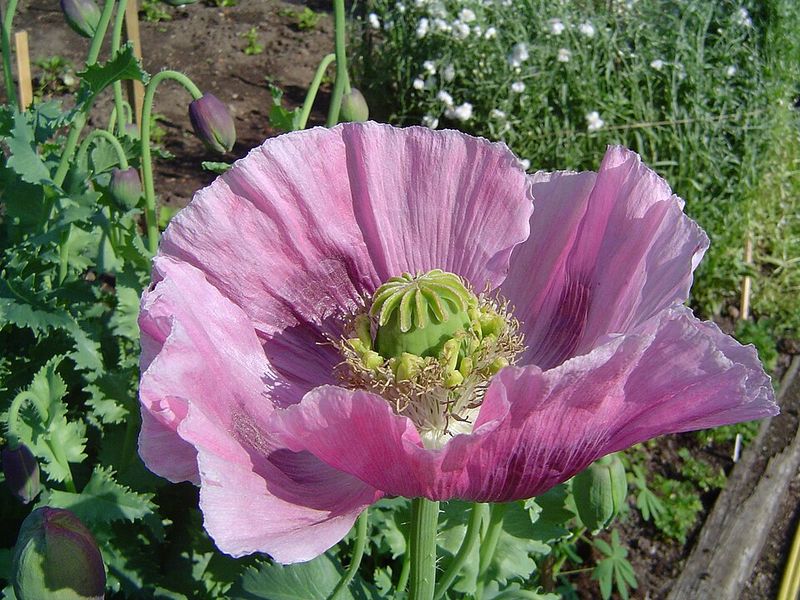
Those papery petals in shades of scarlet and lavender look sweet enough for a grandmother’s cottage garden border. Papaver somniferum, the opium poppy, is technically a Schedule II plant under federal law, excluding its seeds.
Bakers buy the seeds legally every day for bagels and lemon muffins, which makes the law feel odd. Once those seeds sprout into living plants, though, the federal definition can cover the whole growing poppy.
Unripe seed pods leak a milky latex containing opium alkaloids, and that is the real concern. Scoring or harvesting those pods signals narcotic intent and can turn a flower bed into a felony case.
Personally, I find it fascinating that enforcement against small ornamental growers has been rare and inconsistent. Rare does not mean legal, so the technical risk stays real for anyone with a patch out back.
Breadseed poppies grow as annuals, reaching two to four feet with big blue-green leaves and fat pods. They sprout best from seed scattered onto cool soil during early spring or right before winter.
You should avoid cutting the pods or advertising dried heads for anything other than floral crafts. Some seed companies have grown cautious about how they describe these varieties, which says plenty about the uncertainty.
For worry-free color, try California poppies or Iceland poppies, which bring cheerful blooms without legal baggage. Corn poppies reseed nicely too, and I love watching bees tumble through them on sunny June mornings.
6. Giant Hogweed
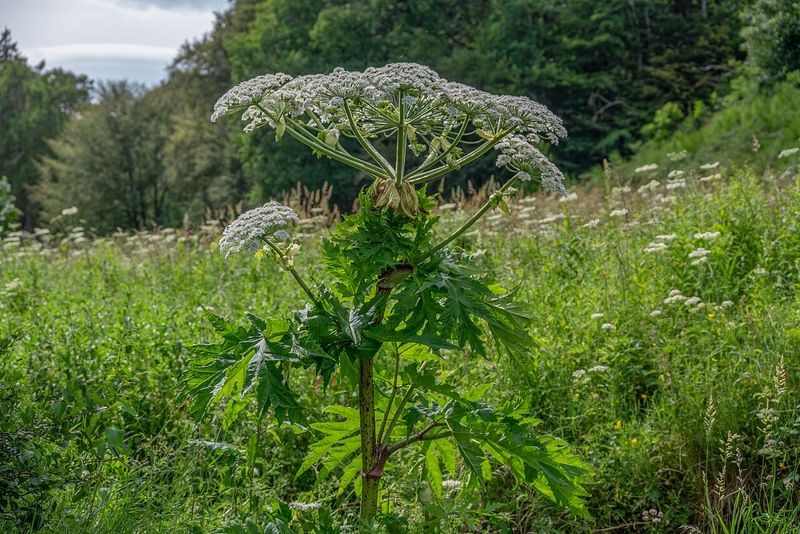
A plant taller than a basketball hoop, with leaves up to five feet wide, sounds like science fiction. Giant hogweed, Heracleum mantegazzianum, can reach fourteen feet and carries flower clusters shaped like enormous white umbrellas.
Its sap reacts with sunlight on skin, causing painful blisters and sometimes scars that linger for years. Doctors call this phytophotodermatitis, and even brushing against a broken stem on a sunny day can trigger it.
It is listed as a federal noxious weed and also appears on the state list of prohibited invasive species. Knowingly propagating or transporting it is illegal, so nobody should be planting this monster on purpose.
You can spot it by thick, hollow stems covered in purple blotches and coarse white hairs. Look-alikes like cow parsnip and angelica fool many people, so careful identification matters before taking any action.
I can’t imagine trying to remove a large patch on my own without proper protective gear and plenty of patience. The DEC asks residents to report sightings, and it offers identification help along with removal guidance.
If you find it, keep children and pets away and avoid using a string trimmer nearby. Trimmers spray sap droplets onto skin, which is exactly how many backyard injuries start each summer.
Should sap touch your skin, wash it with soap and cool water, then stay out of sunlight. Native plants like golden alexanders offer airy yellow umbels that feed pollinators without causing any painful surprises.
7. Japanese Barberry
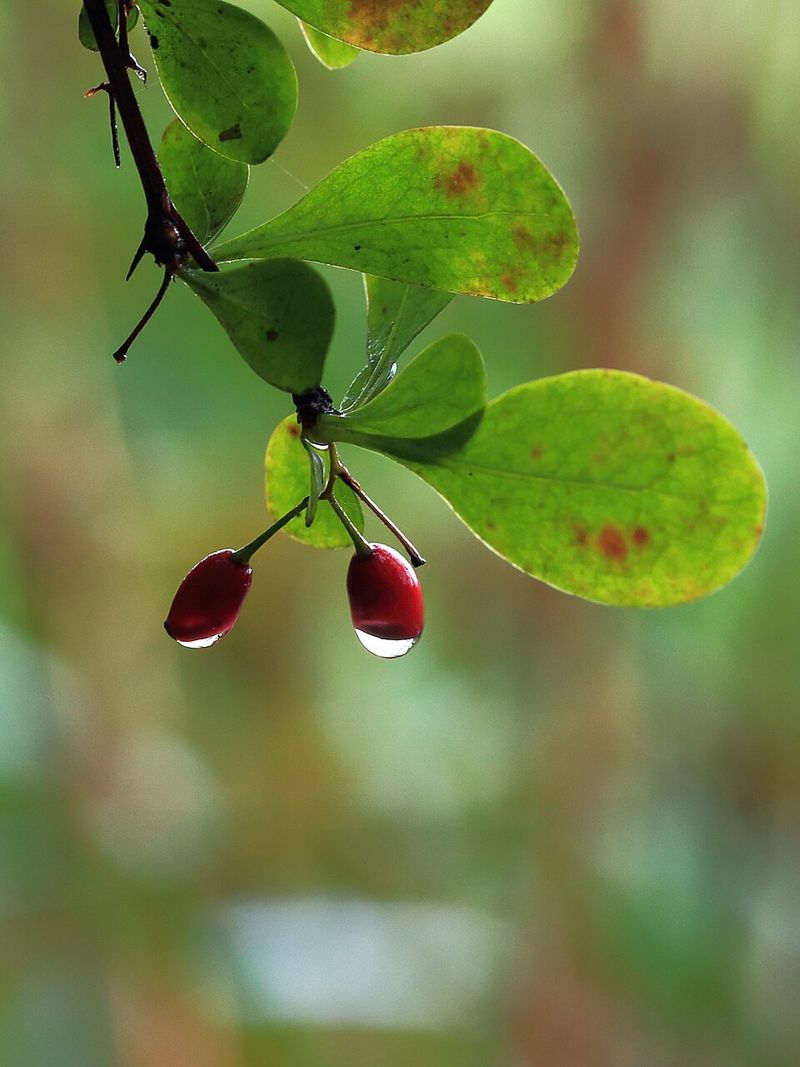
Many garden centers sold Japanese barberry for decades because hungry deer usually ignore its spiny little wine-colored leaves. Berberis thunbergii is now a prohibited invasive species, so selling or introducing it can bring penalties.
Bright red berries cling to the branches into winter, and birds carry those seeds deep into nearby woods. Dense thickets then crowd out native wildflowers and seedlings that forest animals depend on for food.
What surprises me most is the tick connection, which researchers in Connecticut documented in barberry patches. Thick stands hold humid air that black-legged ticks love, raising the local risk of Lyme disease.
Shrubs already growing in your yard are not usually a legal emergency, but you cannot spread them. Moving cuttings or sharing seedlings with friends and neighbors could cross the line into illegal propagation.
Removal calls for thick leather gloves, because those sharp thorns grab at sleeves like tiny fishing hooks. Spring is a handy time, since barberry leafs out early and stands out against bare woods.
Pull small plants by hand, and dig larger ones with a mattock to remove the roots. Bag any berries before disposal so birds cannot replant them somewhere else farther down the road.
For a hedge with fiery fall color, try native ninebark or a fragrant summersweet shrub instead of barberry. I like how ninebark comes in deep purple varieties that mimic barberry’s look without the ecological headaches.
8. Multiflora Rose
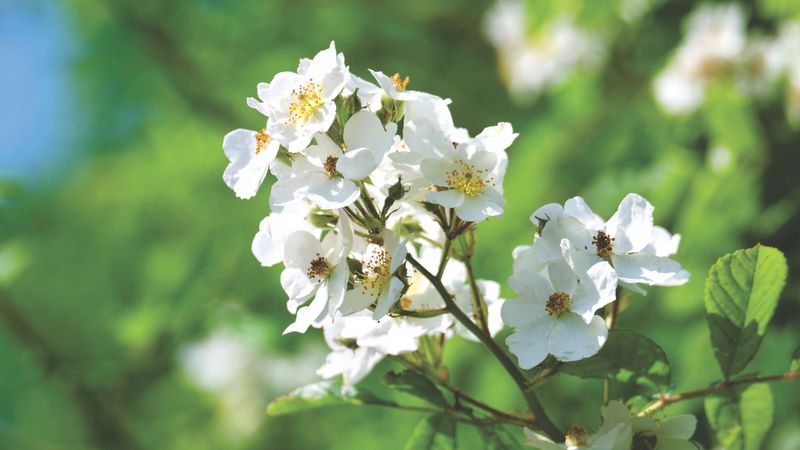
Farmers once planted multiflora rose as a living fence, and some agencies even encouraged it for erosion control. Rosa multiflora now ranks among the state’s prohibited invasive species, and its thorny arching canes swallow whole pastures.
Each shrub can reach ten to fifteen feet, covered in clusters of small white flowers in late spring. The scent is honestly lovely, which explains why so many people hesitate before pulling it out.
Seeds hide inside tiny red hips that birds gobble up and then scatter across fields and backyards. Those seeds can stay viable in soil for up to twenty years, waiting patiently for sunlight.
Experts believe it serves as a wild host for rose rosette disease, which harms cultivated garden roses. Witches’ broom growth and odd red shoots are warning signs worth watching closely on your favorite bushes.
You can identify it by fringed stipules at the base of each leaf stalk, a handy clue. Native roses mostly have smooth or slightly toothed stipules, so a close look settles the question.
Small plants pull out easily after a soaking rain, while bigger clumps need digging or repeated cutting. Mowing several times a season weakens established shrubs, though stubborn roots often resprout for a few years.
I believe swapping in a native Virginia rose or Carolina rose gives you blooms without the takeover. Both bring soft pink flowers and bright hips that songbirds enjoy during the chilly winter months.
9. Oriental Bittersweet
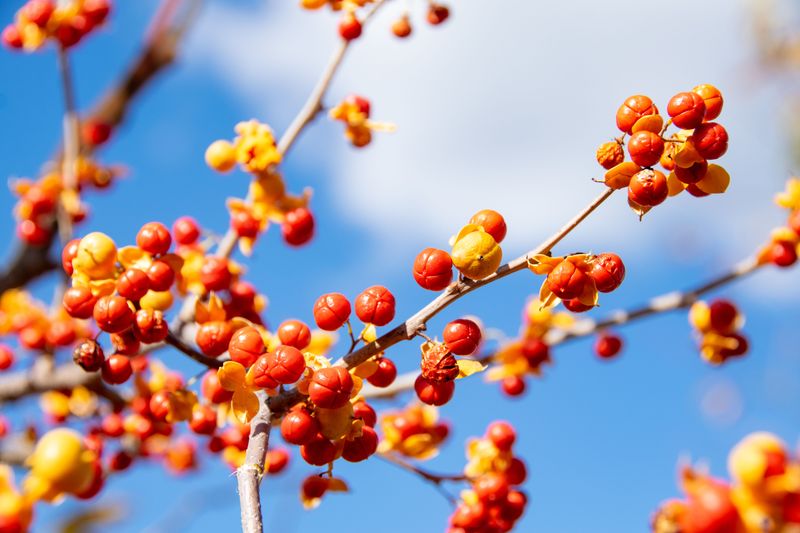
Those cheerful orange-and-red berry wreaths sold at autumn craft fairs may carry seeds from a sneaky invasive vine. Oriental bittersweet, Celastrus orbiculatus, is a prohibited species, so selling or spreading it breaks state rules.
Its woody stems twist around trees and can climb sixty feet, squeezing trunks like a stubborn boa. Heavy vines add weight to branches, and storms can then topple the trapped trees beneath them.
Yellow capsules split open in fall to reveal glossy red-orange berries that birds spread far and wide. You might notice the leaves are rounder than most vines, arranged alternately along the twisting stems.
Native American bittersweet looks quite similar, but its berries cluster mostly at the tips of the branches. Oriental bittersweet tucks its fruit along the stem at leaf joints, which offers a reliable clue.
Sadly, the invasive vine also hybridizes with our native species, threatening its genetic identity over time. Honestly, that worries me, because the native vine has already declined in many parts of the Northeast.
Cut climbing vines near the ground first so the upper growth withers away from the host tree. Then dig out the orange roots, since cut stumps often resprout with frustrating speed during summer.
Bag decorative wreaths after the holidays instead of tossing them on the compost pile or into woods. For a showy native climber, try trumpet honeysuckle, which hummingbirds visit eagerly from late spring through summer.