Venomous Species Illinois Residents May Find Indoors As Temperatures Drop
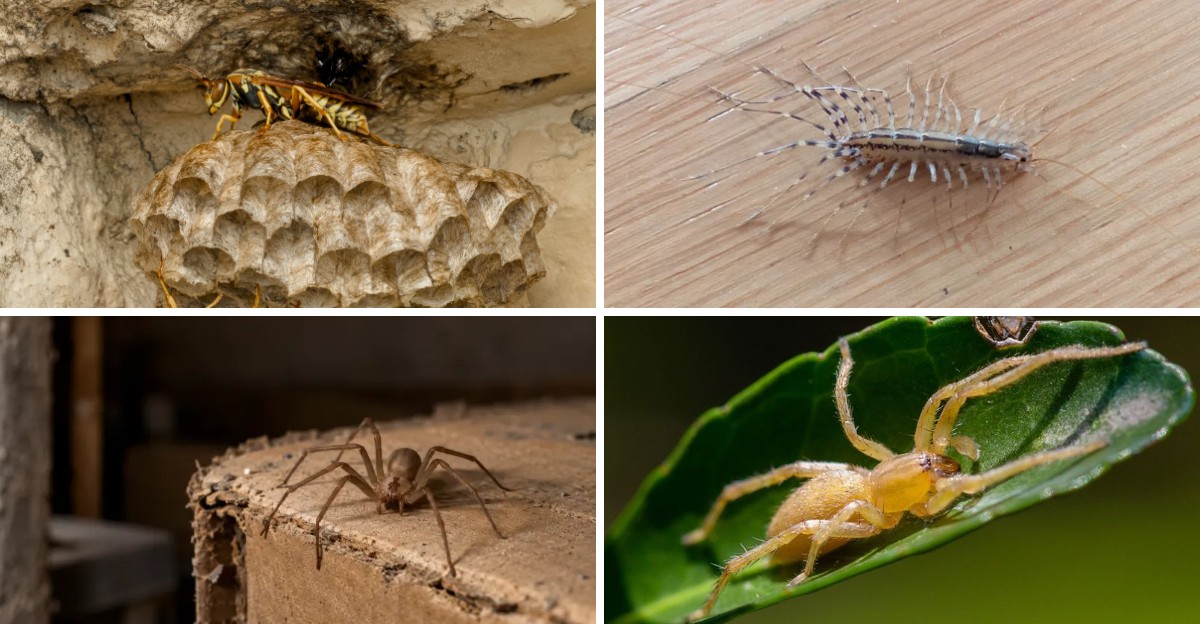
One shy Illinois houseguest can quietly survive more than six months without eating a single meal. That kind of patience explains why so many critters settle into our basements once autumn nights turn crisp and cold.
Falling temperatures send plenty of small hunters searching for warm cracks and steady meals inside our homes. Some of them carry venom, though most are far more interested in insects than in bothering people or pets.
I spent last fall moving garden pots into the garage and found far more company than I ever expected. You might notice similar surprises when you haul firewood or tender plants back inside this season.
Knowing who is who makes every Illinois basement trip feel a whole lot calmer and much less jumpy. Know the difference, and you’ll shrug at most and respect the few.
1. Northern Black Widows Lurking In Basement Corners
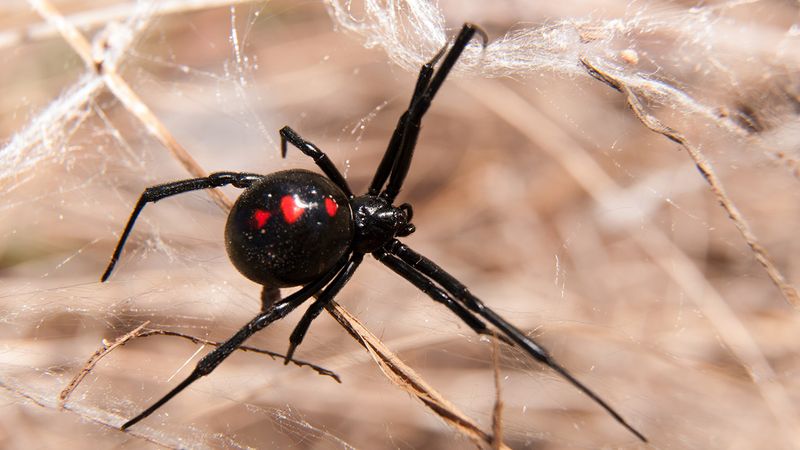
Glossy as a polished button, the northern black widow hangs upside down in her web like a tiny ornament. I once found one beneath an overturned flowerpot, and her shine stopped me cold for a moment.
Females have a round black abdomen with a red hourglass that is often split into two separate marks. Many also show a row of red spots along the back, which separates them from their southern cousins.
Females reach about half an inch long, while the males are much smaller and rarely cause any trouble. They build messy, tangled webs close to the ground in woodpiles, window wells, garages, and quiet basement corners.
Their venom is a neurotoxin, yet these spiders are shy and usually retreat instead of biting a curious hand. Bites tend to happen when someone reaches blindly into a dark space or slips on a stored work glove.
Symptoms can include spreading pain and muscle cramps that build over a few hours after the bite happens. Medical care helps a lot, and most people recover well with proper treatment and pain management from their doctor.
Wear sturdy gloves whenever you carry firewood indoors or reorganize stacked boxes in the garage this time of year. Knock down webs with a broom and vacuum the egg sacs, which look like small papery tan balls.
Seal gaps around basement windows and dryer vents, because those openings make easy doorways for wandering spiders. A little caution goes a long way, and honestly I admire their tidy hunting style from a safe distance.
2. Southern Black Widows Tucked Inside Garden Sheds
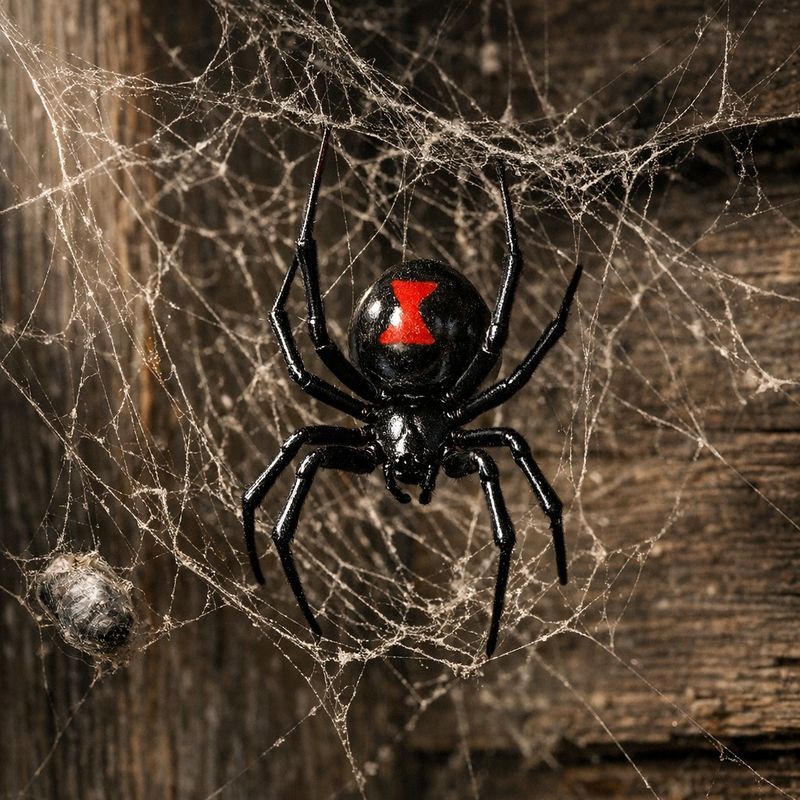
Flip a southern black widow over and you will see a bold red hourglass that looks almost painted on. That complete shape, joined in the middle, is the quickest way to tell her apart from northern relatives.
Southern black widows show up more often in the southern part of the state than up near Chicago. Their range overlaps with northern widows in some areas, so careful identification matters more than guessing from location.
Females are glossy black and just under half an inch long, with a smooth, rounded abdomen built for storing eggs. Young spiders look quite different, wearing cream and orange markings that slowly darken as they grow older.
Sheds, barns, and stacked flowerpots make cozy homes, especially when they stay undisturbed for most of the winter months. I keep a flashlight handy in my potting shed now, because a quick look prevents most unpleasant surprises.
A bite can bring strong muscle pain and cramping, sometimes with sweating or nausea later in the day. Seek medical care right away, since doctors have effective treatments and serious complications are rare with prompt attention.
Keep stored gardening gear off the floor on shelves or hooks, where webs are easier to spot and remove. Shake out boots, gloves, and burlap sacks before using them, especially the ones that sat unused since summer.
Clear tall weeds and debris piles from around the shed foundation, because insects gathering there attract hungry widows. Fewer bugs nearby means fewer spiders settling in, which feels like a fair trade for a little tidying.
3. Brown Recluse Spiders Hiding In Quiet Closets
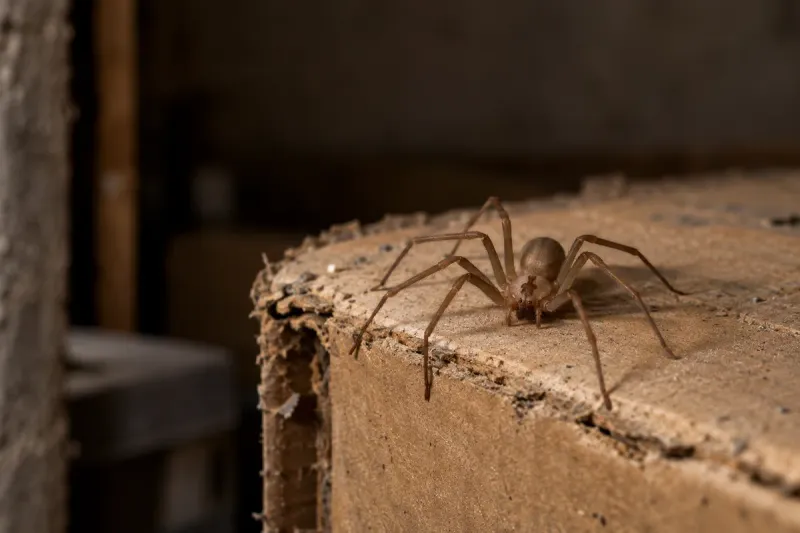
A brown recluse can wedge itself into the folds of a forgotten sweater and stay put for weeks. I started shaking out stored clothes after learning how much these spiders love undisturbed cardboard and fabric.
Look for a tan to brown body with a darker violin shape pointing back toward the abdomen. The best clue is six eyes arranged in three pairs, though you will need a magnifier to spot them.
Adults usually measure about three eighths of an inch, with slender legs that lack spines or stripes. They hunt at night and spend daylight tucked inside closets, attics, and boxes that rarely get moved.
In Illinois they are most common in the southern and central counties, while northern Illinois reports show up far less often. Many spiders blamed on recluses turn out to be something else, so a clear photo helps experts confirm.
Bites are uncommon and usually happen when a spider gets pressed against skin inside clothing or bedding. Most heal on their own, but some form a slow sore that needs a doctor to watch it closely.
Store seasonal items in sealed plastic bins instead of cardboard, since recluses struggle to climb smooth plastic walls. Sticky traps along baseboards also reveal whether a population is living quietly behind your dressers and bookshelves.
Move beds a few inches away from walls and keep bedskirts off the floor during the colder months. If a bite blisters or becomes increasingly painful, call your doctor promptly rather than waiting to see what happens, whether you live in Illinois or anywhere else.
4. Pale Yellow Sac Spiders Climbing Living Room Walls
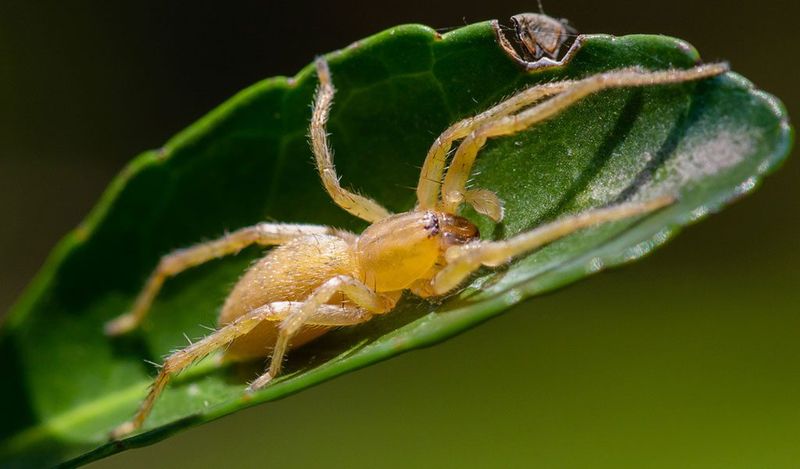
Spot a pale, almost see-through spider sprinting up your wall at bedtime, and you have likely met a yellow sac spider. Their speed always startles me, because they move like tiny wind-up toys with somewhere important to go.
Bodies range from pale yellow to light green, sometimes with a faint darker stripe running down the abdomen. Their front legs are noticeably longer than the rest, and their tiny jaws often look dark brown or black.
Adults usually measure about a quarter to three eighths of an inch, so they are easy to overlook. They do not catch food in webs, preferring to roam at night and grab small insects with quick strikes.
During the day, they rest inside small silk sacs tucked where walls meet ceilings or behind picture frames. Cooler autumn weather nudges many of them indoors, where those little white pouches start appearing in quiet corners.
Bites usually happen when a spider ends up trapped in clothing or bedding against someone’s skin overnight. Most bites cause brief pain with mild redness and swelling, and researchers have found little evidence of lasting tissue damage.
Vacuum the silk sacs whenever you spot them, and check behind furniture during your next deep cleaning session. Shaking out clothes left on the floor helps a lot, since those piles make inviting daytime shelters for them.
Outside, trim plants away from siding and seal gaps around window frames before temperatures fall much further. You will see fewer wandering hunters inside, and your garden beds will still have plenty of them working hard.
5. Paper Wasp Queens Sleeping Through Winter In Attics
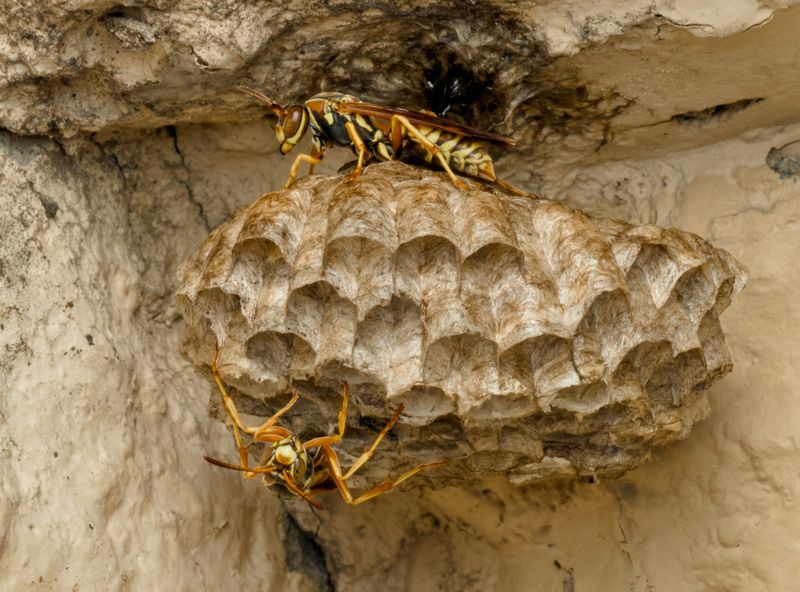
A paper wasp buzzing against your window in January feels wrong, yet it happens in plenty of homes. These are mated queens that slipped indoors last fall to wait out the cold in sheltered hiding spots.
Only the queens survive winter, while the rest of the colony fades away when frosts arrive in late autumn. They tuck into attics, wall voids, and window frames, staying sluggish until warm spring days call them outside.
Look for a slender wasp with long dangling legs and a reddish brown or black body with yellow markings. Paper wasps are less aggressive than yellowjackets, but they will still sting when handled or pressed against skin.
Indoor heat sometimes confuses a sleepy queen, waking her early so she wanders toward bright windows looking for an exit. I scoop these slow visitors into a jar and release them outside, though cold weather rarely helps their chances.
A sting usually causes sharp pain with some local swelling that fades within a day or two. Anyone with a known allergy to stings should keep prescribed medication nearby and seek emergency care if breathing changes.
Seal gaps around attic vents, soffits, and window frames in late summer before queens start searching for winter shelter. Repair torn screens too, since a small hole is plenty wide for a determined wasp looking for warmth.
Paper wasps actually help gardeners by hunting caterpillars that chew through vegetables and flowers in summer. I let their outdoor nests stay when they sit away from doors, because their pest control service is surprisingly impressive.
6. Red-Legged Woodlouse Spiders Hunting Pillbugs In Damp Basements

Those huge, forward-pointing fangs look scary until you learn what they are for, which is cracking open pillbugs. Few spiders bother with armored woodlice, so this specialist fills a pretty unusual dinner niche in our yards.
The woodlouse spider has shiny reddish legs and a dark red front section paired with a pale, grayish abdomen. Originally from Europe, it now lives across much of North America, often near gardens and damp foundations.
Adults measure about half an inch long and carry six eyes clustered close together near the front. That eye count leads many people to mistake them for brown recluses, though their bright colors look very different.
They hunt at night and spend days resting inside silk retreats under stones, logs, and damp mulch piles. When autumn rains and cooler weather arrive, some wander into basements following the pillbugs that gather there too.
Bites can happen if you pick one up bare-handed, since those big fangs easily pierce human skin. The result usually feels like a sharp pinch with mild redness and itching that settles down within an hour.
Run a dehumidifier in your basement and fix dripping pipes, because dry air discourages both pillbugs and their hunters. Pull mulch a few inches back from the foundation, giving moisture-loving critters fewer reasons to crowd near walls.
Honestly, I like finding these spiders in my garden beds, where they quietly reduce pillbugs nibbling seedlings. Inside the house is a different story, so I gently scoop them into a cup and return them outdoors.
7. Long-Legged House Centipedes Racing Across Bathroom Floors
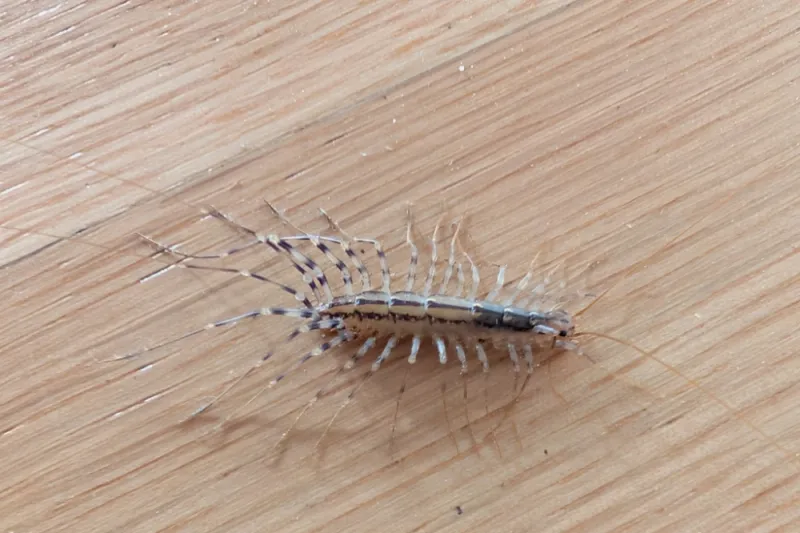
Few things make me jump like a house centipede zipping across the bathtub on fifteen pairs of striped legs. They can sprint surprisingly fast, which explains why they catch so many household bugs during their nightly patrols.
Their bodies are yellowish gray with three dark stripes, and adults usually reach about one to one and a half inches. Add those long legs and antennae, and they suddenly look about twice as large as they really are.
House centipedes use venom delivered through modified front legs to subdue spiders, silverfish, cockroaches, and other small pests. That hunting habit makes them helpful roommates, even if their appearance rarely wins them many fans in our Illinois house.
They love moisture, so basements, bathrooms, and laundry rooms become favorite hangouts as outdoor conditions cool in autumn. Unlike many other centipedes, this species can live and breed indoors all year in Illinois homes when conditions stay damp enough.
Bites are rare because they prefer running away, but a cornered centipede may pinch if handled roughly. The feeling resembles a mild bee sting, with brief pain and slight swelling that fades fairly quickly for most people.
Lowering humidity is the smartest control step, so use bathroom fans and fix leaky faucets or sweating pipes. Clearing cardboard and clutter from basement floors removes their favorite hiding spots and makes surprise encounters less common.
Seal cracks around foundations and door frames to slow their arrival from outside during fall. I have learned to let an occasional centipede pass, since it is probably hunting something I like even less, and any Illinois homeowner will tell you the same.
8. False Black Widows Weaving Webs Behind Furniture
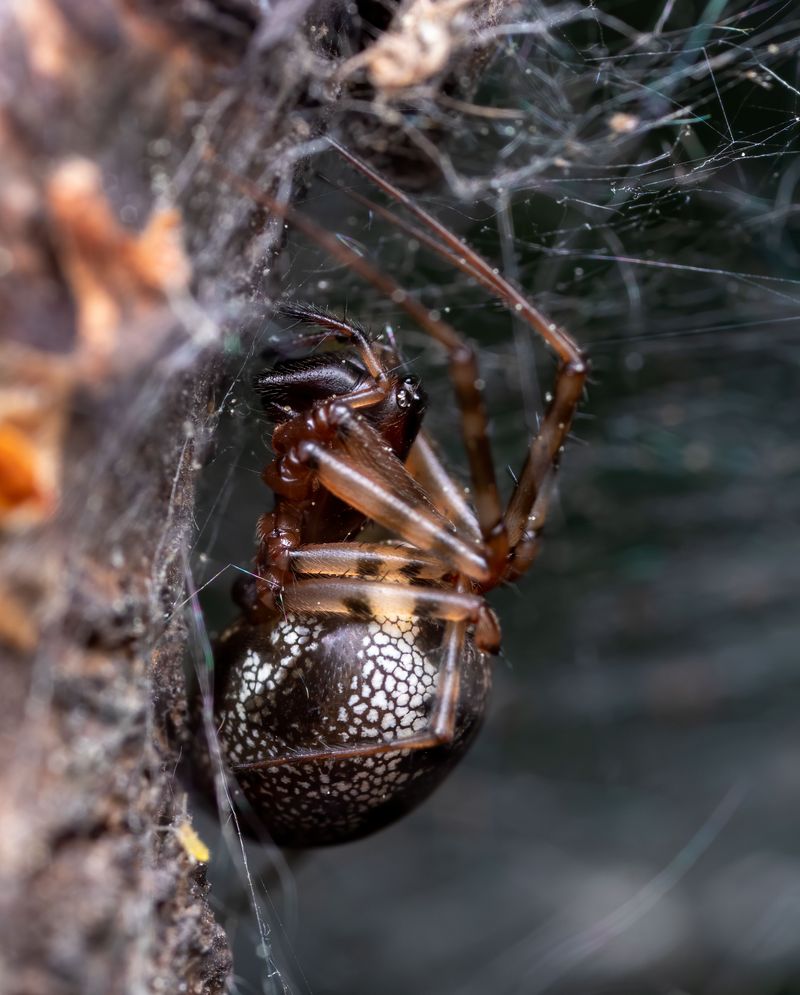
Plenty of panicked basement phone calls start with a shiny dark spider that turns out to be a false black widow. Their round, glossy abdomen fools almost everyone at first glance, including me during my early gardening years.
The common false black widow is dark brown to purplish black, usually without any red hourglass on its belly. Some show faint pale markings on the back, and their bodies look slightly less rounded than true widows.
Its smaller cousin, the triangulate cobweb spider, wears a brownish body with a neat zigzag pattern running down the abdomen. Both species are common indoors across the state, building scruffy cobwebs in corners, cupboards, and window frames.
These spiders thrive year-round inside heated homes, so you may notice them more once you spend evenings indoors. They often catch other household pests, including small insects and even an occasional unlucky spider wandering nearby.
Because they live so close to people, false black widows may encounter humans more often, but their bites are still uncommon and usually mild. Symptoms are usually mild, with local pain and swelling similar to a bee sting that clears up within days.
Run your vacuum along ceiling corners and behind furniture every few weeks to remove webs and egg sacs. Keeping outdoor lights off near doors helps too, since fewer insects gathering there means fewer spiders following them inside.
Seal gaps around window frames and doors before the coldest weather arrives this year. I find that a regular cleaning routine keeps these lookalikes manageable, and my nerves feel much steadier during late-night snack runs.