Sweet Corn Home Gardeners Across Illinois Reveal 8 Reasons For A Decade-Best Harvest
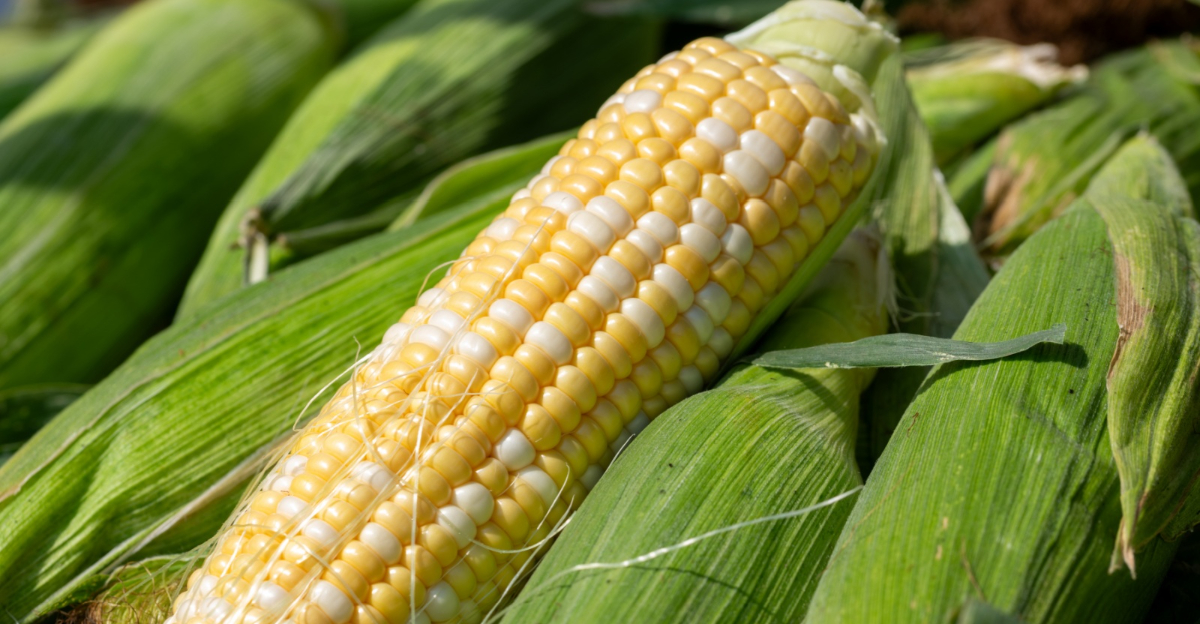
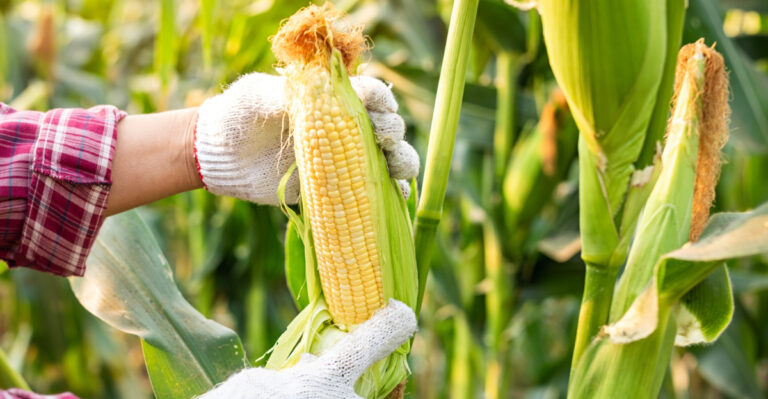
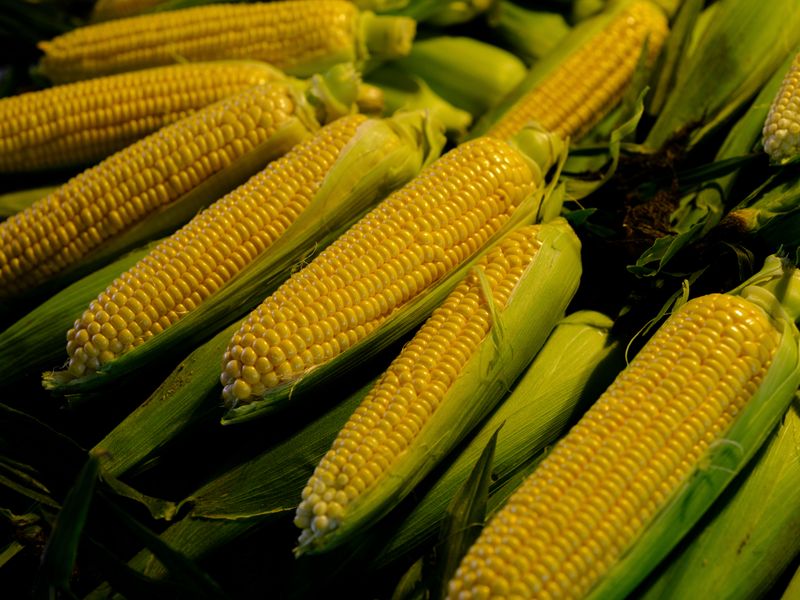
Something wild happened in Illinois backyard gardens this past summer. Sweet corn growers from Rockford down to Cairo hauled in ears so plump and syrupy.
Neighbors started pausing their evening walks just to gawk over the fence. A retired farmer in Peoria County called it the best harvest he’d seen in over a decade, and plenty of neighbors agreed.
Garden club chatter, county fair lines, even the checkout counter at the local feed store buzzed with the same question. What changed?
Turns out it wasn’t luck or magic. Across Illinois, a cluster of specific factors lined up almost perfectly this season.
They ranged from soil prep tricks to timing quirks nobody expected to matter so much. Some gardeners stumbled onto these methods by accident.
Others had been quietly refining them for years, waiting for a season like this one to prove they worked. Here’s what actually made the difference, according to the people who lived it.
1. Warmer Springs Sped Up Germination
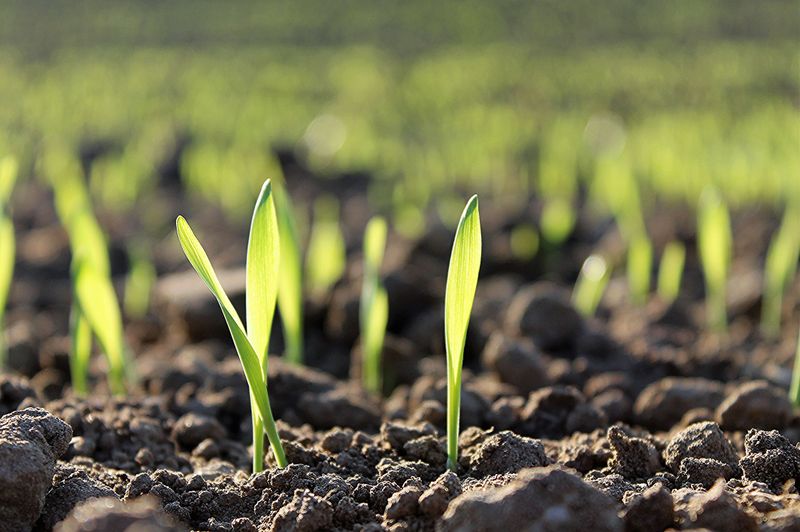
Seeds woke up early this year. Soil temperatures climbed faster than usual across northern and central Illinois, and that small shift made a huge difference for sweet corn germination.
Corn seeds need soil temps around 60 degrees Fahrenheit to sprout reliably. When the ground hits that mark ahead of schedule, seeds pop up in five to seven days instead of the usual two weeks.
Faster germination means seedlings get a head start on building strong root systems. Those roots anchor plants before summer storms arrive and pull in nutrients more efficiently all season long.
Many gardeners noticed their rows filling in more evenly than in previous years. Uniform stands mean better pollination later because tassels and silks mature at the same time across the whole patch.
A gardener in Springfield pushed her first planting two weeks earlier than ever before. Her stalks were knee-high by Memorial Day, which she had never seen before in her yard.
Warm springs also reduce the risk of seed rot. Cold, wet soil invites fungal problems that turn seeds to mush before they ever sprout.
Gardeners who paid attention to soil thermometers rather than calendar dates were rewarded with thick, healthy stands right from the start. That early momentum set the tone for everything that followed through the growing season.
2. Steady June Rain Aided Pollination
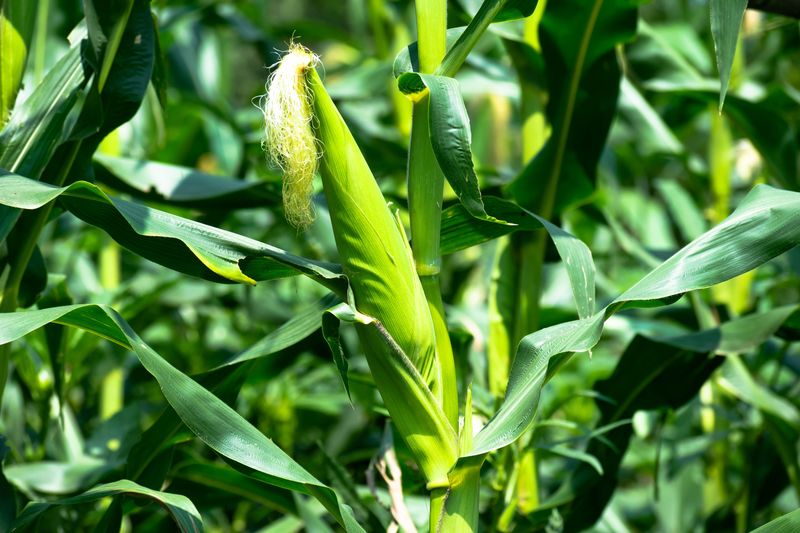
Rain arrived like clockwork in June. Across much of Illinois, gardeners reported consistent weekly showers that kept soil moist without waterlogging roots or washing away pollen.
Pollination is the most delicate window in a corn plant’s life. Silks must be receptive and moist when pollen falls from the tassels above, and dry heat can shut that window fast.
When June stays consistently humid and mild, pollen sticks to silks far more effectively. Each silk strand connects to one kernel, so better pollination means fuller, more complete ears with no missing rows.
A corn patch near Champaign reportedly had hardly any blank spots on any ear this season. The gardener credited the reliable June moisture more than any other single factor in his growing process.
Your Illinois Garden Changes Every Week. Your Plan Should Too.
Gardening in Illinois changes quickly throughout the season. Every Friday you’ll receive a simple weekly plan showing exactly what to plant, prune, fertilize, harvest, and protect so you never miss the right timing.
Steady rain also keeps tassels releasing pollen over a longer window. Instead of a frantic two-day burst, pollen production stretches out, giving every silk a fair shot at getting fertilized.
Gardeners who supplemented with drip irrigation during drier stretches saw similar results. Keeping the root zone consistently moist during the pollination window mimics what ideal rainfall naturally provides.
Timing matters more than volume when it comes to water and sweet corn. A slow, steady inch of rain spread across a week beats a single heavy downpour that runs off before roots can absorb it.
That steady, gentle moisture ended up making more difference than anything else this season.
3. Fewer Frosts Allowed Earlier Sowing
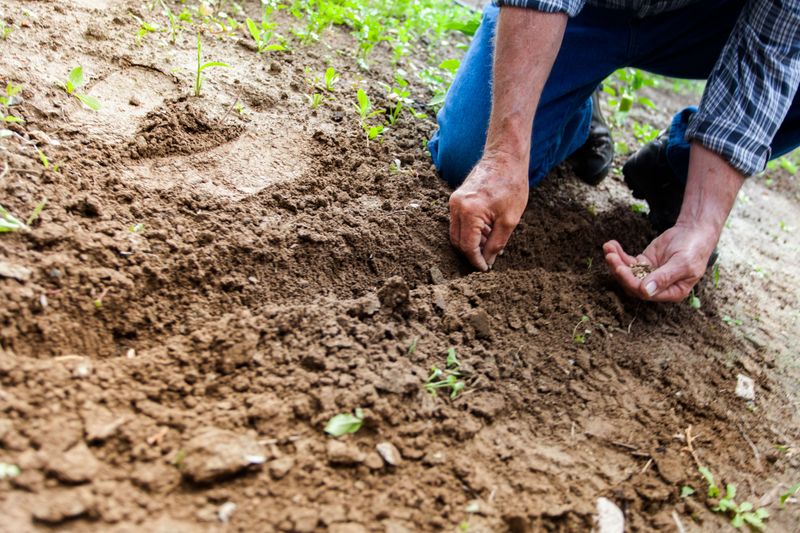
Last frost dates shifted noticeably earlier in many parts of Illinois this year. Gardeners who track weather data noticed the final frost arrived one to three weeks ahead of their ten-year average.
That earlier all-clear gave corn growers a wider planting window. More days between last frost and summer heat means corn has more time to develop before stress sets in.
Early sowing is a calculated risk that paid off big this season. Normally, a late cold snap can wipe out young plants and force a frustrating replant that costs two weeks of growing time.
When frost risk drops early, gardeners can sow with confidence instead of nervously watching the forecast every night. That peace of mind leads to earlier, bolder planting decisions across the board.
In Peoria, one gardener got seeds into the ground by April 18th, beating her own record by weeks. By mid-July, she was already harvesting her first block of sweet corn ahead of any previous year.
Earlier sowing also means harvest arrives before the hottest part of summer. Corn that matures in mid-July rather than August tends to be sweeter and more tender because extreme heat speeds up starch conversion in the kernels.
Fewer frosts also meant gardeners could start successive plantings sooner. Getting that first block in early created a cascade of plantings that extended the harvest window well into late summer.
4. Staggered Plantings Extended The Harvest
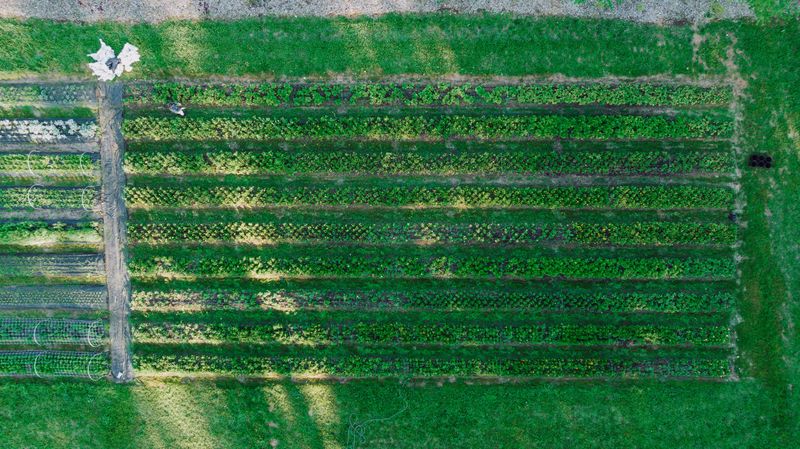
Few gardeners want dozens of ears all ripening in the very same week. Savvy gardeners spaced plantings two weeks apart to avoid a feast-or-famine harvest. Staggered planting is a technique gardeners have leaned on for generations.
Plant one block, wait two weeks, plant another, and you spread your harvest across a much longer season instead of facing a single overwhelming wave. This year’s longer planting window made the strategy even more effective.
With frost-free days arriving earlier, gardeners had room to fit three or even four successive plantings before summer heat peaked. Over in Bloomington, one family staggered four separate plantings starting in late April.
They harvested fresh ears every week from early July through late August, feeding neighbors and filling their freezer without any waste. The key to making staggered plantings work is choosing the same variety for each block.
Different varieties mature at different rates, so mixing them can cause timing overlaps that defeat the whole purpose. Some gardeners also mixed early-maturing and mid-season varieties intentionally.
That combination pushed the harvest window even wider and added some interesting flavor variety to the table. Keeping records each season makes the strategy sharper over time.
Noting exact plant dates and harvest dates for each block helps gardeners fine-tune their spacing intervals for an even smoother harvest the following year. Staggered plantings turned a single good week into an entire summer of sweet corn joy.
5. Lower Pest Pressure Spared The Corn
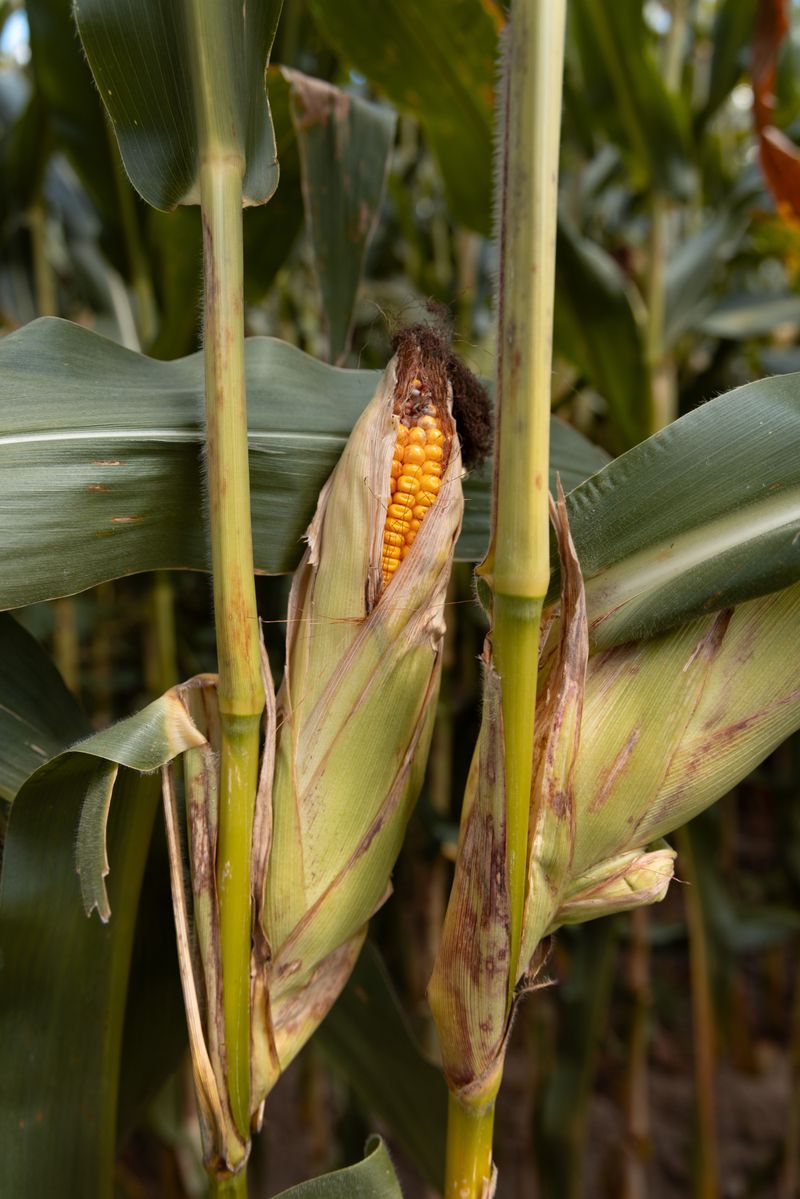
Corn earworm populations came in lower than expected across many Illinois counties this season. Gardeners who usually battle heavy infestations reported noticeably cleaner ears at harvest time.
Pest pressure on sweet corn is influenced by several factors, including winter temperatures, spring migration patterns, and natural predator populations.
This year, a combination of cold snaps and dry early-spring conditions likely reduced overwintering pest survival rates.
Lower earworm numbers meant fewer gardeners needed to apply controls at all. Those who did treat used simple methods like mineral oil on the silks, which is a safe, effective, and non-toxic approach most home growers can manage easily.
Japanese beetle pressure also appeared reduced in many areas. Beetles love to feed on corn silks, and heavy feeding during pollination can seriously cut kernel set on every ear in the patch.
A Joliet grower checked her patch daily and turned up just two earworms the entire season. In previous years, she had found them in nearly every ear she picked.
Healthy, well-fed plants also resist pest damage more effectively. Corn that gets consistent moisture and proper nutrition grows faster and thicker, making it harder for pests to cause lasting harm.
Row covers used during early growth stages gave some gardeners an added layer of protection. Removing covers just before tasseling allows pollinators in while keeping many flying pests out during the most vulnerable growth window.
6. Soil Testing Fixed Nitrogen Gaps
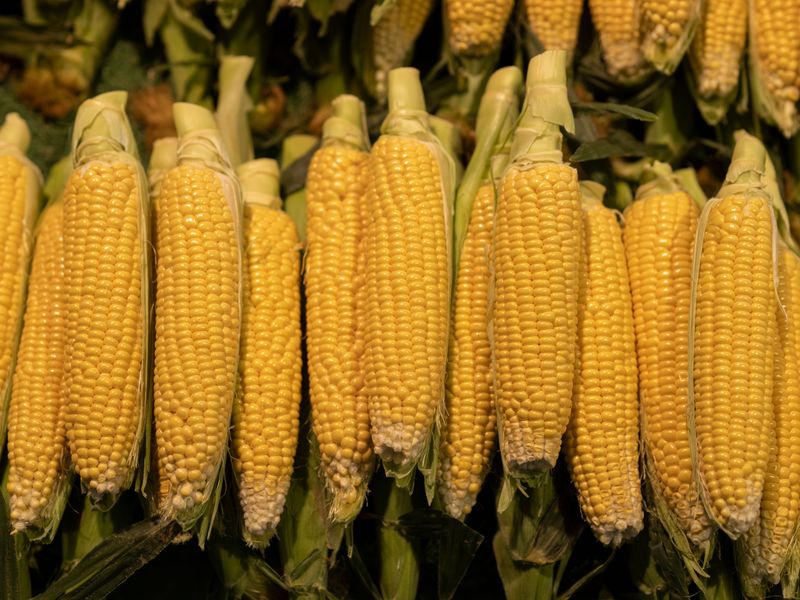
Everything about a strong corn crop begins with the soil beneath it. More Illinois home gardeners than ever reported getting their soil tested before the season began, and the results surprised many of them in the best possible way.
Soil tests reveal exactly what nutrients are present and what is missing. For sweet corn, nitrogen is the big one because it drives leaf growth, stalk strength, and ultimately kernel development throughout the season.
Many gardeners discovered they had been under-fertilizing for years without knowing it. Adding the right amount of nitrogen-rich amendments before planting gave plants a fuel boost that showed up clearly in the size and quality of ears at harvest.
Compost, aged manure, and blood meal are popular nitrogen sources for home gardeners who prefer organic methods.
Applying them several weeks before planting allows nutrients to become available in the soil right when seedlings need them most.
When an Aurora gardener finally tested her soil, she discovered her pH was running too high for healthy corn.
Adjusting it with sulfur before planting helped nutrients become more accessible to roots throughout the season.
Soil testing also prevents over-fertilizing, which can cause lush leafy growth at the expense of ear development. Balance matters as much as quantity when feeding a heavy feeder like sweet corn.
Extension offices across the state offer affordable soil testing services. Getting that baseline number before each season is one of the smartest and most cost-effective habits any home gardener can build.
7. Better Spacing Improved Pollination
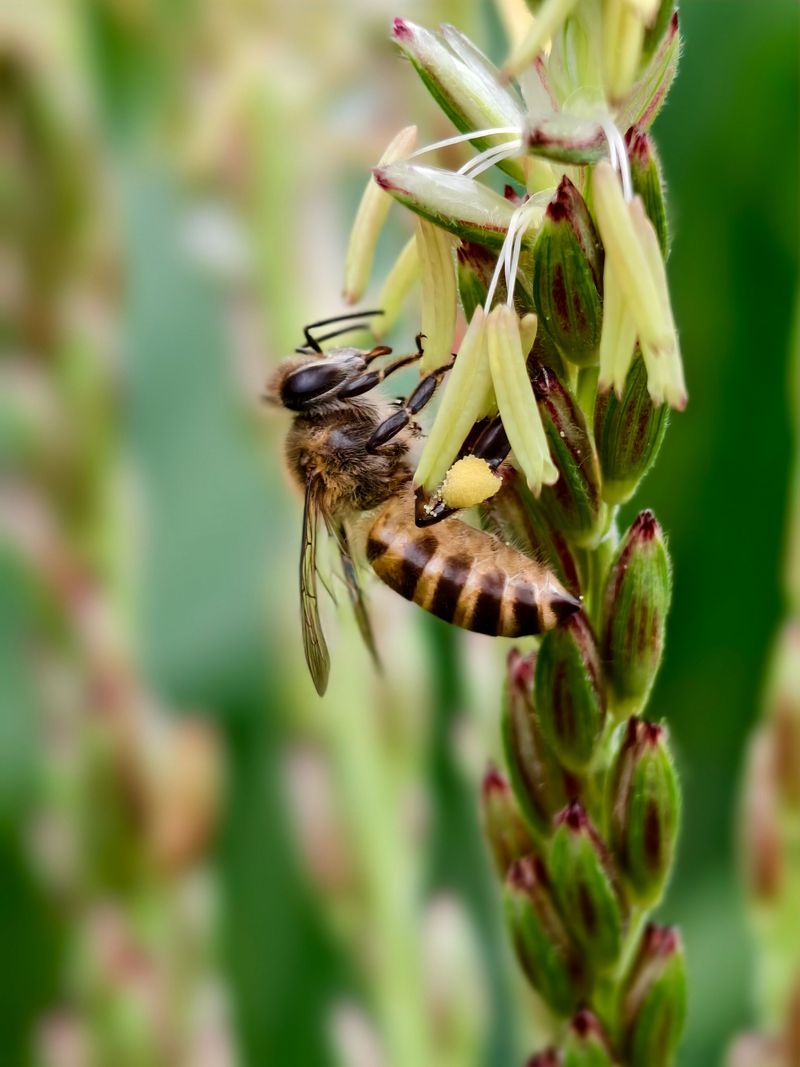
One of the most common mistakes home gardeners make is planting too close together, thinking more plants means more ears, but the opposite is usually true.
Sweet corn is wind-pollinated, which means pollen must drift from tassels down to silks below. When plants are jammed together, airflow gets blocked and pollen cannot move freely through the patch.
This season, many gardeners reported adjusting their spacing to 9 to 12 inches between plants within rows and 30 to 36 inches between rows. That extra breathing room made a visible difference in ear fill.
Planting in blocks rather than single long rows also helps. A 4-by-4 block of plants creates a cloud of pollen that surrounds every silk from multiple directions, dramatically improving fertilization rates.
After reading about wind pollination online, a Decatur grower ditched single-file rows for a wide square block. His ear fill went from patchy and incomplete to nearly perfect across the whole planting.
Better spacing also reduces competition for water and nutrients. Each plant gets more root space, which means less stress during hot stretches and more consistent development from tassel to harvest.
Thinning seedlings after germination is the hardest part for most gardeners because it feels wasteful.
Pulling out a healthy seedling to give its neighbor room is genuinely difficult, but the payoff in ear quality makes it worth every pulled plant.
8. Extension Tips Spread Through Forums
Illinois gardening forums buzzed with activity in early spring, as sweet corn growers traded advice faster than ever.
University of Illinois Extension resources got passed around constantly in those threads. Fact sheets on planting dates, fertilizer rates, and pest management reached thousands of home growers who might never have visited an Extension office in person.
One popular forum thread on sweet corn spacing alone gathered over 400 comments before the season ended.
Gardeners shared photos, asked questions, and refined their methods based on real-time feedback from neighbors across the state.
Extension educators also hosted free webinars this spring that covered everything from soil prep to harvest timing.
Attendance records were broken as more home growers sought out reliable, research-backed guidance for their patches.
In Galesburg, a retired teacher overhauled her fertilization schedule after reading a single forum post.
She followed a university recommendation she found shared in a thread, and her yields jumped noticeably compared to the prior season.
When knowledge spreads through a gardening community, everyone’s results tend to improve together.
When one gardener figures out something that works, dozens of neighbors benefit from that discovery within days through shared posts and group chats.
The sweet corn home gardeners across Illinois who leaned into that collective wisdom came out ahead. Shared knowledge, backed by solid research, proved to be just as powerful as any seed variety or weather advantage this season.