9 Fast-Spreading Perennials Pennsylvania Gardeners Should Plan For Spring
One native fern can send underground runners several feet in a single season, popping up surprise crowns across shady beds. Its tightly curled spring shoots look like violin scrolls, and some folks harvest them for dinner.
Plenty of other Pennsylvania perennials share that same restless streak, creeping outward by hidden runners or drifting seeds every year. I love how a few small plants can turn a bare patch into a living carpet within two summers.
Spring planting gives those roots time to settle before the hot, dry stretch of July and August arrives. You need to plan ahead, though, because a fast spreader in the wrong spot can become a weekend chore.
Most of my favorites are natives that feed local bees and butterflies while crowding out stubborn weeds. Which of these eager spreaders will claim the empty corner of your Pennsylvania yard first this year?
1. Ostrich Fern
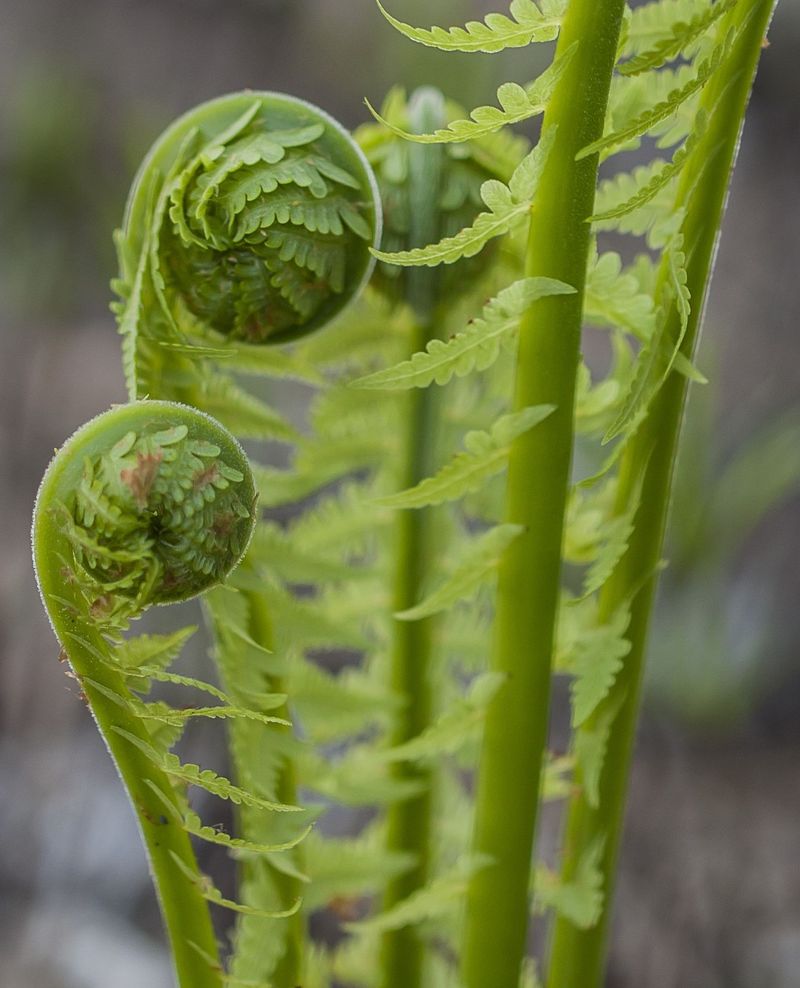
Those curly green fiddleheads poking through the mud in April belong to one of the fastest native ferns around.
Ostrich fern, Matteuccia struthiopteris, spreads by underground rhizomes that pop up fresh crowns a few feet from the parent.
I love how its feathery fronds form tall vases that can reach three to five feet in moist shade. A small patch planted this spring can grow into a lush little fern grove within a few seasons.
Rich soil that stays damp is the secret, so streambanks and low spots near downspouts work beautifully. Dry sunny beds make the fronds scorch and turn brown by midsummer, so pick your spot carefully.
The species is native across much of the northern United States, including the cool hills of Pennsylvania. Hardy in USDA zones 3 to 7, it shrugs off cold winters with no extra protection needed.
You might notice a second type of frond in late summer, shorter and brown, holding the spores. Those stiff fertile fronds stay upright through winter and look charming poking through a layer of fresh snow.
Deer and rabbits mostly leave it alone, which makes it a handy choice for wooded backyards. Plant crowns about two feet apart, then let the rhizomes fill the gaps on their own schedule.
If it wanders too far, slice off new crowns with a sharp spade and share them with friends. Anyone harvesting fiddleheads should learn proper identification and cook them thoroughly, since raw shoots can upset stomachs.
2. Bee Balm
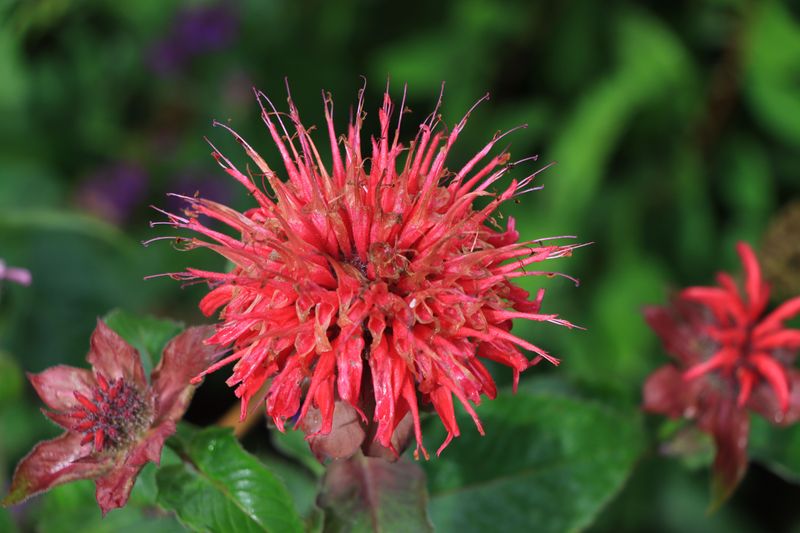
Rub a bee balm leaf between your fingers and you get a burst of minty, citrusy perfume. Monarda didyma also wears shaggy scarlet flowers that hummingbirds visit like a favorite roadside snack stand.
Square stems shoot up two to four feet tall, and the shallow roots creep outward surprisingly quickly. Personally, I give each clump plenty of elbow room because it doubles in width faster than expected.
Full sun to light shade suits it best, along with soil that stays evenly moist through summer. Native to moist woods and streambanks in the East, it handles Pennsylvania winters in zones 4 to 9.
Powdery mildew is the plant’s main weakness, showing up as a dusty gray film on the leaves. Good air flow helps a lot, so thin crowded stems and choose mildew-resistant cultivars like Jacob Cline.
Blooms usually appear from early to late summer, giving pollinators steady fuel when spring flowers have faded.
Snipping off faded flower heads often encourages a few extra blooms before the season winds down.
Every two or three years, dig up the clump in early spring and divide the vigorous outer pieces. The older center often weakens, so toss that part and replant the healthy edges in fresh soil.
Deer rarely bother those strongly fragrant leaves, which feels like a relief in neighborhoods with hungry browsers.
You can also dry the leaves for a homemade herbal tea, a tradition with deep North American roots.
3. Creeping Phlox
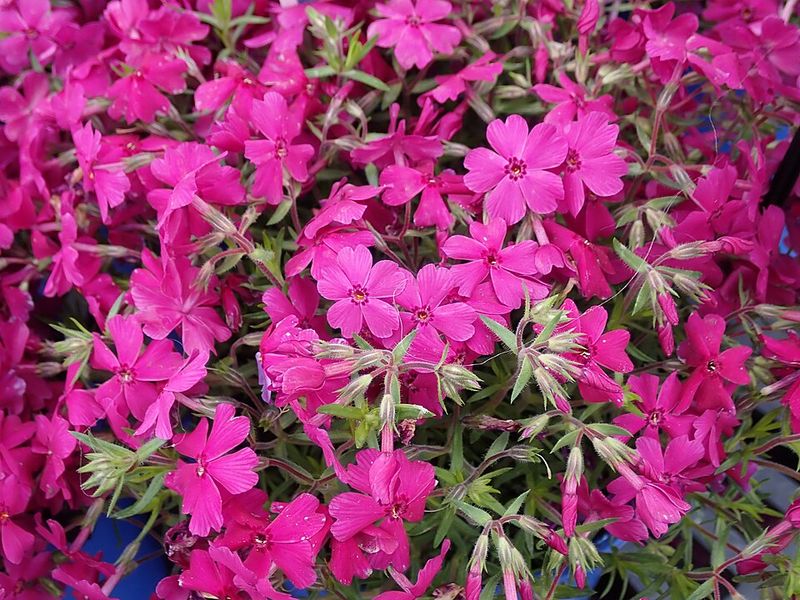
Every April, some sunny hillsides look like someone spilled buckets of pink paint across the rocks. That cheerful flood is creeping phlox, Phlox subulata, a low native mat with needle-like evergreen leaves.
It stays around six inches tall, yet one plant can stretch to two feet wide over time. Stems root lightly where they touch soil, which helps the mats knit together into a weed-blocking blanket.
Full sun brings the heaviest flowering, though a little afternoon shade is fine in hotter summers. Sharp drainage matters most, so gravelly slopes and rock walls suit it better than soggy clay beds.
I have to admit that a phlox-covered bank stops me in my tracks every single spring. Butterflies and early bees sip from the star-shaped flowers, which range from soft white to deep magenta.
Once established, the plant tolerates dry spells well and rarely needs any fertilizer at all to thrive. Heavy feeding tends to make the mats floppy and weakens their tidy, cushion-like shape over the years.
After blooming ends, give the plants a light shearing to tighten growth and tidy up stray stems. Space new transplants about eighteen inches apart in spring so they can merge within a couple years.
Mostly deer resistant and hardy in zones 3 to 9, it thrives across the whole state. Use it to soften stone edges or spill gracefully over the lip of a raised planter box.
4. Golden Ragwort
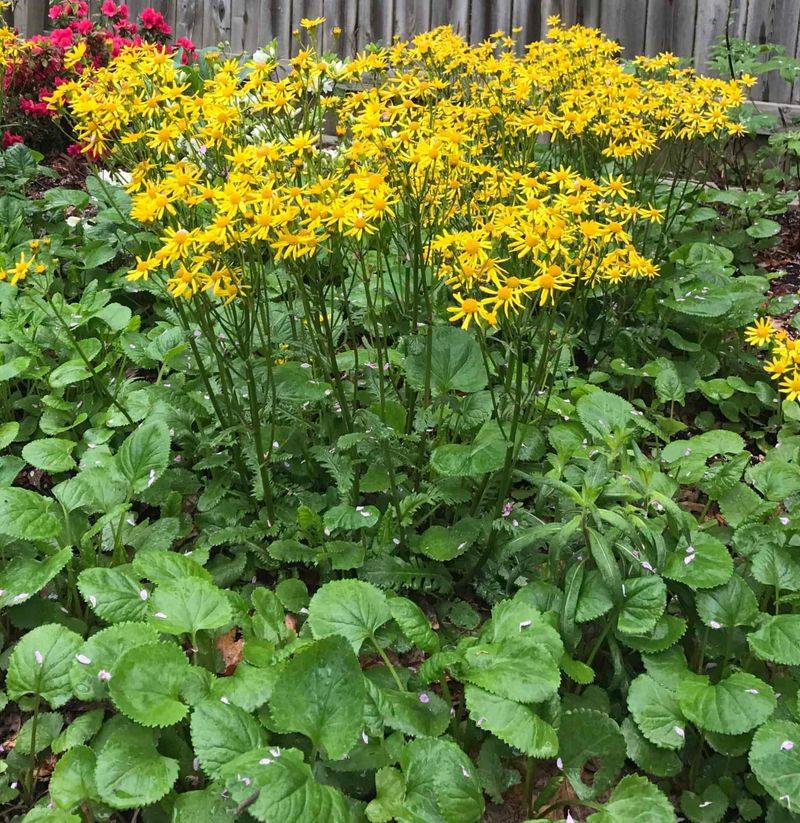
Long before most perennials wake up, golden ragwort is already glowing with bright yellow daisies in shady corners. Packera aurea flowers in April and May, lighting up woodland edges when color is still scarce.
Its rounded, heart-shaped basal leaves stay green through mild winters and often show pretty purple undersides. Flower stalks rise one to two feet tall above that low rosette, swaying in the cool spring breeze.
Speed is its specialty, since creeping stems and generous self-sowing help it form wide colonies quickly. I believe it ranks among the best native choices for covering a bare, damp slope in shade.
Moist to wet soil keeps it happiest, making it a natural fit for rain gardens and creek banks. It tolerates average garden soil too, though the leaves may sulk during long, dry summer stretches.
Small native bees and flies visit the early blooms when few other nectar sources are open nearby. Native across much of eastern North America, it grows comfortably throughout Pennsylvania in zones 3 to 8.
You might want to snip spent flower stalks before seeds ripen if you prefer slower, tidier spread. Extra seedlings are easy to pull or dig, then move to spots where you want more coverage.
Deer usually skip it, partly because the foliage contains compounds that make it unpalatable and toxic if eaten.
Keep curious pets and children from nibbling, and enjoy watching this sunny groundcover take over problem areas.
5. Wild Stonecrop
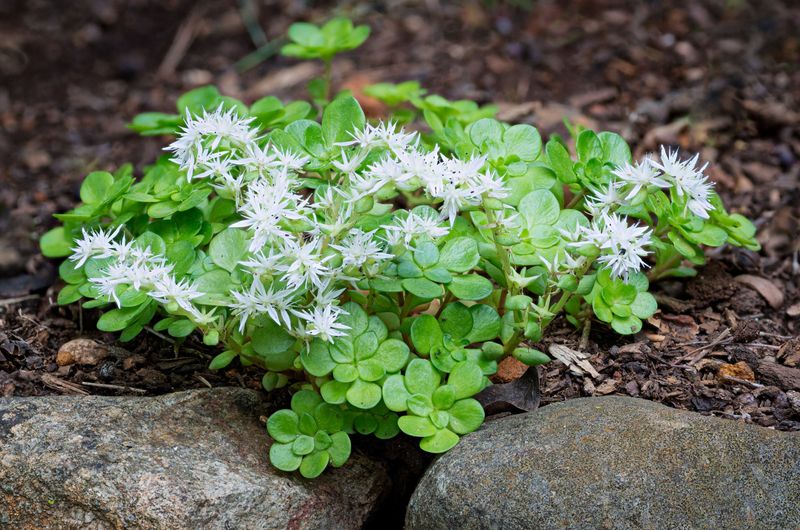
Tiny white stars sparkle above wild stonecrop in late spring, each flower shaped like a little starfish. Sedum ternatum is a native succulent, yet unlike most sedums, it actually enjoys shade and moisture.
Its rounded leaves grow in whorls of three, which explains the ternatum part of its scientific name. Stems creep along the ground and root wherever they touch, quickly forming a low evergreen mat.
Plants stay only three to six inches tall, perfect for tucking between rocks or along shady paths. I like how it fills crevices in old stone walls that most other plants simply cannot handle.
Partial shade and well-drained soil suit it best, though it adapts to rocky ledges and thin woodland soil. Native across much of the eastern United States, it is hardy in zones 4 to 8.
Flowers usually appear from April through June and attract small native bees searching for early nectar sources.
After blooming, the foliage keeps a fresh green look, giving shady beds texture through the colder months.
You can propagate it ridiculously easily, since broken stem pieces root when pressed into moist soil. Spring is a great time to scatter those cuttings across bare spots and watch them settle in.
Pests and diseases rarely cause trouble, and deer mostly ignore this low-growing, star-flowered little succulent in the garden. Pair it with ferns or foamflower for a woodland scene that looks like it planted itself.
6. Foamflower
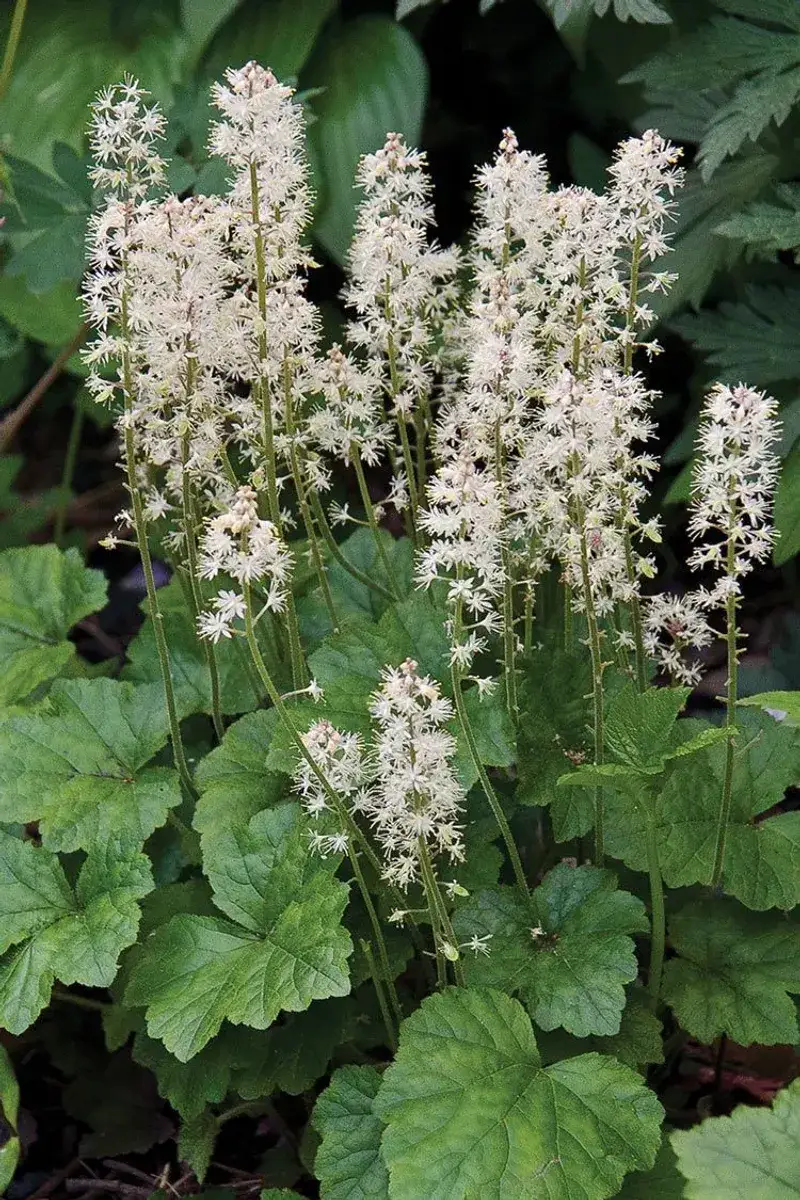
Fluffy white spikes rise above foamflower each spring, looking like tiny bottlebrushes dipped in sea foam. Tiarella cordifolia is a native woodland charmer that spreads by surface runners, much like a strawberry.
Those runners root as they go, knitting a soft carpet of fuzzy, maple-shaped leaves in shady beds. Some cultivars, such as Running Tapestry, spread especially fast, while clumping types like Spring Symphony stay put.
Flowers usually open from April into May, with pinkish buds adding extra charm before they fully unfold. Plants grow roughly six to twelve inches tall, so they sit neatly beneath shrubs and taller perennials.
Part to full shade suits it best, along with rich, humusy soil that stays consistently moist. Soggy winter ground can rot the crowns, so mix in compost and avoid low spots that hold water.
In fall, many leaves pick up bronze or burgundy tints that brighten the woodland floor for months. The foliage often stays semi-evergreen through Pennsylvania winters, giving you a little color under the bare trees.
Personally, I love snipping a rooted runner and moving it wherever a shady gap needs filling.
Spring transplants settle quickly when watered regularly through their first few weeks in the new bed.
Bees and other small pollinators visit those frothy blooms, and deer usually browse it lightly at most. Hardy in zones 3 to 8, it pairs beautifully with native ferns under tall oak trees.
7. Common Blue Violet
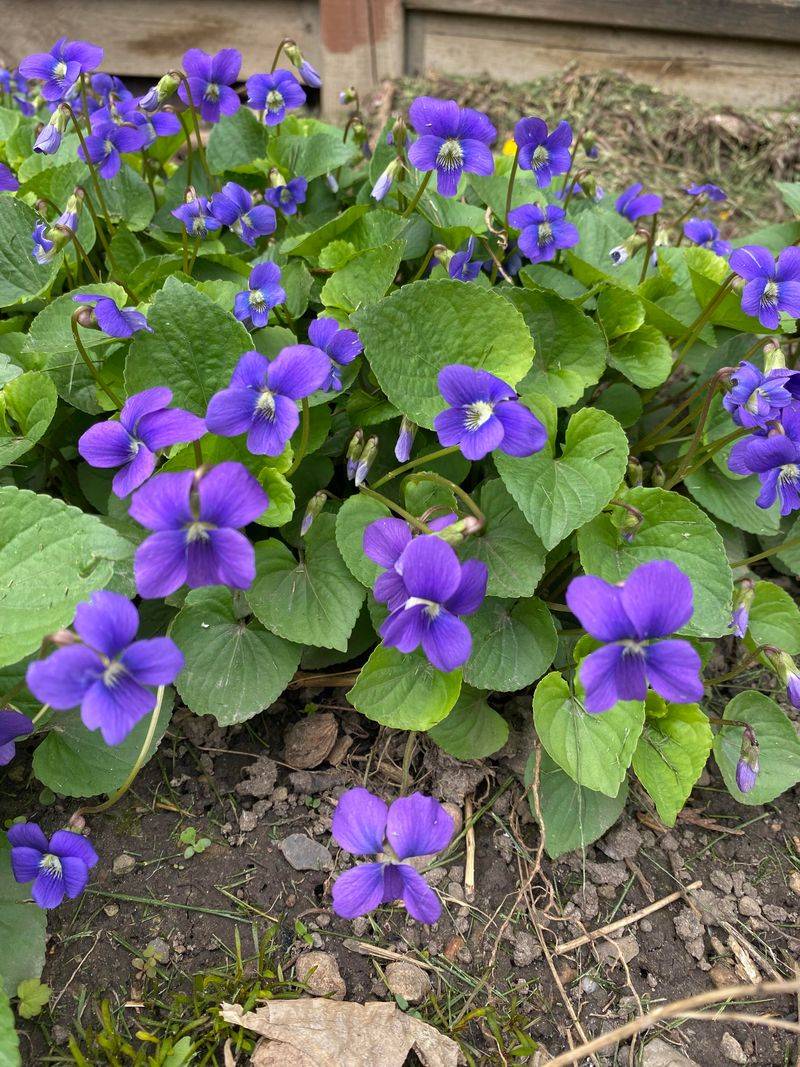
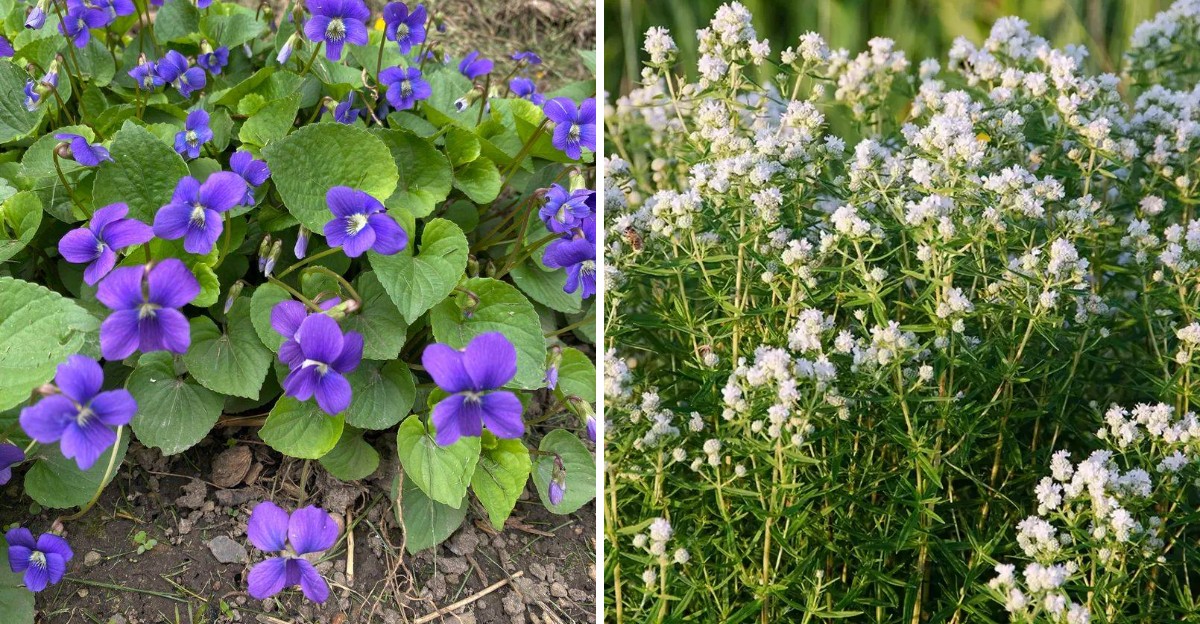
Kids have picked purple violets for tiny bouquets for generations, and you probably have some already. Viola sororia is the native violet many people call a lawn weed, yet butterflies see a nursery.
Fritillary butterfly caterpillars feed on violet leaves, so a patch can support several beautiful native species. I can’t imagine a pollinator garden without a few cheerful violets tucked along its shady edges.
Heart-shaped leaves form low clumps about six inches tall, topped by blue-violet flowers in early spring. Blooms usually show up from April into early June, offering welcome nectar to hungry early bees.
Spreading happens two ways, through thick rhizomes and through seeds that pop out of capsules with surprising force.
Some flowers hidden near the ground stay closed yet still make seeds, which is a clever backup plan.
Ants also carry seeds away to eat the oily attachments, planting new violets in unexpected cracks. That habit explains why violets show up in patio gaps and flower beds you did not plant.
Shade or part sun with moist soil suits them best, though they tolerate clay and some neglect. Hardy in zones 3 to 9, they grow wild across the state in woods and meadows.
To keep them in bounds, plant violets where turf struggles, like under trees or along a woodland path. Pulling extra seedlings each spring is easy, and the leaves and flowers are even edible in salads.
8. Virginia Mountain Mint
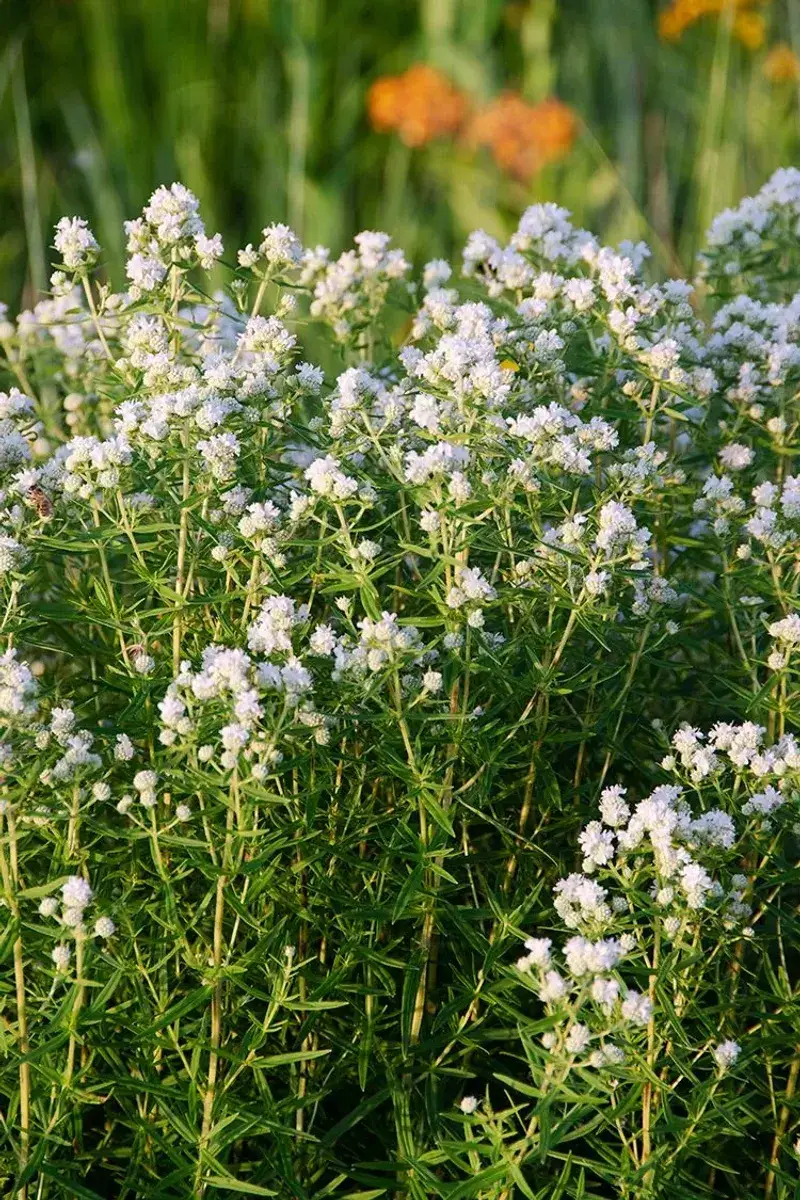
Watch a patch of Virginia mountain mint in July and you may count dozens of different insects at once.
Pycnanthemum virginianum draws tiny native bees and harmless wasps to its flat clusters of small white flowers.
Crush a narrow leaf and you get a sharp peppermint scent that lingers on your fingers. Deer and rabbits usually dislike that strong aroma, so the plant often stays untouched in exposed beds.
Underground rhizomes help it spread steadily, forming dense, bushy stands about two to three feet tall. It behaves better than true garden mint, yet it still needs room to roam in a sunny border.
Native to eastern meadows and wet prairies, it grows wild in Pennsylvania and handles zones 3 to 7. Full sun to light shade works, and it tolerates moist clay better than many summer bloomers.
Blooms usually run from July into September, filling the gap after spring flowers have finished their show. Honestly, those tidy white flower heads look lovely tucked into a small vase with summer zinnias.
Plant young starts in spring about two feet apart, then water them well until roots settle. Within a couple of years, the gaps usually disappear and the planting looks full and wonderfully lush.
If it creeps where you do not want it, dig out the wandering shoots with a trowel. Leaves can be dried for a minty tea, a use with a long history in North American herbal traditions.
9. Green And Gold
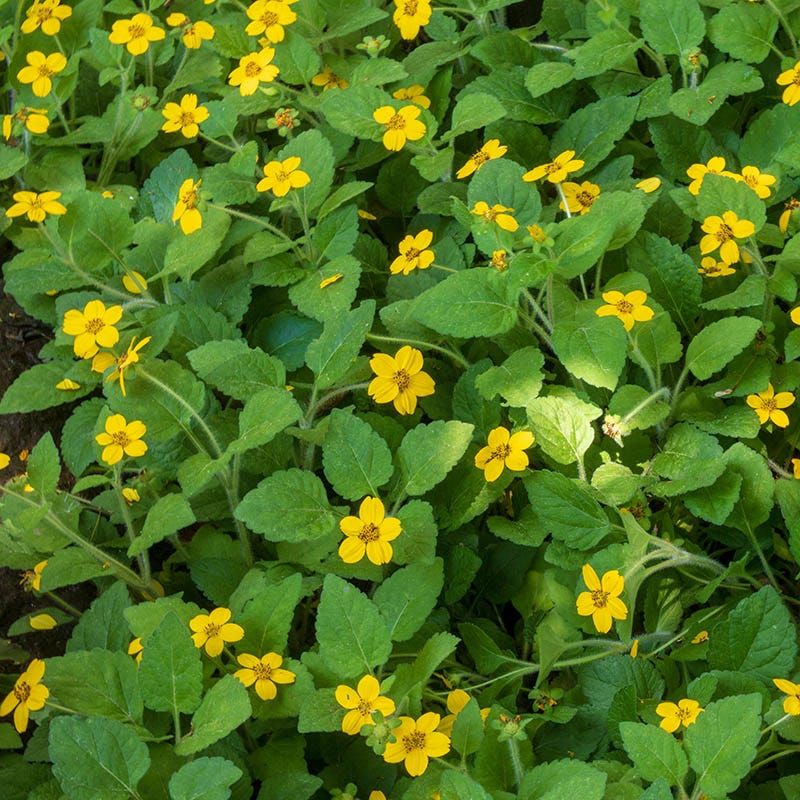
Bright yellow stars on a carpet of fuzzy leaves give green and gold its cheerful, easy-to-remember name.
Chrysogonum virginianum is a low native groundcover that blooms in spring and often keeps reblooming lightly into summer.
Plants stay about four to eight inches tall, spreading by runners that root and form tidy mats. I like how the flowers pop against the dark green foliage, even in a fairly shady spot.
Part shade is ideal, though it handles some morning sun if the soil stays reasonably moist. Well-drained soil with plenty of organic matter keeps the crowns healthy and the spreading nice and steady.
Its wild native range reaches north into southern Pennsylvania, and it is hardy in zones 5 to 9. Gardeners in colder northern counties may want a sheltered spot with snow cover or a light mulch.
Cultivars such as Allen Bush spread quickly, while types like Pierre form slower, more compact clumps. Choose the speedy kind if you want fast coverage under shrubs or along a woodland walk.
Small bees and flies visit the daisy-like blooms, which open as early as April in warmer spots. Deer tend to browse it only lightly, though rabbits may nibble young leaves now and then.
Spring planting gives runners a full season to stretch out before winter weather slows them down. Space plants about a foot apart, and you may see a solid golden carpet within two years.