8 Poisonous Plants Delaware Residents Should Know About Before Winter
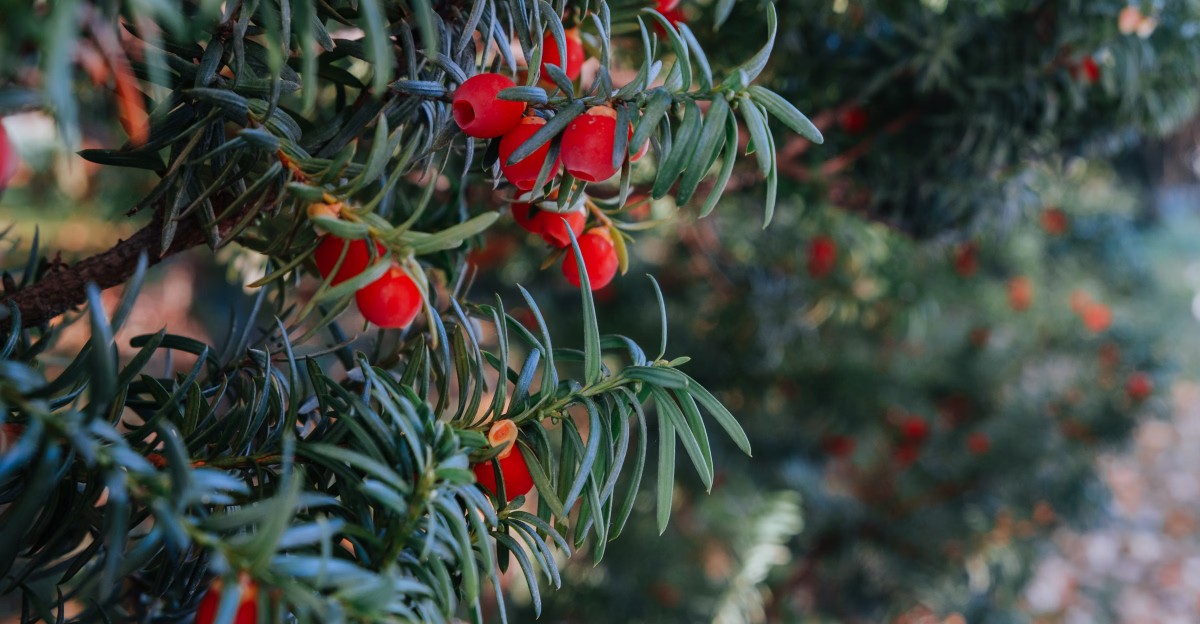
Delaware picked a state tree whose bright red berries can send a curious toddler straight to the bathroom. That festive evergreen has been the official state tree since 1939, and it hides in plain sight near many homes.
Winter strips away leaves, yet many toxic plants keep their punch in bare stems and leftover berries. Some of the most hazardous ones grow along ditches and fence lines that you pass every single week.
I learned this the itchy way while pulling bare vines from an old fence one gray November afternoon. You build better safety habits once you know which stems and fruits deserve a careful second look.
Kids and dogs explore the yard all winter, and they rarely ask permission before tasting something shiny. In Delaware, a quick look before the first frost beats a frantic call to poison control.
1. Poison Hemlock
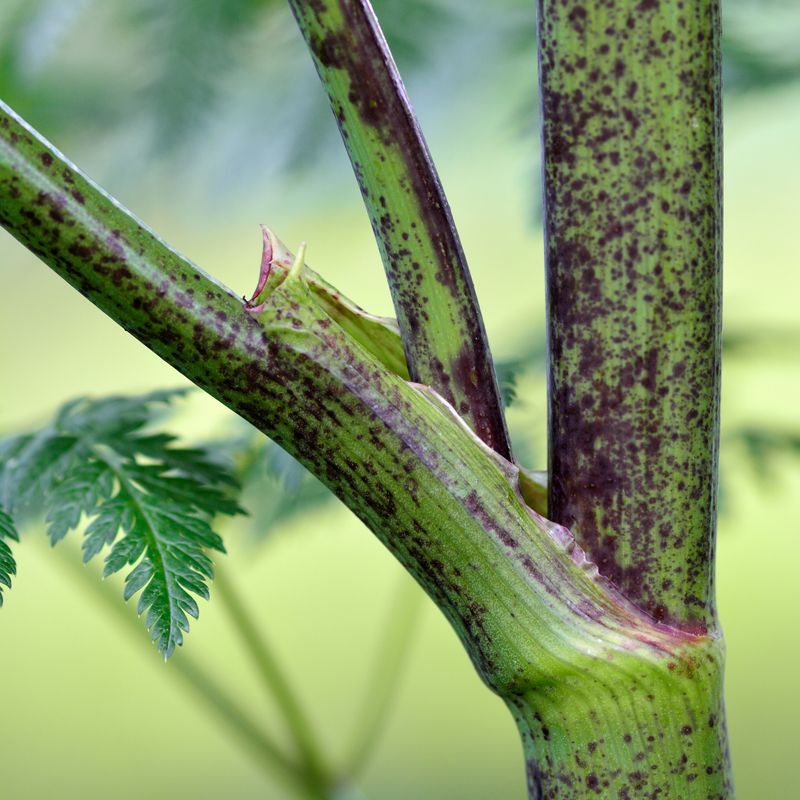
Purple blotches splashed across a smooth green stem look almost painted on, and they are your best clue. Poison hemlock, known to botanists as Conium maculatum, wears those spots like a warning label most people overlook.
I spotted my first patch beside a farm lane, and the musty, mousy smell surprised me more than anything. That odor shows up when leaves get crushed, so trust your nose if a lacy plant smells unpleasant.
Every part of this European import is toxic if swallowed, from the roots up through the tiny seeds. Some people also report skin irritation from the sap, so gloves make sense whenever you handle it.
The plant grows on a two-year cycle, starting as a low, ferny rosette during its first season. Those rosettes often stay green through late fall, which is when folks confuse them with parsley or wild carrot.
Wild carrot has fuzzy stems, while poison hemlock stems feel smooth and hairless with those telltale purple marks. That quick touch test, done with gloved hands, helps you sort the harmless plant from the hazardous one.
Second-year plants can shoot up six to ten feet tall, topped with umbrella-shaped clusters of small white flowers. Dried stalks and seeds can linger into winter, and they still carry toxins long after turning brown.
For removal, pull young rosettes with gloves now, then bag them instead of tossing them into your compost pile. Wash tools afterward, and keep kids and pets well away from any patch you have not cleared yet.
2. Spotted Water Hemlock
Scientists at the USDA have called this wetland native one of the most toxic plants in North America. Spotted water hemlock, or Cicuta maculata, grows quietly beside marshes and ditches without drawing much attention at all.
Honestly, it looks a lot like a dozen other harmless plants with white, umbrella-shaped flower clusters in summer. That resemblance makes careful identification so important, especially for anyone who enjoys foraging near streams or ponds.
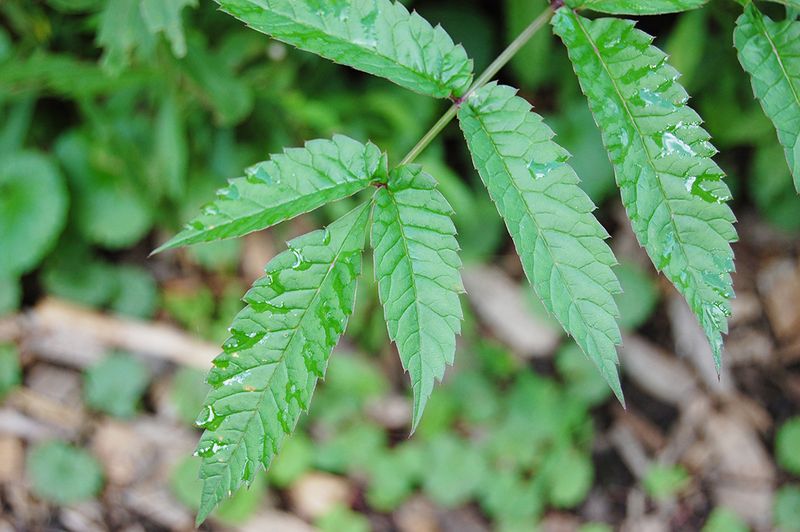
One handy clue hides in the leaves, so look closely at the tiny veins running across each leaflet. On water hemlock, those veins typically end at the notches between teeth, instead of running out to the tips.
The stems can reach six feet tall and often show purple streaks or spots against the green. Underground, the plant forms thick, chambered roots that ooze a yellowish, oily liquid when someone cuts into them.
That root holds the highest concentration of cicutoxin, a compound that can trigger violent seizures soon after swallowing. Livestock sometimes get into trouble when muddy soil lets them pull roots right out of the ground.
Winter does not make this plant safe, because those roots stay toxic while the tops fade back. You might notice dried stalks standing in wet ditches, and they make a good reminder to watch your step.
Since it is native and valuable to certain insects, leave wild patches alone unless they threaten people or animals. If you need removal near pastures or play areas, contact your local extension office for expert guidance first.
3. Poison Ivy
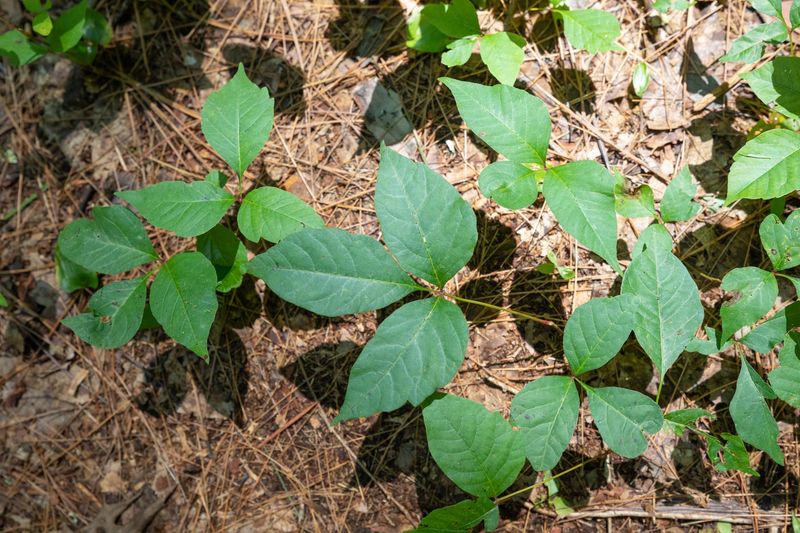
A fuzzy rope hugging a tree trunk in January might look harmless, but those hairs belong to poison ivy. I call it the caterpillar vine, because those tiny brown aerial roots look oddly furry up close.
Leaves disappear in fall, yet the oil called urushiol stays active in the stems, roots, and bare twigs. That sneaky oil causes the classic itchy rash, and it can linger on gloves and tools for months.
Many people relax their guard once the colorful red leaves drop, which is exactly when winter rashes happen. Clearing brush or gathering firewood becomes risky if one of those hairy vines is wrapped around the wood.
Look for clusters of small, whitish berries hanging on bare stems through the cold months as another clue. Birds like these berries a lot, which explains why new plants pop up beneath fences and favorite perching spots.
Please skip burning any vines in a brush pile, because smoke can carry urushiol into your lungs and eyes. Bag the cuttings instead, and wear long sleeves with sturdy gloves you can wash or toss afterward.
If you brush against a vine, wash your skin with soap and cool water as soon as possible. Quick washing within the first hour can reduce the reaction, though it may not stop every bit of itching.
Pets can carry the oil on their fur and pass it to you during cuddles on the couch. A gentle bath for your dog after woodland walks can save you from a mystery rash later.
4. Poison Sumac
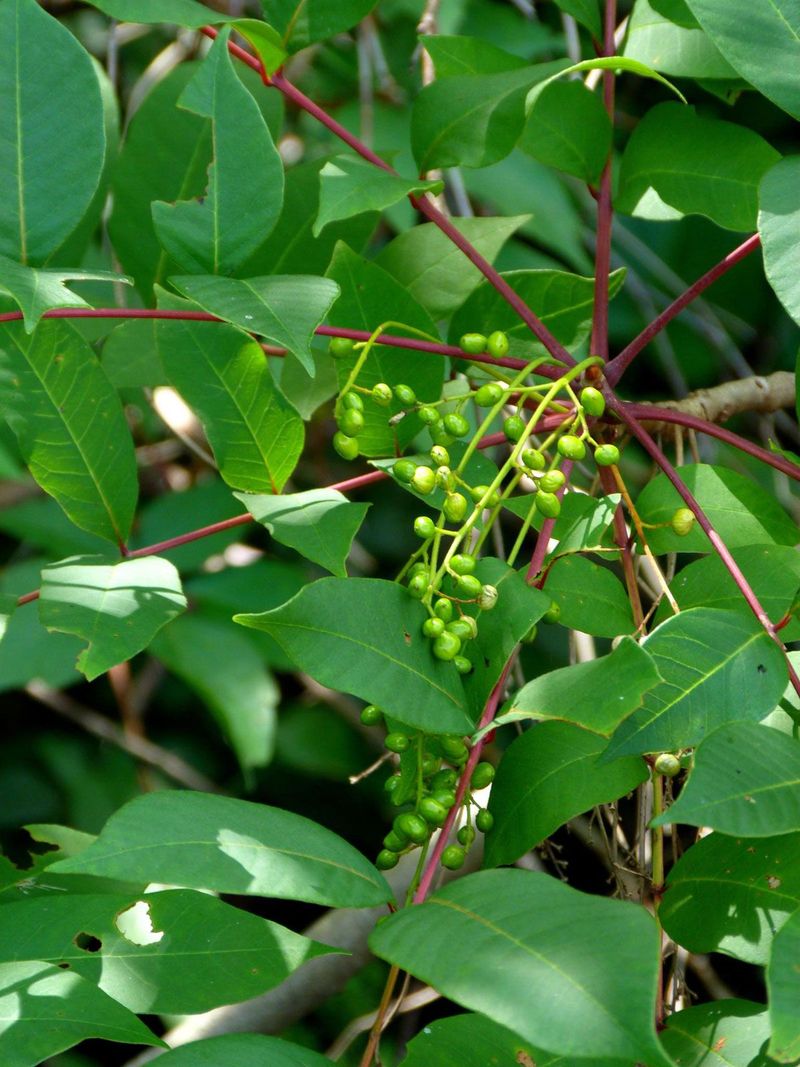
Swamp walkers, this one is for you, because poison sumac loves soggy ground more than almost any other shrub. Botanists call it Toxicodendron vernix, and it carries the same itchy urushiol oil as its famous ivy cousin.
Many experts consider its rash more intense than poison ivy, likely because the shrub holds plenty of oil. I treat any tall, many-leafed shrub in a bog as a suspect until I can confirm its identity.
Each leaf holds seven to thirteen smooth-edged leaflets lined up along a reddish stem, unlike the toothed edges elsewhere. That red stem is a handy clue, especially when you see it against the muted browns of a wetland.
The shrub can grow quite tall, sometimes reaching around twenty feet in favorable swamps and wet thickets. Drooping clusters of pale, whitish or grayish berries often hang on well into the winter months.
Harmless sumacs, like staghorn and smooth sumac, grow on drier ground and hold fuzzy red berries pointing upward. Once you learn that difference in berry color, telling the friendly shrubs from the troublemaker gets much easier.
Bare winter branches still carry the oil, so leaf drop offers no real protection for anyone pushing through brush. Stay on boardwalks and marked trails when exploring marshy parks, especially when branches crowd close to the path.
If exposure happens, wash right away and launder clothing separately from the rest of your household laundry. Severe swelling or rashes near the eyes deserve a call to your doctor instead of waiting it out.
5. American Holly
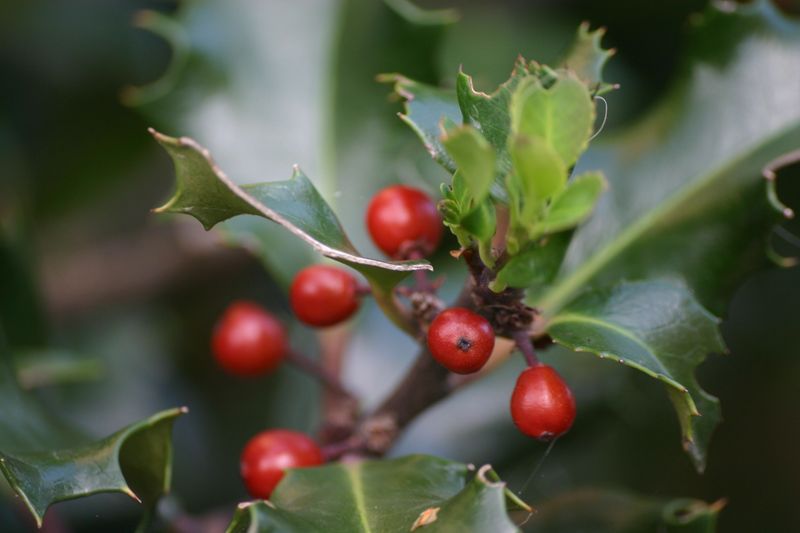
Our state tree doubles as a holiday decoration, and those glossy red berries look good enough to eat. American holly, or Ilex opaca, earned official recognition in Delaware back in 1939 for its beauty and history.
I clip a few sprigs for my mantel every December, though I keep them well above where curious paws reach. Those cheerful berries contain compounds called saponins, which can upset stomachs in both people and pets.
Swallowing a few berries often leads to vomiting, diarrhea, or a sleepy, miserable afternoon for a small child. Dogs and cats can drool or shake their heads after chewing the spiny leaves, according to the ASPCA.
Fun fact, only female trees produce berries, and they need a male holly nearby to make that happen. If your holly never fruits, a missing pollen partner in the neighborhood is often the simple explanation.
Birds treat the ripe berries like a winter snack bar, especially once colder weather softens and sweetens them. You might notice robins and cedar waxwings stripping a tree bare in just a few hungry days.
For indoor decor, consider tucking sprigs into wreaths hung high or swapping real berries for artificial ones. Sweep up dropped berries quickly, since they roll under furniture where toddlers and puppies love to explore.
Outdoors, this native evergreen remains a wonderful choice for wildlife and year-round color in your landscape. Just teach kids that the shiny red fruit belongs to the birds, not to anyone in the family.
6. Rhododendron
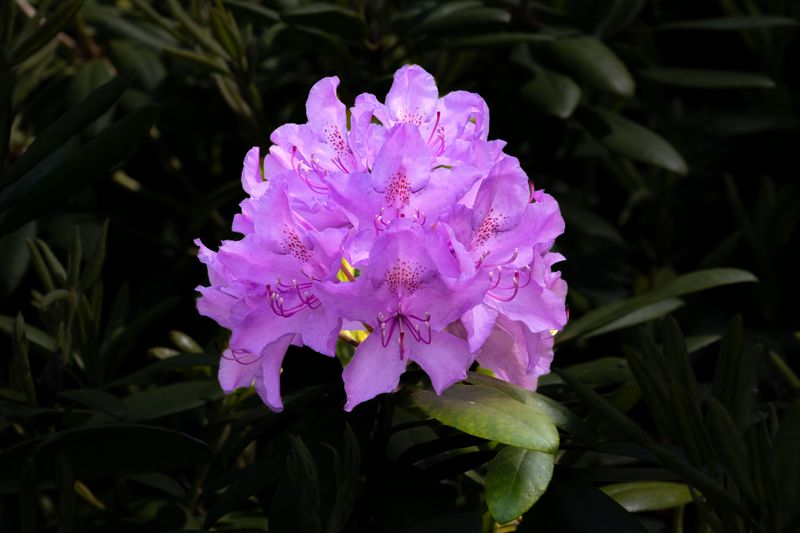
Long ago, honey made from rhododendron nectar was famous for making people dizzy, earning the nickname mad honey. That strange story comes from grayanotoxins, natural compounds found in the leaves, flowers, and nectar of these shrubs.
Plenty of us grow rhododendrons for their big spring flowers and leathery leaves that stay green all winter. I love how they anchor a shady bed when everything else looks bare and brown in January.
Yet those leaves cause real trouble if a dog, cat, goat, or child decides to chew on them. Symptoms can include drooling, vomiting, weakness, and heart rhythm problems, so a vet visit should happen quickly.
You might notice leaves curling into tight tubes on frigid mornings, almost like cigars hanging from the branches. That curl is a normal defense that helps reduce moisture loss when the ground is frozen solid.
To help your shrubs through winter, water them deeply in late fall before the soil freezes hard. A few inches of shredded bark mulch over the roots holds moisture and evens out soil temperatures nicely.
Shrubs facing strong winds or bright afternoon sun can develop browned leaf edges by early spring. Planting them in a sheltered spot with morning light usually keeps that winter scorch to a minimum.
If you keep backyard goats or chickens, fence rhododendrons away from their foraging area for peace of mind. Hungry livestock nibble evergreen leaves in winter, when tender green food becomes scarce around the yard.
7. Yew
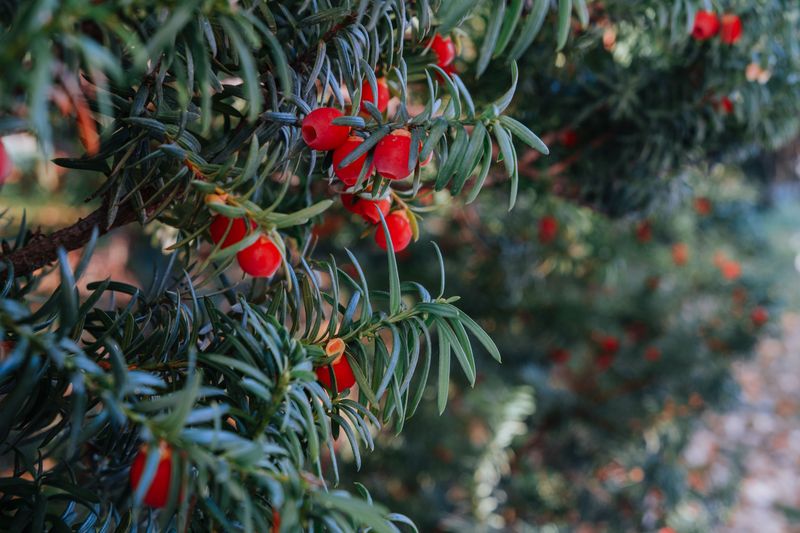
Red cups that look like tiny gummy candies dangle from yew branches each fall, and they fool plenty of people. The squishy red part, called an aril, is the only piece of this shrub without dangerous toxins.
Inside each aril sits a hard dark seed loaded with taxine alkaloids, which can disrupt normal heart function. The needles, bark, and stems carry those same compounds, so nearly the whole plant deserves serious caution.
Yews show up in foundation plantings across many Delaware neighborhoods, especially the popular Japanese yew and its hybrids. I admire their deep green color in winter, but I trimmed mine so berries sit above toddler height.
Horses and cattle face real danger, and even small amounts of clippings tossed over a fence can cause trouble. Bag your yew trimmings and keep them far from pastures, chicken runs, and any animal feeding areas.
Oddly enough, deer often browse yews during lean winter months, sometimes leaving shrubs looking chewed and lopsided. Their tolerance seems higher than many other animals, but that does not make the plant safe for pets.
Dogs sometimes chew sticks from pruned yews, so clean up all cuttings right after shaping your hedges. If you suspect your pet ate any part, call your vet or a pet poison hotline right away.
For new plantings near play spaces, consider native evergreens like inkberry holly as a friendlier alternative. Existing yews can stay, as long as everyone in the family knows those red cups are off limits.
8. Pokeweed
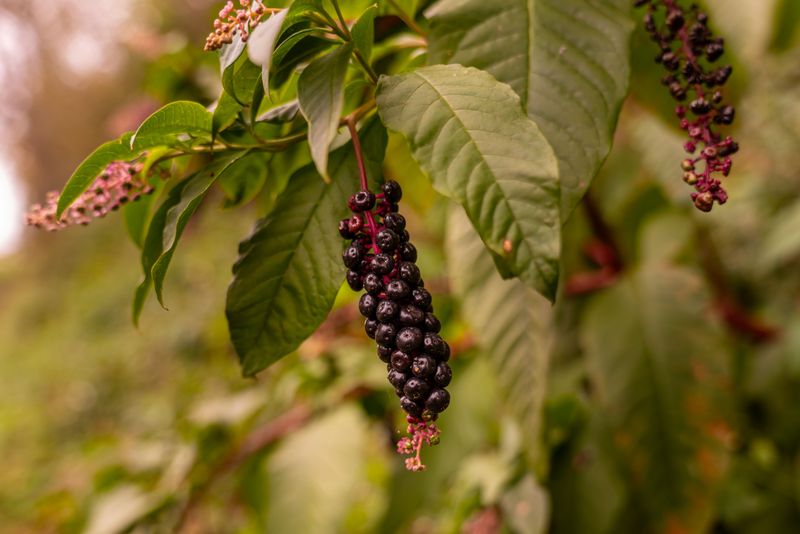
Kids once squished pokeweed berries to make purple ink, and some folks say early letters were written with it. That inky juice stains fingers for days, which tells you how strongly pigmented this native plant really is.
Pokeweed, or Phytolacca americana, can tower eight to ten feet tall with bright magenta stems that practically glow. In late summer and fall, long drooping clusters of glossy dark purple berries hang from every branch.
All parts are toxic to people, and the thick taproot packs the strongest punch of the whole plant. Eating berries or roots can cause nausea, vomiting, and stomach cramps, with more serious symptoms after larger amounts.
I left one plant standing at the edge of my yard, and the birds stripped it within weeks. Mockingbirds, catbirds, and other songbirds eat the berries safely, then scatter the seeds across fields and fence rows.
As frost arrives, the leafy tops fade back to the ground, leaving tall, hollow stalks behind. Some of those stalks hold shriveled berries well into winter, so keep an eye out where children play.
You will find pokeweed along Delaware roadsides, woodland edges, and neglected garden corners almost anywhere. Pull young plants with gloves while the roots are small, since mature taproots grow thick and stubborn.
Because it feeds wildlife, consider leaving distant patches alone while clearing plants near swings and sandboxes. A quick family walk to point out those purple berries can prevent a lot of worry later on.