8 Flower Bulbs Georgia Gardeners Can Start Indoors This November For Winter Blooms
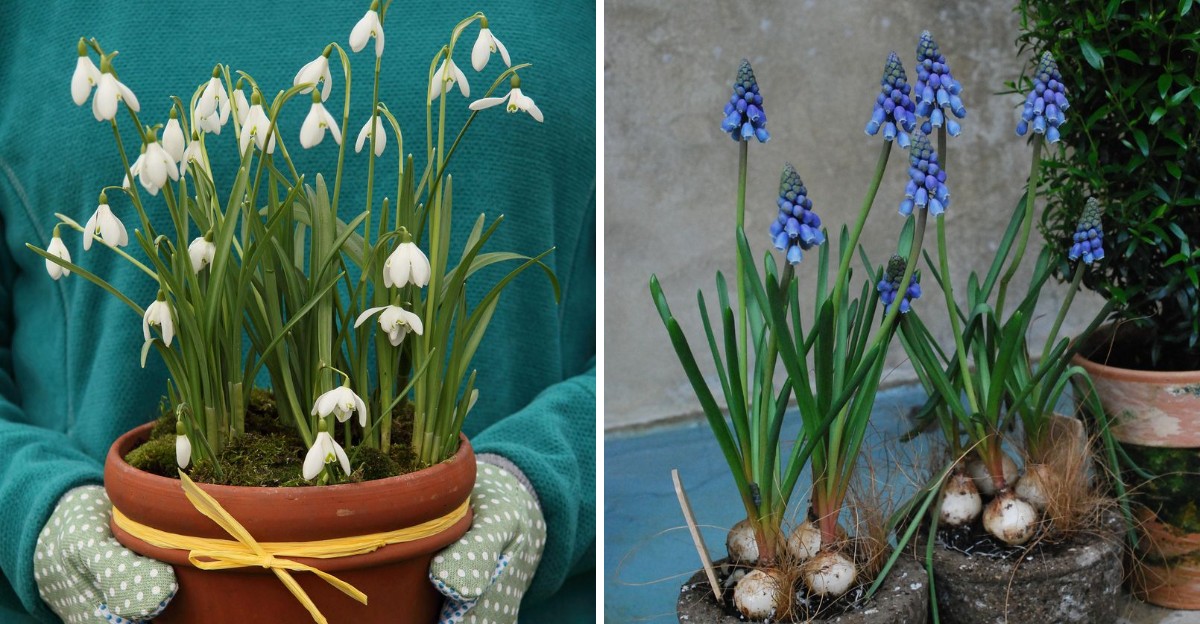
Some of my favorite winter flowers grow happily in a bowl of pebbles and water without any soil. A few can open their blooms in roughly four weeks, which feels a little like garden magic to me.
Other bulbs need a long nap in a cold refrigerator before they agree to wake up and flower. Georgia winters are often too mild to give them that chill outdoors, so your kitchen steps in to help.
I love how a sunny windowsill turns into a tiny flower show while the yard outside looks brown and sleepy. You only need a few pots of fresh potting mix and a little patience from Thanksgiving onward.
November is the perfect month in Georgia to start, since some blooms will arrive right on time for the holidays.
The hardest part might be deciding which of these eight cheerful beauties deserves the first spot on your windowsill.
1. Paperwhite Narcissus
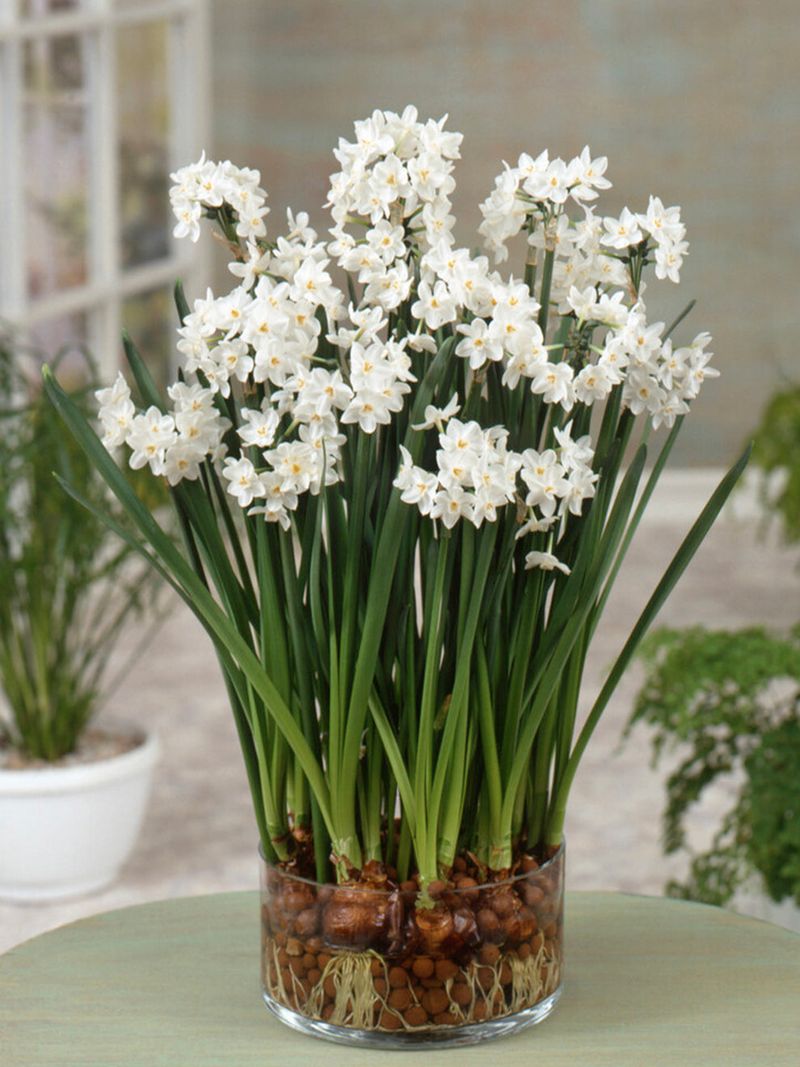
Few flowers move faster than paperwhites, which often open their starry white clusters about four weeks after planting. I like setting a bowl on the kitchen table just to watch the green shoots stretch a little each morning.
Unlike most spring bulbs, paperwhites need no cold treatment, so you can plant them the day you buy them.
A November start usually brings blossoms sometime between December and January, right when the yard looks its plainest.
You can grow them in regular potting soil with the bulb tips peeking out above the surface. Many folks prefer a shallow bowl of gravel or pebbles, which shows off the white roots as they spread.
Keep the water level just touching the base of each bulb, because soaking the whole bulb invites rot.
Check the bowl every few days, since thirsty roots can drink the water level down faster than you expect.
A bright south-facing window works beautifully, and a cooler room around 60 to 65 degrees keeps stems sturdier. Warm rooms tend to stretch the stems tall and floppy, so a little twine or a slim stake helps.
I have to admit the fragrance splits households, since some people call it sweet while others find it musky. Try one pot in a hallway first before filling the whole living room with dozens of blooming bulbs.
In south Georgia and other zone 8 to 11 spots, paperwhites can also grow outdoors as returning perennials. Indoor forced bulbs often lose their energy, so many gardeners simply compost them after the show ends.
2. Amaryllis
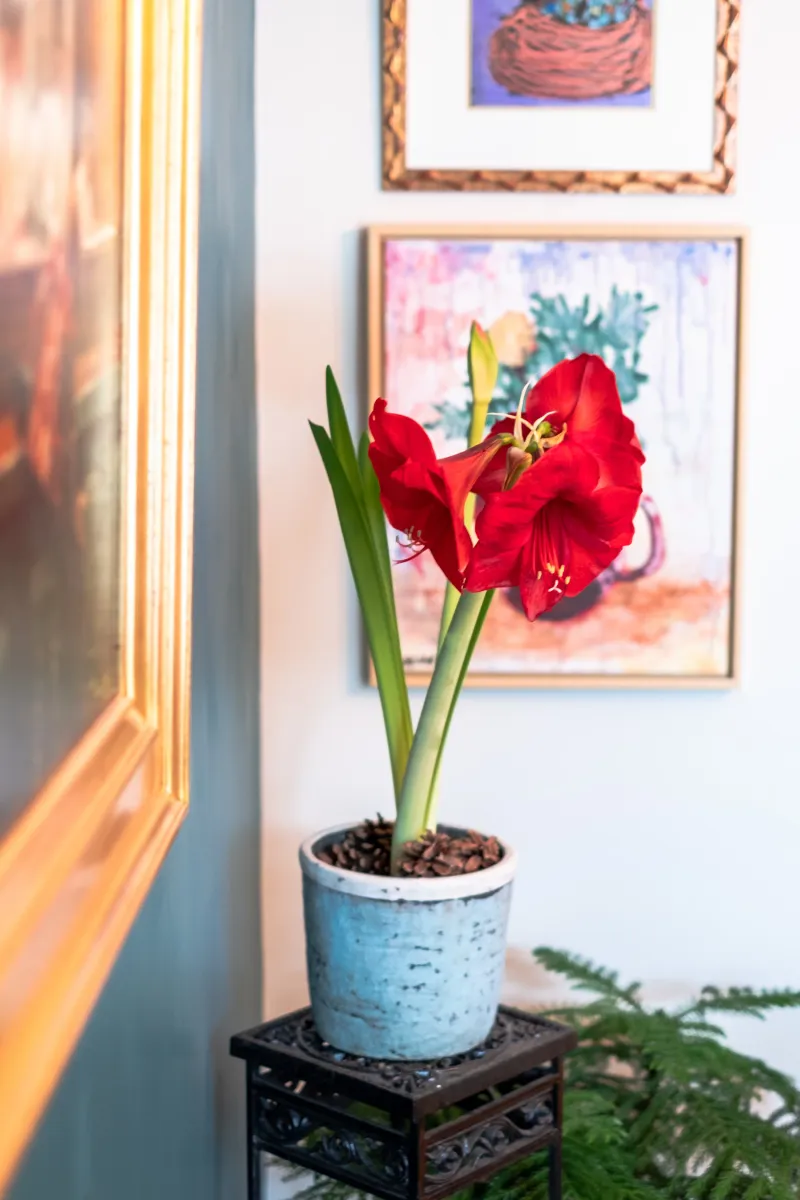
Those giant trumpet blooms can stretch three to six inches across, which feels almost unfair for a single bulb.
I can’t imagine a cheerier sight than a red amaryllis glowing beside a frosty window in late December.
Amaryllis skips the cold nap, so you can pot it up as soon as it comes home from the store.
Planting in early or mid-November usually brings flowers within four to eight weeks, often right around the holidays.
Pick a snug pot only an inch or two wider than the bulb, because these plants enjoy cramped quarters. Leave the top third to half of the bulb sitting above the soil line when you fill in the mix.
Water sparingly at first, then increase moisture once the flower stalk and bud start pushing up from the top. Too much water early on can soften the bulb, so let the surface dry slightly between drinks.
A warm spot around 70 to 75 degrees with strong southern light gets the stalk moving quickly. Turn the pot every couple of days, since that tall hollow stem loves to lean toward the glass.
Once the first bloom opens, sliding the pot into a cooler room can stretch the flower show a bit longer. You might notice two or even three stalks on bigger bulbs, which makes paying for jumbo sizes worthwhile.
All parts of amaryllis are mildly poisonous if eaten, so keep curious pets and toddlers away from the pot. Colors range from classic red to soft salmon and striped bicolors, so choosing just one gets tricky.
3. Freesia
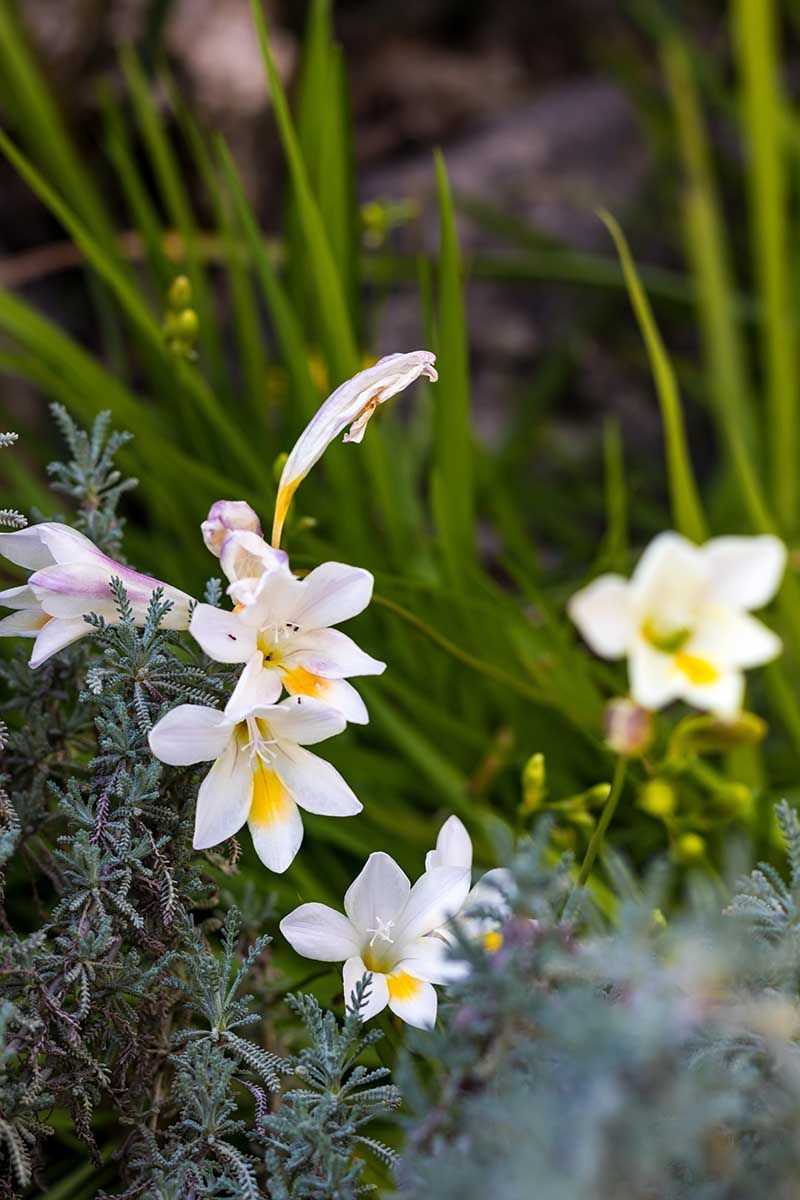
One small pot of freesias can perfume an entire room with a fruity scent some people compare to baby powder.
Personally, I think it smells like sunshine trapped in a jar, especially on a gray February afternoon.
Freesia grows from corms rather than true bulbs, and they need no chilling period before planting.
Corms potted in November usually bloom in about ten to twelve weeks, bringing color from February into early spring.
Choose a deep pot, because freesias send down long taproots that appreciate extra room below the surface. Set the corms one to two inches deep and roughly one to two inches apart in rich, well-draining mix.
Cool conditions make all the difference, with nights near 50 to 55 degrees and days below 70. A bright window in a chilly spare room or sunporch often gives better results than a toasty living room.
Keep the soil evenly moist but not soggy, since waterlogged corms can rot before they send up shoots. Stick a finger into the mix every few days to feel whether it needs another drink.
Those wiry, arching stems carry five to ten flowers each, and they get top-heavy once buds open. A few thin bamboo stakes with soft ties keep everything upright without hiding the pretty blooms.
You’re in for a treat with the color choices, which run from creamy white to deep purple shades. Cut a stem or two for a bud vase, because freesias hold up nicely as cut flowers indoors.
4. Dwarf Iris
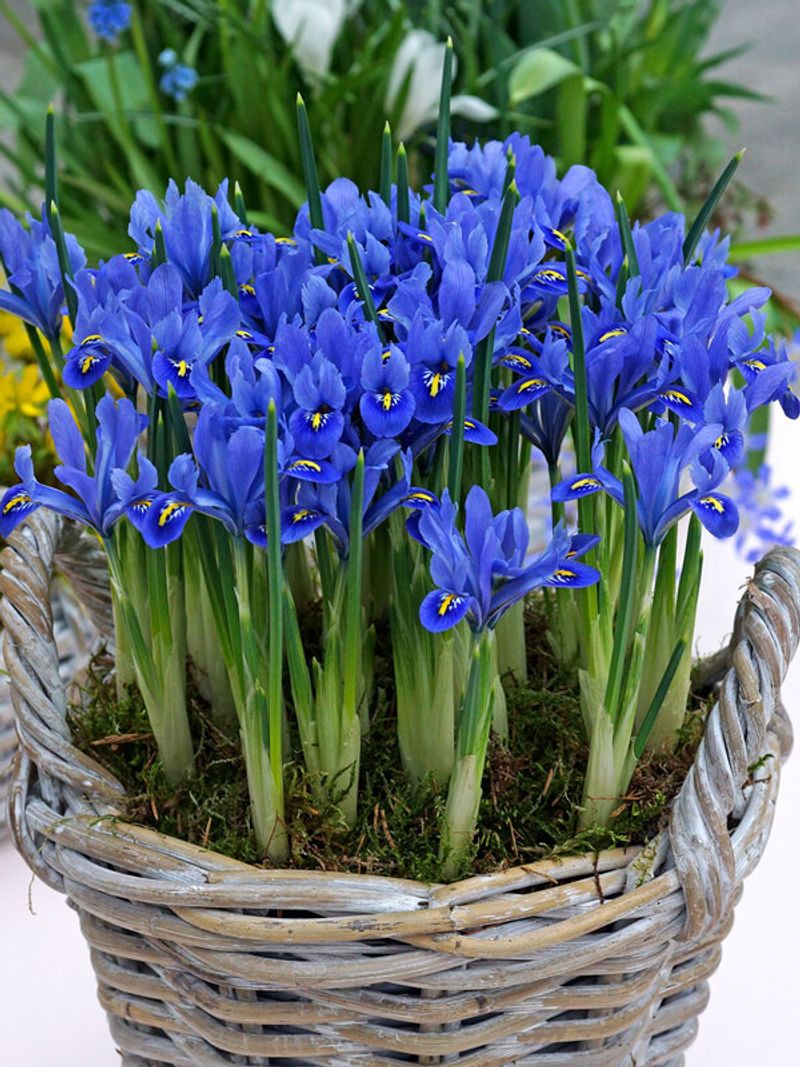
Tiny but bold, dwarf irises stand only four to eight inches tall yet wear some of the richest colors around. I love how their violet petals carry bright yellow markings that look painted on with a tiny brush.
Iris reticulata needs a cold treatment before it blooms, so November is a great time to begin chilling.
An eight-week chill started this month can bring flowers around late January or February on your windowsill.
Crowd the bulbs in shallow pots about six inches deep, pointed ends up and two to three inches down. Good drainage matters a lot here, because these little bulbs dislike sitting in wet, heavy soil.
Store the pots somewhere dark between 35 and 45 degrees, like a spare refrigerator or unheated garage.
Keep the soil barely moist during this rest, and check every couple of weeks so it stays slightly damp.
After eight weeks, move the pots to a bright room around 60 to 65 degrees with direct sun. Aim for at least four hours of sunlight, and flowers usually appear within two or three weeks.
Many cultivars release a soft violet-like fragrance, so lean in close because the scent is delicate and easy to miss. Set a pot at eye level on a shelf, since blooms this small deserve to be seen up close.
The bulbs are toxic if eaten, though deer and rabbits mostly leave them alone in outdoor beds. After blooming, you can try planting them outside, though results in warmer Georgia gardens tend to be mixed.
5. Hyacinth
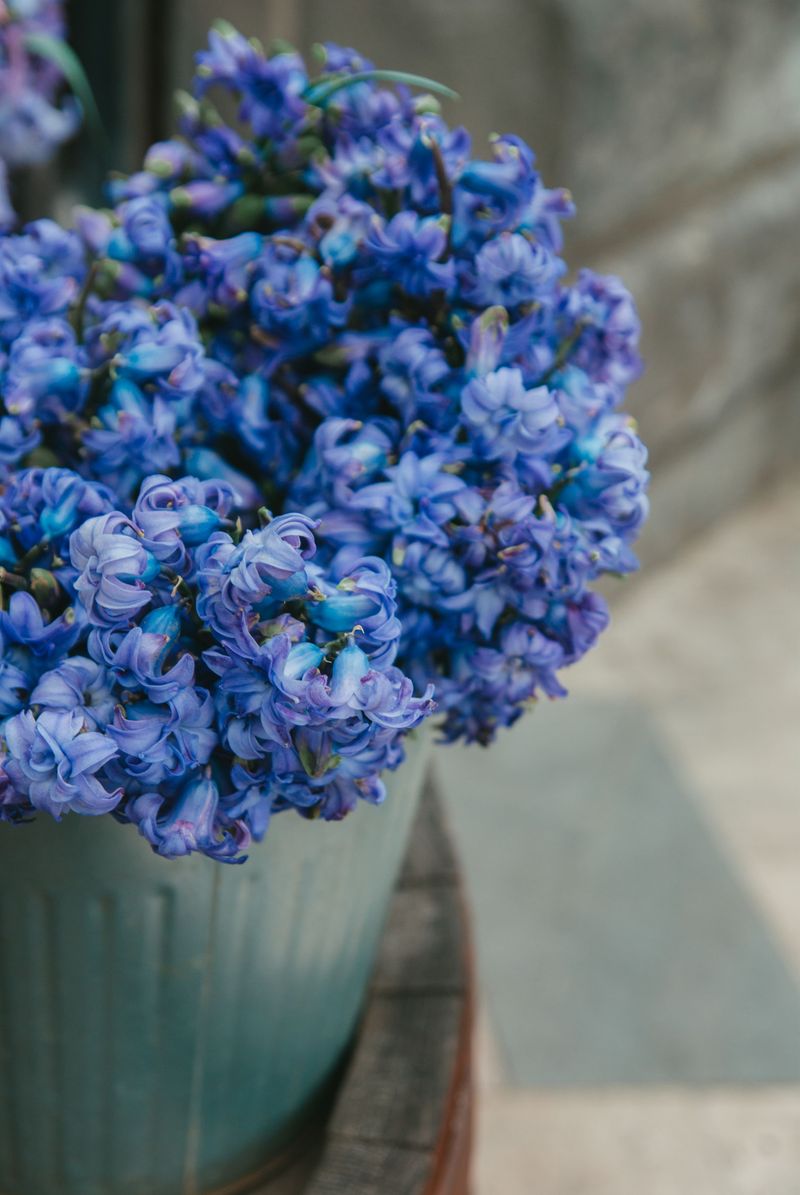
A single potted hyacinth can fill an average room with its sweet, spicy fragrance, and I mean every corner.
Those dense spikes hold fifteen to forty waxy little flowers, packed together like a fancy scoop of sherbet.
Regular hyacinths need ten to fourteen weeks of cold, which usually pushes November plantings into March or April.
For true winter flowers, shop for prepared or pre-chilled bulbs that have already finished their cold rest.
Plant each bulb with its tip just above the soil line in a pot of well-draining mix. You can squeeze several into one container, since a crowded pot looks fuller and smells even stronger.
Pre-chilled bulbs can go straight to a bright window in a cool room around 60 degrees. Water thoroughly after planting, then keep the soil moist but not soggy as the green leaves push upward.
Wear gloves when handling the bulbs, because many people get an itchy rash often called hyacinth itch. All parts are poisonous if eaten, especially the bulbs, so store extras well out of reach of pets.
Colors range from pale apricot to deep blue, and many gardeners mix shades in one wide bowl. I believe a single white hyacinth on a nightstand might be the most relaxing winter decoration around.
Turn the pot every few days so the heavy flower spike grows straight instead of leaning toward light. When blooming wraps up, cut the stalk and keep the leaves growing if you hope to plant it outside.
6. Crocus
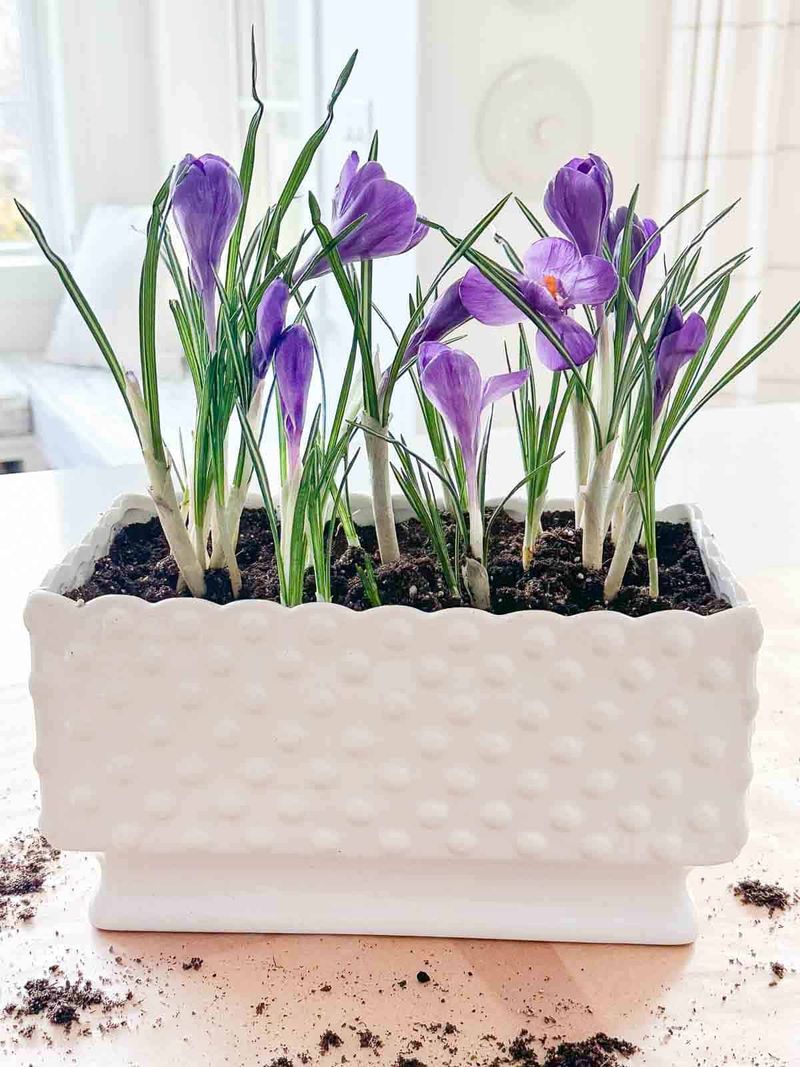
Crocuses hug the soil so closely that their cupped blooms look like colorful candy dropped into a pot. What surprises me most is how fast those cups open once a beam of sunshine hits the petals.
Forcing crocus takes some planning, since the corms need at least ten weeks of steady cold first.
Starting the chill in November lets you bring pots out in mid-January for flowers about four weeks later.
Plant the corms about one inch deep in shallow pots, close together but not quite touching each other.
Well-draining potting mix keeps them happy, because soggy soil invites rot during their long chilly rest.
Store the pots in a dark place between 35 and 45 degrees, such as an unheated garage. Keep the soil lightly moist, and avoid storing them near apples, which release ethylene gas that harms flower buds.
Once the chill ends, move your pots to a sunny windowsill where they can wake up gradually. A cooler room helps keep stems short, while a hot spot can make blooms fade more quickly than you want.
Striped purple varieties steal the show for me, though golden yellow types bring their own cheerful glow. Plant one color per pot if you want a clean, modern look on a narrow kitchen windowsill.
Spring-flowering crocuses are generally considered low in toxicity, but keep the corms away from pets and small children to prevent accidental ingestion.
Blooms typically arrive in late February or March, which makes them a sweet bridge into spring gardening.
7. Grape Hyacinth
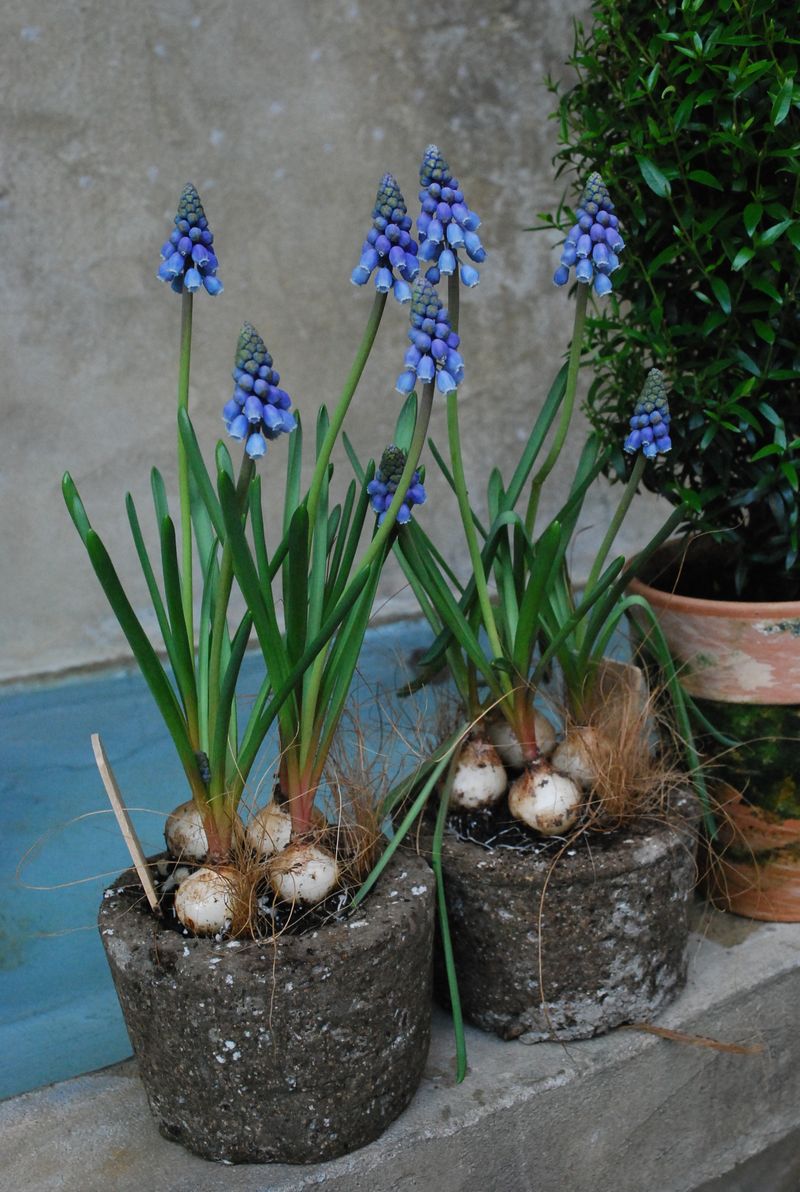
Grape hyacinths look exactly like tiny bunches of grapes flipped upside down, only colored a rich cobalt blue. I like how a bowl of them seems to glow under lamp light on a gloomy afternoon.
Muscari needs eight to ten weeks of cold between 38 and 45 degrees before it will bloom indoors.
Potting and chilling them this month usually brings flowers in February or March, just as winter winds down.
Plant the small bulbs close together, setting them just below the soil surface in a well-draining mix. Packed pots give the fullest display, since each bulb sends up only a modest flower spike of its own.
A refrigerator or unheated garage works well for chilling, as long as the spot stays dark and cool. Keep the soil slightly moist during storage, checking now and then so the roots do not dry out.
Once shoots reach about two inches tall, move the pots to a sunny window in a cool room. Temperatures between 50 and 65 degrees work best, and blooms usually show up within two to six weeks.
Lean in for a sniff, because many types offer a light, sweet scent with a hint of musk. White and pink varieties exist too, and I think they look lovely mixed with classic blue in one pot.
Grape hyacinths are hardy in zones 4 to 8, which covers much of north and central Georgia. After flowering, tuck the bulbs into a sunny bed outdoors, where they may return in future springs.
8. Snowdrops
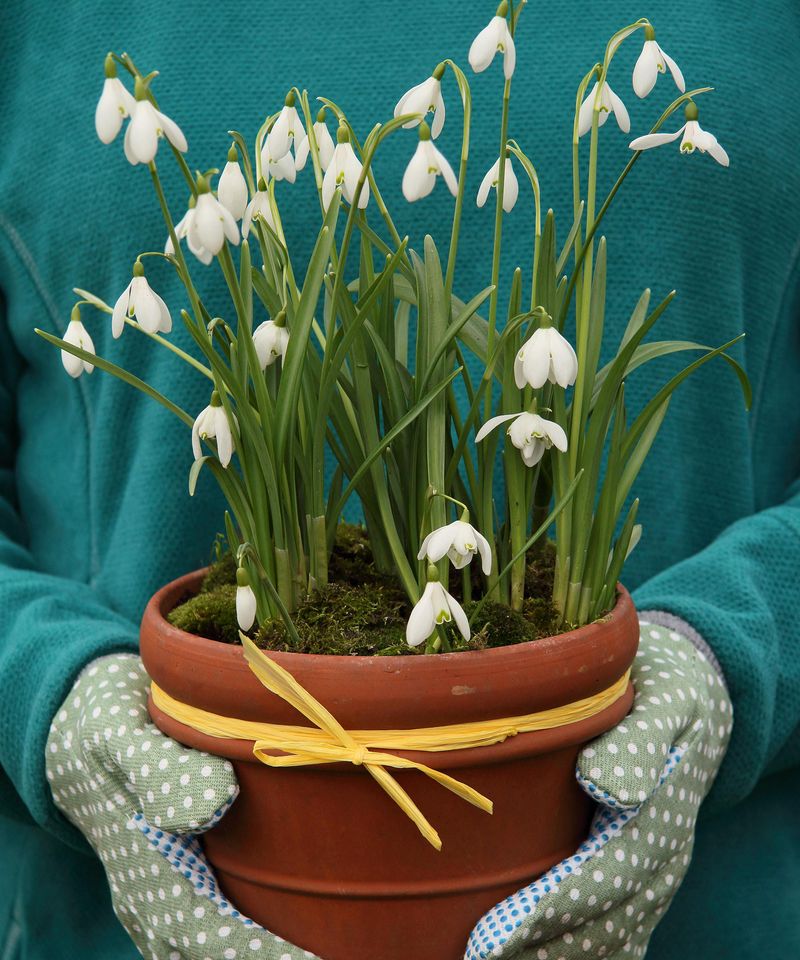
Snowdrops hang their pure white bells like tiny lanterns, and each inner petal carries a neat green mark. Personally, I find them the most charming bulbs to grow, even though they ask for a bit of patience.
Galanthus nivalis grows only six to nine inches tall, with narrow grayish-green leaves that look almost like grass.
The bulbs need ten to twelve weeks of cold, so a November start points toward late January or February.
Plant the bulbs with their tops about two inches below the surface in a pot of well-draining soil. Snowdrop bulbs dislike drying out, so buy firm ones early and pot them soon after they arrive.
Chill the pots in a dark refrigerator or unheated garage, keeping temperatures as steady as you can. Check the soil every week or two, because letting these bulbs go bone dry can ruin your winter display.
After the chilling period, bring the pots into warmer, brighter conditions gradually rather than all at once. A cool room with soft light for several days helps the plants adjust before they move to a sunny window.
You might notice their scent is faint, so place them close by on a desk or bedside table. Snowdrops carry low-severity poison characteristics, which still means keeping them away from pets that like to chew.
Hardy in zones 3 to 9, snowdrops can also settle into shady beds outdoors after their indoor show.
Planting them under deciduous trees in Georgia gives them cool shade in summer and winter sunlight when branches are bare.