7 Ways to Give Faded Michigan Mums a Second Chance Before the Ground Freezes

Northern parts of Michigan can see their first frost as early as September, weeks before many porches lose their autumn color. That early chill catches plenty of gardeners off guard, and their favorite fall flowers often pay the price.
You may be surprised to discover that many of those tired-looking plants still have living roots tucked under the soil. A few smart moves now can decide whether they return next year or end up in the compost pile.
In my garden, I used to toss every faded pot without a second thought each November. Then one forgotten plant by the shed came back bushy and bright, and my whole approach changed overnight.
Michigan winters are tough, but they are not the final word for these cheerful bloomers. So which simple tricks actually help, and which popular habits quietly work against your plants all winter long?
1. Leave Those Brown Mum Stems Standing Tall

Messy brown stems may look sad, but they work like a cozy scarf wrapped around your plant all winter. I know the urge to tidy up is strong, yet those dry stalks are doing quiet, valuable work.
Standing stems help trap fallen leaves and drifting snow, which adds a natural layer of insulation over the crown. That crown is the heart of the plant, where next spring’s fresh shoots will eventually start growing again.
Many university extension experts suggest waiting until spring before trimming garden mums back to the ground. Plants left standing through winter often show better survival than plants cut short during a busy fall cleanup.
I’ve always felt that a slightly scruffy fall garden has its own honest charm worth enjoying for a while. Birds sometimes poke around the old seed heads, and frost sparkles beautifully on the curled leaves on crisp mornings.
When spring finally arrives, look closely near the soil for small green shoots pushing up through the clutter. Once you see that fresh growth, snip the old brown stems away with clean pruners and toss them aside.
One small tip helps here, so mark the spot with a plant label or a short garden stake. Snow and fallen leaves can hide everything, and you will not want to step on sleeping roots next spring.
Patience pays off with mums more than most fall chores in the yard, honestly. Leaving them alone this season feels lazy, but your plants will mostly thank you with stronger growth next year.
2. Tuck Straw Mulch Around Garden Mums

A fluffy pile of straw might be the best winter coat your mums could ever ask for this season. I love how something so cheap and simple can make such a real difference for tender roots underground.
Timing matters most with this trick, so wait until after a few hard frosts have passed through your area. Spreading mulch too early can keep soil warm and invite mice to build snug nests around your plants.
Once the plants have settled into dormancy, add about three to four inches of loose straw or shredded leaves. Pine needles also work nicely, and they let air move freely while still holding in some steady soil warmth.
Freeze and thaw cycles are the sneaky problem here, especially during those odd warm spells in the middle of winter. Soil that freezes and thaws repeatedly can push shallow roots upward, which experts call frost heaving in garden beds.
A thick mulch layer keeps soil temperatures steadier, so roots stay snug and anchored where they belong all season. Your mums can then rest quietly instead of getting shoved toward the cold surface by shifting frozen ground.
Avoid heavy wet materials like matted grass clippings, since they can stay soggy and smother the crown over time. Light, airy mulch is the goal, something that breathes while still blocking the harshest winter cold from below.
Come spring, gently pull the mulch back once new shoots appear and temperatures begin warming up again. Leaving it piled too long can slow growth, so a little spring raking finishes the job nicely.
3. Move Potted Mums Into A Cool Garage
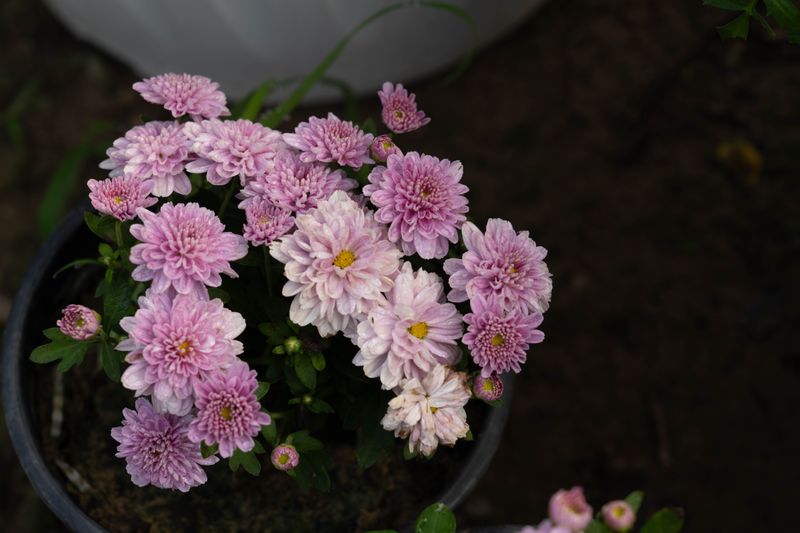
Your garage might be the most underrated plant shelter on your whole property during the coldest months. Potted mums sitting outside face a tougher test, because their roots have only thin container walls for protection.
Soil in a pot freezes much faster than soil in the ground, and roots can suffer badly from that exposure. Bringing containers into a sheltered space gives them a far better shot at waking up healthy next spring.
Look for a spot that stays cool and dark, like an unheated garage, a shed, or a chilly basement. Temperatures between roughly thirty and fifty degrees Fahrenheit help the plants stay dormant without freezing solid all winter.
Before moving them, trim the stems down to a few inches above the soil line with clean pruners. Shorter plants are easier to store, and you will have less leafy debris dropping on the garage floor later.
The way I see it, this step feels like tucking a sleepy kid into bed for a long nap. You set them down, check in now and then, and mostly let them rest without much fuss.
Give the soil a light drink about once a month, just enough to keep it from going bone dry. Soggy soil invites rot, so lift the pot first and only water when it feels surprisingly light.
Once spring warms up, bring the pots outside gradually so the plants can adjust to sunlight again. A few days in shade first helps prevent leaf scorch on those tender new shoots.
4. Free Root Bound Mums From Tight Nursery Pots
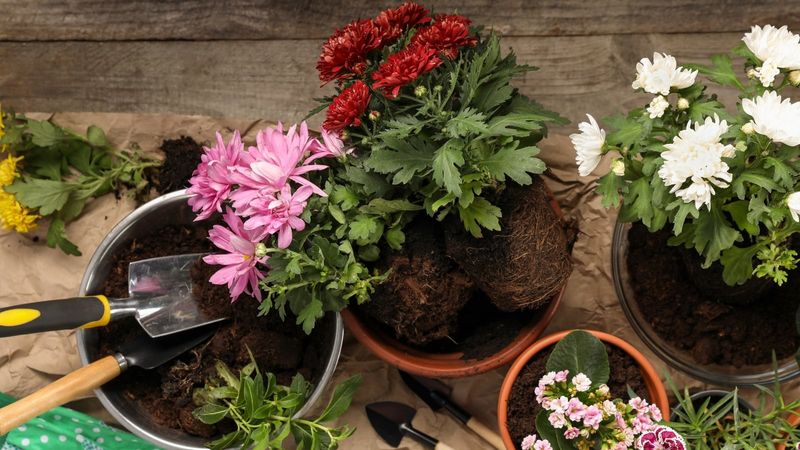
Slide a store-bought mum out of its plastic pot, and you might find a tangled mass of crowded roots. Growers pack these plants tightly for a full, showy look, but that crowding can make winter survival harder.
Roots circling around the pot have little room left to spread out or soak up water and nutrients. A plant in that condition often struggles to build the strength it needs for a long cold season ahead.
Gently tease apart the outer roots with your fingers, loosening them so they can grow outward into fresh soil. Then move the plant into a slightly larger container filled with quality potting mix suited for outdoor containers.
Drainage holes are a must, because water trapped at the bottom can freeze and harm the roots badly. I like setting pots on small feet or bricks so extra water can escape freely after each soaking.
But here’s the interesting part about planting in the ground instead, since it often works even better for hardy types. Garden soil offers more insulation than any container, so early fall planting gives roots extra time to settle.
If planting outside, choose a sunny spot with soil that drains well after heavy rain or melting snow. Mums rarely enjoy wet feet, and soggy winter ground can cause root rot long before spring arrives.
Either way, freeing those cramped roots is a small chore with a surprisingly big payoff later on. Your mum will have more room to breathe, grow, and bounce back when warmer weather finally returns.
5. Water Fall Mums Deeply Until The Soil Chills

Thirsty roots heading into winter are like hikers starting a long trail without a full water bottle. Mums still need steady moisture in fall, even after their bright blooms have faded and the weather cools.
Newly planted mums especially rely on regular watering, since their roots have not yet spread deep into the soil. A good soaking after planting helps settle the soil and gives the young roots a strong head start.
Check moisture by pushing a finger about an inch or two into the soil near the plant base. If it feels dry at that depth, water slowly and deeply rather than giving a quick splash on top.
Overwatering can backfire, though, because soggy soil invites root rot and other fungal troubles in cool weather. Balance is the goal, so aim for soil that feels lightly damp instead of muddy or puddled after watering.
In my garden, I keep an eye on rain gauges, since autumn storms sometimes handle the watering job for me. A few dry, windy weeks can still sneak up, so checking regularly makes a real difference for plants.
Once the ground cools sharply and starts freezing, it is time to put the hose and watering can away. Adding water to freezing soil can create ice around roots, which adds stress instead of offering helpful moisture.
Disconnect and drain your garden hose afterward so it does not crack during the first hard freeze. Your mums will then settle into dormancy with moist, healthy roots ready for spring.
6. Dry Faded Mum Blooms For Indoor Bouquets

Some of my favorite mums have spent winter hanging upside down from a hook in my laundry room. Faded blooms that still hold decent color can enjoy a second life as charming dried flowers indoors.
Pick flowers that look mostly intact, with petals still attached and colors that have not turned brown yet. Snip the stems on a dry afternoon, since morning dew or rain can slow drying and encourage mold.
Strip away most of the leaves, then gather the stems into small bunches tied with twine or rubber bands. Hang them upside down in a dark, warm spot with good airflow, like a closet or quiet spare room.
Darkness helps keep colors from fading quickly, while steady airflow lets moisture escape without leaving petals soggy. Drying usually takes a couple of weeks, depending on bloom size and the humidity inside your home.
For flowers that keep their shape better, try silica gel, a drying material sold at most craft stores. Bury the blooms gently in the crystals, and they often hold a fuller, rounder look than air-dried flowers.
You’ll find these dried mums look lovely tucked into wreaths, small vases, or simple table arrangements for the holidays. They make sweet handmade gifts too, especially for friends who admired your colorful porch all autumn long.
Fun fact, chrysanthemums have been grown for many centuries in China and later became beloved symbols in Japan. Your little dried bouquet carries a tiny piece of that very long flower history with it.
7. Check Mum Tags For Hardy Garden Varieties

That little plastic tag stuck in the pot might be the most important clue about your mum’s future. Not every chrysanthemum is built for harsh northern winters, and the label often tells you which kind you bought.
Look for words like hardy garden mum or perennial mum, since those types are bred for better cold tolerance. Many hardy mums grow well in USDA zones four through nine, which covers most of Michigan’s growing regions.
Florist mums are a different story, because they are usually grown for gift giving and indoor display. They often have weaker root systems for cold weather, so they rarely survive outdoor winters, even with careful protection.
One thing these florist types have going for them is gorgeous, oversized blooms that brighten a kitchen table beautifully. Enjoy them as seasonal decorations, then compost them without guilt once their flowers finally fade away for good.
If the tag went missing, consider where you bought the plant and how it was displayed for sale. Mums sold outdoors in big garden center rows are often garden types, while foil-wrapped pots usually signal florist varieties.
Planting earlier helps too, since mums set in the ground during late summer have more time to root. Late fall purchases can still survive, but they face a steeper climb before winter weather locks the soil.
Knowing your mum type helps you set realistic hopes and focus your energy where it counts most. A little label reading now can save you disappointment when spring finally arrives across Michigan gardens.