7 Mistakes Pennsylvania Shoppers Make Buying a Poinsettia in Cold Weather
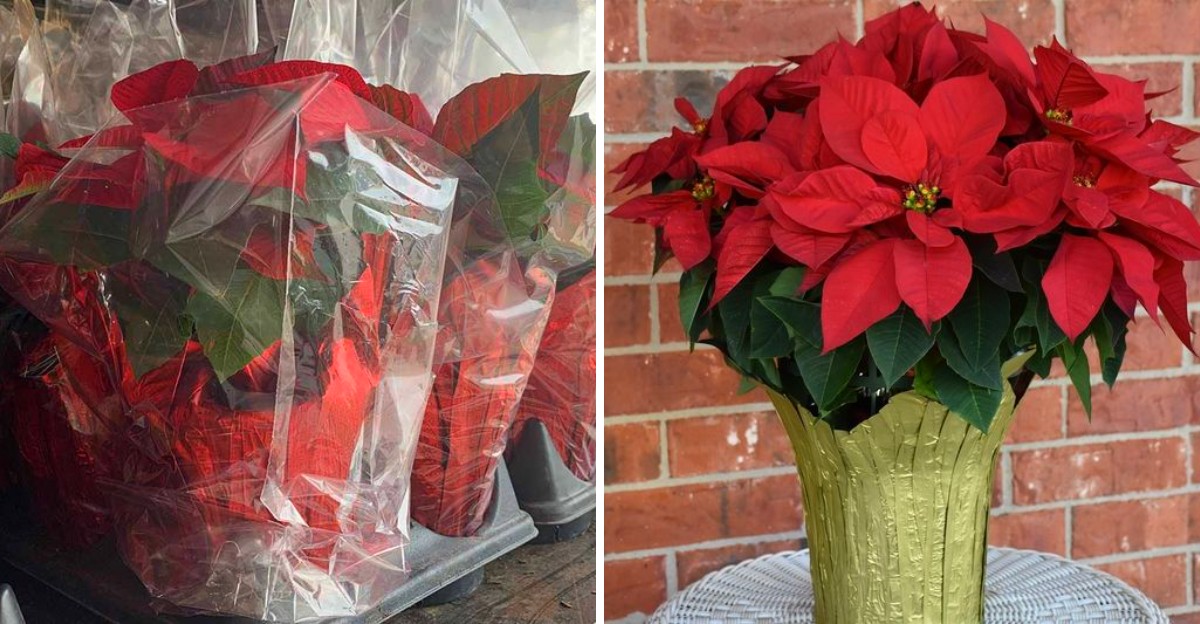
The bright red petals on America’s favorite holiday plant are not petals at all, but colorful leaves called bracts. Those showy leaves come from a wild shrub in Mexico, where winter nights rarely feel anything like ours.
Store staff in Pennsylvania know that a short walk across a frosty parking lot can harm that tropical beauty. Damage often hides for a day or two, then the leaves suddenly droop and drop onto your table.
I love these cheerful pots, so watching one sulk after a shopping trip really stings. You might be surprised by how many small choices at the store decide whether yours lasts until spring.
Cold-weather shopping brings its own set of traps, and most of them are surprisingly easy to dodge. So which mistakes are quietly costing you weeks of color, and how many have you already made?
1. Skipping The Paper Sleeve On A Frosty Walk To The Car
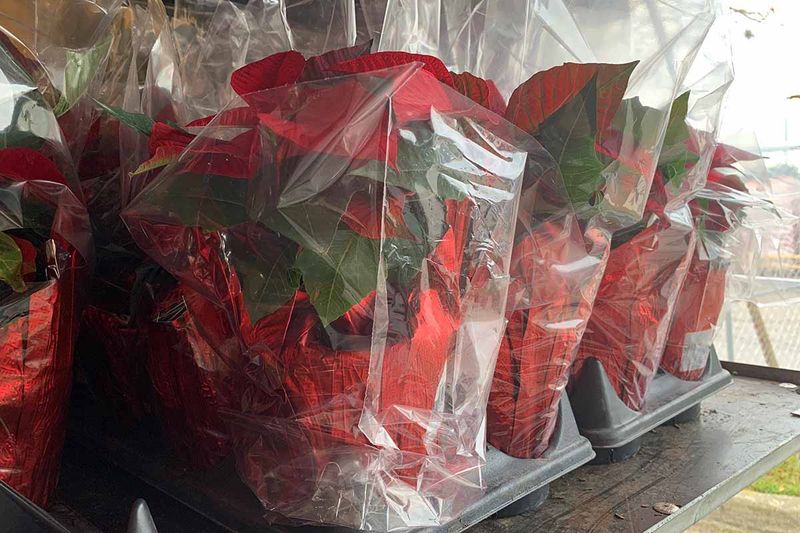
Tropical plants have zero patience for winter wind, and a poinsettia can show chill damage after just minutes outside. University extension experts note that temperatures below 50 degrees can injure leaves and colorful bracts quite quickly.
I like to ask the cashier for a sleeve before I even reach the register line. Most garden centers keep paper or plastic sleeves handy, and some will wrap the pot in an extra bag.
A big shopping bag slipped over the top works well too, especially on gusty days in the parking lot. Wind strips warmth away faster than still air, so even a sunny afternoon can feel brutal to tender leaves.
Make the plant your final stop of the day, then drive straight home without detours for coffee or groceries. A parked car in December cools down fast, and the trunk is far too cold for a passenger.
Set the pot on the floor of the front seat, where the heater keeps things comfortable during the ride. Warm the car up first, because a frosty cabin can chill leaves before the vents start blowing heat.
Chilling injury can be sneaky, since leaves may look fine at first and then curl or drop days later. Once harm happens, there is no easy fix, so a few minutes of planning really pays off.
Online orders shipped in winter deserve the same care, so bring boxes indoors as soon as they arrive. A box sitting on a snowy porch for hours can undo all the grower’s hard work.
2. Grabbing A Poinsettia With Pollen Covered Yellow Flowers
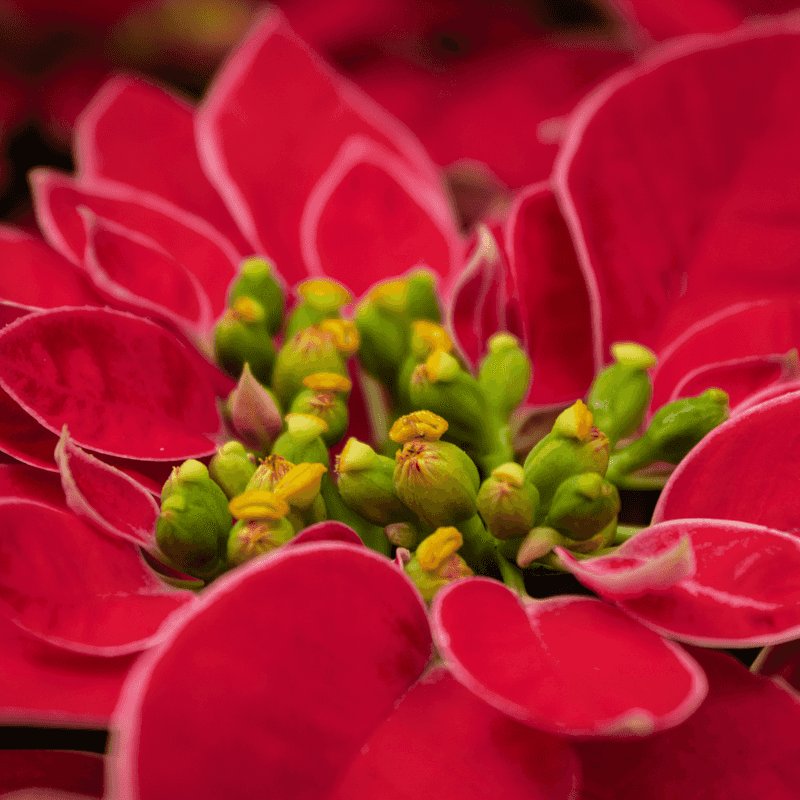
Those tiny yellow buttons in the middle of the red bracts are the real flowers, called cyathia by botanists. Their condition tells you more about freshness than the bright color around them ever could at first glance.
I love peeking at them closely, almost like checking the ripeness of a peach at the market. Tight green or red buds mean the plant is young, while yellow pollen dusting the bracts signals it is aging.
Plants already shedding pollen often drop their bracts sooner, which can shorten your holiday show quite a bit. Missing cyathia can also be a clue, because some plants lose them early after stress or rough handling.
Next, look down at the foliage, since healthy green leaves should reach right down to the soil line. Bare lower stems or yellow leaves hint at past watering trouble or too little light in the store.
Give the pot a gentle lift too, because a soggy, heavy container can mean the roots are struggling. A wilted plant sitting in wet soil is a red flag that is easy to miss during a busy trip.
Crowded displays deserve a careful look, since plants packed tightly in sleeves can suffer from poor air flow. Pick one with an open, airy shape and bracts that look evenly colored without bruises or brown edges.
Flip over a leaf or two while you are at it, checking for tiny whiteflies that love these plants. Spending one extra minute on inspection beats bringing home a pest problem along with your festive decor.
3. Leaving The Plastic Sleeve On Your Poinsettia At Home
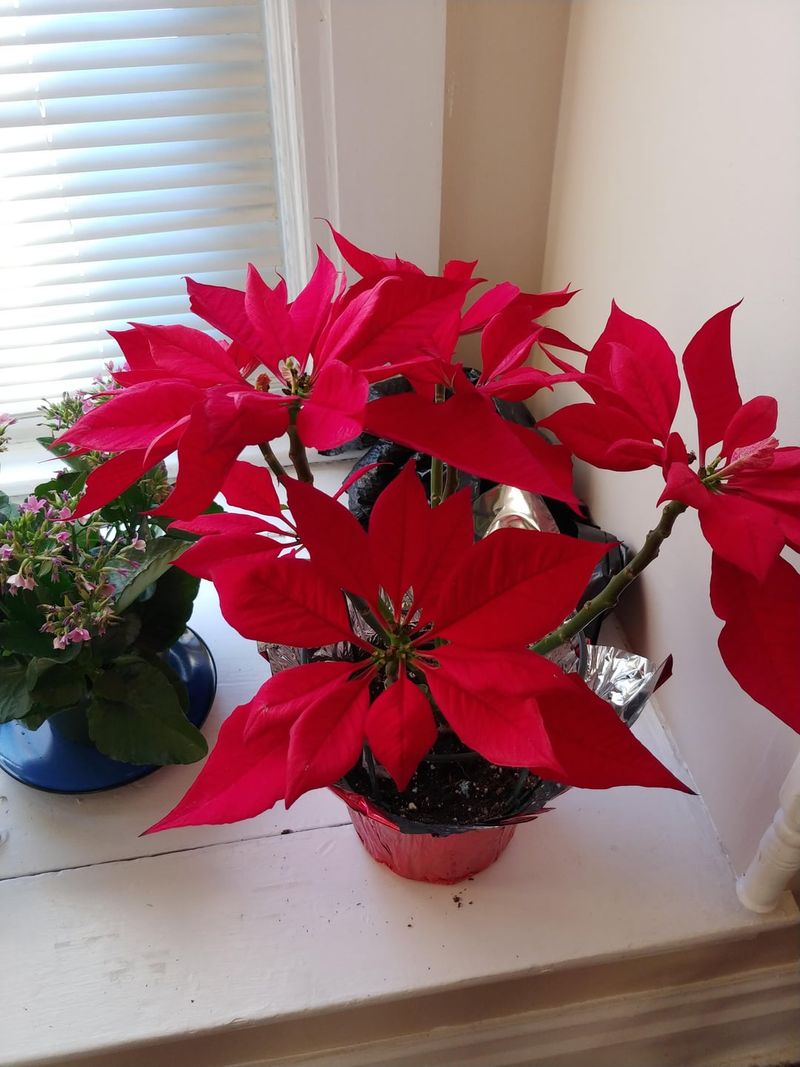
That tidy plastic sleeve feels like a cozy blanket, but it turns into a problem once you get home. Poinsettias naturally release ethylene gas, and a closed sleeve traps it right around the leaves and bracts.
Trapped ethylene can trigger epinasty, a fancy word for leaves that bend downward and look droopy and sad. Researchers have found that the longer a plant stays sleeved, the more noticeable that drooping becomes.
I find it fascinating that a simple wrapper can protect the plant one hour and harm it the next. In Pennsylvania homes, timing makes all the difference, so the sleeve should come off soon after you walk inside.
Let the plant settle in a warm room for a few minutes before you start removing anything. Then grab a pair of scissors and cut the sleeve open instead of pulling it up over the top.
Sliding a sleeve upward can snap brittle stems and tear bracts, which bruise much more easily than you expect. Cutting from the bottom up gives you control, and the plant slips free without losing a single leaf.
Sleeves also hold moisture against the foliage, which can encourage gray mold in a still, humid pocket. Fresh air moving gently around the plant helps leaves dry and keeps those fungal troubles less likely.
Decorative foil around the pot is a separate story, and you can keep it if it drains. Just poke a few holes in the bottom or set it on a saucer you check after watering.
4. Parking Your Poinsettia Beside A Drafty Door Or Heat Vent
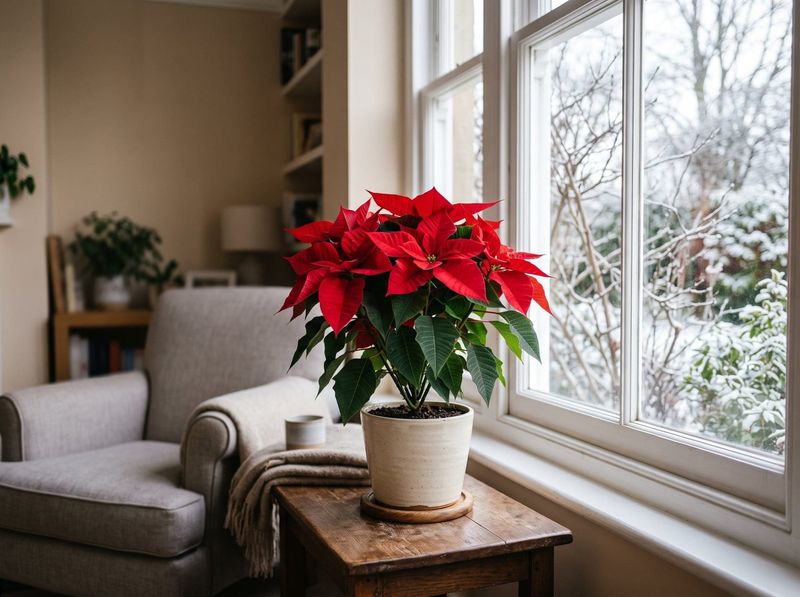
Front doors swing open constantly during the holidays, and each blast of icy air hits nearby plants hard. A poinsettia parked in the entryway might look festive, yet it quietly suffers with every arriving guest.
Most extension guides suggest daytime temperatures between 60 and 70 degrees, with slightly cooler nights being fine. Steady warmth matters more than heat, since sudden swings are what trigger leaf drop and fading color.
Heat sources cause their own trouble, and old cast iron radiators can bake a plant set too close. Forced air vents and fireplaces dry out leaves fast, leaving crispy edges that crumble when you touch them.
I could be wrong, but the mantel might be the most tempting and least friendly spot in the house. Warm air rises from the fireplace below, so those lovely bracts sit right in a drying current.
Try a quick hand test by holding your palm near the spot for a minute or so. If you feel a chilly breeze or a rush of warm air, keep looking for a calmer place.
A side table across the room from windows and vents often works beautifully as a bright, steady home. Keep leaves from touching cold glass too, because frosty panes can chill foliage right through on freezing nights.
Damage from drafts can appear days later, so a sudden leaf drop often points back to last week. Moving the pot to a quieter corner usually stops the problem before the whole plant loses its sparkle.
5. Drowning Poinsettia Roots Inside Decorative Foil Wrap
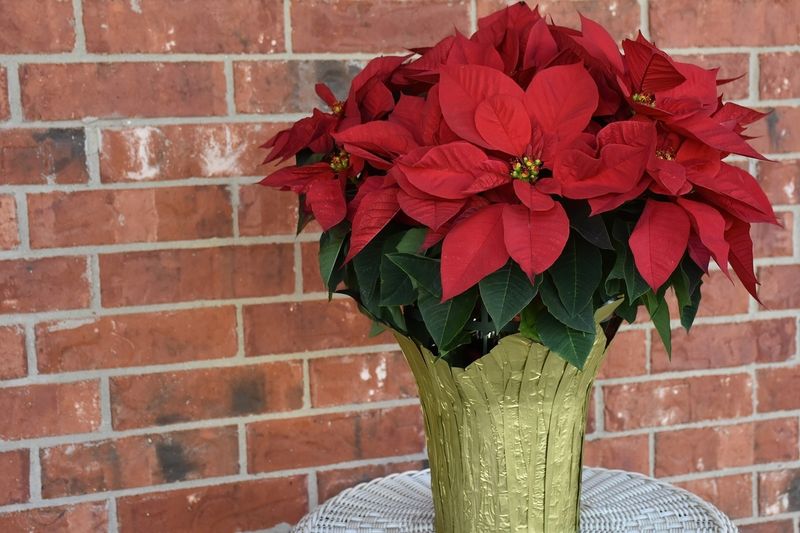
Shiny foil wrappers look gorgeous on a table, but they often hide a puddle that slowly rots the roots. Overwatering is one of the most common ways people shorten a poinsettia’s life during the holiday season.
Strangely enough, a waterlogged plant often wilts just like a thirsty one, which fools plenty of kind owners. Soggy roots cannot take up water well, so the leaves droop and yellow even in wet soil.
I check mine by pressing a finger about an inch into the soil every couple of days. When the surface feels dry, it is time to water, and when it feels damp, I wait.
Lifting the pot is another handy trick, since a dry container feels noticeably lighter than a soaked one. After a week or so, your hands will learn the difference faster than any moisture meter could.
Carry the plant to the sink without its foil, then water slowly until it runs from the drainage holes. Let it drain for about fifteen minutes before tucking it back into its pretty festive wrapper again.
Room temperature water is kinder than an icy splash from the tap, especially in a chilly winter kitchen. Cold water can stress tropical roots, so I fill a pitcher ahead of time and let it warm up.
Heated homes dry soil faster than you might guess, so some weeks call for more frequent checks than others. Skip the fertilizer while it blooms, since extension experts say poinsettias do not need feeding during the holidays.
6. Tucking A Poinsettia Into A Dim Winter Corner
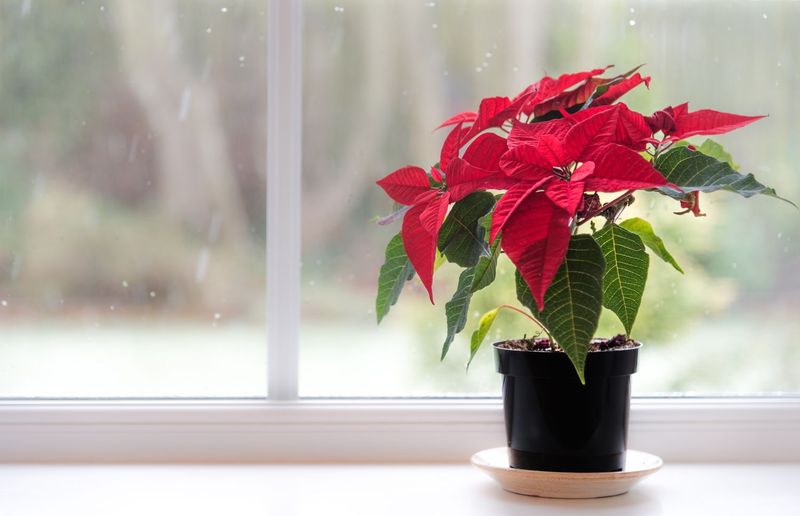
Short winter days trick many of us into thinking a holiday plant enjoys the shade, but poinsettias crave light. In the wild, they grow as tall shrubs on sunny hillsides along the Pacific side of Mexico.
Experts generally recommend at least six hours of bright, indirect light each day to keep the bracts vivid. A dark hallway or a shadowy bookshelf can lead to faded color and lower leaves dropping off.
I’m a big fan of east windows for this, since gentle morning sun suits these plants nicely. South and west windows also work well in winter, as long as the leaves stay clear of the glass.
Pennsylvania skies can stay gray for days in December, so your brightest window matters more than usual. Pull sheer curtains back during the day, then close them at night to block the chilly glass.
Strong direct sun through a south window can sometimes bleach the brightest bracts, especially on pale varieties. A light sheer filter softens that glare while still giving the plant plenty of energy to stay healthy.
Rooms with few windows can still host a poinsettia if you add an inexpensive LED grow light nearby. Set it on a timer for daytime hours, and the plant will happily keep its festive glow longer.
Rotating the pot a quarter turn every few days keeps growth even, so one side does not lean. Tables near a bright window make a lovely stage, and the plant rewards you with richer, lasting color.
7. Forgetting That Dry Furnace Air Stresses Poinsettia Leaves
Winter furnaces can drop indoor humidity low enough to feel like a desert, and your skin probably notices first. Poinsettias notice too, and crispy leaf edges are often their way of complaining about the parched air.
Homes across Pennsylvania run heat for months, so this mistake tends to sneak up slowly after the purchase. Dry air pulls moisture from leaves faster than roots can replace it, which leads to wilting and leaf loss.
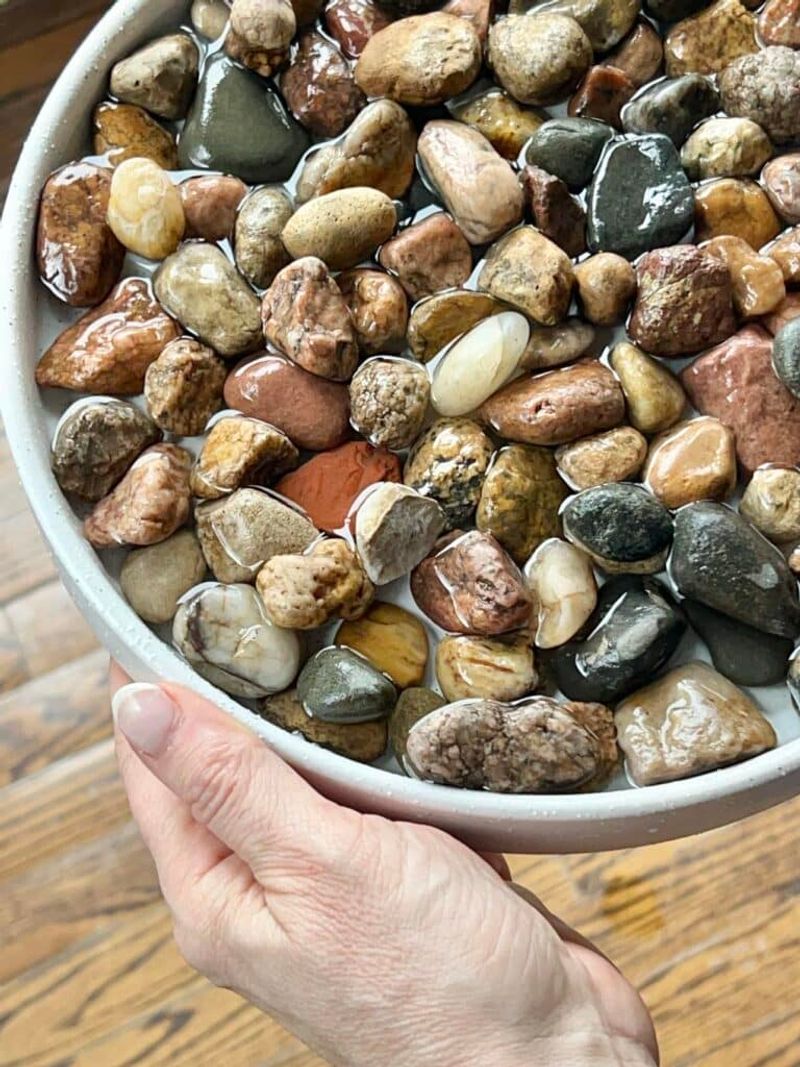
A pebble tray is my favorite fix, and it costs almost nothing to put together at home. Fill a shallow dish with gravel and water, then rest the pot on top above the waterline.
Water evaporating from the tray raises moisture right around the leaves, while roots stay safely out of the puddle. Top up the water every few days, since heated rooms empty those trays faster than you might expect.
Grouping houseplants together helps as well, because plants release moisture and create a slightly more humid pocket. Your poinsettia might look charming nestled beside a fern and an amaryllis on a bright windowsill.
A small room humidifier works too, and you might enjoy the softer air as much as your plants. Misting gives only a brief boost, so I would not rely on a spray bottle alone for lasting help.
Keep in mind that poinsettia sap can irritate skin, though poison control experts say the plant is only mildly toxic. With steady moisture and a little attention, your holiday beauty can stay bright well into the new year.