8 Ways Virginia Homeowners Can Firescape Their Yard During a Drought Fall
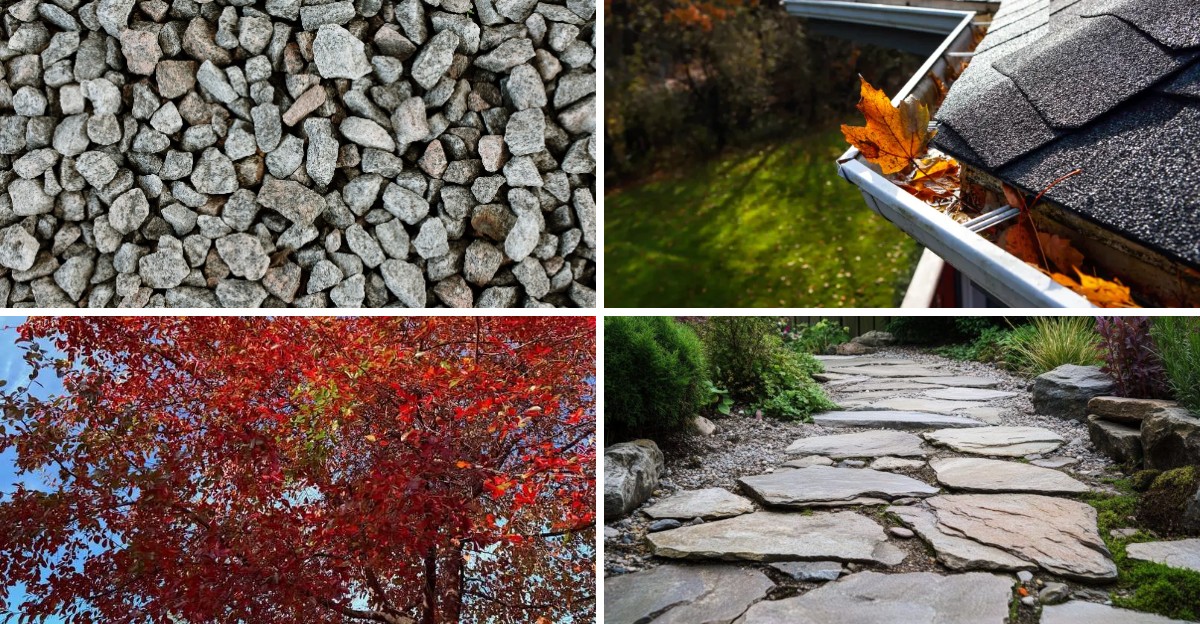
A glowing ember smaller than a pea can ride the wind more than a mile ahead of a wildfire. Fire scientists say those drifting sparks, not walls of flame, start most of the home ignitions they study.
Virginia actually has two wildfire seasons, and the fall stretch arrives once leaves drop and humidity sinks. Add a stubborn drought, and those crunchy leaf piles by your porch start looking like kindling to me.
I have to admit my own flowerbeds once hugged the siding with fluffy shredded mulch and thirsty shrubs. You might notice the same setup around your house, and a few smart tweaks can change the whole picture.
What surprises me most is how a safer yard can also look prettier and drink less water. So which simple changes give your home the best odds when the next dry wind blows through town?
1. Mark Three Defensible Space Zones Around Your Home
Grab a tape measure, because the smartest fire protection plan starts with plain numbers rather than fancy plants. I love how a few stakes and some string can turn a messy yard into a clear map.
Fire experts divide the space around a house into zones, and each one gets its own rules. The closest zone runs from your foundation out five feet, including the area under decks and porches.
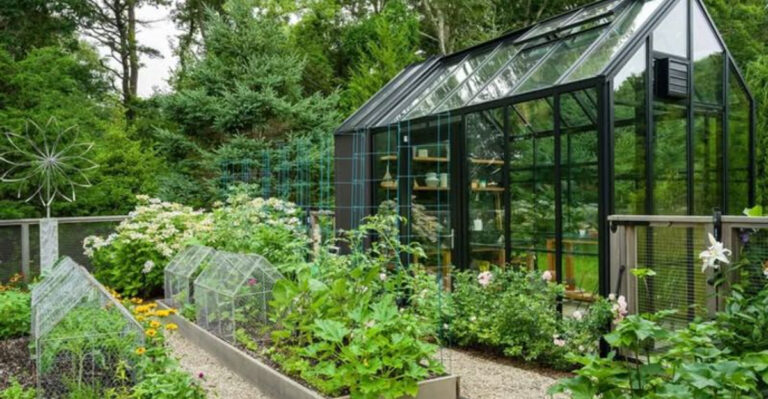
That tight band should hold nothing that burns easily, since embers love to pile up against walls. Gravel and stone work beautifully here, and they need almost no water during a long drought.
The next zone stretches from five to thirty feet, where well-spaced plants and short grass belong. Personally, I treat this area like a tidy living room, with open gaps between each plant group.
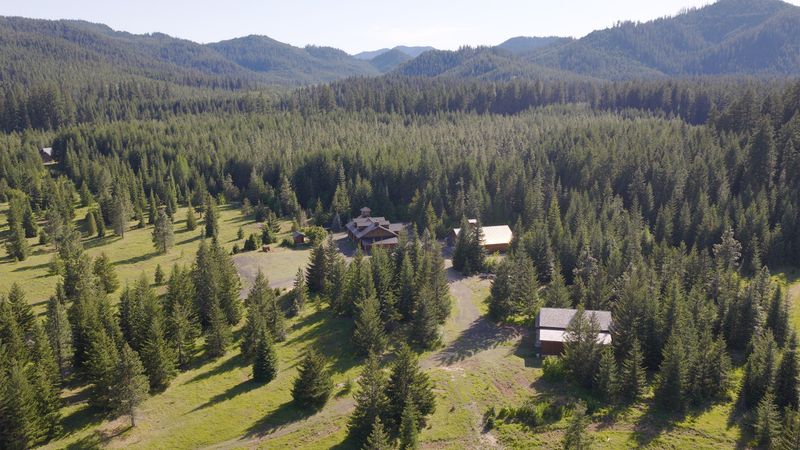
The outer zone runs from thirty to one hundred feet, or to your property line if that comes first. Here, the goal is thinning brush and spacing trees so flames lose speed before reaching your home.
Fall is a handy time for this job, because bare branches make it easier to see crowded spots. Sketch the zones on paper, then walk the yard and note anything that looks like easy fuel.
The Virginia Department of Forestry offers free wildfire risk guidance, so check their website before you start. Your hand-drawn map will guide every other step on this list, so keep it somewhere easy to find.
2. Swap Shredded Cedar Mulch For Gravel Near The Foundation

That cozy layer of shredded cedar hugging your foundation might be the most flammable thing in your yard. University of Nevada researchers found that fine, stringy mulches catch embers quickly and carry flames fast.
Shredded rubber performed poorly too, smoldering for a long time and giving off thick, smelly smoke. I pulled mine out after reading that study, and honestly, my flowerbeds look sharper with stone now.
Within five feet of the house, choose gravel or river rock instead of any wood product. Stone shrugs off drought and gives drifting embers nothing to feed on when they settle against your walls.
Farther out, between five and thirty feet, chunky bark nuggets or composted wood chips are better choices. Larger pieces burn more slowly than shredded types, which gives you a little extra safety and breathing room.
Keep organic mulch no deeper than about three inches, since thick piles dry out and hold heat. Break up big mulched beds with stepping stones or gravel paths so fire cannot travel in one strip.
Pine straw is popular across the South, but it lights quickly and belongs well away from buildings. You can still use it in distant beds, as long as you rake it thin and keep it moist.
Fall is a smart moment to make this swap, since many plants are resting and easier to work around. A weekend with a wheelbarrow and a few bags of stone can make a real difference.
3. Replace Thirsty Lawn With Wild Stonecrop And Native Sedges

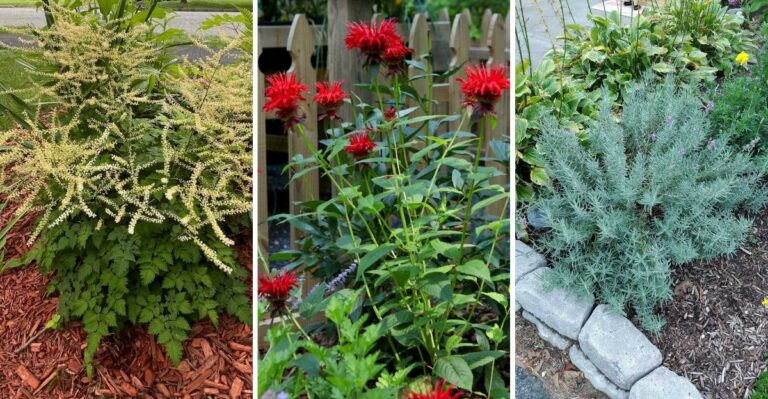
Wild stonecrop stores water in its chubby little leaves like a tiny canteen hiding in your flowerbed. This native succulent, Sedum ternatum, hugs the ground and handles long dry spells with surprising calm.
Low, moist groundcovers tend to resist ignition better than tall dry grass or a crispy brown lawn. I like how they also shade the soil, which keeps roots cooler and slows down water loss in summer.
Wild stonecrop prefers partial shade and rocky, well-drained spots, and it blooms with starry white flowers in spring. Tuck it between stepping stones or along shady paths, where it slowly knits into a living carpet.
Pennsylvania sedge is another favorite of mine, forming soft, grassy tufts that rarely need mowing at all. It handles dry shade under big oaks remarkably well, which is a spot where lawns often struggle.
For sunny edges, wild strawberry spreads by runners and offers tiny sweet berries to birds and kids. Its scientific name, Fragaria virginiana, gives a cheerful little nod to the state where we garden.
During a drought, hold off on big plantings unless you can water new plugs regularly for several weeks. Many gardeners wait for steady fall rains, or simply plan the whole project for early spring instead.
Keep even these tough plants outside the five-foot zone, and pull any brown leaves that collect among them. Once established, they reward you with a green, low mat that asks for very little extra water.
4. Space Out New Jersey Tea And Other Native Shrubs
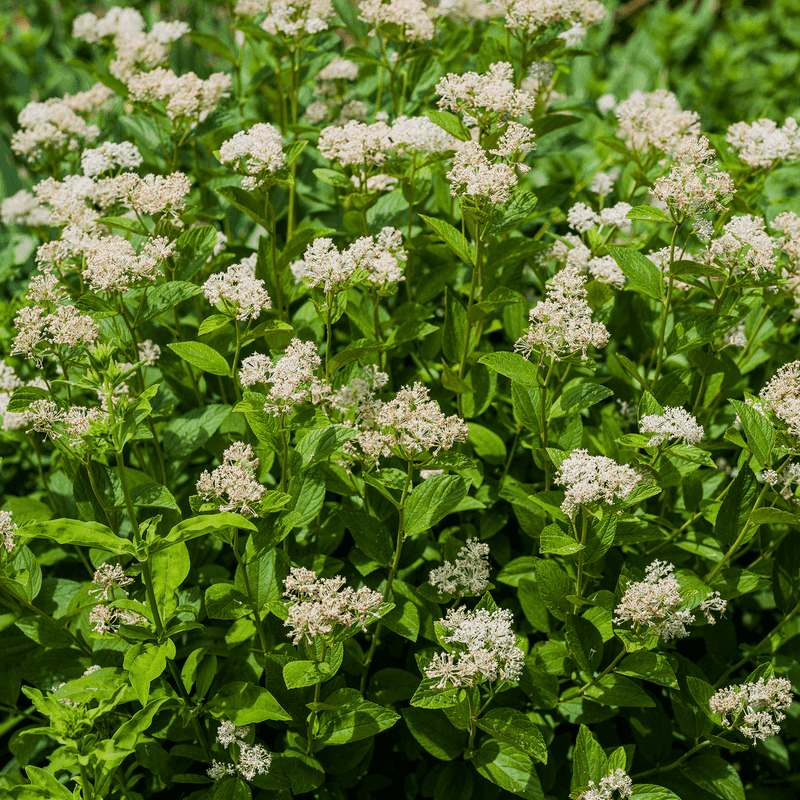
New Jersey tea grows a massive red root system that lets it resprout after prairie fires burn the tops. I find that kind of toughness inspiring, especially in a little shrub only about three feet tall.
Those deep roots also help Ceanothus americanus handle drought once it settles into dry, sunny ground for good. In early summer, fluffy white flower clusters draw a crowd of small bees and other pollinators.
Spacing matters just as much as plant choice, because tightly packed shrubs let flames hop from one to another. Leave gaps of at least twice the mature shrub height in the thirty-foot zone around your home.
Arrowwood viburnum is another sturdy native, with blue berries in fall that songbirds gobble up eagerly. Its leafy, deciduous branches hold more moisture than resin-filled evergreens such as the familiar eastern red cedar.
Personally, I keep cedars and other oily shrubs far from the house, even though they look tidy. Their aromatic foliage burns hot, and the dense branches tend to trap dry, brown needles deep inside.
Fall planting usually works well here, but a drought changes the math for young shrubs quite a bit. If you plant now, plan on deep weekly soaking until the ground freezes or steady rain returns.
Prune out any brittle twigs each year, since a healthy, well-watered shrub is much harder to ignite. A little elbow room between plants also improves airflow, which keeps leaf diseases from settling in.
5. Choose Black Gum And Other Deciduous Trees Near The House

Black gum trees put on one of the earliest and fieriest fall color shows in our woods. Ironically, those scarlet leaves belong to a tree that makes a smarter neighbor than most pines near homes.
Broadleaf deciduous trees generally hold more water in their leaves and carry less resin than conifers. That combination usually makes them slower to ignite, which is why fire experts often recommend them near houses.
Nyssa sylvatica is native across the eastern United States and handles everything from soggy bottoms to drier slopes. It has a long taproot, so plant a young one and give it plenty of room to grow.
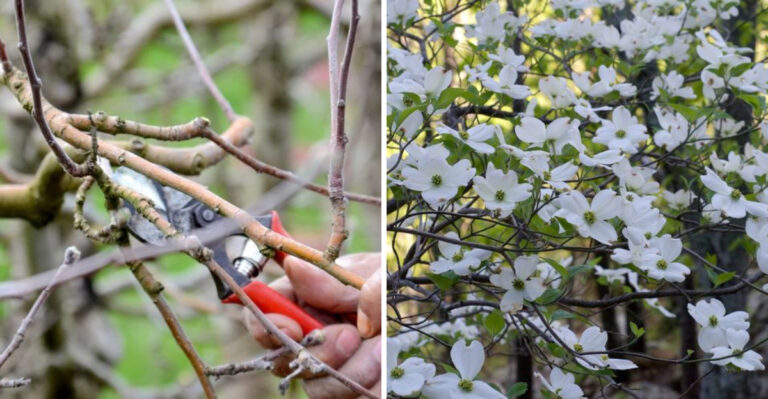
Our state tree, the flowering dogwood, is another lovely deciduous choice for the outer edges of your yard. Fair warning, it sulks in drought, though, because its roots stay fairly shallow in the soil.
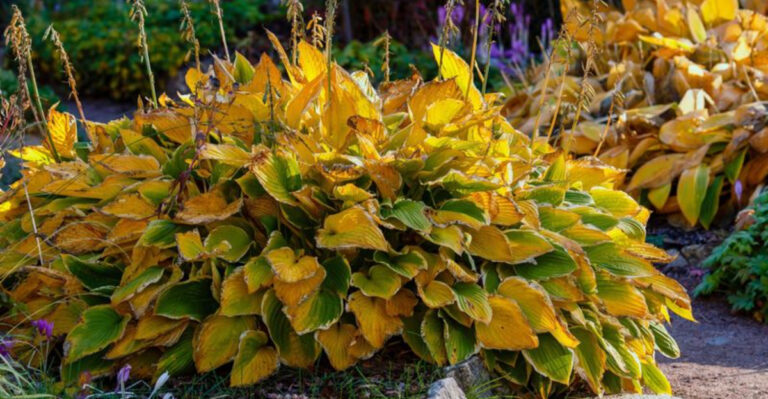
Even the best trees drop leaves this time of year, and those leaves turn into ground fuel quickly. Rake them away from the house, then shred them for compost or spread them in distant beds.
Place new trees so their mature canopies sit at least ten feet from your roof and chimney. Branches overhanging shingles can drop debris into gutters and give flames an easy bridge to your house.
During a dry fall, give established trees a slow, deep soak every couple of weeks around the drip line. Healthy, hydrated trees head into winter stronger, and they are far less likely to drop brittle limbs.
6. Rake Leaves And Clean Gutters Before Embers Find Them
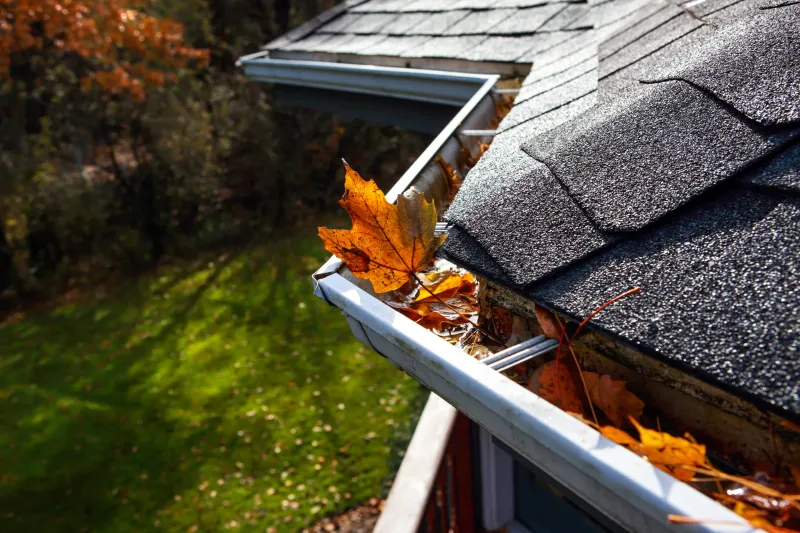
Gutters packed with crunchy leaves are basically ember catchers sitting right on the edge of your roof. Every fall I scoop out enough crispy debris to fill a bucket, and it still surprises me every time.
Clean gutters and roof valleys after most of the leaves have fallen, then check again after windy days. Sweep porches and the corners where decks meet walls, since drifting embers tend to settle there first.
Next, look for ladder fuels, which are low branches and shrubs that let flames climb into trees. Fire experts suggest pruning lower tree limbs up to roughly six to ten feet above the ground.
On smaller trees, avoid removing more than about a third of the canopy in a single season. Snip out brittle, lifeless branches first, because they ignite much faster than healthy green wood does.
Firewood stacked against the house is a classic mistake, and I see it on so many porches. Move woodpiles at least thirty feet away during dry spells, and keep grass trimmed short around them.
Resist the urge to burn your leaf piles this season, especially while the air stays dry and breezy. Many Virginia counties announce temporary burn bans during droughts, so check local rules before striking a match.
Composting those leaves instead feeds your garden and keeps smoky air out of your neighbors’ open windows. A tidy yard rarely looks fussy, and it gives a wandering spark far fewer places to land.
7. Water Shrubs Deeply With Soaker Hoses At The Roots
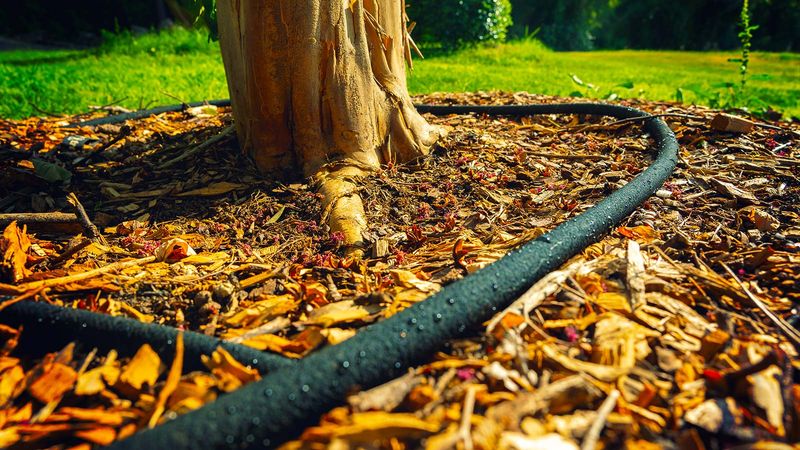
A soaker hose oozes water so slowly that you can almost hear the thirsty soil sighing with relief. Personally, I find that quiet trickle far more satisfying than a sprinkler spraying half of the driveway.
Well-watered plants hold more moisture in their leaves, and moist leaves are much harder to ignite. During a drought, the trick is spending your limited water on the plants that protect your home.
Focus first on the thirty-foot zone, where green, healthy plants act like a moist buffer around the house. Distant beds and tough natives can usually ride out dry weeks with little or no extra help.
Drip lines and soaker hoses send water straight to the roots, so far less is lost to evaporation. Water deeply but less often, which nudges roots to grow downward where the soil stays cooler.
Early morning is the best time to run them, since cooler air means less water drifts away. If you hand-water, leaves also dry before evening, which helps reduce fungal leaf spots on plants.
Before turning on the tap, push a trowel a few inches into the soil and feel for moisture. Cool, damp soil means you can wait another day, which saves both water and a little of your time.
Some localities limit outdoor watering during severe droughts, so check your water provider’s rules before running hoses. A rain barrel under one downspout can stash a surprising amount of water for the next dry stretch.
8. Build Flagstone Patios And Gravel Paths As Firebreaks
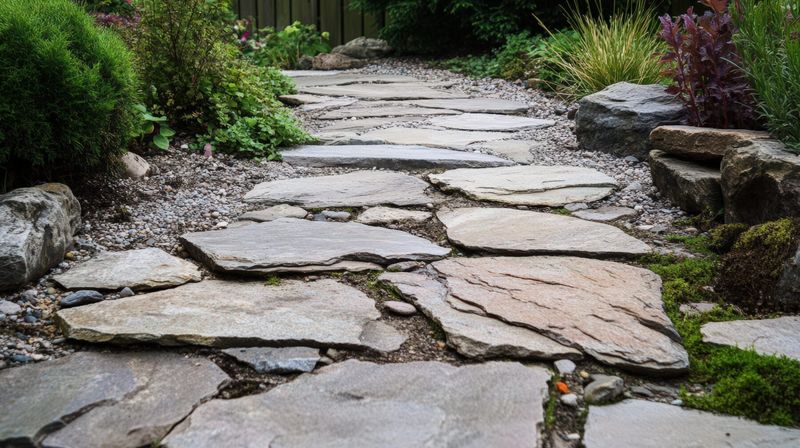
A flagstone patio might be the only garden feature that looks just as good during a drought. It needs no water or mowing, and it gives flames a stubborn gap they struggle to cross.
Fire spreads best through continuous fuel, so anything that breaks up long stretches of plantings can slow it down. Gravel paths and stone patios act like speed bumps, interrupting the line of fuel between your yard and house.
Right against the foundation, a band of gravel or pavers makes the five-foot zone much safer. You can dress it up with a few decorative boulders or a simple metal bench for charm.
On sloped lots, stone or masonry retaining walls hold soil in place and separate planting beds nicely. Fire tends to race uphill quickly, so those solid breaks on a slope can be especially helpful.
I love how a dry creek bed adds movement to a yard while asking for zero irrigation. Line it with river rock and tuck a few low native plants along the edges for softness.
A short, green lawn can also slow flames, but keeping turf green during drought takes lots of water. Dormant brown grass burns easily, so a gravel patch or stone patio is the steadier choice now.
Fall is a comfortable season for hauling stone, since cooler temperatures make heavy lifting much more pleasant. Start with one path or patio this year, and your Virginia yard will thank you for decades.