The Virginia Perennials That Crave Fall Compost, Plus A Few That Don’t
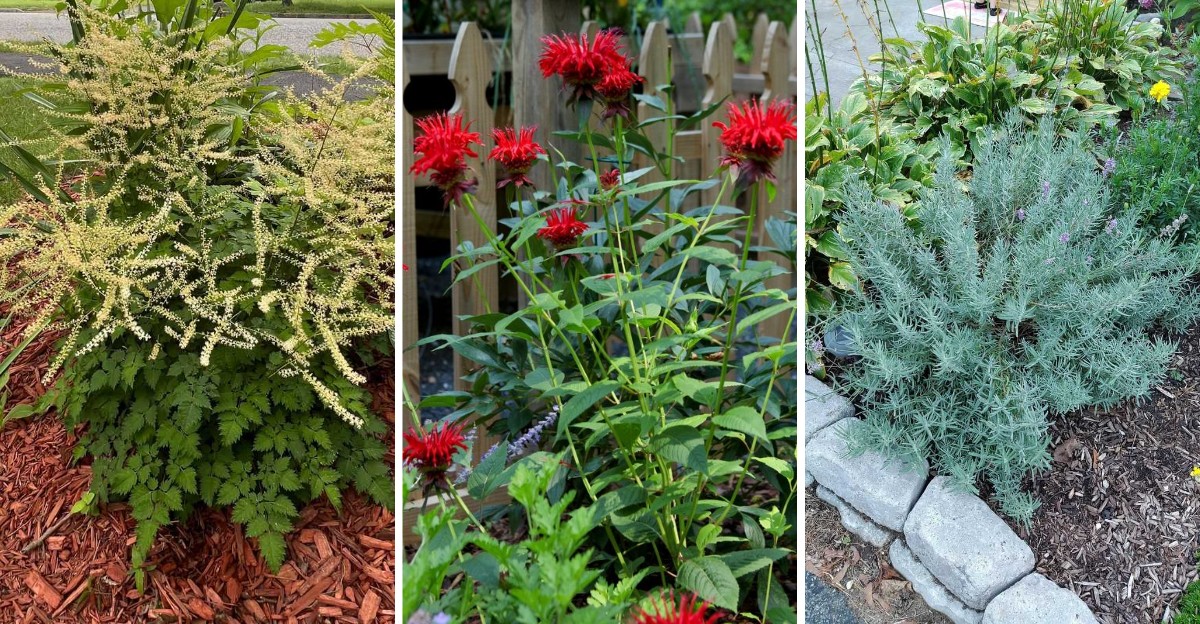
Once leaves start falling, most Virginia gardeners want to spread that black gold everywhere. Hold that shovel, though, because not every perennial wants a second helping.
Some plants soak up organic matter and reward you with lush leaves and bigger blooms. Others turn floppy and sulky in rich soil.
A few even risk soggy roots when compost traps moisture around their crowns.
From shady hosta beds to sunny, gravelly slopes, your garden likely holds both kinds. Knowing the difference saves time, money, and head-scratching come June.
The guide below sorts the compost lovers from the plants that prefer to skip dinner. A few answers might change how you top-dress this fall.
1. Hostas Welcome A Rich Fall Top-Dressing
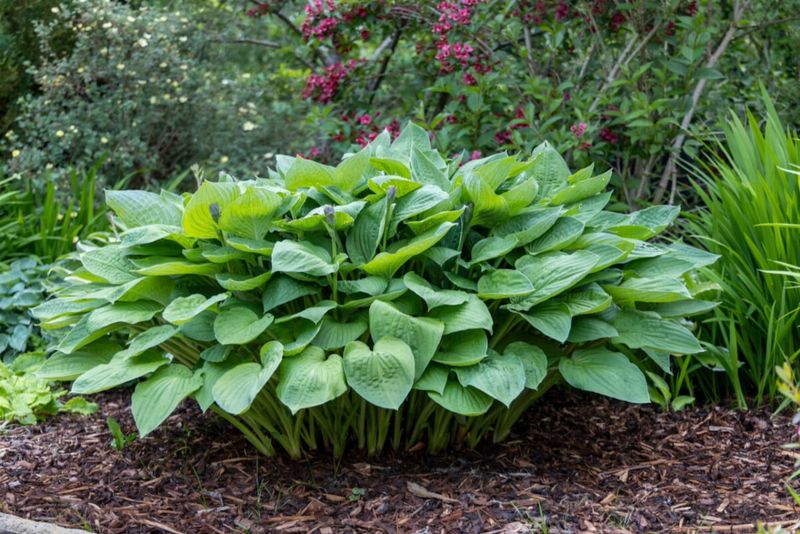
Ask any shade gardener about hostas, and you will hear stories about leaves as big as dinner plates. Those giant leaves need fuel, and fall compost delivers it slowly.
Hostas grow best in loamy soil packed with organic matter. After frost flattens the foliage, spread about one inch of compost right over each crown.
Think of it as a cozy blanket with a snack tucked inside. The layer insulates roots during cold snaps and feeds the plant gently through winter.
By spring, worms and soil microbes have pulled those nutrients down to the roots. Your hostas wake up ready to unfurl thick, glossy leaves without any quick-release fertilizer.
You can add two to three inches of shredded bark mulch around the plant too. Keep the heavier mulch a few inches from the crown so it does not stay soggy.
Here is one mistake to skip. Avoid granular fertilizer in late autumn, since it can push tender growth when hostas should be resting.
Compost works differently because it releases food slowly and at a gentle pace. It suits the sleepy rhythm of a hosta heading into winter.
Homemade compost from kitchen scraps and yard waste works just fine. Bagged leaf compost from a garden center is another easy choice for busy weekends.
Fun fact for curious readers: hostas were once called plantain lilies. Gardeners in Japan and China grew them for centuries before they reached American shade beds.
2. Astilbe Craves Moist, Compost-Rich Soil
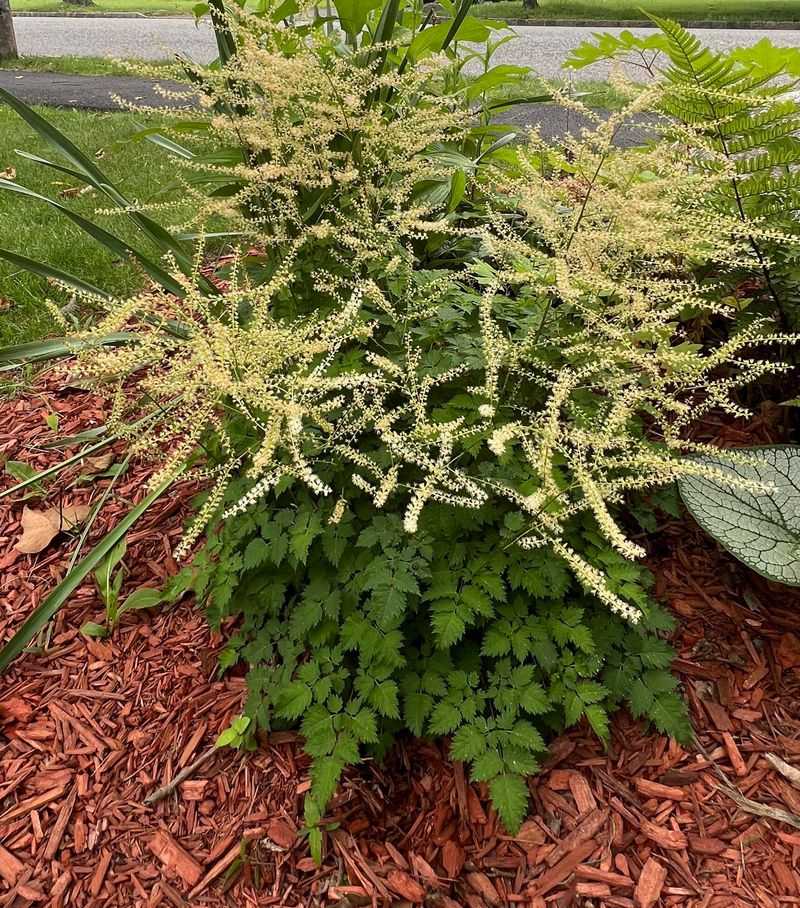
Feathery plumes of pink, white, and red make astilbe look delicate. Underneath that fluffy charm, though, sits a surprisingly hungry plant with a big appetite.
Gardeners often call astilbe a heavy feeder. It gobbles nutrients all summer, so fall is a smart time to restock its pantry.
Moisture matters just as much as food for this plant. Dry soil turns astilbe leaves crispy and brown, especially during a hot August.
Compost helps on both fronts at once. Organic matter acts like a sponge, holding water near the roots while still letting extra drain away.
Work a few handfuls of compost into the soil surface around each clump. Try not to dig deeply, since astilbe roots sit fairly close to the top.
Next, add a two-inch layer of organic mulch like shredded leaves or pine straw. It keeps moisture steady, blocks weeds, and slowly breaks down into more rich soil.
Your Virginia Garden Changes Every Week. Your Plan Should Too.
Gardening in Virginia changes quickly throughout the season. Every Friday you’ll receive a simple weekly plan showing exactly what to plant, prune, fertilize, harvest, and protect so you never miss the right timing.
Leave the dried flower plumes standing through winter if you like. Frosty plumes look lovely in December and give small birds a place to perch.
Clay soil is common in many yards, and astilbe dislikes heavy, airless ground. Yearly compost gradually loosens that clay and creates the fluffy, humus-rich bed astilbe adores.
A quick tip for spring: watch the clumps as new shoots appear. Crowded plants that bloom less may need dividing, and fresh compost helps divisions settle in fast.
3. Garden Phlox Blooms Better With Extra Organic Matter
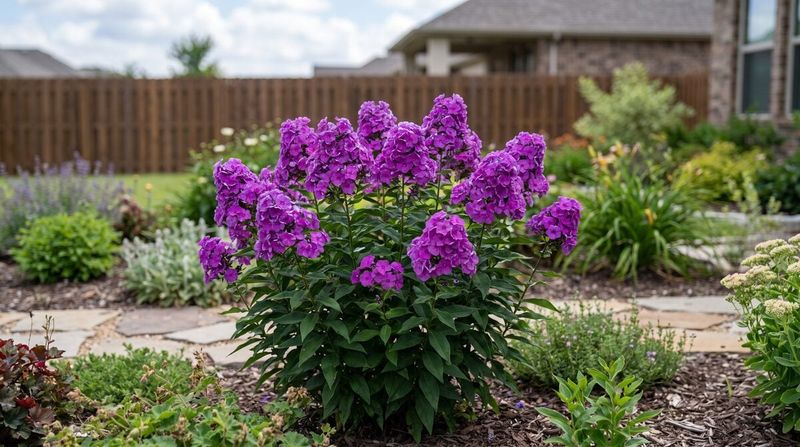
Grandma’s summer border almost certainly had tall garden phlox swaying beside the porch. Those fragrant flower heads still pull in butterflies and hummingbirds like magic.
Big blooms like that need fertile, well-drained soil to keep going. A yearly layer of compost gives phlox the steady nutrition it quietly depends on.
Fall cleanup is the perfect moment to feed it. Cut stems down to a few inches, then spread one to two inches of compost around the base.
Removing old stems matters for another reason too. Powdery mildew spores can linger on leftover foliage, and phlox is famous for that dusty white coating.
Healthy soil supports stronger plants that handle mildew better. Compost encourages helpful soil life, and good moisture reduces the stress that invites disease.
Many gardeners also add a light mulch after composting. It keeps roots cool during summer heat and holds moisture between rain showers.
Want even more flowers next year? Add another thin layer of compost in late spring, just before buds start forming.
Plant spacing makes a real difference with this perennial. Give each clump room for air to flow, since crowded phlox tends to get mildew faster.
Here is a sweet bit of history. Phlox means flame in Greek, a nod to the bright colors that seem to glow on warm evenings.
Try varieties like David or Jeana for better mildew resistance. Both reward a little compost with weeks of sweet-scented color.
4. Bee Balm Likes A Light Layer Around Its Crowns
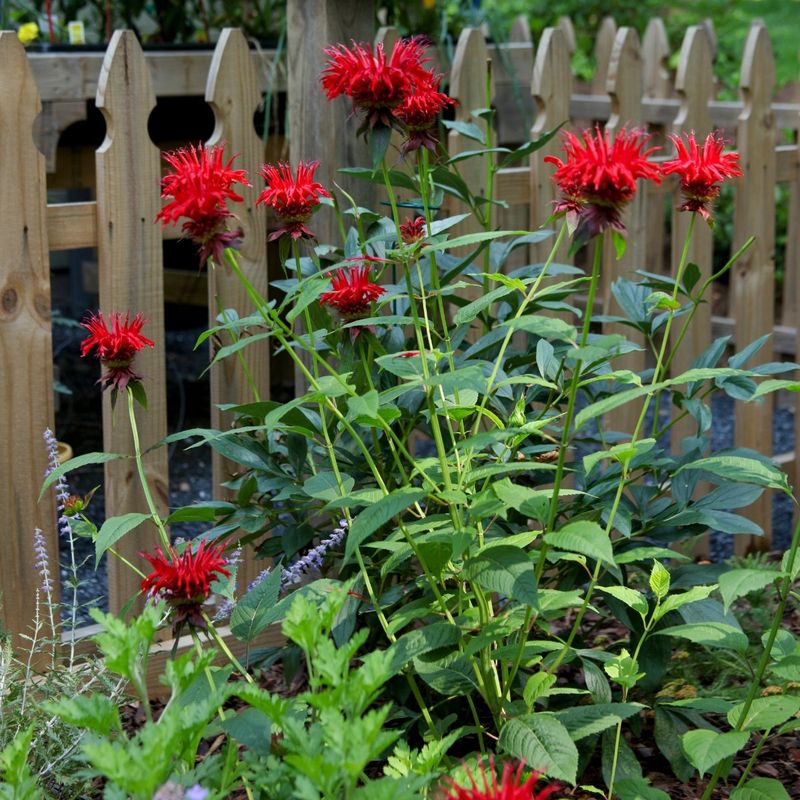
Buzzing bees and zipping hummingbirds can turn a bee balm patch into a busy little airport. Keeping that show going takes only a modest amount of help.
Bee balm, also called monarda, grows naturally in moist Virginia soils. It likes rich, well-draining ground but does not demand constant pampering.
A light fall layer around the crowns is plenty. Spread about half an inch to an inch of compost or shredded leaves over the root zone.
Why so thin? Heavy piles can trap moisture against the crowns and invite rot during soggy winters.
That light layer protects roots from freeze and thaw cycles. Soil heaving in late winter can lift shallow roots, and a little cover keeps things steadier.
Pull back any thick mulch once spring warms up. New shoots appear early, and they appreciate sunshine and airflow on the soil surface.
Bee balm spreads by underground runners, sometimes more than gardeners expect. Compost gives the runners fertile ground, so trim edges each spring if the patch wanders.
Here is a fun history bit. Colonists brewed bee balm leaves as Oswego tea after the Boston Tea Party made imported tea unpopular.
Mildew can show up on bee balm too. Thinning stems by about a third in spring improves airflow and keeps leaves healthier.
A modest scoop of compost each fall gives bee balm a friendly boost. The pollinators will thank you all summer long.
5. Ferns Thrive On Leaf Compost Like A Forest Floor
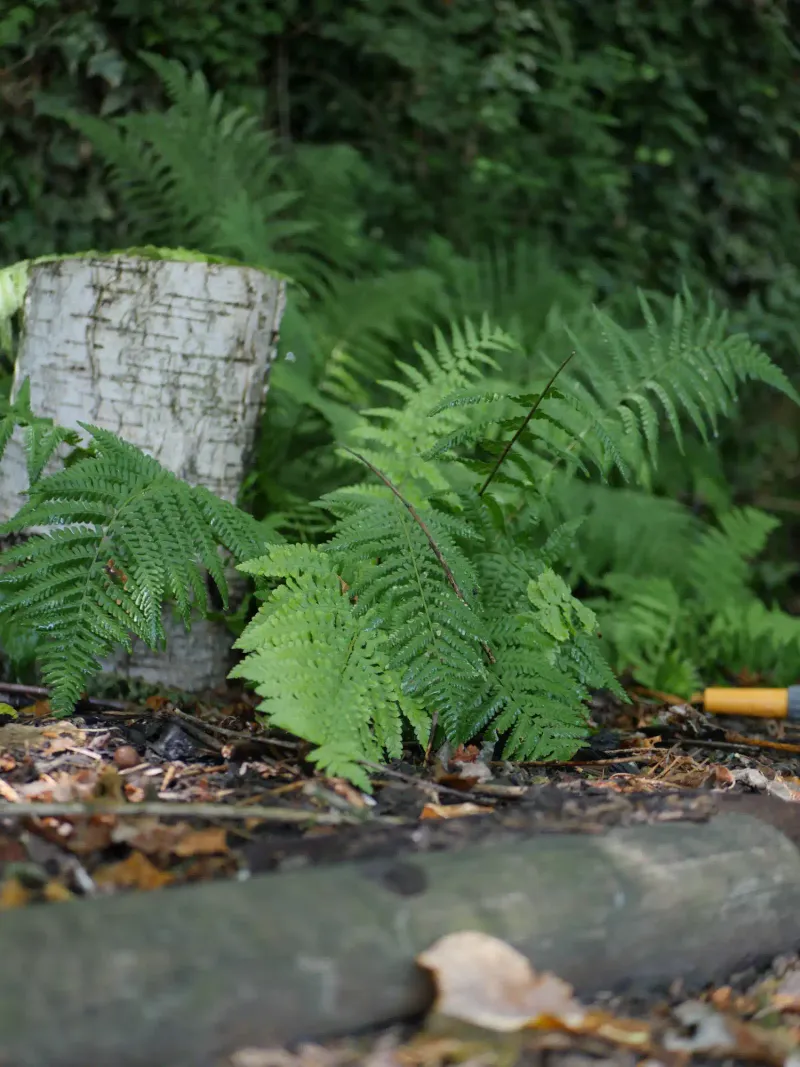
Take a walk through any shady hollow in the Blue Ridge, and you will spot ferns tucked into soft, leafy ground. That spongy forest floor is their dream home.
Native ferns like Christmas fern and cinnamon fern evolved under trees that drop leaves every autumn. Those leaves slowly rot into leaf mold, a dark, crumbly treasure.
Luckily, you can copy nature in your own backyard. Rake fallen leaves, shred them with a mower, and pile them in a corner to break down.
After a year or so, you will have rich leaf mold. Spread one to two inches around your ferns, and they will feel right at home.
Leaf compost holds water beautifully. Ferns sulk in dry soil, so that moisture-holding power keeps fronds green through dry spells.
Short on time? Simply tuck whole leaves loosely around fern clumps in fall, keeping them off the crowns.
Many experts also suggest a top-dressing each spring. Fall and spring layers together build a deep, humus-rich bed that lasts for years.
Here is a neat fact to share. Ferns have grown on Earth for over 300 million years, long before flowers or dinosaurs showed up.
Skip synthetic fertilizer for most ferns. Their fine roots can burn easily, and slow leaf compost suits them far better.
Keep those fall leaves out of the trash bag. Your ferns would much rather have them as a free, cozy meal.
6. Lavender Prefers Lean, Gritty Soil
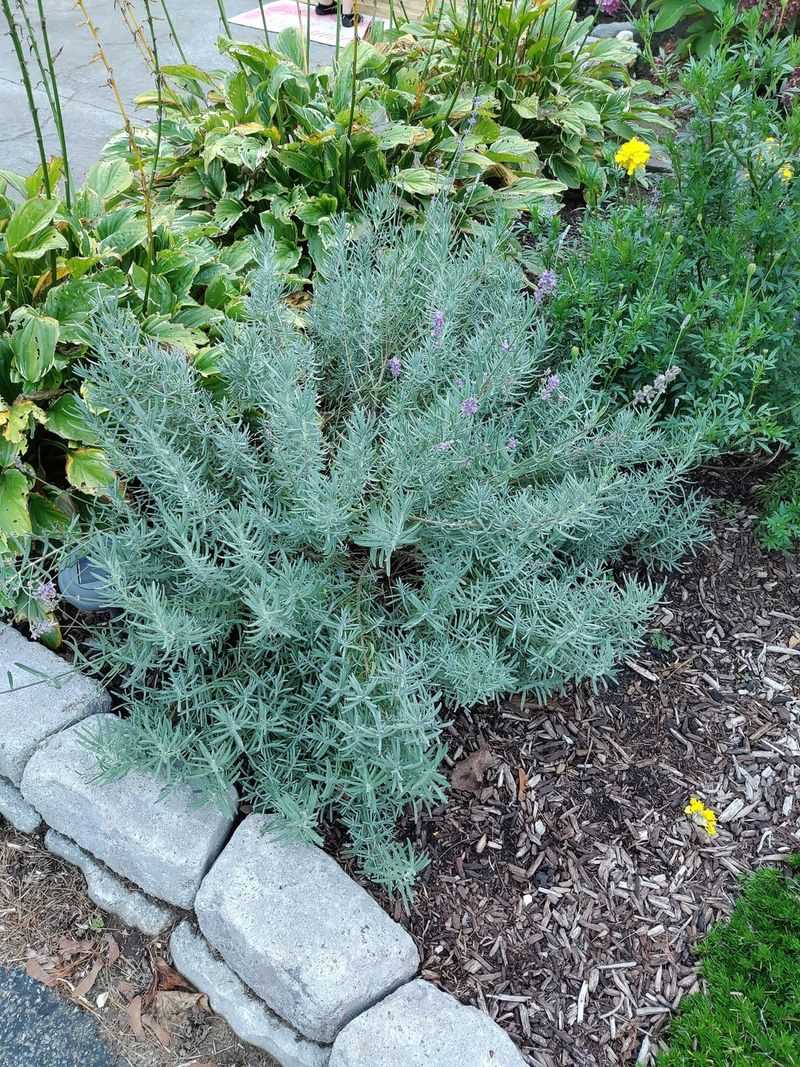
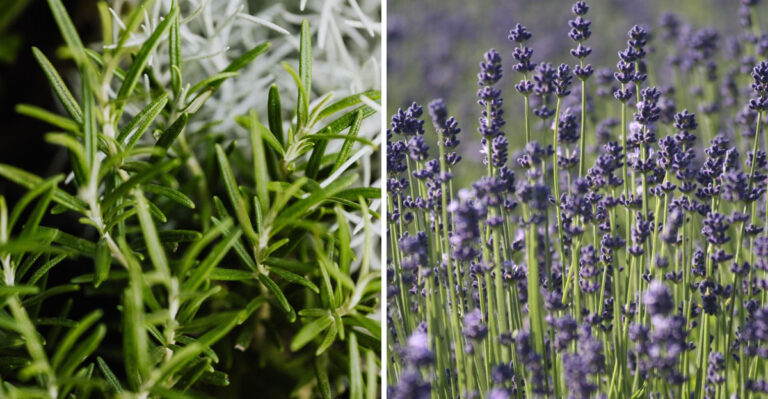
Here is where the compost party takes a sharp turn. Lavender comes from rocky Mediterranean hillsides, and rich, soggy soil makes it miserable.
Picture a sunny slope with thin, pebbly ground and very little rain. That tough spot is exactly where lavender feels most comfortable.
Heavy clay is common across the state, and it holds winter water around roots. Lavender roots rot quickly in that cold, wet mud.
Drainage is your main goal. Mix coarse sand or small gravel into the planting area, or grow lavender in raised beds and mounds.
A small amount of compost can help loosen clay at planting time. Beyond that, keep extra organic matter away, since rich soil means fewer flowers.
Overfed lavender grows soft, floppy stems with weak scent. Lean soil actually concentrates those fragrant oils that make lavender so beloved.
Skip the fall compost blanket completely for this plant. Instead, use pea gravel or light-colored stone as mulch around the base.
Gravel reflects heat and keeps the crown dry. Wet organic mulch piled against woody stems often leads to trouble.
Soil pH matters too, since lavender likes neutral to slightly alkaline ground. Many Virginia soils lean acidic, so a Virginia Tech soil test can tell you how much lime to add.
Try hardy types like Phenomenal or Munstead for humid summers. Both handle our muggy weather better than many other kinds.
7. Butterfly Weed Flourishes In Poor Ground
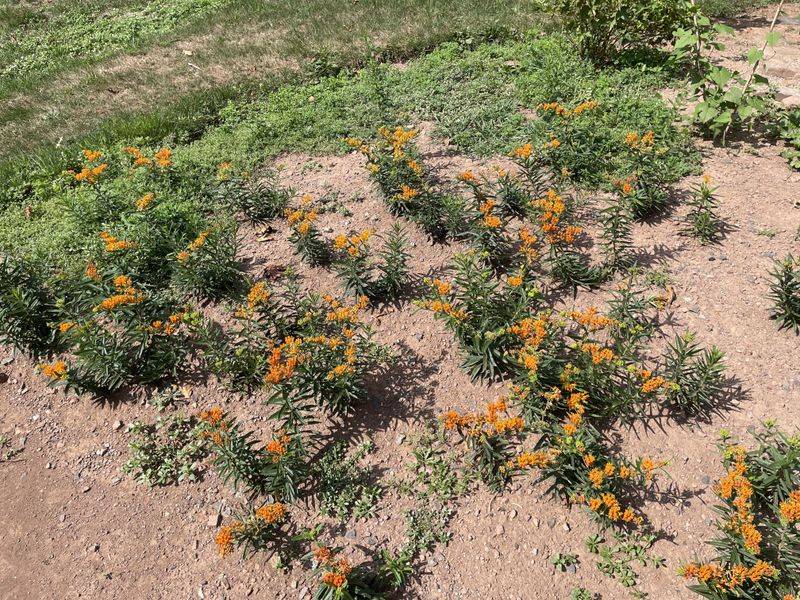
Drive down a Virginia back road in July, and bright orange flowers may catch your eye in the ditch. That scrappy beauty is butterfly weed, thriving where little else grows.
Poor soil does not bother this native milkweed one bit. Sandy, gravelly, or dry ground actually suits it better than a rich garden bed.
The secret lives underground. Butterfly weed sends down a long taproot that finds water deep below the surface.
Once settled, that taproot makes the plant incredibly drought tolerant. You can mostly forget about watering after the first season.
Compost can cause more harm than good here. Rich, moist soil may lead to root rot or weak, sprawling stems.
Plant it in a sunny, fast-draining spot and step back. Skip fertilizer, skip compost, and let the plant do its own thing.
Patience matters with this one, though. Butterfly weed wakes up late in spring, so mark its spot to avoid digging it up by accident.
Transplanting is tricky because of that deep taproot. Choose the right location from the start and let it stay put for years.
Monarch caterpillars munch on the leaves, and that is a good thing. Butterfly weed is a host plant that helps these famous travelers survive.
Fun fact: the plant’s name, Asclepias tuberosa, honors the Greek god of healing. Native people once used the roots as medicine.
8. Yarrow Flops When Soil Gets Too Rich
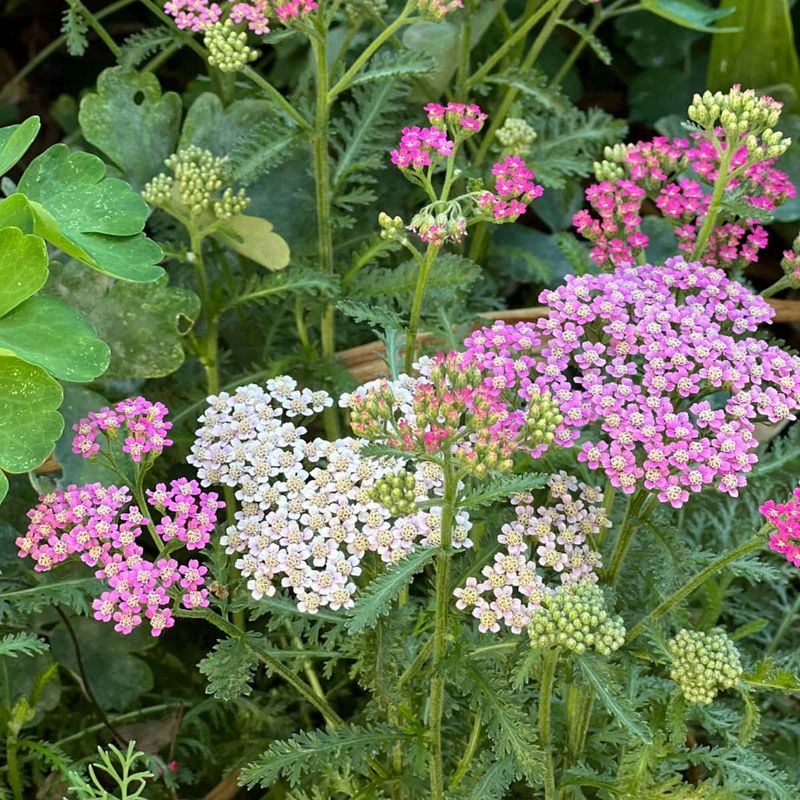
Ever planted yarrow in your best garden bed, only to watch it fall over by midsummer? You are definitely not alone.
Yarrow is a rugged plant that loves average or even poor soil. Give it too much food, and it grows tall, soft stems that simply cannot hold up.
Think of it like a kid eating dessert for every meal. Growth happens quickly, but it is not strong or healthy growth.
Well-drained, sandy soil is where yarrow really shines. In those lean spots, stems stay short, sturdy, and upright through July storms.
So skip the fall compost for this one. A plain layer of shredded leaves is fine for tidiness, but keep it thin.
Already have floppy yarrow? Cut the stems back by half in early summer to encourage shorter, bushier growth.
Dividing crowded clumps every few years also helps. Replant the divisions in leaner ground rather than rich, heavily amended beds.
Yarrow brings a lot to a sunny garden in return. Flat flower heads feed small native bees and helpful insects that eat aphids.
Here is a quirky legend to enjoy. The Latin name Achillea comes from Achilles, who reportedly used yarrow to treat wounded soldiers.
Common yarrow grows wild in fields across the state. That toughness proves it needs very little from you to look great.
9. Sedum Stays Sturdier Without Extra Nutrients
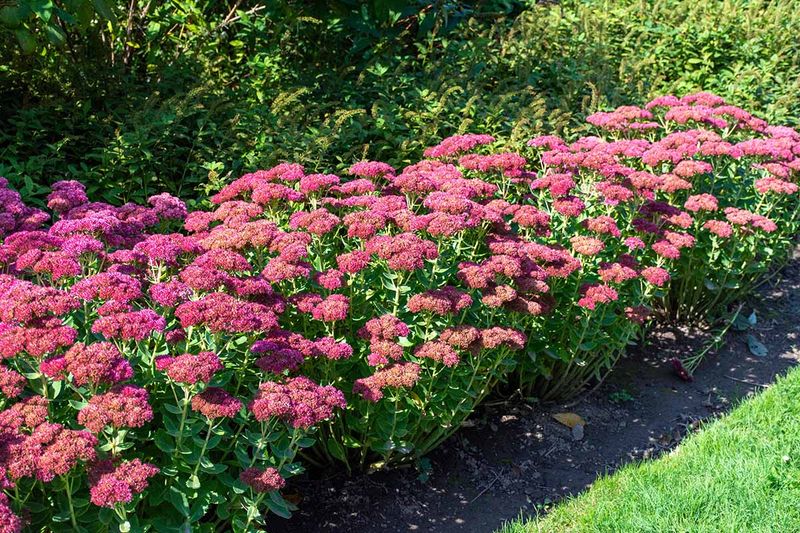
Fleshy leaves give sedum away as a proud member of the succulent family. Plants built to store water rarely want a rich, heavy meal.
Upright sedums like Autumn Joy look fantastic in fall with rusty pink flower heads. Too much fertility, however, makes those heads splay open like a broken umbrella.
Nitrogen is the main troublemaker. It pushes fast, leggy growth that cannot support the weight of the blooms.
Lean, coarse soil keeps sedum compact and strong. Gravelly beds, rock gardens, and sunny slopes are perfect homes.
Skip fall compost and fertilizer completely around these plants. Sedum does just fine in average or even poor ground without any help.
If yours already flop, try the Chelsea chop. Around late May, pinch or cut stems back by about half.
That trim encourages shorter, bushier plants with more flower clusters. Blooms may arrive a bit later, but they stay upright much longer.
Leave the flower heads standing through winter for extra interest. Frost and snow look lovely resting on their tidy, dried domes.
Drainage matters for sedum just as it does for lavender. Wet clay in winter can rot roots, so add grit if your soil stays soggy.
Fun fact: some folks call sedum stonecrop because it happily grows on rocks and walls. That name says everything about its easygoing, low-maintenance style.
10. Baptisia Makes Its Own Nitrogen
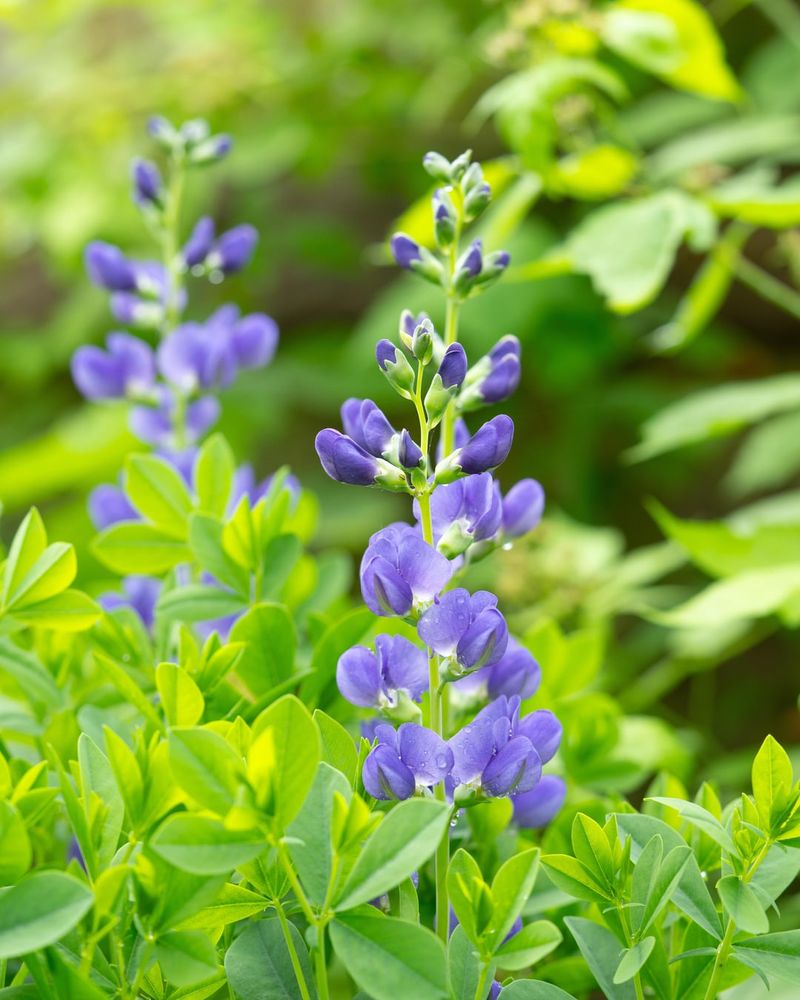
Some plants shop for groceries, but baptisia basically grows its own food. That clever trick makes it one of the easiest natives to care for.
Baptisia, also called false indigo, belongs to the pea and bean family. Its roots team up with tiny bacteria that pull nitrogen right out of the air.
Those bacteria live in little bumps on the roots called nodules. They turn air into plant food, and baptisia shares sugars with them in return.
Because of that partnership, this Virginia native needs little or no fertilizer. Adding compost or plant food can actually make it leggy and floppy.
So cross baptisia off your fall compost list. A light leaf mulch for weed control is plenty.
Patience pays off with this plant. Baptisia spends a few years building deep roots before it really puts on a show.
Once established, it forms a shrub-sized clump with blue, white, or yellow spikes in spring. Dark seed pods rattle in the wind by fall.
Choose its spot carefully from the start. Deep roots make baptisia tough to move, but they also make it very drought tolerant.
Here is a fun history bit. Early settlers used blue false indigo as a substitute dye when true indigo was expensive.
Across Virginia gardens, baptisia proves that some perennials thrive on neglect. Save your compost for the hungry plants and let this one feed itself.