The Native Pennsylvania Berries You Can Use In Holiday Wreaths
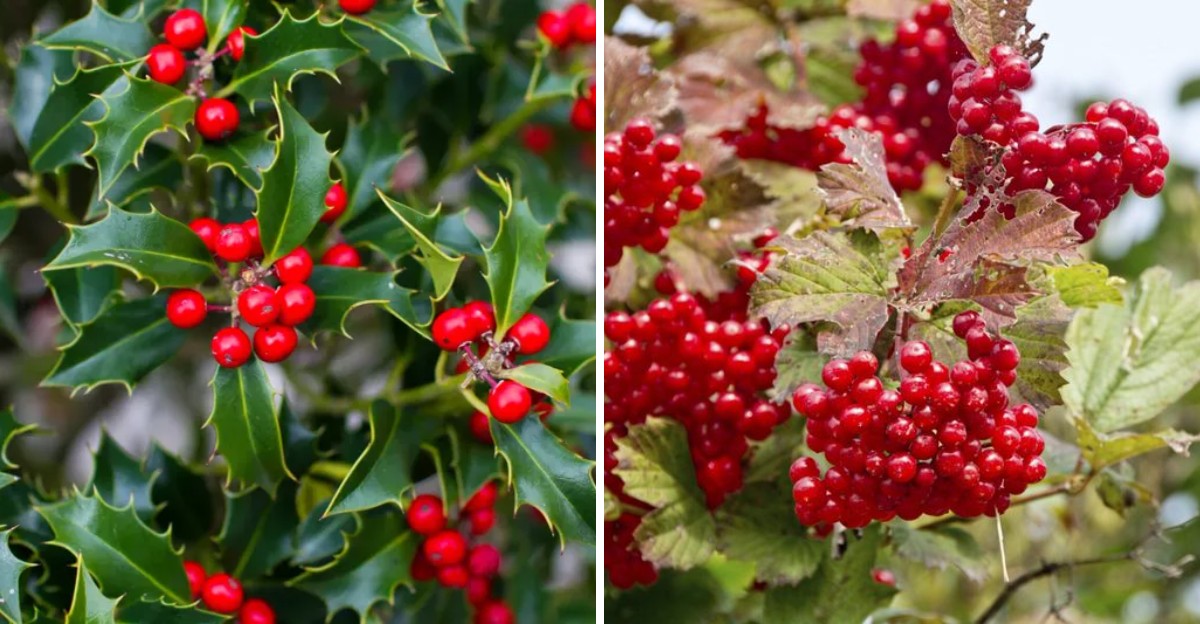
Some of the brightest red fruit in our winter woods tastes so sour that hungry birds skip it for months. That snubbed fruit hangs on bare twigs well past the holidays, which makes it a gift for any wreath maker.
Pennsylvania hedgerows hide plenty of these native treasures, and most of them grow wild along streams and swamps. Several even thrive in ordinary backyards, where they feed winter birds long before you ever snip a single branch.
I have to admit that store-bought plastic berries lost their charm for me after my first homegrown wreath. Real fruit glows differently on a cold front door, and the neighbors noticed right away last December.
You might be surprised how many of these shrubs already grow in Pennsylvania parks and roadside thickets near you.
1. Winterberry Holly
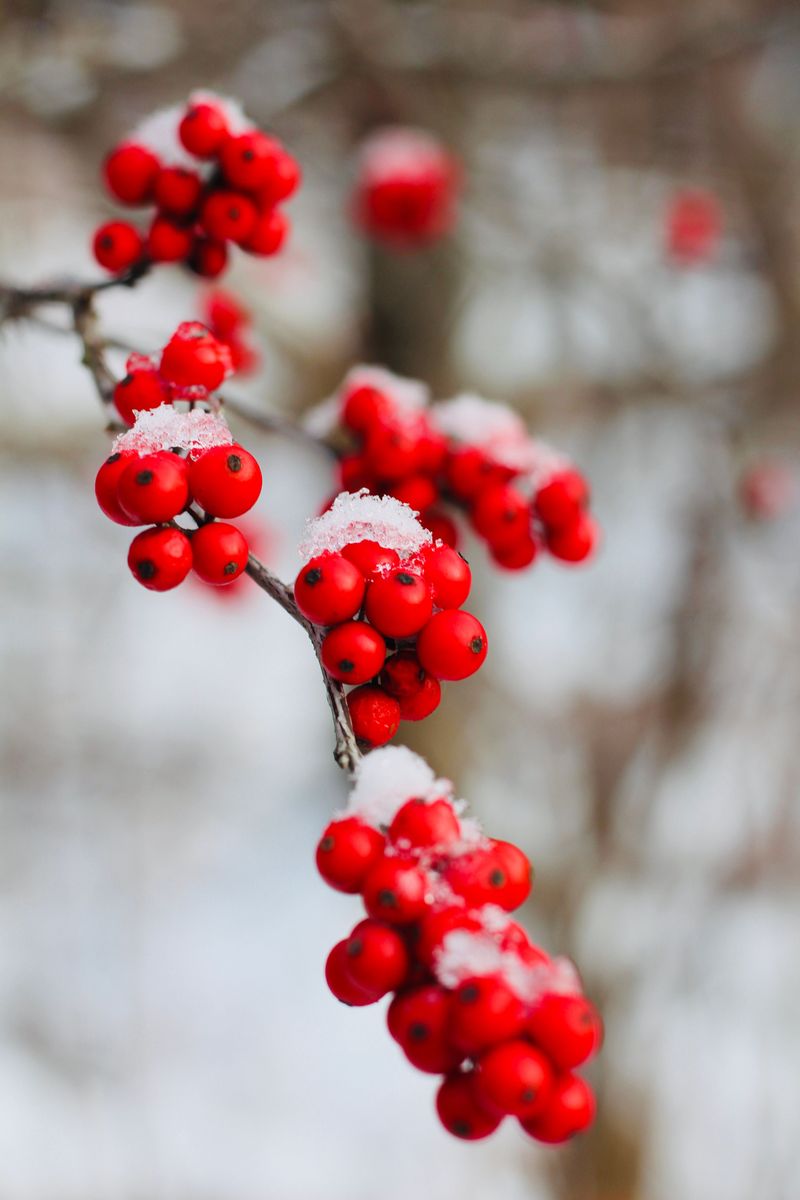
Bare gray twigs packed with scarlet berries look like someone glued holiday candy onto every single branch. Winterberry drops its leaves in fall, so nothing hides that glowing fruit from your eyes.
Ilex verticillata grows wild in swamps and along streams across much of our state, and it loves wet feet. You can plant it in a soggy corner where other shrubs often sulk and struggle.
Personally, I think it is the easiest wreath berry for beginners because the stems bend nicely around a frame. Short clusters tucked between pine boughs give you a pop of red that lasts for weeks.
One quirky detail trips up many gardeners, since only female plants produce berries on this native holly. You need a male pollinator shrub nearby, and nurseries usually sell matching pairs for that reason.
Most varieties prefer acidic soil with steady moisture, and they handle full sun or partial shade quite well.
More sunlight usually means a heavier crop of fruit, which makes your winter cutting much more rewarding.
Snip branches in late fall after the leaves drop, then keep extras in a cold garage for later projects. Fresh stems hold their berries longer when you mist them now and then indoors.
Keep the finished wreath away from curious pets and toddlers, since the berries can upset stomachs when swallowed. Leave plenty of fruit on the shrub too, because robins and bluebirds rely on it later in winter.
2. American Holly
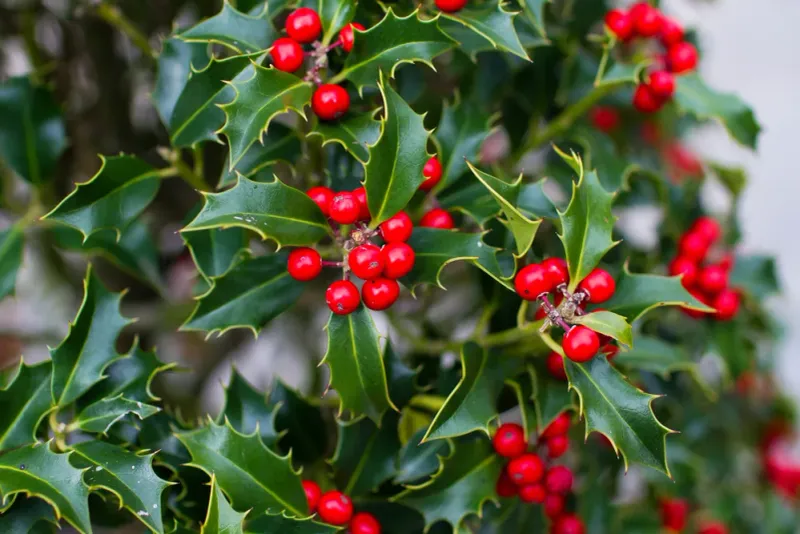
Shiny spiked leaves paired with cherry red berries make American holly look like a living Christmas card. Ilex opaca has carried that classic holiday style in eastern forests long before tinsel ever existed.
Southeastern parts of the state offer the best natural conditions, though protected spots farther north can work too. Choose a site sheltered from harsh winter wind, since leaves can brown when cold gusts hit them hard.
I love how sturdy the foliage feels in a wreath, because those leathery leaves hold their shape for weeks. A few sprigs layered over fir branches give your door a polished, old-fashioned look.
Like winterberry, this evergreen needs both female and male trees before any berries appear on the branches. Plant one male within reasonable distance of your females, and bees handle the rest each spring.
Slightly acidic, well-drained soil keeps the tree happy, and young plants appreciate regular watering during dry summers. Growth is slow, so patience pays off as the tree reaches impressive height over many years.
Wear sturdy gloves while cutting, since those spiny leaf edges poke fingers more than you might expect. Clean cuts just above a leaf joint help the tree recover and stay nicely shaped for future harvests.
Berries and leaves can cause vomiting and diarrhea in children, dogs, and cats if they get eaten. Hang this wreath high on the door, well above wagging tails and small grabbing hands.
3. Red Chokeberry
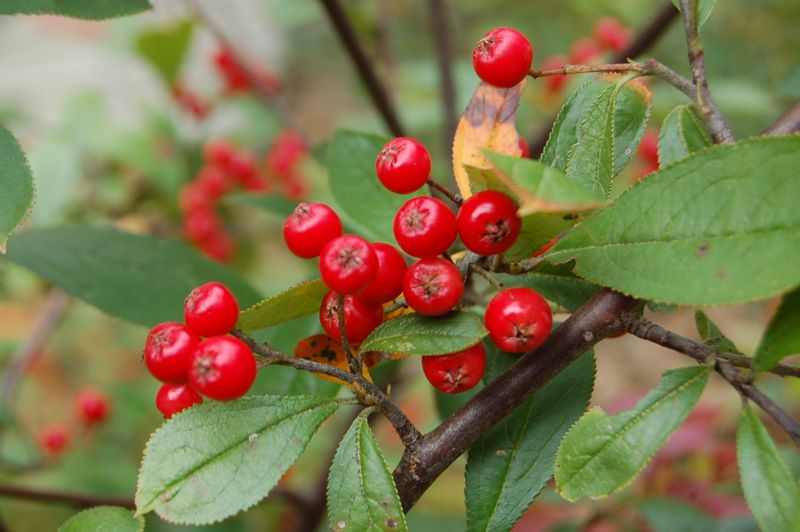
Bite into a raw chokeberry once, and you will understand exactly how this shrub earned its puckering name. That intense sourness keeps birds away for months, which means the glossy fruit lingers for your wreaths.
Aronia arbutifolia grows naturally in wet woods and bogs, yet it adapts to many ordinary garden soils. Full sun brings the heaviest fruit, although partial shade still gives you a respectable crop each year.
Small pear-shaped berries ripen in early fall, turning a bright red that often hangs on into winter. The leaves join the show too, flaring into vivid scarlet before they finally drop away.
I believe chokeberry deserves far more attention from wreath makers than it usually gets at garden centers. Clusters look charming wired beside pinecones, and they add a softer, rounder texture than spiky holly sprigs.
Multi-stemmed shrubs spread slowly by suckers, so give them room or trim wandering shoots each spring. Plants usually reach six to ten feet tall, making them a handy choice for natural screening.
Unlike hollies, these berries are edible, and many people cook them into jams once the astringency mellows.
Still, wreath fruit sits outdoors in dust and weather, so keep decorative clusters separate from your kitchen batch.
Cut stems on a dry afternoon and let them rest flat overnight before you start building. Firm, slightly dry clusters stay attached better and hold their cheerful color through much of December.
4. Inkberry Holly
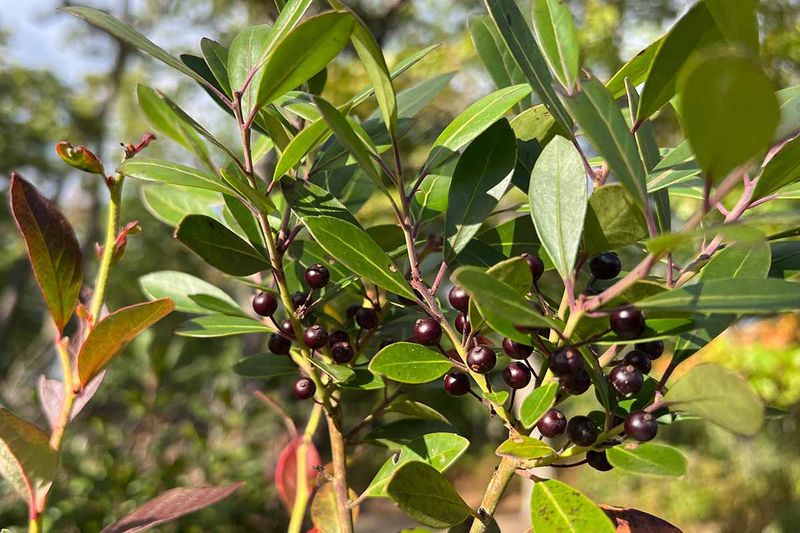
Not every holiday berry has to be red, and inkberry proves that with tiny fruits as dark as fountain pen ink. Those glossy black beads look surprisingly elegant tucked among silver or gold wreath accents.
Ilex glabra is mainly a coastal plain native, and wild plants here are rare, mostly near the southeastern edge. Nurseries sell it widely though, so you can enjoy this evergreen holly without hunting through swamps.
Small smooth leaves stay green all winter, giving the shrub a neat look many people compare to boxwood. I like using whole sprigs as a filler, since the foliage fills gaps without poking your fingers.
Moist, acidic soil suits it best, and the plant tolerates partial shade better than many other evergreens. Shrubs spread slowly by underground runners, which creates a soft, informal hedge over several seasons.
Berries appear only on female plants, just like other hollies, so check plant tags before you buy. Some popular compact varieties are male, which means they stay tidy but produce no fruit at all.
Pair the dark berries with bright red winterberry for a striking contrast that really stands out on doors.
You might notice guests leaning in closer, trying to figure out what those mysterious black beads are.
All parts of inkberry may cause mild upset if eaten, so treat it like any holly around pets. Trim branches lightly in late fall, which keeps shrubs shapely while giving you plenty of wreath material.
5. American Cranberry
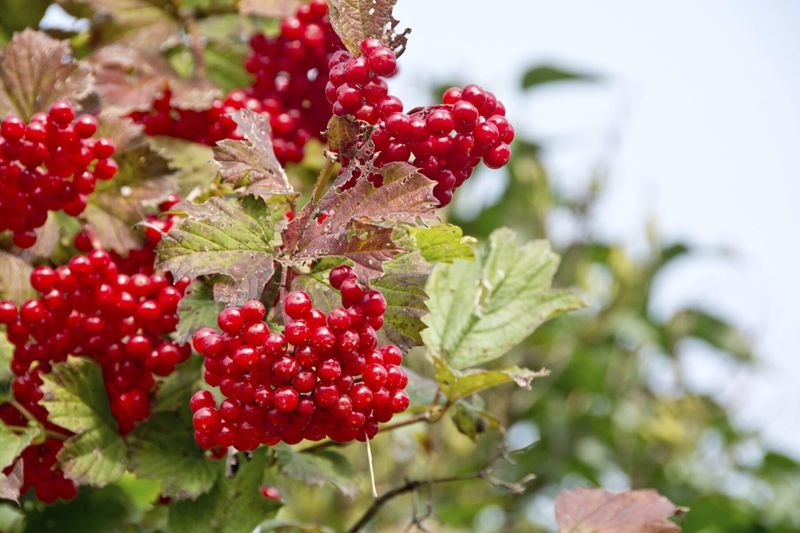
Few people realize that wild cranberries creep across mountain bogs in the Poconos, far from any commercial farm. Vaccinium macrocarpon forms low trailing mats, and its bright fruit ripens in fall among tiny leaves.
Personally, I adore cranberries in wreaths because they bring a cozy, farmhouse feeling to any front door.
Stringing them with popcorn is an old tradition, and that garland wraps beautifully around a simple evergreen ring.
Small glossy leaves often turn bronze or purple in cold weather, adding warm color to the vines. Short trailing pieces can be woven into a wreath base for a delicate, low-key look.
Growing your own takes some planning, since these plants need acidic, sandy, constantly moist soil to thrive. A small bog garden lined with plastic and filled with peat and sand can work surprisingly well.
Wild bog plants should stay where they grow, so please buy nursery vines instead of digging them up. Many bogs are sensitive habitats, and some sit on protected public land with strict collecting rules.
Store-bought cranberries work just fine if you lack a bog, and they are the same native species. Thread them on fishing line with a sharp needle, then wire the strands onto your frame.
Since cranberries are edible and nontoxic, they make a friendly choice for homes with small kids or pets. Outdoor berries may soften after a hard freeze, so swap in fresh strands if needed.
6. Northern Spicebush
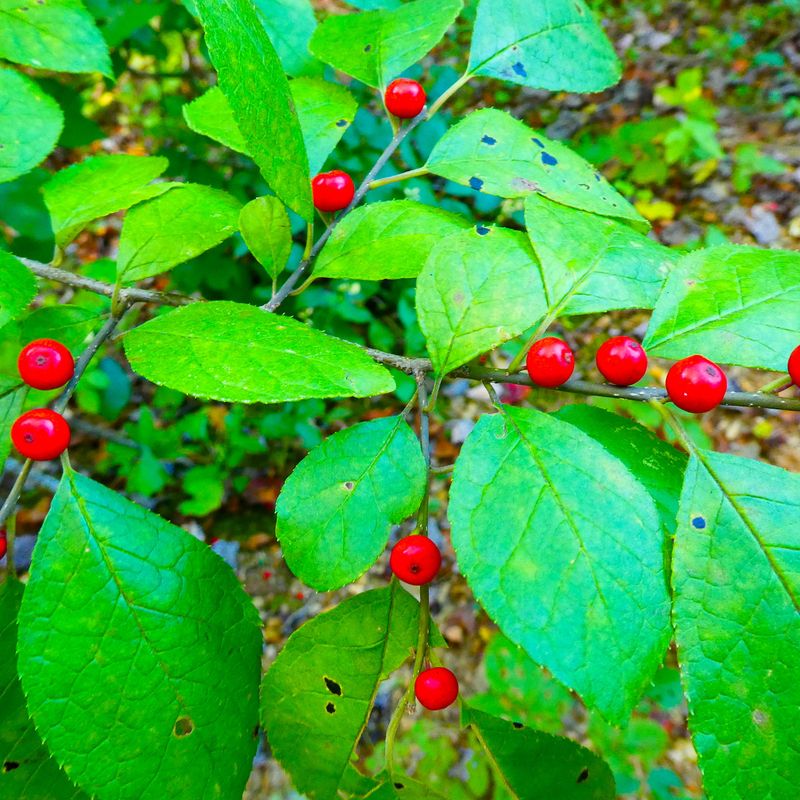
Crush a spicebush berry between your fingers, and your kitchen suddenly smells like a warm holiday spice shelf.
Lindera benzoin is one of the most fragrant wild shrubs in eastern woodlands, and the leaves smell lovely too.
Shady stream banks and damp forests across the state are full of this shrub, often growing in large patches. In early spring, tiny yellow flowers cover the bare branches long before most trees leaf out.
Only female plants carry the glossy red berries, which ripen in early fall along the twigs. Birds love their rich fat content, so you need to beat migrating thrushes to the harvest.
I have to admit that spicebush is my favorite wreath secret because it adds scent along with color. A few berry sprigs near your door greet visitors with a gentle peppery aroma every time they arrive.
Plant spicebush in moist, rich soil with partial shade, which mimics its natural woodland home quite nicely. It also feeds spicebush swallowtail caterpillars, so you support beautiful butterflies while growing wreath supplies.
Cut berry branches early in fall, then let them dry indoors on a screen for longer lasting results. Dried berries darken slightly, yet they keep much of their color and fragrance through the season.
Berries have been used as a seasoning, often ground like allspice, though you should identify plants carefully first.
Keep decorative berries separate from cooking ones, since wreath fruit collects dust and weather outdoors.
7. Cockspur Hawthorn
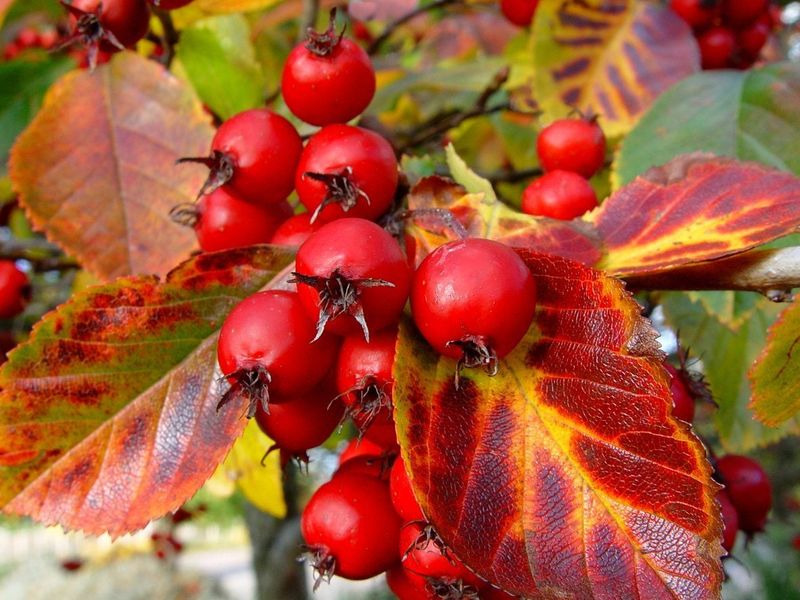
Long sharp thorns up to a few inches long earned cockspur hawthorn its colorful name, and they look dramatic. Crataegus crus-galli is a native small tree that also produces clusters of bright red fruits called haws.
Many hawthorn species grow wild here, but buy natives carefully, since the European common hawthorn can spread aggressively.
Ask your nursery for cockspur or another native type, and check the scientific name on the tag.
Haws ripen in fall and often stay on the branches into winter, giving birds a late snack. Leaves frequently turn shades of orange and red in autumn before falling away from those thorny limbs.
I love how a few thorny hawthorn twigs give a wreath a rustic, woodsy edge that feels wonderfully wild. Wire small fruit clusters near the bottom, where their weight helps balance lighter greenery above.
Thick leather gloves are a must when cutting, because those spines poke through thin garden gloves easily.
Some nurseries sell a thornless variety, which makes harvesting much friendlier while keeping the same red fruit.
Plant hawthorn in full sun with well-drained soil, and it handles clay and drought better than many trees. Mature trees usually reach twenty to thirty feet, with wide spreading branches that suit open yards nicely.
Haws are edible in jams, but their seeds contain compounds you should not eat, so remove them first. For wreaths, simply enjoy the fruit’s cheerful color and let the birds finish the leftovers later.