Why Warm Season California Lawns Turn Tan In November And What To Do
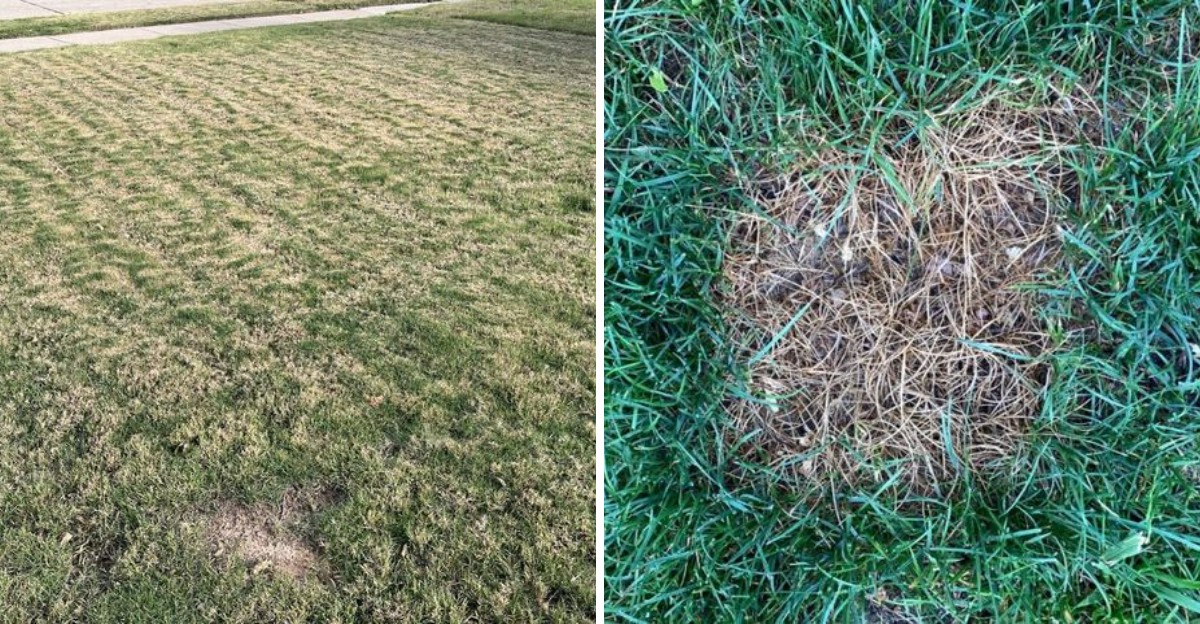
Bermudagrass can lose its green color when soil temperatures dip into the mid-50s, even on a sunny afternoon. That means a lawn can look parched while the weather still feels like a pleasant fall day.
What I find interesting is how evenly it happens. One week the yard looks lush, and a few cool nights later it wears a soft straw color from curb to fence. Neighbors with similar grass often fade within days of each other.
Here’s something worth knowing for anyone gardening in California. That tan color is usually a deliberate move by the grass, not a cry for help.
Still, a few patches can hide real trouble, and some common fall habits make winter harder on the turf.
So how do you tell a resting lawn from a struggling one, and what deserves your attention before spring?
1. That Straw-Colored Bermudagrass Has A Plan For Winter
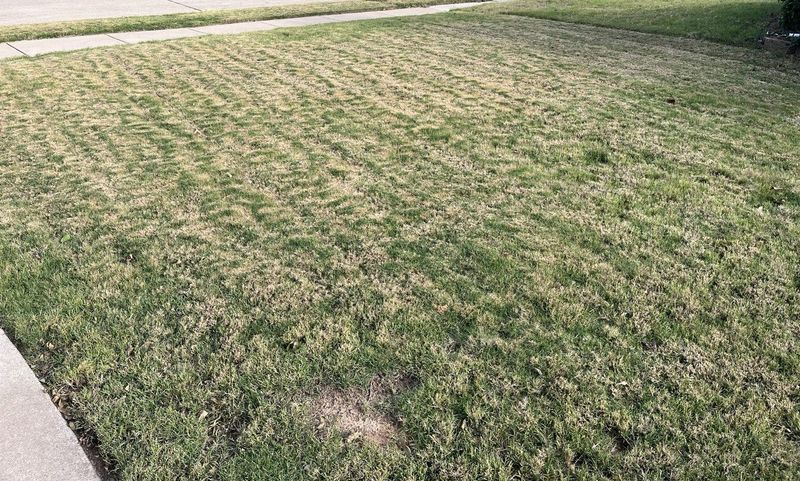
Bermudagrass, zoysiagrass, kikuyugrass, and St. Augustinegrass all come from warm parts of the world. They grow best in summer heat and slow sharply once nights turn cool.
According to the University of California Integrated Pest Management program, warm-season grasses go dormant in cooler months and regain color in spring. Growth slows as soil temperatures drop toward about 50 to 55 degrees.
The plant stops making fresh green chlorophyll, and the blades fade to tan or straw.
Underground, the story looks very different. The crowns, roots, rhizomes, and stolons stay alive and store energy for the next growing season.
I like to think of it as the grass closing up shop for a while instead of going out of business.
Bermudagrass is famous for this habit. Most common types turn tan fairly early in fall, especially in inland valleys.
St. Augustinegrass and kikuyugrass often hold some color longer, particularly near the coast.
The timing also depends on your spot. A lawn near Fresno or Riverside may fade weeks before one in San Diego.
Shady areas and low spots that collect cold air often brown first.
Once you understand this cycle, the November color shift starts to look less like a problem and more like a seasonal rhythm.
2. Cut Way Back On The Sprinklers Once The Grass Goes Tan
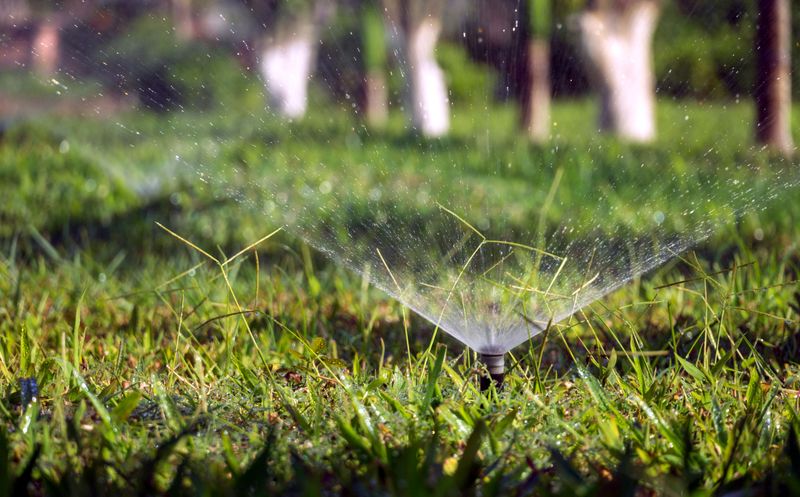
Sprinkler schedules are the first thing I check in November. A lawn that grew hard all summer needs far less water once it goes to rest.
Dormant grass uses very little moisture. Watering it like July can leave soil soggy, which invites fungal problems, shallow roots, and wasted water.
In many coastal and Northern areas, fall and winter rain may cover most of the lawn’s needs.
Dry stretches still matter, though. Inland Southern California and desert regions can go weeks without meaningful rain.
In those places, an occasional deep soak every few weeks helps keep crowns and roots from drying out.
Here’s a simple routine that works well:
Turn off weekly automatic cycles after the lawn fades. Check soil with a screwdriver, and water only when the top few inches feel dry.
Skip irrigation for several days after a good rain.
Early morning watering gives grass time to dry before evening. That lowers disease risk and reduces evaporation.
Many local water agencies also limit outdoor irrigation days, so check your city rules. Some even offer rebates for smart controllers that adjust to weather, which can make this whole job easier.
3. Skip The Nitrogen Fertilizer Bag This Late In The Year
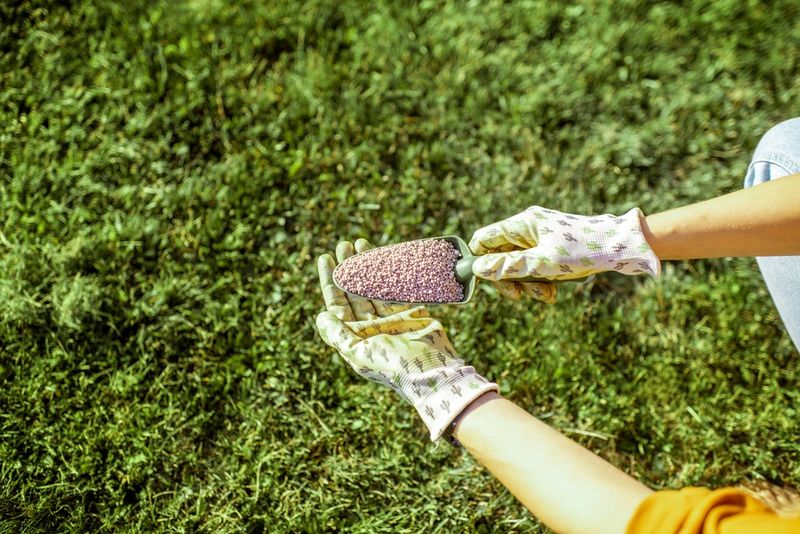
Late fertilizer might be the most tempting mistake of the season. A tan lawn looks hungry, so grabbing a bag of nitrogen feels helpful.
Unfortunately, dormant warm-season grass can’t use that food well. UC turf guidance places most feeding for these grasses in the warm months, from late spring through summer, with the last application often in early fall.
Feeding after the lawn slows down mostly feeds weeds.
Nitrogen added during cool weather can also wash away with winter rain. That runoff may end up in storm drains, creeks, and the ocean.
California has worked hard to cut this kind of pollution, so restraint helps more than your yard.
A late push of tender growth before frost can also leave grass more open to cold damage. Inland valleys see frosty nights more often than coastal neighborhoods.
If your soil truly lacks nutrients, a soil test gives better answers than guessing. Some local nurseries and labs can run one for a modest fee.
Save that bag for spring, after the lawn shows steady green growth. Your grass will put the nutrients to work then, and you’ll see the payoff.
4. Raise Your Mower Deck And Let The Lawn Rest
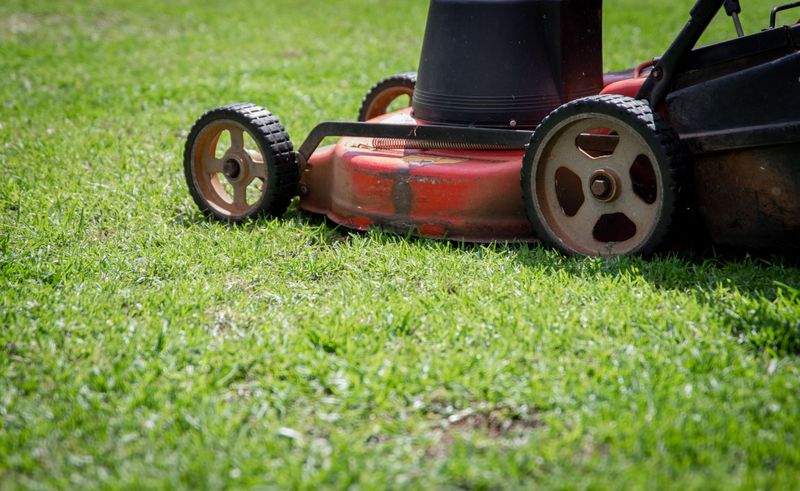
Mowing tends to slow down on its own in November. Once growth stalls, you might only need to cut once or twice before spring.
A slightly taller lawn going into winter gives crowns a bit of protection. St. Augustinegrass and kikuyugrass especially appreciate not being scalped in cool weather.
Bermudagrass and zoysiagrass can stay shorter, but avoid cutting deeply into tan stems.
Scalping a dormant lawn exposes the soil to weeds and sunlight that encourages them. It can also strip away the stored energy sitting in low stems.
Frost adds another reason for caution. Walking or rolling a mower across frozen blades can break them and leave dark footprint marks that linger for weeks.
Wait until the frost melts before stepping onto the grass.
Leaves deserve some attention too. A thick blanket of fallen leaves can block light and hold moisture against the turf.
A light layer can be mulched with the mower, while heavy piles are better raked into a compost bin.
Use this quiet stretch to sharpen the mower blade. A clean cut in spring helps the first green shoots look neat and recover faster.
5. Bright Green Weeds Stand Out Against Tan Turf
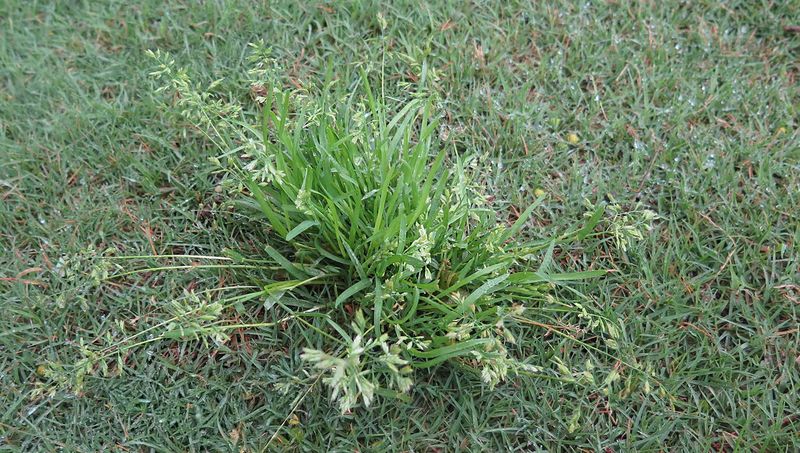
Nothing exposes weeds like a tan lawn. Those bright green tufts that hid all summer suddenly look like they’re wearing neon.
Many of them are cool-season weeds that sprout in fall and grow through winter. Annual bluegrass, also called Poa annua, is a common one in California lawns.
Burclover, chickweed, and filaree often join the party after the first rains.
Hand pulling works well for scattered plants, especially when soil is moist. Get them before they set seed, and you’ll have fewer next year.
Preemergent herbicides help prevent seeds from sprouting, but timing matters. They need to go down before weeds germinate, often in early fall before the rains.
Once weeds are up, preemergents won’t stop them.
Spot treatments with a selective postemergent product are another choice. Read the label carefully, since some products can harm certain grass types like St. Augustinegrass.
Avoid broad spraying when a few weeds can be pulled.
A thick, healthy lawn is still the best long-term weed control. Spring feeding, good mowing, and proper watering help grass crowd out newcomers when it wakes up again.
6. Brown Patches And Rings Could Mean More Than Dormancy
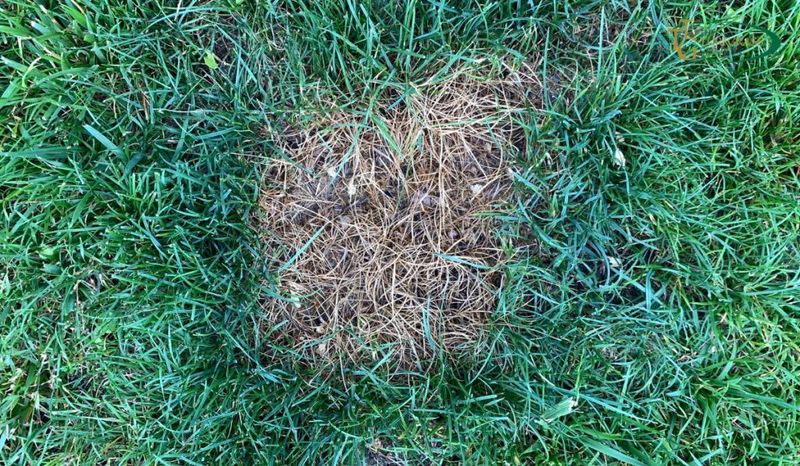
Uneven color is the clue worth noticing. Normal dormancy usually fades the lawn in a fairly even way, with shady or low areas sometimes going first.
Patchy damage tells a different story. Circular rings, spots with dark edges, or areas that look greasy or matted may point to a fungal disease.
Overwatering, poor drainage, and thatch buildup often set the stage.
Sprinkler problems are another frequent cause. A broken head or blocked nozzle can leave a dry stripe or crescent.
Run the system and watch where water actually lands.
Pests can also cause trouble. Grubs feed on roots, so damaged turf may peel back like a loose carpet.
Animals digging in the lawn often signal grubs below.
A simple tug test helps. Gently pull a handful of blades.
Firm crowns that resist and look pale inside are likely dormant, while turf that lifts easily with brittle roots needs a closer look.
Dog urine spots, buried rocks, and compacted paths also make patches. When you can’t pin down the cause, the UC IPM website and your local UC Master Gardener program offer free, reliable help.
7. Overseeding With Ryegrass Keeps Winter Lawns Green For A Price
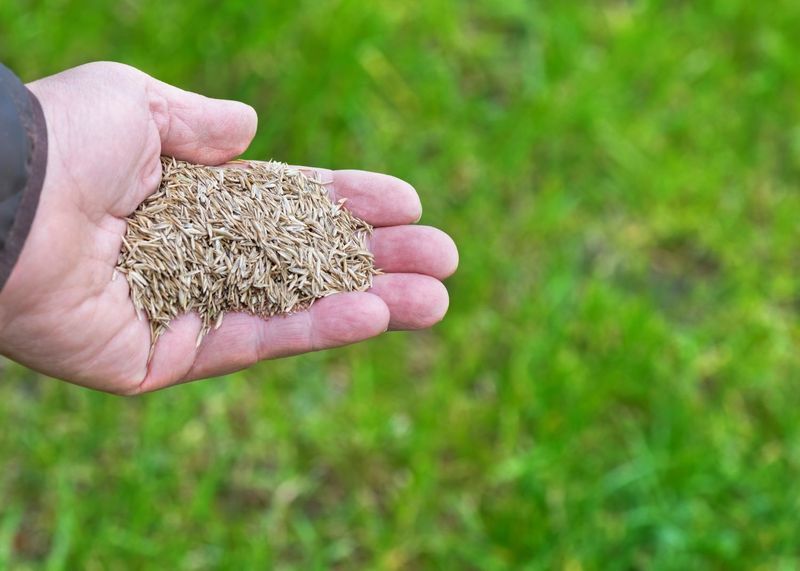
Golf courses in the desert pulled off this trick for decades. They spread perennial ryegrass over dormant Bermudagrass so fairways stay green through winter.
Homeowners can do the same. Seed usually goes down in fall while soil is still warm enough for quick sprouting.
The old turf is mowed low and raked lightly first, so the seed reaches the soil.
I can see the appeal of a green yard in January. However, the extra green comes with extra chores and water.
Ryegrass needs regular mowing, watering, and some fertilizer all winter. In a state that watches every gallon, that trade-off deserves real thought.
Some water districts discourage or restrict overseeding during drought years.
Spring brings another challenge. The ryegrass competes with the warm-season grass as it wakes up, which can delay or thin the green-up.
Lowering mowing height and reducing water in spring helps the original grass take over.
Overseeding also conflicts with fall preemergent weed control, since those products block grass seed too. If you love the tan look less than the work, consider overseeding only a small play area instead of the whole yard.
8. Spring Green-Up Rewards A Lawn Left Alone In Winter
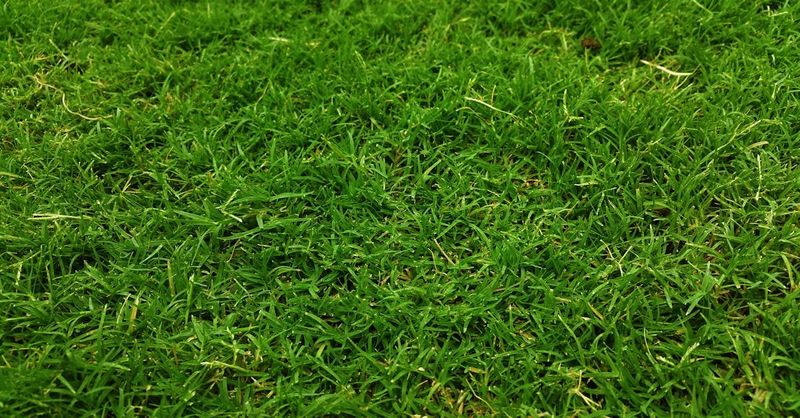
Patience pays off with this kind of grass. Sometime between late February and April, depending on your area, fresh green shoots begin poking through the tan.
Coastal lawns often wake first, while inland and mountain-adjacent yards wait for warmer soil. A few sunny weeks with soil temperatures climbing past the mid-60s usually trigger steady growth.
Until then, keep your winter checklist short:
Water only during dry spells. Pull weeds by hand when the soil is soft.
Keep foot traffic light, especially on frosty mornings.
Winter is also a smart time to plan. Mark low spots, note where sprinklers miss, and decide whether some lawn could become a native garden or drought-tolerant planting.
Many California water agencies offer turf replacement rebates worth checking.
Once the lawn is mostly green in spring, give it its first feeding and resume regular mowing. That timing lets the grass use nutrients as it builds new roots and runners.
A tan November lawn isn’t a failure. It’s a healthy plant following its natural calendar, and a little restraint now usually means a thicker, greener yard when warm weather returns.