Why Some California Mulches Are Riskier Than Others In Fire-Prone Yards
Most California homeowners pick mulch for two reasons: it looks tidy and it saves water. Both completely valid.
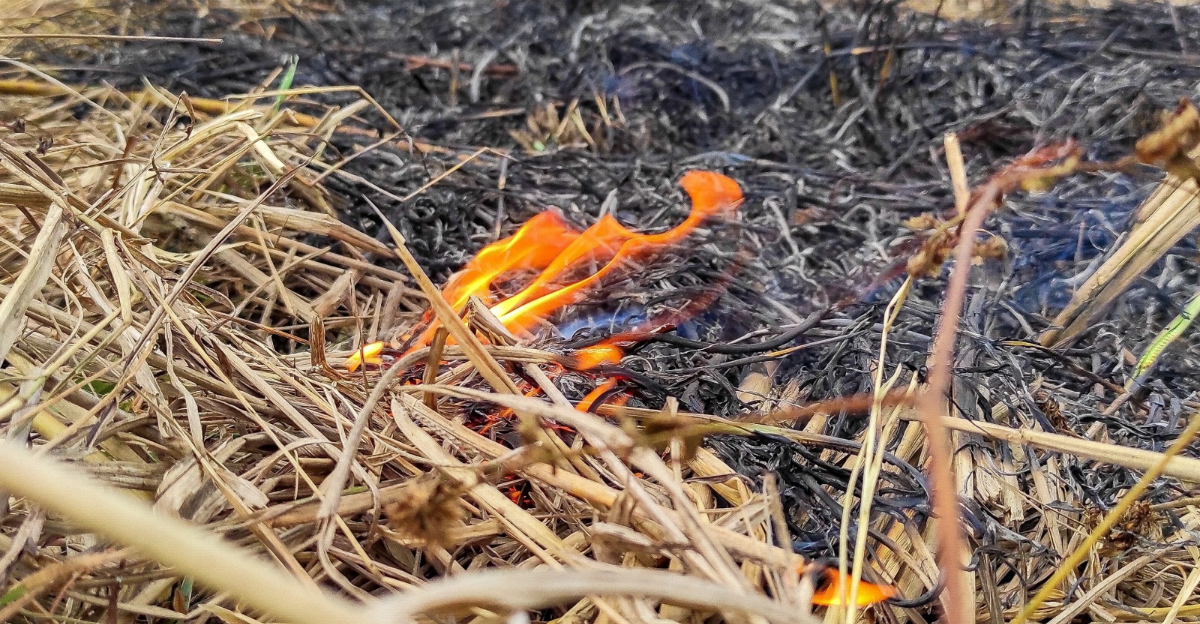
But in fire-prone parts of the state, there is a third consideration that does not get nearly enough attention, and it is a pretty important one.
The type of mulch you choose, where you put it, and how deep you spread it can genuinely affect how your property responds during a wildfire.
California’s long dry summers, powerful winds, and ember-carrying fires mean that some of the most popular mulch options out there can add real risk when placed too close to a home.
Particle size, moisture content, depth, proximity to buildings, nearby dry debris, all of it matters more than most people think.
Mulch is not just a finishing touch in fire-prone California. It is a decision worth getting right.
1. Fine Stringy Mulch Burns More Easily
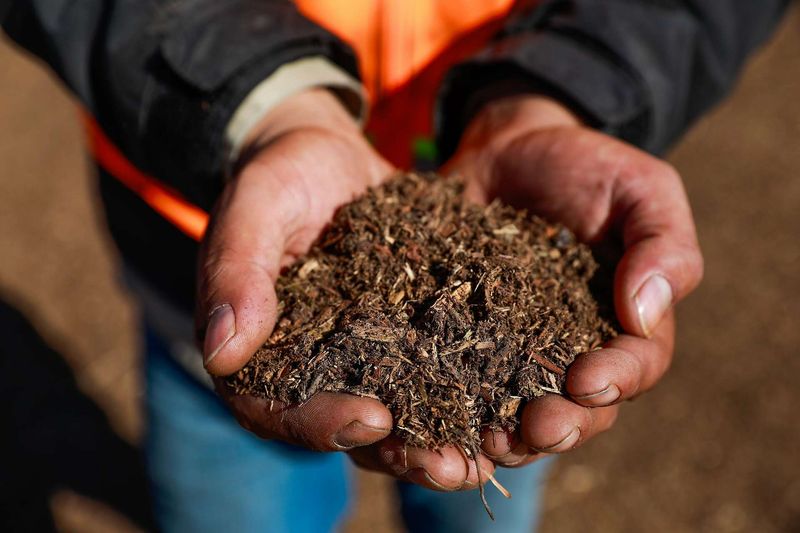
Loose, fibrous mulch that looks a little like shredded wheat has a texture that can work against you in a fire-prone California yard. Fine, stringy materials have a much larger surface area exposed to air compared to chunky or coarse mulch.
That extra exposure means moisture escapes faster, and dry stringy fibers can catch a spark or ember more readily than denser materials.
When an ember lands on fine stringy mulch, it has plenty of loose material around it to feed a small flame. Even a light breeze can carry that flame along the surface.
In California’s dry season, when relative humidity drops and winds pick up, this type of mulch becomes noticeably more of a concern near fences, siding, or wood decks.
If you already have fine stringy mulch in your yard, keeping it well away from the house and any combustible structures can reduce some of the risk. Raking out clumps and thinning the depth helps too, since thinner layers dry out and re-wet more evenly.
Swapping fine stringy mulch for a coarser option in beds close to the home is a practical step many California homeowners take during defensible-space updates.
2. Gorilla Hair Mulch Is Higher Risk
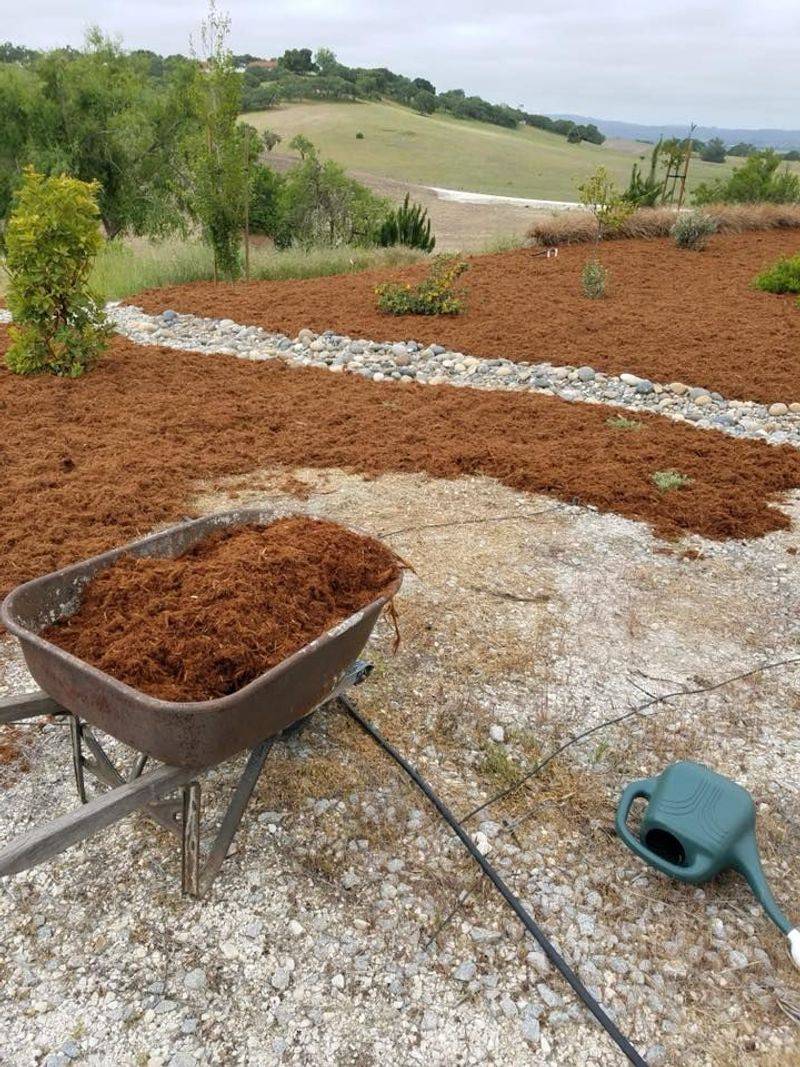
Shredded redwood and cedar bark mulch, often sold under the name gorilla hair, is popular in California for its natural look and the way it locks together and resists washing away on slopes.
Those same interlocking fibers, however, are part of what makes it a higher-risk choice in fire-prone areas.
The tangled, airy structure traps oxygen between the fibers and dries out quickly during California’s warm, low-humidity months.
Fire researchers and fire-safe landscaping guides note that gorilla hair mulch can ignite from a single ember and sustain a smoldering burn even without an open flame nearby.
Once it catches, the interlocked fibers can carry fire along a bed edge or up toward a fence or wall surprisingly fast.
That behavior is especially concerning when gorilla hair mulch is placed in foundation beds or against wood fencing.
Gorilla hair mulch may still have a place farther out in a yard, away from structures and combustible surfaces, but using it in the first five feet around a home is widely discouraged by California fire-safe landscaping resources.
Your California Garden Changes Every Week. Your Plan Should Too.
Gardening in California changes quickly throughout the season. Every Friday you’ll receive a simple weekly plan showing exactly what to plant, prune, fertilize, harvest, and protect so you never miss the right timing.
Replacing it with a less combustible material in those close-in zones is one of the more straightforward defensible-space improvements a California homeowner can make.
3. Pine Needles Belong Farther From Structures
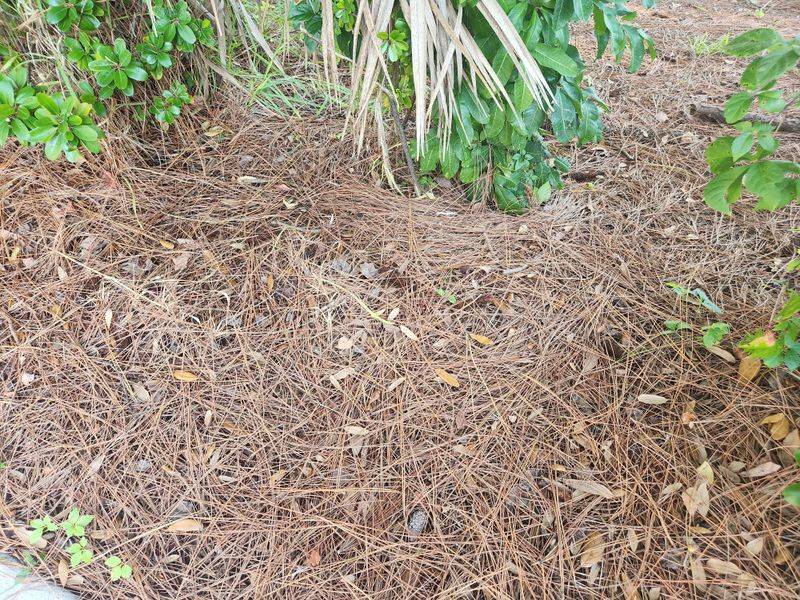
Pine needles have a long history as a natural ground cover in California gardens, especially under conifers where other mulches can feel out of place. They are lightweight, slow to break down, and give garden beds a tidy, natural appearance.
The same qualities that make them attractive, though, also make them worth keeping well away from buildings and combustible structures.
Dry pine needles are thin and low-density, which means they lose moisture quickly and can ignite from an ember or radiant heat with relatively little effort.
They also tend to blow around in wind, which is common in many California fire-prone communities.
A gust can carry loose pine needles against a fence, under a deck, or into a corner where debris accumulates, extending the potential path of a fire.
Using pine needles as mulch is not necessarily off the table in California yards, but placement really does matter. Keeping them at least five feet from any structure, and ideally farther in high-wind areas, is a reasonable starting point.
Raking out accumulated layers and removing dry debris that collects on top of pine needle mulch during fire season are simple maintenance habits that can reduce the risk these materials carry in fire-prone California landscapes.
4. Rubber Mulch Is A Hazardous Choice
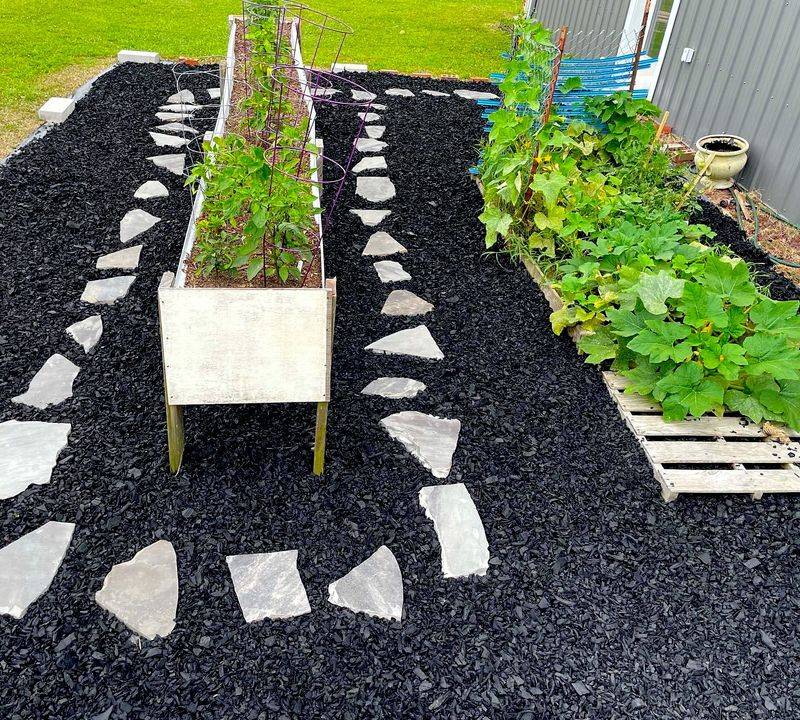
Recycled rubber mulch, made from shredded tires, gets marketed as a long-lasting and low-maintenance option. It does not decompose quickly, it holds its color, and it cushions falls in play areas.
But in a fire-prone California yard, rubber mulch presents a serious concern that its practical benefits do not outweigh.
Rubber is a petroleum-based material, and when it ignites, it burns at very high temperatures and can be extremely difficult to extinguish.
Unlike organic mulches that may smolder and self-extinguish under some conditions, burning rubber sustains intense heat and can release thick smoke.
That combination makes it a poor fit for any California yard where ember exposure is a seasonal reality.
Rubber mulch can also heat up significantly on hot California summer days, even without a fire nearby.
That heat can transfer to nearby plant roots and soil, and in an ember-rich environment, a pre-heated rubber bed could respond faster to ignition than cooler organic materials.
Fire-safe landscaping guidance for California homes consistently places rubber mulch in the higher-risk category, and most resources suggest avoiding it entirely in defensible-space zones, particularly within the first thirty feet of any structure or combustible surface.
5. Wood Chips Can Smolder After Ignition
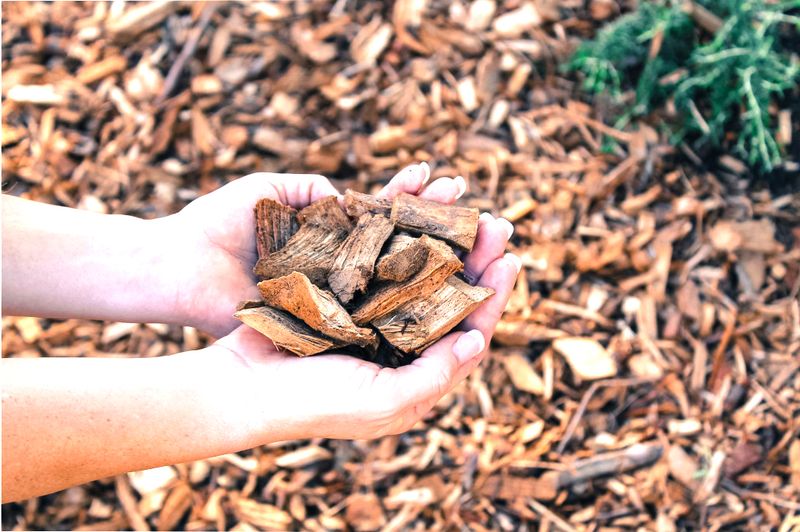
Chunky wood chip mulch is one of the more commonly recommended organic mulches for California gardens, and for good reason. It suppresses weeds, holds soil moisture, and breaks down gradually to improve soil health.
Compared to fine or stringy mulches, it is generally considered a lower-risk organic option, but that does not mean it is without concern in fire-prone yards.
Wood chips can ignite from embers or radiant heat, and once they catch, they have a tendency to smolder deep within the layer rather than burning with an open flame.
That smoldering can continue for hours without being obvious from the surface, slowly working its way toward a fence post, a wood deck edge, or the base of a structure.
In California’s dry summer conditions, when wood chips are thoroughly dried out, that smoldering risk increases.
Keeping wood chip mulch layers at a moderate depth, roughly two to three inches, helps reduce the chance of deep smoldering.
Watering mulched beds during dry spells and keeping wood chips away from direct contact with wood siding, fences, or decking can also reduce risk.
Wood chips are a reasonable choice in California fire-prone yards when placed and maintained thoughtfully, but no organic mulch should be treated as a fireproof material.
6. Thick Mulch Layers Can Hold Heat
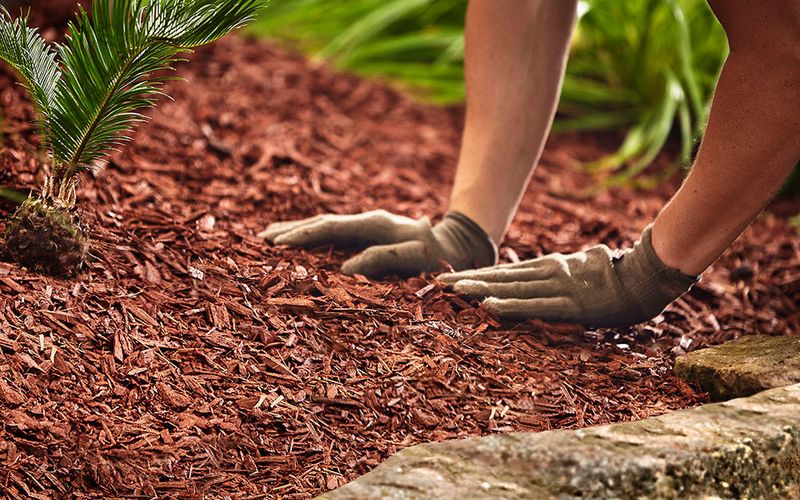
More mulch is not always better, especially in a California yard where fire season is a real and recurring concern. Many homeowners pile mulch several inches deep thinking it will do a better job of holding moisture and suppressing weeds.
While some depth is helpful, layers that are too thick can create their own set of problems when it comes to fire risk.
A very thick mulch layer insulates the material at its center from moisture and air movement. The outer surface may look fine after a light watering, but the interior of a deep mulch bed can stay dry for weeks during California’s warm summers.
That dry interior is exactly where a smoldering ember can survive and slowly spread. Thick layers also take longer to wet all the way through, even after irrigation or rain.
Fire-safe landscaping guidance generally suggests keeping organic mulch layers between two and three inches deep in fire-prone California yards.
Beds that have been repeatedly topped off over several seasons can build up to four or more inches without anyone noticing.
Pulling back the surface layer occasionally to check actual depth is a simple habit worth forming. Thinning beds that have grown too thick is a quick maintenance task that reduces both fire risk and the conditions that invite pests and fungal problems.
7. Combustible Mulch Near The House Raises Risk
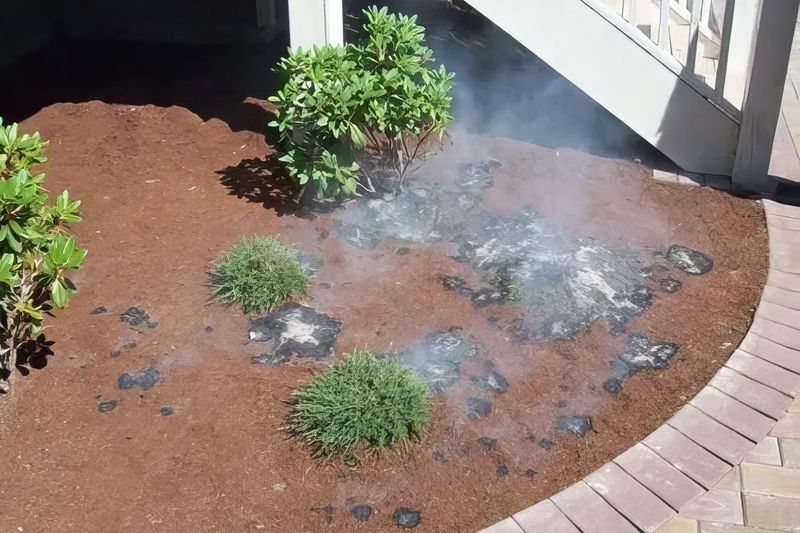
Placement is one of the most important factors in mulch safety for California fire-prone yards, and the area closest to a home’s foundation deserves the most careful attention.
Organic mulches of nearly any type placed directly against wood siding, under a deck, or within a few feet of a structure create a potential path for fire to travel toward the building.
Embers that land in mulch close to the house have a short distance to travel before they can reach combustible building materials. That proximity matters enormously during a wildfire event, when ember showers can arrive ahead of the main fire front.
California’s fire environment means that even a small ember igniting mulch in a foundation bed can become a serious problem before it is noticed.
Creating an ember-resistant zone within the first five feet around a home is a practical step that California fire-safe landscaping resources consistently recommend.
In that zone, replacing organic mulch with inorganic materials like gravel, decomposed granite, or concrete pavers can significantly reduce ignition risk.
If organic mulch remains in beds near the house, keeping it moist, thin, and free of dry debris gives it a better chance of resisting ignition during California’s high-risk fire season months.
8. Dry Leaves And Debris Make Mulch Riskier
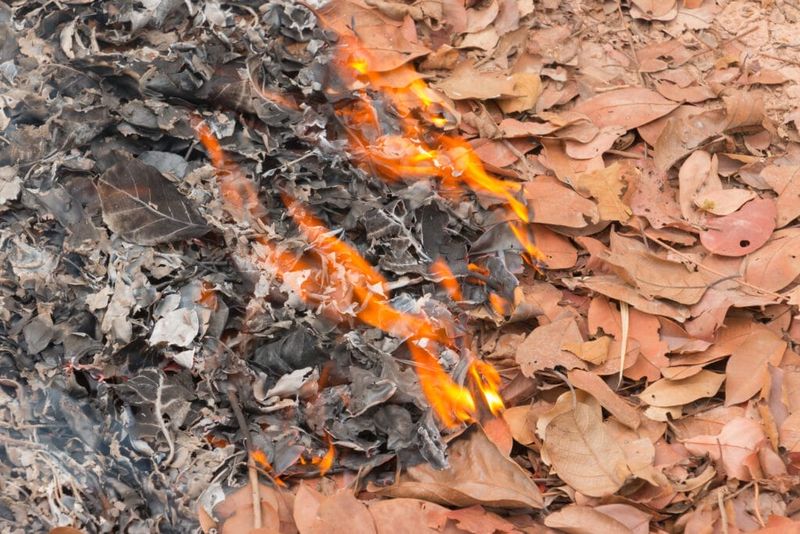
Even a mulch that starts out as a relatively lower-risk choice can become more of a concern when dry leaves, twigs, and plant debris build up on top of it.
In California yards surrounded by trees, shrubs, or ornamental grasses, seasonal leaf drop and windblown debris can accumulate quickly, especially in late summer and fall when fire danger is often at its peak.
Dry leaves and small twigs are among the most easily ignited natural materials in a landscape. When they collect on top of mulch beds, they create a surface layer that can catch an ember and transfer heat down into the mulch below.
A bed that might resist ignition on its own can become more vulnerable once a layer of dry debris builds up over it.
Regular raking and removal of accumulated debris from mulched beds is one of the simplest and most effective fire-season maintenance tasks a California homeowner can do.
Checking garden beds along fences, under trees, and near the house edge after windy days helps catch debris buildup before it becomes a problem.
Keeping irrigation on a consistent schedule during dry months also helps mulch beds stay moist enough to resist the kind of fast-drying that makes debris-covered mulch a concern in fire-prone California landscapes.
9. Composted Wood Chips Are A Lower-Risk Organic Option
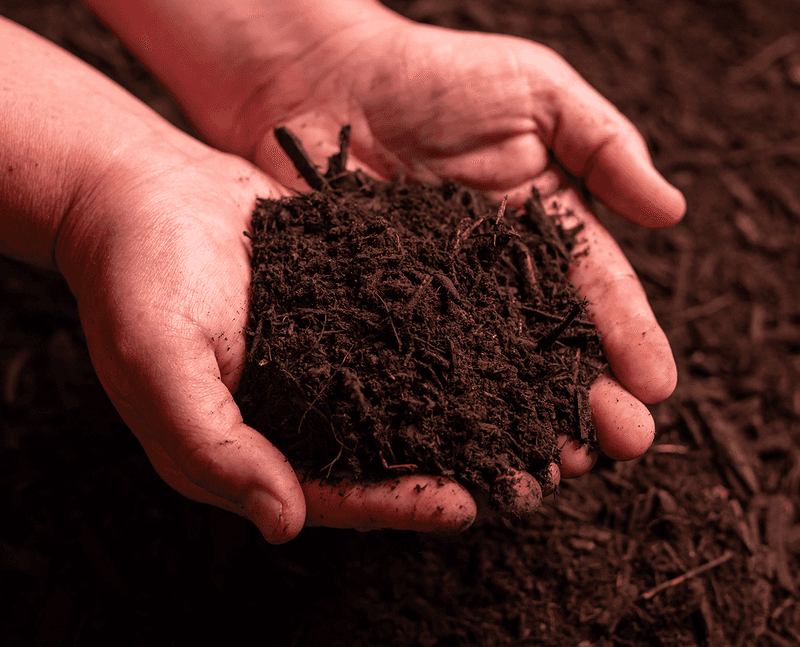
Not every organic mulch carries the same level of concern in a California fire-prone yard. Composted wood chips, which have been aged and partially broken down, tend to hold moisture more effectively than fresh or dry wood chips.
That higher moisture retention makes them a more reasonable organic choice compared to stringy, fibrous, or very dry materials.
Composted wood chips have a denser, more compact texture than fresh chips, which means there is less air space between particles. Less air space generally means a slower response to ignition, though no organic mulch can be considered fireproof.
The key advantage is that well-composted chips are less likely to dry out completely between waterings, which is a meaningful difference in California’s long dry summers.
Using composted wood chips in garden beds that are farther from the home, keeping layers at a moderate depth, and maintaining a consistent irrigation schedule are all practical ways to work with this material in a fire-smart California landscape.
Even with a lower-risk organic mulch, placement still matters.
Keeping any organic material at least a few feet from siding, fencing, and other combustible surfaces remains an important part of a thoughtful defensible-space approach for California homeowners who prefer the look and soil benefits of organic mulch.
10. Gravel Or Rock Is Better Near Structures
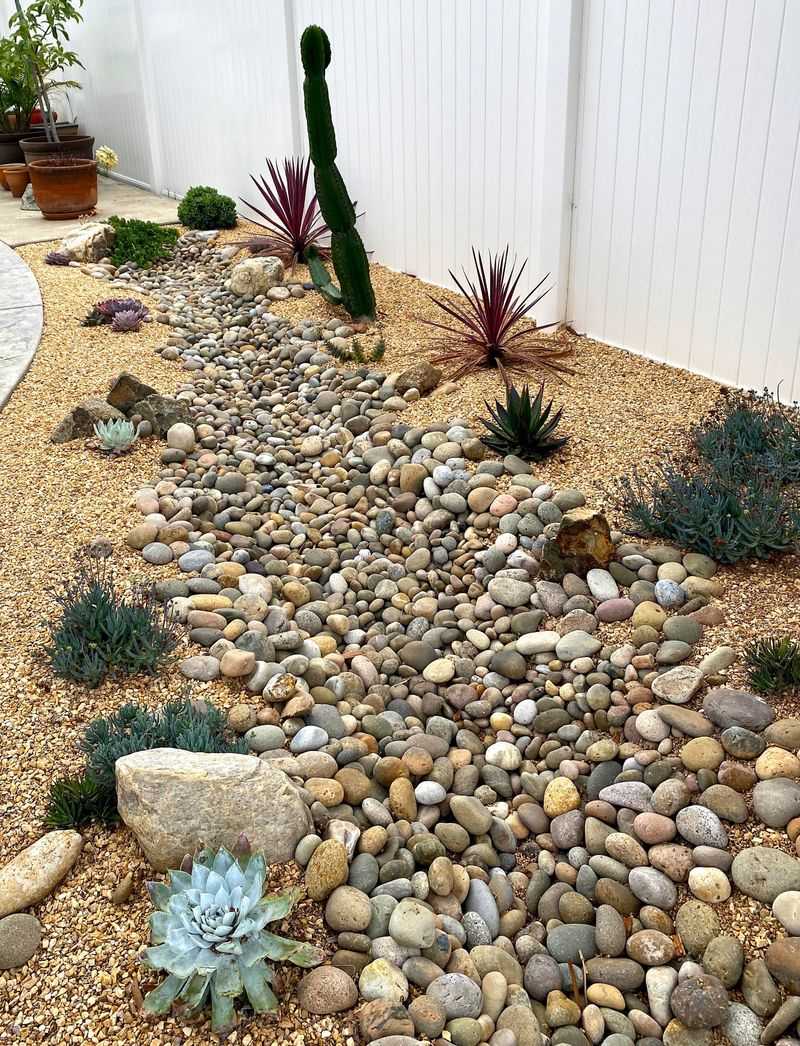
When it comes to the area closest to a home in a California fire-prone yard, gravel and rock consistently come out as the more sensible ground cover choice.
Inorganic materials like pea gravel, decomposed granite, river rock, and crushed stone do not ignite, do not smolder, and do not carry embers along a surface the way organic mulches can.
Rock and gravel ground covers reflect and absorb heat differently than organic materials, and while they can get hot in California’s summer sun, they do not sustain combustion.
That non-combustible quality is exactly what fire-safe landscaping resources point to when recommending inorganic materials for the first five feet around a home’s foundation, under eaves, along fences attached to the house, and around patio edges.
Gravel and rock do come with some trade-offs. They do not add organic matter to soil, they can shift over time, and some homeowners find them less visually appealing than wood mulch.
Pairing rock or gravel near the structure with organic mulch farther out in the yard, in zones two and three of a defensible-space plan, gives California homeowners a practical middle ground.
Using rock close in and organic mulch farther out is a layered approach that balances fire-smart planning with the garden aesthetics many California homeowners value.