Why California Fig Trees Drop Unripe Fruit In Early Fall
Before you blame the tree, the soil, or yourself, hold that thought.
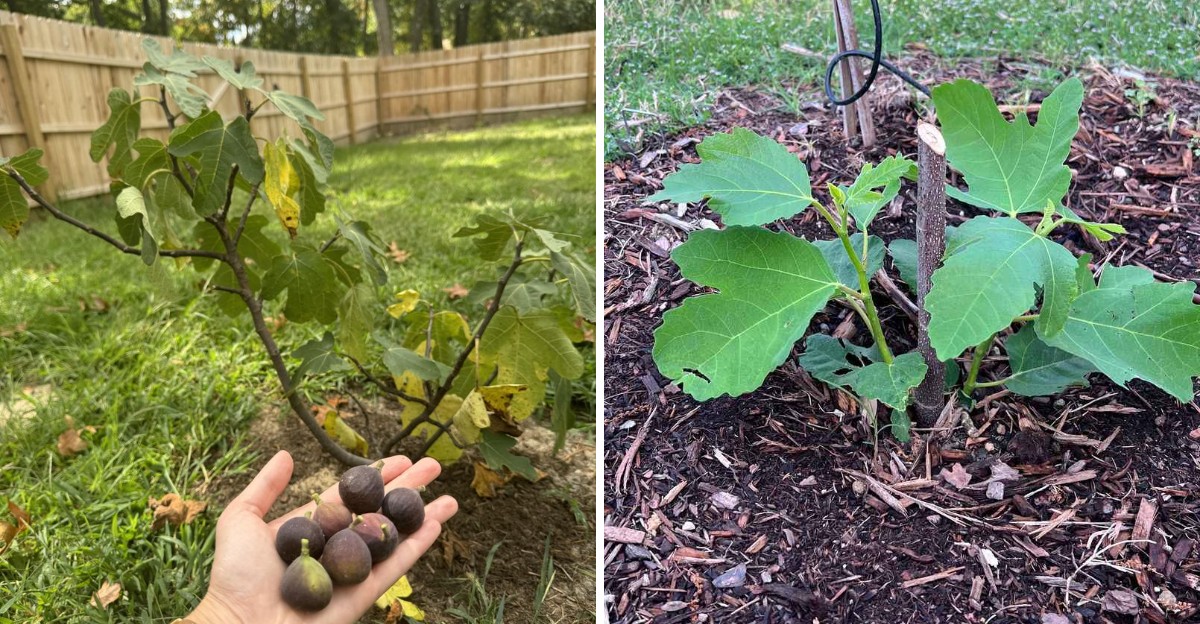
Those small green figs scattered under the branches look alarming. Hard little marbles. Weeks of promise, now rolling across the patio.
It is easy to jump to the worst conclusion. Plenty of fig owners do, especially the first time it happens.
So is something really wrong with your tree?
Most of the time, the answer is far less dramatic than it looks. Fig trees make choices, and some of those choices happen quietly, long before you notice anything on the ground.
A few are tied to the calendar. Others trace back to habits most gardeners rarely think twice about.
The fun part is that the clues sit right in front of you. Once you know what to look for, that pile of green figs starts to tell a very clear story.
Curious what your tree is trying to say? Grab a rake and a cup of coffee. The answers are easier to find than you might expect.
1. The Tree Is Correcting An Uneven Fruit Load
A shopper with ten grocery bags and only two hands usually drops a few before the front door. Fig trees do something very similar with their fruit.
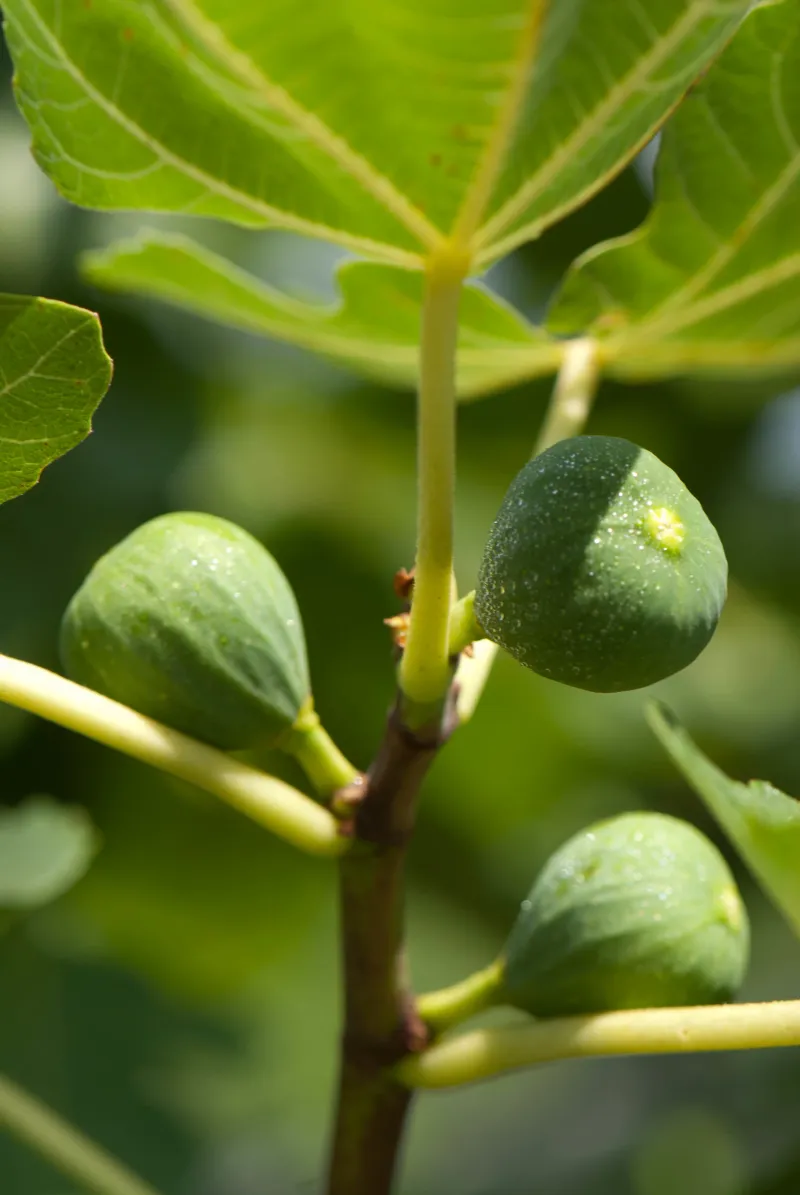
A fig tree often sets more young fruit than it can actually support.
Once the tree senses too many figs for its stored energy, water, and nutrients, it lets some go. This natural thin-out is completely normal.
It ranks among the most common and harmless reasons figs drop early. Trees with heavy crops do it all the time.
The figs that fall are usually the weaker ones. They may be smaller, tucked in shady parts of the tree, or late arrivals on the branch.
With those gone, the tree can pour more energy into the figs that remain. That often helps them grow larger and sweeter.
In most cases, nothing dramatic needs to happen. Rake up fallen fruit so it does not attract ants, beetles, or wasps.
Now take a step back and look at the whole tree, because the big picture matters most. Green, healthy leaves and plenty of figs still on the branches are great signs.
A tree like that is simply managing its own workload.
A lighter load today can mean better fruit and a stronger tree tomorrow. Your fig tree, it turns out, is a surprisingly good budget planner.
2. Inconsistent Watering Often Triggers The Drop
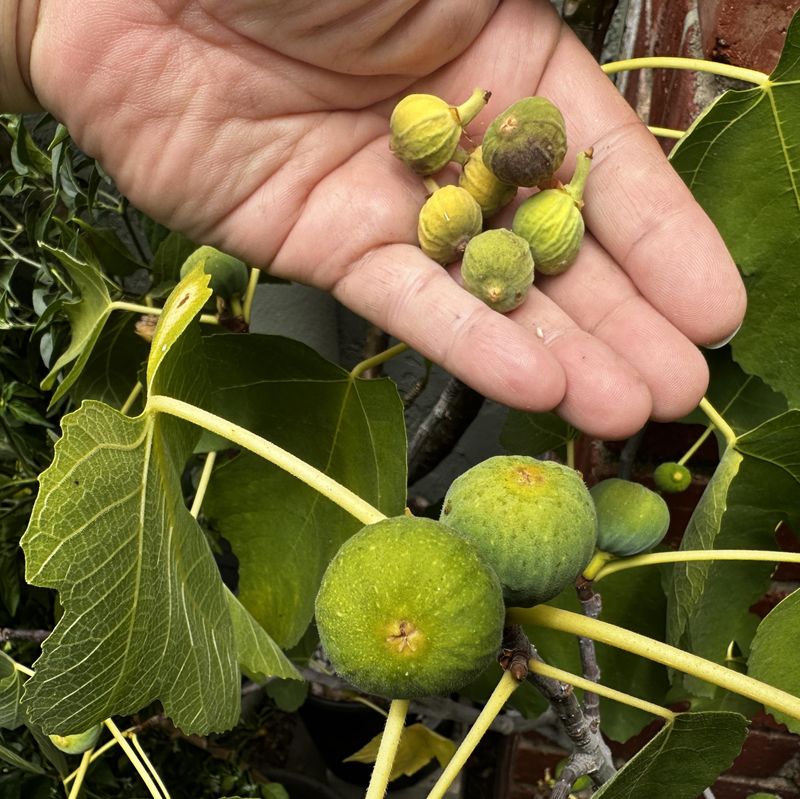
Plenty of California gardeners know this pattern well. The soil turns bone dry during a hot spell. Then the tree gets a huge soak to make up for it.
To a fig tree, that swing from drought to flood feels stressful.
Figs need steady moisture while their fruit grows. When water runs short, the tree protects itself first.
Developing fruit is often the first thing it gives up. Uneven water ranks among the top reasons fig fruit drops or fails to develop properly.
A sudden heavy soak after a dry stretch can also make figs split or sour.
Your California Garden Changes Every Week. Your Plan Should Too.
Gardening in California changes quickly throughout the season. Every Friday you’ll receive a simple weekly plan showing exactly what to plant, prune, fertilize, harvest, and protect so you never miss the right timing.
Summers run long and dry, and late-summer heat waves can pull moisture from soil fast. A schedule that worked in June may fall short by late August.
Now for a quick soil check, and your finger is the only tool required. Push it or a small trowel a few inches down near the drip line.
That is the area under the outer edge of the branches. Dry soil at that depth means it is time for a deep, slow drink.
A layer of wood chip mulch helps hold moisture in and keeps roots cooler. Keep it a few inches away from the trunk.
Small habits like these can make a big difference in how many figs stay on the branch until they ripen.
Your fig tree prefers a steady routine. Much like the rest of us, it does its best work with regular meals.
3. Late Season Fruit Sometimes Runs Out Of Time
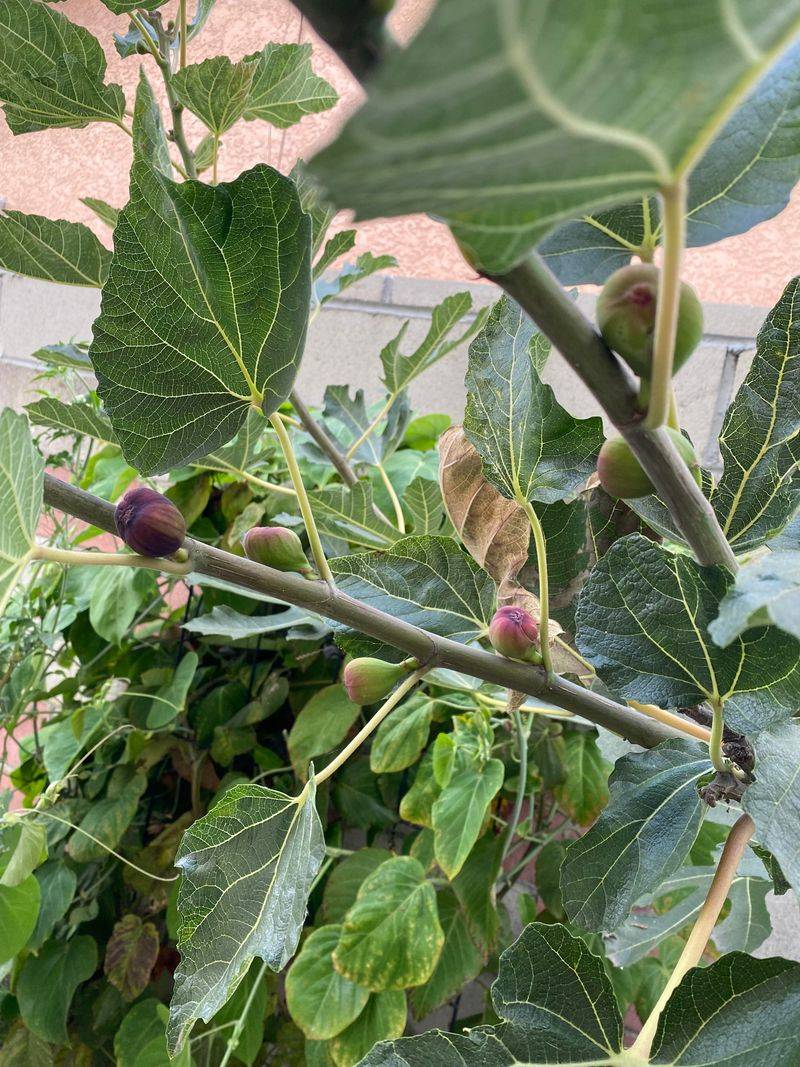
Some figs simply show up too late in the year. They appear near the branch tips in late summer, full of promise, but the calendar is not on their side.
Many fig varieties in California produce two crops. The first, called the breba crop, grows on last year’s wood in early summer.
The main crop grows on new wood later on. Figs that form toward the end of the main season may lack enough warm days to ripen fully.
As fall arrives, days shorten and nights cool, especially in coastal and Northern California. Figs need heat to ripen, so these late arrivals often stall.
Some stay hard and green on the tree. Others drop to the ground. Late-set fruit commonly fails to mature before cool weather takes over.
This is not a sign of a mistake on your part. It is simply the calendar at work.
Gardeners in hot inland valleys may see fewer stranded figs than those near the foggy coast.
Now for a fact that surprises plenty of fig fans. Figs do not ripen much after they leave the tree, unlike bananas or avocados.
An unripe green fig will not turn sweet on the kitchen counter, no matter how patiently it waits.
Late figs that stay hard by mid-fall can come off gently, so they do not rot or draw pests.
Your fig tree simply ran out of summer. Honestly, most of us know that feeling by October.
4. Stress Earlier In The Season Shows Up Now
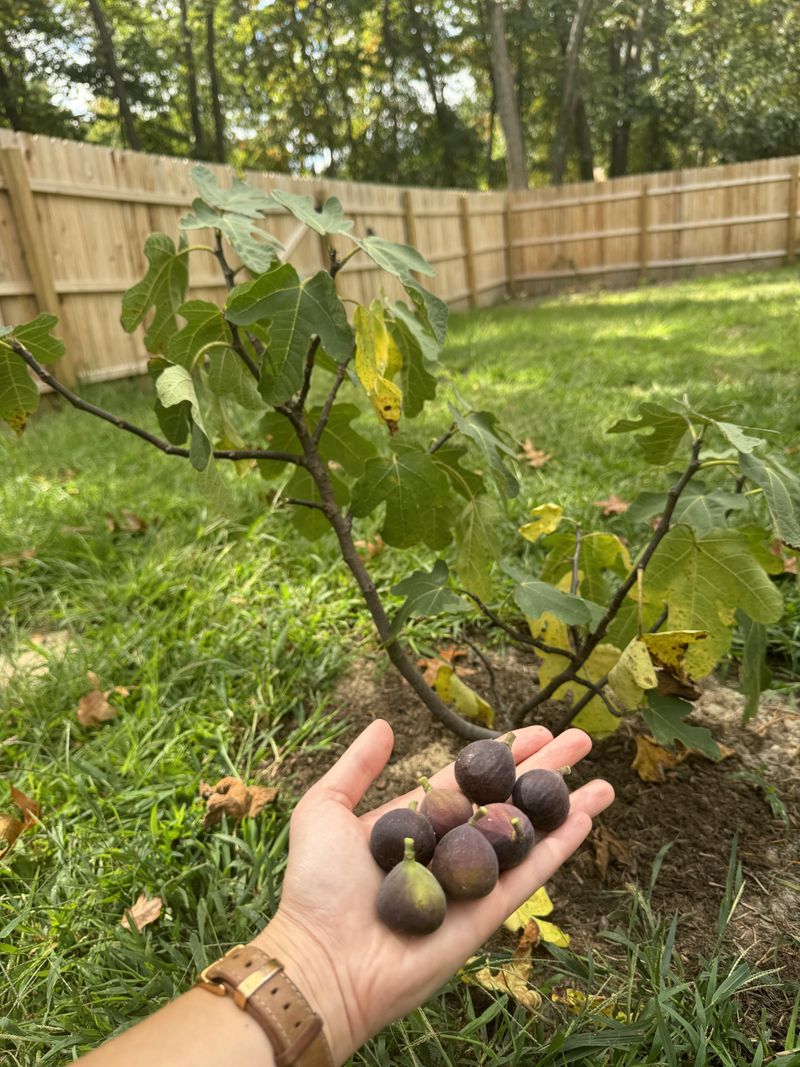
Trees have long memories, at least when it comes to stress. A problem from June or July can quietly show up as dropped fruit in September.
A brutal heat wave may have rolled through in midsummer. An irrigation timer may have failed during a vacation.
A hard prune, a transplant, or roots disturbed by nearby shovel work can also play a part. Each one can drain the tree’s energy reserves right when fruit starts to form.
Fig trees often respond slowly. Young figs that began during a tough stretch may hang on for weeks and look fine from a distance.
Later, the tree has to decide which fruit to support. Those weaker figs go first.
This cause can be hard to pin down. Even seasoned growers cannot always name the exact stress behind a given drop, and that is perfectly okay.
The main goal is to notice patterns, not to solve a mystery perfectly.
Now grab your phone, because a simple note can turn you into a fig expert over time. Jot down heat waves, water changes, prune dates, and when fruit started to fall.
After a season or two, a clear link may appear. Fruit drop might follow every summer the drip line clogged, for example.
Once you know the trigger, you can plan ahead. Extra water before forecast heat or a well-timed prune can keep next year’s crop steadier.
Your notebook becomes a crystal ball for fig season. No fortune teller required.
5. Established Trees Usually Recover Fine
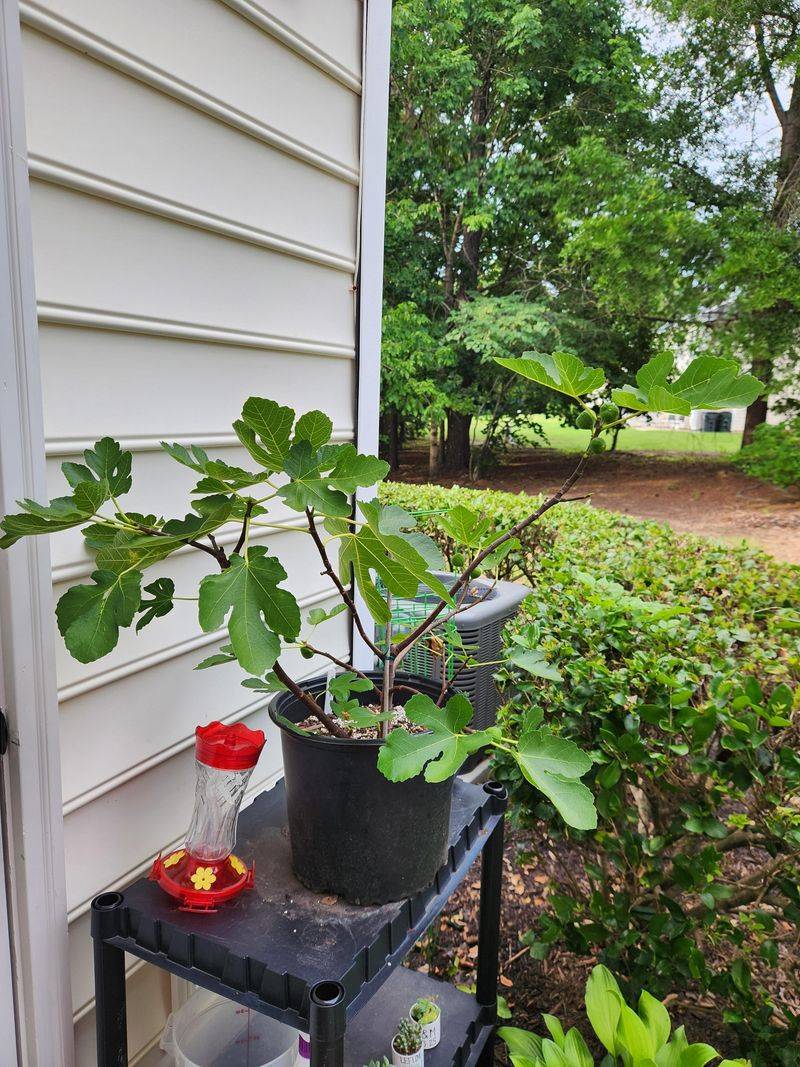
Take a deep breath. A fig tree that has lived in the ground for several years is likely much tougher than a pile of green figs suggests.
Figs suit California’s Mediterranean climate, with its dry summers and mild winters. Mature trees develop wide, deep root systems.
Those roots help them ride out hot spells and the occasional water mistake. A season of lost fruit rarely harms the tree itself.
A dropped fig is a bit like a lost game in a long season. The tree keeps its leaves, stores energy in its roots and wood over winter, and gets ready for spring.
Many gardeners find their trees bounce back with a strong crop the very next year.
Now for the part that deserves a closer look, because a few signs point beyond simple fruit drop:
Leaves that wilt even in moist soil.
Bark that cracks or oozes.
Branch tips that brown and wither.
Leaves with unusual spots or heavy yellow patches.
Those clues can point to root problems, pests, or disease. A local nursery or certified arborist can help sort out what is going on.
A tree that looks leafy and lively, on the other hand, deserves your trust. Enjoy the figs you do get.
Your sturdy old tree has handled plenty of rough patches before. It will likely handle this one with the calm of a seasoned pro.
6. Consistent Water Reduces Future Drop
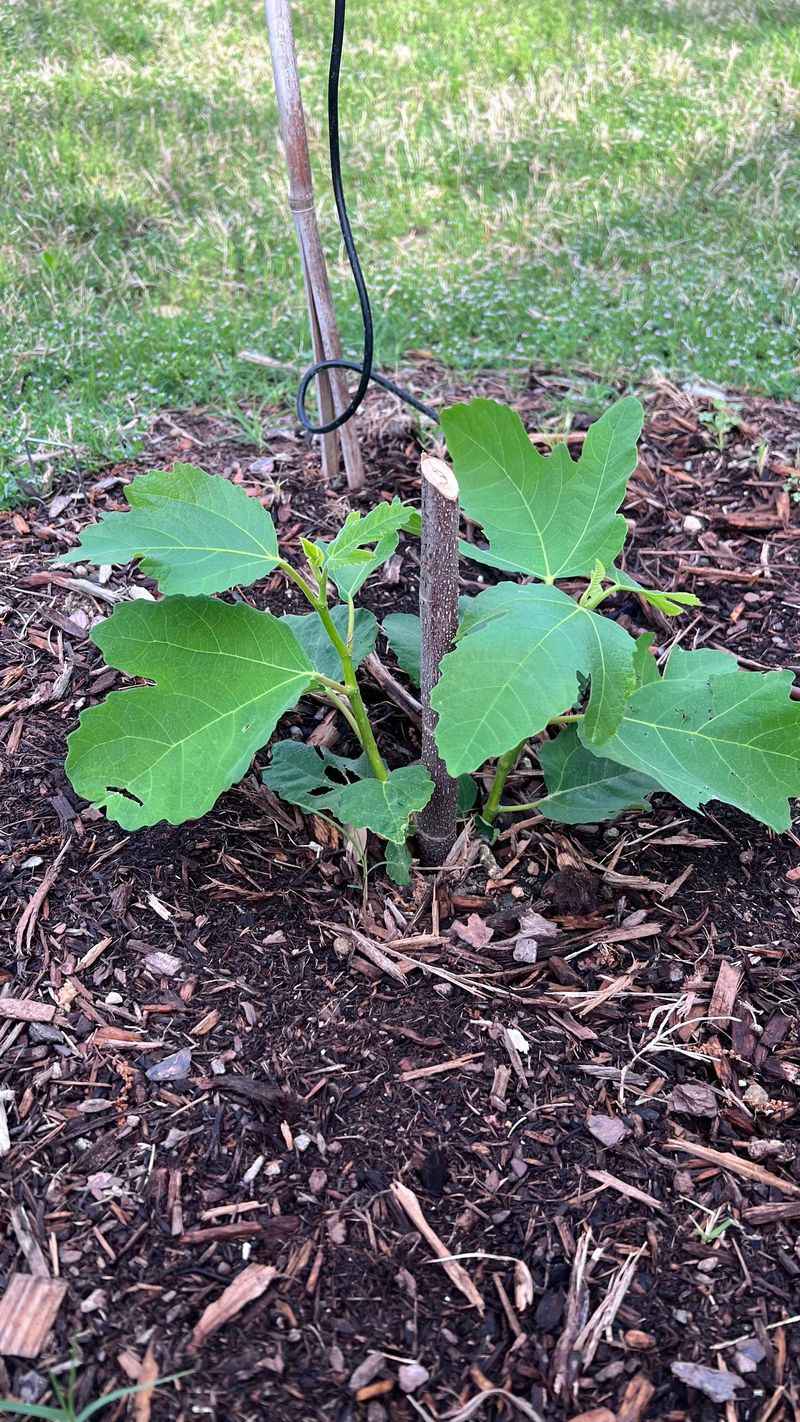
Fewer green figs on the ground next fall might come down to one simple change. A more predictable hose routine can work wonders.
Steady, deep water ranks among the most helpful gifts for a fruit-heavy fig. Skip short daily sprinkles. Aim for slow, deep soaks that reach the roots.
Then let the top few inches of soil dry slightly before the next round.
The right schedule depends on soil, tree size, and local weather, so a soil check beats a guess.
A few easy habits help:
Place drip tubing or a soaker hose around the drip line, not right against the trunk.
Spread two to four inches of mulch to slow evaporation.
Add extra water before and during heat waves, since fruit can suffer quickly in extreme heat.
Now give your timer a little attention, because it is not a set-and-forget gadget. Adjust it as seasons change, and check it after power outages.
A quick monthly look at emitters can catch clogs before they cause trouble.
Too much water brings its own problems. Soggy soil can lead to root rot, which is far harder on a tree than a dropped crop.
Figs in heavy clay especially need good drainage.
With steady moisture through the season, young figs have a much better chance to size up and soften. They also develop that sweet, jammy texture everyone loves.
Your hose becomes the most reliable member of the fig fan club, and the perks are delicious.
7. Some Fruit Loss Is Simply Normal
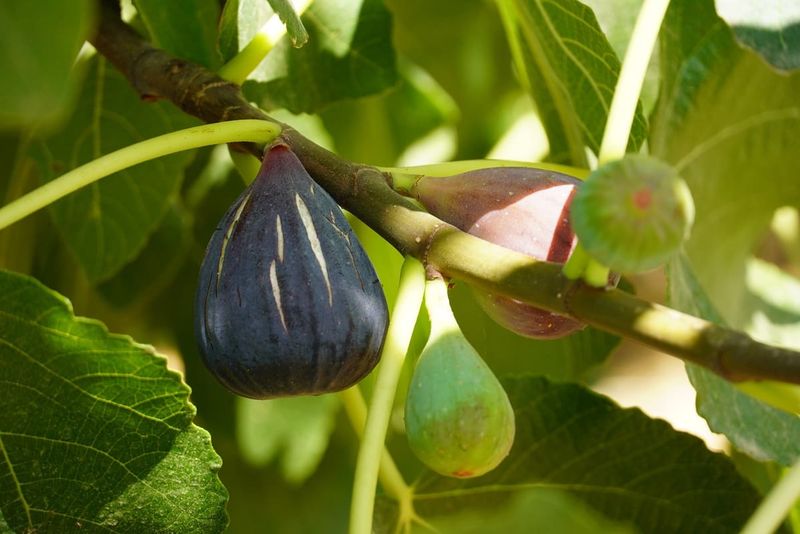
Every fruit tree plays a numbers game. Apple, peach, citrus, and fig trees all set more fruit than they can finish.
A certain amount usually ends up on the ground.
A sprinkle of green figs under your tree in early fall is usually just part of the natural cycle.
The tree may be thinning its load, reacting to weather, or letting go of late fruit that could not ripen in time. None of that means it is failing.
What matters more is the overall picture. A good number of ripe figs this year is a great sign. So are healthy leaves and fresh new growth.
Those clues show a tree that is doing its job well.
Now for a bit of history that puts things in perspective. People have grown figs for thousands of years.
Spanish missionaries brought them to California in the 1700s, and the Mission fig still carries that name today.
These trees have handled countless dry summers and plenty of imperfect gardeners.
So give yourself some grace. Rake up the fallen fruit and add it to a hot compost pile. Then focus on steady care next year.
A little mess under the branches is a small price for baskets of sweet, homegrown figs.
Enjoy the harvest you have, and let the tree handle the rest. It has been doing this far longer than any of us.
8. Some Fig Types Need A Tiny Wasp Partner
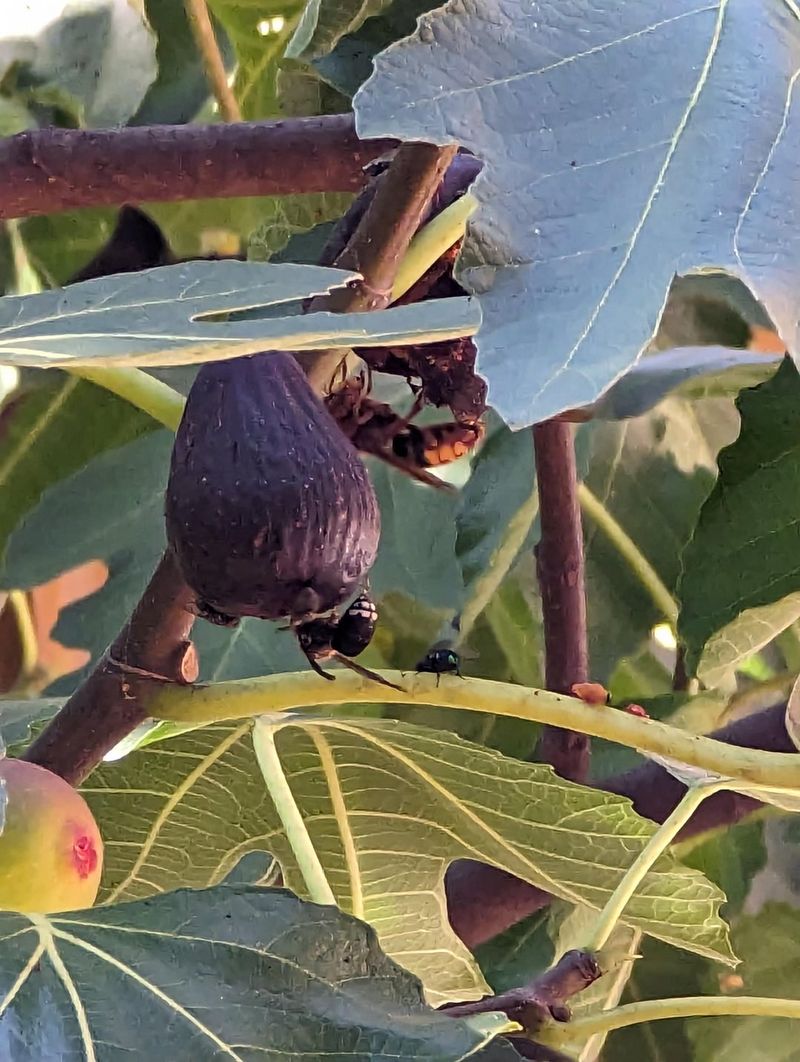
Not every fig tree plays by the same rules. Some types need help from a very small partner before their fruit can mature.
Most backyard favorites in California are common figs. Black Mission, Brown Turkey, and Kadota set fruit on their own, with no pollination required.
Smyrna-type figs are a different story. Calimyrna, a popular California variety, belongs to this group.
Its main crop needs pollen delivered by a tiny insect called the fig wasp. Without that visit, many young figs turn yellow and drop while still small.
San Pedro-type figs fall somewhere in between. Their early breba crop can ripen on its own, but the main crop often needs the wasp.
That explains a puzzling pattern some gardeners notice. The tree looks healthy and sets plenty of fruit, yet most of it falls every year.
Now check the plant tag or nursery receipt, because the variety name holds the answer. A Calimyrna or San Pedro type may simply lack a pollination partner nearby.
Commercial growers hang special wild figs, called caprifigs, in their orchards to host the wasps. That setup is tricky for most home yards.
A common fig variety often makes a smarter choice for backyard growers who want a reliable harvest.
Your tree is not being difficult. It is just waiting for a very small date who has not shown up yet.