Tiny White Fluff Drifting Through Indiana Yards This Fall Is Actually a Bug
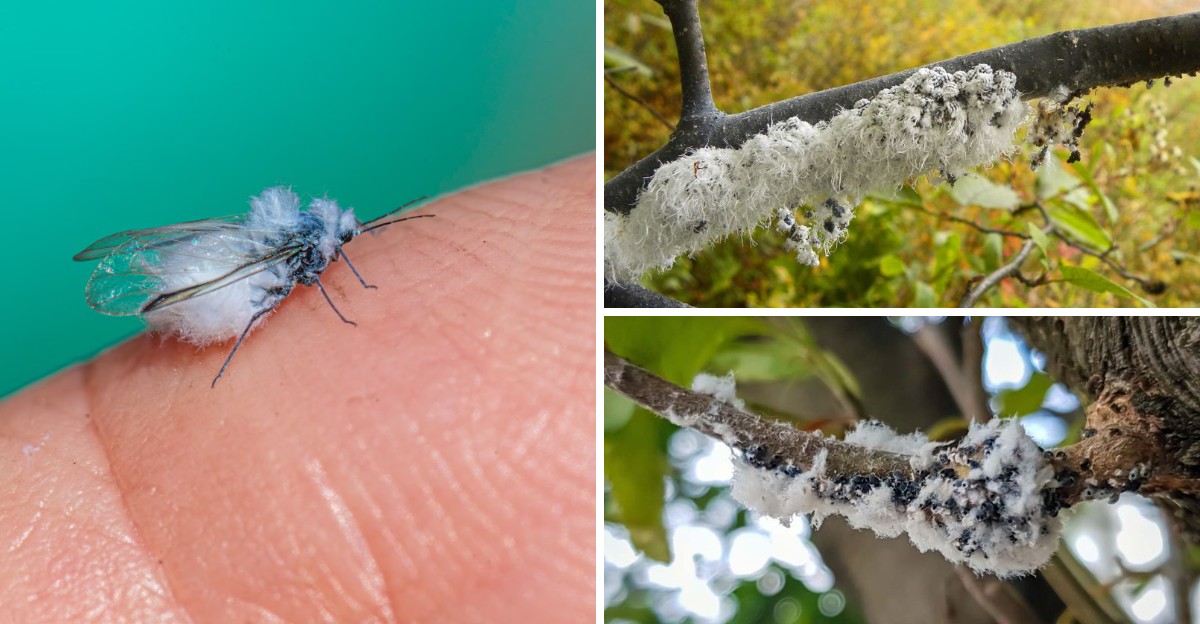
Some of the white fuzz floating past your porch this fall has wings, legs, and a mouth built for sipping tree sap. I’ll be honest, the first time I caught one on my sleeve, I thought it was a scrap of dryer lint.
Then it started walking. That moment changed how I look at every autumn breeze in my Indiana backyard.
Up close, the fluff turns out to be strands of wax, spun from the body of a creature smaller than a grain of rice. Folks in some regions call them fairy flies or fluff bugs. Grandparents sometimes swore they meant snow was coming soon.
Here’s what gets me. They drift so slowly that kids can chase them across the lawn, and plenty of us have done it without a clue. So what exactly is riding that wind, and should your trees be worried?
That Drifting Cotton Puff Has Tiny Legs Under All That Wax
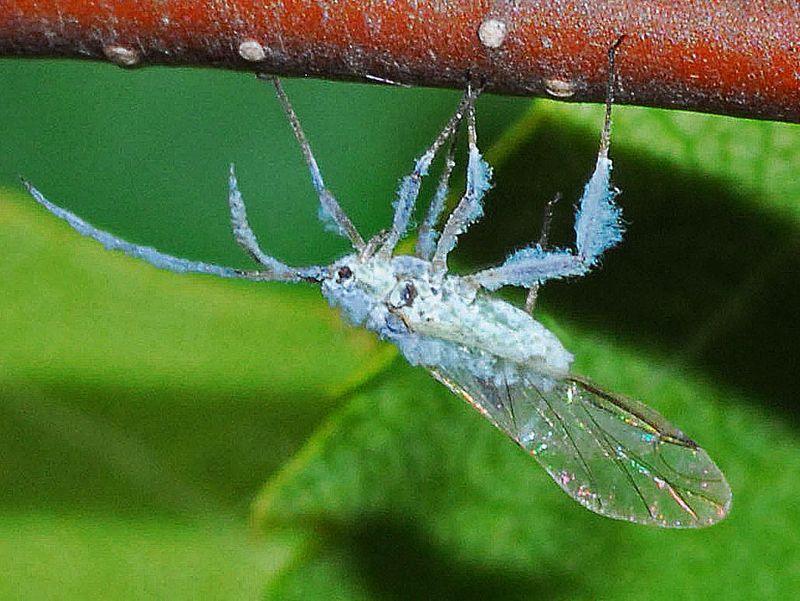
Grab a magnifying glass the next time a fluff ball lands on your jacket. Underneath that white tuft sits a small, dark-bodied insect with clear wings and six skinny legs.
Entomologists call these creatures woolly aphids. They belong to a group of sap-feeding insects in the subfamily Eriosomatinae, which includes several species found across the Midwest. What looks like cotton is actually wax, pushed out through special glands on the insect’s back.
That waxy coat does a few jobs at once. It helps shield the aphid from drying out, makes it a less tempting snack for some predators, and adds a little extra lift when the bug flies. The result is a slow, bobbing flight that looks more like a floating seed than an insect.
Not every bit of autumn fluff is a bug, of course. Milkweed silk, cottonwood fibers, thistle down, and spider silk can all drift through yards too.
One easy test helps sort them out. Seeds and silk tumble at the mercy of the wind, while a woolly aphid often flutters with a bit of direction and may crawl once it lands. Watch for a few seconds, and you will usually spot the difference.
Fall Is Moving Day for These Fuzzy Flying Aphids
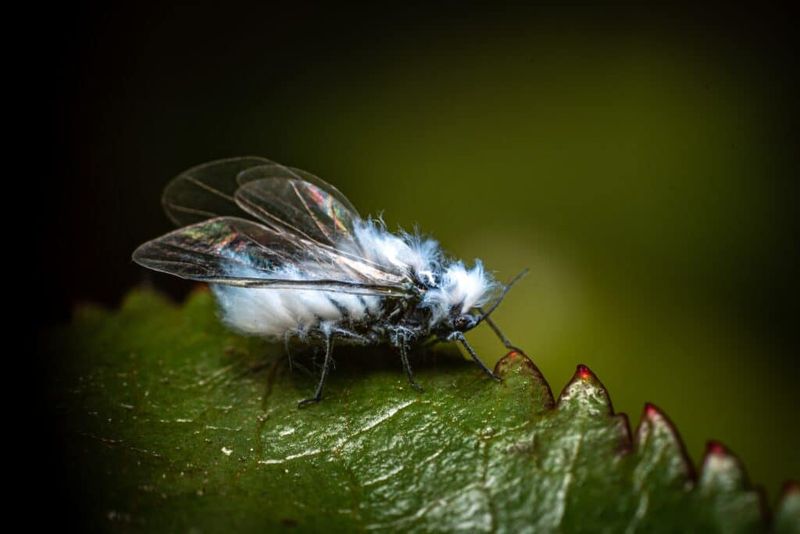
Timing explains almost everything here. Many woolly aphids alternate between two kinds of host plants, and autumn is when the winged generation flies back to the tree where the species spends the winter.
During the warm months, many generations are born without any mating at all. Females produce live young, and colonies can grow fast. As days shorten and nights cool, the colony starts producing winged adults built for travel.
Those flyers head back to their winter host tree. There, a final generation appears, males and females mate, and females tuck eggs into bark cracks or crevices. Those eggs ride out the cold and hatch when spring arrives.
That is why you rarely notice these bugs in June but suddenly see dozens in September and October. Calm, mild afternoons often bring the biggest flights, since the tiny flyers struggle in strong wind or cold temperatures.
Across Indiana, peak sightings tend to run from late summer into mid-fall. Northern counties may see flights wind down a bit earlier than southern ones, simply because cooler weather settles in sooner.
So if your yard seems full of floating fluff on a sunny fall day, you are watching an ancient migration on a very small scale.
Maples, Elms, and Alders Are Favorite Woolly Aphid Hangouts
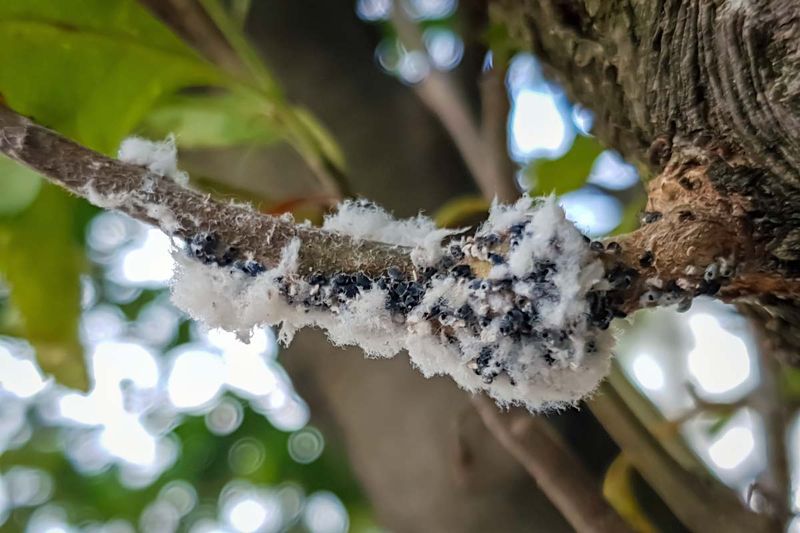
Curious where these little drifters are headed? Each species has its own preferred plant partners, and many common yard trees are on the list.
The woolly alder aphid, for example, moves between alders and silver maples. The woolly apple aphid alternates between American elm and apple trees, and it can also feed on roots. Beech blight aphids gather in thick white colonies on American beech branches.
Other woolly aphids use hawthorn, serviceberry, ash, or hackberry, depending on the species. University extension services across the Midwest list many of these as regular visitors in home landscapes.
Trying to find colonies yourself is a fun project. Check the undersides of leaves, twig joints, and branch bark on maples and elms. Clusters look like bits of cotton or even fresh snow stuck to wood.
A fun fact about beech blight aphids makes them easy to remember. When disturbed, a whole colony may lift their rear ends and wiggle in unison, earning them the nickname boogie-woogie aphids.
Spotting a colony does not mean your tree is in trouble. It simply means the insects found a plant that fits their life cycle, which is exactly what they evolved to do.
Healthy Trees Usually Shrug Off These Fluffy Sap Sippers
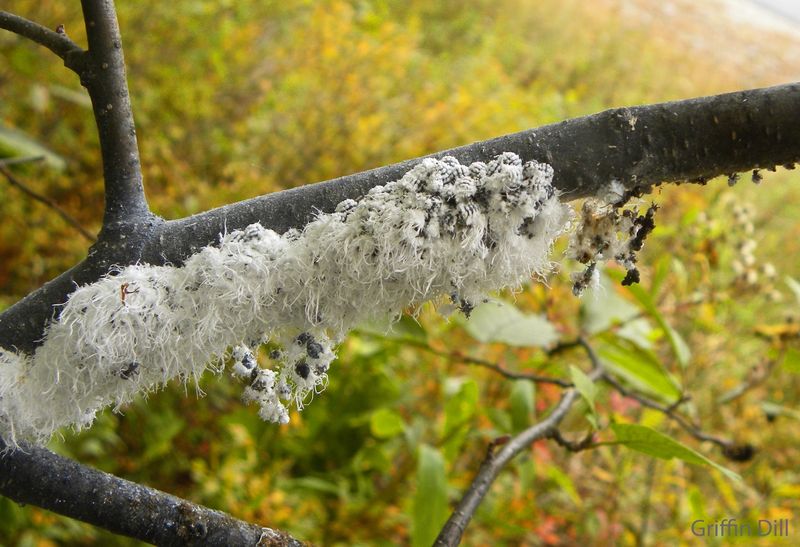
Relax, your shade tree is probably fine. For established, healthy trees, woolly aphids are mostly a cosmetic issue and rarely cause serious harm.
These insects feed by piercing plant tissue and drinking sap. A big colony can cause curled, twisted, or yellowing leaves, especially on new growth. Young shoots might look a little stunted during heavy infestations.
Still, mature trees have plenty of energy to spare. By the time fall flights happen, much of the season’s feeding is already done, and leaves will drop soon anyway.
Some exceptions deserve a closer look. Woolly apple aphids can form knotty galls on apple roots and branches, which may weaken young or dwarf apple trees over time. Newly planted saplings and stressed trees may also have a harder time bouncing back.
So how do you know when to care? Watch for repeated heavy colonies year after year on the same young tree, or noticeable dieback on branches. Those signs are worth a call to your local Purdue Extension office.
For most yards, though, a few fluffy visitors are more of a conversation starter than a crisis. Keeping trees watered during dry spells and mulched properly helps them handle sap-feeding insects with ease.
Sticky Honeydew and Black Sooty Mold Can Follow the Fluff
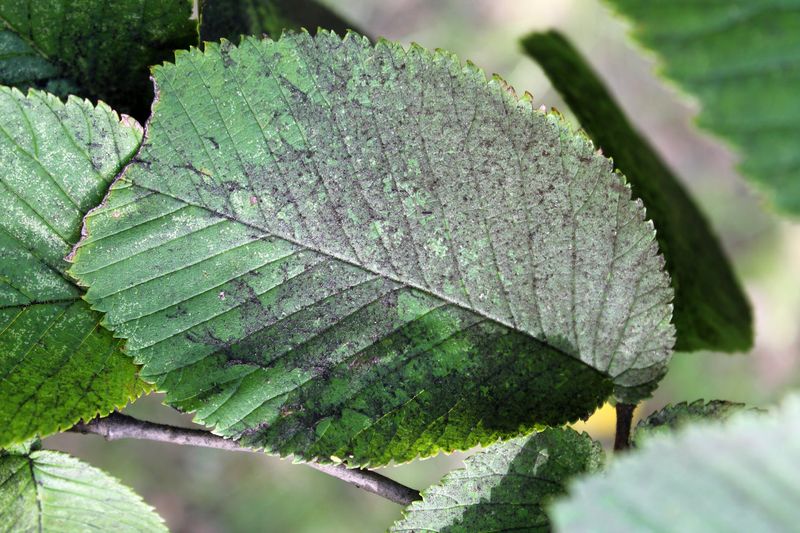
Ever parked under a tree and come back to a sticky windshield? Aphids are often the culprits behind that mess.
As they sip sap, woolly aphids take in more sugar than they need. The extra comes out as a clear, sweet liquid called honeydew. It drips onto leaves, patio furniture, cars, and anything else below a busy colony.
Honeydew attracts ants, wasps, and flies looking for an easy sugar snack. You may notice ants marching up a trunk, which can be a handy clue that aphids are feeding above.
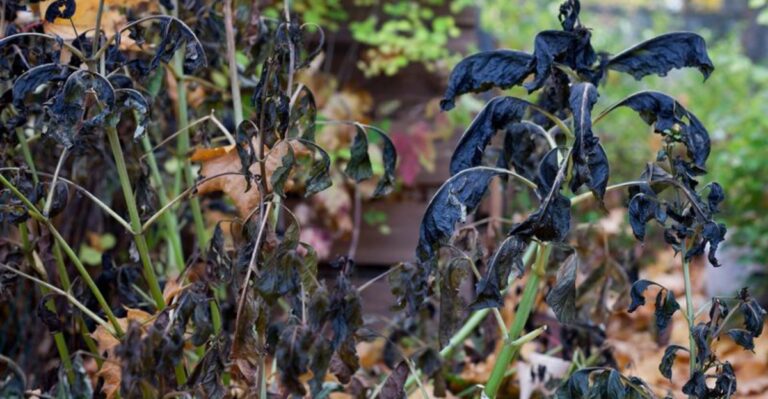
Over time, a black fungus called sooty mold can grow on that sugary film. It looks a bit like someone sprinkled soot over the leaves. The mold does not infect the plant directly, since it only feeds on the honeydew.
Very thick coatings can block some sunlight and slightly reduce how well leaves make food. For most trees, the effect is minor and fades as leaves fall.
Cleaning up is simple. A gentle wash with water and mild soap removes honeydew from outdoor furniture and cars. On shrubs, a strong rinse from the hose often clears both the sticky film and some of the aphids at once.
Lady Beetles and Lacewing Larvae Love a Woolly Aphid Snack
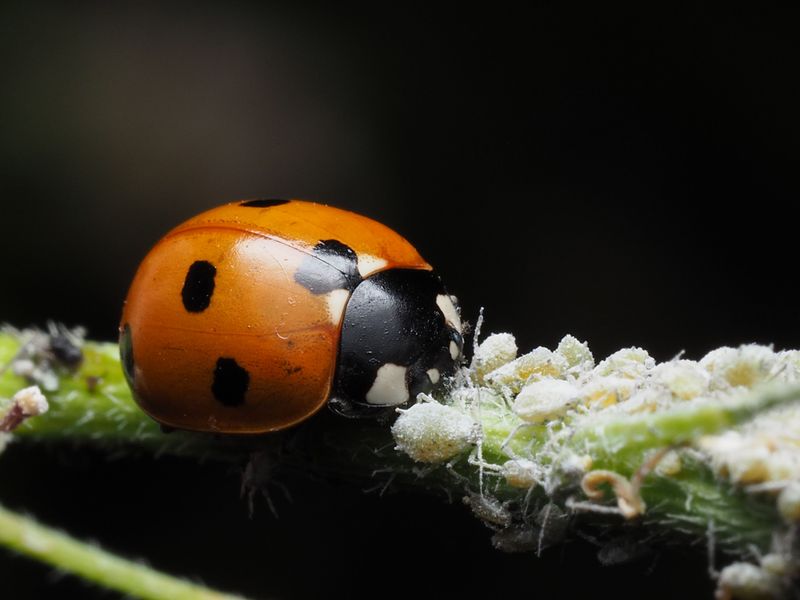
Nature runs its own cleanup crew, and it works for free. Many beneficial insects treat aphid colonies like an all-you-can-eat buffet.
Lady beetles and their spiky larvae eat aphids by the dozens. Green lacewing larvae, sometimes called aphid lions, grab them with curved jaws. Syrphid fly larvae and tiny parasitic wasps join the effort too.
One fascinating predator is the harvester butterfly caterpillar. It is the only butterfly in North America whose caterpillars eat meat, and it feeds on woolly aphids. Some even disguise themselves with the aphids’ wax.
Birds such as chickadees and warblers also pick aphids off branches. Weather helps as well, since heavy rain can knock colonies loose.
You can invite more of these helpers with a few easy habits. Plant native flowers like goldenrod, asters, and yarrow that offer nectar for adult beneficial insects. Leave some leaf litter in garden beds over winter where helpful bugs can shelter.
Skipping broad-spectrum insecticides matters most. Those sprays often hit predators harder than aphids, which can lead to bigger aphid problems later. Give the good guys a little time, and they often bring colonies back into balance on their own.
A Strong Blast From the Garden Hose Clears Cottony Clusters
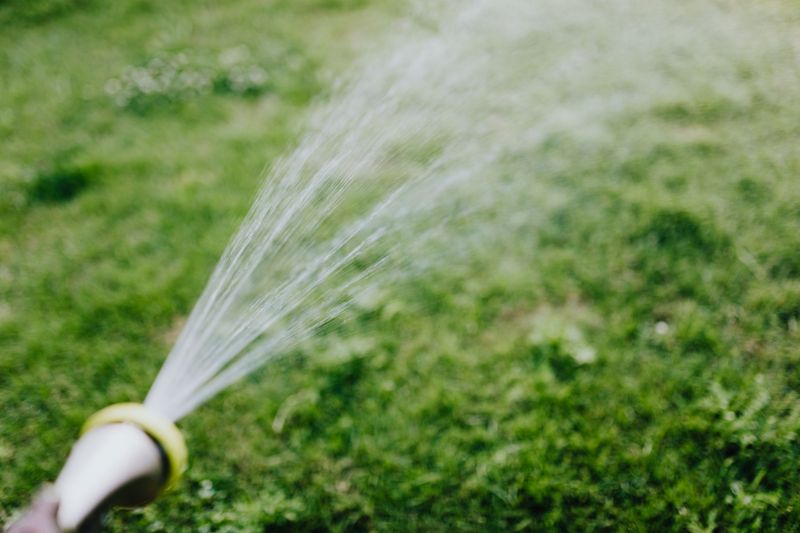
Sometimes a colony sets up shop right on your favorite young shrub, and waiting just feels wrong. Thankfully, gentle fixes usually handle it.
Start with water. A firm spray from a garden hose knocks aphids off stems and leaves, and many can’t find their way back. Repeat every few days if new clusters show up.
Pruning works well for small, concentrated groups. Snip off heavily covered twigs and toss them in the trash rather than the compost pile.
Insecticidal soap or horticultural oil can help on smaller plants when water is not enough. These products need to touch the insects directly, so coat the colonies thoroughly. Follow label directions and avoid spraying in hot sun or on plants listed as sensitive.
Chemical insecticides are rarely needed for woolly aphids on landscape trees. Purdue and other Midwest extension programs generally recommend saving them for serious, repeated problems on valuable young plants.
One more tip saves effort. Go easy on high-nitrogen fertilizer, because lush, soft growth tends to draw more aphids. Steady watering and good mulch produce sturdier plants that handle feeding better. A little patience combined with these simple steps usually keeps colonies in check.
Next Time a Fluff Bug Lands on You, Take a Closer Look
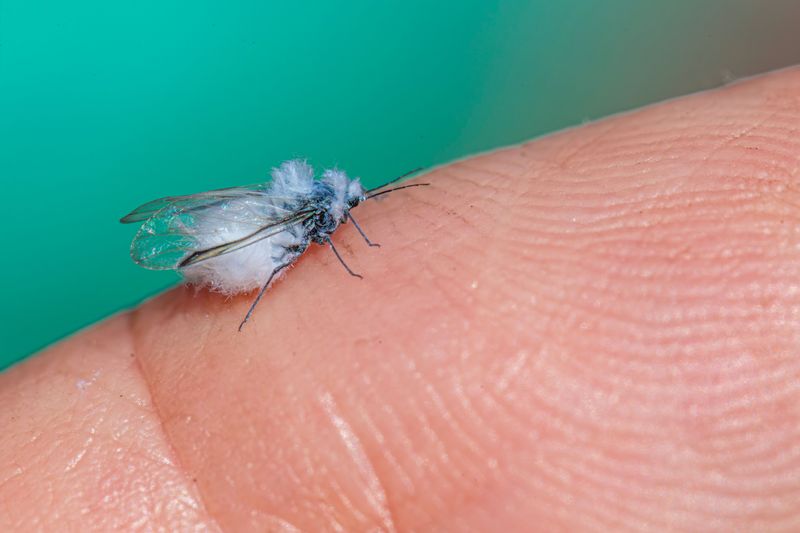
My favorite part of fall might be watching neighbors realize the fluff is alive. That small surprise turns an ordinary walk into a little nature lesson.
Woolly aphids are harmless to people. They do not bite, sting, or carry diseases to humans or pets. If one lands on your arm, you can simply let it crawl or gently blow it away.
Kids especially enjoy these bugs. Hand them a magnifying glass and challenge them to spot the wings and legs under the wax. It is a fun way to build curiosity about insects without anything scary involved.
Old folk sayings in parts of the Midwest claim these flyers signal snow within a few weeks. There is no solid science behind that, but their arrival does match the cooling weather that comes before winter.
Want to help researchers? Snap photos and upload them to iNaturalist, where experts can help identify the species and track where they show up.
Across Indiana, these fall flights are a normal seasonal event, not an outbreak. Enjoy the show, keep trees healthy, and let the beneficial insects do their thing. Those drifting puffs are just tiny travelers heading home for winter.