Blackened Dahlia Leaves After Indiana’s First Freeze Signal It Is Time To Dig The Tubers
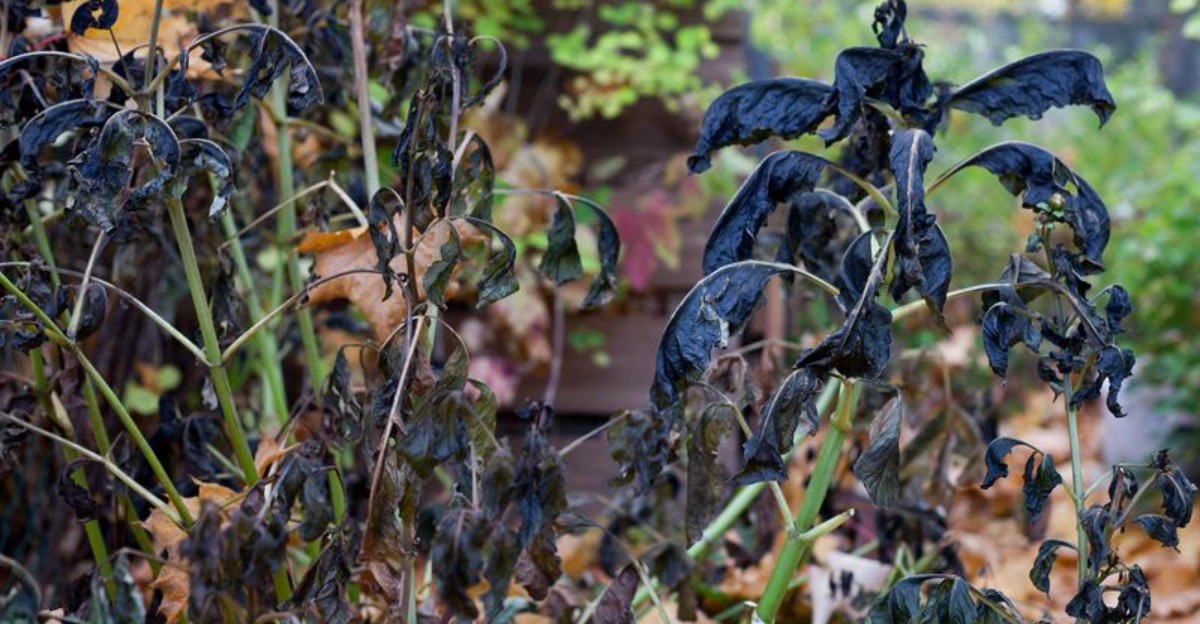
Flower farmers have a cheeky nickname for the morning after the first hard frost. They call it Frostmas, and the gift under the tree is a row of limp, inky black leaves.
I used to panic at that sight. Now I grab my coffee and smile, because those sad stems hold a secret underground.
The plant behind this drama comes from the mountains of Mexico, where winters stay mild. Indiana soil can freeze several inches deep, and those plump roots hate a cold, soggy bed. You need a plan before the ground turns hard.
I think fall is when the real fun starts with this flower. One clump you lift this month can turn into three or four plants by spring. So what should you do with that blackened patch, and how long can you really wait?
Those Black Dahlia Leaves Are Sending You A Message
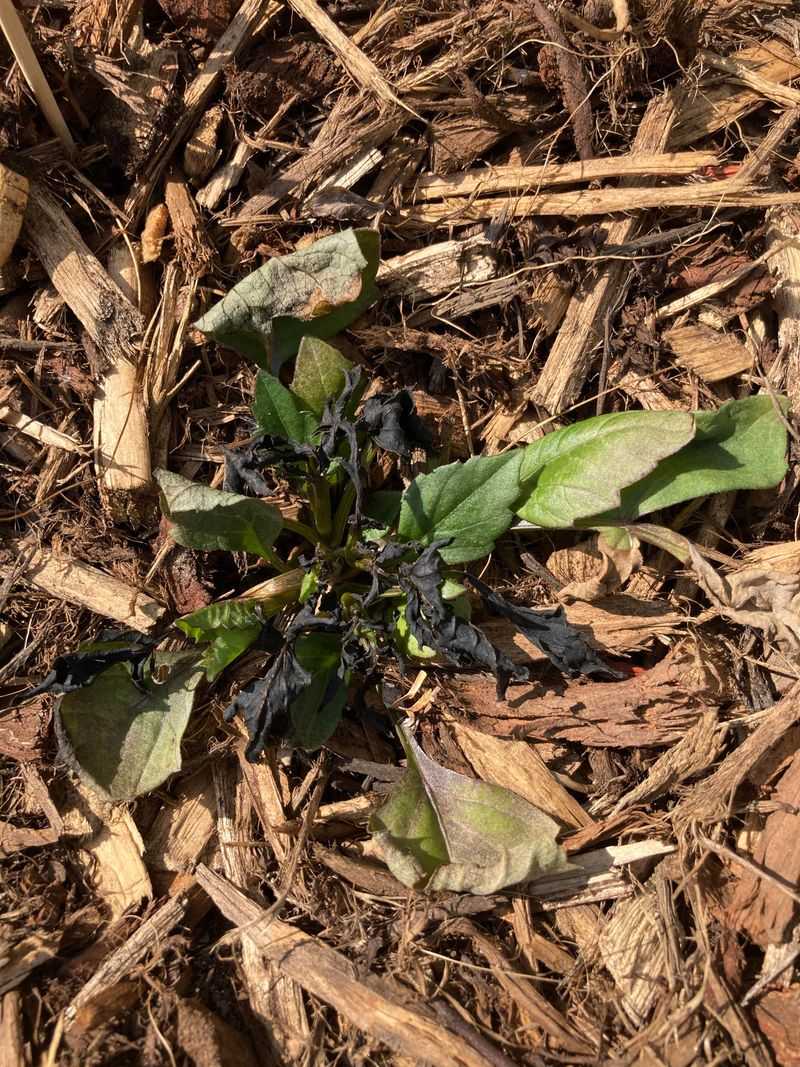
Overnight, your bright dahlia patch can look like it got dipped in ink. The leaves turn dark, droopy, and a little slimy by afternoon.
That change comes from ice forming in the leaf tissue, which damages the cell walls and membranes. Once the cells break down, the tissue collapses and darkens. A light frost may only nip the top leaves, but a hard freeze near 28 degrees usually blackens the whole plant.
Gardeners call this a killing frost, even though the plant is not finished. The top growth is done for the year, yet the tubers below the soil are still alive and well. Think of them as a packed lunch the plant saved for next spring.
In northern Indiana, this often happens in early to mid October. Central parts of the state tend to see it in mid to late October, and southern counties may wait until late October or early November. Every year varies, so watch the weather instead of the calendar.
Once you see that blackened foliage, the clock starts ticking. The plant has stopped growing, and your job shifts from tending blooms to protecting the roots. I treat that first dark morning as my reminder to sharpen the garden fork.
Wait About Two Weeks Before Your Garden Fork Hits The Dahlia Bed
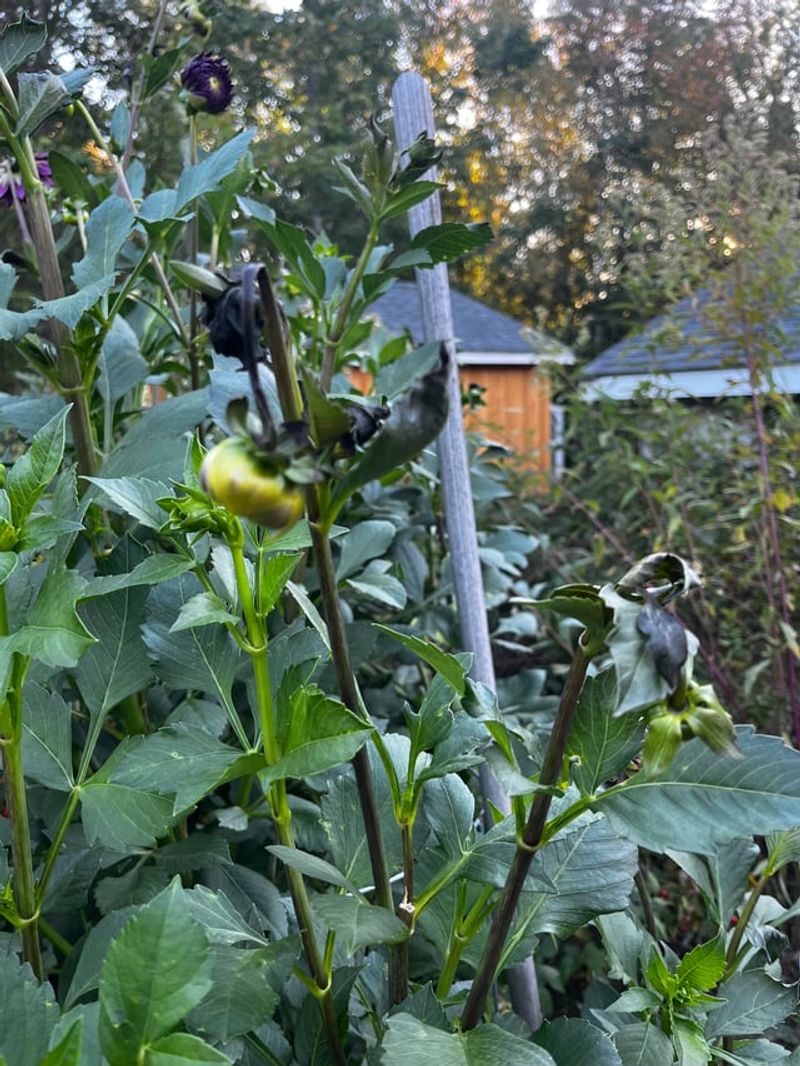
Patience pays off here more than almost anywhere else in the garden. Most growers suggest waiting about 10 to 14 days after the frost blackens the plants before you dig.
During that short break, the tubers toughen up. Their thin skins firm and set, which helps them hold moisture and resist bruising in storage. Many experts also believe the wait signals the eyes on the crown to mature, making them easier to spot later.
Freshly dug tubers with soft, tender skin often shrivel or rot over winter. A little time in cool soil gives them a fighting chance. It feels like doing nothing, but the tubers are busy getting ready.
Keep one eye on the forecast, though. Your real deadline is the soil freezing solid, and that can sneak up on you in November. If a deep cold snap is coming, dig a few days early rather than lose the clumps.
Your Indiana Garden Changes Every Week. Your Plan Should Too.
Gardening in Indiana changes quickly throughout the season. Every Friday you’ll receive a simple weekly plan showing exactly what to plant, prune, fertilize, harvest, and protect so you never miss the right timing.
Some gardeners also cut the stalks down to about six inches during this wait. Covering the cut tops with foil or tipping them sideways keeps rain from pooling in the hollow stems. Water sitting in there can creep down and start rot right at the crown.
Indiana Winters Are Too Harsh For Dahlia Tubers Left In The Ground
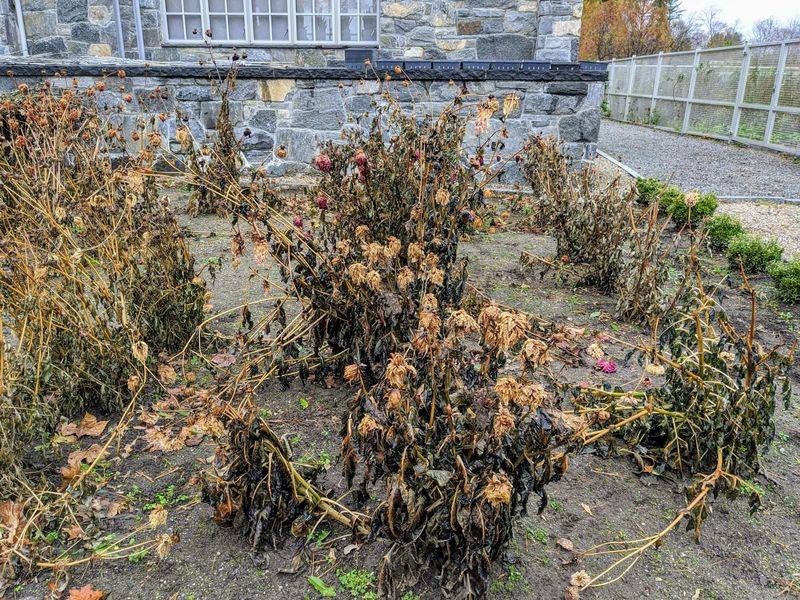
Dahlias are tender perennials from Mexico and Central America. In fact, the dahlia is the national flower of Mexico, where it grows happily in mild highland weather.
Most of Indiana sits in USDA zones 6a and 6b, with a few cooler pockets up north. Dahlia tubers are generally only reliably hardy in zones 8 to 10 without help. That gap is too big to ignore.
Here the soil often freezes several inches deep, sometimes more in a rough winter. Dahlia tubers are full of water, so freezing turns them into soft mush. Even when they skip the freeze, wet clay soil in late winter can cause rot.
I have heard of gardeners in southern Indiana sneaking a clump through a mild winter under heavy mulch near a warm foundation. That is a gamble, not a strategy. One bad January can erase a favorite variety you spent years growing.
Digging and storing is the dependable path. It takes an afternoon in fall and a few minutes of checking each month. In return, you keep your collection safe and often end up with more plants than you started with.
Lift Dahlia Clumps Slowly So The Fragile Necks Stay Intact
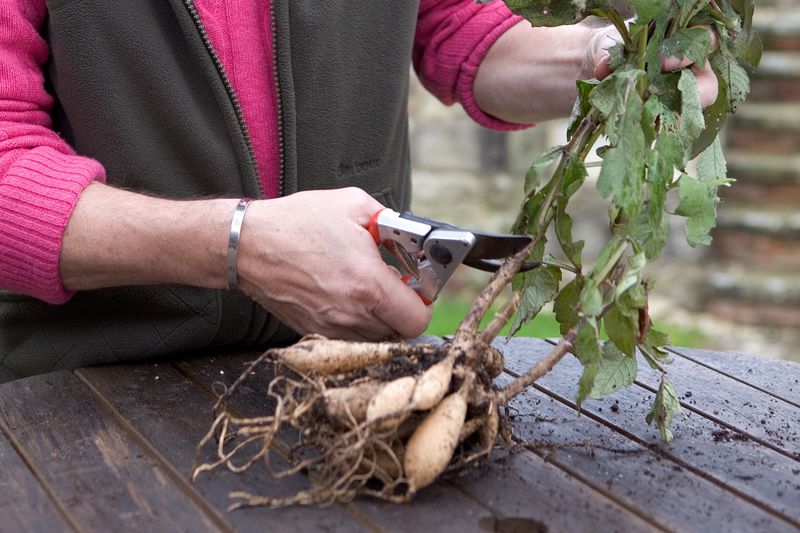
My first dahlia dig ended with a snapped tuber and a groan I can still hear. The culprit was impatience and a shovel jammed straight down next to the stalk.
Start by circling the plant with a garden fork about 8 to 12 inches from the stem. Push the tines in and rock them gently to loosen the soil all the way around. Big plants can have clumps wider than a dinner plate, so give them room.
Next, work the fork under the clump and lift slowly. Avoid yanking on the stalk like a handle, because the weight can tear things apart. Your hands are the best tool for the last bit.
Pay attention to the necks, the skinny parts linking each tuber to the crown. A tuber with a broken neck cannot sprout, since the eyes live on the crown. It might look plump and healthy, yet it will not grow a plant.
Dig on a dry day if you can. Wet, sticky clay clings to everything and makes the clumps heavier and easier to damage. Dry soil falls away with a gentle shake, saving you plenty of mess.
Clean, Dry, And Label Every Dahlia Tuber Before Storage
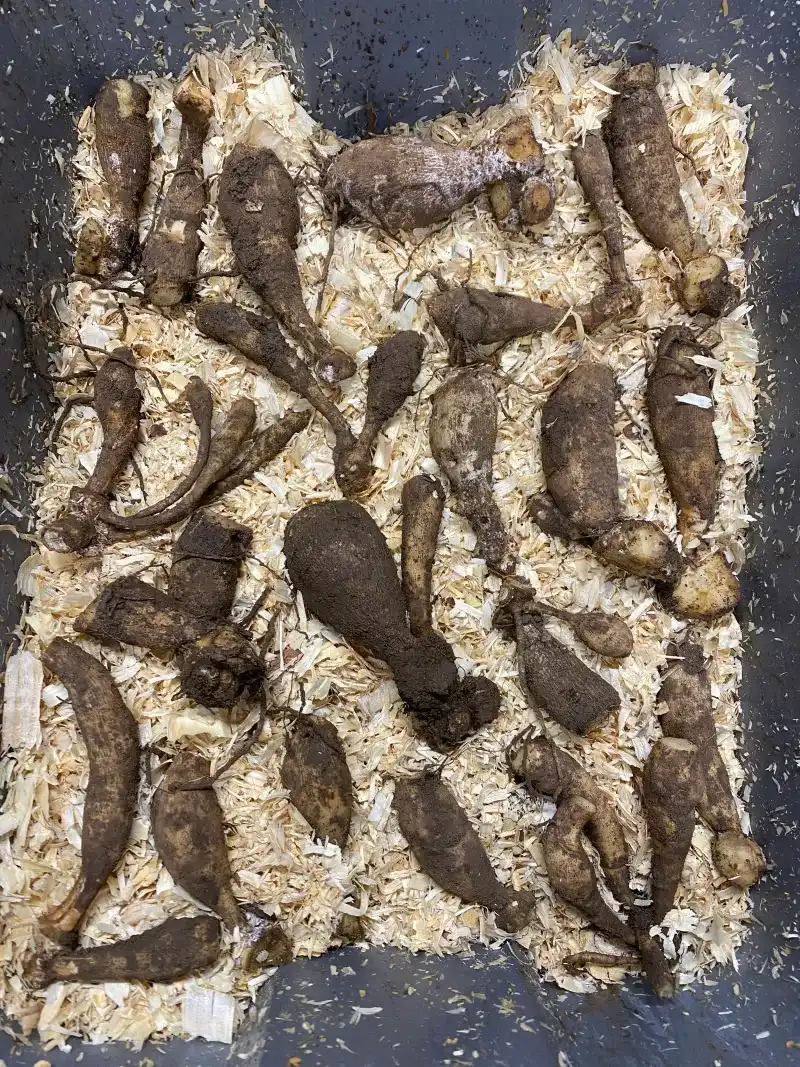
Quick confession from someone who learned the hard way. I once skipped labeling, and spring turned into a guessing game of pink, red, or mystery.
Shake or brush off loose dirt first. If your clumps are caked in clay, a gentle rinse with the hose works well and helps you spot problems. Do not scrub hard, since the skins bruise easily.
Let the tubers air dry somewhere cool, shaded, and frost free, like a garage or shed. About a day is usually enough for the surface to dry. Leaving them out much longer can cause shriveling.
While they dry, inspect each one. Trim away anything soft, mushy, moldy, or badly broken. One rotten tuber can spread trouble to its neighbors in a storage box.
Now for the label. Write the variety name with a permanent marker right on a tuber, or tie on a weatherproof tag. Some growers jot down color and height too, which helps when planning next year’s beds.
A small notebook works as a backup. Little details like which plant bloomed the most can guide your choices when you have extra tubers to share or swap.
A Cool Basement Box Of Peat Keeps Dahlia Tubers Snug All Winter
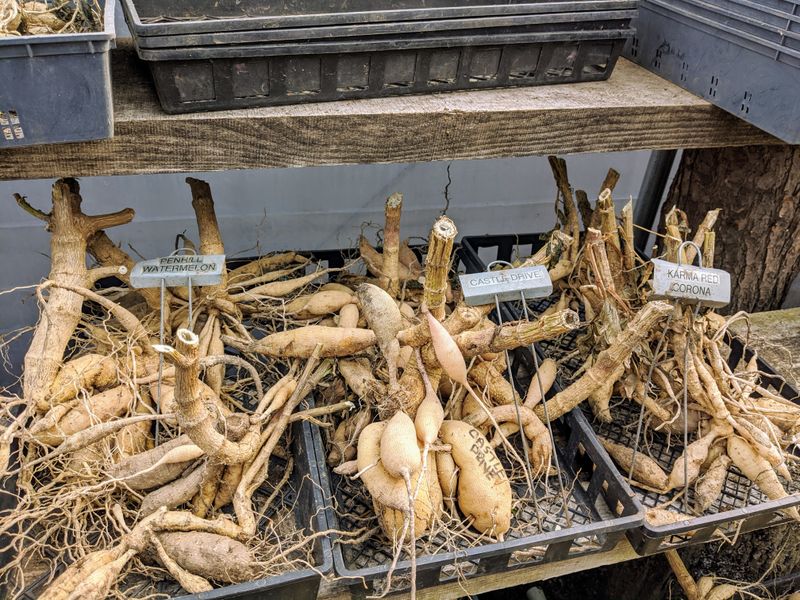
Goldilocks would make a fine dahlia keeper. Tubers want storage that is not too warm, not too cold, and not too wet or dry.
Aim for a dark spot that stays between about 40 and 50 degrees. Many Indiana basements, root cellars, or insulated garages fit the bill. Below freezing ruins the tubers, while warm rooms can trigger early sprouting or shriveling.
Pack the tubers in a lightly damp material such as peat moss, coarse vermiculite, or wood shavings. That cushion holds steady moisture around them. Cardboard boxes, crates, or paper bags allow airflow, which helps prevent mold.
Skip sealed plastic tubs unless you add holes. Trapped moisture tends to invite rot fast. Some growers do wrap single tubers in plastic wrap with good results, so methods vary.
Set a reminder to peek in once a month. Wrinkled tubers want a light mist of water. Soft or moldy ones should leave the box right away.
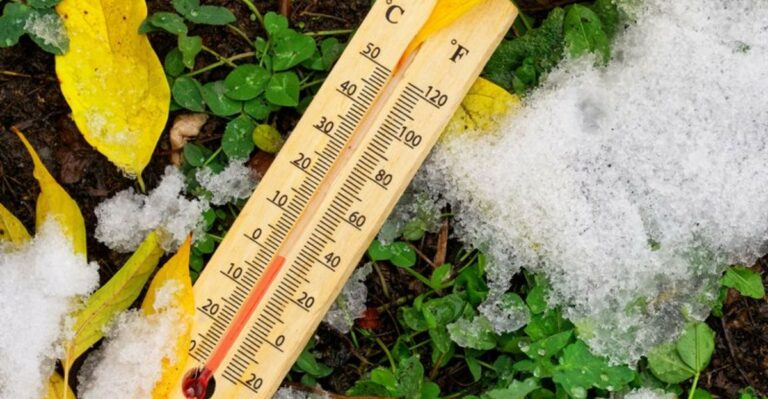
A cheap thermometer near the box tells you plenty. If the reading drops toward freezing during a cold snap, move the box somewhere warmer. A few minutes of checking protects a whole season of blooms.
Divided Dahlia Tubers Turn One Plant Into A Spring Bonanza
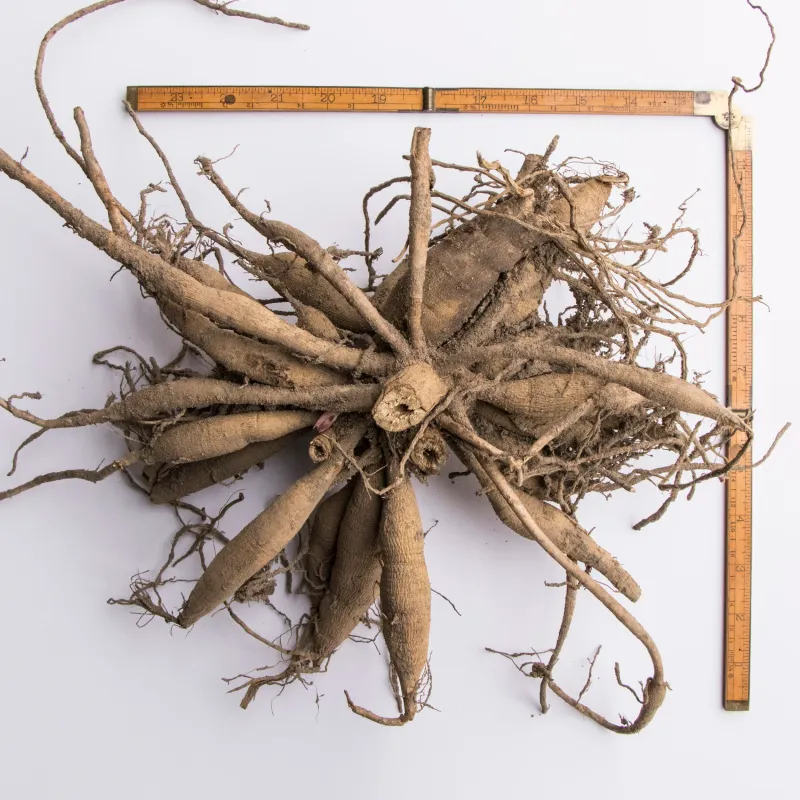
Here comes the sweet reward for all that fall effort. A single clump often holds enough healthy tubers to start several new plants.
You can divide in fall right after digging, when the tubers are softer and easier to cut. Others wait until early spring, when the eyes swell and become easier to see. Both methods work, so pick the one that suits your schedule.
Each division needs three parts. You want a plump tuber, an unbroken neck, and a piece of crown with at least one eye. Clean, sharp pruners make tidy cuts and reduce the chance of rot.
Plant outdoors after your last frost, once the soil warms to around 60 degrees. In much of Indiana, that lands roughly in May. Some gardeners start tubers in pots indoors a few weeks early for faster blooms.
Extra divisions make wonderful gifts for friends and neighbors. Plant swaps and local garden clubs love them too. Few things feel better than handing someone a tuber that grew in your own yard.
So when those leaves turn black next fall, think of it as an invitation. Your best dahlia season may be waiting in that box.