The Tiny Venomous Mammal Living in Maryland Yards That Most People Rarely Notice
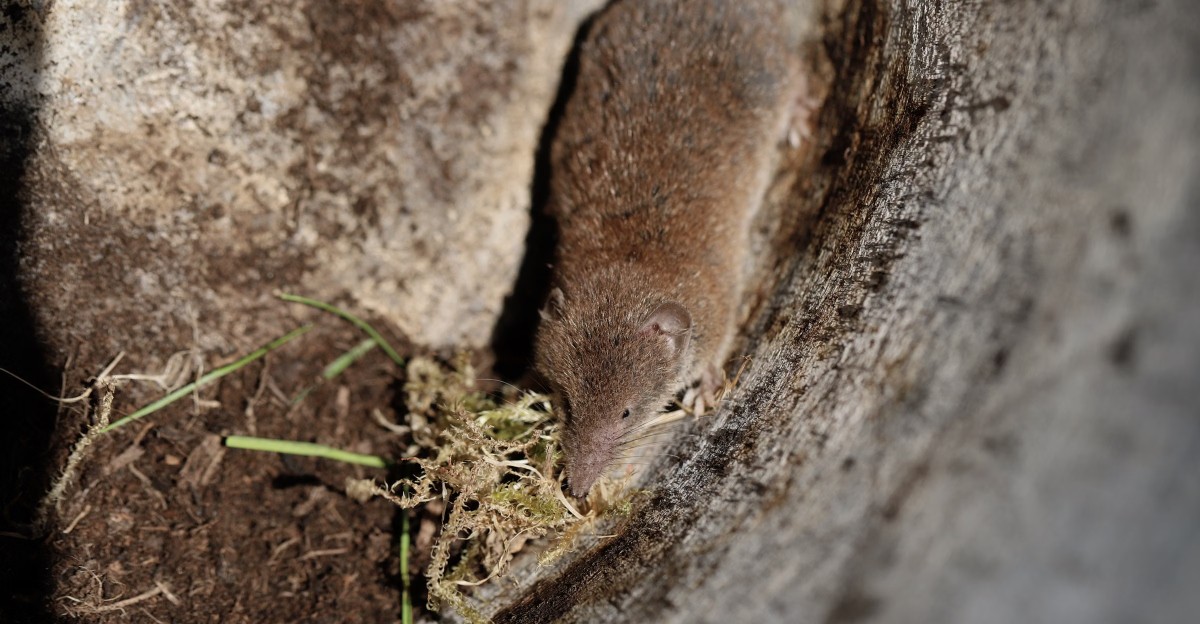
Somewhere under your mulch, a furry animal smaller than a candy bar is carrying venom in its spit. I’ll be honest, I didn’t believe it the first time I read about it. Venom belongs to snakes and spiders, right?
This little hunter lives across Maryland, from backyard flower beds to the edges of wooded lots. It eats so much food that it can go hungry after just a few hours without a meal. It also clicks out tiny sounds to help find its way through dark tunnels.
Here’s what gets me. I’ve spent years pulling weeds and turning compost, and I probably walked past dozens of them. You likely have too, mistaking that gray blur for a mouse.
What exactly is scurrying under your hostas at night, and should you be worried about it? The answer turned out to be far more charming than I expected.
That Gray Blur in the Leaf Litter Is Not a Mouse
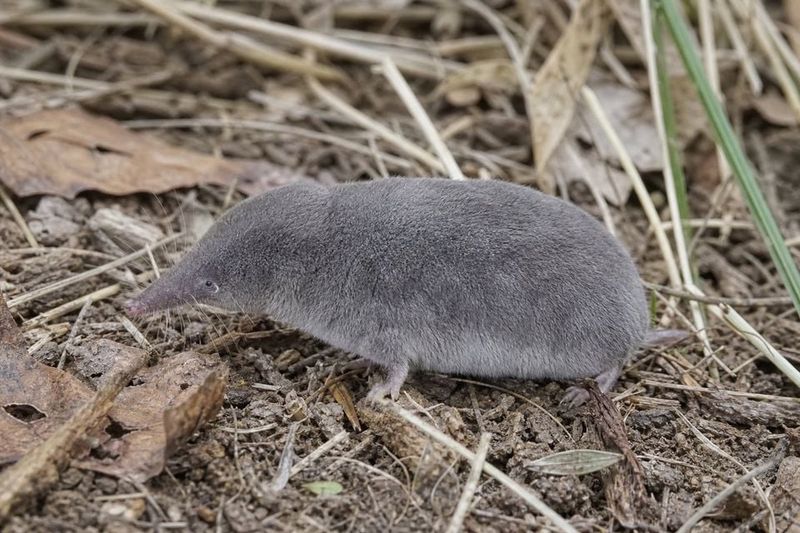
I spent years calling every tiny gray runner in my garden a field mouse. It turns out I was wrong more often than I’d like to admit.
Many of those quick little shapes darting under the mulch are shrews, not rodents. The most common one in yards across the state is the northern short-tailed shrew. It hides so well that most people go a lifetime without a clear look at one.
A few clues help you tell the difference. Mice have big round ears, large shiny eyes, and long tails. Shrews have ears tucked out of sight, eyes as small as pinheads, and a pointed, wiggly nose.
The way they move is a giveaway too. Mice tend to hop and pause, while shrews scurry low and fast, nose twitching as they go. They often stick to cover rather than crossing open lawn.
You’re most likely to notice one when you lift a board, rake back leaves, or flip over a flowerpot. Cats also love to drag them home, though they rarely eat them because shrews have a musky smell.
Once you learn these signs, you may realize this secretive neighbor has been sharing your yard all along. That realization can change the way you see your garden beds.
The Northern Short-Tailed Shrew Packs Venom in Its Bite
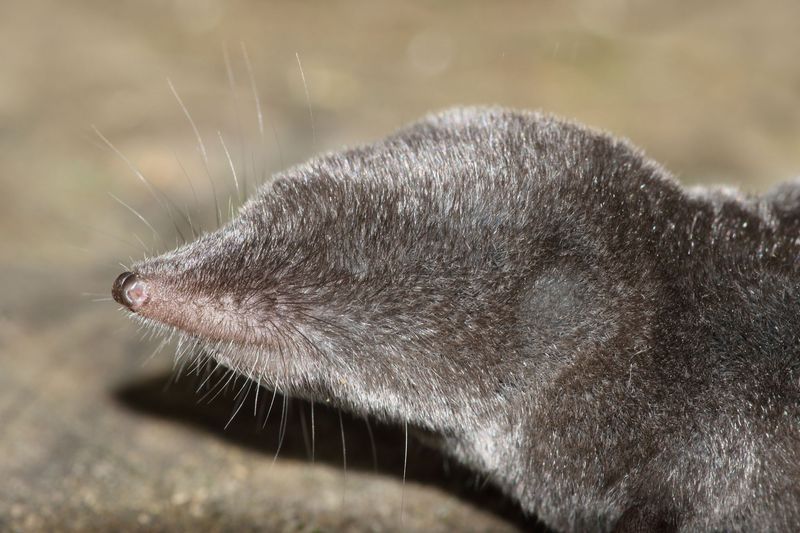
Venomous mammals are rare, which makes this one a real standout. The northern short-tailed shrew, known to scientists as Blarina brevicauda, is one of the few mammals in North America with a venomous bite.
Its venom comes from glands in the lower jaw. When the shrew bites, saliva flows along grooves near its front teeth and into the wound. There are no fangs involved, just a slow, chewing delivery.
The venom contains compounds that affect the nerves of small prey. Earthworms, insects, snails, and even mice can become sluggish or unable to move. That gives a three-inch hunter an edge over animals close to its own size.
Scientists find this venom fascinating. One compound from the shrew, called soricidin, has been studied in labs for possible use in cancer research. Not bad for a creature most folks mistake for a mouse.
For people, the venom is not considered dangerous. A bite can still sting, with burning pain and some swelling that may last a few days. That’s a fair reason to admire these animals without grabbing them bare-handed.
Think of the venom as a hunting tool rather than a defense system aimed at you. It exists to catch dinner, and dinner is mostly bugs.
A Shrew Bite Hurts but Rarely Causes Real Trouble
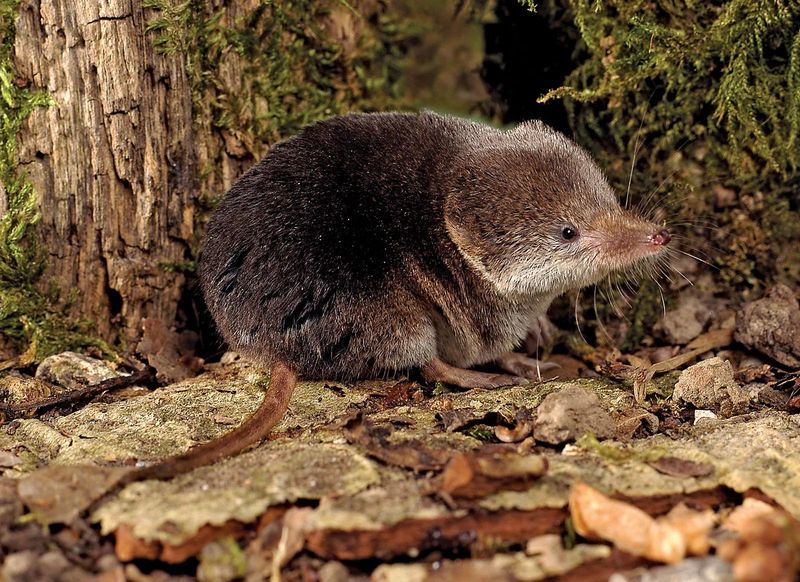
Fair warning, the bite is not pleasant. People who have been nipped describe a burning feeling at the spot, followed by swelling that can hang around for several days.
Bites mostly happen when someone picks up a shrew with bare hands. These animals are not aggressive toward people, and they would much rather run and hide. Trouble starts when they feel trapped.
If you do get bitten, wash the area well with soap and water. A cold pack can help with swelling and soreness. Keep an eye on the spot, and call a doctor if you see spreading redness, pus, or other signs of infection.
Pets sometimes get curious, too. Dogs and cats may chase shrews, and some get a sore mouth afterward. Most recover quickly, but contact your vet if your pet seems unwell.
The simplest move is to avoid handling them. If one needs to be moved out of a window well or garage, wear thick gloves or scoop it gently into a container with a trowel. Release it near shrubs or a leafy bed.
Shrews can carry parasites like any wild animal. Keeping your hands off them protects you and lets the shrew get back to work.
Grub-Hungry Shrews Can Be Your Garden’s Secret Pest Patrol
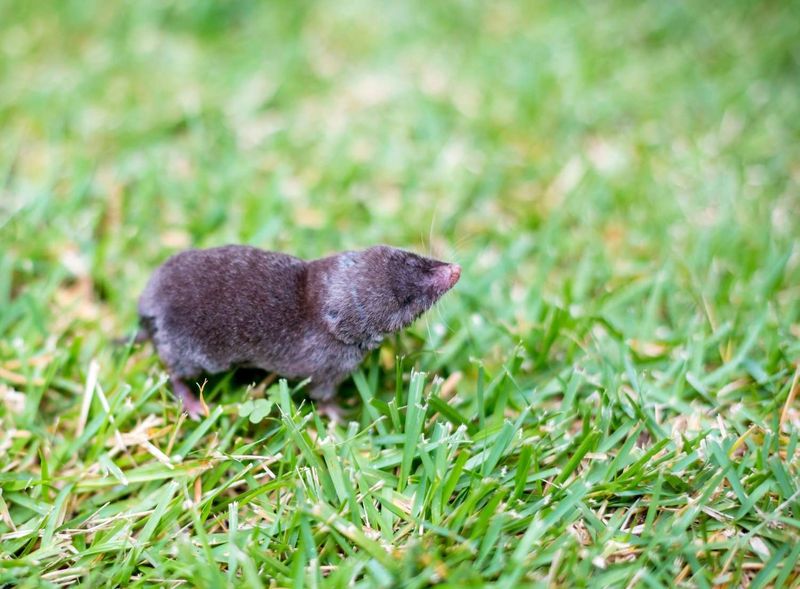
Guilty as charged, I used to blame every hole in my lawn on something terrible. Then I learned that one of the busiest pest hunters in the yard might be a shrew.
These little animals burn energy at an amazing rate. Researchers have found they eat about their own body weight or more each day. That means a constant hunt for food from dusk to dawn and beyond.
The menu is full of garden troublemakers. Beetle grubs, slugs, snails, caterpillars, and many insects are high on the list. They will also eat earthworms, centipedes, and sometimes small mice.
For a vegetable gardener, that’s a pretty helpful neighbor. Slugs that chew holes in lettuce and grubs that weaken lawn roots both become shrew snacks. You get free pest control without spraying anything.
Shrews also churn the top layer of soil as they tunnel. That movement can help air and water reach plant roots, though the effect is small.
Plants are not really on the menu. Shrews may nibble seeds now and then, but they are mostly meat eaters. So if your tulip bulbs vanish, the likely culprit is a vole or squirrel instead.
Tiny Eyes and Echolocation Keep Them Hidden Underground
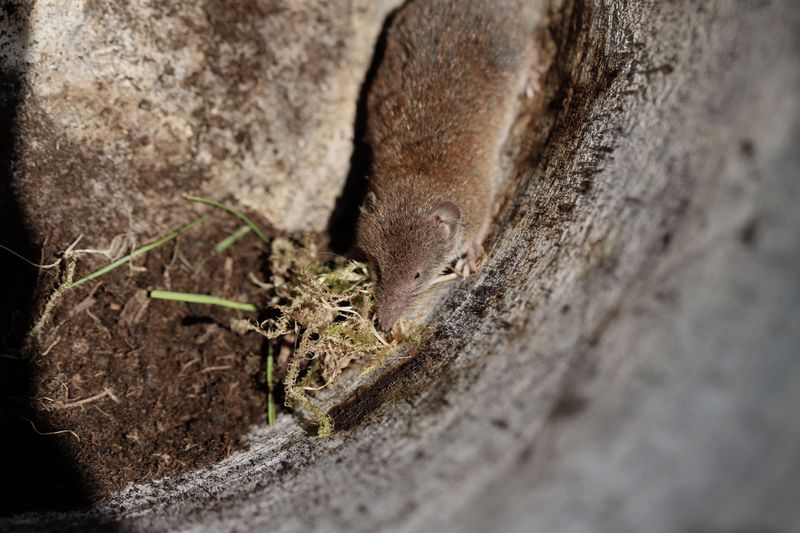
Bats are famous for using sound to find their way. Few people know a backyard shrew does something similar.
Northern short-tailed shrews have very poor eyesight. Their eyes are so small they almost disappear in their fur. To get around, they rely on touch from sensitive whiskers, a strong sense of smell, and soft clicking sounds.
Scientists have found these shrews make high-pitched pulses and listen for echoes. It’s a simple form of echolocation that helps them sense their surroundings in dark tunnels and thick leaves. They likely use it more for exploring than hunting.
Much of their life happens below or just under the surface. They dig tunnels in loose soil and borrow paths made by moles and voles. Nests of shredded grass and leaves sit tucked under logs, rocks, or roots.
That hidden lifestyle explains why they are so rarely seen. They’re active day and night in short bursts, but they almost never stray into open space where hawks, owls, and snakes can spot them.
Don’t laugh, but I now pause before raking certain corners of my yard. Somewhere under there, a little sound-clicking explorer is going about its business.
Leafy Beds and Woodpiles Make Shrew Hideouts Irresistible
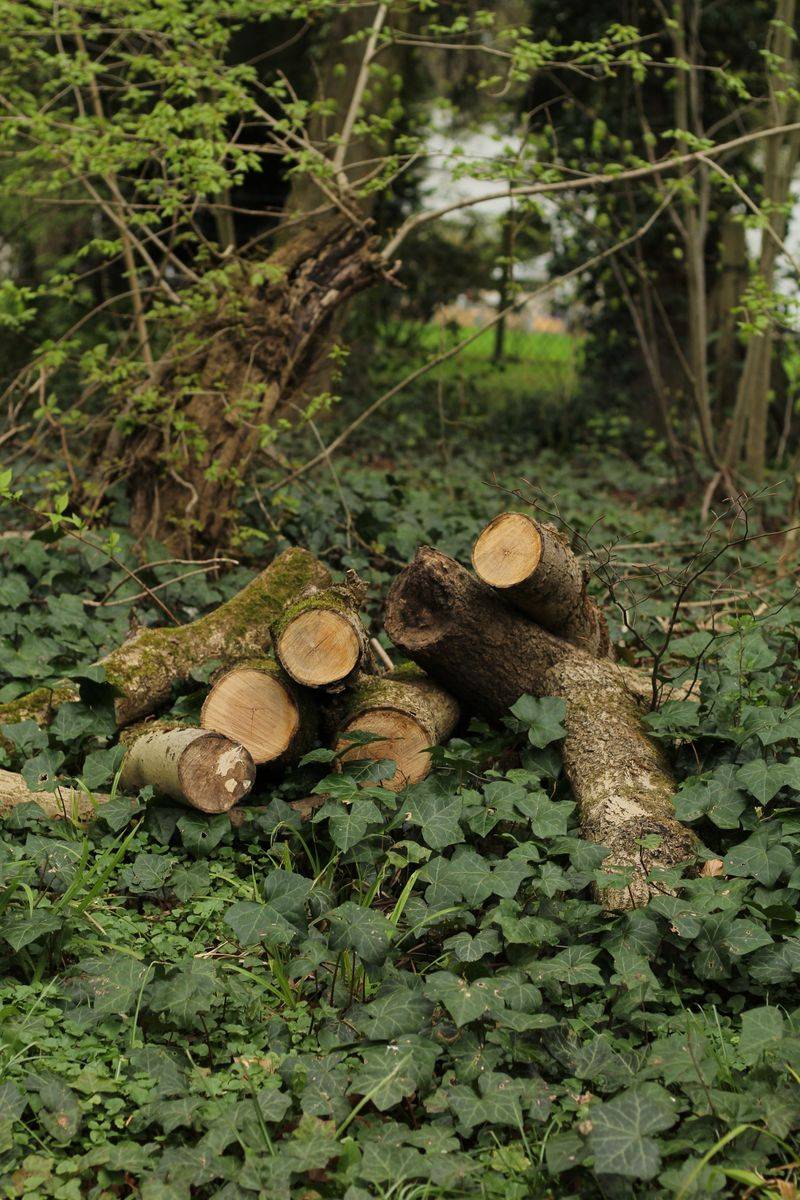
Messy corners are prime real estate for shrews. If your yard has thick mulch, fallen leaves, brush piles, or stacked firewood, you’ve probably got tenants.
These shrews like moist, shady spots with lots of cover. Woodland edges, hedgerows, and overgrown flower beds suit them well. Lawns cut short with little cover attract fewer of them.
Across the state, they show up from the western mountains to the Eastern Shore. Suburban yards near woods or streams are especially good habitat. Even small city gardens can hold a few if there’s enough leafy shelter.
Want to welcome them? Leave some leaves under shrubs in fall rather than bagging every one. Native plants like ferns, wild ginger, and asters add shade and attract insects for shrews to eat.
A simple log or rock pile in a back corner gives them a safe place to nest. Skipping broad pesticide use helps too, since it keeps their food supply healthy.
If you’d rather keep them out of a shed or garage, seal gaps around doors and foundations. Shrews sometimes wander indoors in fall, but they rarely stay long without steady food.
Winter Shrews Stash Paralyzed Worms for Later
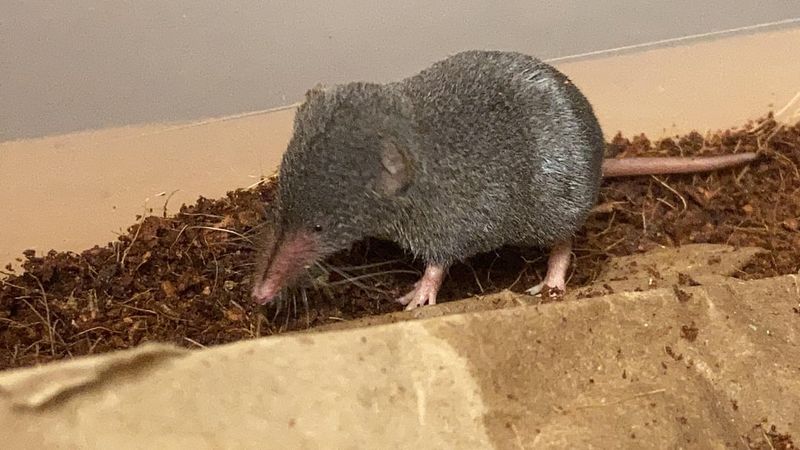
Many backyard animals slow down when the cold arrives. Shrews keep going all winter, which is pretty remarkable for an animal weighing less than an ounce.
They don’t hibernate. Instead, they stay active under snow and leaf litter, where temperatures are milder than in open air. Their tunnels give them shelter from wind and predators.
Winter hunger is a real challenge for them. Studies show these shrews eat more food in cold months to stay warm. They also grow thicker fur to hold in body heat.
Here’s the clever part. A shrew can bite earthworms, beetles, or snails and store them, paralyzed but still alive, in underground chambers. The venom keeps the food fresh until the shrew is ready to eat it.
Gardeners sometimes find these food caches while digging in late fall or early spring. A cluster of motionless worms tucked under a board could be a shrew’s pantry.
You can help winter shrews by leaving leaves in planting beds and keeping a few brush piles in place. That cover holds insects and gives shrews a cozy place to ride out freezing Maryland nights.
Spotting a Shrew Means Your Backyard Is Doing Something Right
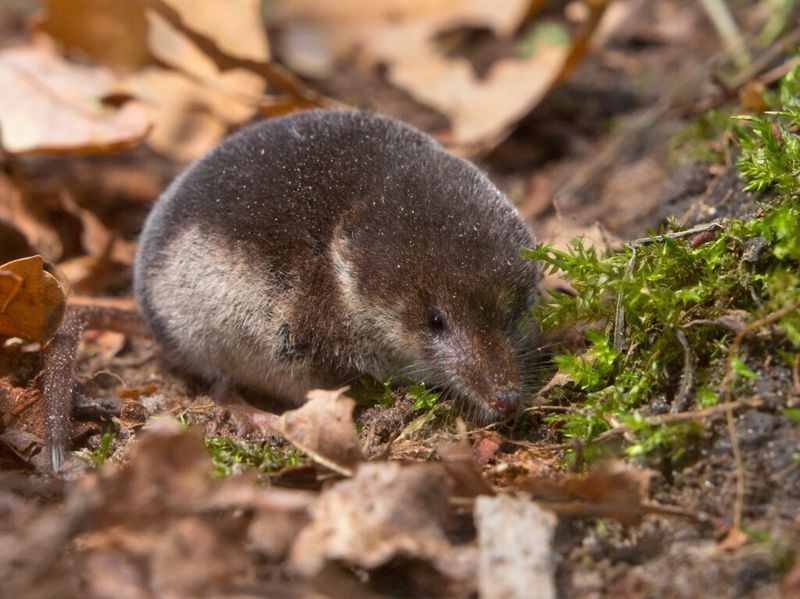
Finding a shrew in your yard is worth a small celebration. It usually means your garden has healthy soil, plenty of insects, and good places to hide.
These animals sit in the middle of the backyard food web. They eat pests, and in turn they feed owls, hawks, foxes, and snakes. Without them, that whole chain gets a little weaker.
So the best plan is mostly to leave them be. Avoid traps and poisons, which can harm pets and other wildlife, too. Rodent bait is especially risky for owls and hawks that eat small mammals.
If one ends up indoors, open a door and give it a quiet path out. Or guide it gently into a box with gloves and release it outside near cover.
Keep a little wildness in your yard as well. A leaf-filled bed, a log pile, and some native plants go a long way. Your garden gets help with slugs and grubs in return.
I’ll say this much, I look at my mulch differently now. That tiny gray blur isn’t a pest to chase off. It’s a venomous, clicking, worm-hoarding helper, and it’s been on my side all along.