The Fall Habit That Leaves Maryland Hydrangeas Green but Flowerless Next Summer
Next summer’s flowers are already sitting inside the stems of some shrubs by late summer. Tiny, tucked away, and easy to snip off with one confident cut.
I learned the hard way that a neat fall yard can cost you a whole season of color. My plant came back lush, leafy, and stubbornly bare. I blamed the winter, then the deer, then the soil.
Guilty as charged, though. The real problem was me and my pruners on a crisp October afternoon in Maryland. I thought I was helping the shrub get ready for winter.
Here’s what gets me now. Plenty of gardeners repeat that same tidy-up every year and wonder why their neighbors get big blue mopheads while they get a green bush. Could your favorite fall chore be the reason those blooms keep skipping town?
Those Hydrangea Stems Are Hiding Something Valuable by Fall
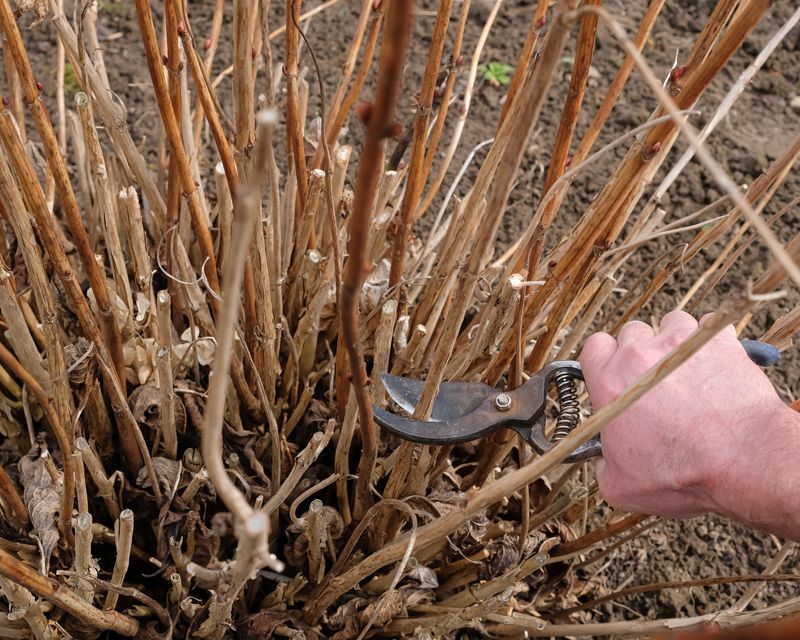
Grab a bigleaf hydrangea stem in October and look closely at the tip. That fat, rounded bud at the end is not just a leaf waiting for spring. For many hydrangeas, it holds next summer’s flower.
Bigleaf hydrangeas, the classic mopheads and lacecaps, form their flower buds on stems that grew earlier in the same year. Gardeners call this old wood. The buds usually set in late summer and early fall, then wait quietly through winter.
So when you cut those stems back in fall, you remove the flowers before they ever had a chance. The plant stays healthy and pushes out plenty of leaves in spring. It just has nothing left to bloom with.
That is why the result looks so confusing. A pruned shrub often looks greener and fuller than ever, which makes it hard to suspect the pruners. Many folks keep trimming, keep getting leaves, and keep scratching their heads.
University of Maryland Extension points to improper pruning as a top reason bigleaf types fail to bloom. Late frosts and harsh winters can play a part too. Still, the fall haircut is the habit you can fix first, and it costs nothing to stop.
Put Down the Pruners on Bigleaf Mopheads After Summer
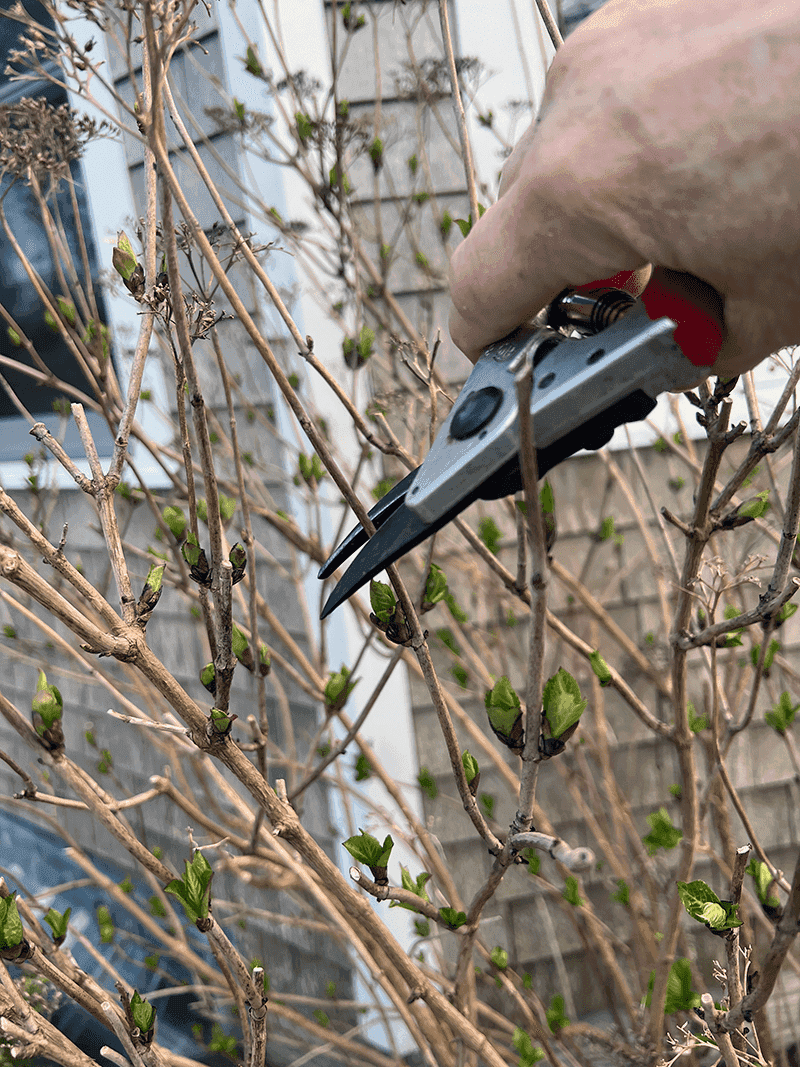
Trust me, the fix is simpler than you expect. For old-wood hydrangeas, the best time to prune is soon after the flowers fade in summer. In most of the state, that window runs from late June into July.
Pruning then gives the shrub time to grow new stems and set fresh buds before fall. Once August arrives, the plant is already building next year’s show. Any heavy cut after that point starts removing flowers.
What should you actually do? Snip off spent blooms just above the first healthy pair of leaves or buds. Remove a few of the oldest, weakest stems at the base if the shrub feels crowded.
Skip the big all-over shearing. Bigleaf hydrangeas rarely need it, and they look more natural when left loose and rounded. If a shrub is simply too big for its spot, moving it or choosing a compact variety works better than repeated hard cuts.
A quick rule helps here. If it is fall and the hydrangea has mophead or lacecap flowers, let it be. Your only fall job is enjoying the fading color and maybe watering during a dry spell before the ground freezes.
Panicle and Smooth Hydrangeas Play by Different Rules
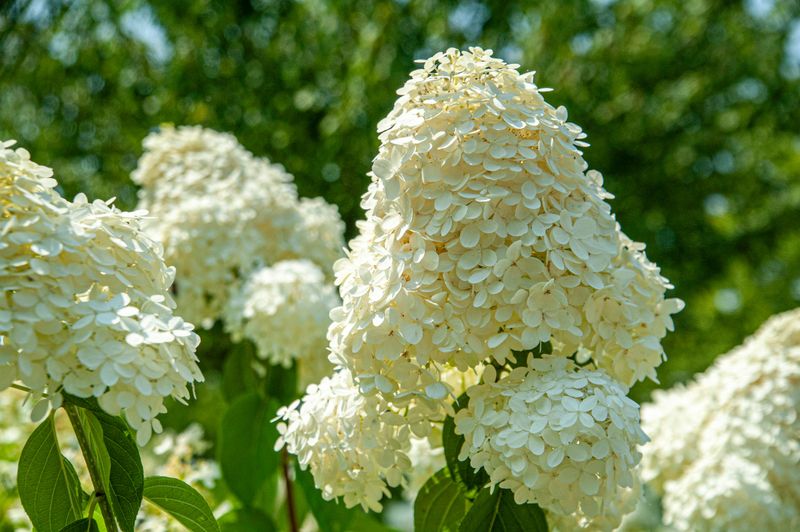
Not every hydrangea is so touchy. Panicle hydrangeas and smooth hydrangeas bloom on new wood, meaning they make flower buds on stems that grow in spring. Cutting them in late winter will not cost you blooms.
Panicle types, like Limelight or Quick Fire, have cone-shaped flower clusters. Smooth types, like the popular Annabelle, produce big round white heads. Smooth hydrangea is also native to Maryland and much of the eastern United States.
Fun fact: Annabelle was found growing wild in Anna, Illinois, which inspired its sweet name. It handles a hard spring cut and still blooms that same summer.
Even so, late winter or early spring is the preferred time to prune these shrubs, not fall. Leaving stems standing over winter adds structure, and the dried flowers look lovely with frost on them. Smooth hydrangea stems can be cut down low, while panicle types do best trimmed back by about a third.
So if your yard has a mix, take a moment before you prune. Two hydrangeas side by side can need opposite timing. Treating them all the same is how one shrub thrives while its neighbor skips a season.
Oakleaf Hydrangeas Want to Be Left Alone Too
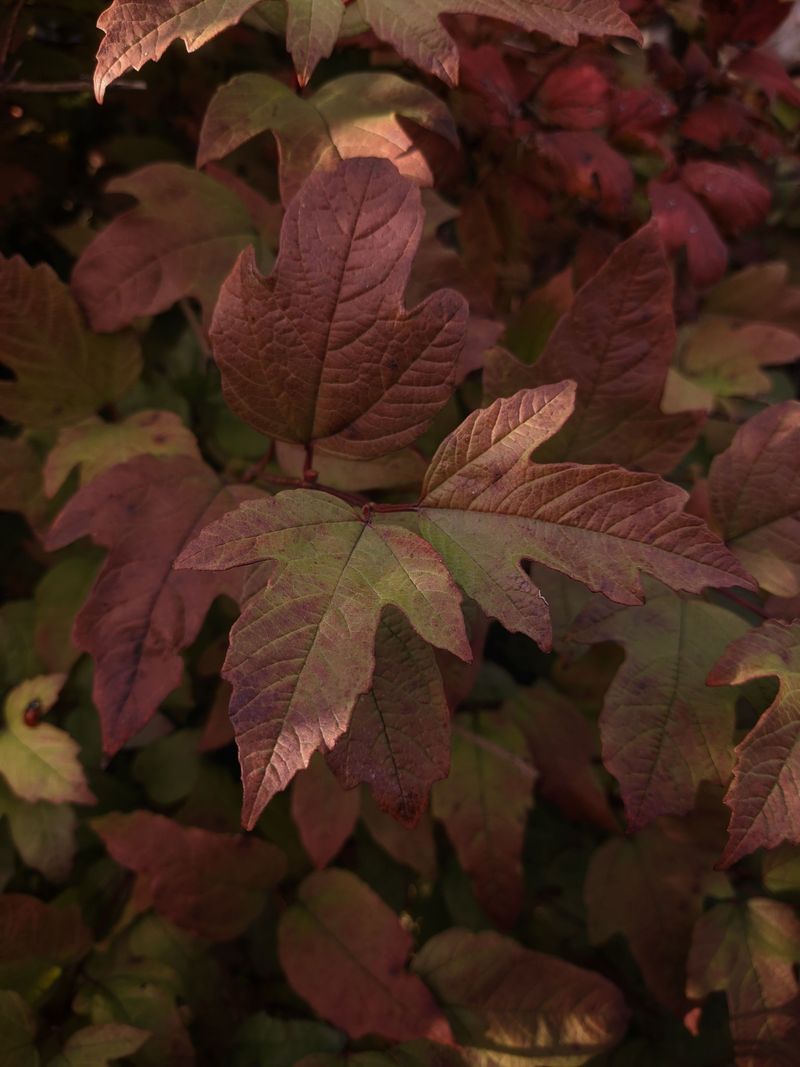
I’m a sucker for oakleaf hydrangeas in October. Their big lobed leaves turn wine red and burgundy, and the papery flower clusters hang on like souvenirs. Cutting them back in fall would erase both the color and next year’s blooms.
Oakleaf hydrangea blooms on old wood, just like the bigleaf types. Its flower buds form during the summer and early fall on that year’s stems. A fall trim removes them in the same way.
Here’s a bonus most people miss. This shrub is native to the Southeast and handles Maryland’s climate well, often with fewer bloom problems than bigleaf types because its buds tend to be tougher in cold weather.
Oakleaf hydrangeas rarely need much pruning at all. Their shape develops naturally, and the peeling cinnamon bark looks great in winter once the leaves drop. If something needs shaping, do it right after summer flowering ends.
Planting one gives you four seasons of interest with little effort. Spring brings fresh leaves, summer brings white cones, fall brings red foliage, and winter shows off the bark. Just keep the shears in the shed after midsummer, and it will reward your patience.
Those Dried Mophead Flower Heads Earn Their Keep All Winter
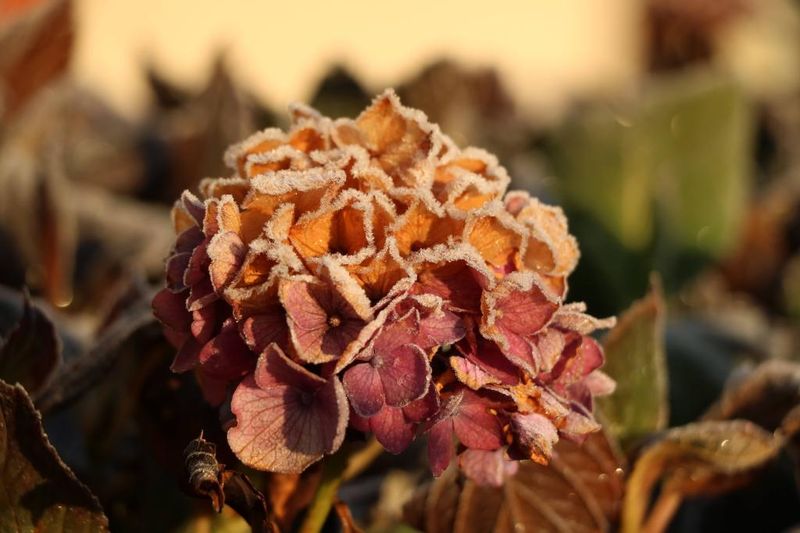
Call me lazy, but leaving spent mopheads on through winter is one of my favorite garden habits. Those papery heads turn tan, rose, or dusty purple, and they catch frost beautifully. They also do a small job for the plant.
Many gardeners and extension experts suggest leaving the old flower heads in place until spring. They may offer a little shelter for the buds just below them. At the very least, they remind you not to cut too far down.
Spring is the time to tidy up. Once new leaves start showing, snip off the old heads just above the first plump, healthy buds. You can see clearly which stems made it through winter and which did not.
Stems with no green buds by mid to late spring can be cut back to the base. Scratch the bark with a fingernail first, though. Green underneath means the stem is still alive and may leaf out later.
One caution matters here. Do not rush this job on the first warm day of March. Waiting until the swelling buds are easy to spot keeps you from removing the very flowers you protected all winter.
Late Spring Frost Can Zap Hydrangea Buds You Saved
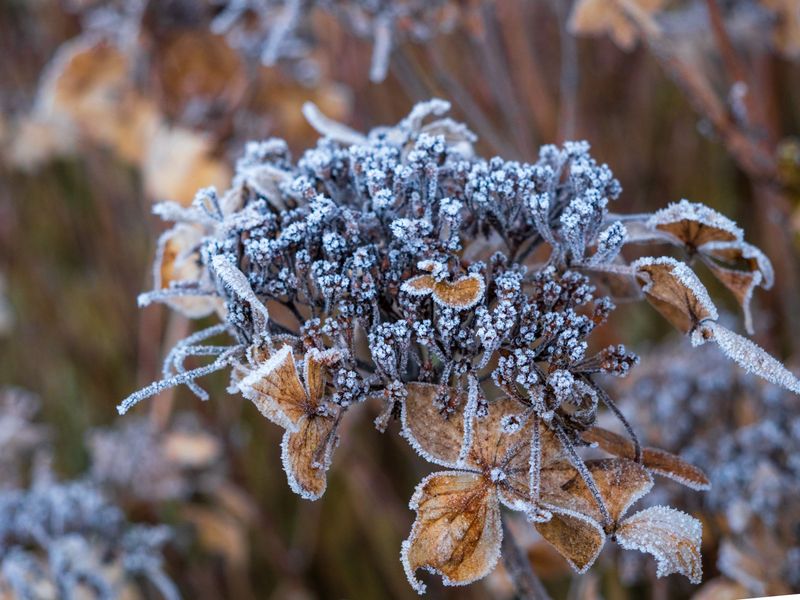
I didn’t see this one coming the first time. I skipped fall pruning, felt proud, and still got a mostly green shrub. A cold snap in April had browned the tender new growth right when the buds woke up.
Bigleaf hydrangea buds can handle winter fairly well while dormant. Trouble starts when a warm spell pushes them to swell, and then a hard freeze follows. Damaged buds may turn brown or black and fail to open.
Maryland stretches from USDA zone 5b in the western mountains to 8a on parts of the Eastern Shore. Garrett County gardeners face much colder winters and later frosts than folks near the Chesapeake Bay. Where you live changes your risk a lot.
On frosty spring nights, cover the shrub with an old sheet or frost cloth, keeping it off the leaves if possible. Remove it in the morning. Planting in a spot sheltered from harsh winds helps too.
Reblooming varieties, like the Endless Summer series, offer some insurance. They flower on both old and new wood, so a frosty spring may not wipe the slate clean. You still get some color later in the season.
Lawn Fertilizer and Deep Shade Can Keep a Hydrangea Leafy
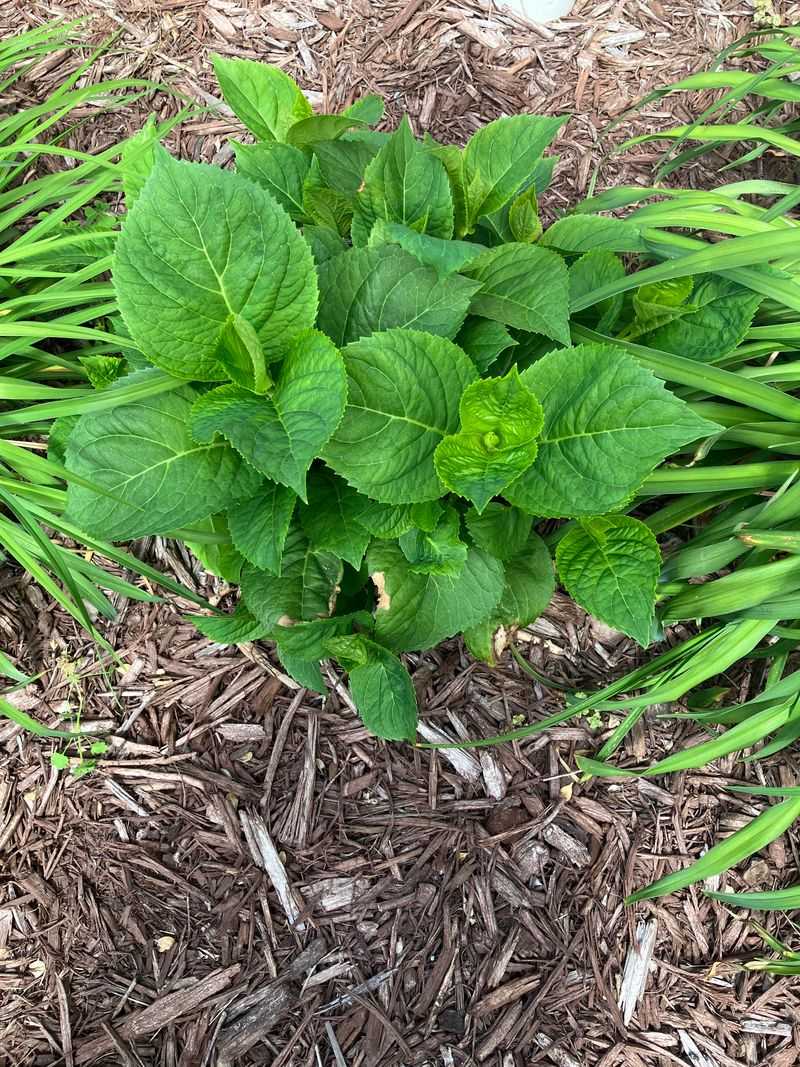
Fertilizer feels like a kindness, right? Not always. Too much nitrogen pushes hydrangeas to grow lots of leaves while putting fewer resources into blooms.
Shrubs planted right next to a heavily fed lawn often soak up that extra nitrogen. The result is a big, glossy plant with few flowers. A soil test from a lab can show what your bed actually needs before you add anything.
Maryland also has a lawn fertilizer law that limits when and how much nitrogen homeowners can apply. Applications are not allowed between mid-November and March 1. Following those rules helps your hydrangeas and the Chesapeake Bay at the same time.
Light matters as well. Bigleaf hydrangeas bloom best with morning sun and afternoon shade. Deep, all-day shade under maturing trees can slowly reduce flowering, even if nothing else changes.
Water stress plays a role too, especially during dry summers when buds are forming. A deep soaking once or twice a week during droughts helps. A layer of shredded bark mulch, two to three inches deep, keeps roots cooler and moisture steadier. Small adjustments like these often bring back blooms that pruning alone cannot explain.
Learn Which Hydrangea You Own Before Next Fall Arrives
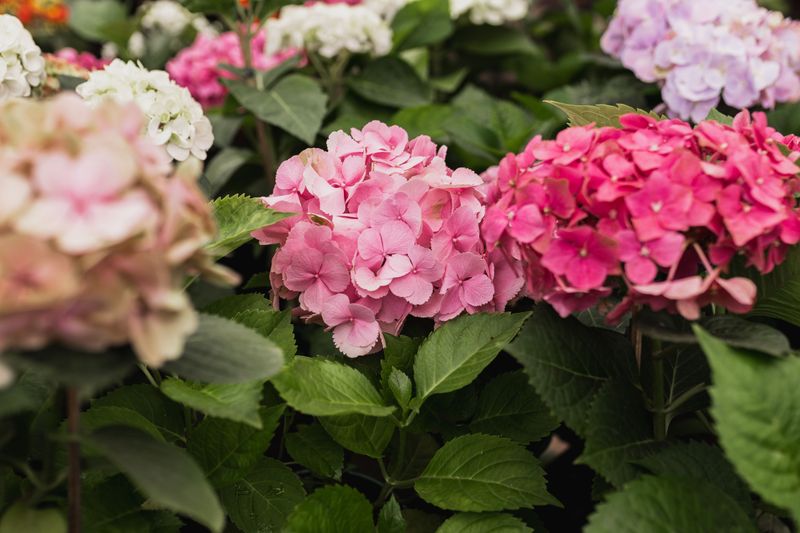
Here’s my favorite takeaway. Once you know which hydrangea you have, the pruning puzzle mostly solves itself. A little detective work this summer can save next year’s flowers.
Start with the blooms. Round mopheads or flat lacecaps in blue or pink usually mean bigleaf. Cone shapes point to panicle, round white balls often mean smooth, and oak-shaped leaves give away oakleaf.
Still unsure? Snap a photo and bring it to a local garden center or your county University of Maryland Extension office. Their Master Gardeners love these questions and can help for free.
Write the type and its timing on a plant tag or in your phone. Something like “Bigleaf, prune by July” or “Panicle, prune in March” does the trick. Future you will be grateful when fall cleanup fever strikes.
If your shrub skipped this year, don’t panic. It will usually bounce back once the buds are left alone through one full cycle. Be patient, skip the fall trim, and watch those stem tips swell. Next summer could look a whole lot more colorful than this one.