The Real Reason Ants Show Up On Your Maryland Peonies Year After Year
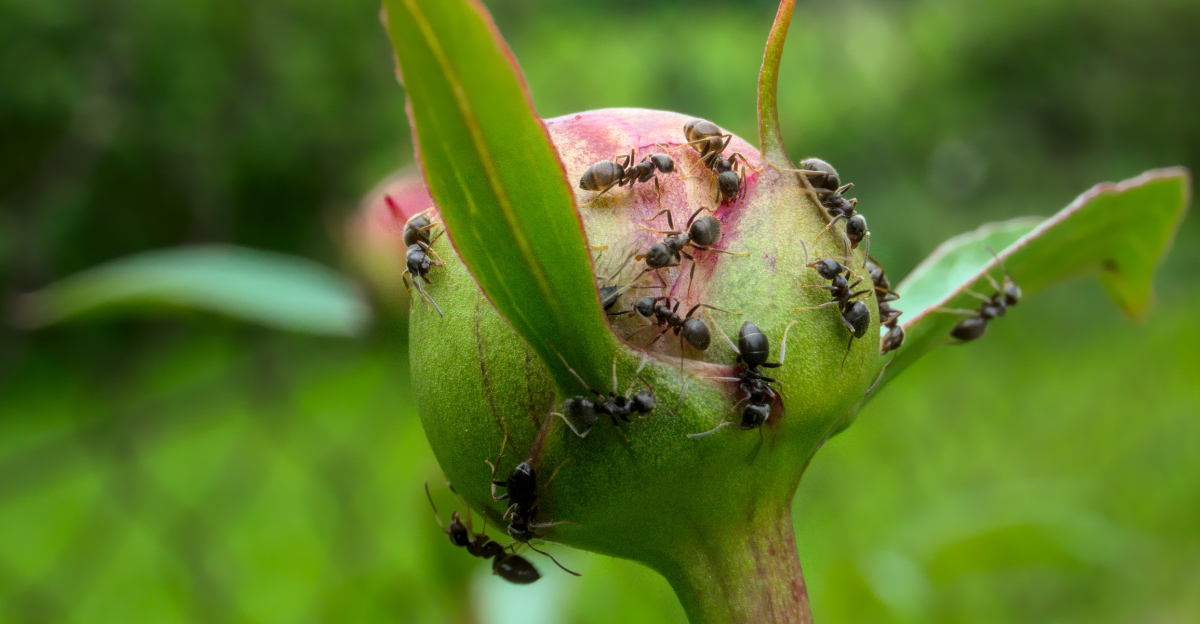
Something crawls across your peony buds each spring, unsettling you. Ants swarm your sticky buds like they own your garden. Maryland gardeners near you watch this happen and wonder why.
Curiosity pulls you toward answers you do not yet have. Nobody tells you why this pattern keeps repeating every year. Hidden signals draw you in, though you cannot see why.
Workers arrive by the dozens, drawn to something you still cannot see. Scientists call this relationship mutualism, and you are watching it unfold. Guardians form quickly, protecting your fragile buds from threats you never notice.
Meanwhile, your instinct to intervene might undo something valuable. Understanding this exchange changes how you see your own garden.
Summer in Maryland depends on this careful partnership, and so does your garden. Every detail here proves how precise your garden truly is. You now hold the reason those ants deserve your patience, not your suspicion.
Why Ants Are Drawn To Peony Buds
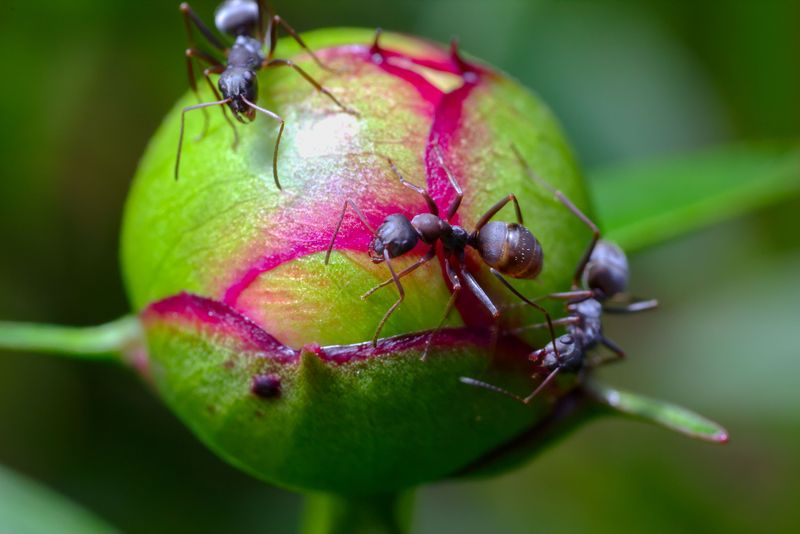
Ants do not show up by accident. Peony buds produce a sticky, sugary liquid that ants can smell from surprisingly far away.
That liquid is called extrafloral nectar. Peonies release it through tiny glands on their bud scales before the flowers even open.
Ants pick up the scent fast. Worker ants leave chemical trails that guide their whole colony straight to the source.
This is why you see them in such large numbers. One ant finds the bud, and dozens follow within hours.
Maryland gardens tend to be especially active in late spring, when peony buds are swelling and releasing nectar.
The timing is not random. Peonies evolved to produce nectar at a very specific growth stage, and ants evolved to respond to it just as precisely.
Gardeners sometimes panic when they see the swarm. But understanding what drives ants to your peonies changes everything about how you respond.
The ants are not eating the flower. They are feeding on a reward the plant intentionally offers to attract them.
This behavior has likely been happening in gardens for generations, long before science explained why.
Knowing why ants show up on your Maryland peonies year after year is the first step. What they do once they arrive is even more interesting.
The Sweet Nectar Behind The Attraction
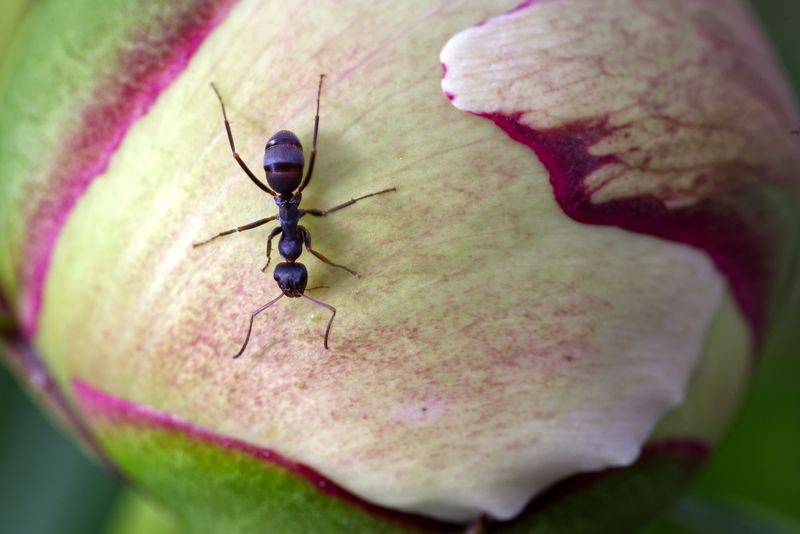
Sticky and sweet, extrafloral nectar is the central factor in this story. Peonies produce it specifically outside their flowers, not inside like most plants do. Most people think nectar only exists inside blooms. Peonies break that rule in a bold way.
The nectar glands on peony buds are called nectaries. They sit right on the outer bud scales and ooze a sugary substance that ants find highly attractive.
Scientists have studied this nectar closely. It contains sugars, amino acids, and other compounds that serve as high-energy food for ant colonies.
Ants need carbohydrates to fuel their constant movement. Peony nectar delivers exactly what they need in a convenient, easy-to-access spot.
Worker ants carry this energy back to the nest. The whole colony benefits from the discovery of a single peony plant.
Your Maryland Garden Changes Every Week. Your Plan Should Too.
Gardening in Maryland changes quickly throughout the season. Every Friday you’ll receive a simple weekly plan showing exactly what to plant, prune, fertilize, harvest, and protect so you never miss the right timing.
Maryland peonies often begin producing nectar in mid-to-late spring, depending on the season. By the time the buds are fat and round, the nectar flow tends to be at its peak.
You might notice a faint sheen on the bud surface. That glossy look is the nectar catching sunlight before ants have a chance to lap it up.
The plant does not produce this nectar by mistake. There is a biological purpose behind every drop, and it connects directly to how peonies protect themselves.
Understanding the nectar is key to understanding the whole relationship. The ants are not freeloaders; they are responding to a signal the plant sends on purpose.
Is This Relationship Helpful Or Harmful
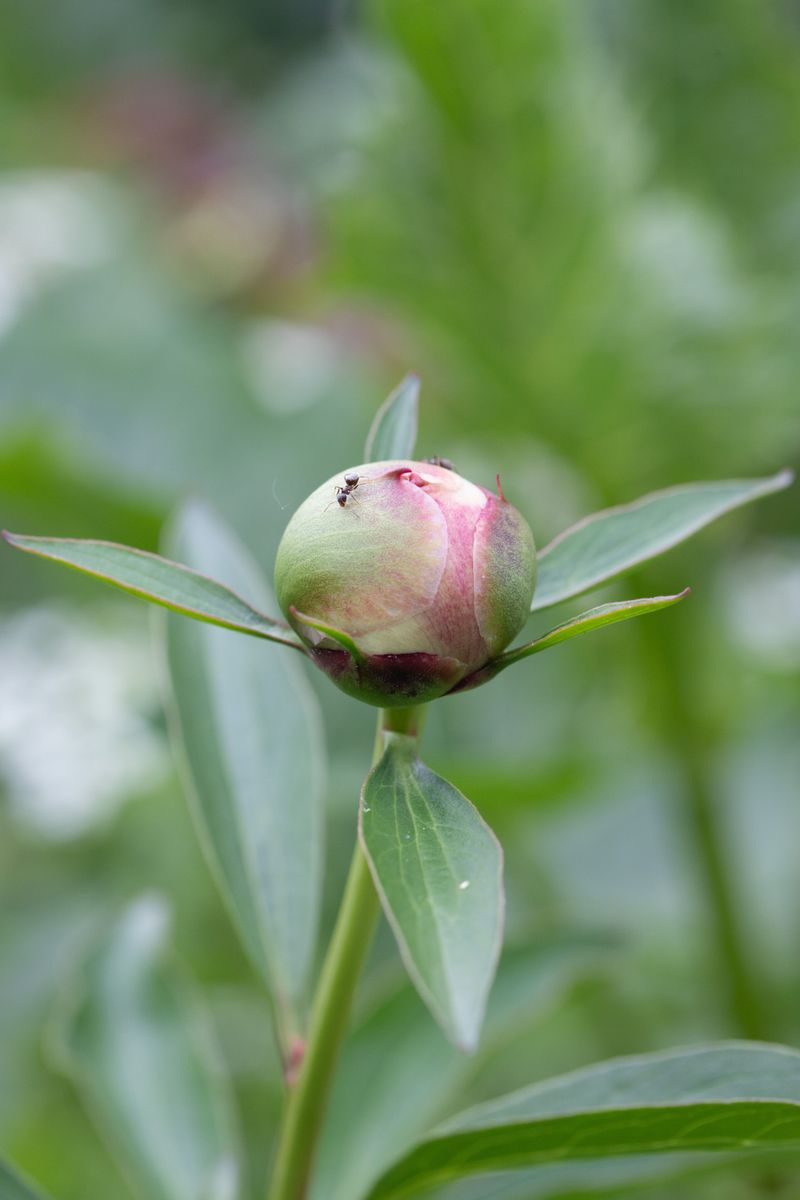
Here is a question most gardeners ask at least once: are ants actually doing anything good for my peonies? The short answer is yes, but with some important nuance.
Ants act as informal bodyguards for peony buds. Their presence on the bud surface discourages soft-bodied pests like aphids and thrips from moving in.
Predatory insects tend to avoid plants that are already crawling with ants. Ants are aggressive defenders of their food source, and other bugs know it.
Gardeners often observe that peonies with ants present have fewer pest problems. The protection is not perfect, but it is real and measurable.
However, ants do not help peonies bloom. That old myth about ants being required to open the flowers has been debunked by horticulturalists.
Peonies open just fine without any ant involvement. The blooming process is triggered by warmth and plant hormones, not by insect activity.
So the relationship is mostly one-sided in the plant’s favor. Peonies attract ants for protection, while ants get a reliable food source in return.
Both sides benefit, which makes this what biologists call a mutualistic relationship. Neither species needs the other to survive, but both gain something useful.
For Maryland gardeners, the takeaway is simple. Ants on your peonies are a sign that your plants are healthy and doing exactly what they are supposed to do.
Letting the relationship play out naturally is almost always the right call. Your blooms will thank you for it.
What Happens If You Remove The Ants
Shaking ants off your peonies might feel satisfying. But before you do it, you should know what you might be giving up.
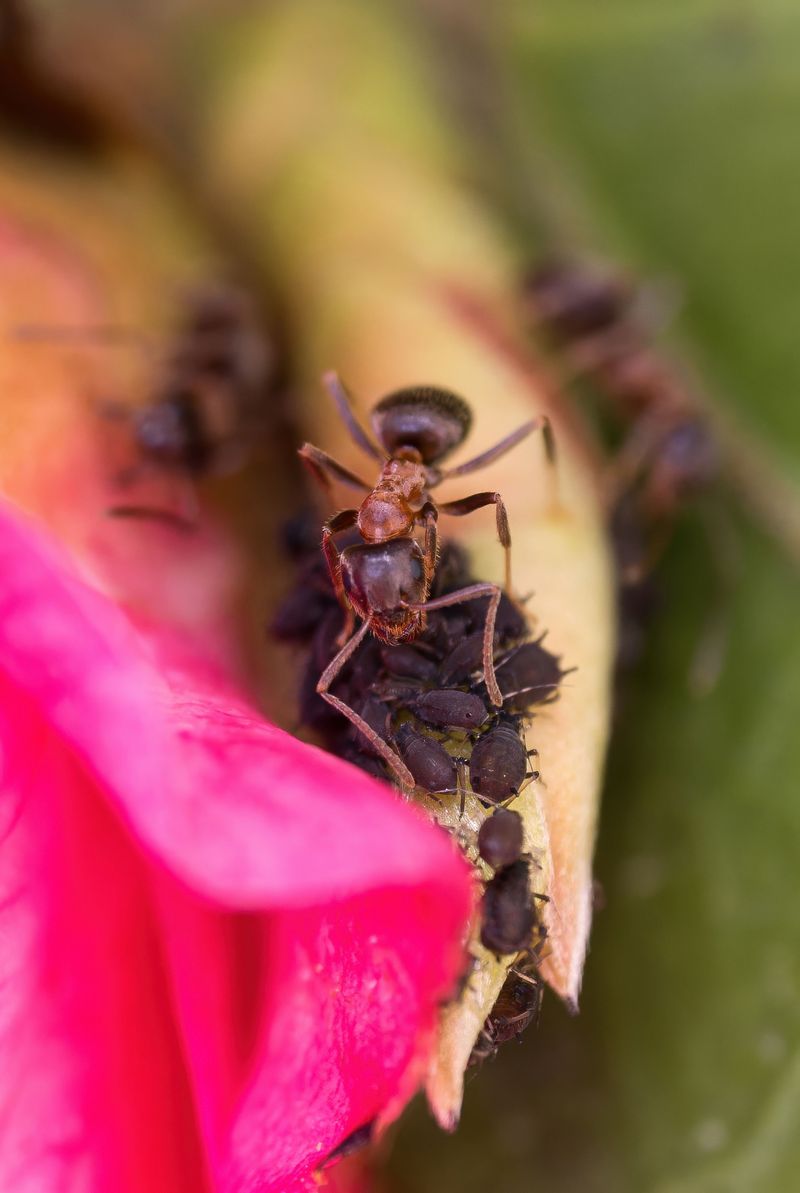
Removing ants from peony buds takes away the plant’s natural pest patrol. Without ants present, soft-bodied insects have an easier time settling in.
Aphids especially love peony buds. They can cause real damage to developing flowers if left unchecked.
Ants that are allowed to stay actually keep aphid populations lower. Their presence alone is often enough to prevent a full-blown infestation.
If you plan to bring cut peonies indoors, removing ants is understandable. Nobody wants ants crawling across their kitchen counter.
The best approach is to cut the stems and gently shake the blooms outside. Most ants will drop off on their own when disturbed.
You can also place freshly cut stems in a bucket of cool water outside for ten minutes. Ants will leave the flower to avoid the moisture.
Never spray pesticides on peony buds to chase off ants. Chemical sprays can harm pollinators and disrupt the plant’s natural defenses.
Pesticides also leave residue on the flower petals. That residue can prevent bees and butterflies from visiting your garden safely.
Removing ants temporarily is fine for indoor arrangements. But leaving them alone outdoors is almost always the smarter gardening choice for healthier Maryland peonies year after year.
Common Myths About Peonies And Ants
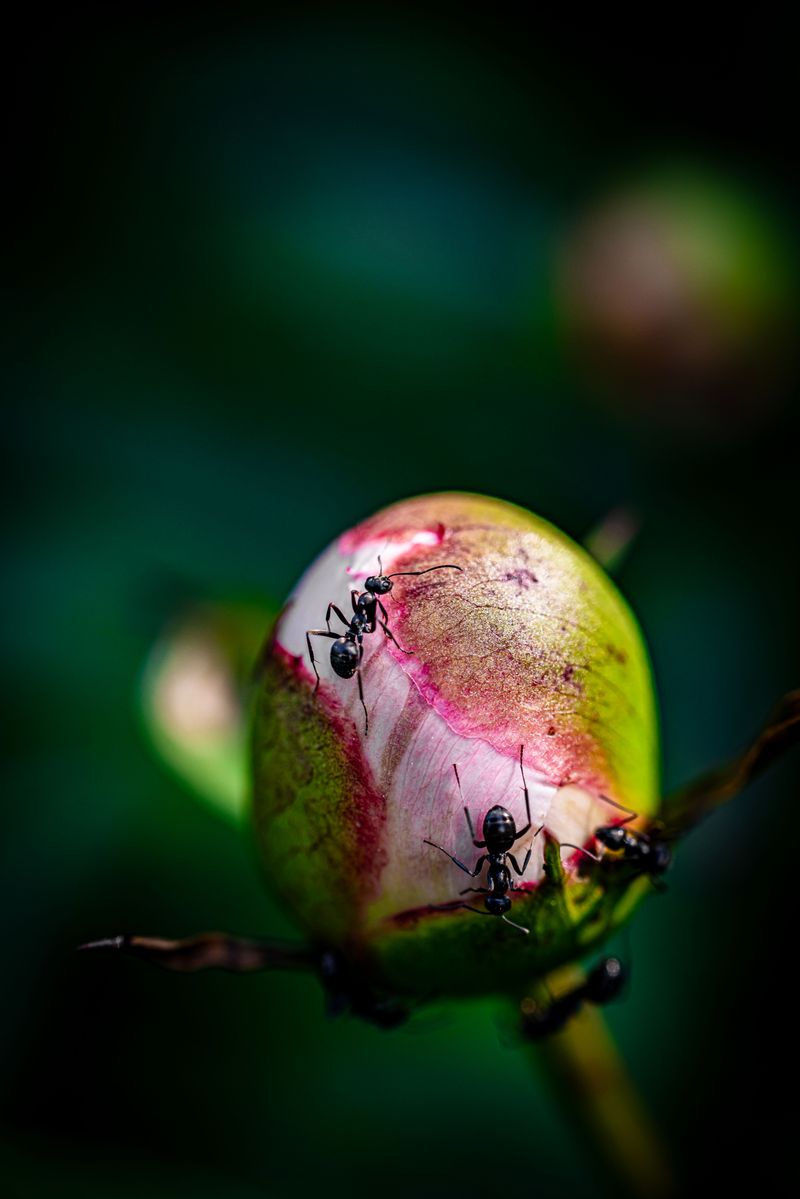
Few garden myths are as persistent as the ones surrounding ants and peonies. Let’s clear up the most common ones right now.
Myth one: peonies need ants to bloom. This is completely false. Peonies open through hormonal and environmental triggers, not insect help.
You can grow peonies in an ant-free greenhouse and they will bloom just as beautifully. The ant connection is about nectar, not blooming.
Myth two: ants damage peony flowers. Also false. Ants do not chew on petals or stems in any meaningful way.
They are after nectar only. Once the nectar stops flowing, the ants move on without leaving any visible damage behind.
Myth three: ants spread disease to peonies. No solid evidence supports this claim. Ants are not known carriers of the fungal or bacterial diseases that affect peonies.
Botrytis blight, a common peony disease in humid climates like Maryland’s, spreads through moisture and spores, not through ant activity.
Myth four: you should always remove ants before the flowers open. Unnecessary and potentially counterproductive, as we covered in the previous section.
Myth five: more ants means a healthier peony. Not exactly. More ants simply means more nectar is being produced, which reflects the bud’s development stage.
Separating fact from fiction helps you make smarter choices in your garden. Good information grows better flowers, and better flowers make for a happier Maryland yard every single season.
How To Keep Peonies Healthy All Summer
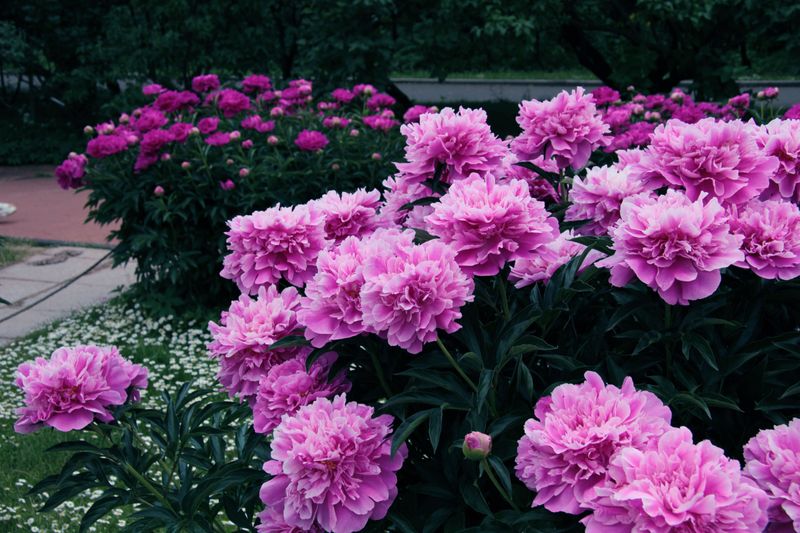
Healthy peonies start with the right foundation. Good soil, proper spacing, and smart watering habits make all the difference from spring through summer.
Plant peonies in well-drained soil with plenty of organic matter. Soggy roots are a leading cause of a struggling plant.
Full sun is non-negotiable for strong blooms. Aim for at least six hours of direct sunlight each day throughout the growing season.
Water at the base of the plant, never overhead. Wet foliage invites fungal problems, especially in Maryland’s humid summer months.
Mulch around the base helps retain moisture and regulate soil temperature. Keep mulch a few inches away from the crown to prevent rot.
Remove spent blooms promptly after flowering ends. Removing old flowers redirects the plant’s energy toward root development for next year.
Fertilize lightly in early spring with a low-nitrogen blend. Too much nitrogen pushes leafy growth at the expense of flowers.
Watch for signs of botrytis blight, which appears as gray fuzzy spots on stems and buds. Remove affected parts immediately and improve air circulation around the plant.
Divide overcrowded clumps roughly every seven to ten years, or when blooms start to decline. Overcrowding reduces bloom production and weakens the plant over time.
Supporting your peonies with simple wire cages keeps heavy blooms from flopping over. Fallen flowers trap moisture and invite disease.
With consistent care, your Maryland peonies will reward you year after year with vibrant, ant-covered blooms.