8 Venomous Animals Hiding on Colorado Trails and Around Homes This Fall
Some newborn snakes in Colorado arrive between August and October with working fangs and venom from day one. They skip the cuddly baby phase and head straight for sun-warmed rocks along trails and garden edges.
Fall also nudges plenty of smaller critters toward shelter, and our garages and woodpiles look wonderfully inviting. A few of these hidden guests pack venom strong enough to earn you an unplanned trip to urgent care.
I learned the hard way that reaching blindly under a stack of old flowerpots is a terrible habit. My hand brushed something leggy that moved faster than I did, and I yelped across the yard.
Most of these animals want nothing to do with people, yet a careless step can change that quickly. So which sneaky neighbors are tucked into your backyard and favorite Colorado hiking spots right now?
1. Black Widow Spiders Tucked Into Garages And Woodpiles
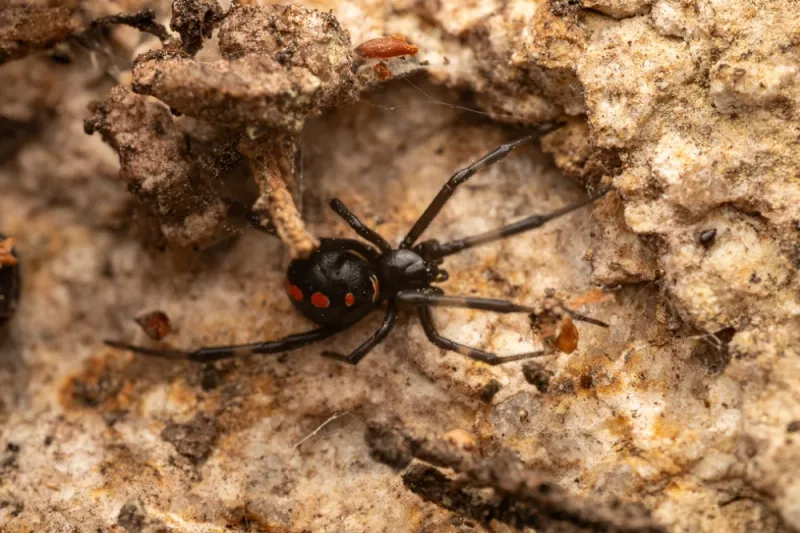
That glossy black spider with the red hourglass is a female western black widow, and she loves your garage. Her web looks messy and tangled, which is a handy clue when you spot one near the floor.
Males look quite different, with smaller bodies and red or white markings decorating the length of their abdomens. They are rarely the ones behind bites, so the shiny females deserve most of your attention here.
As nights cool, these spiders look for dark, quiet corners such as crawl spaces and the undersides of patio chairs. I once found three webs under a single stack of firewood, so now I wear gloves every time.
Their venom contains a nerve toxin called alpha-latrotoxin, which can trigger intense muscle cramps and stomach pain. Some people also feel nauseated or struggle to breathe comfortably, especially young children and older adults.
Bites mostly happen when someone presses a spider against skin, like slipping on a boot that sat outside overnight. Shake out gardening gloves and shoes before wearing them, and you avoid the most common way people get bitten.
Clearing clutter from garage floors helps a lot, since fewer hiding spots means fewer surprise encounters for you. Stack firewood away from the house and bring in only what you plan to burn that same day.
If a bite happens, wash the spot gently and call Poison Control at 1-800-222-1222 for guidance right away. Severe cramping or trouble breathing deserves a trip to the emergency room without waiting to see what happens.
2. Prairie Rattlesnakes Basking On Sunny Fall Trails
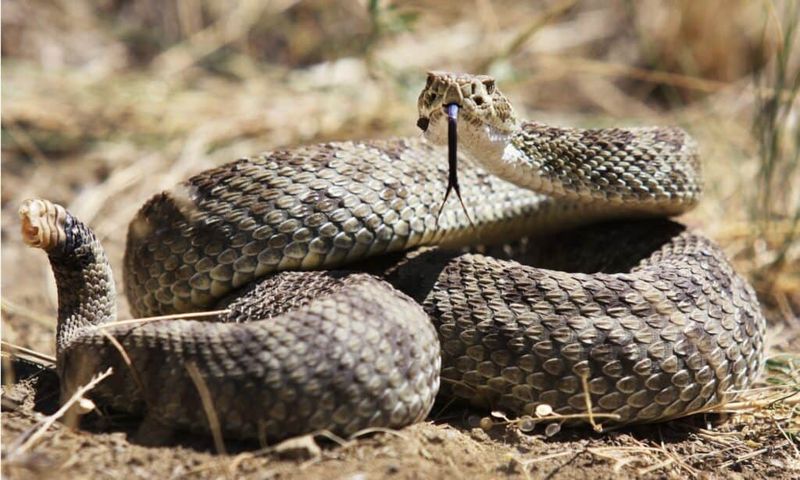
Nothing freezes your feet faster than that dry buzzing sound coming from a sunny patch of trail ahead. Prairie rattlesnakes are the most common rattlers in Colorado, and fall is prime time for meeting one.
Look for a greenish gray to brown body covered in dark blotches, with a wide triangular head. Adults often reach about three and a half feet, which feels much longer when one crosses your path.
Cool mornings push these snakes onto warm rocks and packed dirt trails, where they soak up heat. They also wander toward winter dens now, and a few occasionally slip into barns or homes along the way.
Babies are born between August and October, and those little ones can bite with real venom. I’ll admit that a foot-long baby rattler startled me more than any adult I have spotted.
Their venom causes painful swelling and bruising around the bite, so getting medical care quickly matters a lot. Skip the old snakebite tricks like cutting or sucking, and head straight to the nearest hospital instead.
Stay on open trails and watch where you place your hands when scrambling over sun-warmed rocky ledges. Keeping dogs leashed helps too, since curious noses are a common reason pets get bitten each year.
At home, trim tall grass near the house and clear rock piles where rodents and snakes like hiding. If you hear that rattle, back away slowly and give the snake plenty of room to leave.
3. Massasauga Rattlesnakes In Southeastern Sandhill Grasslands
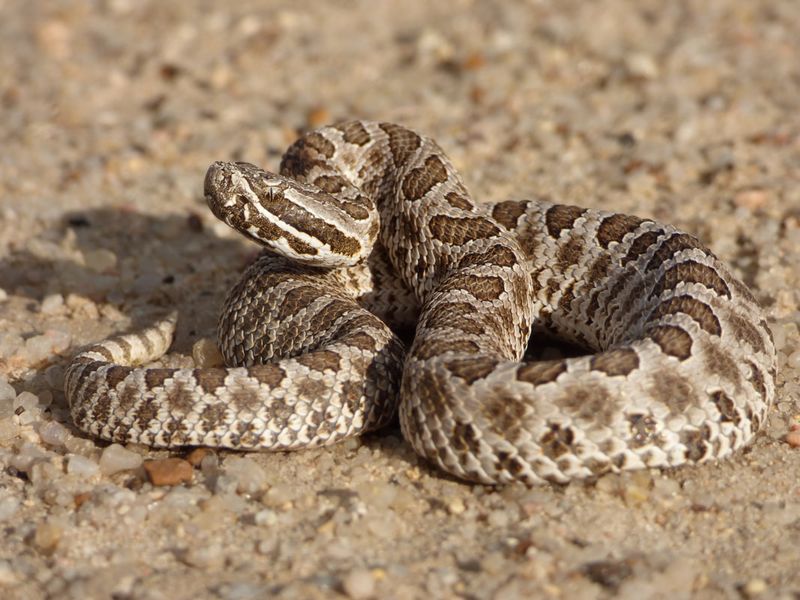
Hikers in the sandy southeast sometimes hear a buzz so high-pitched it sounds more like an insect than a snake. That tiny rattle belongs to the western massasauga, a small pit viper that earned the nickname buzztail.
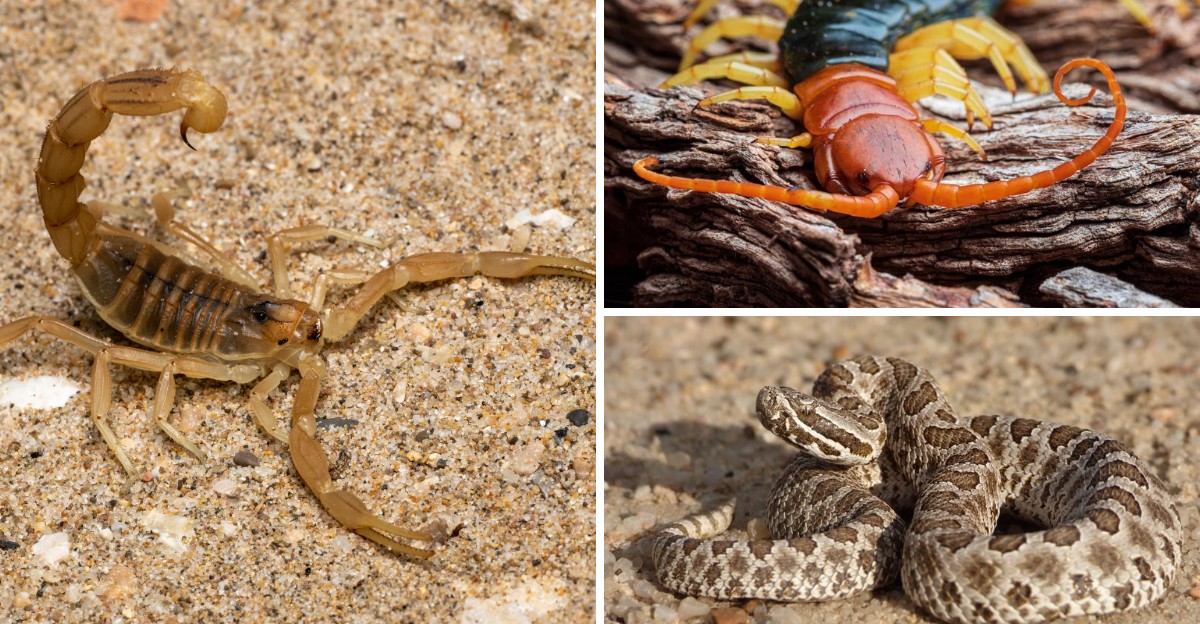
Most adults measure around fifteen inches, though a few hefty individuals stretch closer to twenty-two inches. Their light brown bodies carry dark blotches, and a dark stripe runs from each eye to the jaw.
You will find them mostly below about 5,500 feet, in dry grasslands and sandhills of southeastern Colorado. Fall activity usually happens during the day, when the sun has warmed the sand enough for comfortable movement.
By October and November, they travel to shared winter dens where many snakes ride out the cold together. I find it oddly sweet that such a secretive little viper prefers company for its long winter nap.
Their venom harms tissue and can keep blood from clotting, so any bite needs quick medical attention. Luckily, these snakes tend to stay calm and rarely bite unless someone steps on or grabs one.
Populations have been declining, and the species has been reviewed for federal protection, so please leave them be. Snapping a photo from a safe distance makes a much better souvenir than a frightening close encounter.
Wear sturdy boots and long pants when wandering through tall prairie grass on warm autumn afternoons out there. A walking stick helps too, letting you tap the path ahead and give snakes fair warning.
4. Midget Faded Rattlesnakes Among Western Slope Canyon Rocks
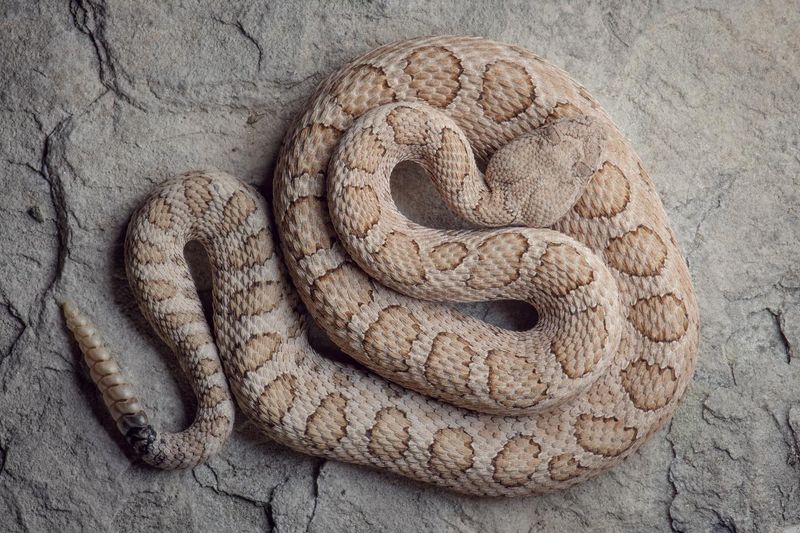
Its pale pinkish or straw-colored scales let this little rattler melt into canyon rock almost like magic. The midget faded rattlesnake lives in the far west of the state, and it surprises plenty of hikers.
Adults usually reach about two feet, and their youthful markings fade as they grow, which explains the name. I love a good name origin, and this one tells you exactly what to expect from older snakes.
Look for them in Mesa and Garfield counties, around sagebrush flats and juniper woodlands near rocky canyon walls. Popular spots near Grand Junction and Colorado National Monument sit right in the middle of their range.
Cold desert winters shorten their season, so they head back to dens in October or early November. Males often travel farther from dens, while pregnant females and youngsters tend to stay close to home.
The surprising part is their venom, which experts consider more potent than that of most other rattlesnakes. It contains a nerve-affecting toxin, and young snakes carry venom just as strong as the adults do.
Their excellent camouflage means you may walk right past one, so scan ledges before sitting down to rest. Avoid reaching into rock cracks or under shrubs, since that is where these snakes often tuck themselves.
Any bite from this species calls for a fast trip to the hospital, even if symptoms seem mild. Keep your phone charged and tell someone your route before heading into remote canyon country this season.
5. Striped Bark Scorpions Hiding Under Rocks And Boards
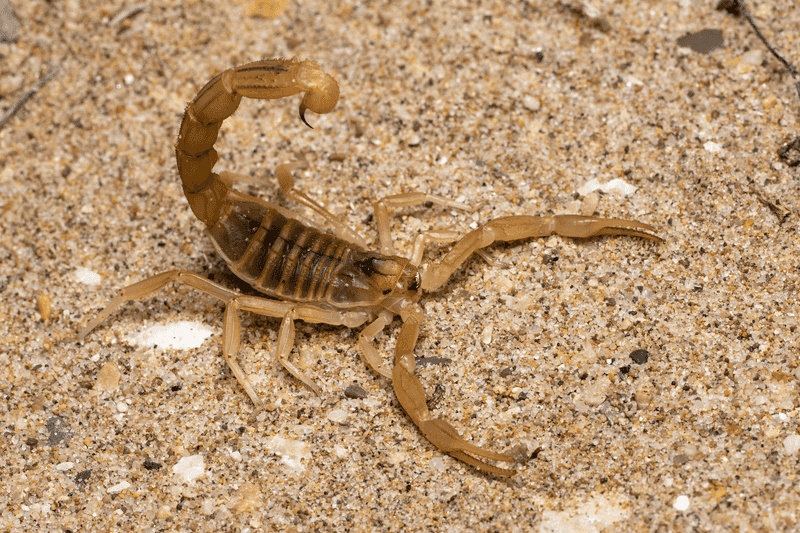
Turn on a blacklight at night in parts of southeastern Colorado, and scorpions glow an eerie blue-green. The striped bark scorpion is one of the glowing culprits, and it makes quite an impression up close.
Its tan body wears two dark stripes down the back, and adults stretch about two and a half inches. Slender pincers and a curled tail give it a delicate look that hides a pretty sharp sting.
During the day, these hunters hide under loose rocks and old boards lying around the yard. After sunset, they creep out to snack on spiders and grasshoppers, which honestly makes them helpful neighbors.
Fall is also when their mating season begins, so you might notice a bit more wandering around now. A few end up in attics or sneak through gaps under doors, which gave my sister quite a shock.
Their sting hurts and often causes swelling or itching that can linger for minutes or even several days. Most stings are not life-threatening, but numbness or muscle spasms are signs to call a doctor.
Seal cracks around doors and windows with caulk or weatherstripping to keep these wanderers outside where they belong. Move boards and rock piles away from your foundation, since those make perfect daytime hideouts for scorpions.
Wear gloves when lifting stones in the garden, and check any shoes left on porches overnight. Kids and pets are curious, so teach them to look but not touch when something small scuttles past.
6. Giant Desert Centipedes Lurking Beneath Rocks In The Southeast
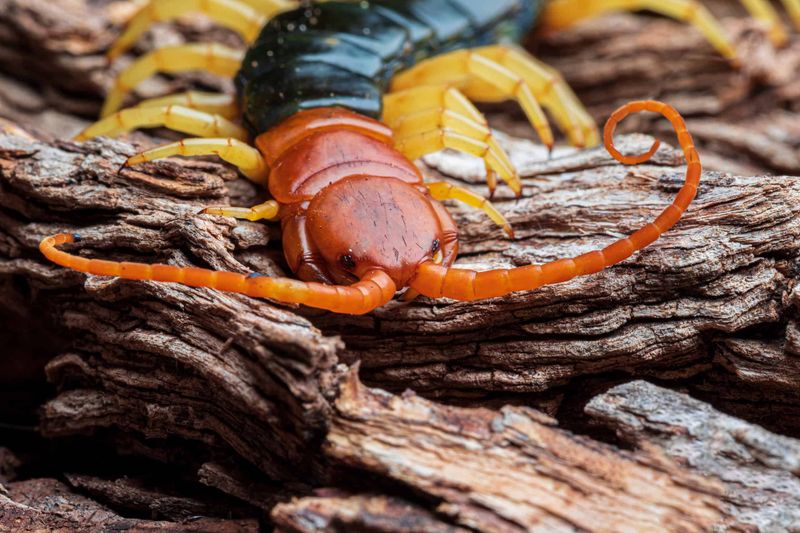
Over six inches of bright legs and tiger stripes, the giant desert centipede looks like something from a monster movie. Don’t laugh, but the first time I saw a photo of one, I checked my boots for a week.
Its dark body pairs with a reddish head and lighter legs, and each segment usually shows a dark band. It is the largest centipede most people will ever meet in this state, which is saying something.
These giants stick to dry, low country in the far southeast, including Baca and Las Animas counties. They hide under rocks in sandy soil, especially across rugged ravines and quiet canyon lands of the region.
Night is their hunting time, when they chase insects and other small prey across the ground. Centipedes in general are drawn to moisture, so a damp fall spell can bring them out more often.
Their bite is quite painful and can bring swelling along with tender lymph nodes in some people. Bites are generally not life-threatening, but sensitive folks should see a doctor if symptoms spread or worsen.
Clean up damp leaf piles and boards near your home, since those cozy spots attract centipedes looking for shelter. Fixing leaky outdoor faucets also helps, because fewer soggy spots means fewer reasons for them to visit.
Use a long tool or gloved hand when flipping rocks, and give any centipede a quick escape route. Honestly, they would rather run than bite, so a little space keeps everyone happy and unharmed.
7. Yellowjackets Swarming Picnic Tables And Ground Nests
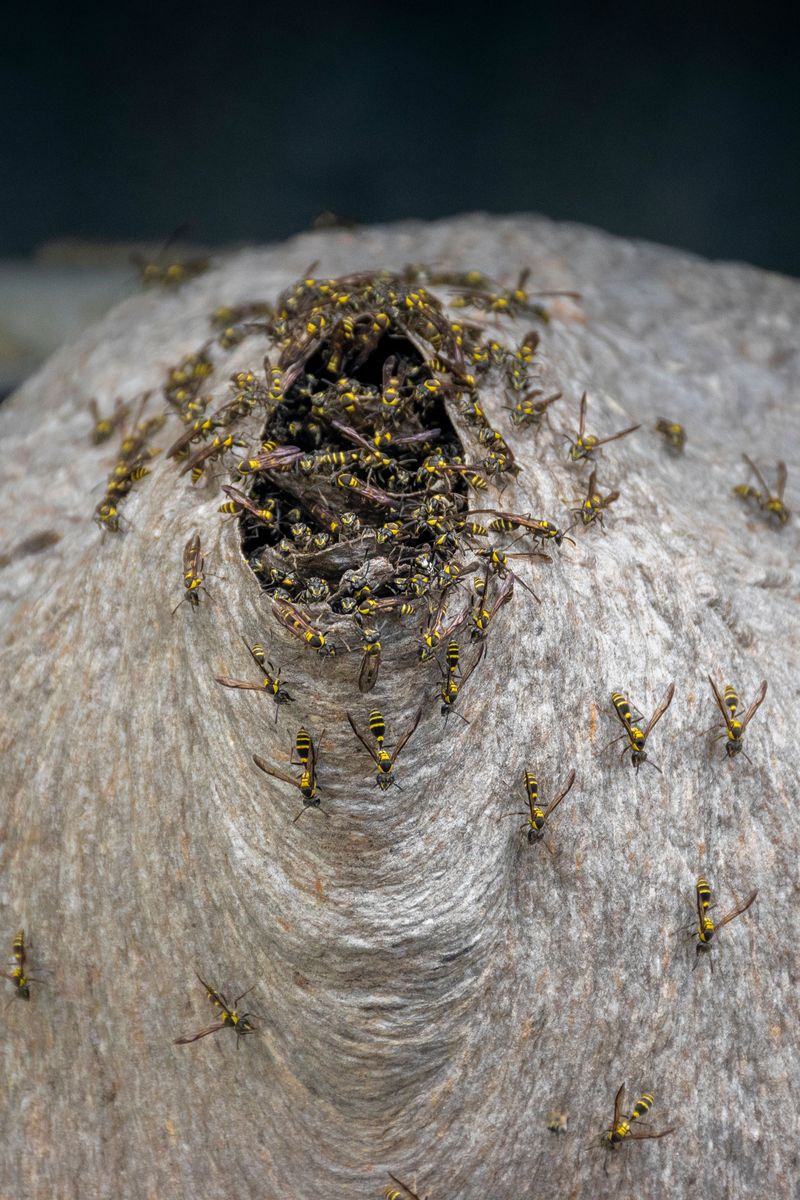
Crack open a soda at a fall picnic, and a yellowjacket will probably find it before you finish. These striped scavengers turn bolder this time of year, and I swear they have a sixth sense for sweets.
The western yellowjacket is a stocky wasp about half an inch long, with bright yellow and black bands. Its smooth, nearly hairless body sets it apart from fuzzy honeybees that bumble gently around your flowers.
Colonies hit peak size in late summer and fall, right when natural food sources start running low. That combination makes workers noticeably crankier, and they scavenge sugary drinks and meat from your plate.
Nests are often hidden underground or inside wall voids, so mowing over one can stir up trouble fast. I am not proud of this, but I once ran across my lawn waving my arms like a windmill.
Unlike honeybees, yellowjackets have smooth stingers and can sting again and again during one single encounter. Multiple stings can overwhelm the body, and allergic people may face anaphylaxis, which needs emergency care right away.
Keep drinks covered outdoors, and sip from clear cups so you can spot a sneaky wasp inside. Tight lids on trash cans and quick cleanup of fallen fruit make your yard far less tempting.
If you find a ground nest, mark it and call a pest professional instead of tackling it yourself. Hard frosts will eventually end the colony for the year, leaving only new queens to start fresh in spring.
8. Harvester Ant Mounds With Bare Gravel Circles
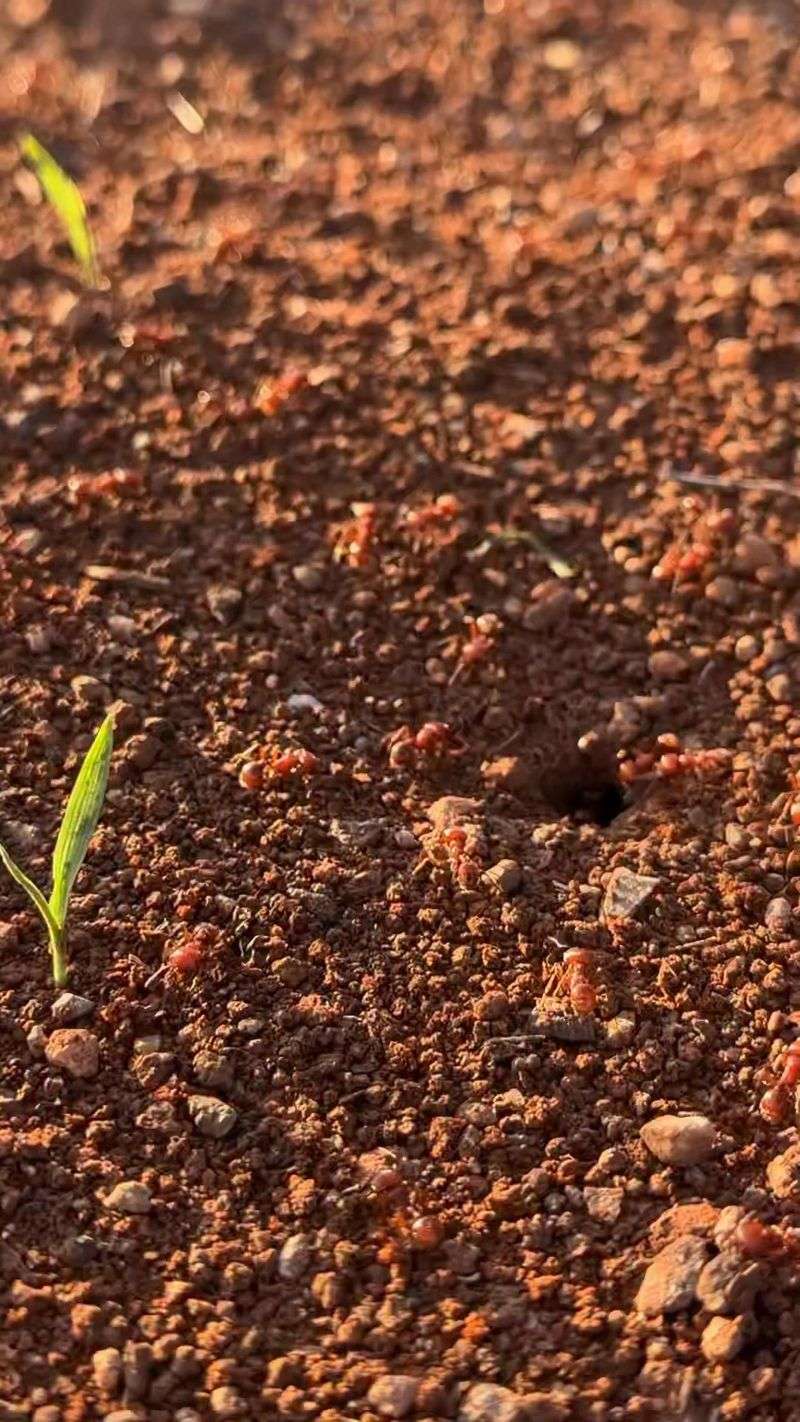
Those bare, round patches of gravel on the prairie are not crop circles, and they belong to harvester ants. These tiny farmers clear every plant around their mound, sometimes creating bare circles several feet across or wider.
In Colorado, the western harvester ant is the most familiar species, with reddish bodies and square-looking heads. Cousins like the red harvester ant share similar habits and an equally memorable sting across drier southern regions.
Workers measure roughly a quarter inch and carry seeds using a beard of stiff hairs under their heads. Seeds make up most of their diet, though they happily drag home insect remains they find along the way.
Their sting packs serious punch, delivering intense pain followed by a deep ache that can linger for hours. I made the mistake of kneeling near a mound while weeding once, and my knee throbbed all evening.
Sensitive people can have allergic reactions, so watch for hives or swelling that spreads beyond the sting site. Any trouble breathing after a sting means calling for emergency help without delay, no matter how minor it seemed.
Mating flights often happen in late summer, so by fall the colonies are settling in for cooler weather. Workers still forage on warm, sunny days, which is when hikers and gardeners most often get stung.
Pick picnic spots well away from bare circles, and teach kids to recognize the mounds on sight. These ants actually help scatter seeds and loosen soil, so leaving distant mounds alone is a fair trade.