Why Shade Cloth Is Showing Up On Colorado Raised Beds This Summer
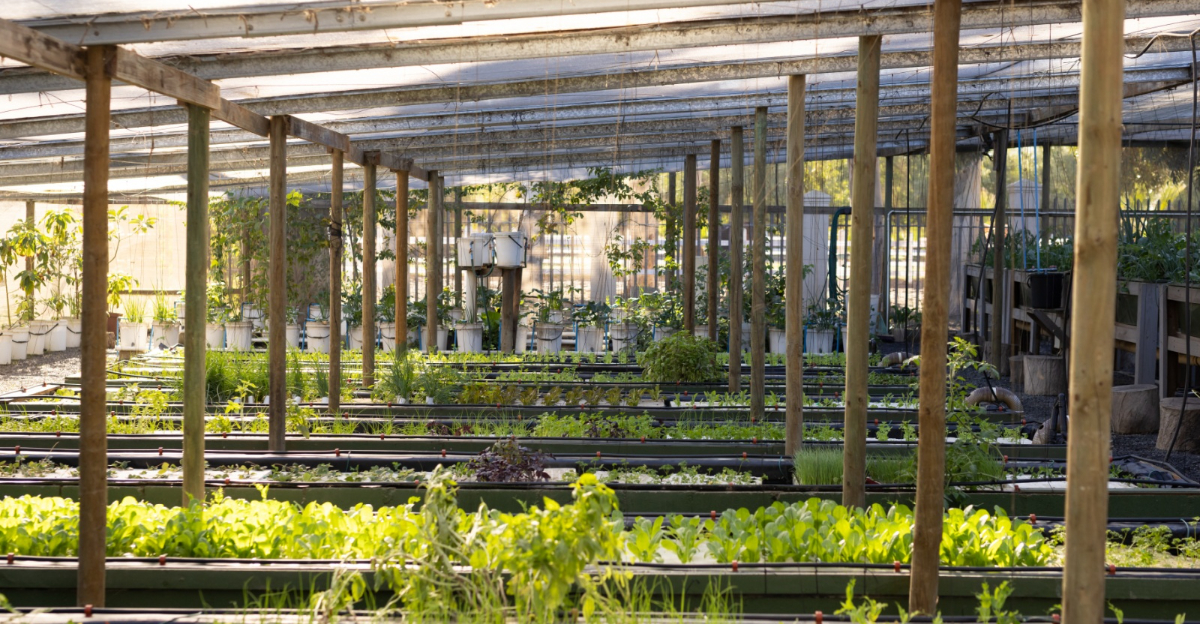
Step outside in Boulder or Colorado Springs right now and you’ll spot it immediately. Mesh fabric stretched tight across raised beds, like tiny tents guarding tomato plants.
This isn’t a passing trend among weekend gardeners. It’s a direct response to a climate that seems determined to test every plant’s limits. One afternoon delivers intense UV rays.
They’re strong enough to stress leaves within hours. The next day brings a hailstorm. It leaves anything unprotected in tatters. Add in humidity levels so low that soil dries out overnight.
Now you understand why Colorado gardeners have quietly found their answer to unpredictable weather. Shade cloth has emerged as their go-to fix. It’s a simple solution for a complicated problem.
From high altitude vegetable patches to small urban herb gardens, this unassuming fabric now shapes whether a harvest flourishes or falls short. Curious why so many locals swear by it? The reasons go deeper than you’d expect.
1. Intense Sun Scorches Uncovered Leaves
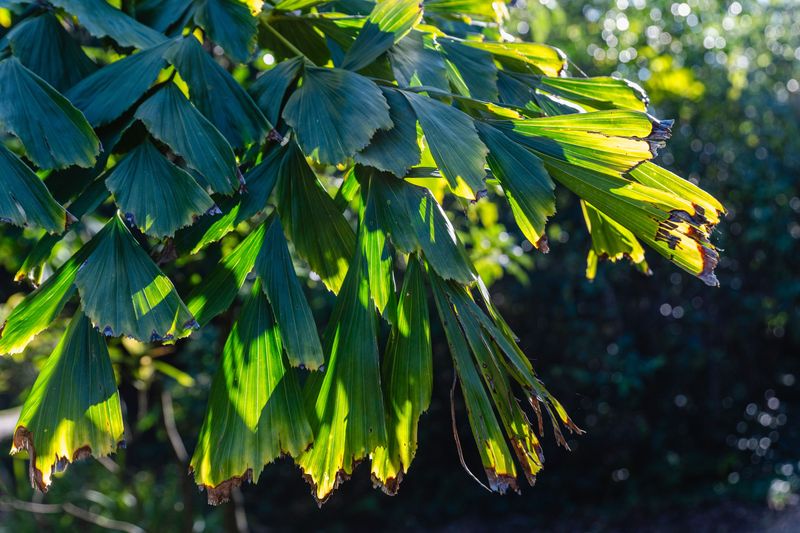
Sunburn is not just a people problem in Colorado. Vegetable leaves left unprotected under the summer sun can turn brown, curl, and stop producing within days of a heat spike.
Colorado sits at high elevation, which means the sun hits with unusual intensity. On a clear July afternoon, sunlight here carries more raw energy than it does at sea level in most states.
Shade cloth blocks a percentage of that light before it reaches your plants. Depending on the fabric density you choose, you can filter out anywhere from 30 to 70 percent of incoming sunlight.
Leafy greens like spinach and lettuce are especially vulnerable to direct afternoon exposure. Without protection, they bolt quickly, turning bitter and going to seed before you get a single good harvest.
Even tomatoes and peppers, which love warmth, can struggle with too much direct radiation. Their leaves get leathery, and fruit can develop sunscald, leaving pale, papery patches on the skin.
Shade cloth creates a softer light environment that mimics the dappled shade of a forest canopy. Plants grow steadier, look healthier, and produce longer when they are not exposed to constant direct sun.
Installing a simple frame with shade cloth over your raised bed takes less than an hour. The payoff in plant health and harvest quality makes it a practical upgrade for any Colorado gardener this season.
2. Thin Air Lets UV Hit Harder

Here is something most new Colorado gardeners do not expect: the air up here is literally thinner. Less atmosphere means less natural filtering of ultraviolet radiation before it reaches the ground.
At Denver’s elevation of 5,280 feet, UV exposure is noticeably higher than at sea level. Go up another thousand feet into the foothills, and that number climbs even more.
Plants did not evolve to handle that kind of UV bombardment without some shade buffer. Prolonged UV exposure damages plant cells at the molecular level, slowing photosynthesis and weakening overall growth.
Shade cloth acts like sunscreen for your garden. It absorbs and scatters UV rays before they penetrate leaf tissue, keeping your plants working efficiently through the longest summer days.
Your Colorado Garden Changes Every Week. Your Plan Should Too.
Gardening in Colorado changes quickly throughout the season. Every Friday you’ll receive a simple weekly plan showing exactly what to plant, prune, fertilize, harvest, and protect so you never miss the right timing.
Gardeners who move to Colorado from lower-elevation states often make the mistake of treating their plants the same way they did back home. That approach usually ends with yellowed leaves and disappointing harvests by mid-July.
The good news is that shade cloth is affordable and widely available at local garden centers. A 40 percent shade rating works well for most vegetables grown at Front Range elevations.
Shade cloth is showing up on Colorado raised beds this summer for exactly this reason. Experienced growers have learned that the elevation is not just a backdrop, it is an active force shaping every decision you make in the garden.
3. Heat Spikes Stress Shallow Roots
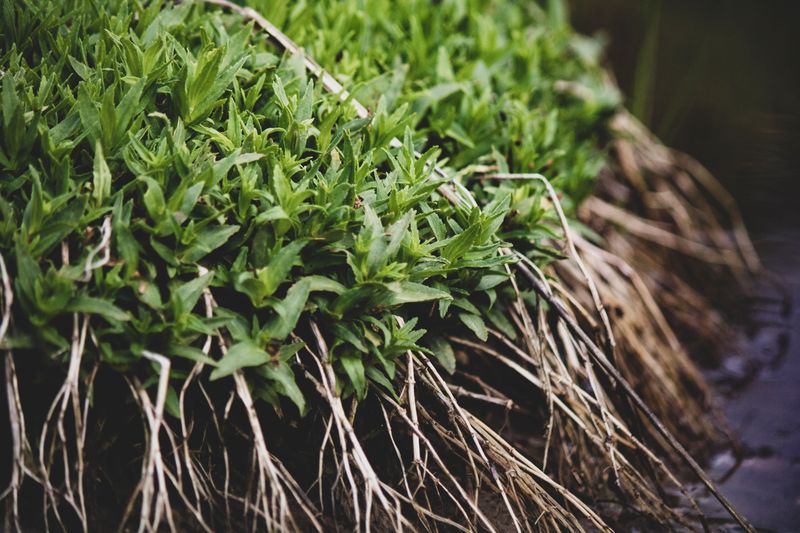
Raised beds heat up faster than in-ground gardens, and that is usually a good thing in spring. By midsummer in Colorado, though, that same quality becomes a serious problem for your plants.
Soil temperatures in an unshaded raised bed can climb well above comfortable levels for roots on a hot afternoon. Roots stressed by that level of heat shut down nutrient uptake, even when water and fertilizer are plentiful.
Shallow-rooted crops like lettuce, basil, and radishes are hit hardest. Their root systems sit right in the hottest zone of the soil, making them the first casualties of a heat spike.
Shade cloth reduces soil temperature by blocking direct sun from hitting the bed surface. Gardening experts note that shaded soil can run noticeably cooler than exposed soil nearby.
Cooler roots mean more active nutrient absorption and stronger plant growth. Your vegetables stay in productive mode instead of slipping into heat-induced dormancy during the warmest part of the day.
Pairing shade cloth with a layer of mulch on the soil surface doubles down on temperature control. Together, they create a buffered environment that keeps roots comfortable even when the air above feels like an oven.
Think of it as giving your garden its own personal climate zone. Once roots stay cool and happy, everything growing above them follows suit with noticeably better results.
4. Low Humidity Dries Soil Fast

Colorado is famously dry, and that dryness does not take a summer vacation. Relative humidity in Denver can drop well below 30 percent on hot July afternoons.
Low humidity pulls moisture straight out of the soil through evaporation. An unshaded raised bed can lose a significant amount of water in just a few hours on a hot, breezy afternoon.
Shade cloth dramatically slows that evaporation rate by reducing the amount of direct solar energy hitting the soil surface. Less sun hitting the bed means less heat driving moisture into the air.
Gardeners in Colorado often find themselves watering raised beds twice a day in the peak of summer just to keep plants from wilting. Shade cloth can cut that watering frequency noticeably, saving both time and water.
Water conservation matters in the West, where summer restrictions and drought conditions are common. Using shade cloth is not just about plant health, it is also a responsible choice for the region’s limited water supply.
Some gardeners pair shade cloth with drip irrigation for the ultimate moisture management setup. The cloth keeps the surface cool while drip lines deliver water directly to the root zone where it counts most.
Once you see how much longer your soil stays moist under a shade cover, you will wonder how you ever gardened here without it. Dry air meets its match when you take away the direct sun.
5. Hail Storms Threaten Young Crops
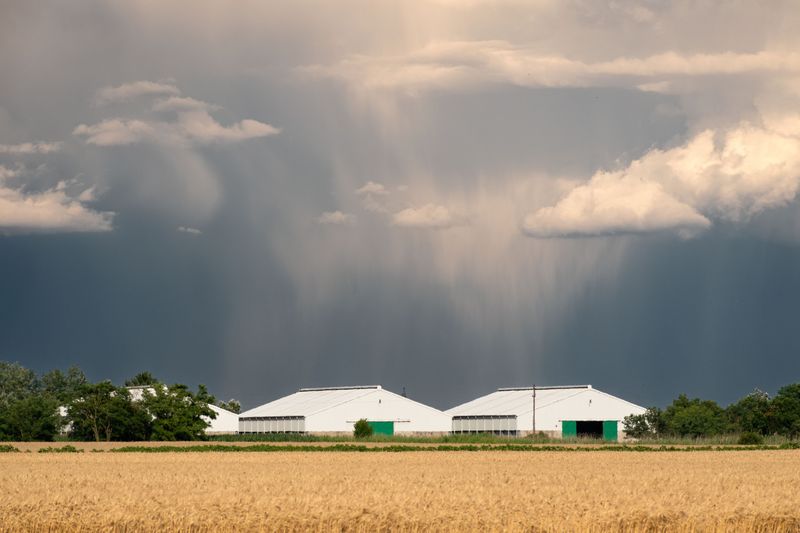
Ask any Colorado gardener about hail, and watch their expression change. A storm that rolls in from the mountains can drop golf ball-sized ice in minutes, shredding leaves and flattening seedlings without warning.
Colorado ranks among the top states in the country for hail frequency and severity. The Front Range in particular sits in a zone where afternoon thunderstorms regularly produce damaging ice during June, July, and August.
Young vegetable transplants are especially fragile when hail strikes. A single storm can damage weeks of growth in just a few minutes.
Shade cloth, especially heavier woven varieties, provides a meaningful buffer against small to medium hailstones. The fabric absorbs and disperses the impact before stones can reach your tender plants below.
It will not stop a severe hailstorm with very large hailstones, but most damaging storms in Colorado produce hail that shade cloth handles well. Many gardeners have saved entire harvests simply by having their cloth already in place.
The key is keeping the cloth mounted on a sturdy frame that holds its shape under the weight of falling ice. Flimsy hoops collapse under pressure, so invest in solid supports that stay rigid during a storm.
Protecting crops from hail is one of the biggest reasons shade cloth is showing up on Colorado raised beds this summer. Peace of mind during storm season is worth every penny of the investment.
6. Swings Stress Unprotected Plants
Colorado weather does not ease into anything. One morning you are wearing a jacket, and by two in the afternoon, the thermometer has jumped 35 degrees and the sun is blazing overhead.
Temperature swings like that are stressful for plants in ways that are easy to underestimate. Rapid changes in air temperature force a plant to constantly adjust its internal processes, burning energy it should use for growth.
Shade cloth moderates those swings by creating a more stable microclimate inside the bed. The fabric slows the rate of temperature change, giving plants time to adjust gradually rather than being shocked by sudden shifts.
Cool-season crops like kale and chard are surprisingly sensitive to rapid warming. Even though they tolerate cold well, a fast spike into high temperatures can trigger stress responses that slow their development.
Warm-season crops like squash and cucumbers also benefit from moderated conditions. Consistent temperatures promote steady cell growth, which leads to stronger stems, better fruit set, and longer harvest windows.
Gardeners who track soil and air temperature inside their shaded beds often report a noticeably calmer growing environment. The numbers do not swing as wildly, and the plants reflect that stability in their appearance.
Steadiness is a gift in Colorado gardening, where the weather loves to keep you guessing. Shade cloth gives your raised bed its own little bubble of calm in the middle of the chaos.
7. Reflected Heat Adds Extra Stress
Sunlight hitting the ground does not just disappear. Concrete driveways, gravel paths, brick walls, and patios all absorb heat during the day and then radiate it back outward in waves.
Raised beds placed near these surfaces get hit twice: once from the sun above and again from reflected heat bouncing off nearby hardscapes. That double exposure can push plant temperatures well beyond what direct sun alone would cause.
Shade cloth intercepts some of that reflected energy before it reaches the foliage. The fabric acts as a barrier that reduces the overall thermal load your plants experience throughout the day.
Urban and suburban gardeners face this challenge more than rural growers do. Neighborhoods packed with pavement, fences, and buildings create heat pockets that amplify already intense Colorado summer conditions.
Positioning matters too. Beds on south or west-facing sides of a home or wall tend to collect the most reflected heat. Shade cloth becomes even more critical in those spots during peak summer months.
Some gardeners choose a slightly higher shade density rating for beds in heat-pocket locations. A 50 or 60 percent cloth filters more energy and keeps the growing environment more manageable in those tough spots.
Reflected heat is a sneaky problem that catches many growers off guard. Once you identify it as a factor in your garden, shade cloth becomes less of an accessory and more of a necessity.
8. Wind Speeds Up Moisture Loss

Wind quietly pulls moisture from Colorado gardens. It moves constantly across the Front Range, pulling moisture from leaves and soil faster than most gardeners expect.
Transpiration is the process plants use to release water through their leaves. Wind dramatically speeds up that process, forcing plants to draw more water from roots just to stay hydrated under breezy conditions.
Shade cloth slows wind at the plant level by acting as a partial windbreak. Air still moves through the fabric, but at a reduced speed that gives leaves a break from constant moisture-stripping exposure.
Even a modest reduction in wind speed makes a meaningful difference in how quickly soil dries out. Gardeners often notice their beds staying moist longer once shade cloth is in place, even on breezy afternoons.
Wind also carries away the humid microclimate that plants naturally create around themselves. Shade cloth helps trap some of that moisture, creating a slightly more humid pocket directly above your growing space.
Securing the cloth tightly to its frame is essential in Colorado, where gusts can be strong and sudden. Use clips, bungee cords, or weight bags along the edges to keep everything anchored during afternoon storms.
Shade cloth is showing up on Colorado raised beds this summer because gardeners are done watching wind undo their hard work. Cover your beds, anchor them well, and let your plants breathe easy all season long.