Stink Bugs Invading This Fall? Try This 2-Ingredient Repellent
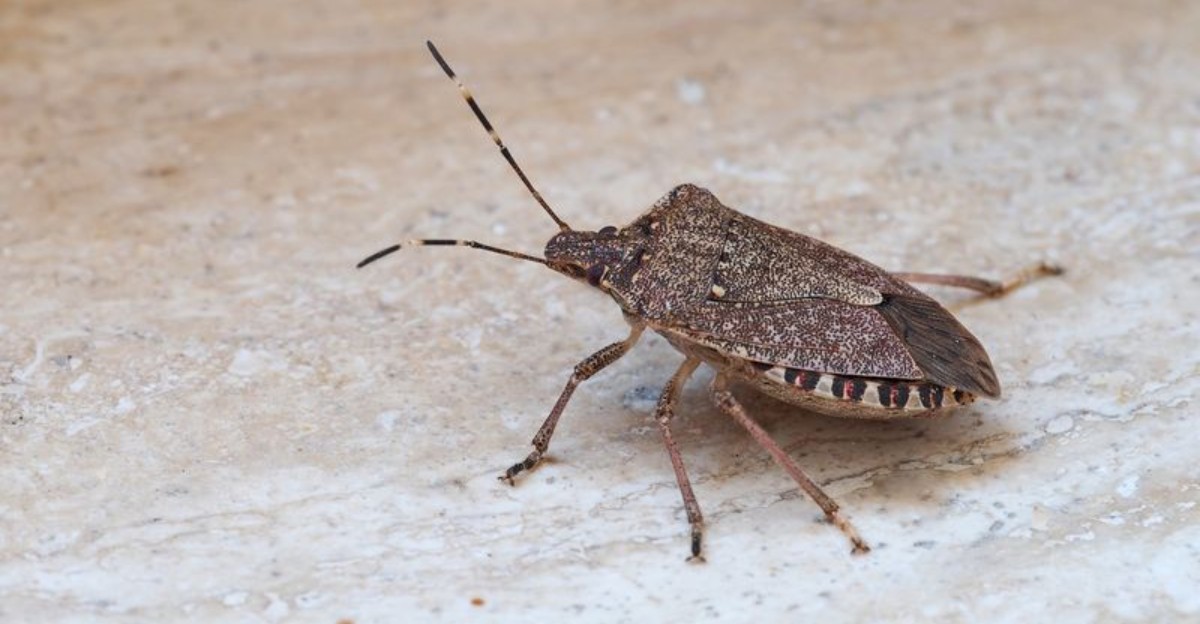
A tiny shield-shaped insect first collected in Allentown back in 1996 now spends its winters tucked inside walls and attics across Pennsylvania. Nobody invited it. It arrived from East Asia, most likely hiding in shipping crates.
Crush one, and you get a sharp odor that some people compare to cilantro or old gym socks. I can’t imagine a worse surprise on a cozy October evening. The smell lingers on your fingers for hours, too.
Every fall, these armored travelers line up on sunny siding and window frames. They are hunting for warm cracks to sleep in until spring. Personally, I start noticing them the same week I pull out my flannel shirts.
You need a plan that is cheap, simple, and easy to use around the home. What if the answer was already sitting quietly in your spice cabinet?
Those Shield-Shaped Bugs on Your Sunny Siding Have a Winter Plan
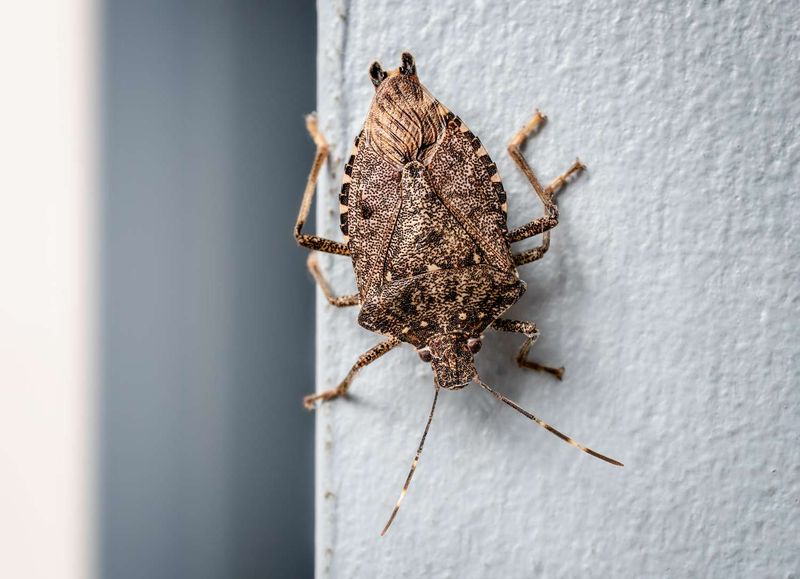
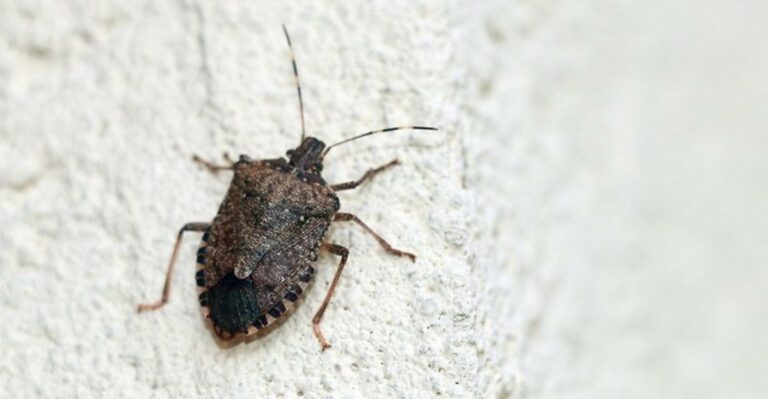
Brown marmorated stink bugs are master planners, even if they look like flying pumpkin seeds. Each adult is about five-eighths of an inch long, with a mottled brown shield shape and white bands on its antennae.
Shorter days and cooler nights trigger a big change in their behavior. Instead of feeding on fruit and vegetables, they start searching for a safe spot to spend the winter. In nature, that might be under tree bark or inside a hollow log.
Houses work even better for them. Penn State Extension notes that these bugs gather on the warm south and west sides of buildings in September and October. From there, they squeeze into gaps around windows, siding, vents, and attic openings.
Once inside, they mostly sit still and wait for spring. They do not bite people, breed indoors, eat your food, or damage wood or fabric. The real trouble is the smell and the sheer numbers, since a single attic can hold hundreds.
On warm winter days, some wake up and wander toward lamps and windows. That explains why you suddenly find one buzzing around your kitchen light in January. Knowing their schedule helps you act before they move in.
Garlic Powder and Water Make a Surprisingly Simple Stink Bug Spray

Your spice rack might be hiding a surprisingly handy pest helper. A simple mix of garlic powder and water is one of the most popular homemade stink bug repellents, and it costs just pennies to make.
The idea comes down to scent. Stink bugs rely heavily on smell to find food, mates, and shelter. Garlic contains strong sulfur compounds that many insects seem to avoid, so a fresh coat may make a windowsill or plant less inviting.
I want to be honest with you, though. Most of the proof behind garlic sprays comes from gardeners’ experiences rather than large university studies. Researchers have not shown that any homemade spray can stop a full fall invasion on its own.
So why bother? A garlic spray is cheap, made from a common kitchen ingredient, and generally gentle on most plants when diluted, though garlic is toxic to dogs and cats if eaten, so keep pets away from treated spots until it dries.
I like using it in small trouble spots, such as a porch railing or the window above the kitchen sink. Consider it a polite sign that says the welcome mat is closed. Pair it with sealing cracks, and you give these bugs far fewer reasons to linger.
Spritz Garlic Repellent Around Window Frames Every Few Days
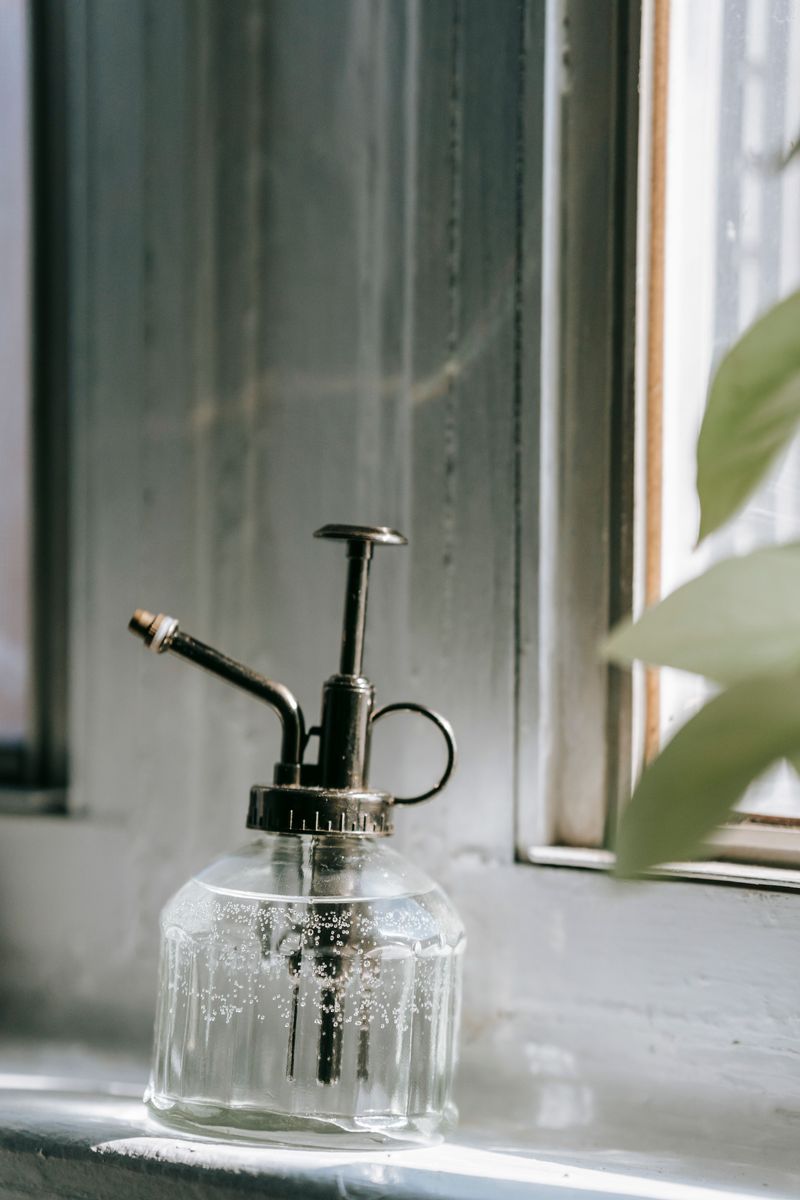
Grab a clean spray bottle, because this recipe takes about two minutes. Many home and garden sources suggest mixing roughly four teaspoons of garlic powder into two cups of water.
Shake the bottle well, since garlic powder likes to settle at the bottom. Some gardeners let the mix sit for an hour so the scent gets stronger. Give it another good shake before each use.
Spray it lightly around window frames, door edges, screens, and outdoor light fixtures. Those are the spots where stink bugs crawl and gather on sunny afternoons. On plants, test a few leaves first and wait a day to check for spotting or browning.
Timing matters too. The scent fades quickly, so plan to reapply every two or three days and after any rain. Late August through October is the busiest stretch for these bugs in most of Pennsylvania.
A few smart habits make the job easier. Label the bottle so nobody mistakes it for window cleaner, and store leftovers in the fridge for up to a week. Skip spraying painted wood or fabric awnings, which may stain or hold the garlic smell longer than you would like.
A Jar of Soapy Water Handles the Stink Bugs Already Inside
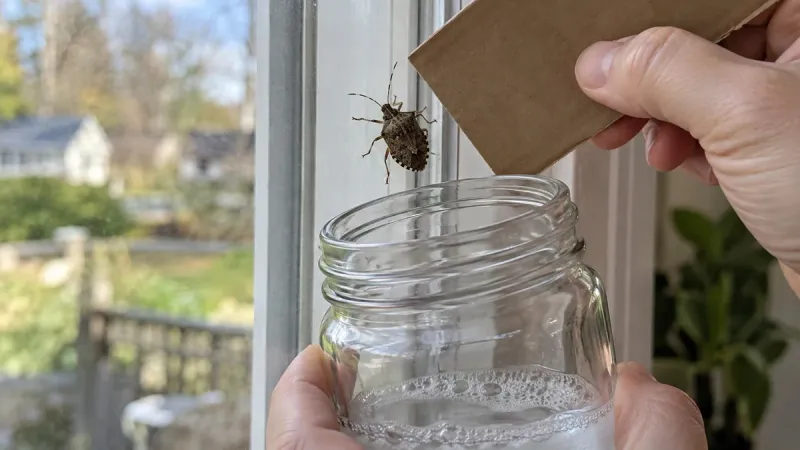
Sometimes a few bugs slip past your defenses, and that calls for a different trick. A container of soapy water is the classic method many extension experts recommend for stink bugs you can reach.
Fill a jar or small bucket with warm water and add a good squirt of liquid dish soap. The soap breaks the surface tension of the water, so bugs sink instead of floating. They cannot climb back out.
My favorite move is to hold the container right under a bug sitting on a curtain or wall. Stink bugs tend to drop when they feel disturbed, so a gentle tap sends them straight into the water. Crushing them is what releases that famous odor, so this method keeps your hands and your nose much happier.
Some people also spray soapy water directly on bugs. That can work on contact, but results vary and the spray offers no lasting protection. The dunk method is usually quicker and less messy indoors.
Keep a soap jar near your sunniest windows during fall. Kids often enjoy the hunt, and it turns a smelly chore into a small game. When the jar fills up, dump the contents outside or flush them away.
Caulking Gaps Around Windows Beats Any Spray for Stink Bugs
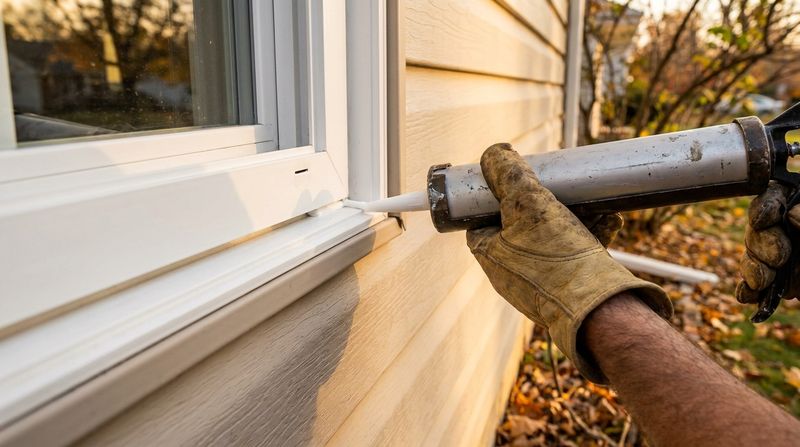
Pest experts agree on one point above all others. Keeping stink bugs out of your house works far better than chasing them once they are inside.
Walk around your home on a sunny afternoon in late summer and look closely. Check where siding meets window frames, around pipes and cables, under fascia boards, and near the chimney. Even a gap the width of a pencil lead can let a stink bug squeeze through.
Seal small cracks with good silicone or silicone-latex caulk. Replace worn weather stripping, add door sweeps, and repair torn window screens. Attic and soffit vents should have intact screening, too.
Penn State Extension suggests finishing this work before early September, when the bugs start moving toward houses. Waiting until October means many have already found their way in. Grab a ladder and a buddy for upper windows, and work safely.
A few extra steps help as well. Turn off porch lights at night or switch to yellow bulbs, which attract fewer insects. Window air conditioners are popular entry points, so remove them or seal the edges with foam once the weather cools.
All this work also blocks lady beetles, boxelder bugs, and drafts. Your heating bill may thank you this winter.
A Vacuum With a Nylon Stocking Trick Clears Stink Bugs Fast
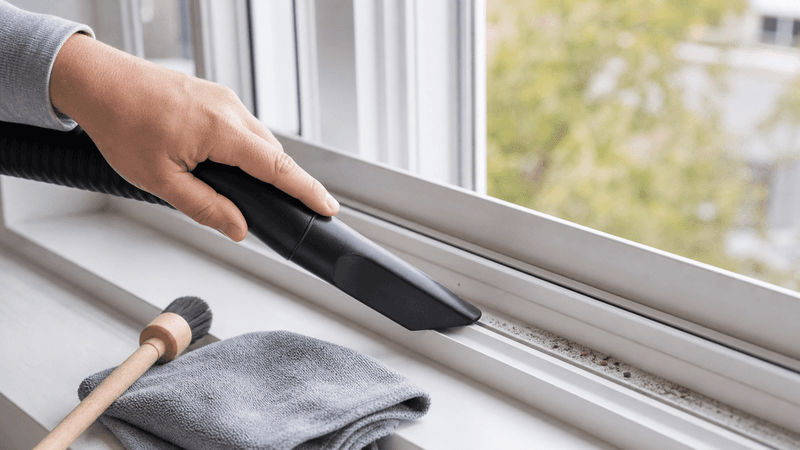
Vacuums are a stink bug’s worst enemy, as long as you use them wisely. Sucking up bugs from ceilings and window corners lets you clear a room fast without touching a single one.
There is one catch. The bugs often release their odor inside the vacuum, and that smell can stick around in the bag, hose, and canister. Many homeowners keep an older shop vac or a cheap handheld just for this job.
Another popular hack uses a knee-high nylon stocking. Push it into the vacuum hose and secure the edge with a rubber band, so the bugs collect in the stocking instead of the machine. When you finish, tie it off and drop it in soapy water or the trash.
Empty a bagless canister outside right away. Otherwise, a few tough bugs may crawl back out and find your curtains again.
Please skip bug bombs and indoor insecticide sprays for this problem. University extension experts say they do little good against stink bugs hidden in walls. Bugs that perish inside walls can also attract carpet beetles that later munch on wool and stored foods.
A few minutes with the vacuum each sunny morning keeps the numbers manageable.
Garden Tomatoes and Peppers Benefit From Fall Stink Bug Cleanup
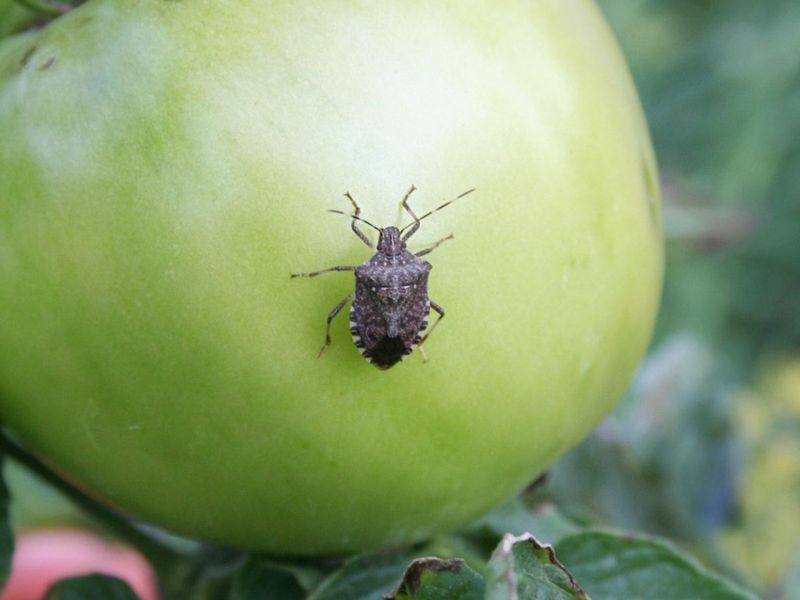
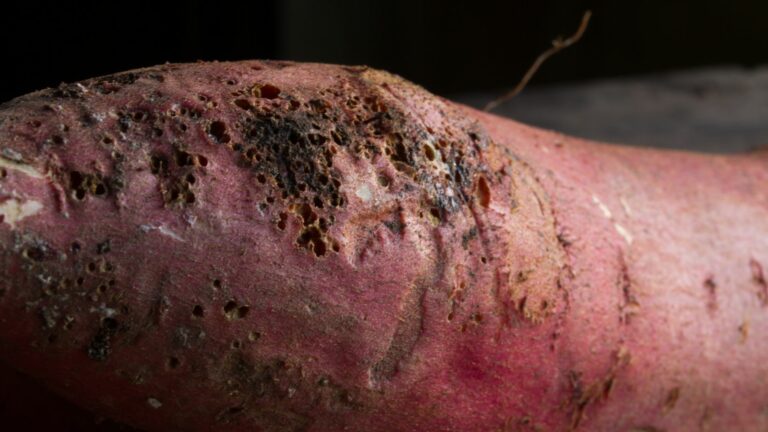
Stink bugs are more than a fall nuisance. Come summer, the same species feeds on tomatoes, peppers, apples, peaches, sweet corn, and beans, leaving cloudy spots and corky patches under the skin.
Fruit growers in Pennsylvania have dealt with serious crop losses since these insects spread across the region. Home gardeners notice the damage too, especially on late-season tomatoes and peppers.
A little fall cleanup gives you a head start. Remove rotting fruit, clear piles of brush near your foundation, and stack firewood away from the house. Fewer hiding places nearby means fewer bugs testing your walls.
Next season, check the undersides of leaves for clusters of pale green, barrel-shaped eggs, usually laid in groups of about 28. Scrape them into soapy water before they hatch. Floating row covers can also protect young plants during peak feeding times.
Nature lends a hand as well. Researchers have found a tiny parasitic insect called the samurai wasp attacking stink bug eggs in several states, including parts of Pennsylvania. Native birds, spiders, and predatory insects also take their share.
Seal up in late summer, spray garlic on trouble spots, and keep a soap jar ready. That simple routine makes your home a much quieter place each fall.