10 Habits of Highly Successful Florida Gardeners
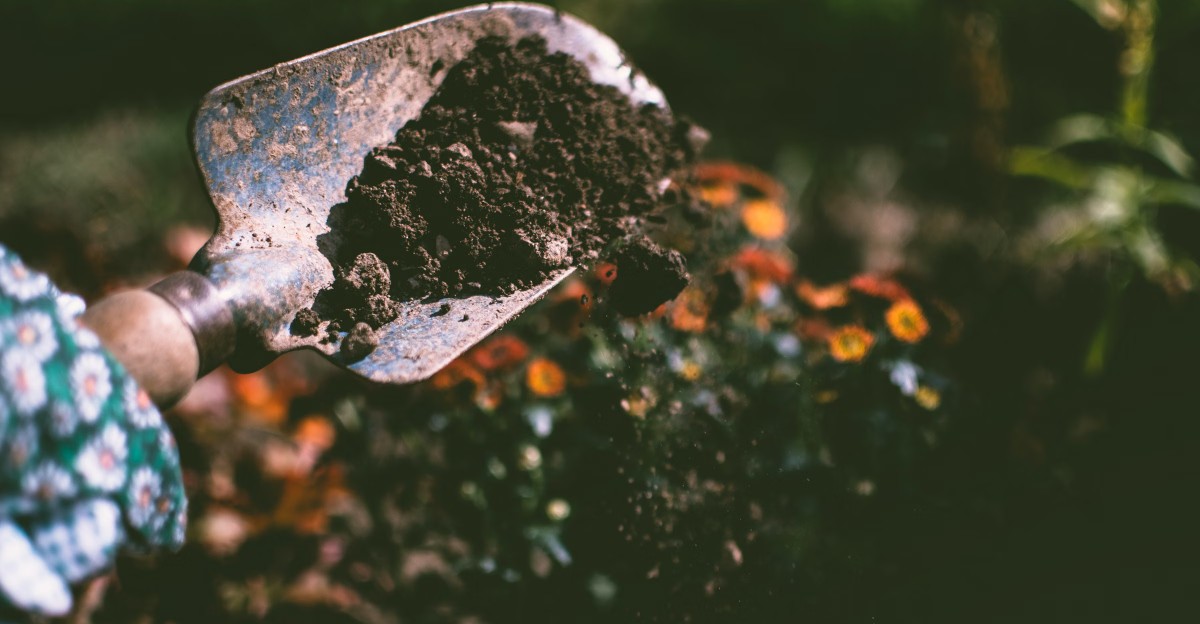
Florida has an official state soil, a pale sandy type called Myakka that stretches across more than a million acres. I have to admit, learning that made my struggles with thirsty tomatoes and pale basil leaves suddenly make sense.
Rain here can arrive in sudden summer buckets, then vanish for weeks during the long dry spring stretch. Add salty coastal breezes and the occasional surprise cold snap, and gardening starts to feel like a puzzle.
Still, some neighbors grow jaw-dropping gardens on the same sand, with the same heat beating down every afternoon. What surprises me most is that their secret rarely comes down to luck or expensive nursery plants.
Instead, they lean on small, steady routines that anyone in Florida can copy starting this very weekend. Odds are you’re already doing one or two, and the rest could turn your sandy patch into the envy of the block.
1. They Plant Native Firebush In Sunny Spots That Suit It
Tulips sold in big box stores each fall often fade fast here because our winters stay too warm for them. Bulbs like tulips need weeks of steady chill, and most of our yards simply cannot deliver that.
Successful gardeners skip that heartbreak by following a simple idea called Right Plant, Right Place from UF/IFAS Extension. It means matching each plant to the sun, soil, drainage, and salt your spot actually offers.
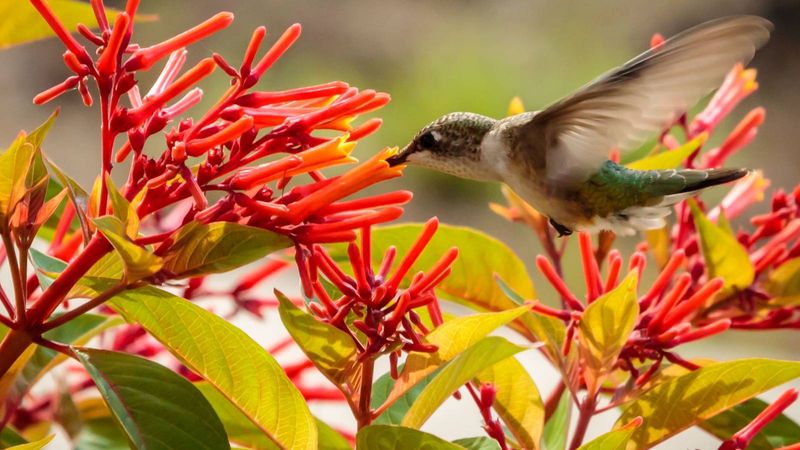
I love how native firebush, Hamelia patens, handles heat while hummingbirds and butterflies zip around its orange-red tubes. It thrives in hot sun and tolerates sandy soil, which makes it a favorite in southern and central yards.
Coontie, Zamia integrifolia, is another tough native that grows slowly in shade or sun with very little fuss. It also feeds the caterpillars of the atala butterfly, a gorgeous insect that once nearly vanished from the state.
You need to check the mature size on every plant tag before digging a single hole in your yard. That cute shrub in a small pot might stretch eight feet wide and swallow your front window someday.
Salt tolerance matters too if you live near the beach, since ocean spray can scorch sensitive leaves quickly. Sea grape and saw palmetto shrug off salty air far better than many popular plants from colder regions.
Personally, I keep a little notebook listing which corners stay soggy and which bake in afternoon sun. That simple map saves me money because every new plant lands where it can actually settle in happily.
2. They Mix Dark Compost Into Pale Sandy Soil
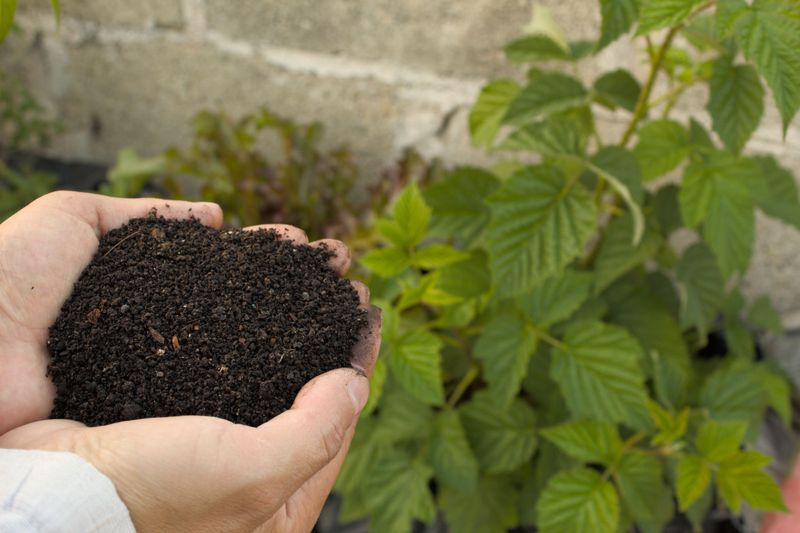
Grab a handful of typical backyard sand here and watch it trickle through your fingers almost like sugar. That gritty texture drains fast, which sounds great until you realize water and nutrients drain away just as quickly.
Top gardeners fix this problem by working organic matter into their beds every single planting season. Compost and worm castings both help sandy soil hold onto moisture and food far longer than plain sand does.
I believe this is the single habit that separates struggling gardens from lush ones in our area. Organic matter acts like a sponge, soaking up water after a storm and releasing it slowly during dry weeks.
It also feeds a hidden crowd of helpful microbes and earthworms that build better soil structure over time. Those tiny workers break down material into forms that plant roots can actually absorb and use for growth.
You might notice that organic matter disappears quickly in our warm, humid climate, so one dose is not enough. Plan to add a few inches of compost before each new planting rather than treating it as a one-time chore.
Raised beds filled with a rich soil blend are another smart option when your native ground is especially poor. They give vegetables a fresh start and make it easier to control what goes around their roots.
Fresh manure should be avoided around edible crops because it can burn roots and may carry harmful bacteria. Stick with well-composted products, and your tomatoes and peppers will thank you with healthier, greener leaves all season.
3. They Turn Fallen Oak Leaves Into Backyard Compost
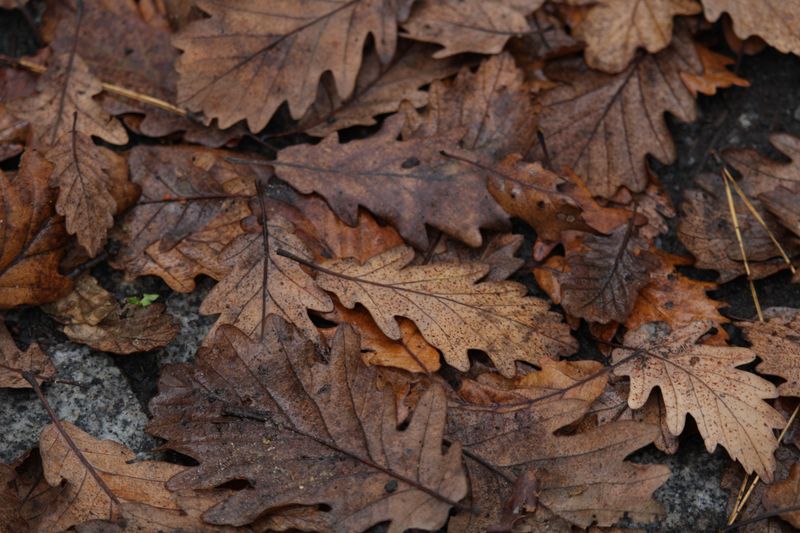
Every spring, live oaks drop piles of crunchy leaves that many people bag up and haul to the curb. Savvy gardeners see those leaves as free brown gold and happily rake them straight into a compost bin.
Good compost needs a balance of greens like grass clippings and kitchen scraps with browns like leaves and wood chips. Greens supply nitrogen while browns provide carbon, and the right mix keeps the pile working without nasty smells.
Our heat gives local composters a real advantage because helpful microbes stay busy for most of the year. A well-tended pile can turn into crumbly dark humus much faster than piles in chilly northern backyards.
I can’t imagine tossing coffee grounds and banana peels in the trash anymore after seeing what they become. Just keep meat and greasy leftovers out of the pile so you avoid attracting raccoons and other curious visitors.
Trench composting is a handy shortcut where you bury scraps about a foot deep right in the garden bed. The scraps break down underground, and roots find the nutrients later without you turning any pile at all.
Unfinished compost still has value, since chunky material works nicely as a mulch on top of the soil. Finished compost, on the other hand, should be mixed into beds where it can improve soil from below.
Turning your pile every week or two adds air and speeds things along during our steamy summer months. Keep it about as damp as a wrung-out sponge, and you will be amazed at how quickly it changes.
4. They Check The Soil Before Turning On The Sprinklers
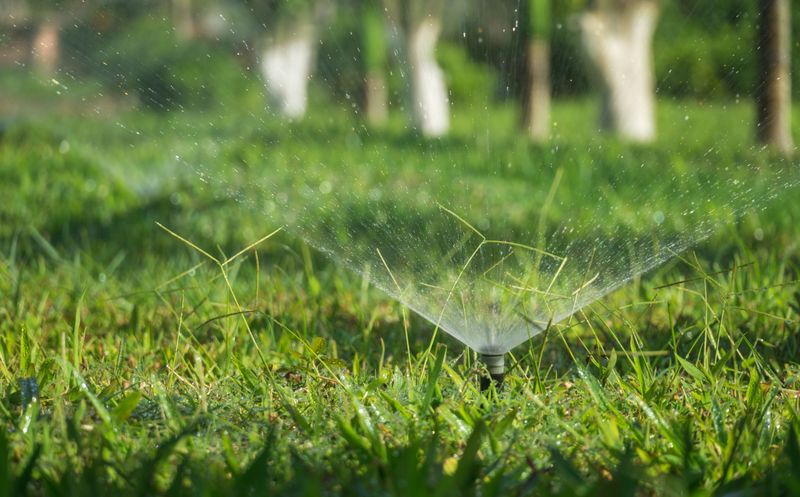
Poke your finger about an inch into the soil, and you will learn more than any timer could tell you. Experienced gardeners water based on what the ground actually needs instead of following a fixed weekly schedule.
Overwatering is surprisingly common here, especially during rainy summers when afternoon storms roll through almost daily. Soggy roots can rot quickly, and constant moisture invites fungus problems that are tough to control later.
Early morning is the best time to water because less moisture evaporates before plants can drink it up. Leaves also dry quickly in the sunshine, which lowers the chance of disease spreading across your garden beds.
I like how drip irrigation sends water straight to the roots without spraying sidewalks or soaking the leaves. Simple drip kits cost less than many people expect and can noticeably cut water waste in vegetable beds.
Grouping plants with similar thirst levels, a practice called hydrozoning, makes watering much simpler and smarter. Your thirsty ferns can share one zone while tough native grasses enjoy a drier spot of their own.
Deep, less frequent watering encourages roots to grow downward, where the soil stays cooler and moister longer. Light daily sprinkles keep roots shallow, which leaves plants struggling the moment a hot dry week arrives.
Many counties also limit lawn watering to certain days, so check your local water management district rules. A rain sensor on your sprinkler system helps you follow those rules and saves money after every passing storm.
5. They Test Soil And Feed Plants With Slow-Release Fertilizer
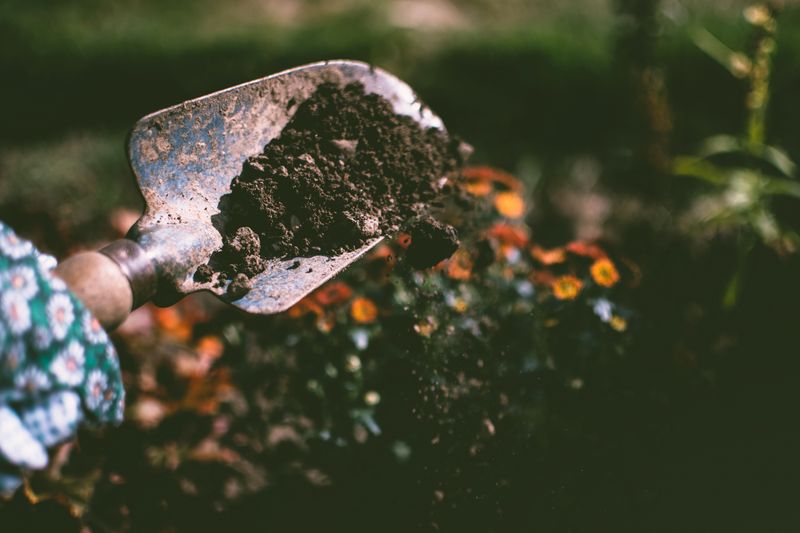
A tiny bag of soil mailed to a university lab can reveal exactly what your garden is missing. UF/IFAS offers soil testing services, and the results show pH along with key nutrient levels for a small fee.
Guessing with fertilizer often wastes money and can actually harm plants when nutrients pile up in the wrong amounts. A test tells you whether your soil needs adjusting before you spread a single pellet across the beds.
Slow-release fertilizer is a favorite among skilled gardeners because heavy rain washes quick-release nutrients through sandy soil. The coated granules feed plants gradually over weeks, so roots get steady meals instead of one short burst.
Many counties and cities in Florida have fertilizer ordinances that restrict nitrogen and phosphorus during the rainy season. These summer blackout periods commonly run from June 1 through September 30 in many local areas.
The rules exist because nutrient runoff can feed algae blooms in our springs and coastal waters, harming fish. Personally, I think of the blackout as a nice summer break for both my wallet and the local waterways.
You need to read every label carefully, since those numbers on the bag show the percentage of each nutrient. Many local soils already hold plenty of phosphorus, so a test might show you can skip it altogether.
Keep fertilizer away from storm drains and pond edges where granules can easily wash into the water. Sweeping stray pellets off the driveway takes thirty seconds and makes a real difference for the whole neighborhood.
6. They Spread Pine Straw Mulch Around Garden Beds
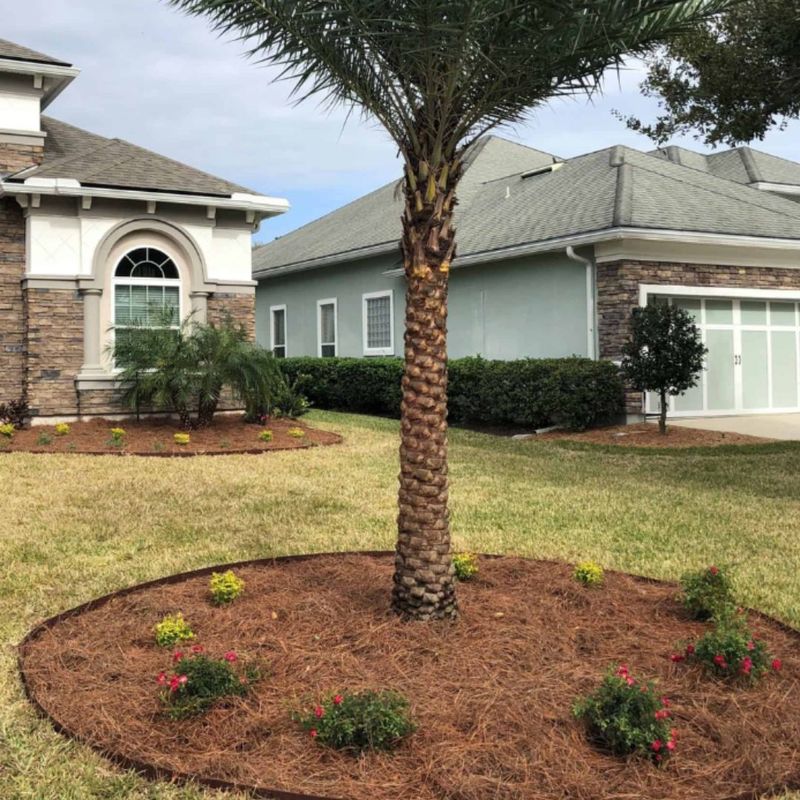
Walk through a well-kept local garden in July, and you will probably smell warm pine straw before seeing flowers. That soft brown blanket does far more work than most people realize, keeping roots cool on blistering afternoons.
Smart gardeners spread mulch about two to three inches deep across their beds and around young trees. That layer holds moisture in the soil while also smothering many weeds before they ever get a chance to sprout.
I have to admit I used to pile mulch high against tree trunks, thinking more meant better protection. UF/IFAS suggests keeping it six to twelve inches away from trunks and house foundations to reduce problems.
Volcano mulching, that tall cone of mulch hugging a trunk, traps moisture against bark and invites disease. Pull it back into a flat donut shape instead, and your trees will breathe much easier for years.
Pine bark and melaleuca mulch are smart picks, and melaleuca mulch even comes from removing an invasive tree. Many experts discourage cypress mulch, since harvesting it can take trees from sensitive wetland areas.
Organic mulches slowly break down, adding helpful material to sandy soil as they decay over the seasons. You will need to refresh the layer once or twice a year, which is a small price for healthier beds.
Keep mulch six to twelve inches from your house walls too, because damp material near foundations can attract termites. A tidy gap along the edge also looks neat and lets you spot any trouble before it spreads.
7. They Identify Whiteflies And Aphids Before Grabbing A Spray
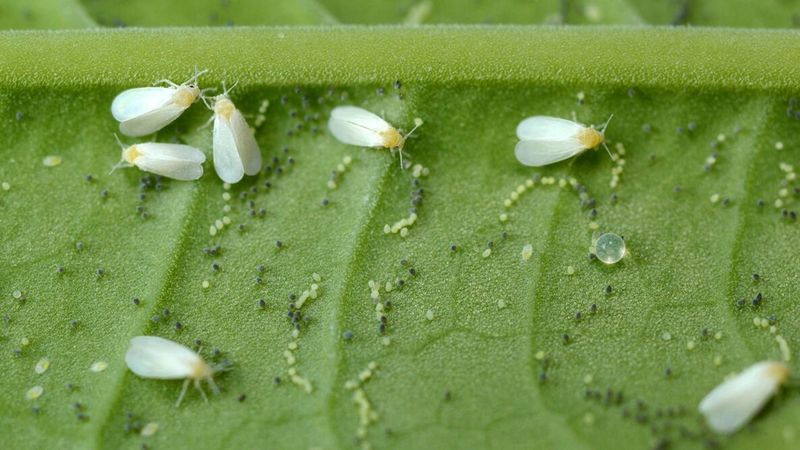
That cloud of tiny white specks bursting from a hibiscus leaf might be whiteflies, and they love our warm weather. Before reaching for any spray, top gardeners flip leaves over and figure out exactly who is causing damage.
Correct identification matters because many insects in your garden are actually helpful partners rather than enemies. Ladybugs and lacewings happily munch aphids, and broad-spectrum sprays can harm those helpers along with the pests.
This approach is called integrated pest management, or IPM, and UF/IFAS Extension strongly recommends it for home gardens. The idea is to start with the gentlest methods and save chemical options for problems that truly need them.
A strong blast of water from the hose knocks aphids off tender new stems surprisingly well. Insecticidal soap and horticultural oil are lower-impact choices when populations grow too large to ignore any longer.
Root-knot nematodes are microscopic worms that cause knobby swellings on roots and stunted vegetable plants. They are common in sandy soils, so rotating crops and adding organic matter can help keep them in check.
You’re in for a big surprise if you start choosing disease-resistant varieties, since problems often drop noticeably. Seed packets and plant tags list resistance codes, like the letters VFN printed on many tomato labels.
I love walking the garden with my morning coffee, looking under leaves for early signs of trouble. Catching a few pests early takes minutes, while waiting a week can turn a small issue into a major headache.
8. They Plant Broccoli And Lettuce When Summer Heat Fades
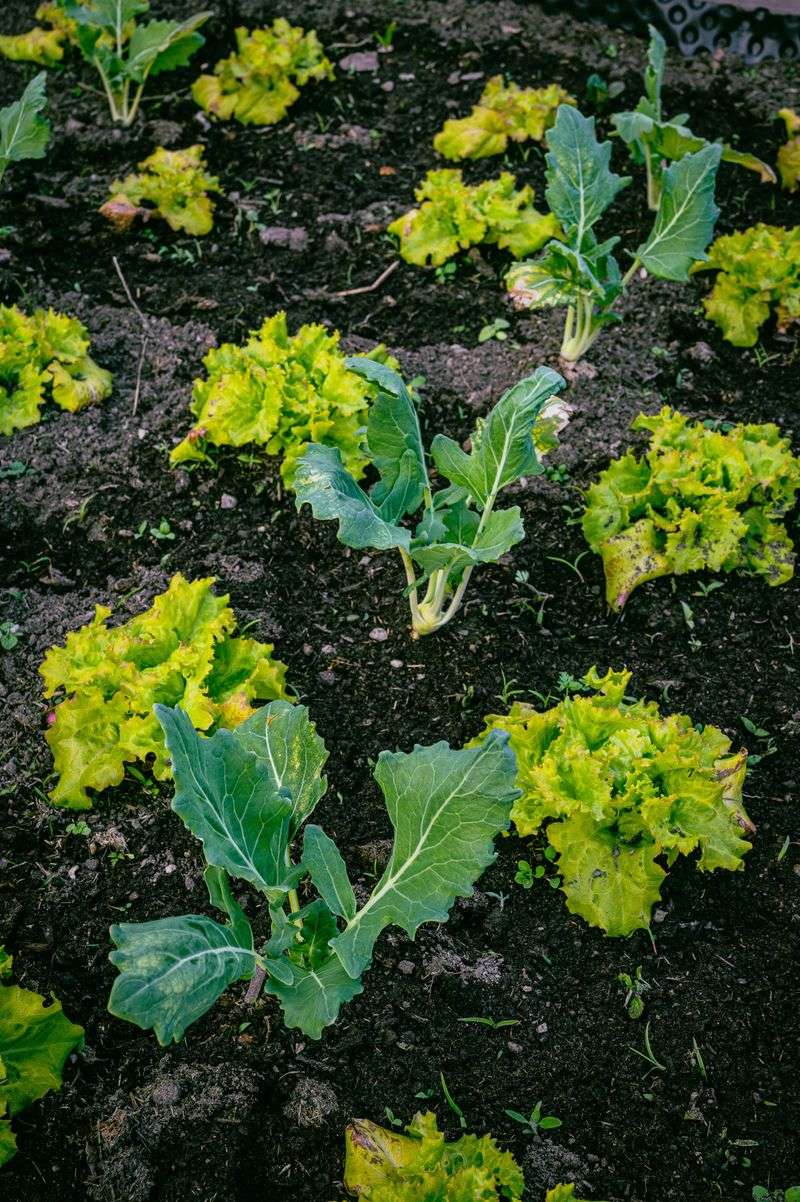
Northern friends plant tomatoes in May, but many local gardeners are pulling theirs out by then as the heat climbs. Our growing calendar flips the usual script, and learning it changes everything about how a vegetable garden performs.
Fall and winter bring the main vegetable season for much of the state, with spring offering another strong window. Intense summer heat and humidity make many common crops struggle, so savvy growers plan around those hot months.
Cool-season favorites like broccoli and lettuce do beautifully when planted during fall in central and southern areas. UF/IFAS lists beets and carrots among the many vegetables suited to planting as temperatures cool down.
I believe the UF/IFAS Florida Vegetable Gardening Guide is the most useful free resource any local grower can grab. It splits planting dates by region, because timing varies quite a bit from Pensacola down to Key West.
Summer does not have to mean an empty garden, since heat lovers like okra and sweet potatoes thrive then. Southern peas and Malabar spinach also handle steamy weather when lettuce would bolt and turn bitter.
Some gardeners use summer to solarize beds, covering moist soil with clear plastic for several weeks. The trapped heat helps reduce weeds and nematodes, preparing the ground nicely for the next round of planting.
You might notice that herbs follow a similar pattern, with cilantro and dill preferring the cooler months. Basil, on the other hand, loves warmth and will happily keep growing well into the hotter part of the year.
9. They Cover Tender Plants With Frost Cloth On Cold Nights
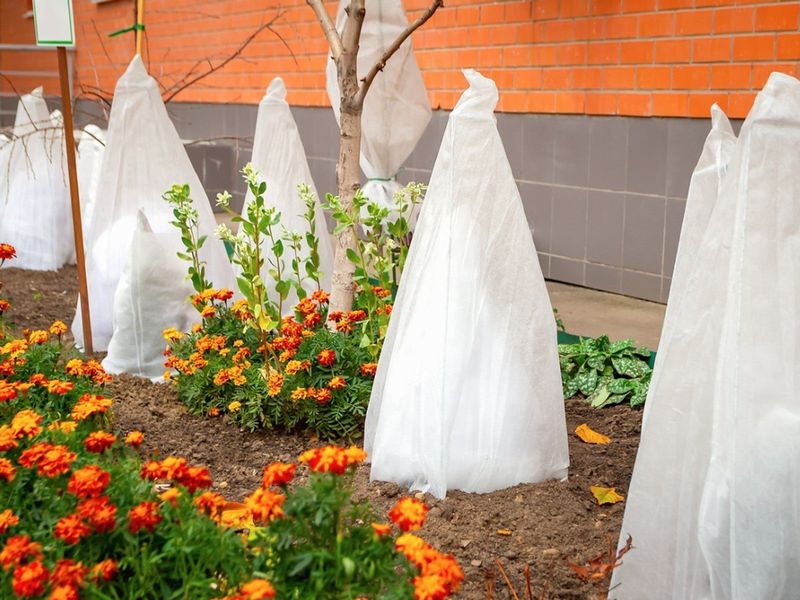
Snow fell in Tallahassee in January 2025, a rare treat that sent locals scrambling for jackets and blankets. Cold snaps are uncommon but very real, especially in northern and central parts of the state each winter.
Wise gardeners keep frost cloth folded in the garage, ready before the forecast dips toward freezing. Draping it over plants in the evening traps warmth rising from the ground through those chilly overnight hours.
Let the cloth reach all the way to the soil, because that ground heat is what keeps plants protected. Plastic sheeting touching leaves can actually transfer cold, so fabric covers work much better for most tender plants.
Potted plants are the easiest to save, since you can roll them into a garage or covered porch. I keep a small wagon handy just for hauling heavy containers to shelter when a cold front heads our way.
Watering your garden a day before a freeze can help, because moist soil holds and releases heat better. UF/IFAS has suggested this simple step as one way to give plants a little extra protection overnight.
For young citrus and other valuable fruit trees, banking soil or mulch around the lower trunk protects the graft union. If the top suffers freeze damage, the protected base can regrow from healthy wood above the graft.
Resist the urge to prune damaged branches right away, even though the brown leaves look sad and messy. Waiting until new growth appears in spring shows exactly which parts recovered and which ones need trimming.
10. They Keep A Garden Journal And Call The Local Extension Office
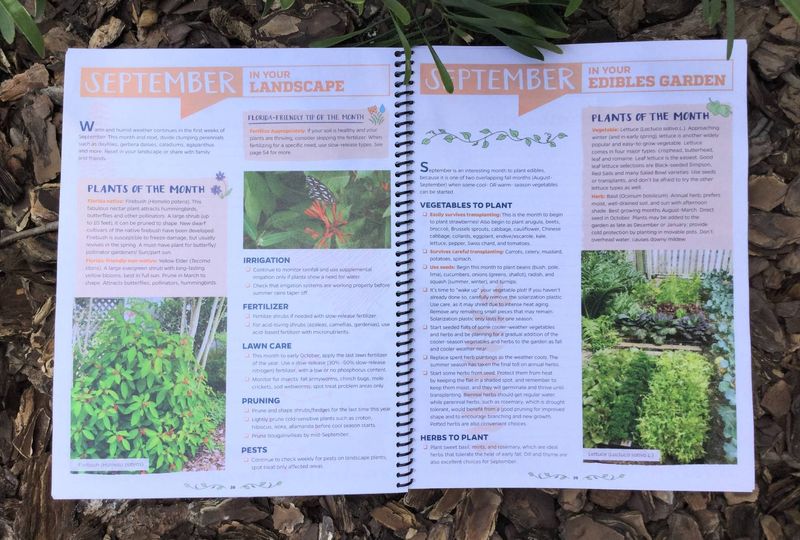
Every county in the state has a UF/IFAS Extension office, and many offer free help from trained Master Gardener Volunteers. I can’t believe how many people struggle for years without ever calling or emailing these friendly local experts.
Experienced gardeners admit that growing here feels different from anywhere else they have lived or visited. Advice from a cousin in Ohio might work beautifully there yet flop badly on our sandy, steamy ground.
A simple garden journal turns everyday observations into lessons you can use next season and beyond. Jot down planting dates and which varieties thrived, along with anything that flopped or attracted pests.
Personally, I snap quick phone photos of odd spots on leaves, then compare them with Extension fact sheets online. Those pictures make it much easier to track whether a problem is spreading or slowly fading away.
Strong gardeners stay curious, watching for yellowing leaves or chewed edges before trouble gets out of hand. Early clues often point to watering mistakes or nutrient shortages that are simple to fix when caught quickly.
The Gardening Solutions website from UF/IFAS covers local plants and pests in plain, friendly language anyone can follow. Plant clinics and workshops at Extension offices are another fun way to meet fellow growers and swap tips.
Gardening in Florida rewards patience, and every mistake teaches something valuable for the next try. Keep asking questions and keep watching closely, because your yard will tell you a lot if you pay attention.