8 Thanksgiving Centerpieces You Can Create From Your Michigan Garden
Cedar waxwings sometimes strip a whole shrub of berries in one afternoon, so your holiday harvest has real competition. In my garden, those feathered thieves arrive in late fall, right when I start eyeing branches for the table.
A Michigan yard in November looks quiet, but it still holds seed heads and colorful stems worth gathering. Frost actually helps some of these treasures, deepening their colors and drying them into sturdy, long-lasting decorations.
I’ve long felt that a centerpiece snipped from your own beds says more than anything bought at a store. You also save money, and your guests get a story about where each branch and seed head came from.
With that in mind, I went looking for plants that thrive in Michigan and still look lovely in late November. Which ones are hiding in your yard right now, just waiting for a pair of sharp pruners?
1. Winterberry Holly
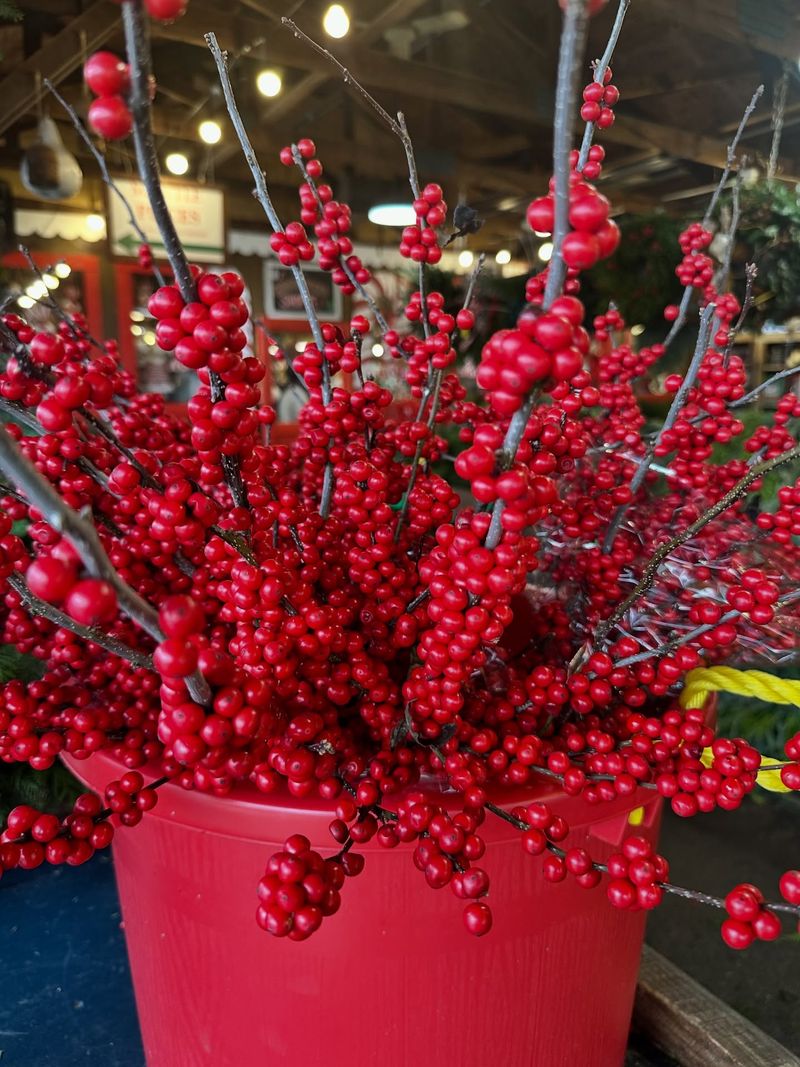
Most hollies keep their glossy leaves all winter, but winterberry drops every leaf and leaves bare stems covered in red. Those scarlet berries look almost lacquered against gray November skies, and they grab attention from across the yard.
Known to botanists as Ilex verticillata, this shrub is native across Michigan and handles cold winters with ease. It grows happily in moist, acidic soil and even tolerates soggy spots where other shrubs often sulk.
One quirk surprises many new growers, because you need a male plant nearby before the females produce berries. Nurseries often sell matching pairs, and one male can usually pollinate several female shrubs planted within reasonable distance.
For your table, snip branches about two feet long, cutting just above a side branch to keep things tidy. I like setting them in a pitcher of water, which helps the berries stay plump for a week or two.
Tuck the stems among pinecones or small white pumpkins, and the red color practically glows under candlelight. Keep candles a safe distance from dry foliage, though, since a cozy table should stay cozy and safe.
One caution matters for families, because the berries can upset stomachs if children or pets swallow several. Place the arrangement where curious paws cannot reach, and sweep up any fallen berries before they roll away.
Leave plenty of fruit on the shrub too, since robins and bluebirds rely on it during lean months. Sharing the harvest feels fair to me, and the birds put on a lovely show outside the window.
2. Little Bluestem
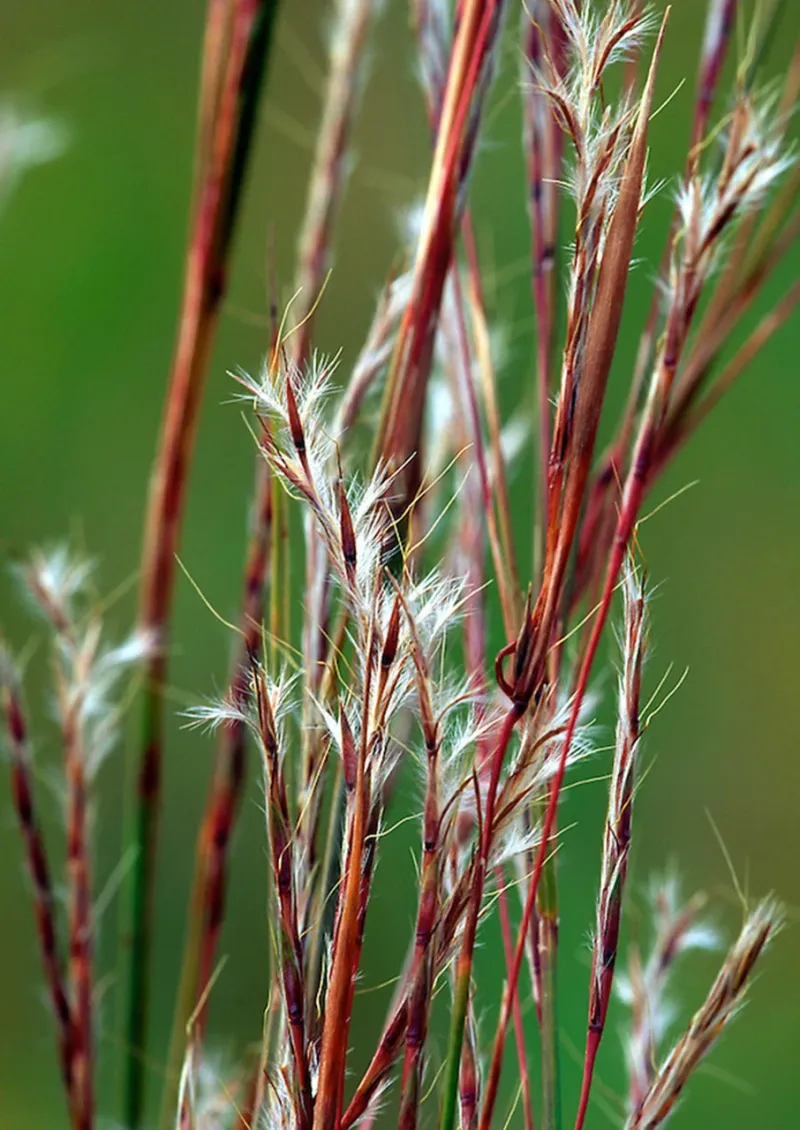
Despite its name, little bluestem turns a warm copper color in fall, like a new penny catching sunlight. Summer leaves start out blue-green, so the autumn change feels like watching a slow magic trick unfold.
Scientists call this prairie native Schizachyrium scoparium, and it once covered huge stretches of the Midwest. Each clump usually reaches two to three feet tall, which makes it easy to fit into smaller beds.
Give it full sun and lean, well-drained soil, and it will reward you with very little fuss. Rich soil and heavy watering actually make the stems flop, so skip the fertilizer for this tough grass.
Look closely at the stems in late fall, and you will spot fluffy silver tufts holding tiny seeds. Those tufts sparkle when light hits them, and they add a soft, airy feel to any arrangement.
I gather a big handful with scissors, then bundle the stems with twine for a simple rustic look. A tall glass jar or a hollowed pumpkin makes a charming holder, and neither one needs any water.
The grass dries beautifully on its own, so your centerpiece can last well past the holiday weekend. Pair it with dried hydrangea or sedum heads, and the copper tones blend nicely with pink and bronze.
Cut only part of each clump, because birds like juncos and sparrows enjoy picking at the seeds. Then trim the rest down to a few inches in early spring, before fresh green shoots appear.
3. Panicle Hydrangea
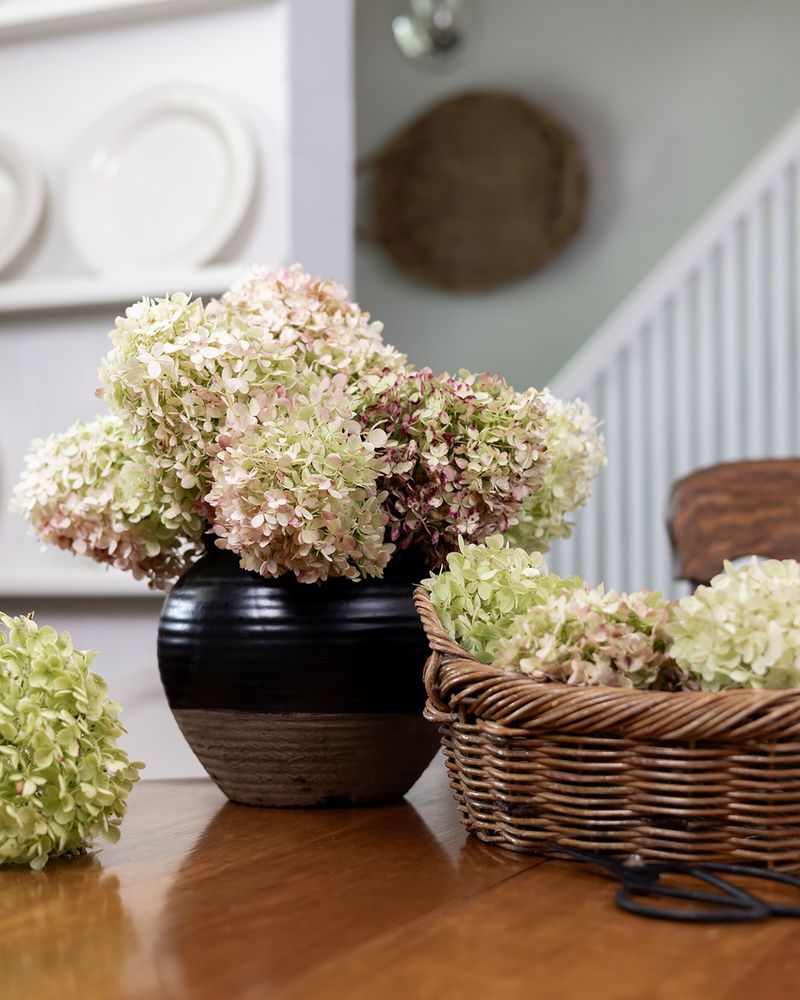
Some of the prettiest hydrangea blooms show up after the garden goes quiet, already dried right on the shrub. Panicle hydrangeas hold their cone-shaped flowers into winter, fading to soft shades of antique pink and tan.
Hydrangea paniculata is hardy in zones three or four through eight, so it suits gardens across Michigan. Unlike bigleaf types, it blooms on new wood, which means a harsh winter rarely ruins next summer’s flowers.
Plant it in full sun or light afternoon shade, and keep the soil evenly moist during its first year. Popular varieties like ‘Limelight’ and ‘Quick Fire’ give you different color shifts as the season moves along.
Late fall cutting is wonderfully easy, because the blooms have mostly dried on the stems by then. Choose heads that feel papery and crisp, and snip them with stems about twelve to eighteen inches long.
I love grouping three or four big heads in a wooden bowl for a full, cloudlike centerpiece. They need no water at this stage, and they often keep their shape for many months indoors.
Handle them gently, though, since the dry petals can shatter if they get bumped or squeezed too hard. A light mist of unscented hairspray helps some gardeners reduce shedding, and it works well in my experience.
Leave a few blooms outside, too, because they look magical wearing a cap of fresh snow. Prune the shrub in late winter or early spring, and it will happily produce more flowers next summer.
4. Autumn Joy Sedum
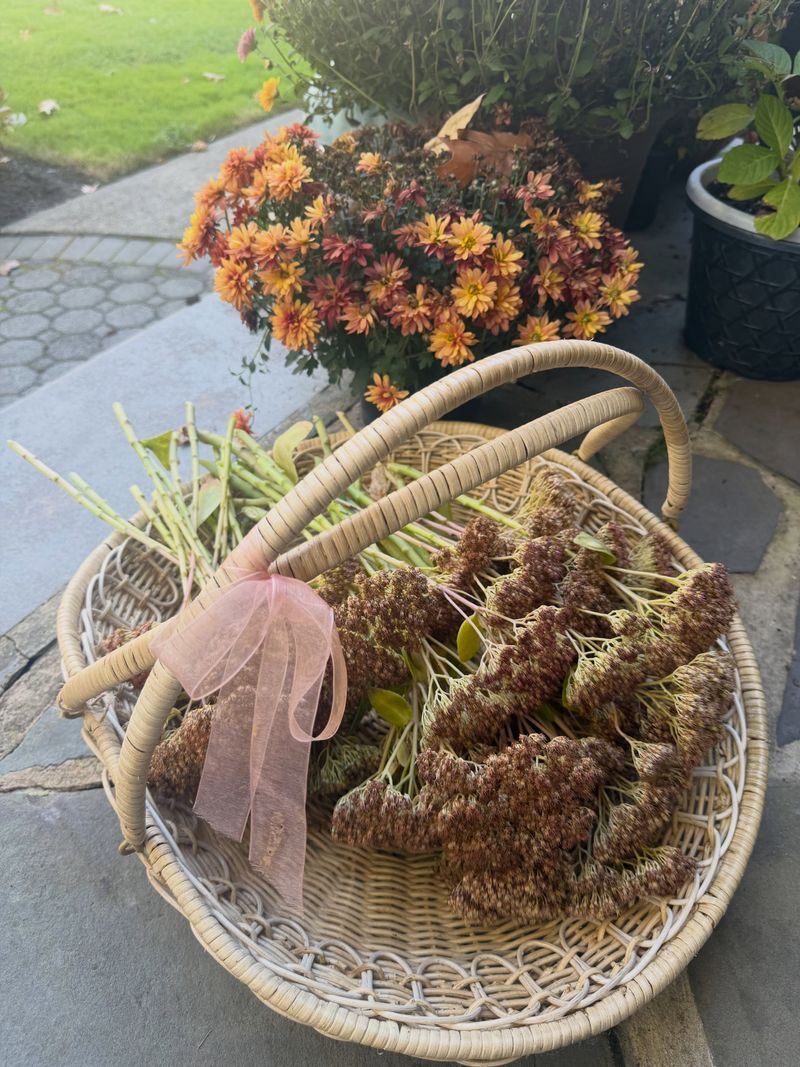
Bees mob ‘Autumn Joy’ sedum in late summer, and by Thanksgiving its flower heads have turned a rich rusty brown. Those flat, broccoli-like clusters feel sturdy in your hand, almost like tiny umbrellas made of crunchy blossoms.
Botanists moved this plant to a new group, so you may see it labeled Hylotelephium ‘Herbstfreude’ at nurseries. Whatever the tag says, it remains one of the toughest perennials you can grow in a sunny bed.
Its thick, fleshy leaves store water, which helps it shrug off dry spells once the roots settle in. Soggy clay is its biggest problem, so choose a spot with good drainage and at least six hours of sun.
Clumps usually reach about eighteen to twenty-four inches tall, and they stay neat without staking in lean soil. Too much fertilizer makes the stems flop open in the middle, a problem I learned about the hard way.
For a centerpiece, cut the bronze heads with six to ten inches of stem attached for easy arranging. They look wonderful tucked into a long wooden tray between mini gourds and a few votive candles.
The dried heads need no water, and their warm tones match orange and gold table linens beautifully. You can also spray a few heads with gold paint if your family likes a little extra sparkle.
Try leaving half the stems standing outdoors, since they catch snow and give birds a perch in winter. Cut those back in early spring, just before fresh rosettes of blue-green leaves push up from the base.
5. Ornamental Gourds
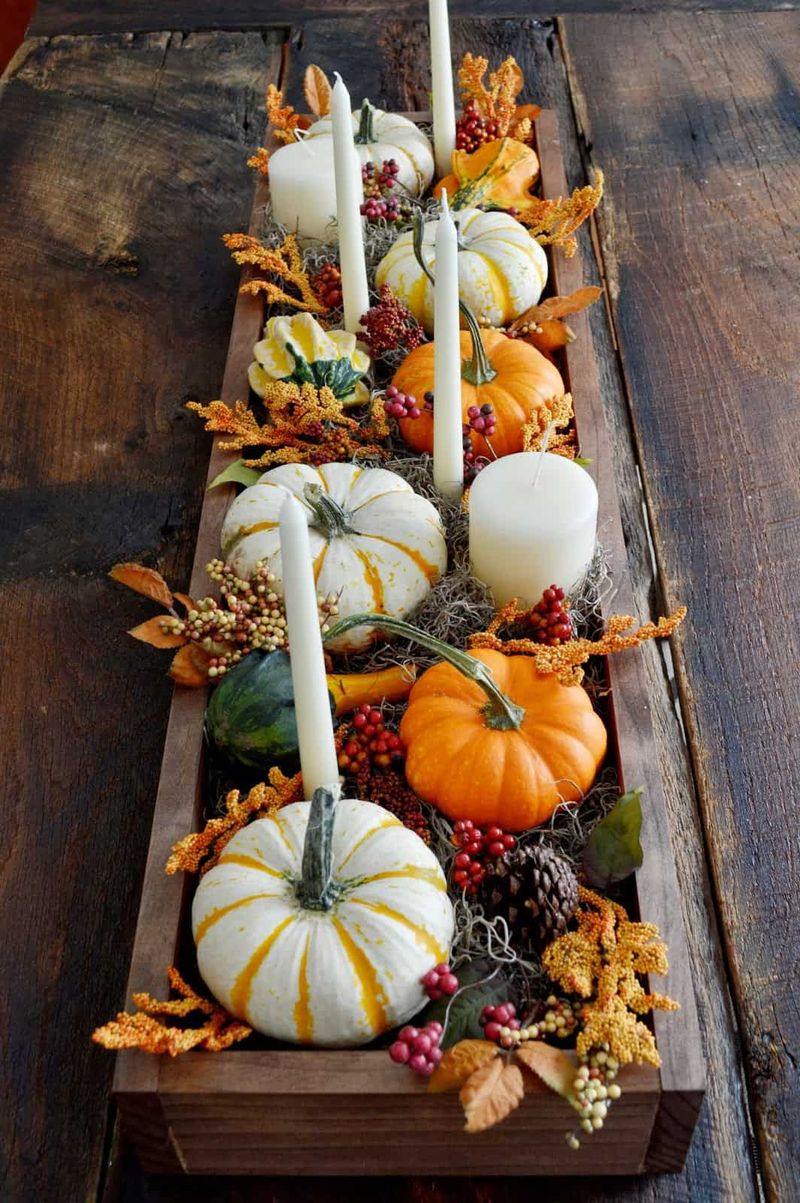
Warty little gourds shaped like swans or spoons look like vegetables designed by a playful cartoonist. Growing your own means you get to pick the weirdest ones, and that hunt is half the fun.
Most small decorative gourds belong to Cucurbita pepo, the same species that includes zucchini and many pumpkins. That family connection explains why they love heat, so sow seeds outdoors only after spring frost danger passes.
Vines sprawl quickly, so give them plenty of room or let them scramble up a sturdy trellis. Full sun and rich, well-drained soil help the fruit ripen before cool autumn nights slow everything down.
Harvest gourds before a hard frost, once the stems turn brown and the rinds feel hard to your fingernail. Leave a few inches of stem attached, because a broken stem invites rot that can spoil your display.
Wipe each one with a mild bleach solution, then let them dry in a warm, airy spot. About a week of surface curing firms the skin, and they usually stay colorful for a couple of months.
I like piling them into a shallow basket with a few sprigs of greenery for a harvest look. Kids enjoy picking favorites and naming them, which turns setting the table into a funny family moment.
Check them every few days, and remove any gourd that develops soft spots or a sour smell. Ornamental types are grown for looks rather than flavor, so keep them on the table and off the menu.
6. Red Twig Dogwood
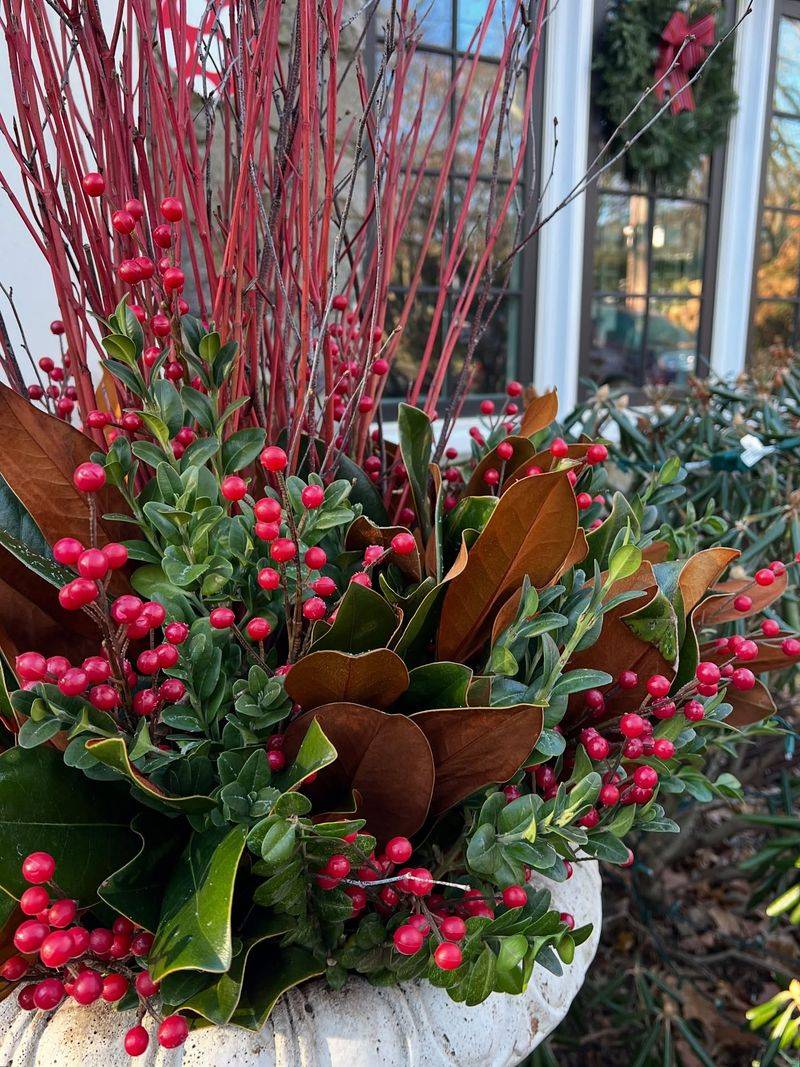
Once the leaves fall, red twig dogwood seems to glow, as if someone painted its stems with bright lipstick. That color gets even richer as temperatures drop, which makes late November a perfect time for cutting.
Also called red osier dogwood, Cornus sericea grows wild along streams and wetland edges across much of Michigan. The shrub handles bitter cold with ease, and it grows happily in moist soil that would drown fussier plants.
Plants usually reach six to nine feet tall and spread by underground stems, so give them elbow room. Full sun brings out the brightest red, while shady spots tend to produce duller, greener stems.
Young stems carry the best color, which is why many gardeners remove a third of the oldest wood each spring. Holiday cutting works nicely too, as long as you take only a modest share of the stems.
I cut straight, pencil-thick pieces about two feet long and stand them upright in a tall galvanized bucket. Shorter pieces look great laid flat down the table, weaving between pinecones and little glass candle holders.
The bare red twigs pair beautifully with evergreen boughs, giving you a Christmas head start after Thanksgiving. Stems kept in water sometimes sprout tiny leaves indoors, which feels like a sneak peek at spring.
Birds appreciate this shrub as well, since its white berries feed many species in late summer and fall. Planting one near a window lets you enjoy those red stems against snow for months to come.
7. Purple Coneflower
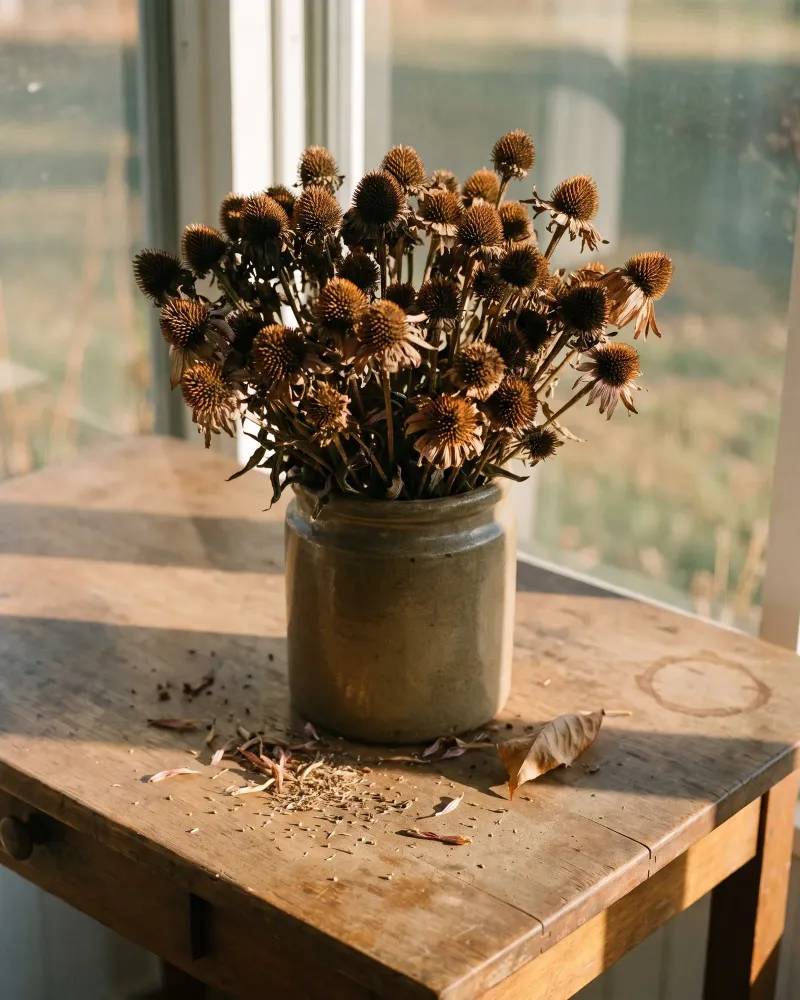
Goldfinches perch on coneflower seed heads like tiny acrobats, picking out seeds long after the purple petals fade. Those spiky, dark brown cones look like little hedgehogs on sticks, and they make surprisingly charming table decor.
Purple coneflower, or Echinacea purpurea, is a tough prairie perennial that thrives in zones three through eight. It handles our cold winters well and grows two to four feet tall in sunny, well-drained beds.
Once established, it tolerates drought nicely, so you rarely need to fuss with the hose after its first year. Skipping fall cleanup in that bed pays off, because the standing stems give you plenty of centerpiece material.
Choose cones that still look firm and intact, then cut them with stems about a foot long. Give them a gentle shake outdoors first, which scatters loose seeds and may bring you new seedlings next spring.
My favorite trick is clustering a dozen cones in a small crock, where their dark heads contrast with pale grasses. They also look sweet tied to napkins with ribbon, giving each guest a tiny piece of your garden.
The cones feel prickly, which explains the name, since Echinacea comes from a Greek word for hedgehog. Handle them with a light touch near small children, because the sharp tips can poke tender fingers.
Leave most of the patch standing outside, since the seeds help feed hungry finches through the colder months. Watching those cheerful little visitors from the kitchen window adds some joy to gray winter mornings.
8. Coralberry
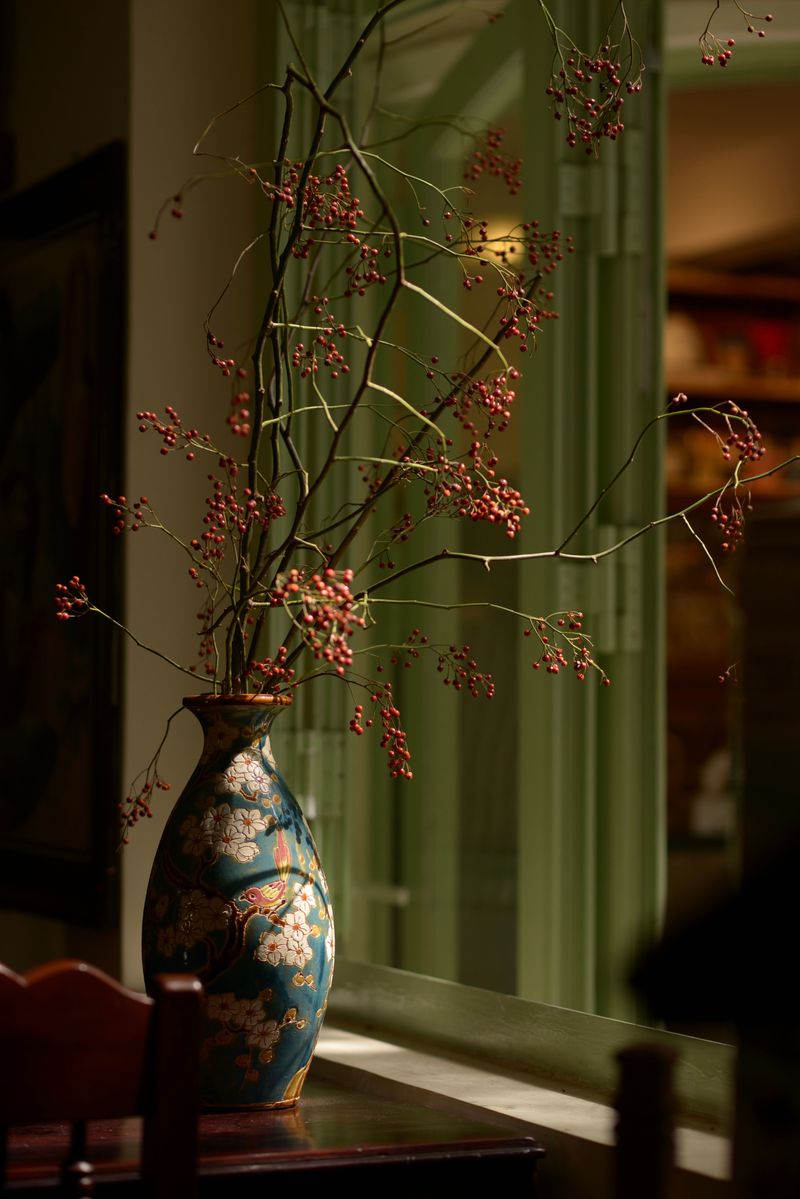
Bubblegum-pink berries in late November feel almost unreal, yet coralberry produces them right on schedule each fall. The little fruits crowd along arching branches, and they look like strings of candy beads in the frost.
Known as Symphoricarpos orbiculatus, this North American relative of snowberry is hardy in zones two through seven. It usually grows three to five feet tall, forming a relaxed mound that works well along fences and borders.
Coralberry tolerates partial shade and many soil types, including dry clay that frustrates plenty of other shrubs. It spreads by suckers over time, which makes it handy for holding soil on banks and slopes.
Snip berry-covered branches about a foot long, choosing ones with the densest clusters for the best show. The slender stems arch naturally, so they spill over the edge of a bowl in a graceful way.
Pink might seem odd for Thanksgiving, but it pairs wonderfully with creamy white pumpkins and silvery foliage. I find it softens all the orange and brown on the table, and guests usually ask what it is.
The berries contain saponins, so they can cause stomach upset in people or pets who eat them. Set the arrangement up high or toward the center, away from toddlers and curious dogs at dinner.
Outdoors, the berries often hang on into winter, giving birds a backup snack when other food runs low. That staying power makes coralberry a sweet final addition to your list of garden-grown table decorations.