Chinese Pistache: A Possible Fall Color Shade Tree for Some Phoenix Yards
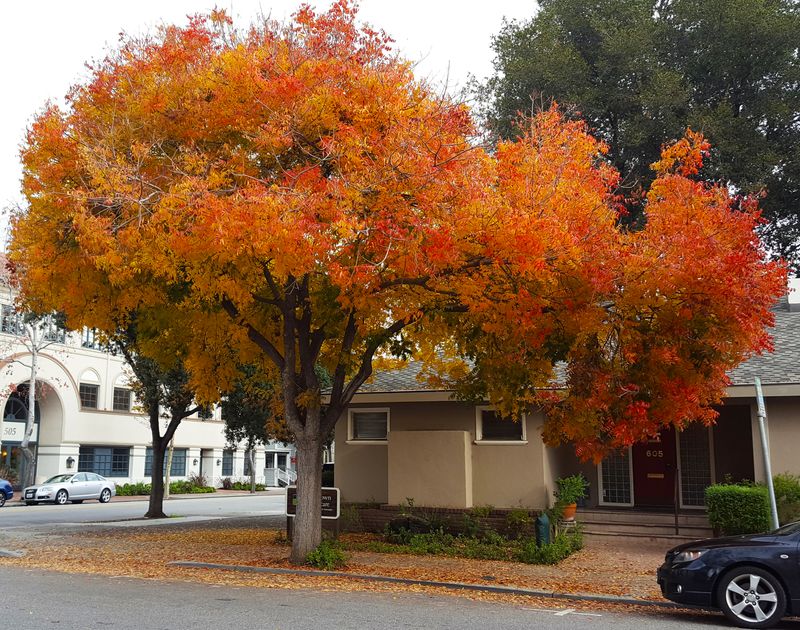
One tree on the University of Arizona campus in Tucson shows that an East Asian import can turn colors in our desert. Its leaves may glow yellow, orange, or red in autumn, though not every tree gets the memo.
I love a good shade tree with a little drama, but I like honest facts even more. Let’s sort out what this tree can and cannot do for a Phoenix-area yard.
What Phoenix’s Tree List Can—and Cannot—Show
A quick confession: the title of this article started with a claim I could not back up. Plenty of people say Phoenix homeowners keep planting this tree, but no planting, nursery-sales, or homeowner survey data I found shows that.
The City of Phoenix does publish a page about its urban forest and common public trees, and Chinese pistache is not among the species it names. That list describes trees on public land, though.
It says very little about what neighbors choose for their own backyards, so it cannot prove or disprove a trend.
So let’s skip the popularity contest and ask a more useful question. Does this tree fit your yard, your budget for water, and your tolerance for raking?
The next sections walk through color, size, sun, water, care, and cleanup so you can decide for yourself.
Fall Color Is Possible, Not Guaranteed
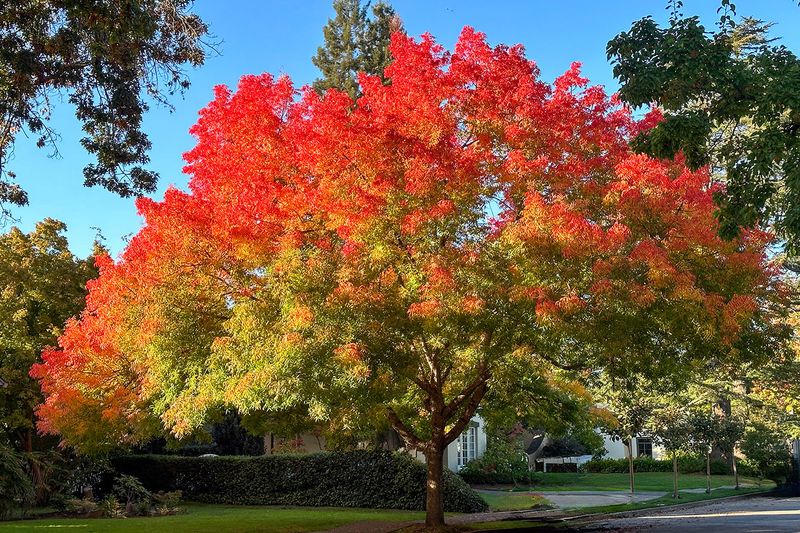
Picture leaves in yellow, orange, or red, sometimes all on one tree. That is the autumn range reported for Chinese pistache, and it is the main reason people get curious about it.
Here is the catch. The University of Arizona Campus Arboretum profile notes that color varies from tree to tree and is less dependable in warmer climates.
Phoenix is plenty warm, so a bright show is a hope, not a promise.
The Tucson campus specimen proves the species can color in our region. It does not tell you what a tree in your yard will do.
Two pistaches planted side by side can turn out quite differently, and some years may look better than others.
My advice is to buy this tree for its shade first. If the fall color arrives, treat it as a bonus.
If you want to see color before committing, look at mature trees locally in October or November.
Plan for a Broad, Deciduous Canopy
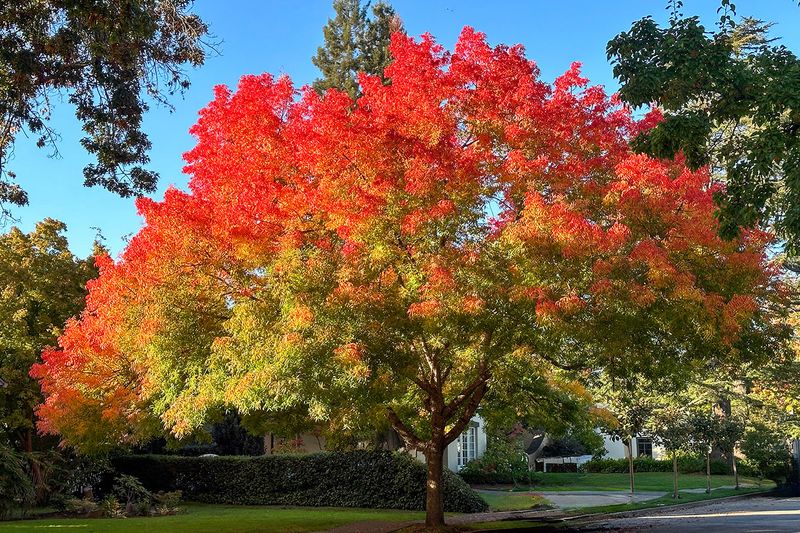
Chinese pistache, Pistacia chinensis, comes from East Asia, not Arizona. It is deciduous, which means it drops its leaves for part of the year and then grows a full canopy again.
That canopy can get wide. Published sizes differ, from about 30 feet tall and wide to quite a bit larger, according to sources like the UA Campus Arboretum profile.
A fixed number would be a guess, so I will not give you one.
Instead, plan for the large end. Leave generous space from the house, walls, pool, power lines, and the property line.
A small sapling can look harmless and then crowd a patio ten years later.
Ask the nursery which cultivar you are buying and what size it expects in local conditions. Soil, water, and care will all shape the final tree, so a little extra room is cheap insurance.
Check Sun and Drainage Before Planting
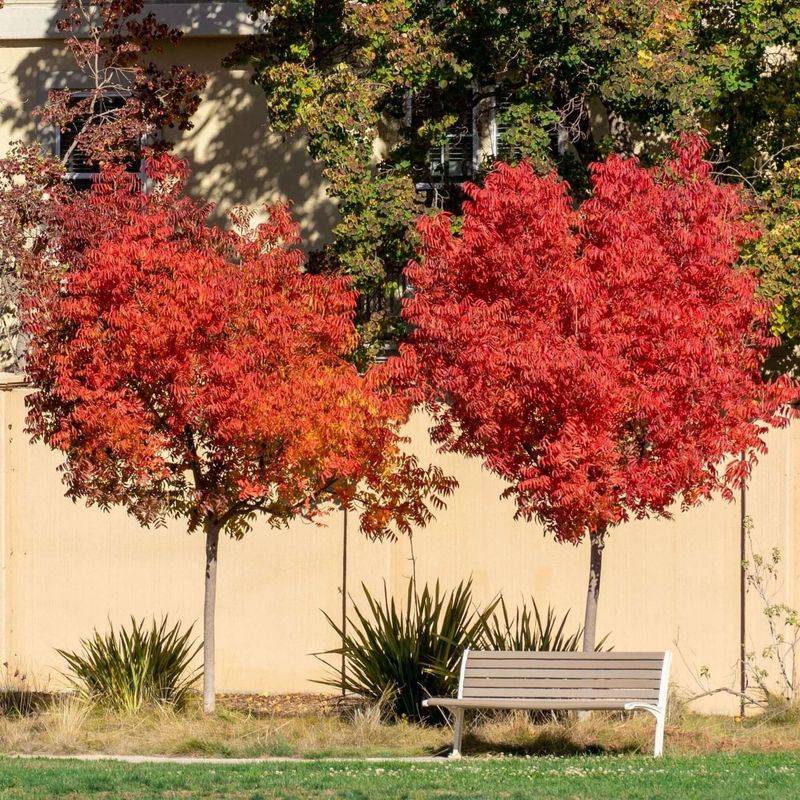
Before you buy anything, spend a day watching your yard. This tree wants full sun and well-drained soil, as described in University of Arizona Cooperative Extension guidance on deciduous trees.
Sun is easy to check. Note whether the spot gets direct light for most of the day, including shade from walls or neighboring trees.
Drainage takes one more step. Dig a hole, fill it with water, and see how long it takes to drain.
If water lingers, you have a waterlogged spot, and that is not a good home for this tree.
Heat tolerance is a separate matter. The UA arboretum profile describes the tree as heat tolerant once established, but that does not make it right for every Phoenix yard.
Poor drainage or too little sun can still cause trouble, so match the site first.
Water Needs Resist a Simple Label
Ask three sources how much water this tree needs and you may get three answers. The UA arboretum lists it as low water, while a Nevada forestry guide calls it mesic and suggests intermediate to high water placement.
An Arizona Sustainability Alliance poster says moderate.
I would not pick a winner. Drought tolerant does not mean no-water, and it does not guarantee savings compared with desert natives.
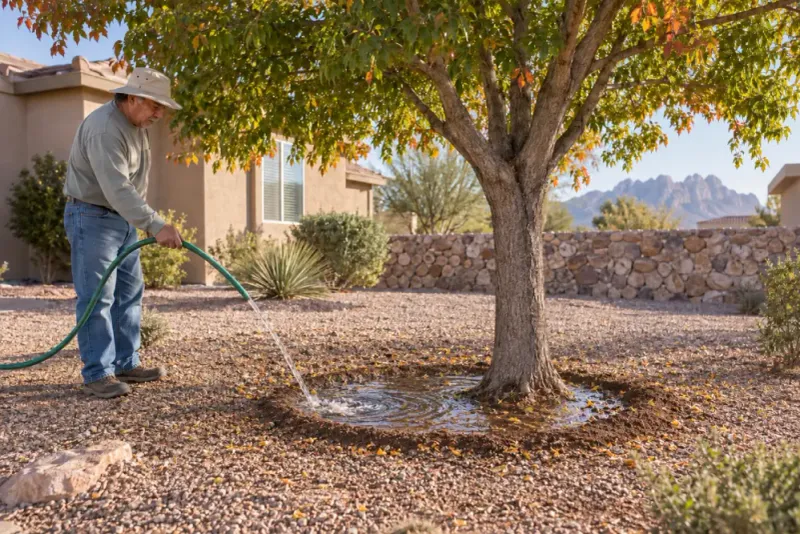
What helps more is technique. University of Arizona guidance on watering trees recommends deep watering in the root zone, and adjusting how often you water to conditions.
Use a soil probe to see how far the water went. As the tree grows, move the irrigation outward instead of leaving it near the trunk.
Soil, season, tree age, and your system all matter, so a rigid calendar will not fit.
Young Trees Need Establishment Care
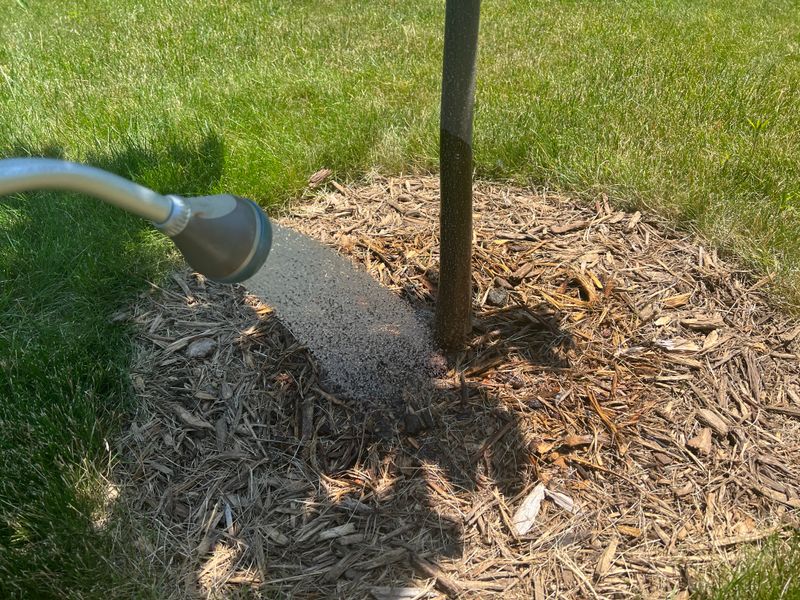
A newly planted pistache is not a plant-it-and-forget-it tree. Young trees need establishment care while their roots settle into your soil, and that early attention shapes how the tree grows later.
Extension guidance on deciduous trees in Arizona also notes that young specimens may benefit from structural pruning. The goal is sound branch spacing and a good form, not a heavy haircut.
I will not hand you a pruning schedule, because the sources I checked do not set one. If you are unsure, ask a certified arborist to look at your tree and advise on timing and cuts.
In practice, plan to check on a young tree often. Look at the soil, the trunk, and the branch structure, and make small corrections early.
Those first seasons are the cheap time to fix problems.
Fruit and Leaf Drop Add Cleanup
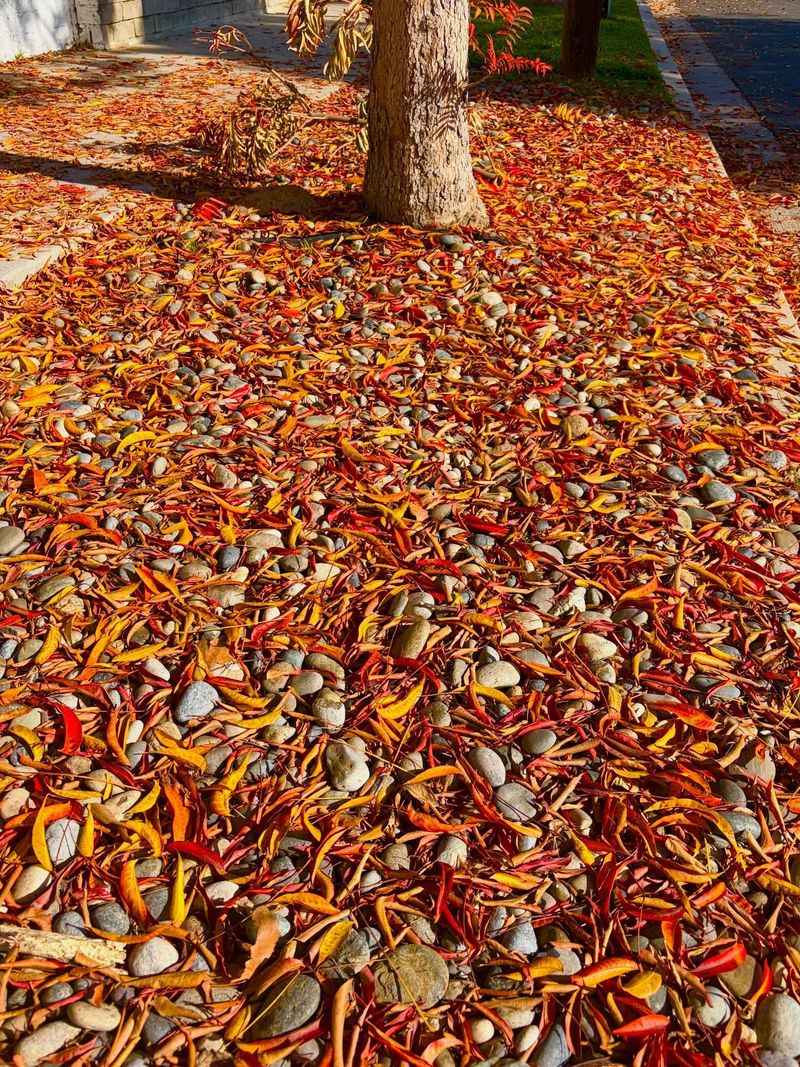
Fall color has a flip side, and it ends up on the ground. A deciduous canopy drops its leaves, so expect some raking when the show wraps up.
Male and female flowers grow on separate trees. Female trees can produce fruit, and Arizona sources, including this extension publication, describe that fruit as inedible for people.
Fruit means one more thing to sweep up, especially near patios and walkways. Ask the nursery about the sex of the tree you are buying, since that affects how much fruit you may see.
Some reports say birds eat the fruit. That is a narrow observation, and it does not make this tree a major wildlife or habitat plant.
Plant it for shade, and consider any bird visits a small perk.
A Tree Is No Substitute for Pest Prevention
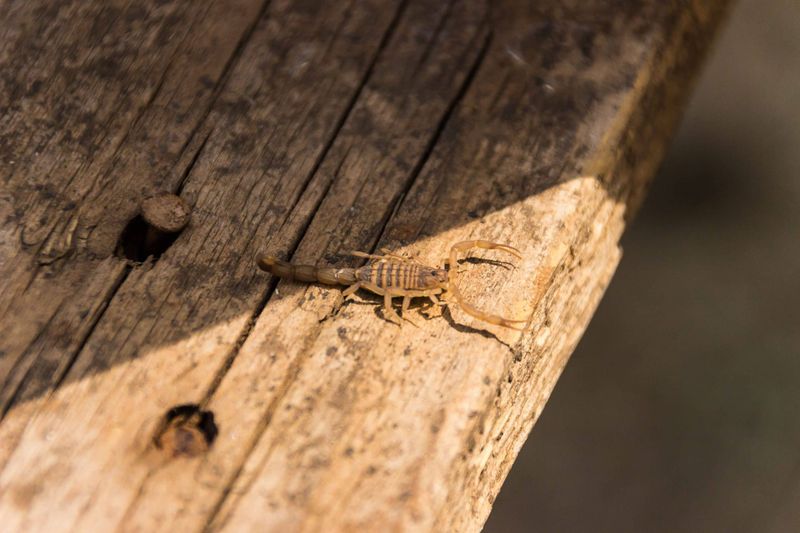
Scorpions and mosquitoes are a real worry around Phoenix, so it is tempting to hope a tree might help. Nothing I found says Chinese pistache repels scorpions, ticks, or mosquitoes, and I will not suggest it does.
Arizona Cooperative Extension advice in its scorpion guide points to reducing harborage near buildings and trimming branches away from structures. That is useful when you are placing any tree.
For mosquitoes, EPA mosquito guidance focuses on removing standing water. Check saucers, buckets, and low spots after irrigation.
Neither source names this tree as a pest fix. Keep the canopy trimmed back from the roof, keep debris cleaned up, and treat the tree as shade only.
Choose It for Shade and Possible Color
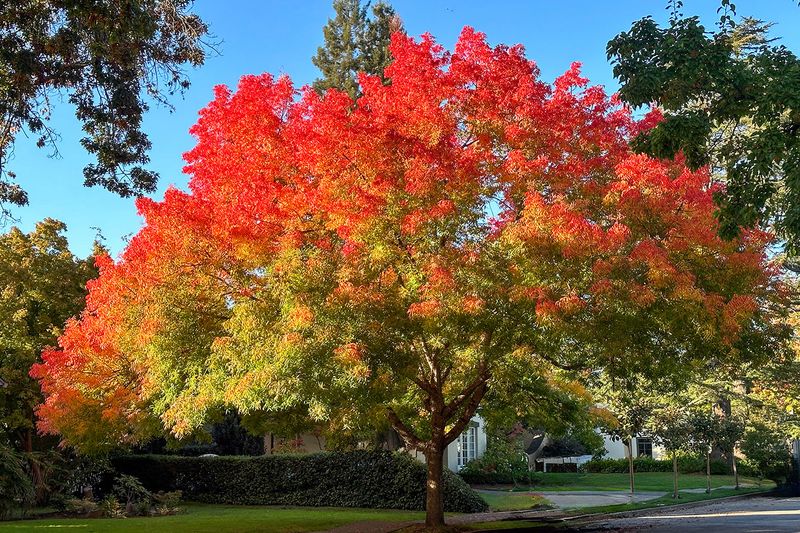
Here is the simple test. Chinese pistache may suit you if your yard has full sun, well-drained soil, and room for a broad canopy.
You should also be fine with variable color and with ongoing watering. The UA arboretum profile shows the tree can color in our region, and University of Arizona watering guidance helps you keep it healthy as it grows.
The case for planting it rests on shade and possible fall color. It does not rest on a proven local trend, a guaranteed display, water savings, or pest control.
A tree is a decades-long promise, so choose it for what it can honestly deliver. Sometimes the best fall color is just a cool patch of shade in October.