The Fall Fertilizing Step Arizona Rose Growers Should Not Skip
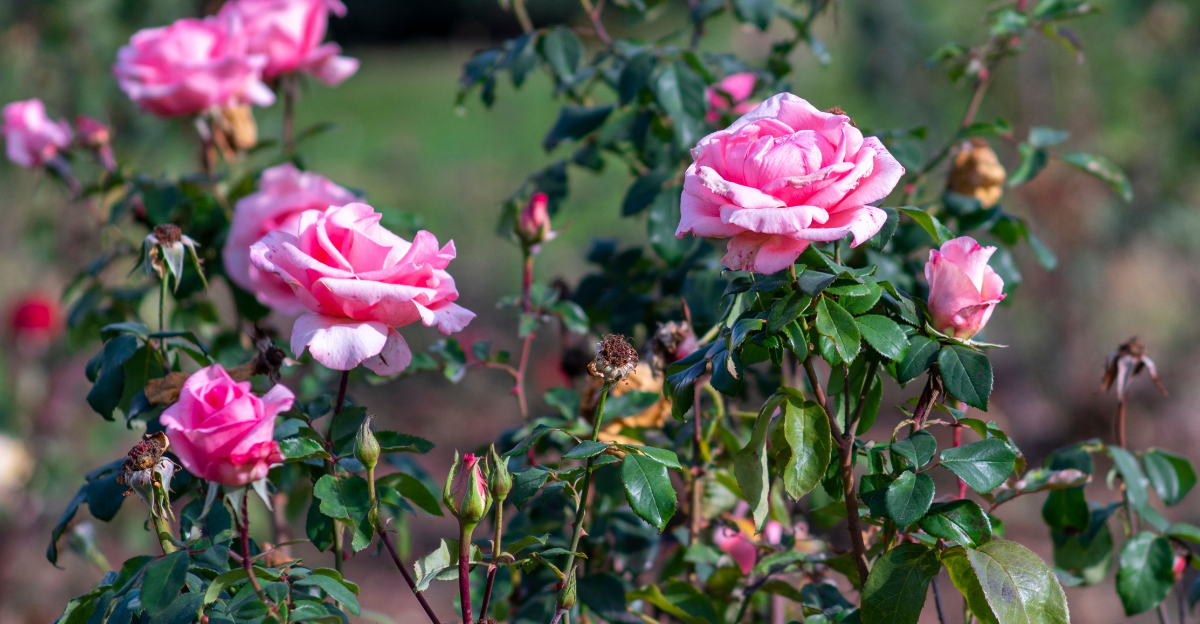
Roses often get overlooked after surviving the hardest summer heat, yet fall can bring some of their best growth. Giving them proper nutrition now helps them take advantage of milder conditions.
Once September arrives, many Arizona rose gardens begin shifting out of survival mode. Plants can respond quickly as temperatures ease and growing conditions become friendlier.
This is when your fertilizer routine deserves another look. Feeding at the right time can support fresh growth and another flush of colorful flowers without overwhelming stressed roots.
Before spreading anything, check your roses for signs that summer stress is still lingering. Healthy plants are better prepared to use added nutrients effectively.
Timing matters just as much as the product you choose.
Handle this fall feeding correctly, and your roses can head into cooler weather looking stronger and ready to bloom.
1. September Gives Roses A Break From The Worst Summer Heat
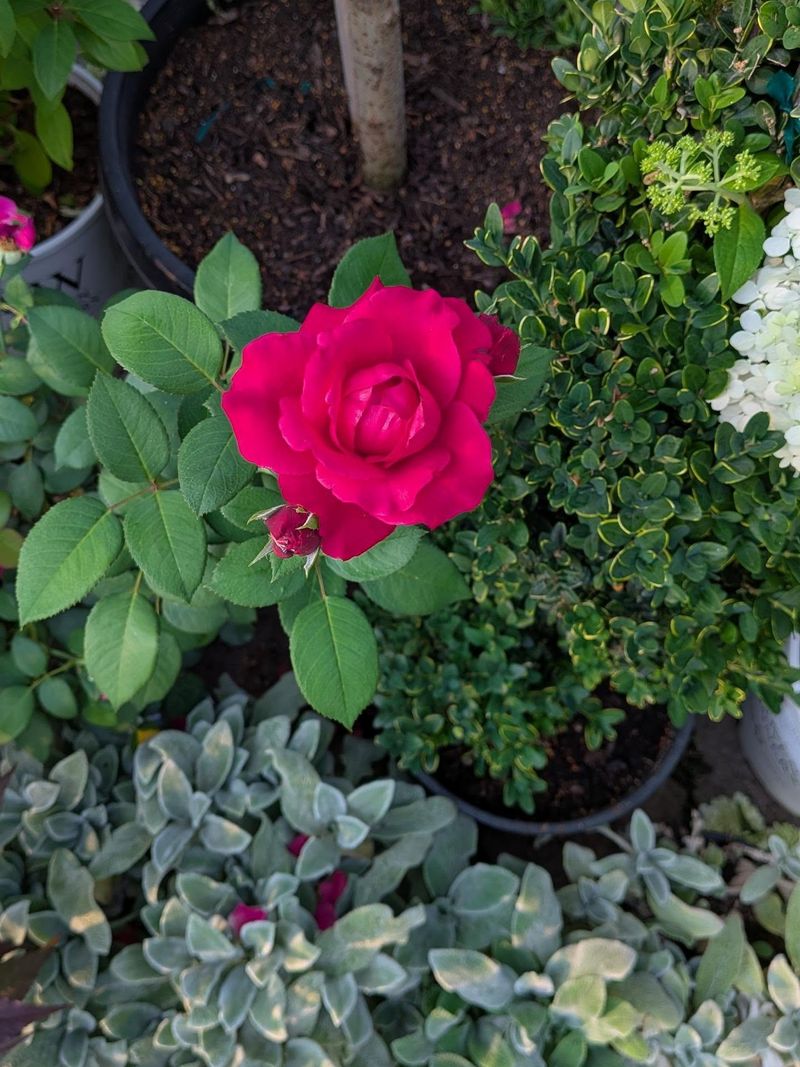
Roses in hot desert climates spend most of summer just trying to survive scorching temperatures. By the time September rolls in, daytime highs start to ease up, and plants finally get some breathing room.
Roots that were stressed under intense heat begin recovering once temperatures drop even slightly. Soil that baked all summer starts holding moisture a little better.
That shift matters more than most gardeners realize.
September is not just a transition month. It is the starting line for fall rose care in the low desert.
Feeding your roses too early, when heat is still punishing, can actually cause more harm than skipping fertilizer entirely.
Wait until nighttime temperatures stay below 95 degrees consistently before reaching for any fertilizer. In most Arizona valleys, that window usually opens somewhere in mid to late September.
Timing your first fall feeding right sets the stage for everything that follows.
Roses coming out of summer stress need a little patience before you push them into active growth. Watch your plants closely in early September.
New leaf buds emerging from older canes are a solid sign that your roses are ready to respond to feeding again.
2. Bring Slow-Release Fertilizer Back This Month
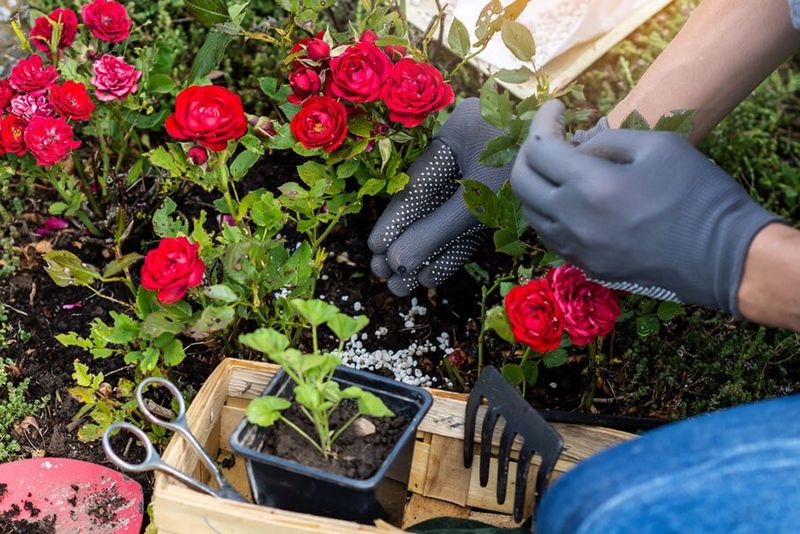
Slow-release fertilizer is one of the most practical tools a desert rose grower can use in fall. It feeds plants gradually over weeks instead of delivering one sharp burst of nutrients.
That steady release matches how roses actually grow. Instead of a quick flush of soft, weak growth, you get stronger stems and more consistent development heading into cooler weather.
Granular slow-release formulas are widely available at local garden centers. Look for products labeled for roses or flowering shrubs.
A balanced NPK ratio, something close to 5-10-5 or similar, works well for encouraging blooms without pushing too much leafy growth.
Scratch the granules lightly into the top inch of soil around each plant. Keep fertilizer a few inches away from the main canes at the base.
Pulling it too close can cause unnecessary irritation to the stem tissue.
One application in mid-September is usually enough to carry your roses through several weeks of active fall growth. Some growers follow up with a second light application in October, depending on how their plants respond.
Your Arizona Garden Changes Every Week. Your Plan Should Too.
Gardening in Arizona changes quickly throughout the season. Every Friday you’ll receive a simple weekly plan showing exactly what to plant, prune, fertilize, harvest, and protect so you never miss the right timing.
Watch for new bud development as your main indicator that feeding is working.
Slow-release products give you more flexibility than liquid fertilizers. Less guesswork, less risk of overdoing it on a warm day.
3. Follow The Label Instead Of Using Too Much
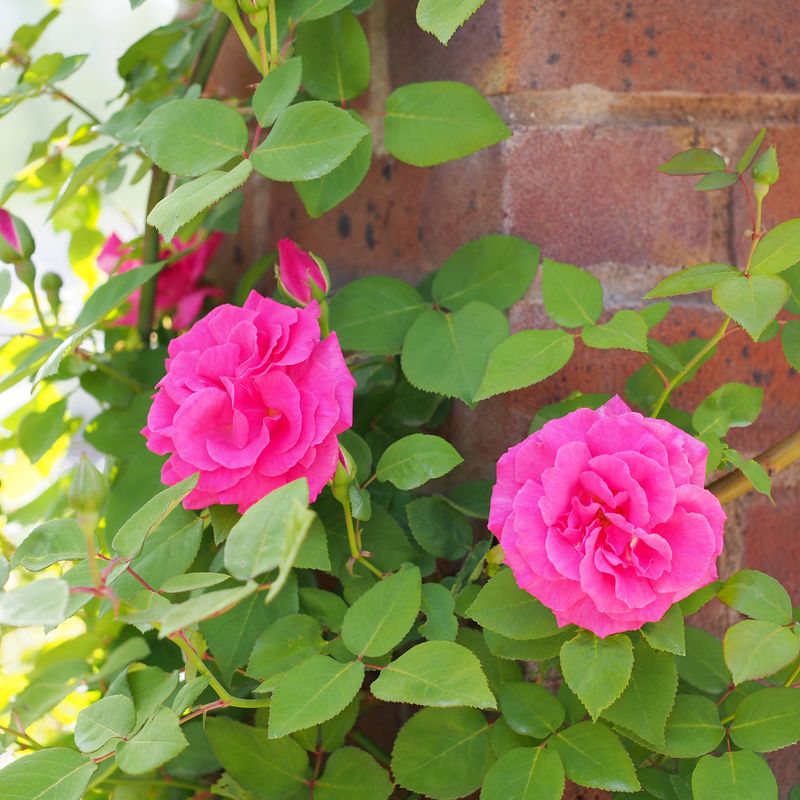
More fertilizer does not mean more flowers. Overfeeding roses is one of the fastest ways to cause problems that take weeks to correct.
Excess nitrogen pushes plants to produce a lot of soft green growth very quickly. That lush new growth sounds appealing, but it tends to be weak and more vulnerable to pests and environmental stress.
The label on your fertilizer bag is written by people who tested the product. Following those directions is not optional.
It is actually the most practical thing you can do for your plants.
Measure carefully. If the label says one tablespoon per plant, use one tablespoon.
Eyeballing fertilizer amounts in the garden is a habit that often leads to overdoing it.
Salt buildup in soil is another real concern when fertilizer gets applied too heavily. In Arizona, where soils can already carry higher salt levels, this compounds quickly.
Flushing soil deeply with water before and after fertilizing helps manage that risk.
Different rose varieties also respond differently to feeding. Hybrid teas may handle regular feeding well, while older shrub roses often need less.
Pay attention to how your specific plants respond over time rather than applying a one-size-fits-all approach to every bush in your garden.
4. Give Roses A Good Drink Before Adding Fertilizer
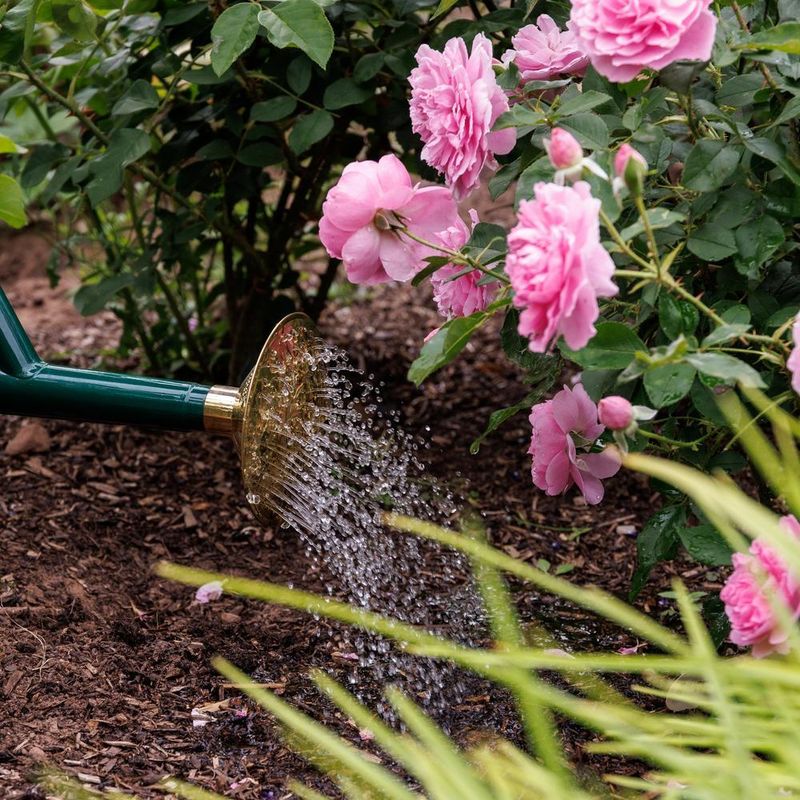
Fertilizing dry soil is a mistake that can set your roses back instead of helping them. Nutrients applied to parched roots can concentrate and cause stress to plant tissue.
Water your roses deeply at least 24 hours before you plan to fertilize. Let moisture soak down several inches into the root zone.
That pre-soak prepares the soil to distribute nutrients evenly once fertilizer is added.
Desert soils drain quickly in many areas. Sandy or gravelly ground may need two slow, deep waterings to build enough moisture before you feed.
Clay-heavy soil holds water longer but may need more time to absorb evenly.
After fertilizing, water again to help the product move into the root zone. For granular fertilizers, this second watering activates the slow-release coating and starts the feeding process.
Skipping this step is surprisingly common, especially when gardeners are eager to get fertilizer down. A few minutes of extra watering can protect your plants from unnecessary stress.
Morning is the best time to water and fertilize roses in warm climates. Soil temperatures are lower, evaporation is slower, and your plants have the whole day to begin absorbing what you give them.
Avoid fertilizing in the middle of a hot afternoon whenever possible.
5. Fall Feeding Supports The Next Round Of Blooms
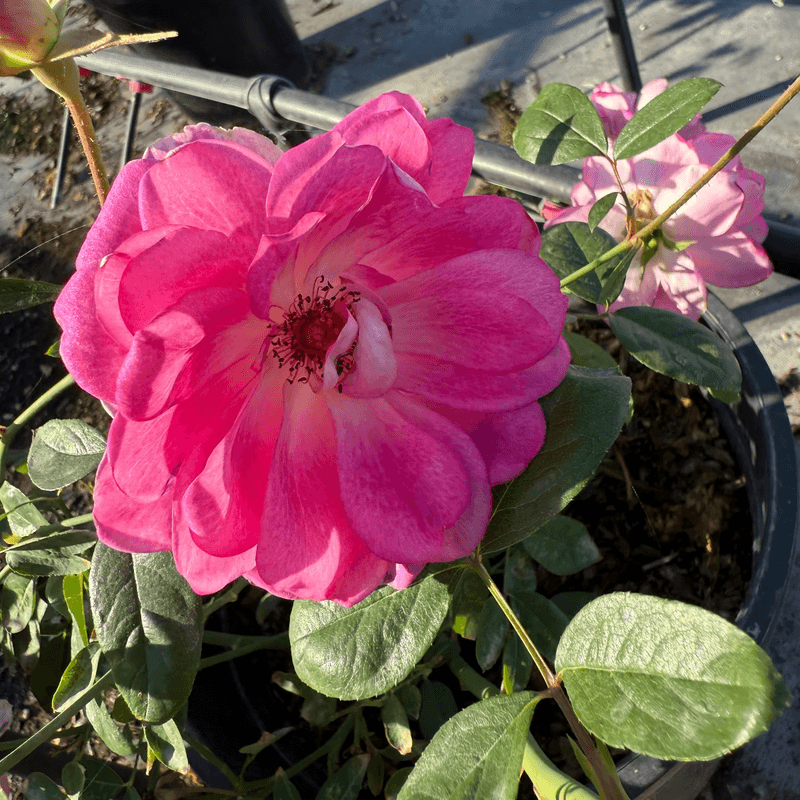
Fall blooms are one of the best rewards for rose growers in warm desert climates. Cooler temperatures from October through November create near-perfect conditions for flowers.
Feeding your roses in September gives them the nutrition they need to push out new bud wood. Without that fuel, plants may produce only weak growth and few flowers during the best blooming window of the year.
Phosphorus plays a key role in flower production. Fertilizers with a higher middle number in the NPK ratio support root strength and bloom development.
Products specifically labeled for flowering plants often have this balance built in.
Potassium also matters in fall. It helps strengthen cell walls and supports overall plant resilience as temperatures shift between warm days and cooler nights.
A fertilizer that includes both phosphorus and potassium gives roses a more complete nutritional foundation.
Expect to see bud development begin roughly three to five weeks after a good fall feeding, depending on your specific variety and conditions. Some roses respond faster than others.
Patience is part of the process. Roses that were well-fed in September often produce noticeably fuller, longer-lasting blooms in October and November compared to plants that received no fall nutrition.
That payoff makes the extra effort worthwhile.
6. Light Trimming Helps Clean Up Summer Growth
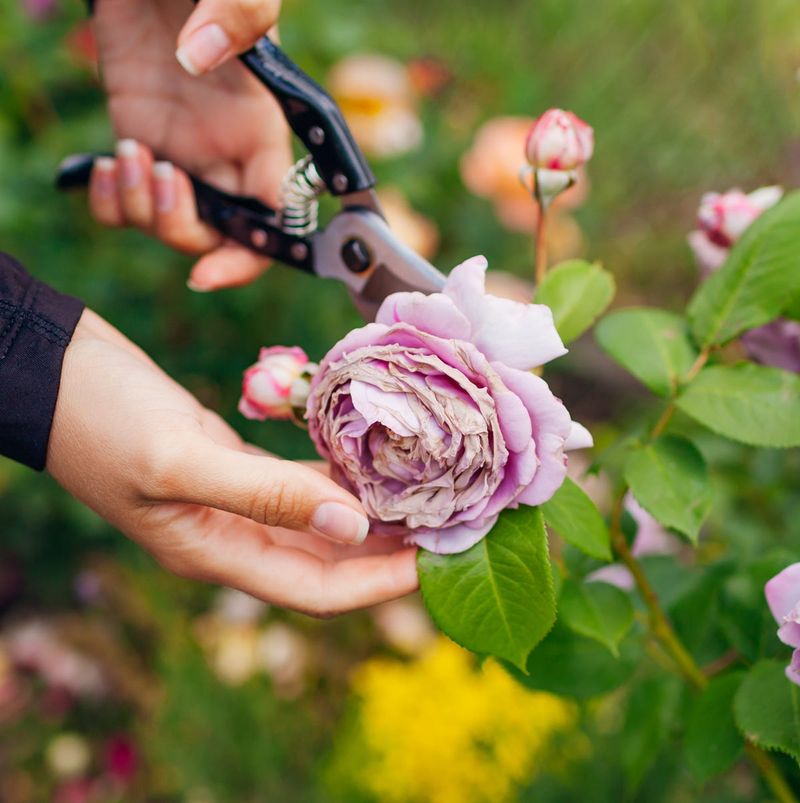
Fertilizer works better when roses are not carrying a heavy load of old, exhausted summer growth. Light trimming before or alongside fall feeding sets plants up to use nutrients more efficiently.
Summer canes that look woody, unproductive, or crowded are good candidates for removal. You do not need to do a heavy prune.
Just enough to open the plant up and encourage new growth from healthy wood.
Cut just above an outward-facing leaf node. That directs new growth away from the center of the plant, which improves air circulation and reduces crowding over time.
Sharp, clean pruners matter. Dull blades crush stem tissue instead of cutting cleanly.
Rough cuts are slower to heal and can invite problems.
Remove spent blooms as well. Leaving old flowers on the plant signals it to put energy into forming seeds rather than producing new buds.
Deadheading consistently through fall keeps the blooming cycle moving.
In warm desert climates, fall trimming is lighter than the deeper pruning done in late January or February. You are not reshaping the plant at this stage.
You are simply refreshing it enough to take full advantage of the cooler growing season ahead. Think of it as a light reset, not a full renovation.
7. Know When The Final Feeding Should Happen
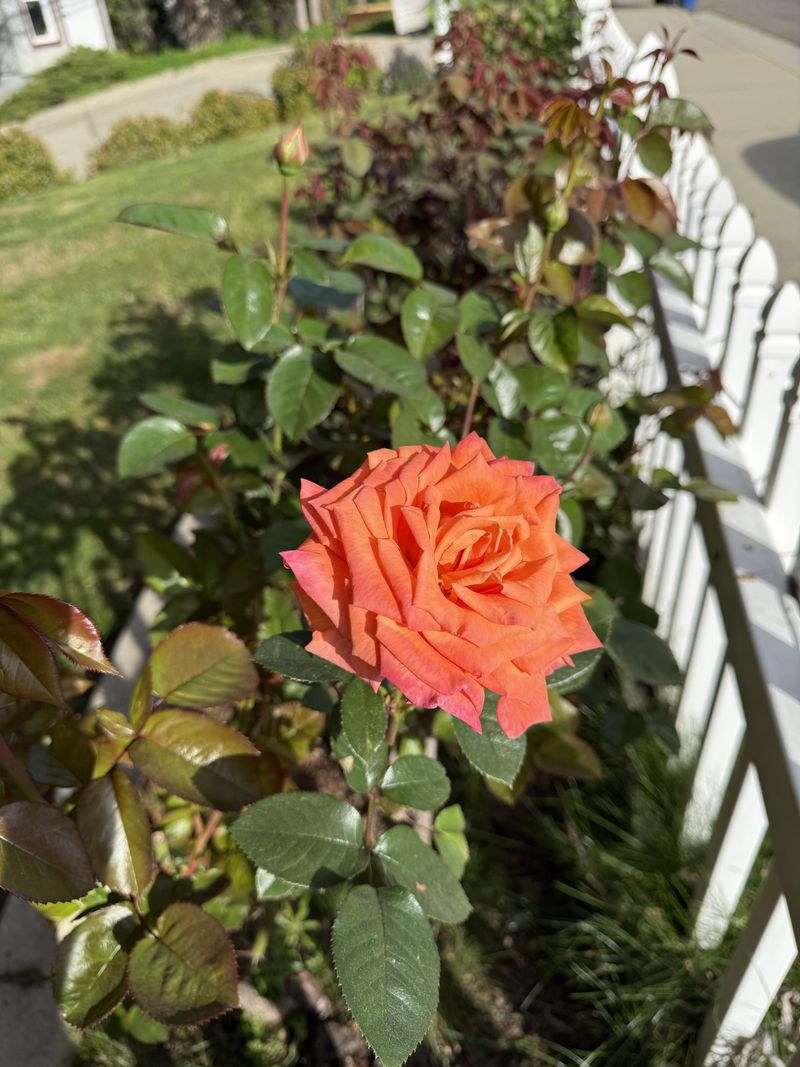
Timing the last fall feeding correctly is just as important as timing the first one. Feeding too late in the season pushes new growth that cannot mature before cold nights arrive.
Tender new growth that emerges late in the season is more vulnerable to frost damage. In Arizona valleys, frost risk varies by elevation and location.
Low desert areas around Phoenix rarely see hard freezes, but higher elevation communities face real cold snaps from December onward.
A general guideline used by many experienced rose growers is to stop fertilizing about six to eight weeks before your expected first frost date. That gives new growth enough time to harden off before temperatures drop sharply.
For low desert gardeners, that often means wrapping up fertilizing by late October. In higher elevation areas of the state, the cutoff may come a few weeks earlier.
After the final feeding, shift your focus to watering and monitoring. Roses do not need much from you in terms of nutrition through the coldest weeks.
They benefit more from consistent moisture and protection from sudden cold snaps.
Knowing your local frost dates is a practical step every rose grower should take. Your local cooperative extension office or a reliable weather service can give you realistic averages for your specific zip code and elevation.