Should Arizona Homeowners Still Overseed After the Big November Storm?
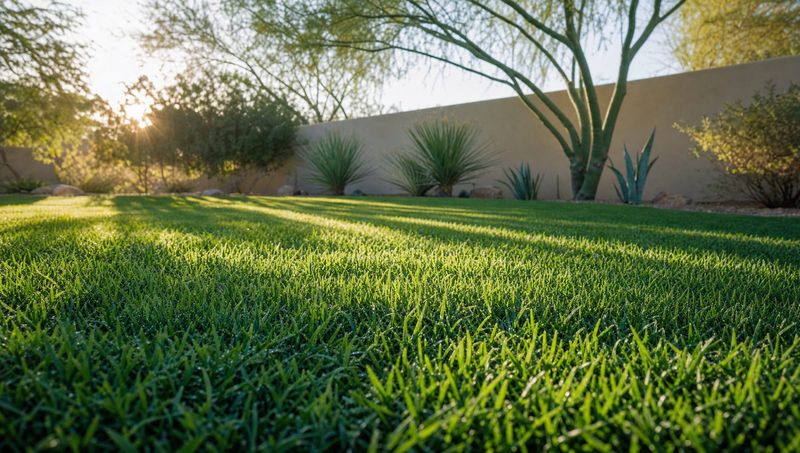
A single storm can fill the news, but it cannot tell you what happened in your own backyard. Many Arizona lawns with Bermudagrass face a choice each fall: sow winter grass or let the lawn rest.
Rain across the region may make that choice feel urgent. Here is how to sort out the facts, check your own yard, and decide what fits you.
The Storm Cannot Diagnose Your Yard
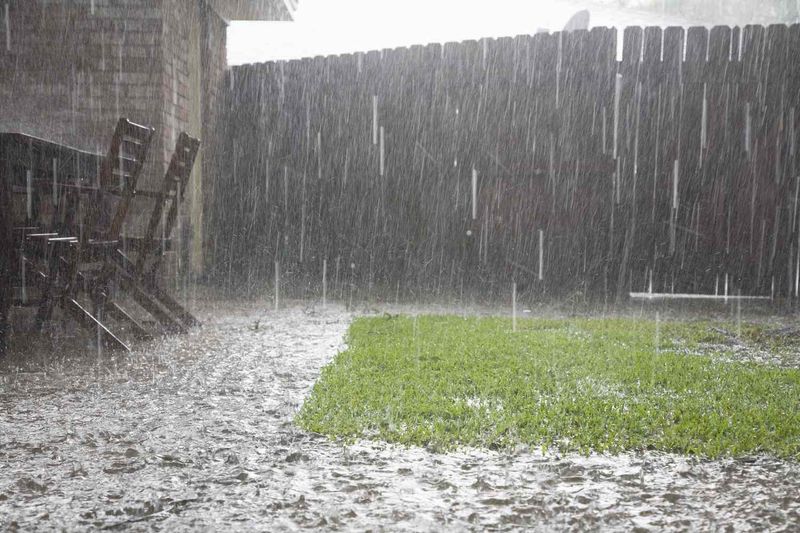
On November 1, 2026, the National Weather Service in Phoenix described widespread rain. According to its forecast discussion, lower deserts could see roughly 0.50 to 1.50 inches, while higher terrain north and east of Phoenix could see 1 to 3 inches or more.
Those numbers are regional estimates. They do not tell you how much rain reached your lawn, whether seed shifted, or whether your seedbed is still damp.
A shaded corner, a slope, and a sunny strip by the driveway can all behave differently.
Wait until conditions are safe before you walk the yard. The same discussion warned that runoff and elevated flows could continue after the rain, so stay away from floodwater and flowing washes.
No lawn project is worth a risky crossing.
Your Location Sets the Overseeding Calendar
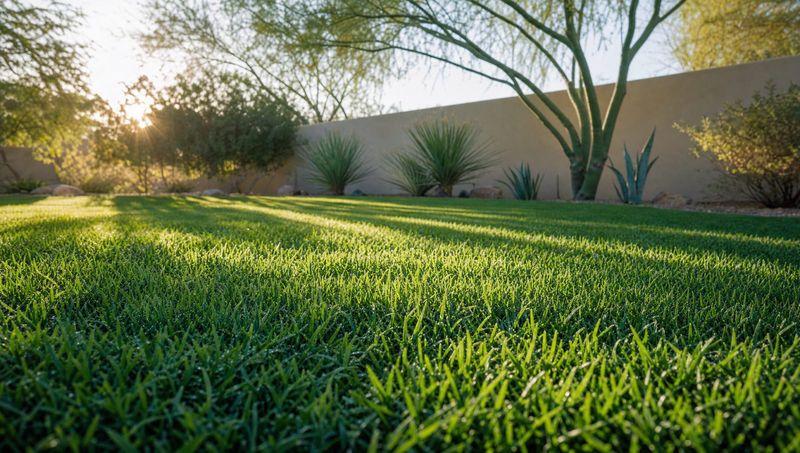
Arizona is too big for one overseeding date. The University of Arizona’s low-elevation desert turf guide lists October 10 to November 10 for Phoenix, Casa Grande, and Yuma.
For higher-elevation Tucson, the same guide gives an earlier period, September 25 to October 5. That is a gap of several weeks, and it shows why a neighbor’s schedule may not match yours.
Both schedules are tied to the turf and places the guide covers, which is Bermudagrass in the low desert. Do not stretch either one to every elevation or lawn type.
Before calling any date current, check today’s date against your own location’s window.
Decide Whether to Sow for Winter Color
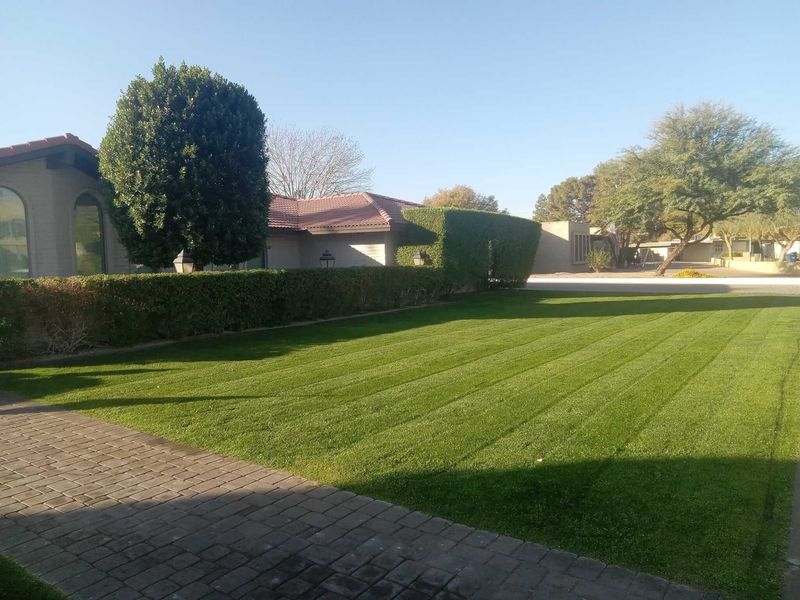
Low-desert homeowners overseed by sowing a cool-season grass, commonly perennial ryegrass, into Bermudagrass. The goal is winter color and function, such as a green play space.
It is a choice, not a requirement.
The University of Arizona says October is ideal when daytime temperatures run around 80 to 85 degrees F and nights are about 55 degrees F. Later seedings may face frost before young grass establishes.
So a date inside the window is guidance, not a promise. If you are sowing late, ask yourself whether you want green grass enough to accept some risk.
A storm alone does not answer that question.
Inspect Seed Already on the Lawn
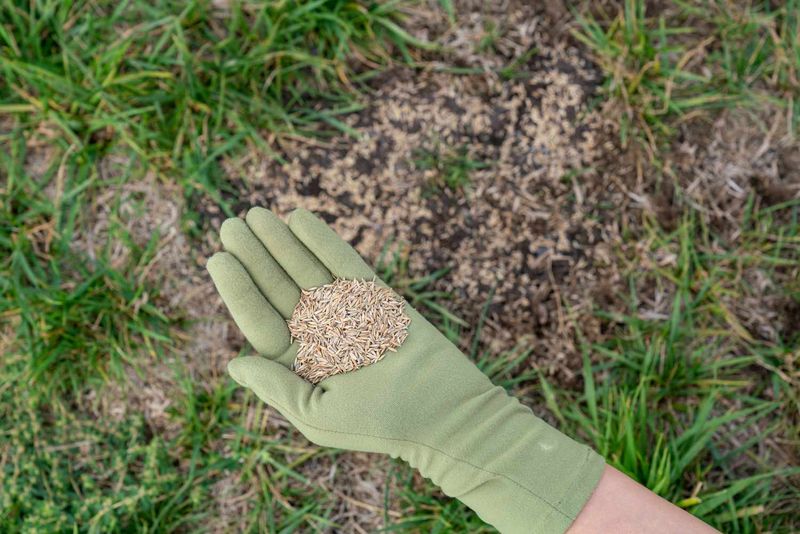
If seed is already down, resist the urge to assume the worst. Once it is safe and practical, walk the lawn and look closely.
The sources do not show that this storm washed seed from lawns in general.
Watch for obvious bare patches, small runoff channels, or seed gathered in piles. Those are clues that something moved.
If you find them, repair only those spots. The aim is good seed-to-soil contact, which the University of Arizona overseeding guide stresses.
A light raking and a small amount of fresh seed may be enough. A lawn that looks even needs no fix.
Use Soil Moisture to Guide Follow-Up Watering
Rain is helpful, but germinating seed keeps needing moisture. The Extension’s post-seeding guidance calls for frequent irrigation during the first 7 to 10 days so seed does not dry out.
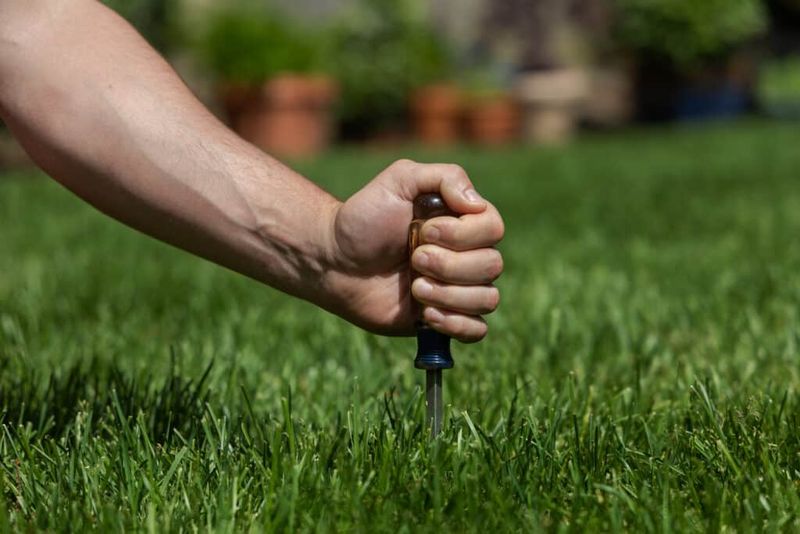
To check, push a long screwdriver into the soil. If it reaches six inches and comes out damp, no additional irrigation is needed at that time.
Treat this as a moisture check, not a fixed schedule.
The low-desert turf guide says rainfall can replace or supplement irrigation, and needs vary with soil, temperature, and rain. A rain gauge helps.
One storm does not promise a moist seedbed through establishment, so keep checking.
Dormant Bermudagrass Is a Valid Winter Choice
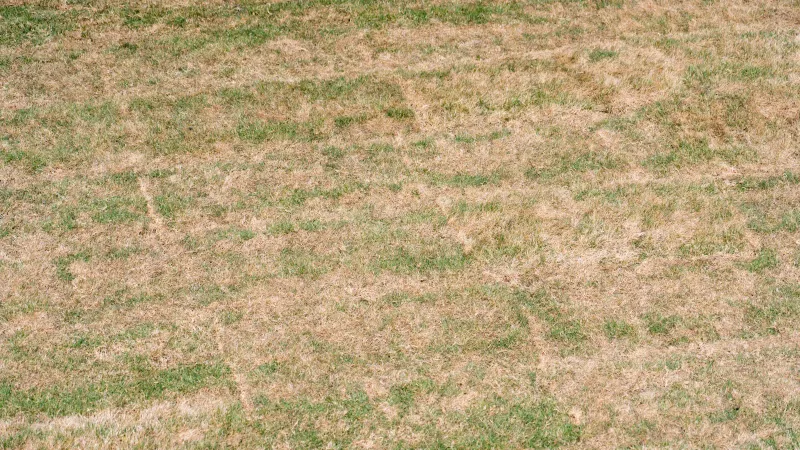
If you do not need a green lawn in winter, you can skip overseeding. Bermudagrass naturally goes dormant and turns tan in cool weather.
That is normal, not a sign of trouble.
The University of Arizona says dormant, non-overseeded Bermudagrass generally needs little supplemental winter irrigation unless rains are lacking.
Overseeding is not required for lawn health, and it is not wasteful for every household. It comes down to what you want from your yard.
The storm may fill the headlines, but your own preferences make the call.