What It Means When Toads Appear In Your Arizona Yard After Monsoon Rain
You may barely notice toads around your yard for weeks, then suddenly spot them hopping outside after a monsoon storm. That quick appearance has a good explanation.
Rain changes desert conditions fast, giving these hidden visitors a chance to become active. In Arizona, summer storms can bring toads above ground when moisture returns.
If you start seeing them, pay attention to where they gather rather than assuming they simply wandered in. Your yard may offer temporary conditions that suit them.
Their sudden arrival can also signal changes happening elsewhere in your outdoor space. Those clues are easy to miss unless you know where to look.
You should also give any unfamiliar toad plenty of space and keep pets away.
Once you understand why they appear, those rainy-night visits make much more sense.
1. Those Sudden Appearances Are Closely Tied To The Rain
Rain is basically a starting gun for toads in the desert Southwest. When moisture hits the ground, toads buried just beneath the surface sense the change and start moving.
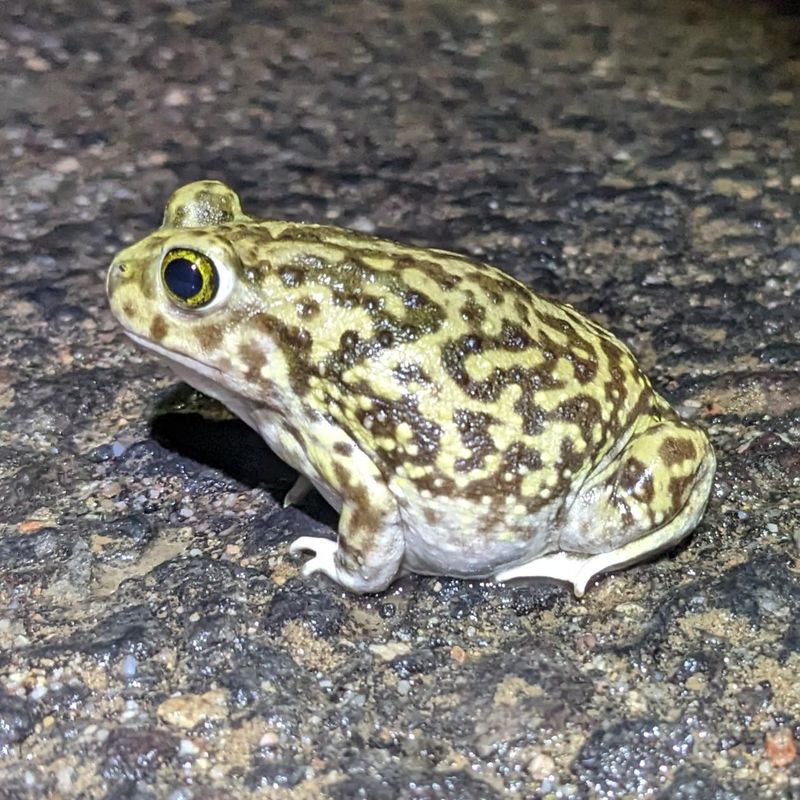
Spadefoot toads, for example, can stay underground for months waiting for exactly this kind of trigger.
Monsoon storms bring heavy, fast rain. That sudden soaking into the soil wakes toads from a dormant state called estivation, which is similar to hibernation but happens during dry heat instead of cold.
Once they feel the moisture, they dig upward and emerge pretty quickly.
Rainfall also softens the ground enough for them to push through without much effort. Yards with loose or sandy soil tend to see toads pop up faster than yards with packed, compacted ground.
If your yard has good drainage or soft soil near garden beds, expect visitors sooner after a storm.
Toads do not need a heavy downpour every time. Even a moderate storm can bring a few out if conditions have been dry long enough.
Watching for toad activity can actually give you a rough idea of how much rain your yard absorbed compared to surrounding areas. More toads often means more water reached the soil.
2. Moist Conditions Bring Toads Out Of Their Shelters
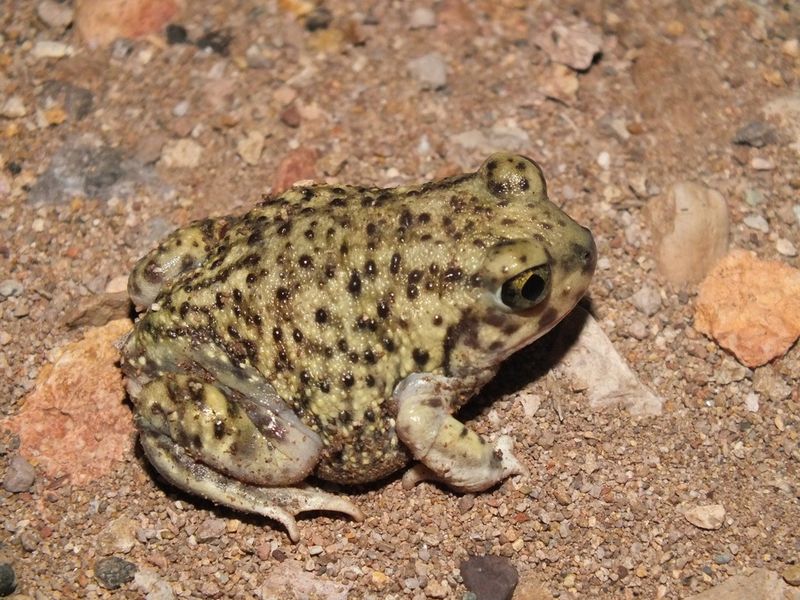
Toads are not built for dry air. Their skin loses moisture fast in hot, low-humidity conditions, so they stay hidden during the driest parts of the year.
When monsoon humidity rolls in, suddenly the outside world becomes livable for them again.
Backyards with dense ground cover, mulched garden beds, or shaded corners are especially attractive. Those spots hold moisture longer after rain, giving toads a comfortable place to sit without losing body moisture rapidly.
A toad hanging out near your flower bed is probably taking advantage of that cooler, damper microclimate.
Concrete and asphalt absorb and release heat, which can be rough on toads. Grassy patches, garden soil, and areas under shrubs offer much better conditions.
If you notice toads clustering near specific spots in your yard, those areas are likely the most consistently moist.
Outdoor water features can also play a role. Even a shallow dish of water left out can attract a toad looking to rehydrate.
Your Arizona Garden Changes Every Week. Your Plan Should Too.
Gardening in Arizona changes quickly throughout the season. Every Friday you’ll receive a simple weekly plan showing exactly what to plant, prune, fertilize, harvest, and protect so you never miss the right timing.
Toads absorb water through their skin rather than drinking it through their mouths, so sitting in or near a small puddle is genuinely useful to them. Moist ground after monsoon rain essentially turns your yard into a welcoming rest stop.
3. Temporary Pools Can Become Important Breeding Sites
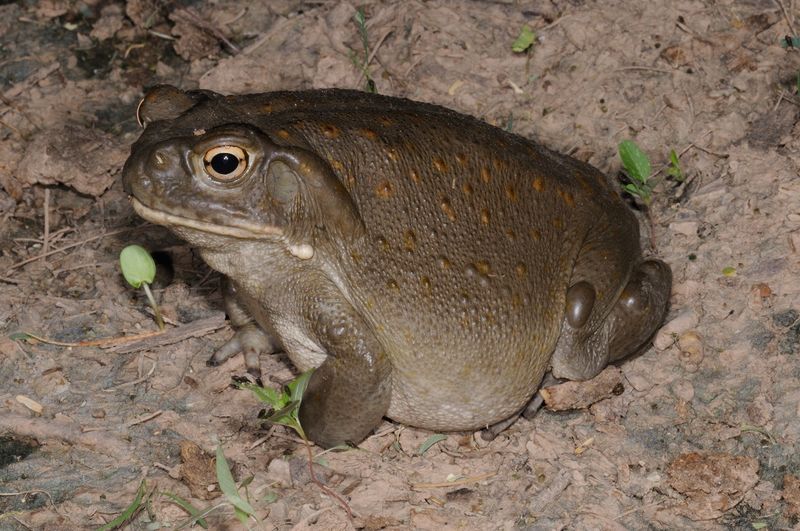
Puddles that form after monsoon rain are not just leftover water. For toads, those shallow pools are prime breeding opportunities.
Spadefoot toads are especially known for their ability to breed rapidly in temporary water, sometimes completing the tadpole stage in as little as two weeks.
Speed matters in the desert. Temporary pools can evaporate quickly in the summer heat, so toads that breed in them have adapted to work fast.
Eggs hatch quickly, tadpoles develop fast, and young toads emerge before the water disappears. Watching a backyard puddle closely after a storm might reveal tiny tadpoles within just a day or two.
Low spots in yards, areas near downspouts, or sections with poor drainage are common spots for these pools to form. If the same area floods after most storms, toads may return to it regularly during monsoon season.
It becomes a predictable resource for them.
Homeowners sometimes wonder whether to drain standing water. Shallow pools that form naturally and evaporate within a week or so are generally low-risk for mosquito breeding and can support toad reproduction.
Larger, longer-lasting pools are worth monitoring. Letting natural, short-lived pools remain after a storm can actually support local toad populations without much effort on your part.
4. Insect Activity Gives Them Another Reason To Stay Nearby
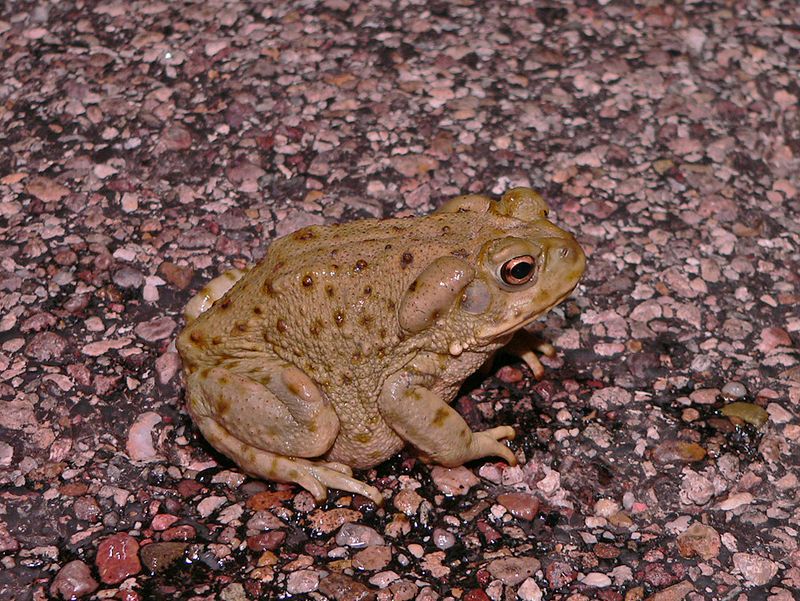
Monsoon rain does not just bring toads. It also triggers a surge in insect activity.
Beetles, moths, ants, and other bugs become far more active after storms, and toads are quick to take advantage of that. A yard buzzing with insects after rain is basically an open buffet for any toad nearby.
Porch lights and outdoor fixtures attract insects at night, which in turn attract toads. It is pretty common to find a toad sitting right beneath an exterior light after a monsoon evening.
Homeowners sometimes notice this pattern and start expecting their nightly visitor once the season picks up.
Toads eat a wide variety of invertebrates. Slugs, beetles, ants, and roaches are all fair game.
Having a toad or two around a garden can actually help reduce pest pressure naturally, though results vary depending on yard size and pest density.
Reducing outdoor lighting that spills across the yard can limit insect attraction and in turn reduce toad congregation near your home’s entry points.
If you want to observe toads without encouraging them right at your doorstep, switching to motion-activated or amber-toned lights can help manage where insects, and by extension toads, tend to gather.
Balancing light use during monsoon season makes a practical difference.
5. Damp Hiding Spots Offer Relief Between Storms
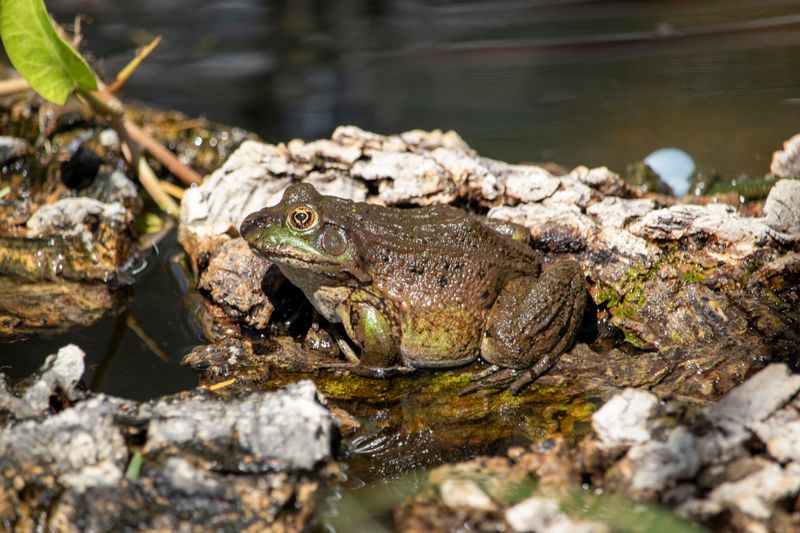
Between monsoon storms, toads need places to stay cool and moist. Backyards often have more of these spots than people realize.
Under stepping stones, behind planters, beneath low shrubs, or inside stacked firewood are all common toad hideouts during the day.
Toads are mostly nocturnal, so they spend daylight hours resting somewhere sheltered. A shaded corner with slightly damp soil is ideal.
If your yard has garden borders with thick mulch or dense ground cover, those areas can stay noticeably cooler and hold moisture longer after rain, making them attractive resting spots.
Rocks and pavers work especially well as shelters. Toads can tuck themselves under a flat rock and stay comfortable for hours.
The stone holds some coolness from the night before, and the soil underneath tends to stay slightly moist. Many desert gardeners accidentally create perfect toad habitat without meaning to.
If you have been finding toads in the same spots repeatedly, check what those areas have in common. Shade, moisture retention, and protection from foot traffic are the usual factors.
You do not need to do anything special to encourage them. Simply being aware of where they rest helps you avoid accidentally disturbing a toad when you move pots or garden tools around your yard.
6. Repeat Visits Can Signal Suitable Backyard Conditions
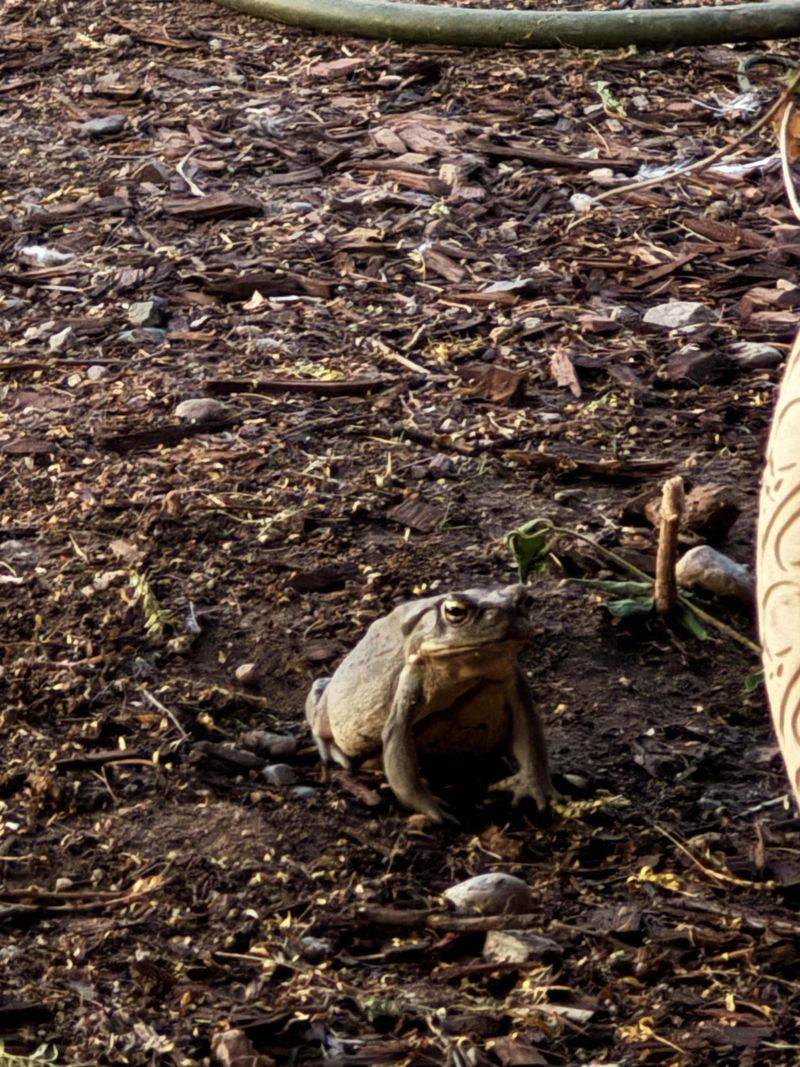
Seeing a toad once after a storm is not unusual. Seeing toads return to your yard storm after storm says something different.
Repeat visits suggest your yard has conditions that work well for them, and that is worth paying attention to.
Toads can be surprisingly loyal to familiar spots. If a toad found food, moisture, and shelter in your yard last season, there is a reasonable chance it, or others from the same area, will return when conditions are right again.
Monsoon season in Arizona tends to bring the same species back to the same general areas year after year.
Consistent moisture sources play a big role. Yards with drip irrigation, garden beds that stay damp, or shaded patches near water features tend to see more repeat toad activity.
The combination of food, water, and shelter is what keeps them coming back rather than moving on.
Repeat visits are generally a sign of a healthy, functional yard ecosystem. Toads sit fairly high on the small-prey food chain and their presence often reflects a broader range of insects and ground-level invertebrates in the area.
If you are seeing them regularly, your yard is likely supporting a decent variety of small wildlife, which is generally a positive sign for backyard biodiversity.
7. Their Arrival Is A Natural Part Of Monsoon Season
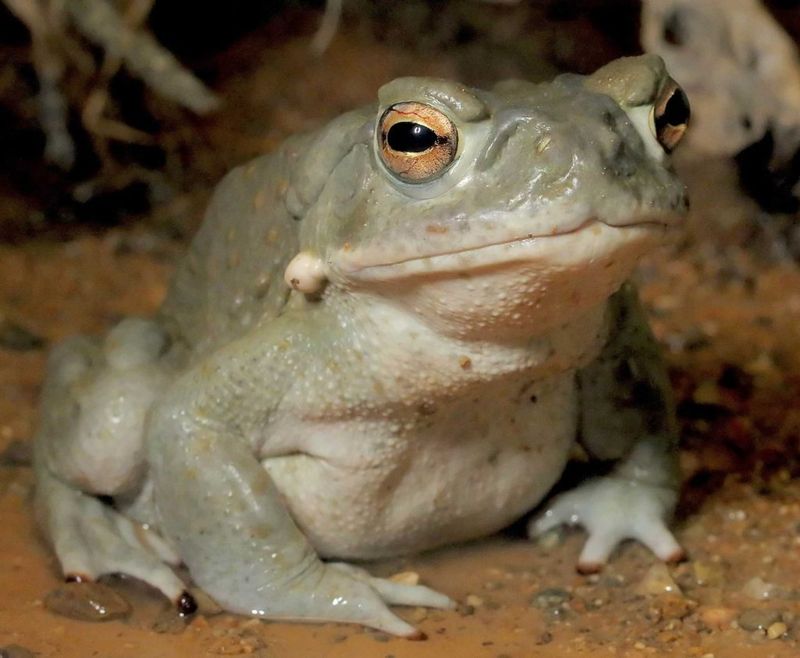
Toads and monsoon season go together in the desert the same way wildflowers follow spring rain. Seeing them in your yard is not a problem or a sign something is wrong.
It is a seasonal event that has been happening across the Sonoran Desert for a very long time.
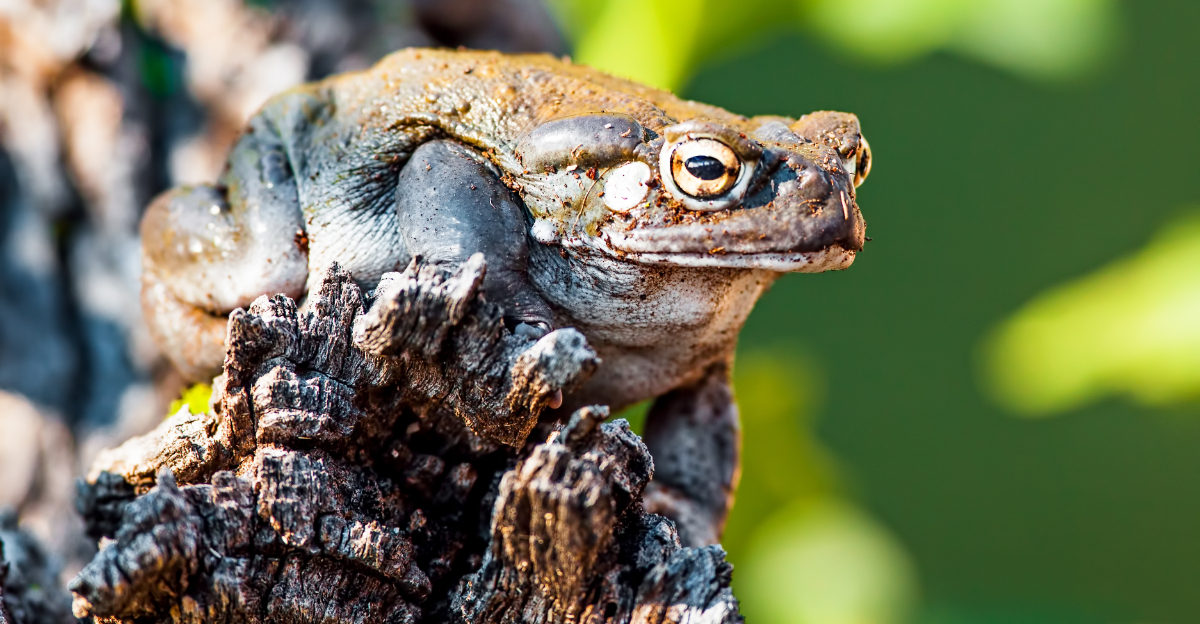
Native toad species like the Sonoran Desert toad and the Couch’s spadefoot are well adapted to monsoon cycles. Their entire reproductive schedule is built around summer rain.
When the storms arrive, they respond. That timing has been shaped over generations of living in this specific climate.
Monsoon season typically runs from mid-June through September in this region. Toad activity tends to peak during and shortly after the heaviest storm periods, usually in July and August.
Activity slows as storms become less frequent and temperatures start to ease in early fall.
Backyard visitors during this time are simply doing what desert toads do. Appreciating their role in the local ecosystem, rather than treating them as pests, gives you a better perspective on the season itself.
Keeping pets away from Sonoran Desert toads is smart, since those species can cause irritation if mouthed by a dog or cat. Beyond that, sharing your yard briefly with these seasonal visitors is a pretty normal part of desert living.