6 November Lawn Mistakes That Cause Snow Mold in Michigan Yards
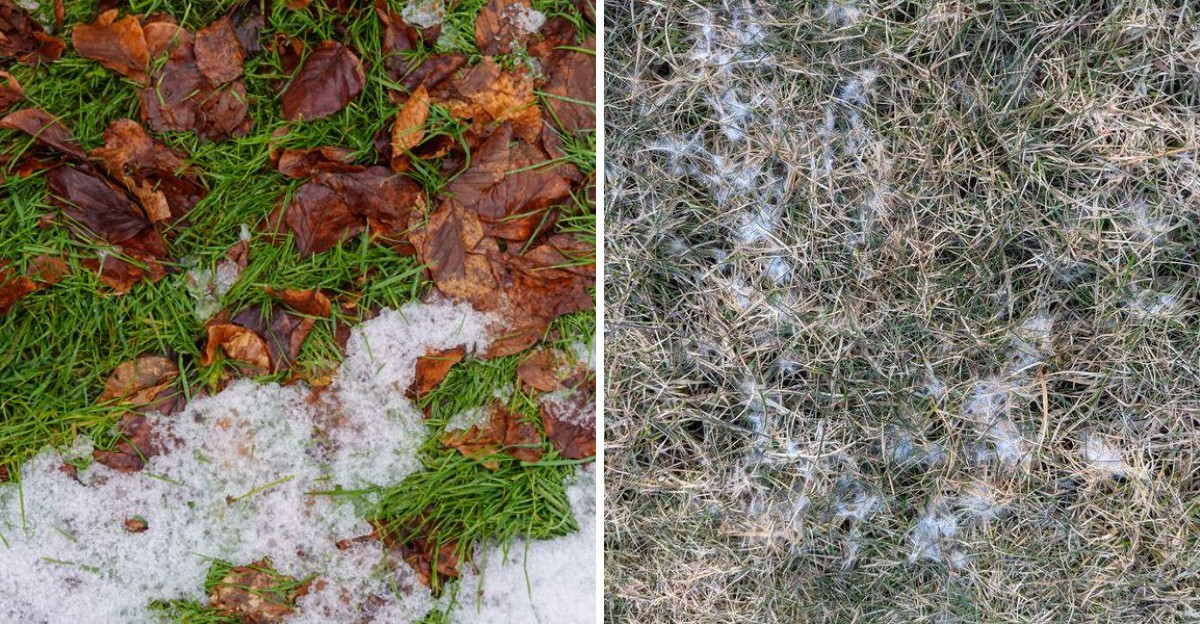
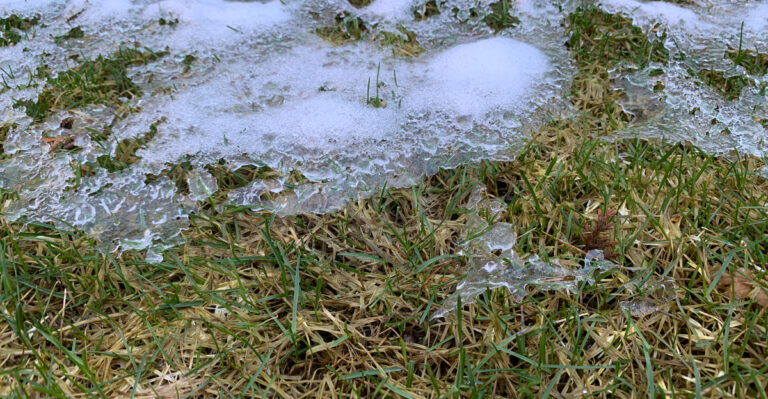
Some lawn fungi stay active at temperatures near 32 degrees, quietly growing under the snow while the rest of your yard sleeps. Come spring, they leave behind matted circles of gray or pink grass that look like something spilled across the lawn.
What’s surprising is how much these patches depend on choices we make before the first snowfall. Long stretches of snow over unfrozen soil give the fungi plenty of time to spread through Michigan yards.
November yard work has its charms, with crisp air and the smell of damp leaves. Still, a few of those familiar chores can accidentally roll out the welcome mat for this unwanted winter guest.
Some of the riskiest habits even feel helpful while you’re doing them. Which of your trusted fall routines might be setting up a patchy surprise for next April?
1. Long Floppy Grass Blades Mat Down Under Snow
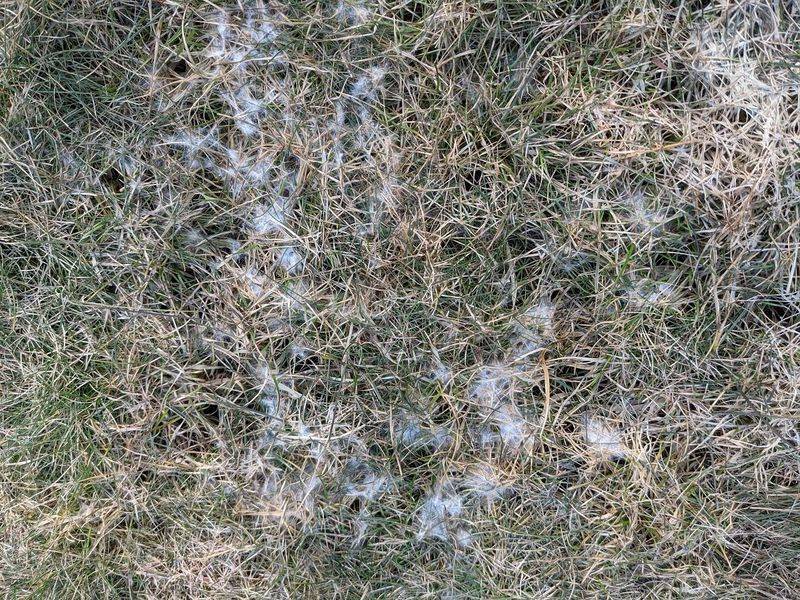
Tall grass heading into winter behaves like a wet mop once heavy snow presses it flat against the soil. I learned this the hard way when my shaggy corner turned into a crusty gray patch by March.
Matted blades hold moisture and block airflow, which gives snow mold fungi a damp, cool place to grow. Gray snow mold is caused by Typhula fungi, and it especially enjoys long snow cover on unfrozen ground.
Scalping the lawn is not the answer either, because very short grass loses stored energy and gets stressed. Michigan State University Extension suggests mowing until growth stops, which can stretch into early November some years.
For the final cut, many turf experts suggest dropping the deck slightly, often to around two and a half inches. Lower it gradually over a couple of mows instead of chopping everything down in one dramatic afternoon.
Stick with the one-third rule, which means removing no more than a third of the blade at once. Cutting off more than that shocks the plant right when it should be storing sugars for winter.
Keep your mower blade sharp too, since ragged tears leave wounds that heal slowly in chilly, damp weather. A clean slice looks nicer, and I find the lawn simply bounces back faster each spring.
Your neighbors may have parked their mowers in October, but there is no shame in mowing a little longer. Watch the grass rather than the calendar, and stop once those blades quit growing for the season.
2. Heavy Nitrogen Fertilizer Feeds Soft Fall Growth
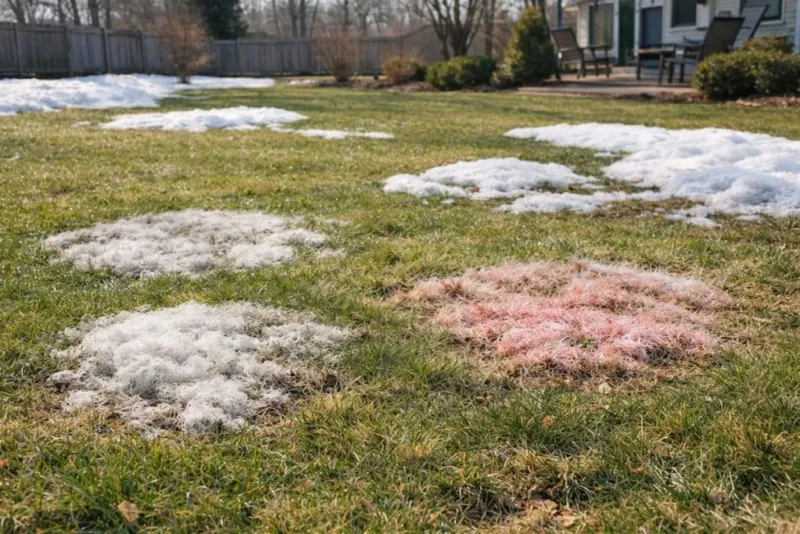
A big dose of quick-release nitrogen in late fall is a bit like handing your lawn candy at bedtime. The grass pushes out tender green leaves just when it should be slowing down for the cold.
Those soft, juicy blades make an easy meal for pink snow mold, caused by the fungus Microdochium nivale. Interestingly, pink snow mold does not need snow at all and can show up during cool, wet weather.
I wouldn’t necessarily blame fall feeding itself, because timing and amount matter far more than the bag alone. Many university turf programs actually support a modest feeding after top growth slows but before the soil freezes.
The trouble starts when heavy, fast-acting nitrogen goes down while the grass is still growing quickly. Applying too much at once encourages lush leaves that stay soft and vulnerable under a long snowy blanket.
A better plan is splitting your fall feeding into lighter applications, starting in late summer and early fall. Slow-release products feed more steadily and help roots store carbohydrates for the long winter ahead.
Read the label before you spread anything, and follow the recommended rate rather than adding a little extra. Michigan also limits phosphorus in lawn fertilizer unless a soil test or new seeding calls for it.
A soil test through your local university extension office takes the guesswork out of feeding your lawn. I find it oddly satisfying to know exactly what my yard needs instead of guessing every autumn.
3. Soggy Maple Leaves Smother The Lawn All Winter
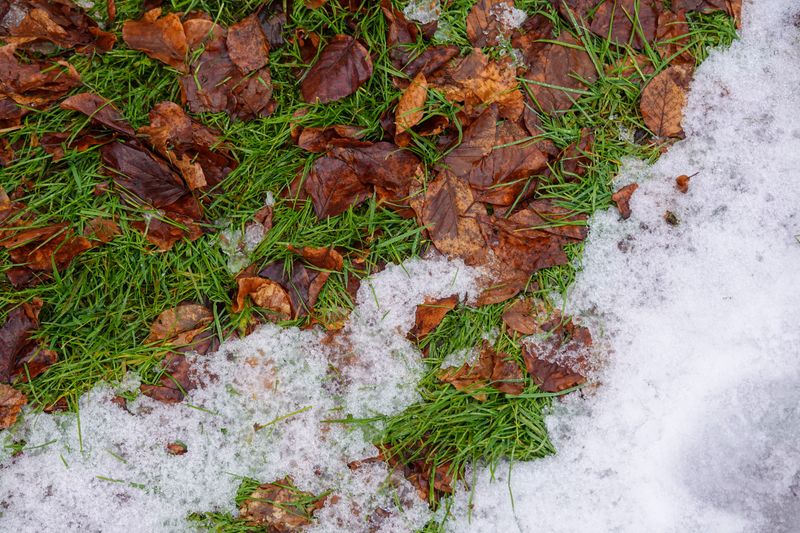
Nothing says autumn like crunchy maple leaves, but they turn into soggy brown blankets once the snow arrives. Underneath, the grass sits in a dark, damp pocket that snow mold fungi find extremely comfortable.
I love jumping in a leaf pile as much as anyone, yet I hate finding slimy patches in April. Thick leaf layers trap moisture and block light, which weakens grass right before it heads into dormancy.
Light leaf cover is not a crisis, and you can often shred it right back into the lawn. Running the mower over dry leaves chops them into small bits that break down and feed the soil.
Heavy piles are a different story, especially under big oaks and maples that drop leaves for weeks. If you cannot see the grass after mulching, rake or bag the extra leaves before snow settles in.
Some oaks are sneaky, since they hold leaves into November and then drop a final batch all at once. Plan one last cleanup after the trees are bare, even if it feels like you already finished.
Watch for stray stuff too, like tarps, toys, patio cushions, and forgotten piles of grass clippings. Anything left lying on the lawn creates the same smothered, soggy spot once snow covers it up.
Extra leaves make terrific mulch for garden beds or a fine start to a backyard compost pile. That way your fall cleanup feeds next year’s garden instead of feeding a fuzzy gray lawn problem.
4. Spongy Thatch Holds Moisture Against Grass Crowns
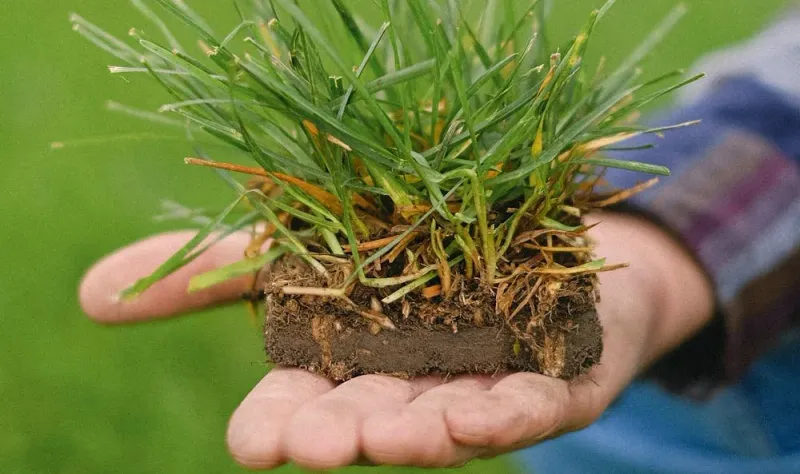
Push your fingers down into the lawn, and you may feel a springy brown layer between blades and soil. That cushy layer is thatch, a mat of old stems and roots that have not broken down yet.
A thin layer is harmless and even helps cushion footsteps, so do not panic over a little brown fluff. Trouble begins once thatch builds past about half an inch, which is where many extensions draw the line.
Thick thatch acts like a sponge, holding water right against the crowns where new grass blades start growing. Under winter snow, that soggy layer becomes a cozy hideout for fungi that love cool, damp conditions.
I like to measure before grabbing any tools, because guessing often leads to more work than the lawn needs. Cut a small wedge of turf with a trowel and check the brown layer with a ruler.
Timing matters a lot here, and November is usually too late for aggressive dethatching in cool-season lawns. Grass needs several weeks of active growth to recover, so late summer or early fall works far better.
If you missed that window, skip the power rake for now and put the job on your spring calendar. Tearing up the turf right before winter leaves it thin and stressed when the snow arrives.
Core aeration also helps break down thatch over time by mixing soil into that spongy layer. Microbes do the slow work, and I love that the lawn gets healthier without much fuss from me.
5. Puddles And Packed Soil Keep Turf Soggy
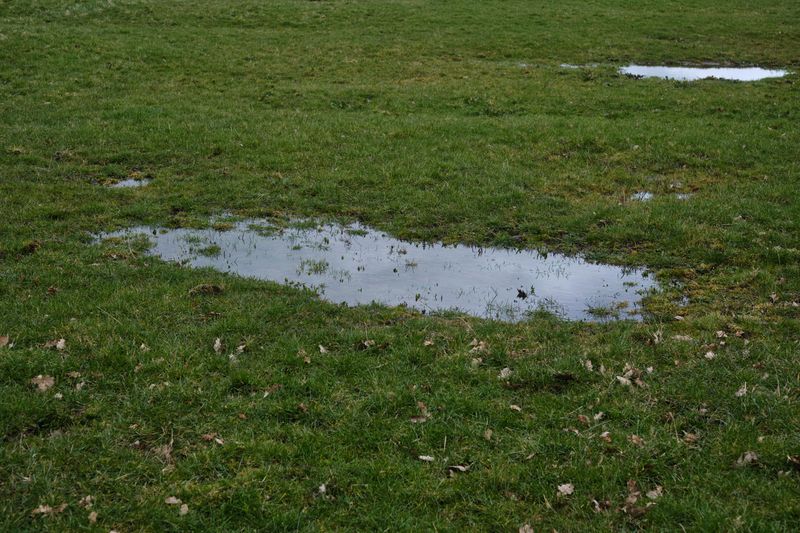
That low spot where water lingers after every rain is basically a reserved parking space for winter lawn disease. When snow melts and refreezes there, the grass sits in cold puddles for weeks at a time.
Compacted soil makes the problem worse, because tightly packed ground leaves little room for water to soak down. Heavy foot traffic and dense clay soils are common causes in plenty of neighborhood yards.
You can test for compaction with a simple screwdriver after a decent rain soaks the ground. If it fights you going in, the soil is probably packed tight and could use some relief.
Core aeration pulls small plugs of soil out of the lawn, letting air and water move down more easily. Like dethatching, it works best in early fall when the grass still has time to grow and recover.
Leave those little soil plugs on the lawn, since they crumble back into the grass within a few weeks. They look a bit like goose droppings at first, which reliably makes me chuckle every single time.
For low spots, plan to fill them gradually with topsoil next spring rather than dumping a thick layer now. Also check that downspouts send roof water away from the lawn instead of straight into soggy corners.
Keep foot traffic off frozen or soggy turf during winter, since crushed grass crowns struggle to recover later. A stepping-stone path across your favorite shortcut can save that strip of lawn from a rough spring.
6. Giant Driveway Snow Piles Bury The Grass For Weeks
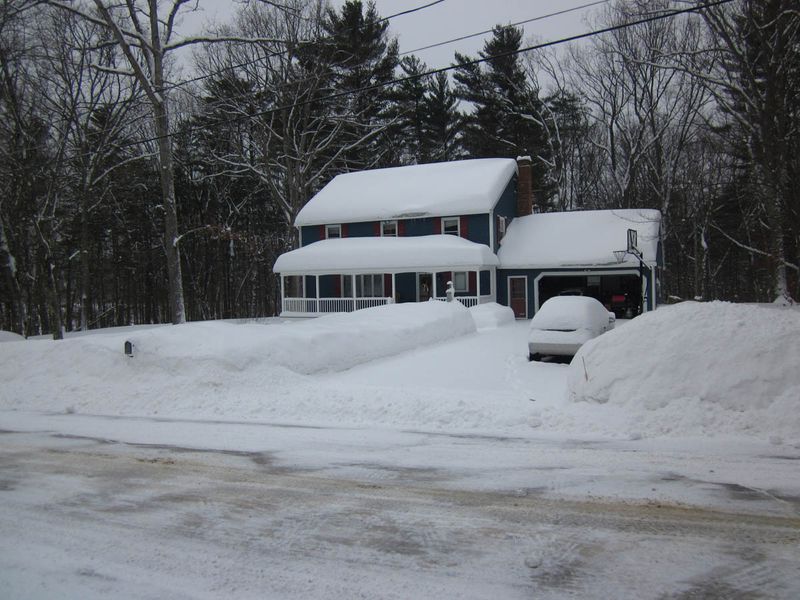
Every winter, the tallest snow mountain on my street sits right on the lawn beside the driveway. Come spring, that exact spot usually shows the worst matted patches, and the connection is hard to miss.
Gray snow mold tends to show up after long periods of snow cover, often around 60 days or more. Big piles melt much later than the surrounding yard, which extends those cold, damp conditions considerably.
This mistake may feel like a winter one, but November is the perfect time to plan where snow goes. Before the first storm, pick a dumping spot over a gravel area or a less important corner of the yard.
Try spreading snow out a bit instead of stacking it into one towering heap in the same place. Thinner layers melt sooner, giving the grass underneath a quicker chance to breathe and dry out in spring.
Stake your driveway edges now, so plow drivers and shovelers can see where pavement ends and lawn begins. Scraped turf and gouged soil along the edges can invite more trouble than the snow itself.
If patches do appear in spring, gently rake the matted grass to fluff it up and let air move through. Most home lawns recover on their own as temperatures rise, and fungicides are rarely necessary for homeowners.
A little planning now spares you plenty of spring grumbling, and your lawn will thank you for it. I find it rewarding when the grass greens up evenly, with no mystery circles waiting for me.