When Do Arizona Aloes Bloom? How to Support Their Natural Flowering
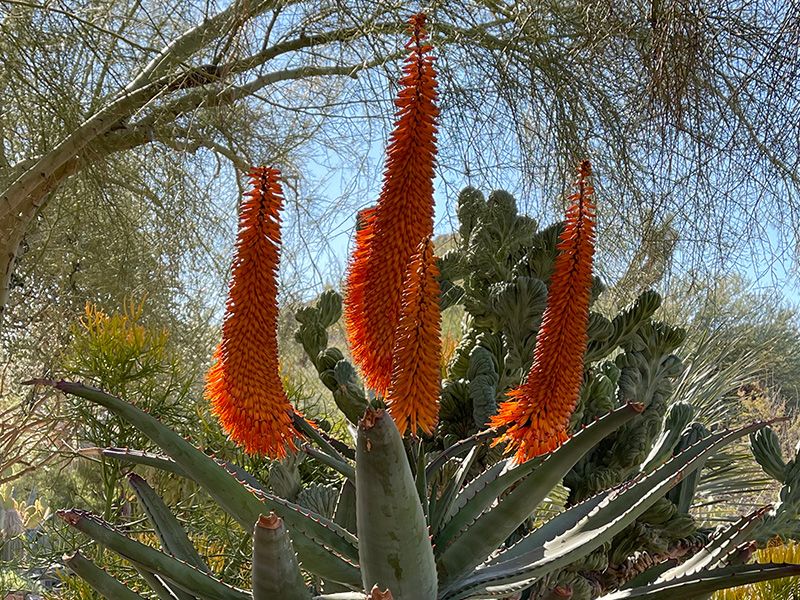
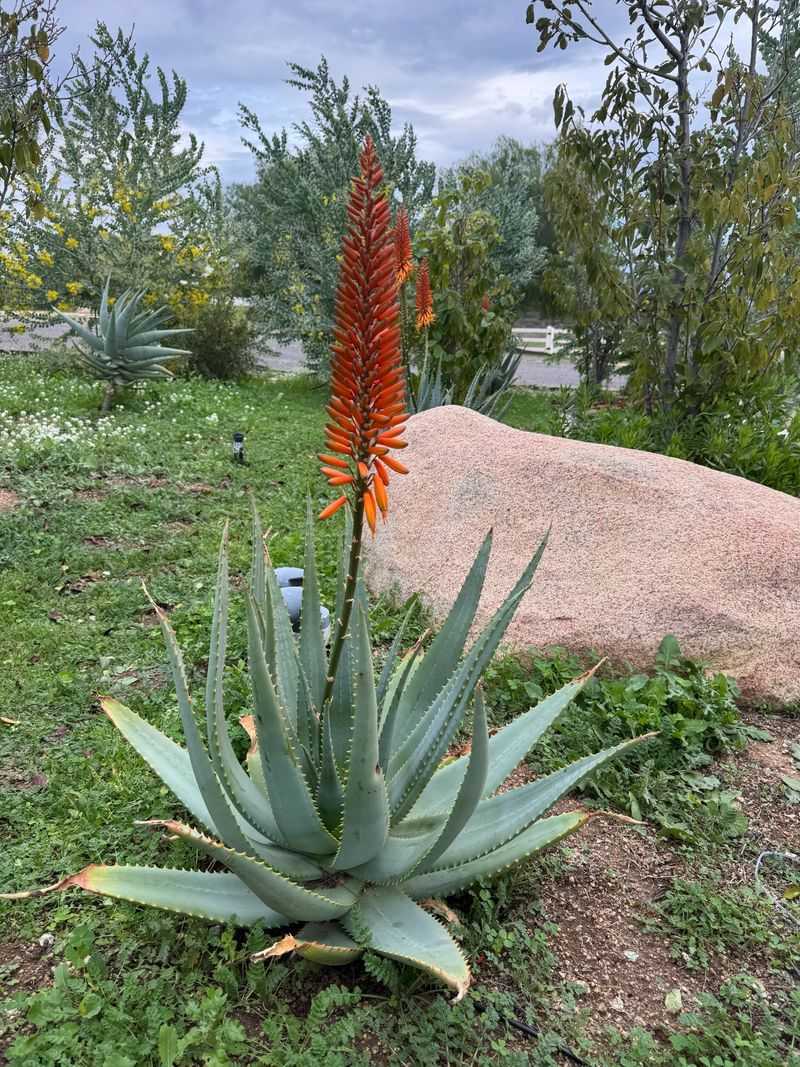
Some aloes in Arizona gardens have opened orange blooms as early as December. Others wait until spring to flower.
Timing depends on the species, your location, and the winter you get. Here is how to care for your plant and keep your expectations realistic.
Winter Blooms Depend on Species and Place
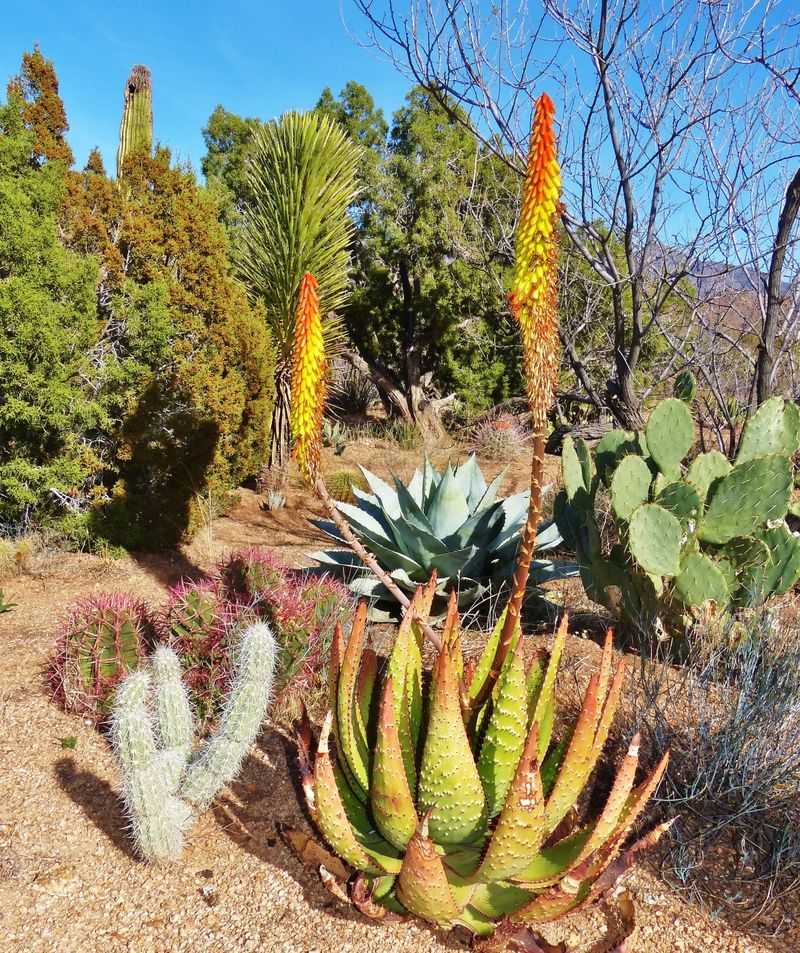
Plenty of aloes in Arizona gardens flower in winter, but not all of them do. The Desert Botanical Garden reports flowering from winter into spring, and some aloes there began blooming in December.
That is a handy reminder that the calendar shifts from plant to plant.
Boyce Thompson Arboretum says many of its aloe species bloom in late winter, especially in years without deep freezes. A hard cold snap can change what you see.
Your yard may run ahead of or behind a garden in another part of the state.
Aloe vera is a different story. University of Arizona Extension describes it as a spring bloomer in the desert.
So there is no single statewide start date, and October is not a magic marker. Watch your own plants and treat any early spike as a bonus.
Identify Your Aloe Before Setting a Bloom Goal
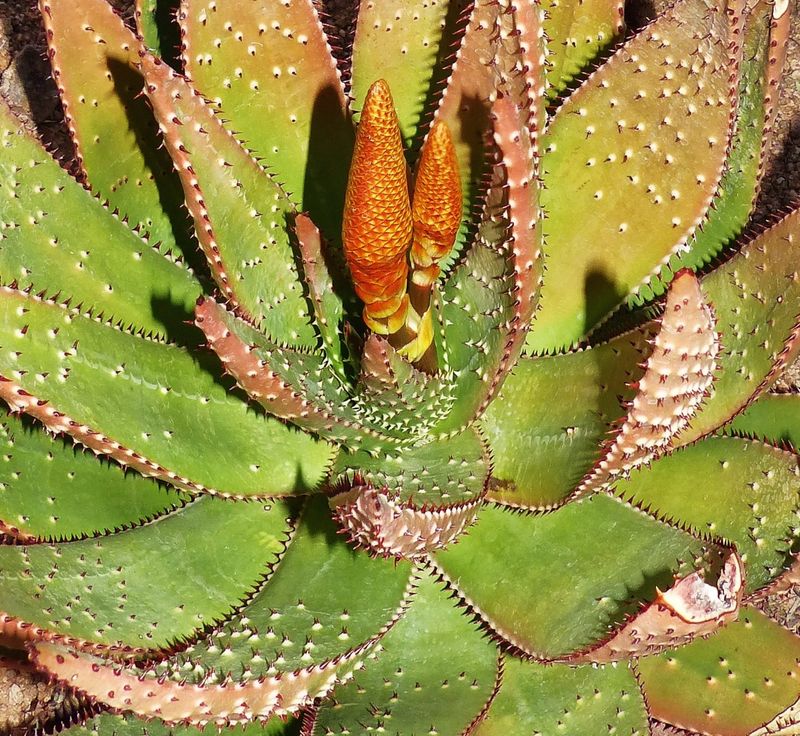
Before you wait for flowers, figure out which aloe you actually own. The word covers many species with different shapes and bloom seasons.
A winter bloomer from a Tucson nursery follows a different schedule than the Aloe vera in a pot by your back door.
Arizona examples show the split clearly. Gardens and arboreta feature winter-flowering species, while Aloe vera is listed as a spring bloomer in the desert.
A plant tag, a nursery receipt, or a photo sent to your local extension office can settle the question.
Patience matters too. North Carolina State Extension says aloes may take several years to bloom, and can flower more than once in their lives.
UF/IFAS notes that indoor Aloe vera rarely flowers. Even a mature, healthy plant may skip a season, so skip the guarantees.
Give Aloe Bright Light and Time to Adjust
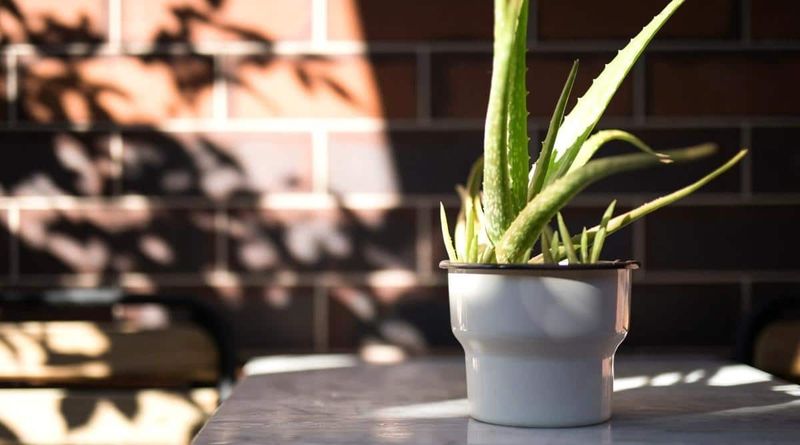
Aloes like bright conditions, and a sunny spot is sound care for a healthy plant. Good light will not promise more flower stalks, but a plant that is struggling in dim corners is unlikely to do its best.
Think of light as the foundation, not a trigger.
Moving a plant outside needs a slow hand. If your aloe has lived in dim indoor light, a sudden trip into intense Arizona sun can scorch the leaves.
UF/IFAS advises gradual acclimation to outdoor light for this reason.
Start in open shade or morning sun for a few days. Then lengthen the time in brighter light over a couple of weeks.
For potted Aloe vera kept inside, a bright indoor spot is the recommended choice, and the plant can stay there if your winter nights turn cold.
Build Drainage and Water According to Conditions
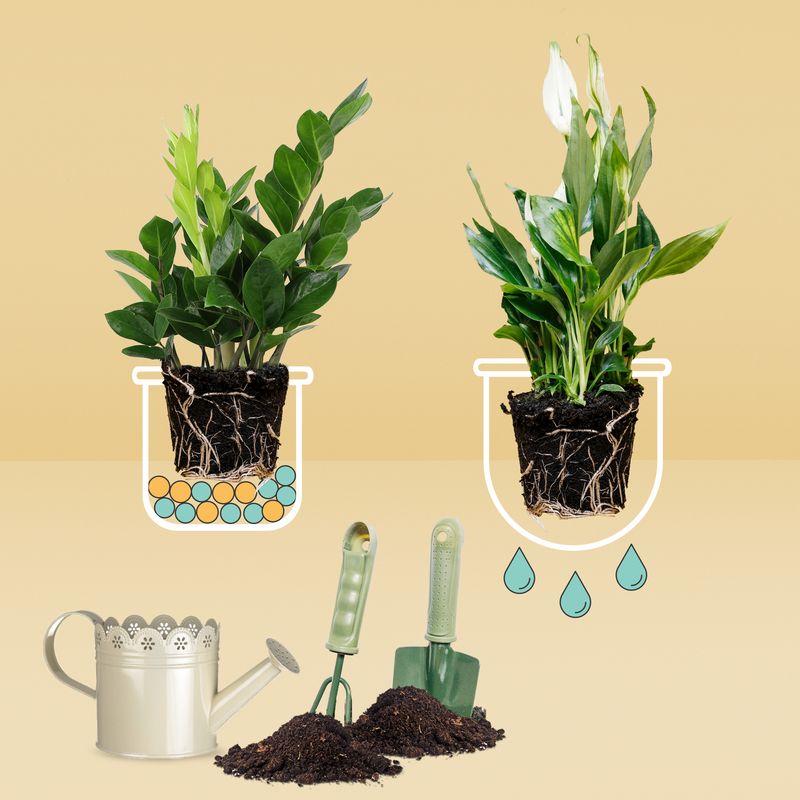
Aloes hate sitting in wet soil. Use a fast-draining mix and a container with drainage holes, and never let a pot stand in a saucer of water.
University of Arizona Extension recommends a well-drained growing medium for potted Aloe vera.
For watering, soak the soil thoroughly, then let it dry before the next drink. A fixed weekly schedule will not fit every plant.
Species, soil, pot size, and the spot where it grows all change how fast the soil dries.
Even Arizona sources differ on winter watering. The Arizona-Sonora Desert Museum and the UA Arboretum give different guidance, which shows why checking your own soil beats following a calendar.
Extra water will not coax out flower spikes, and soggy roots cause real trouble.
Protect Aloe From Your Local First Freeze
Start frost planning with your local forecast, not a date on the calendar. Arizona has low deserts, high deserts, and mountain towns, so the first expected freeze arrives at very different times.
Check your area’s forecast and be ready before the first cold night.
Cold tolerance varies. University of Arizona frost guidance says vulnerability depends on the species, the plant’s condition, and how exposed the site is.
A plant against a warm south wall faces a different night than one in an open low spot.
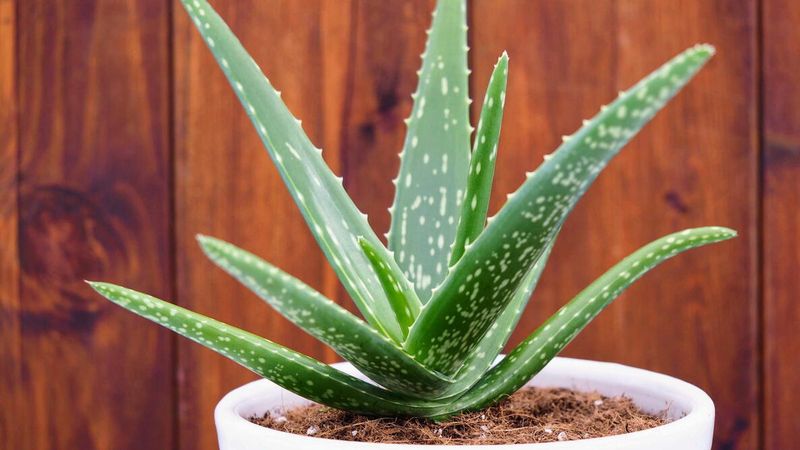
For potted Aloe vera, the advice is simple: bring it indoors before the first fall freeze. Do not stretch that rule to every aloe, since some species handle local winters better than others.
For plants in the ground, frost cloth and a sheltered position are common options, and a quick note of which plants took damage helps next year.
Support Natural Flowering, Not a Guaranteed Spike Count
No reliable method exists to force extra flower spikes in a particular winter. Sources back healthy growing conditions, but they do not show a trick that adds stalks.
Skip deliberate stress, extra water, heavy fertilizer, and repotting just for the sake of it.
The University of Arizona Arboretum cautions against overwatering, and wet soil is a bigger risk than a missing bloom. Repotting a plant that is happy in its pot only adds disruption.
Fertilizer in heavy doses will not speed things along either.
What you can do is simple. Know which aloe you have, give it bright light, keep the soil fast-draining, water with care, and shield it from your local freeze.
After that, the plant sets its own schedule.
Some years you get a spike in December, and some years you wait until spring.