The November Tweaks New York Gardeners Make to Get a Christmas Cactus Full of Blooms
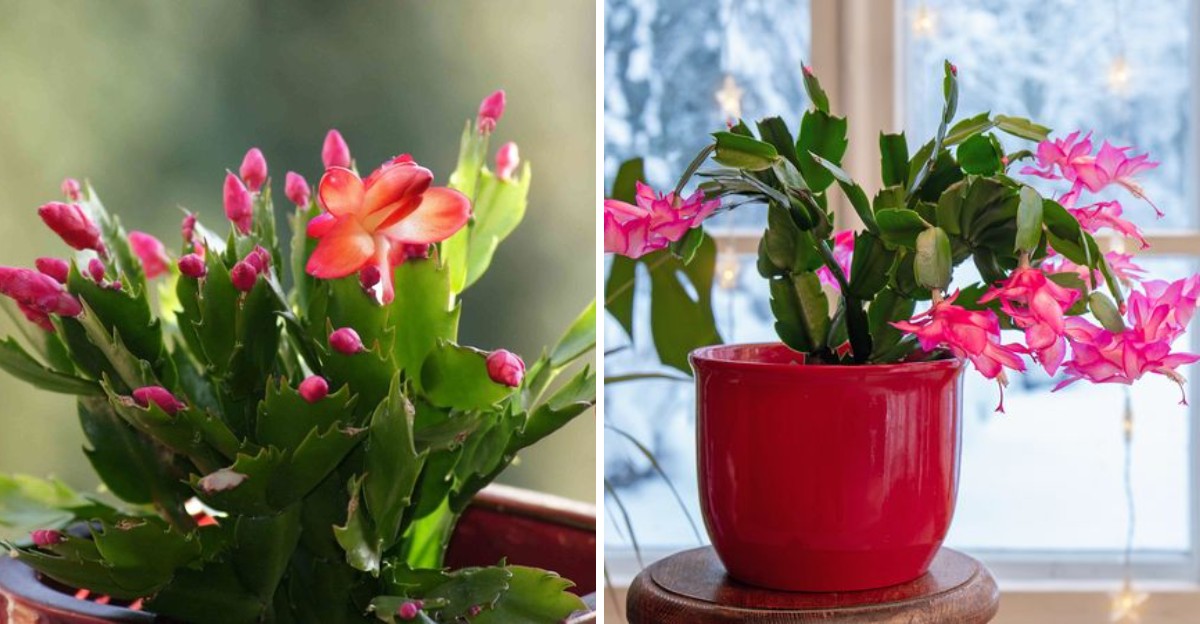
Most of the holiday plants sold with a festive December label are actually a different species that blooms weeks earlier. Their wild ancestors cling to tree branches in the misty coastal mountains of southeastern Brazil, far from any desert.
Those cool, cloudy mountain forests explain why chilly fall nights in the Northeast can spark such a colorful show. Buds form when nights turn long and cool, so timing matters far more than fancy fertilizers or gadgets.
I have to admit that my first one sulked for two winters before I learned its quirky schedule. You might notice the same stubborn behavior in a warm apartment with bright lamps glowing late.
Gardeners across New York have figured out a handful of small November adjustments that make a huge difference. Which simple tweak do you think matters most for a windowsill packed with bright pink flowers by December?
1. Long Dark Nights Help Christmas Cactus Set Flower Buds
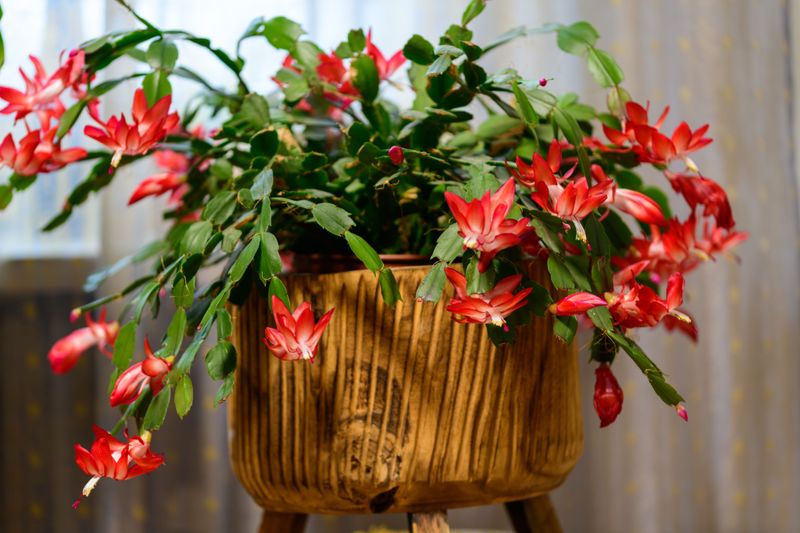
A single flick of a lamp switch at midnight can quietly cancel weeks of careful bud preparation. These plants measure night length closely, and they want long, unbroken stretches of real darkness this time of year.
Christmas cactus is called a short-day plant, though long night is the more accurate way to describe it. University extension experts suggest about 12 to 14 hours of darkness each night for roughly six weeks.
I keep mine in a spare bedroom where nobody turns on the overhead light after dinner. You could also slip a large cardboard box over the pot at dusk and lift it off each morning.
Streetlights matter more than many people expect, especially in busy New York neighborhoods with bright signs outside. A heavy curtain or a north-facing back room usually blocks that glow well enough for steady bud set.
Daytime still needs bright light, so the plant should return to its window spot every morning. Darkness works as the signal, while daylight provides the energy that turns tiny buds into full flowers.
Once you spot small pink or red nubs at the stem tips, the dark routine can relax. Most gardeners notice those buds a few weeks after starting a consistent schedule of long nights.
Personally, I set a phone reminder so the box goes on at the same hour each evening. That small habit has given me fuller plants than any expensive bloom booster I tried years ago.
2. Cool Windowsills Near 55 Degrees Encourage Christmas Cactus Buds
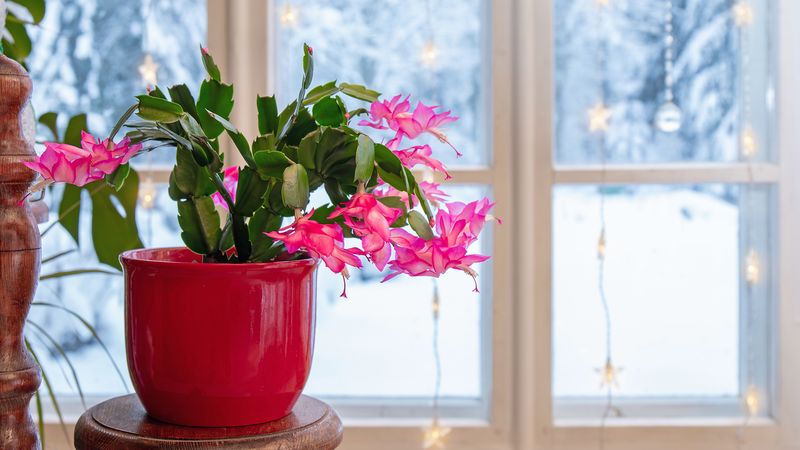
Chilly bedroom floors in late fall feel unpleasant to us, yet they suit this plant’s needs just fine. Cool nights act as a second bud trigger, and they can work even without long, strict darkness.
Research shared by several university extensions shows nights around 50 to 55 degrees encourage strong bud formation. At those temperatures, the plant often sets buds regardless of how many hours of light it receives.
Warm rooms work against you, because nights above roughly 70 degrees can stall flowering for months or even longer. I learned that lesson the hard way beside a clanking radiator in my first apartment years ago.
An enclosed porch or a cool guest room often hits that ideal range during a typical November. Keep a cheap digital thermometer nearby so you can check the nighttime lows instead of simply guessing.
Freezing air is a different story, since frost can damage the fleshy stem segments quite quickly overnight. Pull pots a few inches back from the glass on nights when outdoor temperatures drop well below freezing.
Some gardeners in New York leave plants outdoors into early fall to soak up natural chill. Bring them inside before nights dip toward 40 degrees, which often happens upstate well before November.
Daytime temperatures in the mid-60s keep the plant comfortable while the cool nights do their work. I love how such a simple change in location can deliver dozens of glowing pink and red blossoms by December.
3. Ease Up On The Watering Can As Christmas Cactus Buds Form
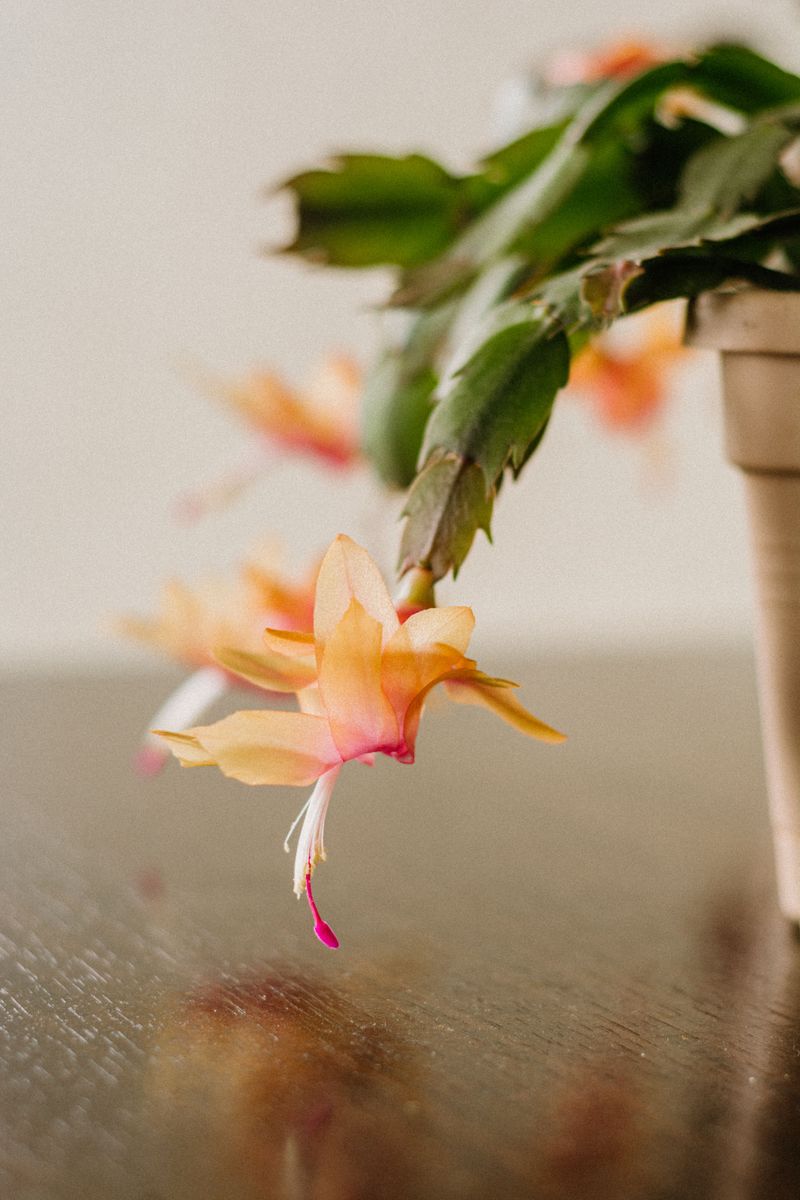
Soggy soil causes more trouble for this plant than almost any other mistake I see in late fall. Roots sitting in cold, wet mix can rot quickly, and stressed plants often drop their precious buds.
Despite its name, the plant comes from humid forests and does not enjoy staying bone-dry for weeks. Balance is the goal, with slightly less water during the weeks leading up to flower bud formation.
Push a finger into the soil, and water only when the top inch or so feels dry. In cooler rooms, that might mean watering every week or two instead of every few days in late fall.
Cooler November rooms in New York keep soil damp much longer than the warm summer air did. I have to admit I overwatered for years simply out of habit and a little impatience.
Pour slowly and evenly until water drains from the bottom, then empty the saucer within about fifteen minutes. A pot without drainage holes is risky, so consider switching to a better container before buds appear.
Once buds are visible, return to steady, even moisture so the developing flowers stay plump and healthy. Swinging between drought and flood is a common reason buds suddenly fall off the plant before opening.
Room-temperature water feels much kinder to the roots than icy tap water straight from a chilly faucet. You might notice happier, firmer stem segments within a couple of weeks of making that small change.
4. Put The Fertilizer Away Until The Christmas Cactus Flowers Fade
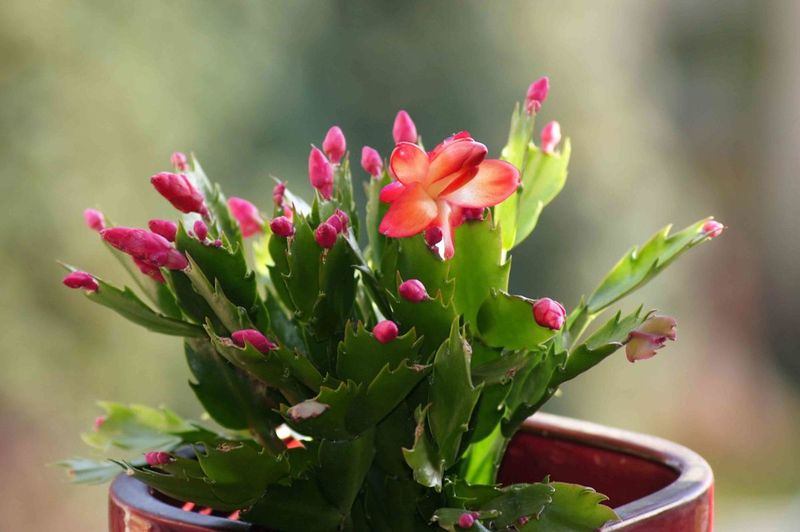
Extra plant food in fall sounds generous, but it can push leafy growth instead of the flowers you want. Think of it like serving a big dinner right before someone needs to settle down for sleep.
Many extension guides recommend stopping fertilizer by late summer or early fall for these popular holiday bloomers. By November, the feeding season should already be well behind you and your collection of houseplants.
Without that nitrogen nudge, the plant redirects energy toward the tiny buds forming at stem tips. I like how calm the plant looks once it stops pushing out pale new segments each week.
Leftover fertilizer salts can also build up in the pot and irritate the fine, shallow roots over time. A white crust on the soil surface or around the pot rim is a common clue worth noticing.
Flush the pot with plain water once in early fall if you spot that crusty buildup. Let it drain fully afterward, since wet roots in cool rooms bring their own set of problems.
Feeding can resume in late winter or spring, after the last colorful blossoms have finally dropped off. A balanced houseplant fertilizer at half strength every few weeks usually works well during active spring growth.
Personally, I tuck the fertilizer bottle in a cabinet each September so I am not tempted. Out of sight really does mean out of mind, and my plants seem better for it every holiday season.
5. Bright Indirect Light From An East Window Fuels Christmas Cactus Blooms
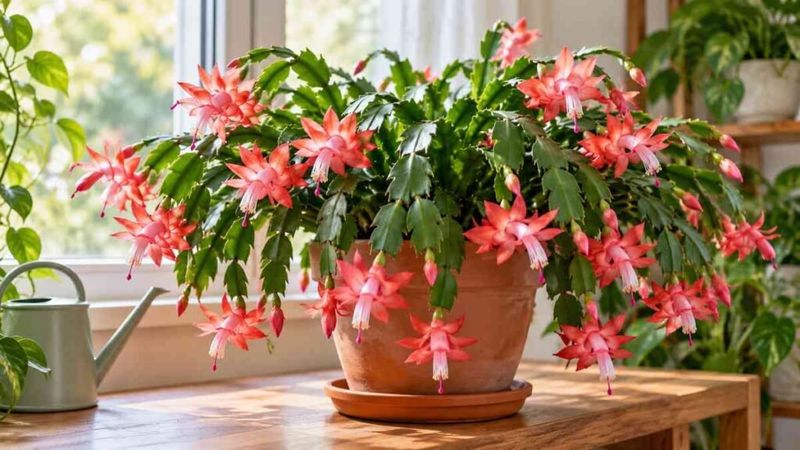
Morning sun slanting through an east window is my favorite light for these forest-born holiday plants. It feels gentle on the stems, yet it delivers enough energy to power a heavy crop of buds.
In the wild, these plants grow under a canopy of trees that filters harsh tropical sunlight. Bright but indirect light copies that dappled setting, which is why hot afternoon rays can scorch segments.
Late fall sun in New York sits low and weak, so scorching is less of a worry now. A south window with a sheer curtain can work quite nicely during these shorter and grayer days of the year.
Reddish or purple-tinged stems often signal too much sun, while pale, stretched growth suggests too little. I check my plants weekly and nudge them closer to or farther from the glass as needed.
Keep in mind that daylight hours should come from the sun, not from lamps left on late. Grow lights can help a dim room, but switch them off on a timer well before evening.
Turning the pot a quarter turn each week keeps growth even, but stop once buds start forming. Buds tend to orient toward the light, and shifting their direction can sometimes make them loosen and fall.
You need both pieces of the puzzle, with bright days feeding the plant and dark nights cueing flowers. Get the daytime half right, and the nighttime half has plenty of stored energy to work with.
6. Pebble Trays Give Christmas Cactus Relief From Dry Radiator Heat
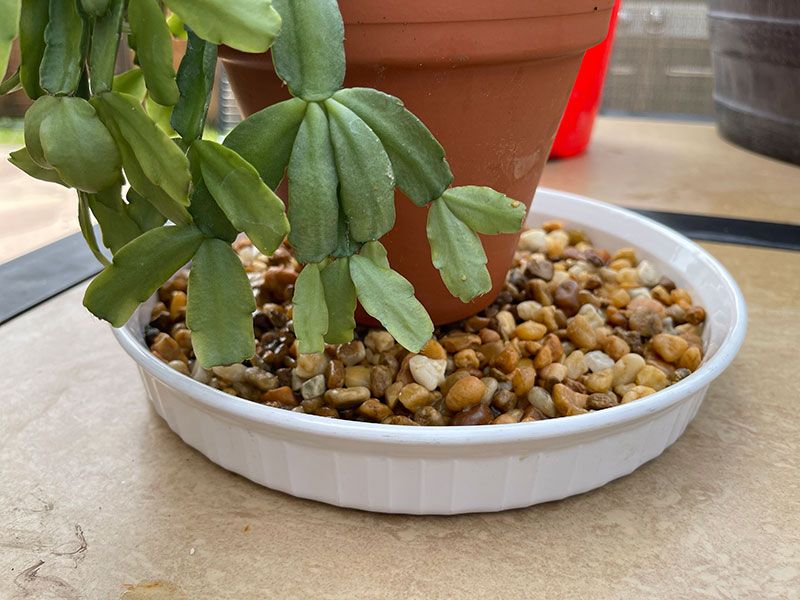
Steam radiators hiss and clank all winter, and they can drop indoor humidity to surprisingly low levels. Your skin feels that dryness, and so does a plant whose ancestors grew in misty mountain forests.
Dry air can contribute to shriveled buds, especially when combined with heat blasting from a nearby vent. Many growers aim for moderate humidity, roughly 40 to 60 percent, around their holiday plants during winter.
A pebble tray is the easiest fix, and you probably have the supplies sitting in a drawer. Fill a shallow dish with gravel and water, keeping the waterline just below the tops of the stones.
The pot sits on the pebbles, not in the water, so roots stay safely out of puddles. As the water evaporates, it creates a small pocket of moist air right around the flat green stems.
Grouping several houseplants together helps a little too, since leaves release moisture that neighboring plants can share. I keep mine clustered with a few ferns, and the windowsill looks like a tiny indoor jungle.
Misting gets mentioned a lot, but its effect fades within minutes and does little for real humidity. A small room humidifier works far better if your apartment feels like a desert by January.
Moving the plant a few feet away from radiators matters just as much as adding extra moisture to the air. Do that early in November, before buds form, so the plant settles into its new home.
7. Keep A Budding Christmas Cactus Parked In One Spot
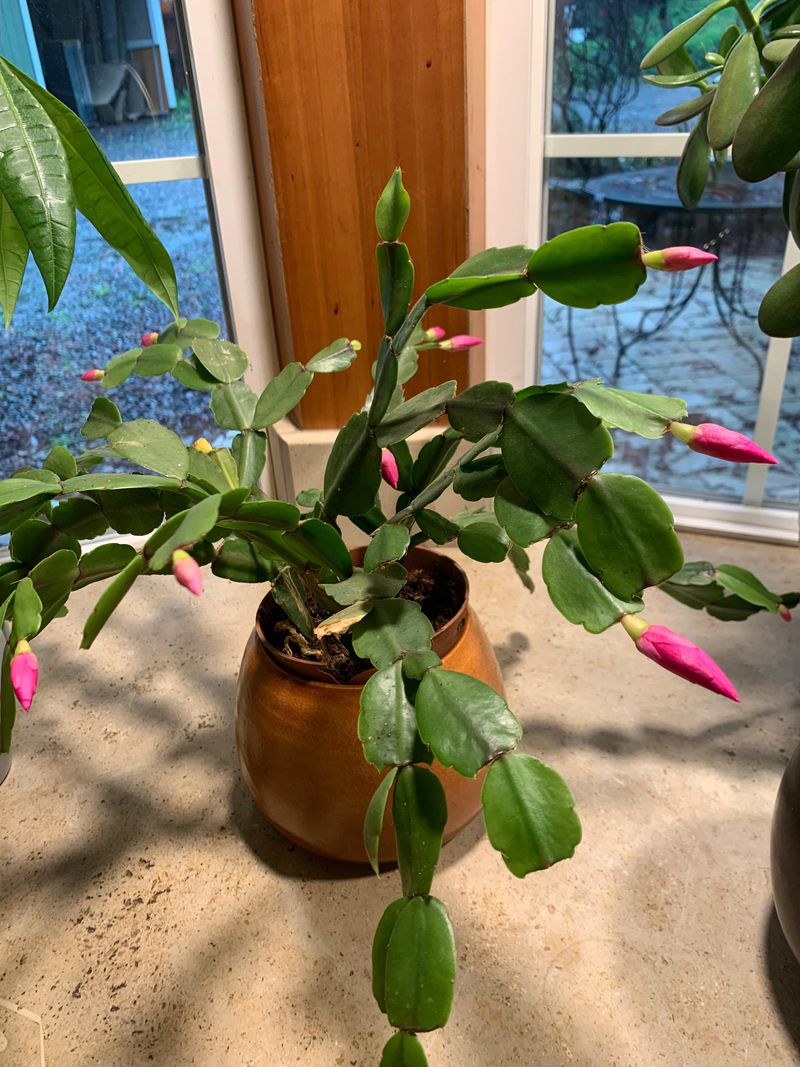
Carrying a budded plant to the dining table for guests feels natural, but it often backfires. Within days, those swollen pink buds may start dropping onto the tablecloth like tiny falling ornaments.
Bud drop is one of the most common complaints extension offices hear from home gardeners each holiday season. Sudden shifts in light or temperature are frequent triggers, and moving the pot can cause both at once.
Pick the display spot early in November, then let the plant stay there quietly until blooming ends. Ideally, that location already offers bright days along with cool nights that stay dark after sunset.
Years ago, I moved a loaded plant into a steamy kitchen and lost nearly every bud. The oven heat and constant door traffic proved far too much for those delicate little flowers to handle.
Drafts from front doors deserve attention too, especially when cold New York winds rush inside with every visitor. A spot away from entryways and heating vents gives buds the calm, steady conditions they really crave.
Store-bought plants face the same issue, since the trip home can shock them a little in chilly weather. Wrap new purchases for the ride, and expect a few buds to fall as they adjust.
Patience pays off here, because a settled plant can stay in bloom for several cheerful weeks in winter. Enjoy it where it sits, and invite guests to admire the show from the windowsill instead of the table.
8. Scalloped Leaf Edges Reveal A True Christmas Cactus
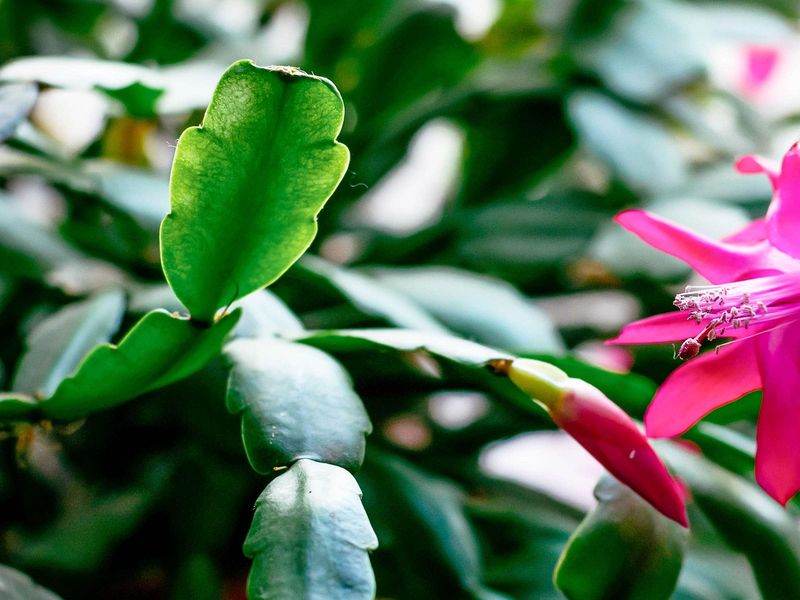
Run your fingertip along a stem segment, and the edges will tell you which holiday cactus you own. Smooth, rounded scallops point to a true Christmas cactus, while sharp, claw-like teeth suggest something else.
The true Christmas cactus is a hybrid called Schlumbergera x buckleyi, bred in England during the 1800s. Its pointy cousin, the Thanksgiving cactus or Schlumbergera truncata, often fills garden center shelves each November.
What surprises me most is how many longtime owners discover their plant was mislabeled from the start. Thanksgiving types typically bloom several weeks earlier in fall, so their timeline shifts the whole care schedule forward.
If yours already shows plump buds in early November, it is most likely the earlier Thanksgiving species. Stop the dark and cool treatments once buds appear, then keep conditions steady until flowers open.
A true Christmas cactus usually needs those tweaks a bit longer, with blooms arriving closer to late December. Flower shapes differ slightly too, since Christmas blooms hang downward while Thanksgiving flowers stick out more horizontally.
Both plants are epiphytes, which means they grow on tree branches rather than in hot desert sand. That background explains their love of airy, fast-draining potting mix and their dislike of soggy, waterlogged feet.
Well-loved plants can last for decades, and some families proudly pass the same plant down through several generations. Knowing exactly which one sits on your sill makes those heirloom blooms even easier to time each year.