Why Spurge Keeps Coming Back in Arizona Yards and a Routine That Helps Reduce It
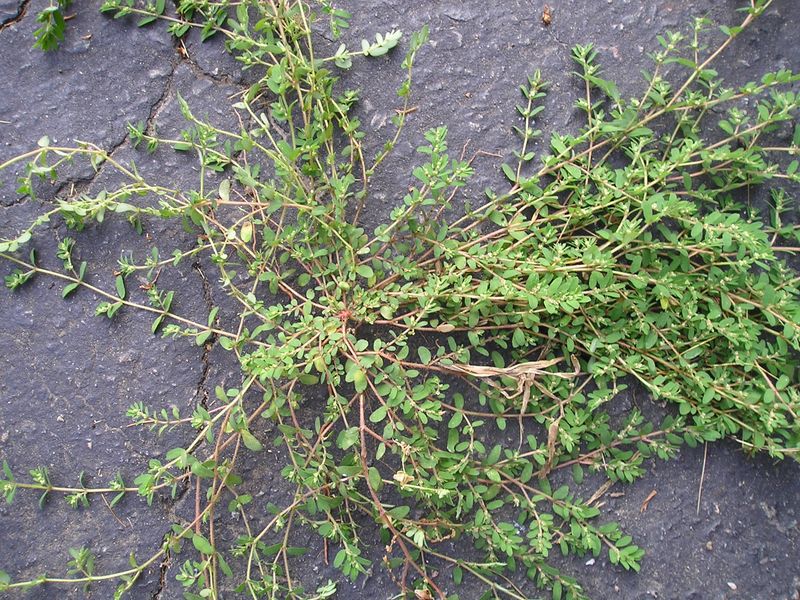
You clear a patch of low, spreading weeds on Saturday, and by the next warm stretch, green mats are creeping across the same spot. Spurge is a common headache in sunny, open corners of low-desert yards.
It rarely comes back for just one reason, and knowing the reasons makes the work easier. A steady, repeatable routine can cut down the plants and the seeds they leave behind, even though no routine can promise they will never return.
Why does spurge keep showing up?
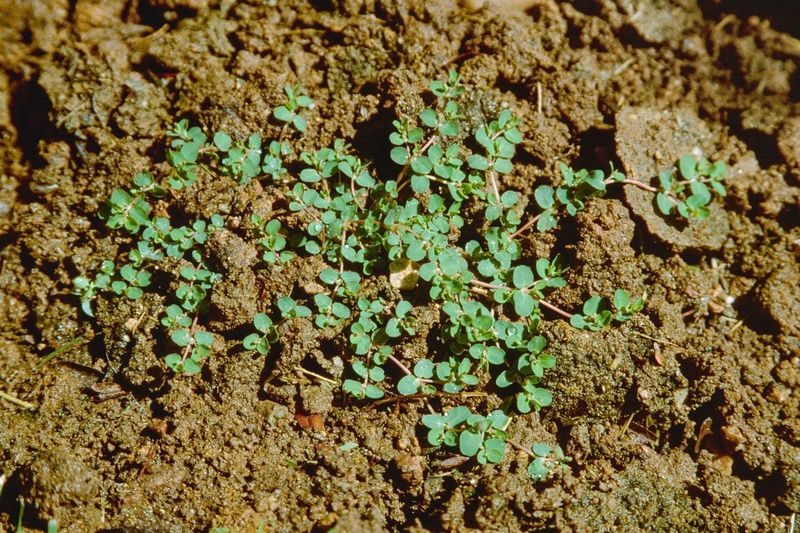
Most of the time, spurge returns because new seedlings keep emerging, not because one stubborn plant survived your last cleanup. Tiny seeds can stay dormant in the soil until warmth and light are right, and they travel on wind, ants, shoes, and tools.
According to Arizona Cooperative Extension, low-desert spurges are difficult to control, and an approach that combines early detection, removal, prevention, and careful product use works best.
Speed matters too. UC IPM guidance notes that spotted spurge can make seed in about five weeks, so a plant left alone for a month may already have restocked the soil.
That timeline applies to spotted spurge, not necessarily every spurge species.
The realistic goal is fewer plants and fewer seeds each season. Expect to keep watching, because a single pass will rarely finish the job.
Identify the spurge before choosing a fix
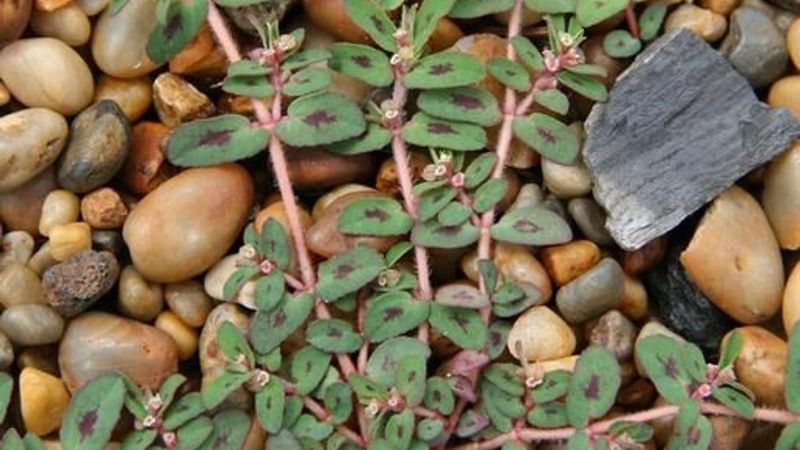
Spotted spurge hugs the ground in a flat mat. Look for small paired leaves growing opposite each other along reddish stems, often with a reddish spot near the middle of each leaf.
Snap a stem and you may see milky sap.
Arizona has other weedy spurges, though, and they do not all behave alike. Some stand more upright, some are perennial, and some can regrow from plant parts left behind, as described in the
Arizona Extension spurge guide.Why does that matter? Spotted spurge is an annual that mainly returns from seed, so catching seedlings early is the priority.
A perennial type calls for more careful digging. If you are unsure, compare your plant with photos in the UC IPM spurge page or ask a local Extension office.
Remove young plants before they set seed
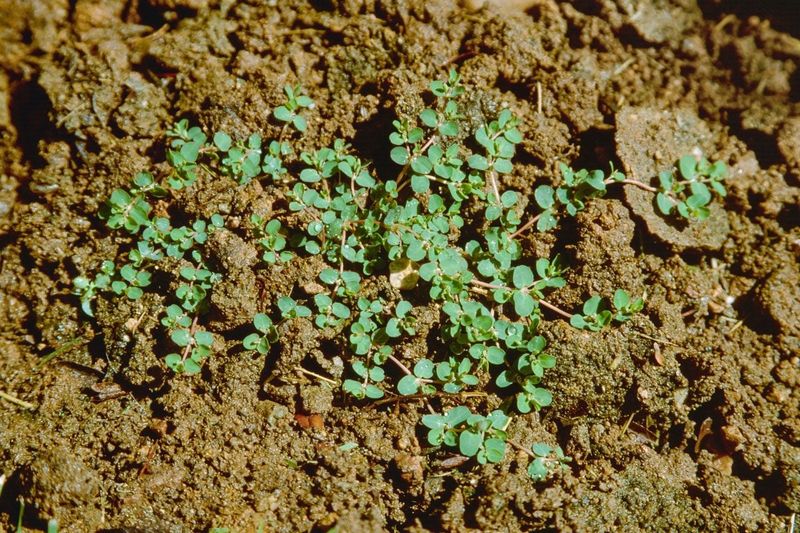
Plan on checking known trouble spots every week or so through the warm months. Small seedlings pull out easily, and removing them early keeps the seed supply from growing.
Take as much of the plant and root as is practical, since stems can snap and some species may regrow from what stays behind.
Skip the rake and never drag a mature plant across bare soil, because that can scatter seed. Bag the plants, and brush off tools and shoes before moving to another part of the yard.
Extension guidance in the Arizona publication also mentions that some patches may shelter stinging ants, so look before you reach in.
Wear gloves and eye protection, and avoid touching the milky sap. If it lands on skin, wash with soap and water.
For eyes, Poison Control advises rinsing with water for 15 to 20 minutes, and seeing a doctor for vision changes or severe symptoms.
Your Arizona Garden Changes Every Week. Your Plan Should Too.
Gardening in Arizona changes quickly throughout the season. Every Friday you’ll receive a simple weekly plan showing exactly what to plant, prune, fertilize, harvest, and protect so you never miss the right timing.
Mulch blocks light in planting beds
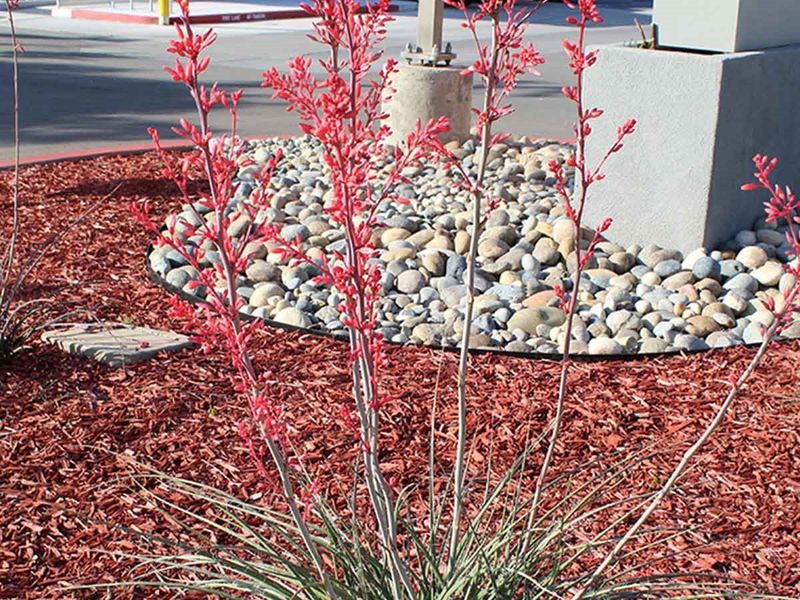
Seeds often need light to sprout, so a layer of mulch can leave fewer openings in planting beds. UC IPM suggests at least 2 inches of bark, compost, or straw, and 3 to 4 inches of large, coarse bark.
Treat those depths as a starting point, not a promise. Seeds can still sprout in dust and decomposing material that collects on top, so check the bed regularly and pull seedlings that appear.
Mulch also breaks down, so plan to top it up as it thins.
One more tip: mulch slows evaporation, so adjust your irrigation after adding it rather than keeping the old schedule. The Arizona guide reported good suppression with at least 2 inches of coarse organic mulch, though that was in nursery containers, so results in your yard may differ.
Dense turf leaves less exposed soil

Lawns work differently from beds. Thick, vigorous grass shades the soil, so spurge has fewer bare gaps to settle into.
Thin or struggling spots are the easy entry points.
Low-desert yards have a particular weak moment: when bermudagrass is slow to recover after winter dormancy, bare soil is exposed and spurge may move in. Extension guidance also recommends fixing irrigation leaks and avoiding soil that stays soggy, since both can favor infestations.
That does not mean shorting your lawn. Keep giving turf the water it needs, just not more than it needs.
Mowing will not solve the problem. Spurges stay so close to the ground that most slip under the blade, a point made in the UC IPM spurge page.
Treat thin patches early with proper care, and pull spurge by hand while it is small.
Pre-emergents prevent seedlings, not existing plants
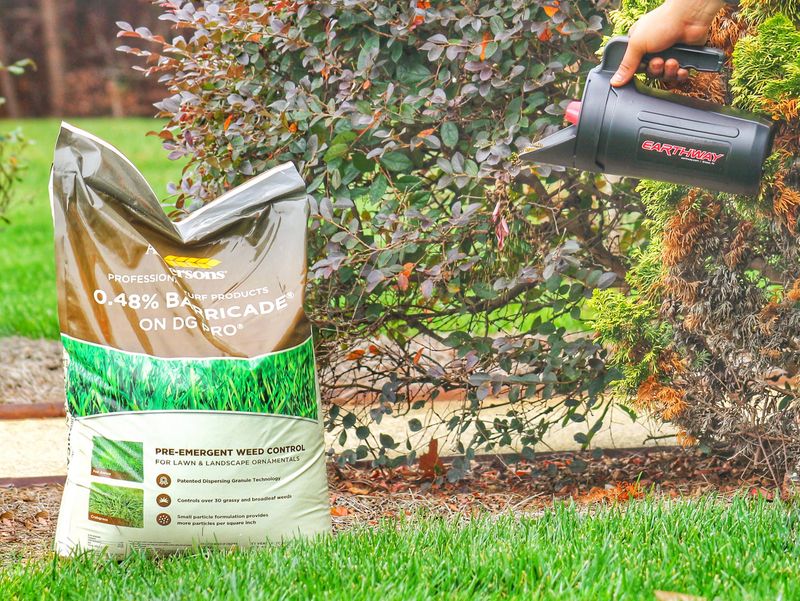
A pre-emergent product works before seedlings come up. It does not control spurge that is already growing, so those plants still need hand removal.
Think of it as one tool for the seeds still waiting in the soil.
The older Arizona Extension guide links germination with air temperatures above 60°F and mentions spring and mid-summer applications. Use that as a clue about when seeds wake up, not as a fixed calendar.
Products and labels have changed since that 2012 publication, so do not rely on its ingredient list.
Always read the current label. Check that it names your site, such as turf or planted beds, along with the timing, target weed, watering instructions, and protective gear.
A product made for lawns may not be allowed in a flower bed, and broad-spectrum products can harm desirable plants. The EPA explains why the label is the rule for safe use.
Make monitoring part of the routine
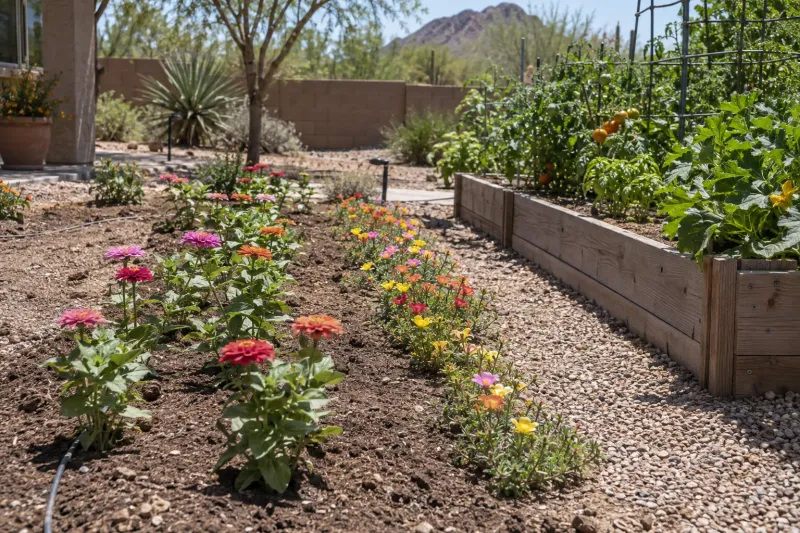
Start by naming the plant you have. Then revisit known patches through the warm months, pull seedlings before they flower and set seed, and cut down open soil with suitable mulch in beds and healthy turf in lawns.
When the weather warms and germination picks up, look again.
New seedlings will still show up now and then. That is not a sign the routine failed; it is the reason checking is built in.
The Arizona Extension publication frames management as an ongoing mix of detection, removal, and prevention.
Ten minutes of scouting beats an afternoon of cleanup later. In a desert yard, spurge rewards the person who keeps looking.