9 Yard Mistakes That Attract Snakes to Arizona Homes After the Storm
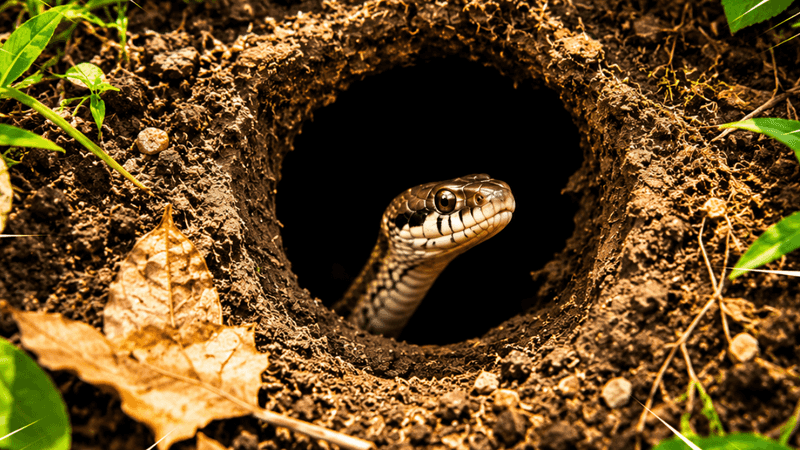
Most desert snakes are lousy diggers, so they borrow empty rodent burrows instead of carving their own homes. When a big Arizona storm floods those borrowed tunnels, the residents pack up and look for higher, drier real estate nearby.
I have to admit, the first time I found a gopher snake curled beside my garden hose after a downpour, my heart skipped a beat. Could your yard be sending out a welcome invitation without you knowing it?
1. Woodpiles And Scrap Lumber Stacked On The Ground
A stack of firewood looks harmless, but to a snake it resembles a five-star hotel with room service included. Gaps between logs stay shaded and cool, while mice and lizards move in for the same reasons.
Personally, I learned this lesson while hauling leftover mesquite logs from a neglected corner of my backyard. Two packrat nests tumbled out first, and I suddenly understood why my neighbors kept warning me about woodpiles.
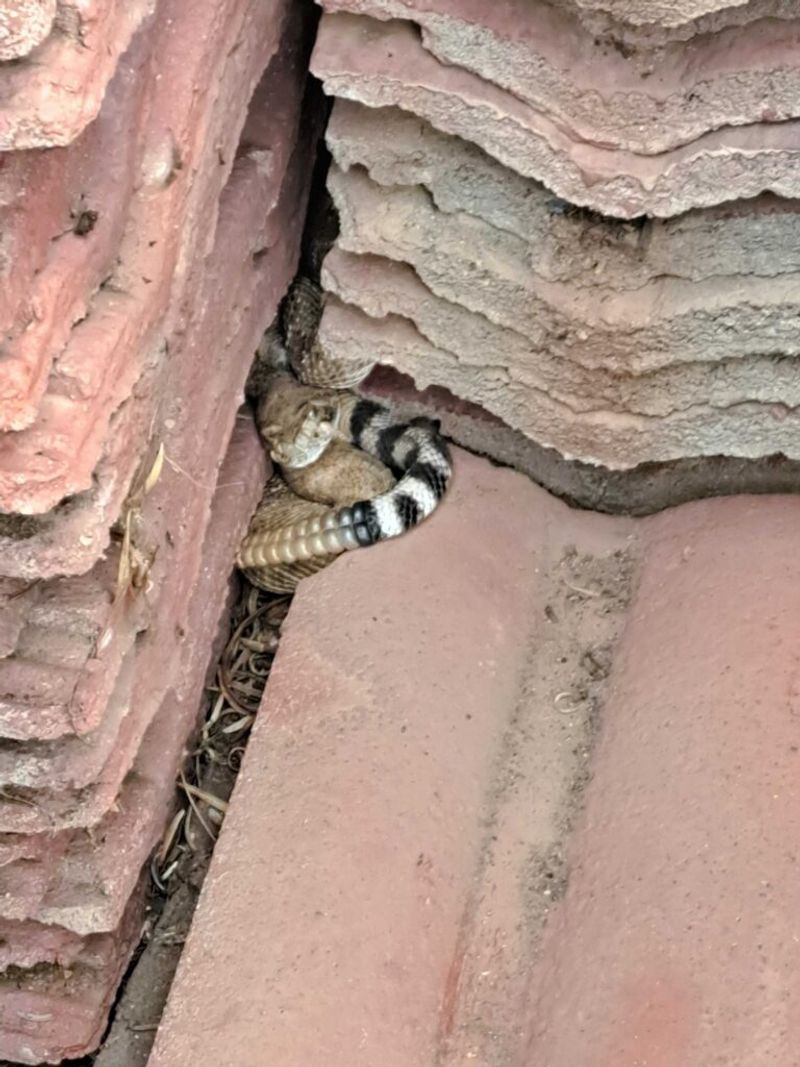
Scrap lumber, broken pavers, and old sheet metal work the same way after storms soak the surrounding desert soil. Flat materials resting on damp ground create snug pockets that hold moisture and attract the small prey snakes hunt.
You need to raise firewood at least a foot off the ground on a sturdy metal rack or cinder blocks. Keeping that rack away from your walls also removes a convenient hiding spot right beside doors and windows.
October is a smart month to tackle this chore, since daytime temperatures finally feel comfortable for outdoor work. Wear thick gloves and boots, and lift each piece toward you so anything hiding underneath moves away from your hands.
2. Tall Weeds And Overgrown Grass After The Rain

Few things grow faster than desert weeds after a soaking rain, and I swear some of them double overnight. That sudden green jungle gives snakes a hidden highway across your yard without ever crossing open ground.
Snakes rely on cover to stay safe from hawks, roadrunners, and curious coyotes that patrol neighborhoods at dawn. Thick weeds let them travel unseen while also holding cooler air near the soil on warm afternoons.
You might notice grasshoppers and crickets multiplying in those weedy patches, and that buffet draws lizards and rodents next. Before long, the overgrown corner becomes a busy food chain with a snake sitting comfortably at the top.
Pull or trim post-storm weeds while the soil is still soft, since roots slide out far more easily then. Keeping groundcover trimmed low, especially along walls and walkways, removes the privacy screen snakes find so appealing.
I like replacing weedy bare spots with spaced-out native plants such as desert marigold or brittlebush. Their open growth habit leaves fewer dense hiding places, and they reward you with cheerful yellow flowers for pollinators.
3. Leaky Hoses And Puddles Of Standing Water
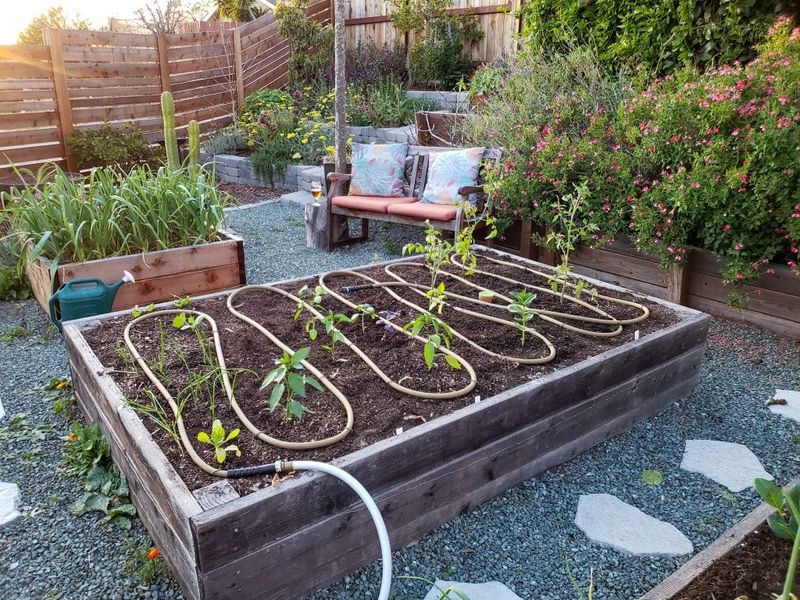
Water is the rarest treasure in the desert, and a dripping spigot announces its location to every thirsty creature around. Snakes can drink from puddles, but the bigger draw is the rodents and toads gathering there first.
What surprises me most is how a single slow leak can keep a patch of soil damp for weeks. That soggy spot cools the ground and invites insects, which then bring hungry birds and lizards to visit.
After storms, low areas in the yard often hold water much longer than anyone expects in such dry country. Check behind sheds, under downspouts, and around patio slabs where runoff tends to pool and linger quietly.
Fix dripping faucets, replace cracked hose washers, and inspect drip irrigation emitters for sneaky leaks along the lines. Fall is a perfect time to adjust watering schedules, because cooler nights mean most landscapes need noticeably less water.
Bird baths and pet bowls are lovely touches, so I would rather manage them than give them up. Empty and refill them daily, and place them well away from your house to keep traffic at a distance.
4. Spilled Birdseed Under Backyard Feeders
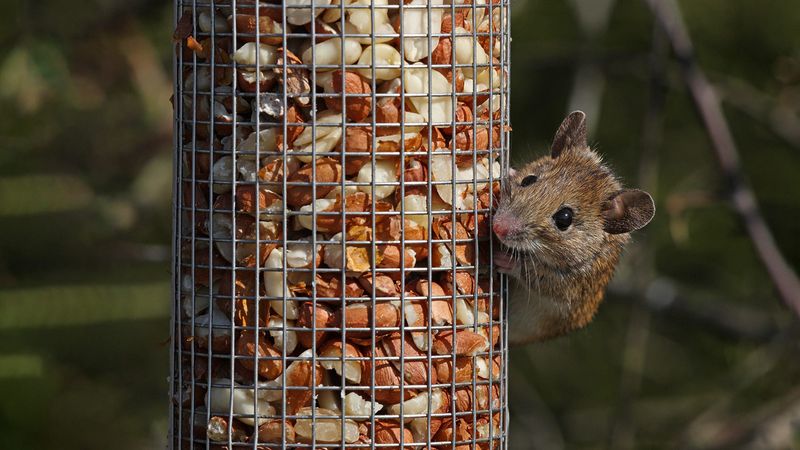
Watching Gambel’s quail scurry under my feeder each morning brings me joy, but the scattered seed tells another story. Every fallen sunflower kernel is a free snack for mice, and snakes happily follow those mice home.
Bird feeders rarely attract snakes directly, which makes this mistake easy to overlook in an otherwise tidy yard. The real issue is the steady supply of food that turns your patio into a reliable rodent cafeteria.
Pet food left outside overnight creates the same problem, especially kibble bowls tucked beside a back door. Uncovered trash cans and fallen citrus fruit add even more options for nighttime visitors with sharp little teeth.
You can keep feeding birds by adding a seed tray under the feeder to catch spills before they hit the ground. Switching to no-mess blends with hulled seeds also reduces leftovers that rodents love to gather after dark.
I rake up spilled seed every few days and bring pet dishes indoors once the dogs finish eating. Secure trash lids and picking up ripe fruit quickly will make your yard far less tempting for hungry rodents.
5. Rodent Burrows Left Unchecked In The Yard
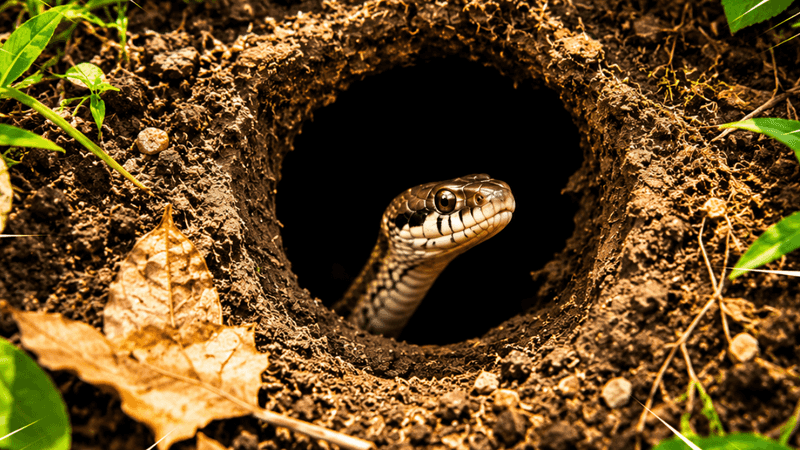
Snakes are one of nature’s best rodent control experts, and they treat an active burrow like an open dinner invitation. Many species slip right into those tunnels, hunting the residents and claiming the shelter afterward.
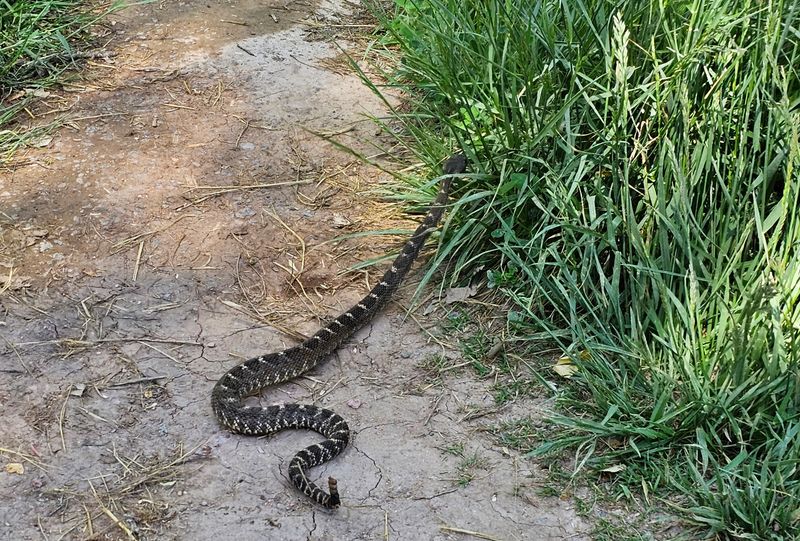
Western diamondback rattlesnakes, gopher snakes, and kingsnakes all eat rodents, so a thriving mouse population is a strong signal. Ground squirrels and pocket gophers leave telltale mounds and holes that become ready-made hideouts for wandering reptiles.
I believe this mistake deserves extra attention, because rodents also chew irrigation lines and nibble tender garden plants. Solving the rodent issue protects your vegetables and reduces the main reason snakes linger near your home.
Start by walking your yard and marking fresh burrows, droppings, or gnawed fruit after recent storms. Snap traps placed in covered boxes work well, while poison baits can harm pets, owls, and other wildlife eating poisoned rodents.
Encouraging natural predators helps too, so consider an owl box mounted on a tall pole away from busy patios. Barn owls can catch many rodents each night, and they make wonderful neighbors with very quiet manners.
6. Gaps Under Doors And Garage Seals
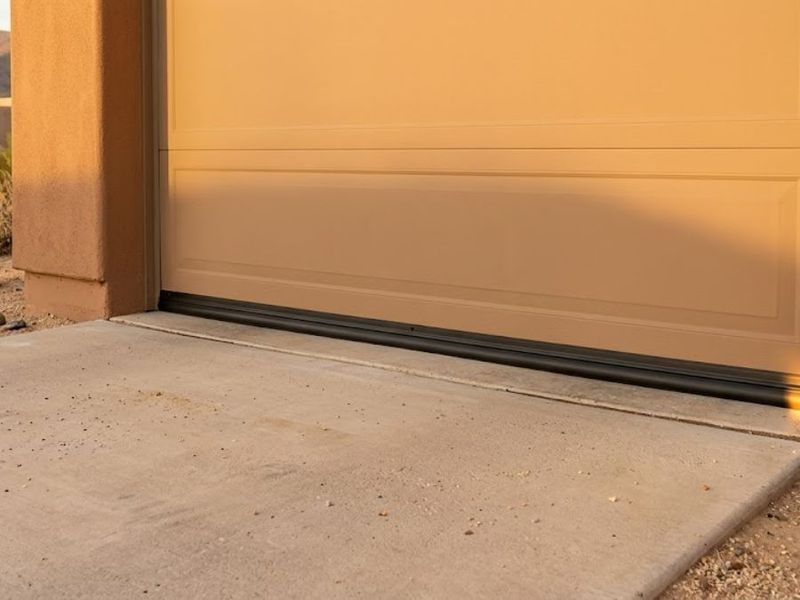
A young snake can squeeze through a gap about as wide as a pencil, which honestly still amazes me. Worn garage seals and loose door sweeps hand those slender visitors a private entrance to cool, shady rooms.
Garages tend to collect boxes, gardening supplies, and pet food bags, creating cluttered corners where snakes feel safe. Rodents often find their way inside first, and their trails can guide a hungry snake straight to them.
You’re in for a surprise when you check your garage door at ground level with a flashlight at dusk. Light shining through the bottom edge reveals exactly where cracked rubber or uneven concrete leaves room for crawling guests.
Replace damaged weatherstripping, install tight door sweeps, and seal cracks in the foundation with appropriate caulk or mortar. Fine metal mesh over weep holes and vents keeps air moving while blocking reptiles and rodents from entering.
Keeping the garage door closed during evenings helps a lot, since many snakes roam after sunset in warm weather. Storing items on shelves instead of the floor also makes any uninvited visitor much easier to spot.
7. Dense Shrubs Hugging The Foundation
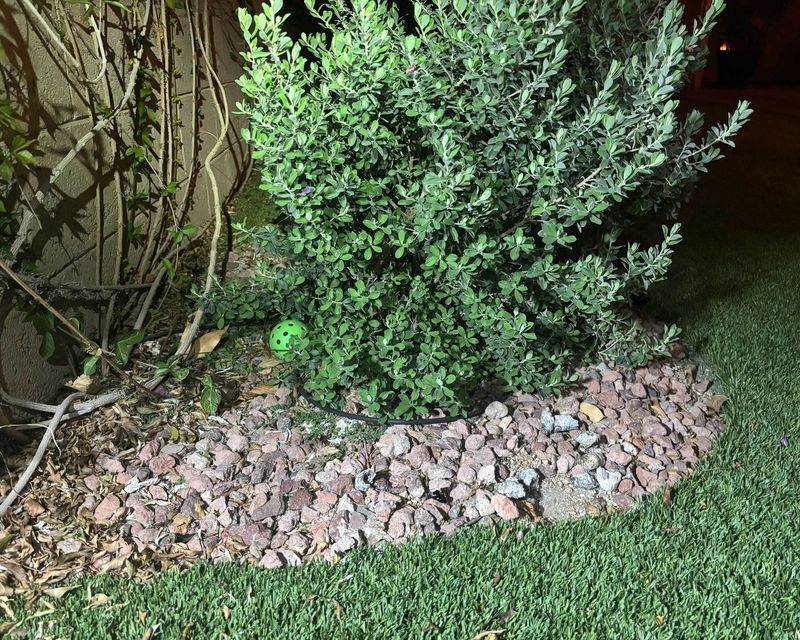
Lush shrubs pressed against stucco walls look cozy, but they create a shaded tunnel right along your foundation. Snakes appreciate that cool strip, especially when it sits beside doors, patios, and leaky air conditioning lines.
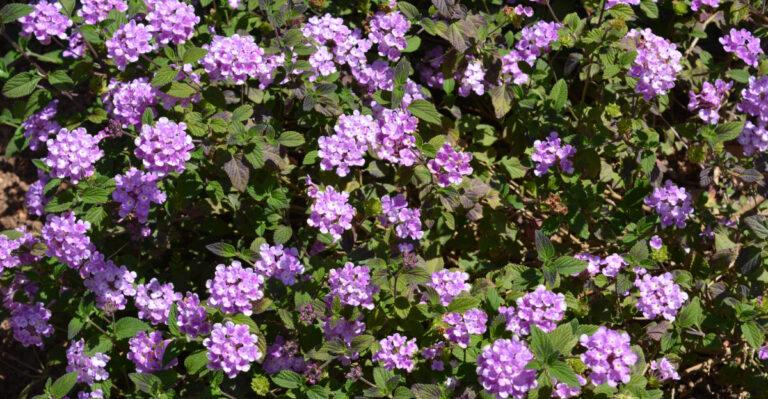
Decorative rock borders stacked against the house add more crevices, and reptiles slip into those spaces with ease. Thick groundcovers like dense lantana mats hide whatever moves underneath, making surprise encounters much more likely during yard chores.
I can’t imagine giving up my favorite plants, so spacing them wisely has become my preferred compromise. Leaving about two feet of open gravel between shrubs and walls keeps everything visible without sacrificing curb appeal.
Fall is excellent planting season in the low desert, so October works well for relocating crowded shrubs. Native choices like Texas sage or desert milkweed grow upright and airy, which leaves less hidden space near the ground.
Prune lower branches so you can see the soil beneath bushes from a standing position on your walkway. Clear sightlines mean any visitor gets noticed quickly, and that simple habit brings real peace of mind outdoors.
8. Neglected Compost Piles Full Of Scraps
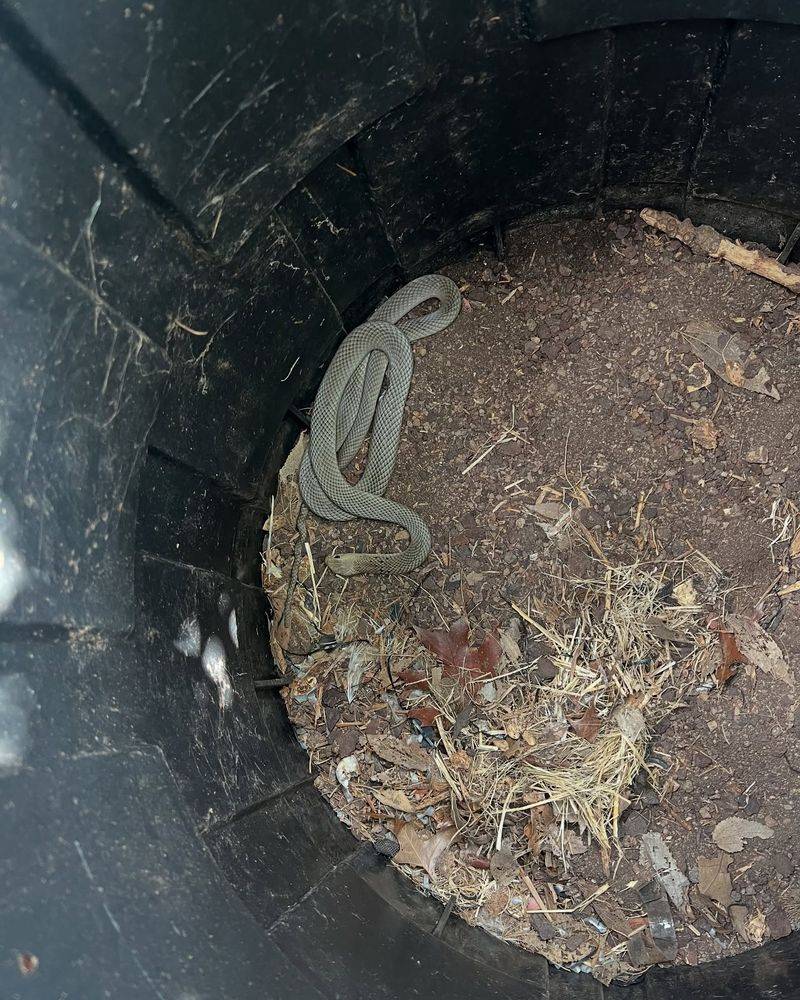
Compost is basically black gold for gardeners, yet a forgotten heap can turn into a warm snake sanctuary. Decomposing material generates gentle heat and holds moisture, two features reptiles find hard to resist in the desert.
Some snakes even lay eggs in rotting vegetation, since the steady warmth helps those eggs develop over the summer. Kitchen scraps also lure mice, roaches, and crickets, building another tasty food chain right in your garden.
Personally, I learned to respect my compost pile after spotting a coachwhip snake gliding away from it. Nothing happened, but that quick flash of tan scales convinced me to rethink my lazy composting habits.
You need a closed bin with a tight lid, ideally made from sturdy plastic or metal with a solid base. Turning the pile every week or two keeps material breaking down quickly and disturbs anything thinking about moving in.
Avoid adding meat, dairy, or greasy leftovers, because those smells attract rodents faster than fruit peels or coffee grounds. Place the bin away from walls and fences, and keep the surrounding ground clear of tall weeds.
9. Porch Lights Left Burning All Night
Porch lights glowing until sunrise act like a dinner bell for moths, beetles, and swarms of flying termites. Within minutes, geckos and toads arrive to feast, and those hunters can attract snakes looking for an easy meal.
After storms, insects emerge in impressive numbers, so a bright bulb draws even bigger crowds than usual. I love evening walks, but I learned to watch my steps near our front steps on humid nights.
Snakes do not care about the light itself, so the real problem is the concentrated prey gathering underneath. Breaking that chain is easier than most people expect, and it often lowers your electricity bill as a bonus.
Motion-sensor fixtures provide light only when someone walks by, which keeps insect gatherings small and short. Warm yellow or amber bulbs attract fewer bugs than bright white ones, according to many pest experts and entomologists.
Bats also appreciate darker yards, and they gobble enormous numbers of mosquitoes and moths on summer and fall evenings. Turning off unnecessary lights gives these helpful flyers room to hunt, making your yard calmer for everyone sharing it.