What It Means When Great Horned Owls Start Hooting Around Arizona Homes This Fall
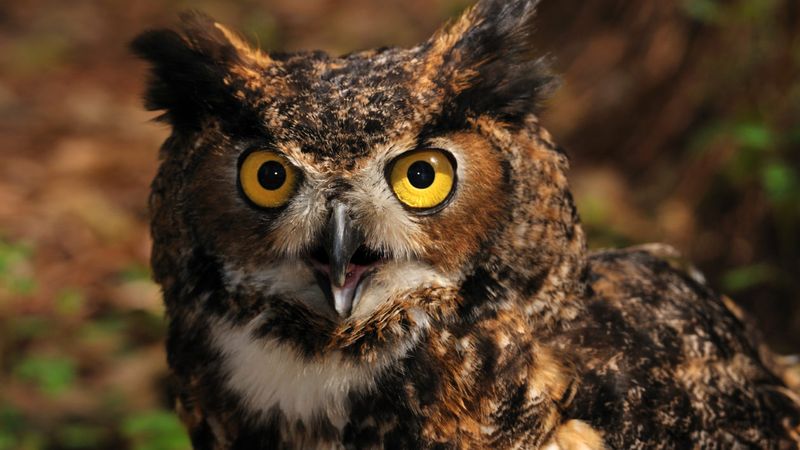
A deep, steady hoot drifting across the yard after dark can stop you mid-step. Many Arizona homeowners wonder if that sound says something about the rodents or scorpions around their house.
The answer is more about the owl than about your pests. Knowing what the call really tells you can help you respond calmly and keep your attention on what matters.
A hoot is a message, not a pest report
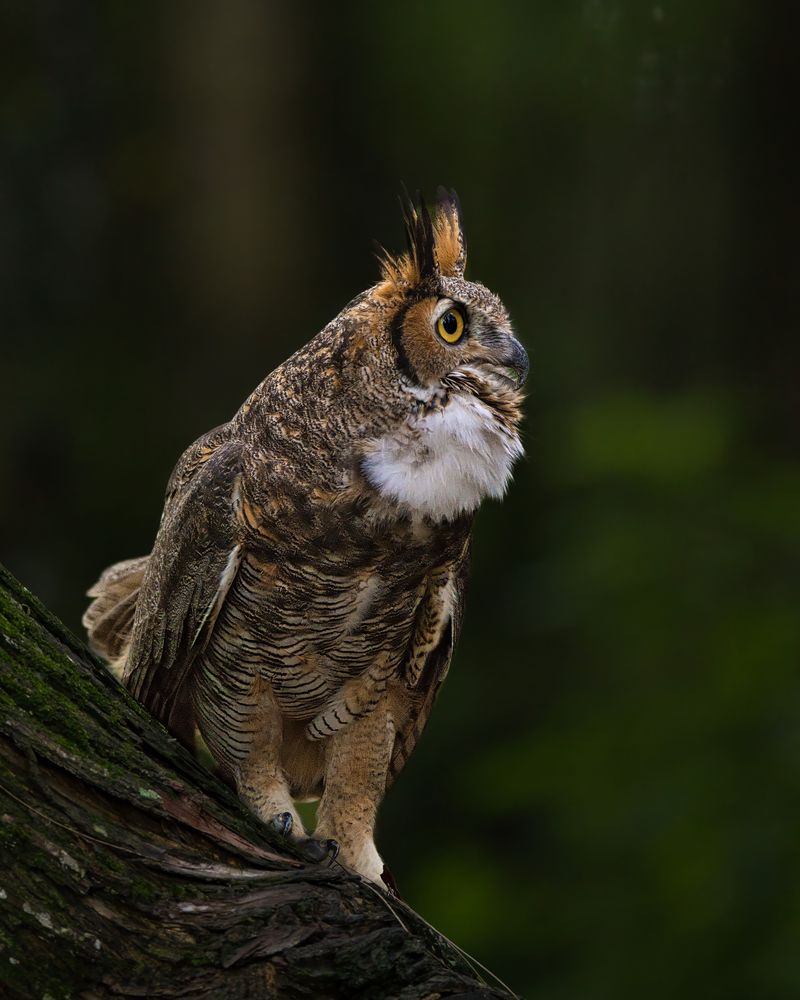
Most of the time, a Great Horned Owl hoots to say one thing: this space is taken. Cornell Lab describes the deep hoots as territorial advertising, and breeding pairs may answer each other in a duet, one owl calling and the other replying.
Young owls sound different. Their begging calls are not the same as the usual adult hoot, so a raspy, needy sound is a different story from the steady hooting most people notice.
Here is the part that surprises people. Hearing a call near your house does not tell you that prey is close by.
It also does not mean the owl is hunting in your yard or nesting there. Sound carries a long way at night, and a territorial owl can be heard without anyone ever seeing it or finding a nest.
So treat the hoot as a message between owls. It is not a report card on what lives around your walls, and it is not an inspection of your property.
Why you may hear calls in fall
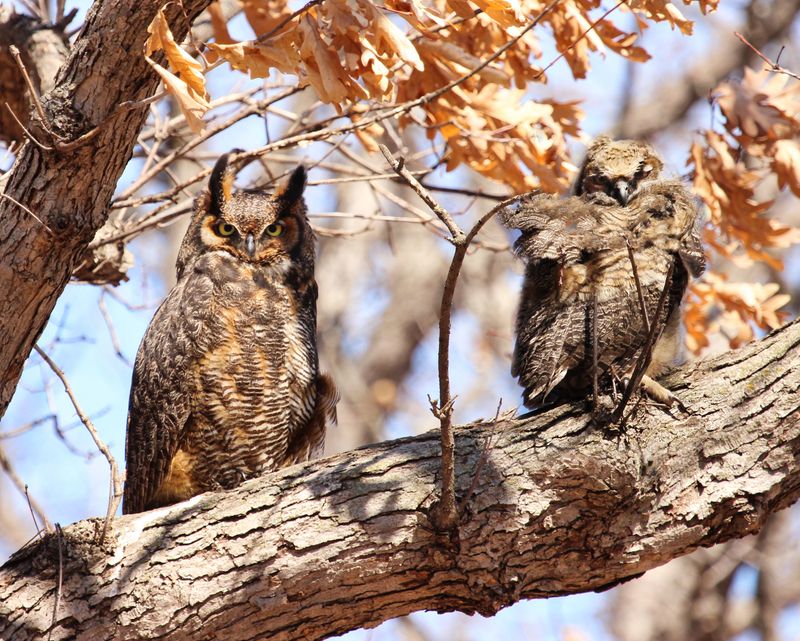
Fall nights can feel like a good time for owl conversation, and there is a possible reason. At White Sands National Park in New Mexico, park information on the Great Horned Owl notes that breeding season begins in autumn.
Courtship calling may help explain some hooting heard at that time of year.
That is regional context from a neighboring state, not a calendar for your street. Arizona is a big place with deserts, forests, and cities, and nothing here shows that owls start calling or call more often across the state when fall arrives.
Not every fall hoot is courtship either. Some calls are simply an owl advertising its territory, which can happen whenever an owl is nearby and active.
If you hear one, the safest takeaway is modest. You may be hearing a territorial owl, or a pair keeping in touch, and the season could be part of the reason.
That is as far as the sound can take you.
What an owl’s menu can—and cannot—tell you
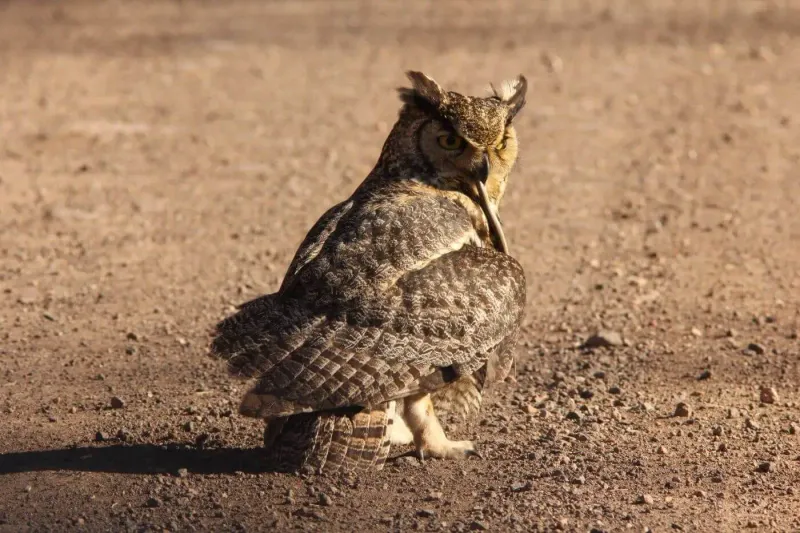
Great Horned Owls have a wide menu. Cornell Lab lists prey from rodents and scorpions to much larger animals, and what they eat varies by place and conditions.
It is tempting to link that menu to the hoot outside your window. But eating a pest is not the same as signaling that pests are near, and the call does not reveal how many rodents or scorpions live around a home.
Rodents and scorpions are also separate concerns, so an owl’s taste for both does not make a hoot a sign of either.
Your Arizona Garden Changes Every Week. Your Plan Should Too.
Gardening in Arizona changes quickly throughout the season. Every Friday you’ll receive a simple weekly plan showing exactly what to plant, prune, fertilize, harvest, and protect so you never miss the right timing.
A study of four owl pairs in northern Arizona pine and oak forest found that mammals made up most of the identified prey and nearly all of the prey weight. That tells us about diet in that forest.
It says little about Phoenix or Tucson neighborhoods, and it does not show that an owl will control pests at your house.
Appreciate the owl for what it is, a skilled night hunter, without counting on it as pest control.
Check the house for rodent concerns
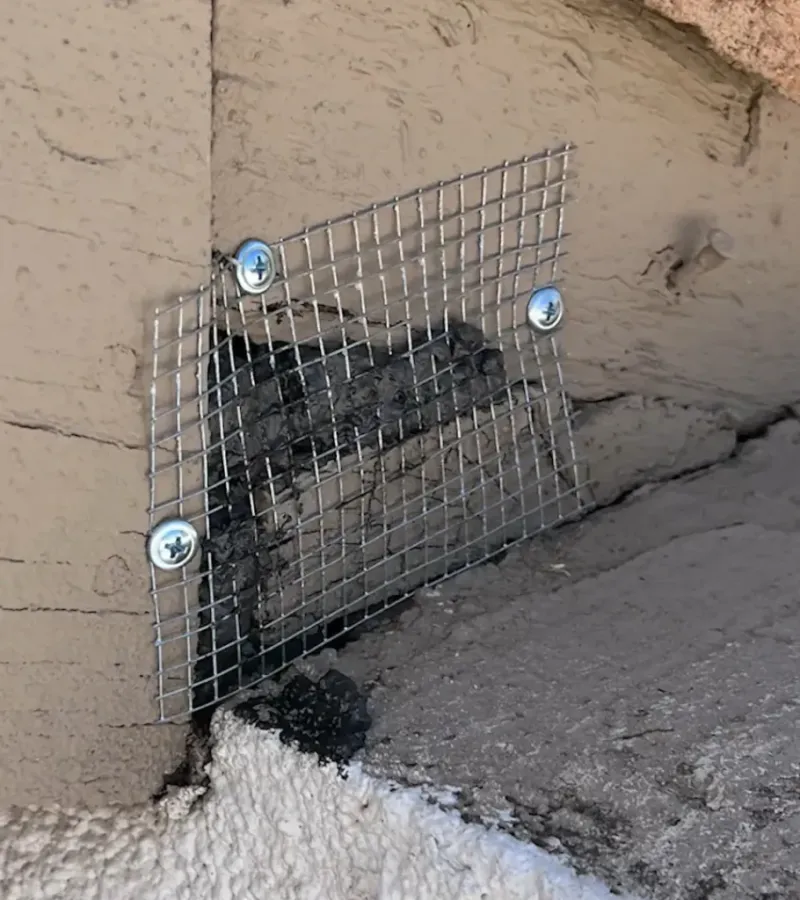
If rodents worry you, look at the house itself rather than listening to the sky. University of Arizona Cooperative Extension guidance on wildlife-transmitted diseases recommends practical prevention: seal gaps where animals could get in, and remove food sources and nesting sites.
Walk the outside of the home and look for openings around pipes, vents, and the roofline. Check where food might be available, such as pet food left out, fallen fruit, or open trash.
For roof rats, Extension advice on roof rats adds a few steps. Monitor possible entry points, manage waste, and prune branches back from roofs and walls so they cannot serve as a bridge.
These steps make a home less inviting, though no measure can promise that pests will never appear. Do the checking in daylight, and let what you actually find guide your next move.
Reduce scorpion access around the house
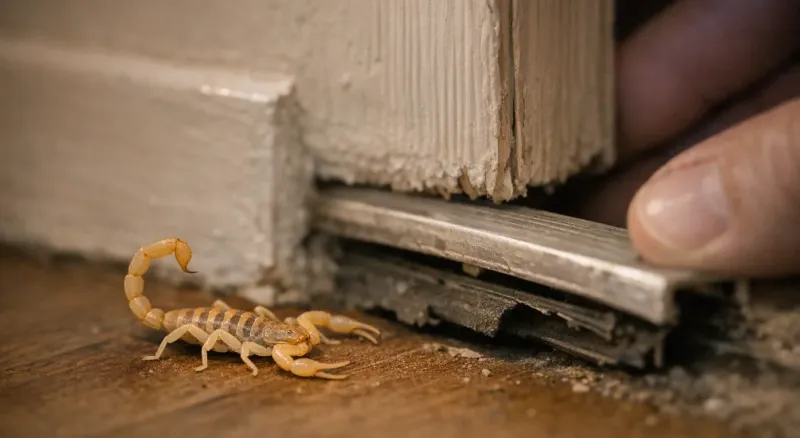
Scorpion control starts at the doors and the wall lines, and it works the same whether or not an owl is calling. University of Arizona Cooperative Extension’s pest-proofing guide recommends tight door sweeps or weather-stripping so small gaps do not become easy entrances.
Outside, move debris and woodpiles away from the house, since they offer shelter. Keep vegetation clear of the walls too, so plants are not touching the building.
Inside, a simple habit helps: check your shoes before putting them on. It costs a few seconds and fits easily into a morning routine.
Pick a weekend, grab a flashlight, and work around the house one door and one wall at a time. Steps like these can reduce how welcoming your property is to scorpions, though results depend on many factors in your neighborhood.
If an owl may be nesting, keep your distance
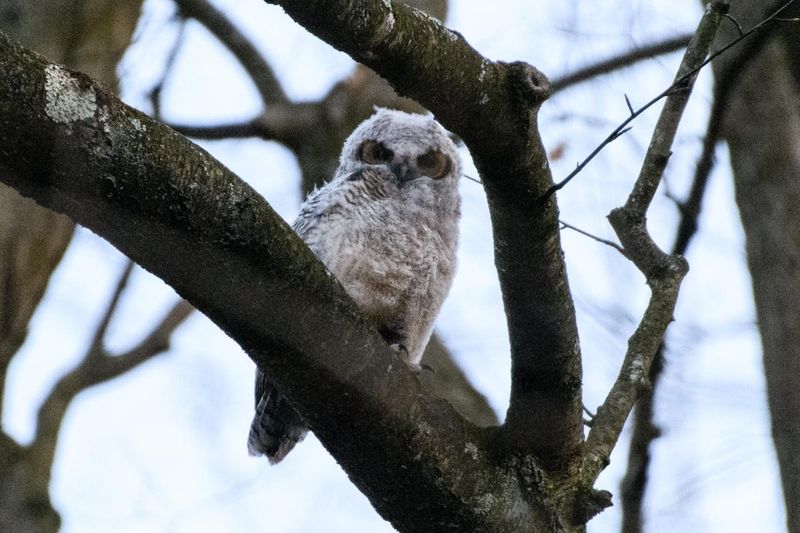
Suppose you start to suspect an owl is nesting nearby. The best move is to watch from a distance and leave it alone.
Binoculars let you enjoy the view without crowding the birds.
The U.S. Fish and Wildlife Service explains in its guidance on bird nests that active nests with eggs or dependent young receive legal protection.
Disturbance can also put young birds at risk.
In practice, that means no climbing, no moving branches, and no trying to get a closer look. Do not handle birds or try to attract them.
Keep pets and children away from the area, and put off tree trimming near the spot.
A hoot alone does not confirm a nest, so there is no need to assume one. But if you do see signs of nesting activity, give the birds room and let them finish what they started.
Let the call prompt curiosity, not a pest diagnosis
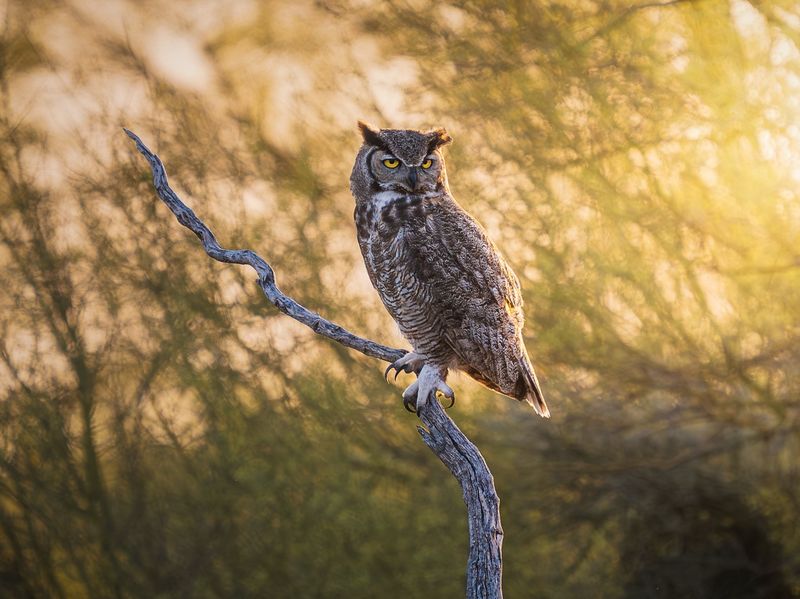
Let the hoot be what owl calls usually are, a message between owls. If pests are on your mind, inspect the house, then seal and tidy using the steps for rodents and scorpions.
Keep a respectful distance from any owl that may be nesting. Some of the best wildlife moments happen when we simply listen.