Things You Should Never Do to Your Arizona Lawn in November
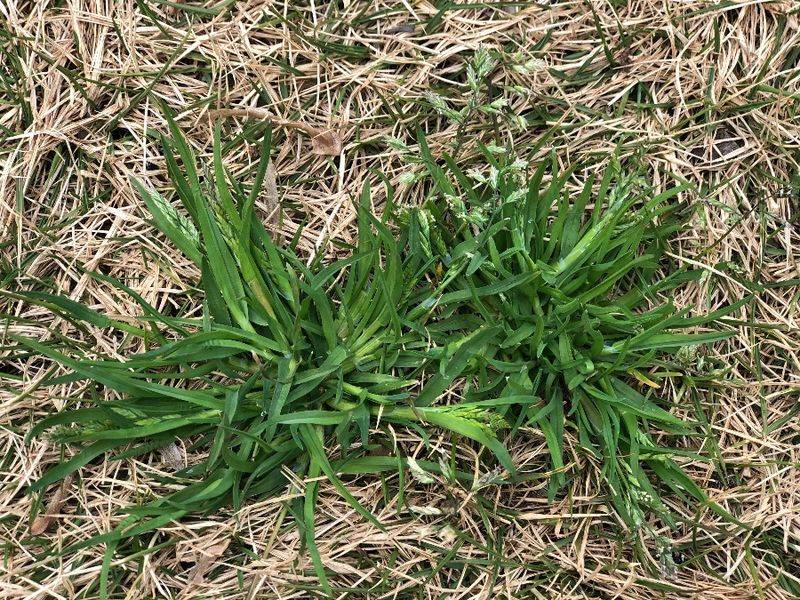
A lawn in Phoenix can look perfectly green in November while its summer grass quietly slips into a long winter sleep underneath. I have to admit that this sneaky switch fooled me for years, and I kept treating my yard like it was still July.
Arizona lawns play by desert rules, so a few habits that seem helpful this month can quietly set your grass back until spring. Which of these common moves is hiding in your own weekend routine?
1. Late Ryegrass Seed Spread Over Chilly Soil
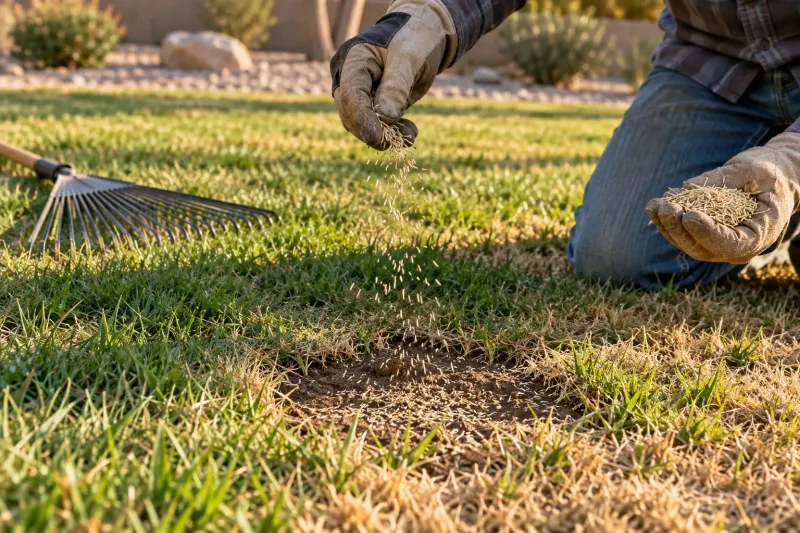
Ryegrass seed is surprisingly picky, and it sprouts best when soil stays warm while nights cool into the fifties and sixties. By late November, chilly desert nights can slow germination to a crawl, leaving seed exposed to hungry birds for weeks.
University of Arizona turf experts generally point to October as the sweet spot for overseeding in the low desert. Personally, I mark my calendar when nighttime temperatures first drop below about sixty-five degrees, then get seed down quickly.
Late seeding often produces thin, patchy turf that struggles to fill in before spring warmth returns. You might notice bare spots that collect weeds instead, which defeats the whole point of buying that pricey bag of seed.
If you missed the window, a light overseed in early November may still work in warmer spots like Yuma or Phoenix. Higher elevations such as Flagstaff are a different story, since lawns there are already heading toward winter rest.
Another option is skipping the winter lawn this year and letting your Bermuda rest in its tan winter coat. I love how that choice saves water, and the brown color simply signals healthy dormancy rather than a problem.
2. Heavy Nitrogen On Dormant Bermuda Grass
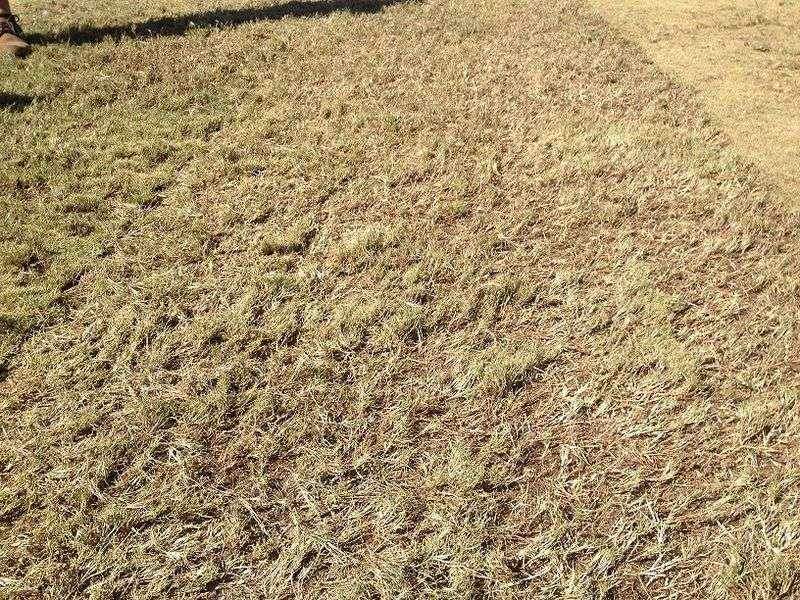
Feeding a sleepy Bermuda lawn in November is a bit like serving dinner to someone who already went to bed. Once soil temperatures fall below about sixty degrees, Bermuda stops actively growing and cannot use much nitrogen.
That extra fertilizer often washes past the roots with irrigation, which wastes money and can carry nitrogen into groundwater. Any tender growth it does push becomes easy prey for the first hard frost of the season.
Most desert turf guides suggest giving non-overseeded Bermuda its final feeding around late summer or early fall. I like to treat that last application as a goodbye snack, then put the spreader away until spring green-up arrives.
Overseeded ryegrass is the exception, since it actively grows through cool weather and appreciates regular light meals. A modest application roughly every four to six weeks, often with some iron, keeps that winter turf deep green.
You need to know which grass you are feeding before you open the bag this month. Reading the label and following its rate carefully helps avoid streaky burns, which show up quickly on young ryegrass blades.
3. Evening Sprinkler Runs On Cool Nights
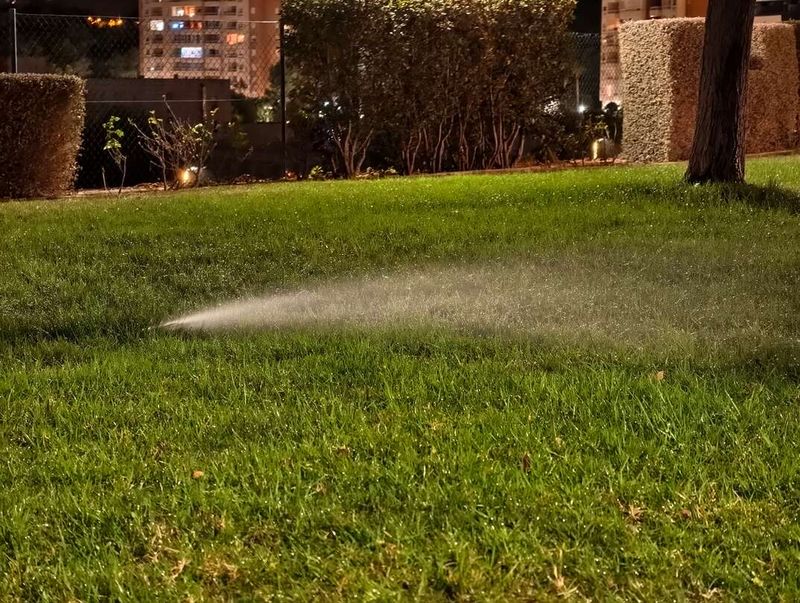
Cool November nights paired with damp grass blades create a cozy setup for lawn fungus to move in. Watering late in the evening leaves turf wet for many hours, which gives disease organisms a comfortable head start.
Early morning is the smarter slot, because rising sunshine dries the leaves quickly before afternoon. Personally, I set my timer to finish before the sun climbs high, and my winter lawn has stayed noticeably healthier ever since.
Morning watering also reduces evaporation compared with midday runs, so more moisture actually reaches the root zone. Desert winds tend to pick up in the afternoon too, scattering sprinkler spray onto sidewalks instead of your grass.
Seedlings are an exception, since newly sown ryegrass needs light, frequent watering several times a day to stay moist. Even then, try to wrap up the final cycle by mid-afternoon so the surface can dry before dark.
You might notice greasy, dark patches or cottony growth on grass blades after a run of damp nights. Those clues usually mean it is time to cut back on watering and shift your schedule earlier right away.
4. Summer Watering Schedules Left On Autopilot
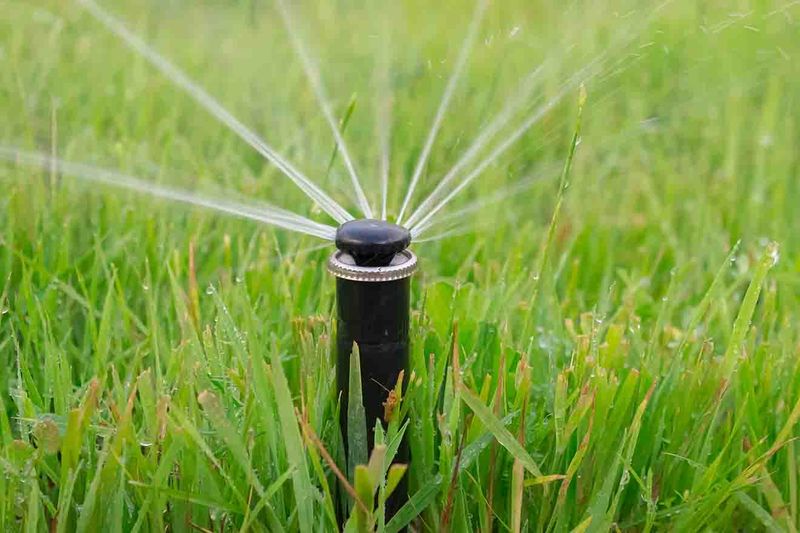
That irrigation controller you programmed back in July has no idea the desert sun has softened considerably. Leaving the summer schedule running can easily double the water your lawn needs, and the extra mostly drains away unused.
Dormant Bermuda needs surprisingly little, often just a deep soak every few weeks if winter rains stay scarce. Established ryegrass usually does well with watering every few days to once a week, depending on temperatures and soil.
Soggy soil invites shallow roots and fungal trouble, plus it encourages weeds that thrive on constant moisture. I believe the simplest upgrade most desert homeowners can make this month is adjusting the timer, and it costs nothing.
Programs like Water – Use It Wisely publish seasonal watering guides that make this adjustment surprisingly easy. A long screwdriver also helps, because it slides easily into moist soil and stops where the ground turns dry.
You’re in for a pleasant surprise when the next water bill arrives after a few smart tweaks. Many controllers even offer a seasonal adjust feature, letting you trim run times by percentage without rewriting every zone.
5. Pre-Emergent Herbicide Over Fresh Ryegrass Seed
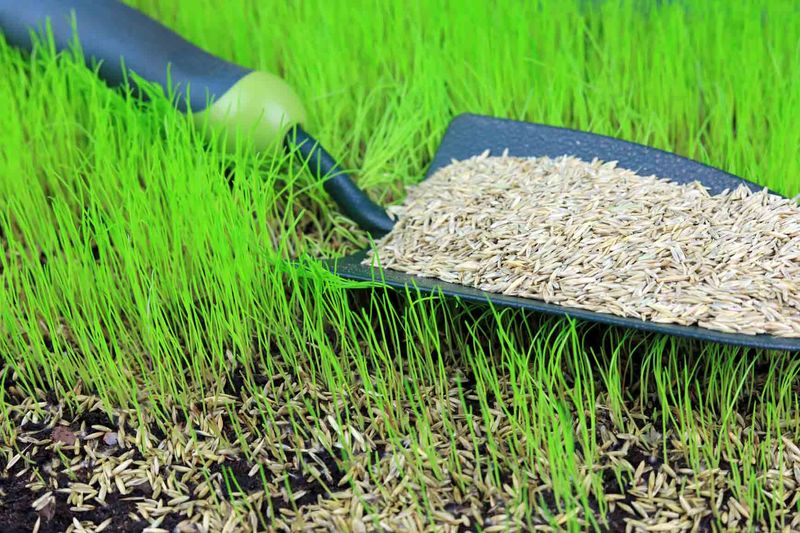
Pre-emergent herbicides work by stopping seeds from sprouting, and they cannot tell weed seeds apart from expensive ryegrass seed. Spreading one over a freshly seeded lawn can leave you with bare dirt where a green carpet should be.
Many products stay active in the soil for several months, so timing matters more than most people expect. I have to admit that I learned this lesson the hard way after a patchy winter that looked like a sandlot.
If you overseed, most turf experts suggest skipping fall pre-emergent or following the label waiting intervals carefully. Some products list waiting periods of six weeks or more, so reading the fine print is worth every minute.
Non-overseeded lawns are a different situation, since a fall pre-emergent can help reduce winter weeds in dormant Bermuda. Timing it before the cool-season weed flush, usually in early fall, gives the barrier its best chance to work.
Already seeded and spotting a few weeds popping up between your tender new ryegrass blades this month? Hand-pulling or carefully spot-treating with labeled products after several mowings is a gentler approach for young turf.
6. Footprints On Frosty Morning Grass
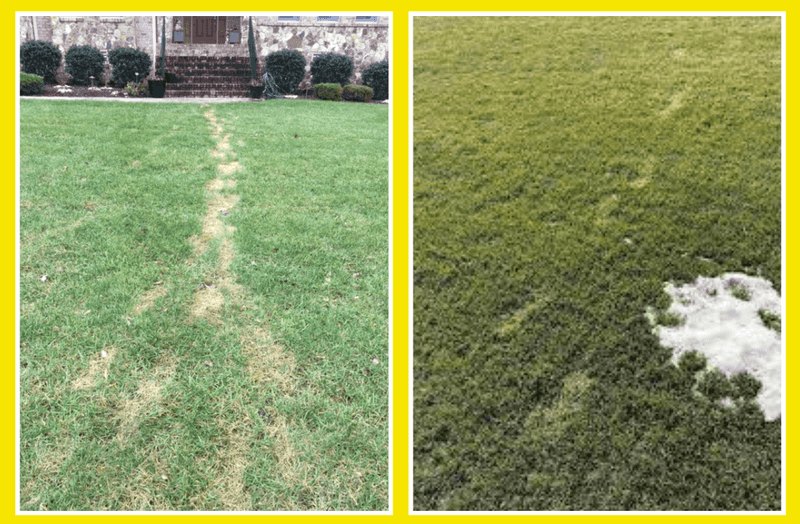
Frosty grass crunches satisfyingly underfoot, but those icy blades are surprisingly fragile in the early morning. Ice crystals inside the leaf tissue break easily, and each footstep can leave behind a trail of browned grass.
Frost is mostly a concern in higher areas and outlying valleys, though Phoenix and Tucson see occasional chilly mornings too. Late November is when many desert neighborhoods start noticing that first silvery sheen across their lawns.
Footprints in frost often show up days later as tan, matted tracks that stand out against green ryegrass. I can’t imagine anything more frustrating than seeing my own path to the trash bins etched across the yard.
Wait until the sun melts the frost before mowing or letting the dogs race across the turf. A relaxed mid-morning start usually does the trick, and your grass recovers much better when the blades are thawed.
Some gardeners run sprinklers briefly to melt frost, but that habit can waste water and leave the lawn soggy. Patience is usually the easier fix, since desert sunshine tends to clear frost quickly once it rises.
7. Low Mower Blades Scalping Young Ryegrass
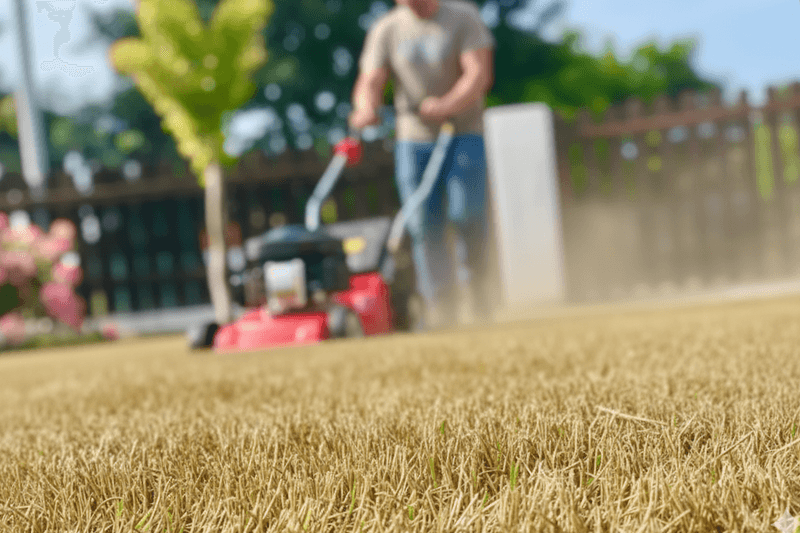
Young ryegrass looks tough once it greens up, yet its roots are still shallow and easily stressed by a careless mower. Cutting it too short in November thins the stand and gives weeds more sunlight to sneak into gaps.
Most guides suggest waiting until seedlings reach about two to three inches before the first trim. Sharpen your blade first, because dull edges tear soft blades and leave ragged, whitish tips across the lawn.
Follow the one-third rule, removing no more than a third of the blade height during any single mowing. Personally, I keep my winter lawn around two inches tall, which feels lush underfoot and shades the soil nicely.
Mowing when the grass is dry also helps, since wet seedlings can clump and pull up from loose soil. Afternoon is often ideal in the desert this time of year, after morning dew has burned away.
Clippings can stay on the lawn, where they break down quickly and return nutrients to the soil. I love how this small habit trims fertilizer needs while also saving trips to the green waste bin.
8. Dethatching Machines On Sleepy Bermuda Turf
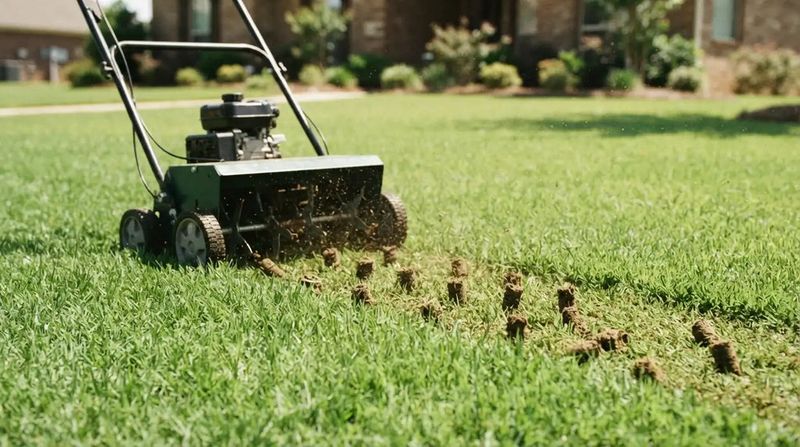
Ripping out thatch in November is like giving your lawn a rough haircut right before it heads into hibernation. Bermuda grass recovers from that kind of damage by actively growing, and it is barely growing now.
Dethatching and core aeration both open the turf, and dormant Bermuda cannot fill those wounds until spring warmth. Meanwhile, the exposed soil becomes an inviting seedbed for winter weeds that sprout eagerly in cool weather.
Late spring through early summer is the better window, when Bermuda grows vigorously and heals quickly. What surprises me most is how fast summer turf bounces back, often covering aeration holes within a couple of weeks.
Overseeded lawns need careful treatment too, since young ryegrass has delicate roots that tear easily. Light vertical mowing before overseeding is common practice, but repeating that work in November disturbs the new seedlings.
If your lawn feels spongy or water puddles on top, jot a note in your calendar for late spring. That plan lets you tackle compaction or thick thatch when the grass can actually respond and heal well.
9. Leaf Piles That Shelter Bark Scorpions
Fruitless mulberry and ash trees often drop leaves in late fall, and they settle into surprisingly thick mats. Left in place, those layers block sunlight from ryegrass and trap moisture that encourages mold and fungus underneath.
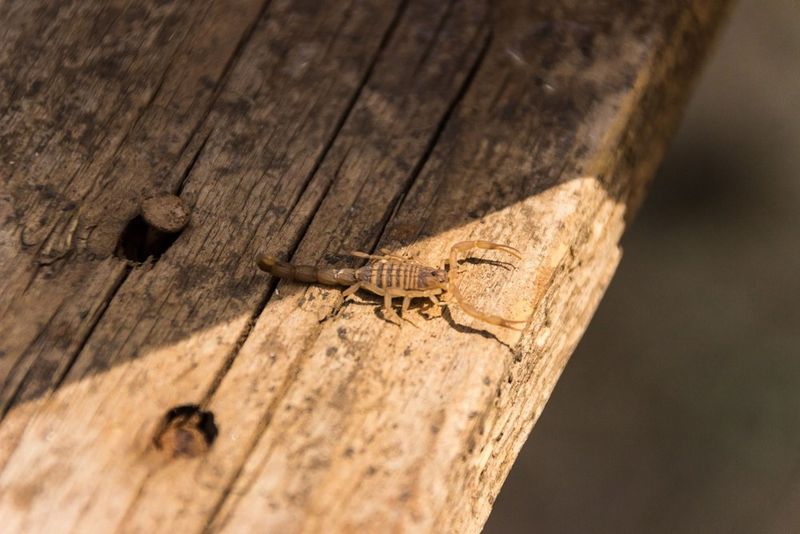
Debris piles also become cozy daytime hideouts for bark scorpions, which prefer cool, sheltered spots near homes. Arizona bark scorpions are the most venomous scorpion in North America, so reducing their shelter near the house makes sense.
Raking leaves off the lawn regularly keeps grass breathing and removes a favorite scorpion retreat. Personally, I rake mine into a backyard compost bin far from the house, which turns a chore into future garden gold.
Shredded leaves also make a handy mulch around desert shrubs, as long as you keep layers away from walls. I like how this approach returns nutrients to the landscape without creating hiding places beside doors and patios.
Roadrunners and other hungry birds appreciate open ground where they can spot insects and even scorpions easily. A tidier lawn edge, paired with native shrubs farther out, gives these helpful hunters plenty of room to patrol.
10. Annual Bluegrass And Mallow Weeds Sprouting In The Lawn
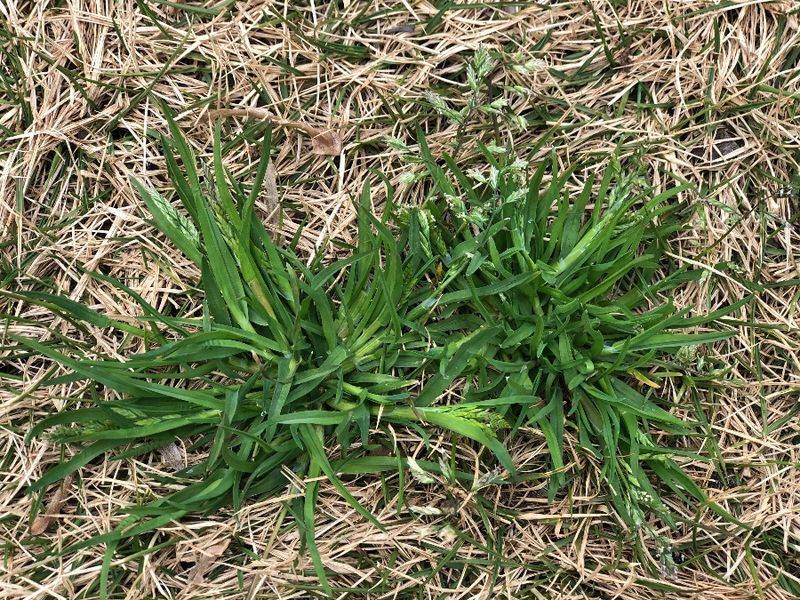
Annual bluegrass and cheeseweed mallow start sprouting as soon as the desert cools, often weeks before homeowners notice them. Ignoring those tiny seedlings now means a spring lawn crowded with seed heads that refill the soil for next year.
Young weeds are easiest to remove when roots are shallow and the soil stays moist after irrigation. I find a few minutes of hand-pulling each weekend works better than one exhausting marathon later in winter.
Mallow develops a tough taproot as it matures, so catching it early saves plenty of tugging and frustration. Annual bluegrass blends into ryegrass at first, but its lighter green color and fluffy seed heads give it away.
Healthy, dense turf remains the best weed defense, because thick grass shades soil and keeps many seeds from germinating. Proper mowing height and sensible watering do more weed control work than most people realize this season.
If you choose a post-emergent product, pick one labeled for your grass type and follow directions closely. You might notice that a little attention now leads to a cleaner, greener lawn when spring finally arrives.