Why November Is The Time To Sow Fava Beans In California
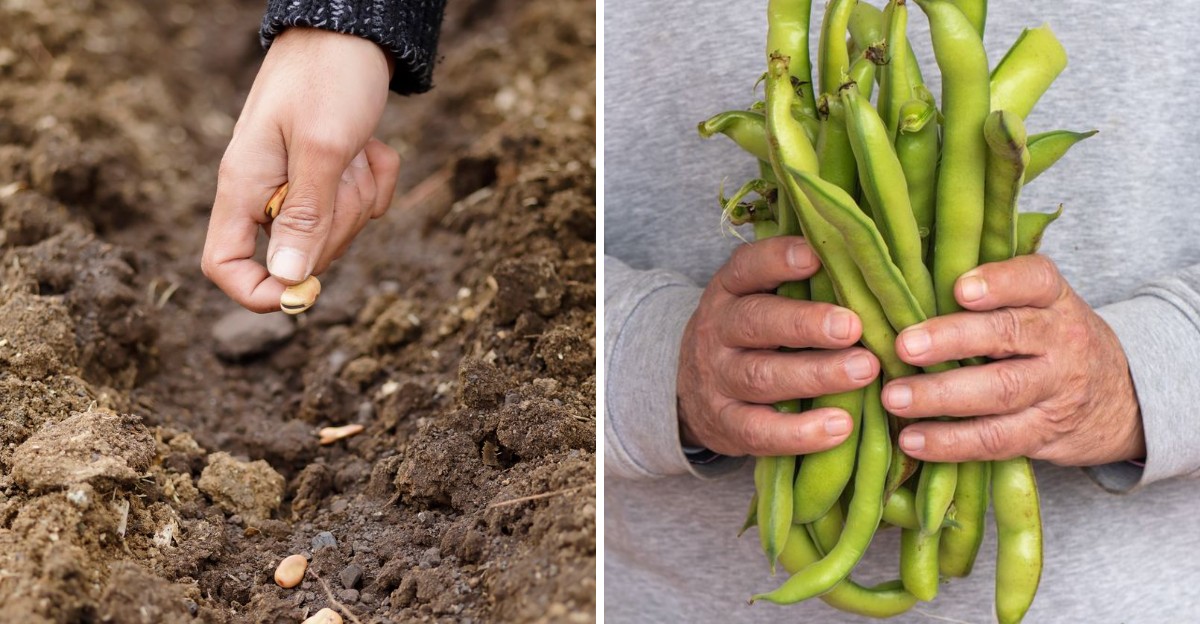
One ancient bean can shrug off frost down to about 20 degrees, and it actually sulks in summer heat. Gardeners around the Mediterranean have grown it for thousands of years, and it still feeds people from Italy to Egypt today.
What I find interesting is how backward its calendar feels. It wants cool nights, winter rain, and short days to build strong roots.
Hot weather makes its flowers drop before pods ever form.
Here in California, our mild winters line up almost perfectly with what this plant craves. You can tuck the big seeds into bare soil when most of the garden is resting.
Then you mostly let the rain do the work.
I have a soft spot for crops that feed the soil while they feed you. This one does both, and the timing window is shorter than many people realize.
So why do so many of us still wait for spring?
1. There’s A Reason These Big Bean Seeds Belong In Cold Soil
Fava beans run on a different clock than the green beans most of us grew up with. Snap beans and limas want warm soil and summer sun.
Favas, also called broad beans, are cool-season crops that grow best in temperatures roughly between 45 and 75 degrees.
That one fact explains the whole November idea. University of California garden experts list fall, usually October through November, as the main sowing window for much of the state.
Seeds planted now sprout in cool, damp ground and spend winter building roots and sturdy stems.
Wait until late spring, and the plants run into trouble fast. Heat above about 80 degrees causes flowers to drop, and pods often fail to fill.
Aphids also tend to show up in bigger numbers as weather warms.
I like to think of November sowing as giving the plant a long, relaxed runway. It grows slowly through the shortest days, then bursts into bloom as spring arrives.
The pods mature before the first real heat wave shows up.
In short, the season itself does most of the heavy lifting. You simply line up your planting date with what the plant has wanted for thousands of years.
2. Chilly Nights And Winter Rain Give Fava Seedlings A Head Start
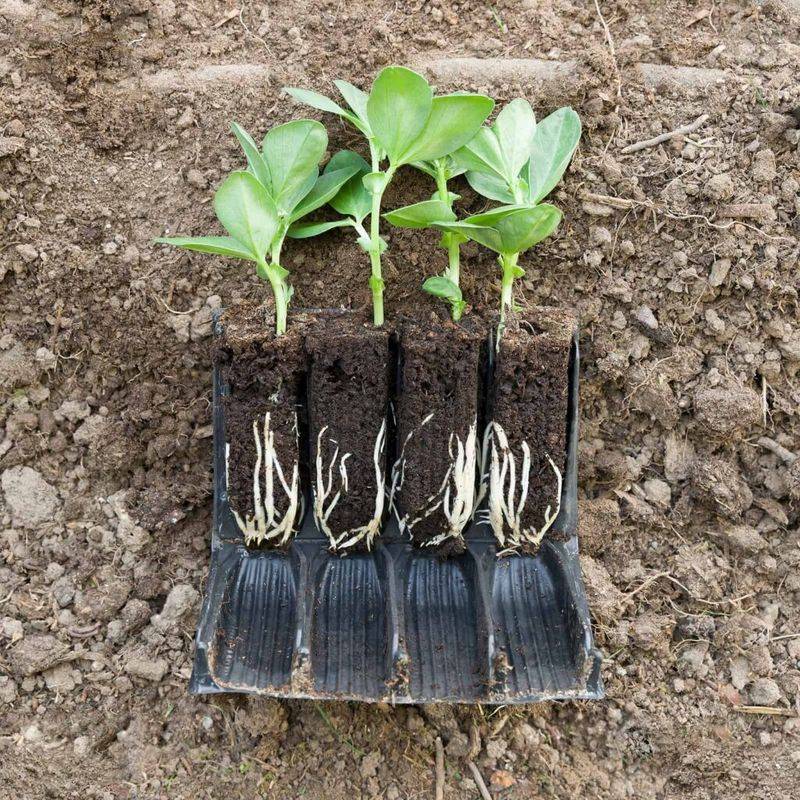
Frost on a garden bed usually makes me nervous, but fava seedlings barely flinch. Many varieties handle light frosts and dips into the low 20s once established.
That toughness makes them a great match for most California winters.
Rain helps too. Much of the state gets most of its yearly rainfall between November and March.
Sowing in November means seedlings get steady natural watering just when their roots are spreading, which saves you time at the hose.
Cool soil also slows the plant down in a helpful way. Instead of racing upward, young favas pour energy into roots.
Strong roots mean sturdier plants that hold up better to wind and heavy spring pods.
A quick word of caution for colder spots. In high mountain areas or places where winter lows regularly fall below the teens, fall-sown favas can struggle.
Gardeners there often wait and sow in late winter or early spring instead.
For coastal gardens, the Central Valley, and much of Southern California, though, November weather feels tailor-made. Cool nights, short days, and soaking storms create what I would call a cozy nursery for these big, beefy seedlings.
3. Fava Roots Quietly Pull Nitrogen Out Of Thin Air
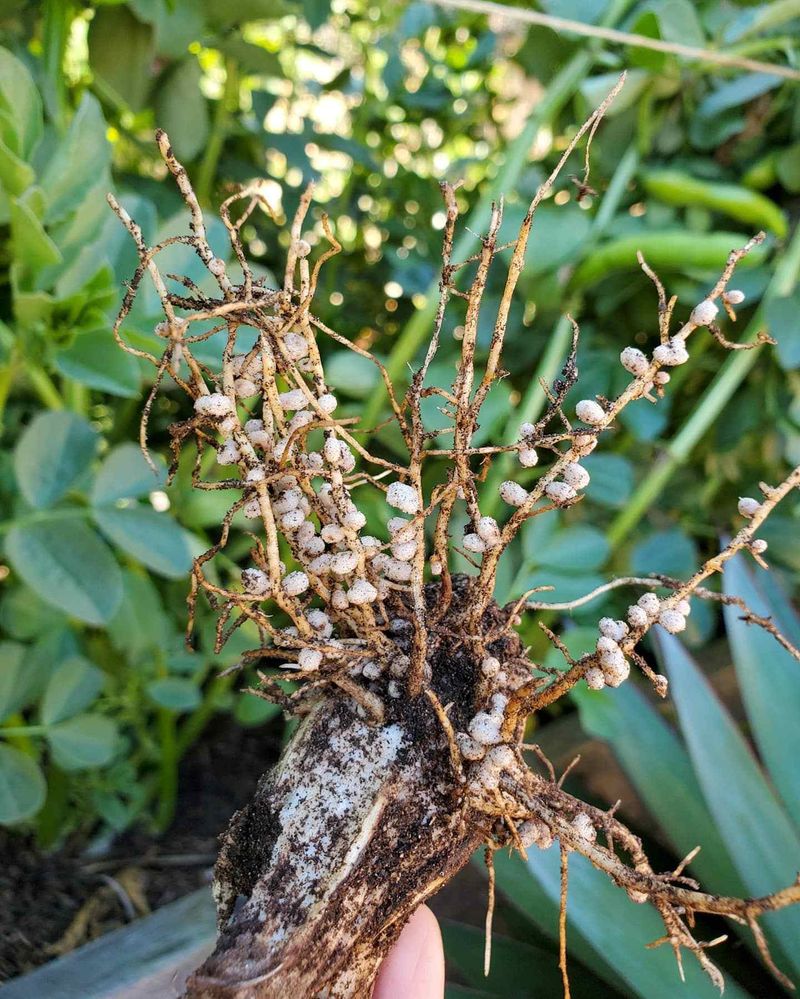
Pull up a healthy fava plant in spring and look closely at the roots. You may spot small bumps called nodules.
Cut one open, and a pinkish color inside often means it is doing its job well.
Those nodules are homes for helpful soil bacteria called rhizobia. The bacteria take nitrogen gas from the air and turn it into a form plants can use.
Favas trade sugars for that nitrogen, so both partners win.
Here’s a tip many beginners miss. If your soil has never grown peas or favas, a pea and vetch inoculant powder can help.
Coat damp seeds with it right before planting so the right bacteria are ready to go.
One more thing worth knowing is where the nitrogen ends up. Harvesting all the beans carries much of it away in the seeds.
Leaving roots and stems in place, or chopping plants back into the soil, returns more of that boost to your beds.
I find it fascinating that a single crop can act like a slow, gentle fertilizer. Your tomatoes and squash planted next spring will likely notice the difference in that richer soil.
4. Those Black And White Fava Blossoms Arrive While Spring Is Still Waking Up
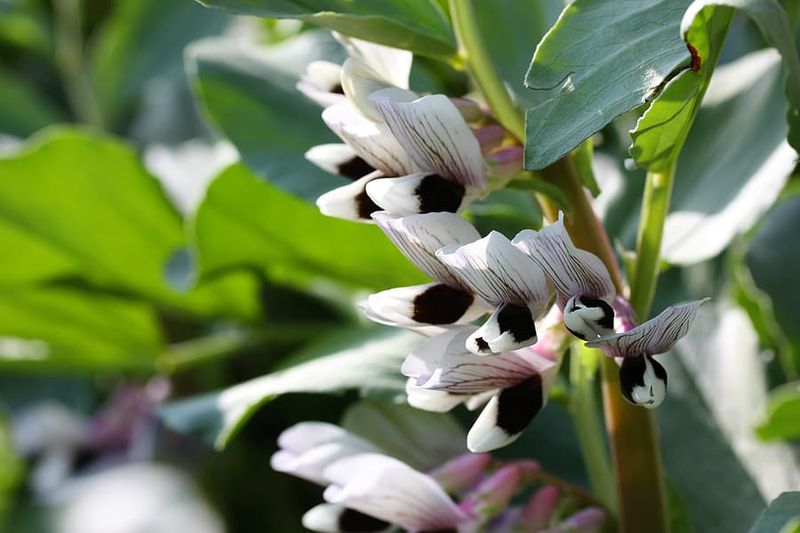
Late winter in a fava patch smells sweeter than you would expect. Clusters of white flowers marked with dark purple or black spots open along the stems.
Some heirloom types even bloom in crimson.
November-sown plants in mild areas often start flowering around February. Blooms can keep coming for several weeks into spring.
Bumblebees and other early pollinators love them, which is handy when few other crops are flowering yet.
Pods usually follow in spring, about 80 to 100 days or more after planting, depending on variety and weather. Young pods are bright green and firm.
As they fill, they get plump and glossy, and the beans inside press against the shell.
A fun bit of history fits here. Favas are one of the oldest cultivated crops, with remains found at sites in the Middle East dating back thousands of years.
They were a staple in Europe long before common beans arrived from the Americas.
For a gardener, that early show feels like a reward for patience. While neighbors are just buying spring seed packets, your bed is already buzzing with bees and lined with swelling pods.
5. Push Each Fava Seed About Two Inches Deep For Sturdy Plants
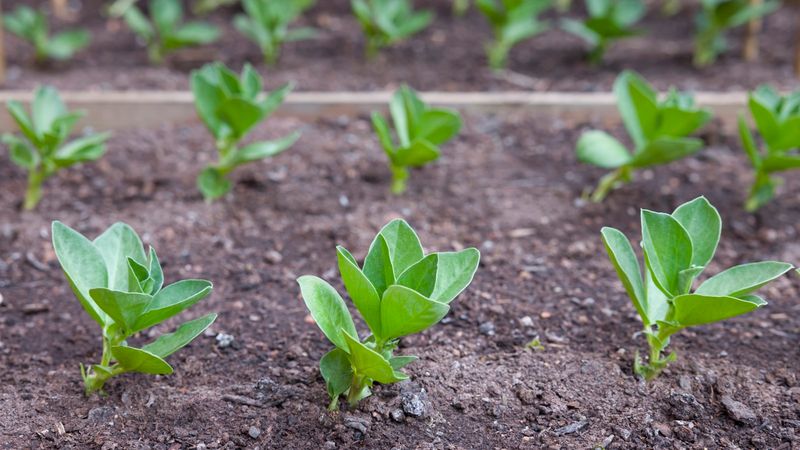
Planting favas might be the easiest seed job of the whole year. The seeds are big enough for small kids to handle, which makes this a fun family project on a cool November afternoon.
Choose a spot with full sun and soil that drains well. Favas tolerate many soil types but dislike sitting in soggy ground, which can rot seeds.
A pH from about 6.0 to 7.0 suits them nicely, and a little compost goes a long way.
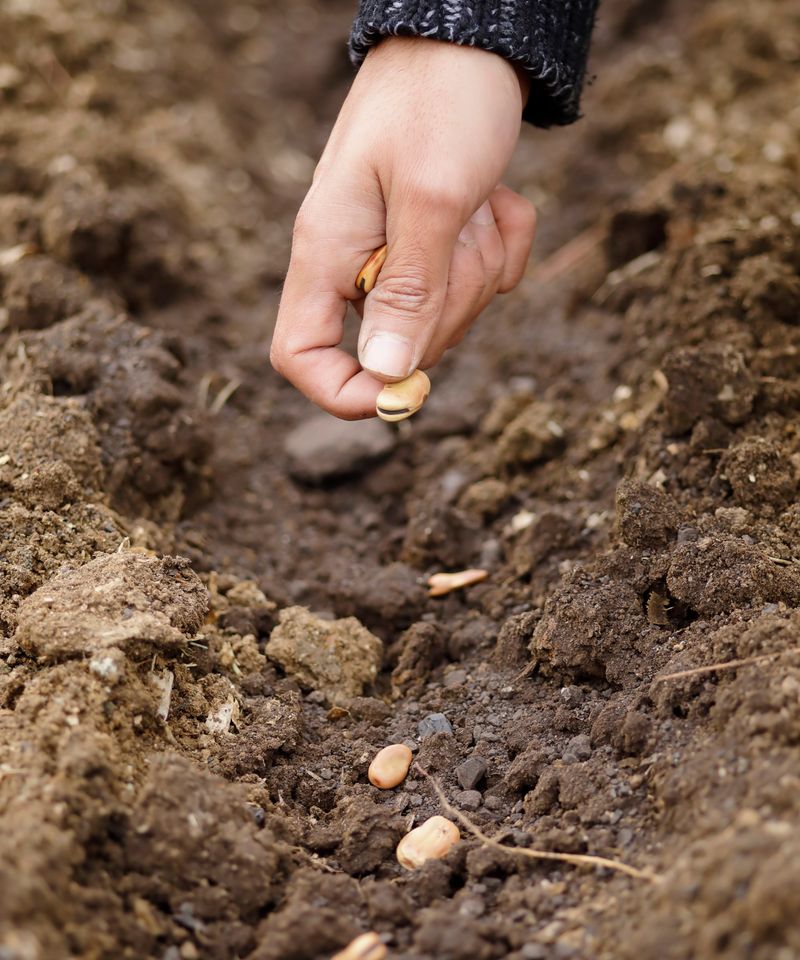
Sow seeds about one to two inches deep. Space them roughly four to six inches apart in rows or blocks, with rows 18 to 30 inches apart depending on variety.
Planting in a block helps tall plants lean on each other.
Water once after planting if the soil is dry. After that, winter rain often handles things, but check during dry spells.
Steady moisture matters most once flowers and pods form.
Tall varieties can reach four feet or more. A few stakes with twine around the bed keep plants upright during windy storms.
I learned that lesson the hard way after one gusty March night flattened half my patch.
6. A Thick Stand Of Fava Plants Works Like A Winter Blanket For Bare Soil
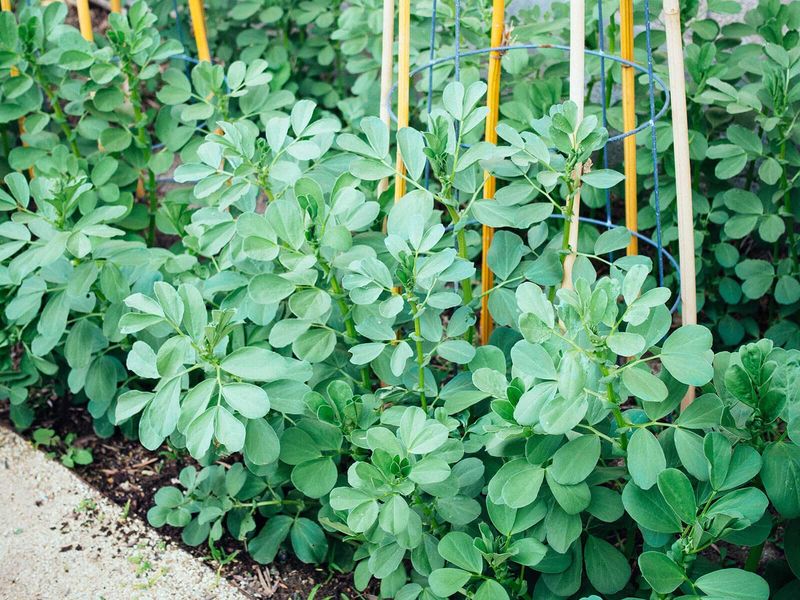
Bare soil in winter has a rough time. Heavy rain can wash it away, pack it down, and leave room for weeds.
A dense planting of favas helps protect it all season long.
Farmers across California have used fava, often called bell bean, as a winter cover crop for years. The roots hold soil in place during storms.
The leafy canopy shades out many winter weeds and shelters ground-dwelling life like earthworms.
For a cover crop, sow seeds closer together than you would for eating. Many gardeners scatter them a few inches apart and rake them in.
Some mix favas with oats or peas for extra coverage.
Timing the cut matters if soil building is your main goal. Chop plants down around early flowering, when they hold lots of nitrogen and the stems are still tender.
Leave the pieces on top as mulch or turn them in lightly.
Give the bed two to three weeks before planting your spring crops. That pause lets the green material start breaking down.
Your soil ends up looser, richer, and full of organic matter, all from one packet of seeds.
7. Watch Fava Leaves For Aphids And Chocolate Spot As Spring Warms Up
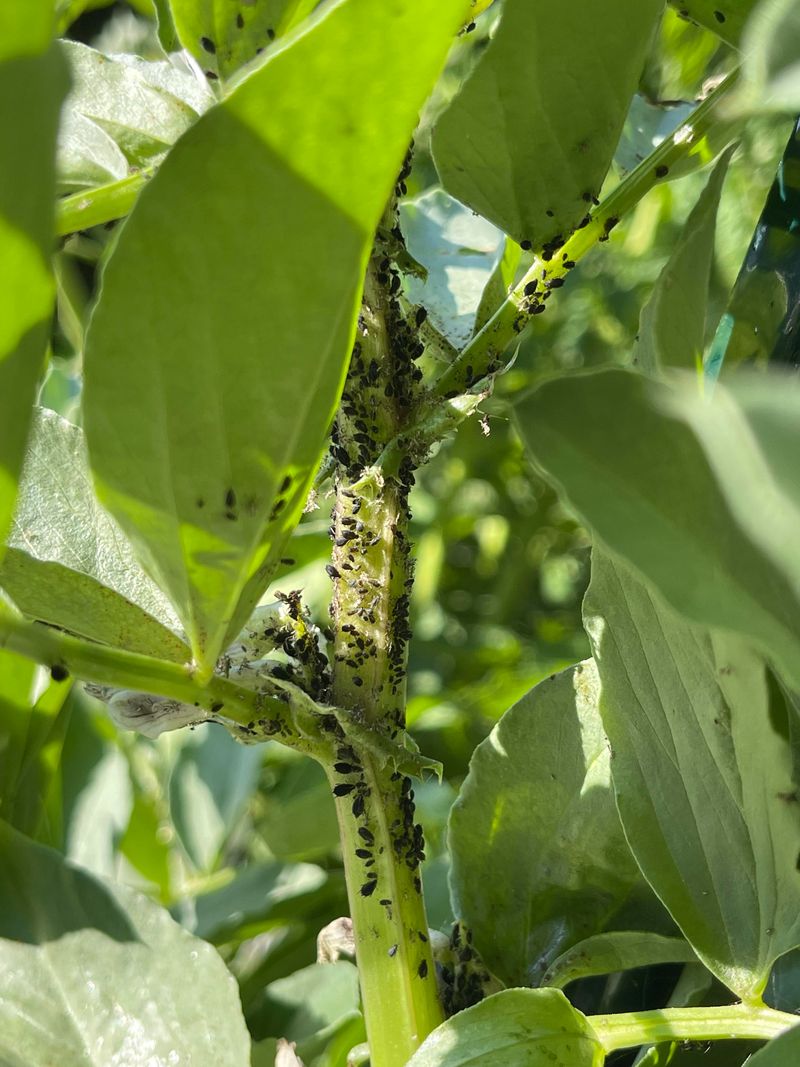
Black aphids love fava tips. As weather warms in spring, they can crowd onto the tender tops of plants in thick clusters.
Spotting them early makes control much easier.
A strong spray of water often knocks many off. Pinching off the top few inches of each plant once pods start forming also helps, since aphids favor that soft growth.
Bonus tip, those tips are tasty sautéed like spinach.
Ladybugs and lacewings usually move in to feast on aphids too. Avoid broad pesticides so these helpers can do their work.
Fungal problems like chocolate spot show up as small reddish brown spots on leaves, especially in damp, crowded beds. Giving plants enough space and watering at the soil level rather than over leaves improves airflow and reduces trouble.
One important safety note belongs here. Some people, often of Mediterranean, African, or Asian ancestry, have an inherited condition called G6PD deficiency.
Eating favas, or sometimes even breathing their pollen, can trigger a serious reaction called favism. If anyone in your household has this condition, talk with a doctor before growing or eating these beans.
8. Plump Green Fava Pods Make Every Bit Of Winter Patience Worth It
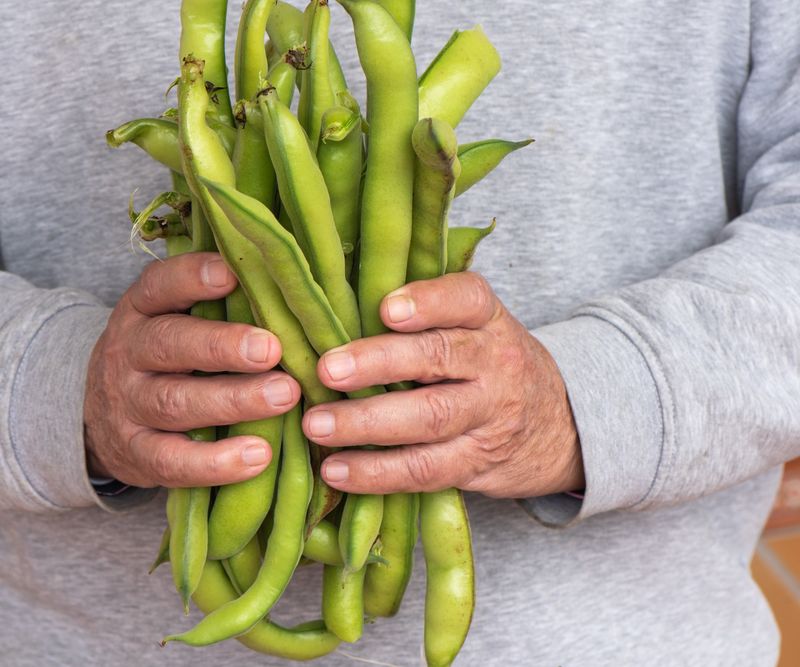
Shelling the first spring favas feels a bit like opening a present. Each fuzzy-lined pod holds a few bright green beans tucked inside like jewels.
Fresh ones taste buttery, nutty, and sweet.
Pick pods when they look full and slightly glossy but before they turn leathery or start to blacken. Most fresh favas need a quick blanch, then a second peel to slip off the pale outer skin.
Young, small beans can sometimes skip that step.
Want dried beans instead? Leave some pods on the plant until they turn dark and brittle.
Store the dry beans in a cool spot, and save a handful as seed for next November.
Here is the bigger takeaway I keep coming back to. A November sowing gives you early spring food, happier soil, and pollinator flowers in one simple step.
Few crops ask so little and return so much.
So grab a packet of seeds from a local nursery this fall. Popular choices include Windsor, Aquadulce, and Broad Windsor types.
Mark your calendar, plant before December rolls in, and let winter weather help you grow a delicious head start on spring.