Leaving The Hose Attached Through An Indiana Freeze Can Crack A Pipe Inside Your Wall
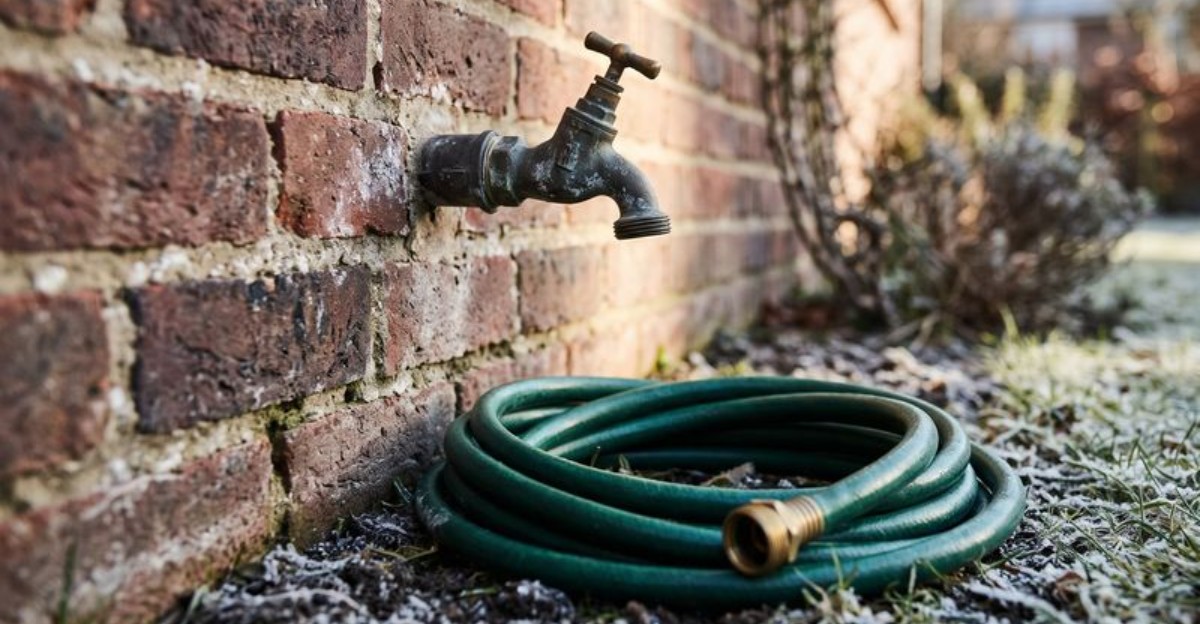
A pipe can split in January and stay quiet until March. No drip, no puddle, no warning at all, until the thaw arrives and water starts running somewhere behind the drywall.
I learned the hard way that the culprit can be sitting in plain sight. Mine was coiled neatly by the back steps, looking helpful and harmless. I had put away the tomato cages, mulched the roses, and felt pretty smug about my fall cleanup.
Here in Indiana, overnight lows can slip below freezing weeks before the garden feels finished. Water grows by roughly nine percent when it turns to ice. That small stretch is enough to push metal and plastic past their limits.
So what does a forgotten bit of garden gear have to do with a wet basement wall? More than I ever guessed, and the fix takes about five minutes.
That Coiled Garden Hose By The Spigot Is Holding More Than Water
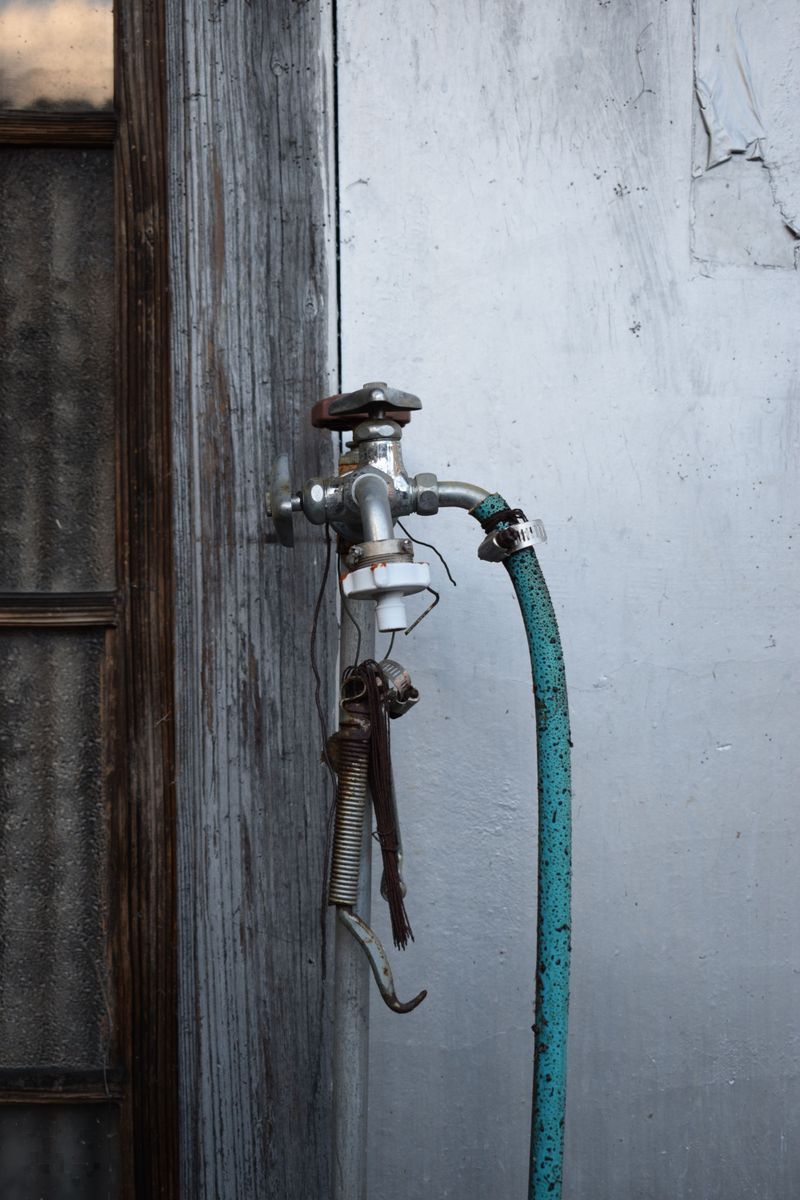
Funny how the most ordinary tool in the yard can cause the biggest headache. A hose left on the faucet seals the end of the spigot, and that seal is the whole problem.
Normally, an outdoor faucet can drain a little after you shut it off. With a hose screwed on tight, water stays trapped in the hose, the threads, and the faucet body. Gravity has nowhere to send it.
When the temperature drops, that trapped water freezes first in the hose and spout. Ice forms a plug, and the water behind it has no room to expand. Pressure builds back toward the house, where the supply pipe runs through your wall.
Plumbers point out something that surprised me. The crack usually does not happen right at the ice itself. It tends to show up in the stretch of pipe where water gets squeezed between ice and the closed valve inside.
So the hose is not just at risk of splitting its own seams. It turns your whole outdoor water line into a sealed container on a cold night. Taking it off breaks that seal and gives water a way out, which is exactly what you want before winter settles in.
Pull The Hose, Shut The Indoor Valve, And Open The Outdoor Faucet
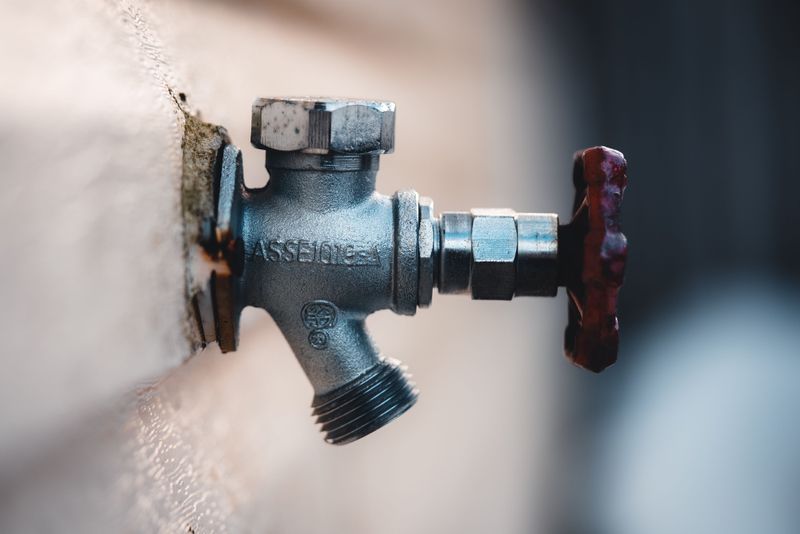
Good habits beat expensive repairs every time. My fall routine for outdoor water takes less time than raking one flower bed, and it covers the biggest risk.
Start by unscrewing every hose from every outdoor faucet. Stretch each one out on a slight slope so it drains, then coil it loosely. Store it in a garage, shed, or basement, since cold and ice make rubber stiff and cracked.
Next, head inside and find the shut-off valve for each outdoor spigot. It often sits in the basement or crawl space, close to where the pipe leaves the house. Turn it off.
Go back outside and open the faucet all the way. You may hear a little gurgle as leftover water runs out. Many homes also have a small drain cap on that indoor valve, and opening it into a bucket clears the last bit.
Leave the outdoor faucet open for the season. That way, any water that sneaks in has space to move or expand. A foam faucet cover adds a nice layer of insulation on windy walls.
If you have no indoor shut-off at all, a plumber can add one. It is a small job that pays off quickly.
Even A Frost-Free Sillcock Struggles With A Hose Screwed On
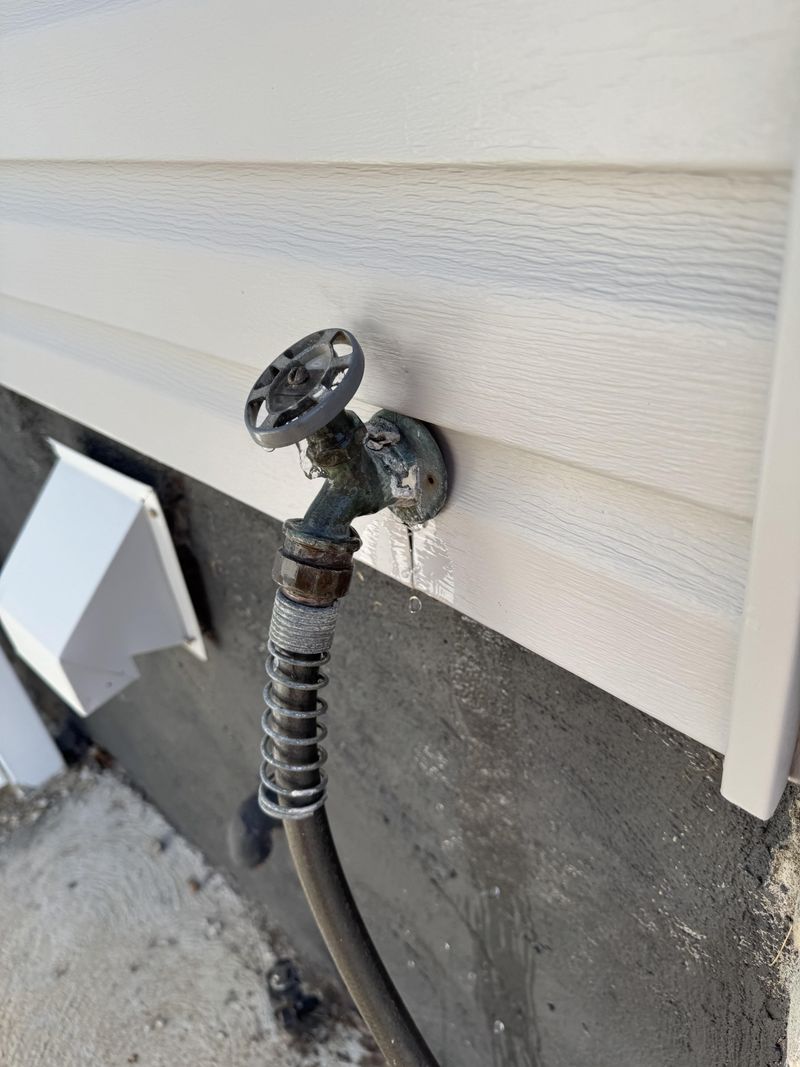
I’ll admit it, I once thought my frost-free faucet made me untouchable. The name sounds like a promise, right?
These faucets, often called sillcocks, are clever. The real valve sits several inches inside the warm part of your wall, at the end of a long stem. When you turn the handle off, water stops back where it is heated and drains out of the stem toward the spout.
That draining step is the key. The faucet is meant to be installed with a slight downward tilt so water runs out by gravity. A hose on the end blocks that exit and keeps water sitting right inside the long barrel.
Once that barrel freezes, it can split inside the wall. Many manufacturers note this in their instructions, and some warranties do not cover damage when a hose was left attached.
So yes, frost-free models lower the risk a lot. They still need you to unhook the hose. Some newer versions include a backflow preventer that also needs to drain, so check the instructions that came with yours.
Quick test for later: look for a long handle stem. Older compression faucets with short bodies need the indoor shut-off method even more.
A Split Pipe In The Wall Often Waits For The Spring Thaw
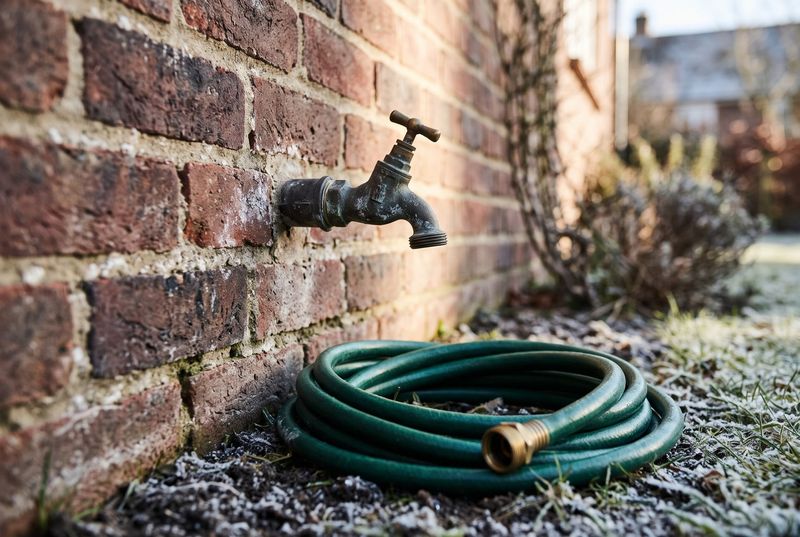
Ice is sneaky in a way that still bugs me. While it stays frozen, it plugs the very crack it created.
That is why many homeowners have no clue anything went wrong in winter. The first sign often comes on a warm day in March, or the first time someone turns on the faucet to rinse a planter. Water sprays into the wall cavity instead of out the spout.
Keep an eye out for these clues:
Damp spots or stains on the basement wall or ceiling near the faucet. A musty smell in that corner. Water dripping from the siding below the spigot. Weak flow outside, or a water bill that suddenly jumps.
Here is a quick spring check I do now. Have a helper turn the water on outside while you watch the inside wall or basement for leaks. If you see water, shut the indoor valve right away.
Damage adds up fast once a line breaks. Soaked insulation, ruined drywall, warped flooring, and mold can follow. Insurance groups list frozen pipes among the most common winter claims, so catching a leak early matters.
Indiana Frost Dates Sneak Up Before The Garden Feels Done
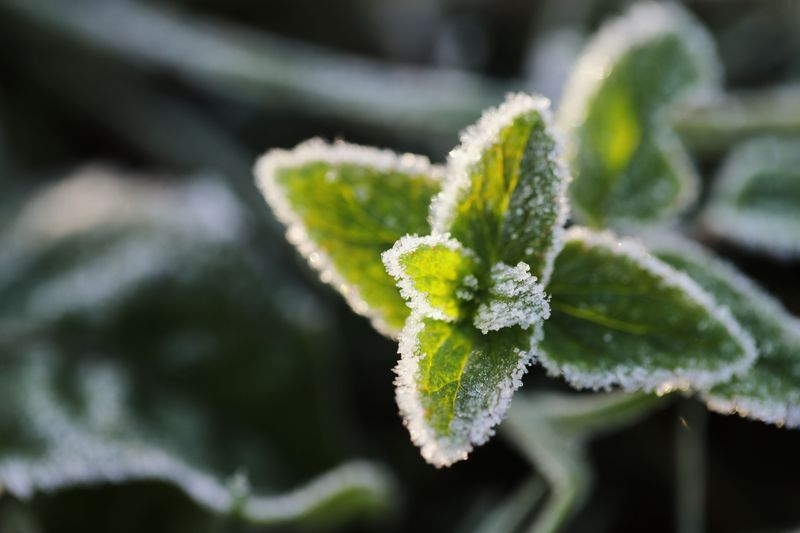
Mums still blooming, kale still crisp, and then one clear night drops into the twenties. That pattern catches me off guard almost every fall.
Across the state, average first frost dates usually land in October. Northern counties tend to see it earlier, often the first half of the month. Southern Indiana can hold out until late October or even early November in some years.
Frost and a hard freeze are not the same, though. Light frost may only nip tender plants. Pipes start to worry plumbers when temperatures sit at or below about 28 degrees for several hours, or when wind chills hit exposed walls.
City yards can stay a touch warmer thanks to all that pavement and brick. Do not count on it. A north-facing faucet on a breezy side of the house can freeze long before the thermometer on your porch looks scary.
My rule is simple. When I pull the last frost-tender annuals or plant garlic, I winterize the faucets the same weekend. Pairing the chores means I rarely forget.
Check the National Weather Service forecast for your area too. A surprise cold snap is a good nudge to finish early.
Watering Late Fall Shrubs Without Leaving The Hose Out
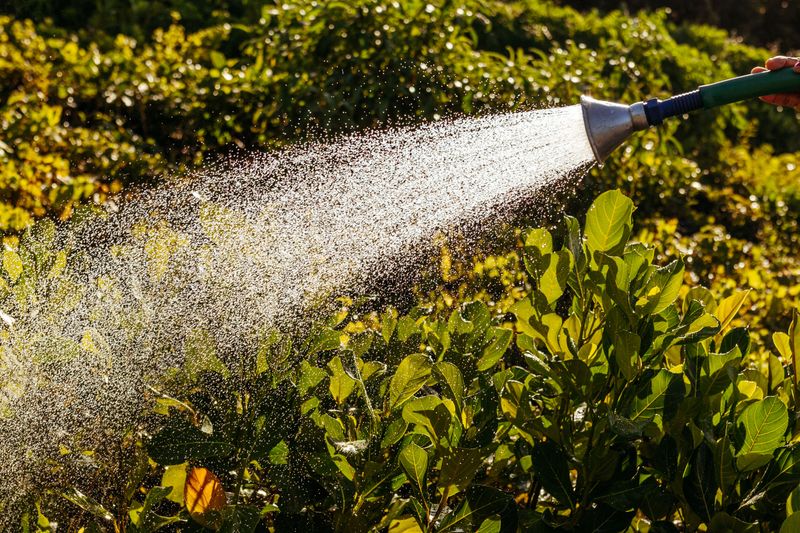
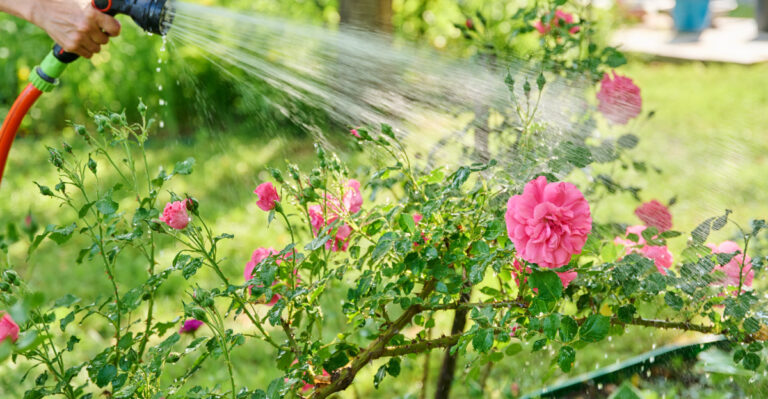
Plenty of us still want to water in fall, and that is smart. Evergreens and new trees go into winter happier with moist roots.
Extension experts often suggest a deep soak for evergreens before the ground freezes, especially after a dry autumn. Arborvitae, yews, and boxwoods can suffer winter browning when roots are parched. Newly planted shrubs need help too.
The trick is using the hose and then putting it away the same day. I water in the late morning or early afternoon, when the air is warmer. Afterward, I unhook the hose, drain it, and toss it in the garage.
On mild days in November or December, you can turn the indoor valve back on for a quick session. Just remember to shut it off, open the outdoor faucet, and drain everything again before nightfall.
A watering can is honestly fine for a few small plants. Filling a couple of buckets from the laundry sink saves the whole hookup routine.
Mulch helps as well. A two- to three-inch layer around shrubs keeps soil moisture steady and protects roots from wild temperature swings. Keep it a few inches away from trunks so bark stays dry.
Crawl Space Pipes And Outdoor Spigots Deserve One Last Walk-Around
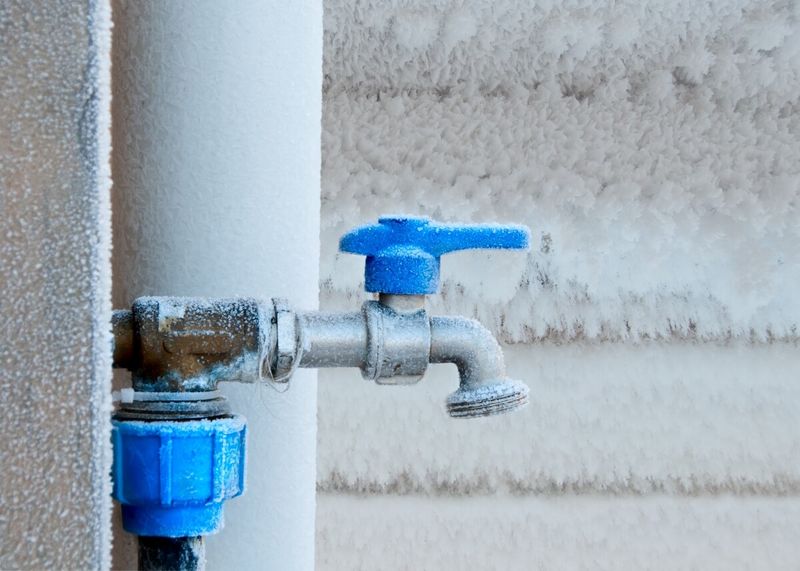
Once the hoses are stored, take ten more minutes for a quick lap around the house. I bring a flashlight and a notepad, and it feels oddly satisfying.
Count every outdoor faucet, including the forgotten one behind the garage or by the vegetable bed. Make sure each one is disconnected and drained. Don’t skip sprinkler systems either, since those usually need a professional blowout.
Next, peek at pipes in the basement, crawl space, and garage. Lines running along outside walls get the coldest. Foam pipe sleeves from the hardware store are cheap and easy to slip on.
Look for gaps where pipes pass through siding or foundation. A bit of caulk or spray foam keeps icy drafts off the plumbing. Close crawl space vents during deep cold if your home’s design allows it.
Indoors, many plumbers recommend keeping the heat at 55 degrees or higher, even when you travel. During a brutal cold snap, let a sink on an outside wall drip slightly.
Finally, learn where your main water shut-off is. If a pipe does break, turning it off fast can save your floors. That one habit gives me real peace of mind all winter.