Simple November Changes That Help Your Christmas Cactus Bloom by December in North Carolina
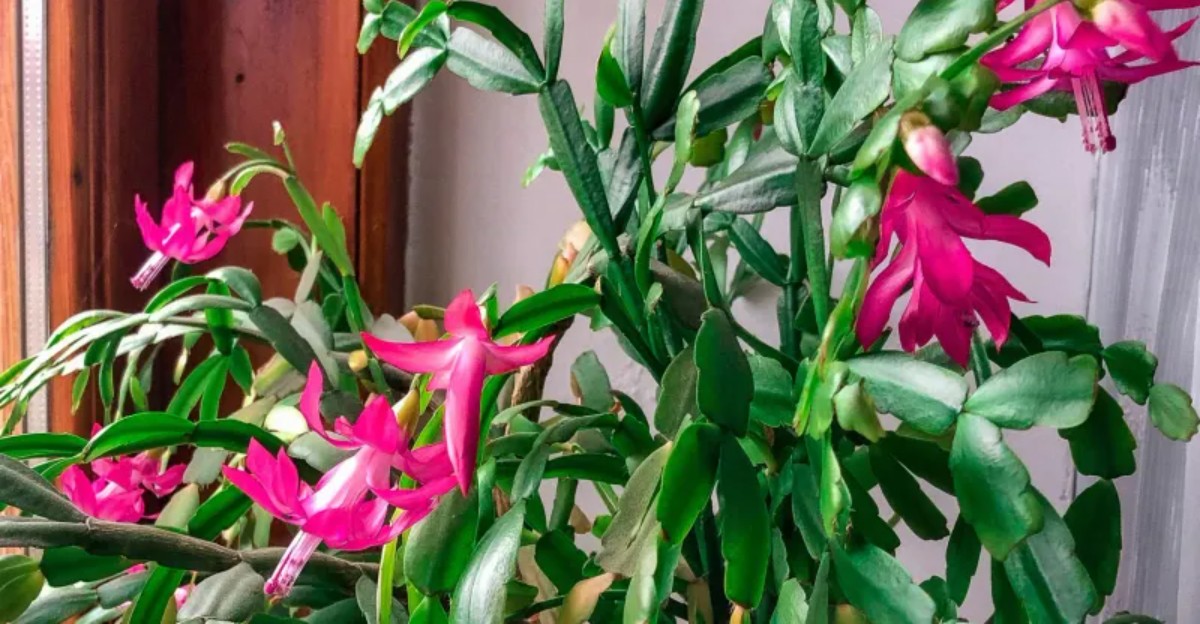
Many holiday plants sold in December stores actually belong to a species that blooms closer to Thanksgiving. Their wild relatives grow on tree branches in the misty coastal mountains of southeastern Brazil, far from any desert.
That rainforest ancestry explains why these flat-stemmed beauties react so strongly to darkness and cool autumn nights. In North Carolina, our naturally lengthening fall nights already give gardeners a helpful head start each year.
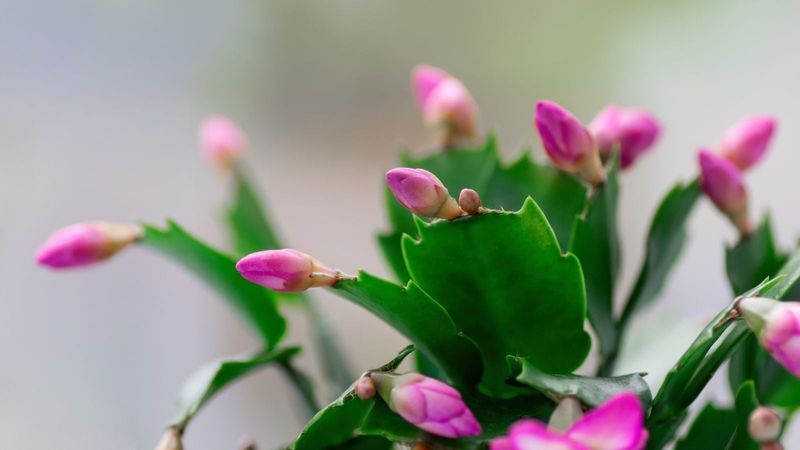
I love watching the first tiny pink buds appear at the stem tips, like little matches waiting to strike. Yet I have also watched those same buds tumble onto my North Carolina windowsill after one careless move.
The way I see it, a few small November tweaks matter far more than fancy fertilizers or gadgets.
1. Check Your Cactus Stem Edges Before Anything Else
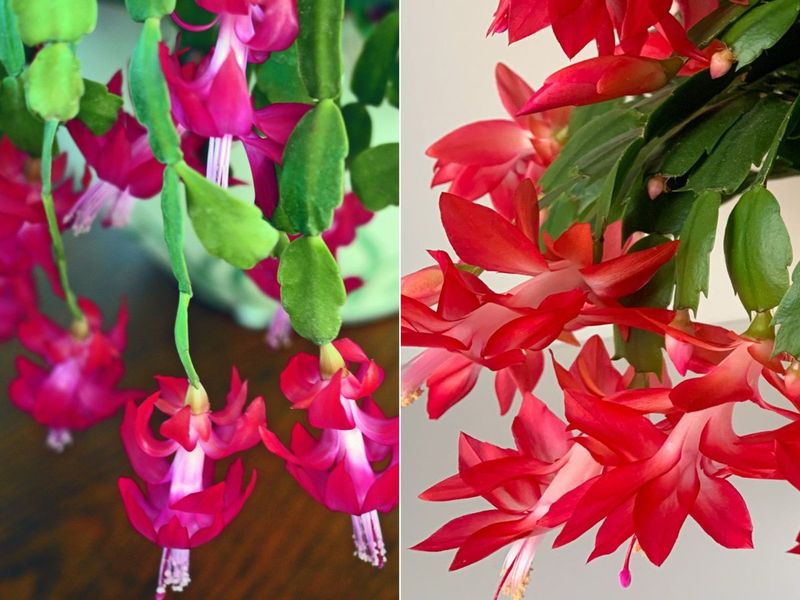
Run your fingertip along a stem segment, and the edges will reveal which holiday your plant actually prefers. Pointy, claw-like teeth mean you likely own a Thanksgiving cactus, Schlumbergera truncata, the most common type sold.
Rounded, scalloped edges point to the true Christmas cactus, Schlumbergera x buckleyi, an older hybrid that often blooms later. Flower anthers offer another clue, with yellow pollen on Thanksgiving types and purplish brown on Christmas types.
I was honestly surprised the first time I checked mine, because the tag said Christmas but the teeth disagreed. Many garden centers label both plants the same way, so a quick look saves plenty of confusion later.
Why does this matter so much in November, when everyone simply wants flowers on the windowsill? A Thanksgiving cactus may already show swelling buds now, while a true Christmas cactus could still be preparing quietly.
Knowing your type helps you set fair expectations instead of worrying that something has gone wrong with your care. Both plants respond to similar treatment, but their natural calendars sit a few weeks apart each season.
If your plant turns out to be a Thanksgiving type, December blooms are still very possible with a later start. Plants that set buds late often keep flowering well into the holidays, especially in cooler rooms.
Take a phone photo of a stem and an open flower, then save it for next year. That simple record helps you plan your fall darkness and cooling schedule with much better timing.
2. Long Dark Nights Trigger Christmas Cactus Buds
Schlumbergera plants are short-day bloomers, which means long nights rather than bright days flip their flowering switch. Several university extensions recommend around 12 to 14 hours of uninterrupted darkness each night for good bud set.
In my house, the biggest troublemaker turned out to be a cheerful lamp in the living room corner. Even a lamp switched on for an evening of reading can confuse the plant and delay its blossoms.
Streetlights shining through thin curtains count too, along with bright porch lights and glowing electronics nearby. Your cactus cannot tell a reading lamp from the sun, so steady light breaks its long night signal.
A spare bedroom or rarely used room makes a wonderful spot for these weeks of quiet rest. Some gardeners slip a cardboard box over the plant around five in the evening and lift it each morning.
Daytime still matters, so give the plant bright, indirect light while the sun is up and shining. A spot near an east-facing window works nicely, keeping segments healthy without harsh afternoon rays scorching them.
Ideally, long nights begin in early fall and continue for about six weeks before buds appear. Starting in early November can still push a late flush, though blooms may arrive closer to the holidays.
Once you see small buds at the stem tips, you can relax the darkness routine a little. Many plants keep developing their flowers normally after buds have formed, especially when other conditions stay steady.
3. Cool Bedroom Temperatures Help Flower Buds Form
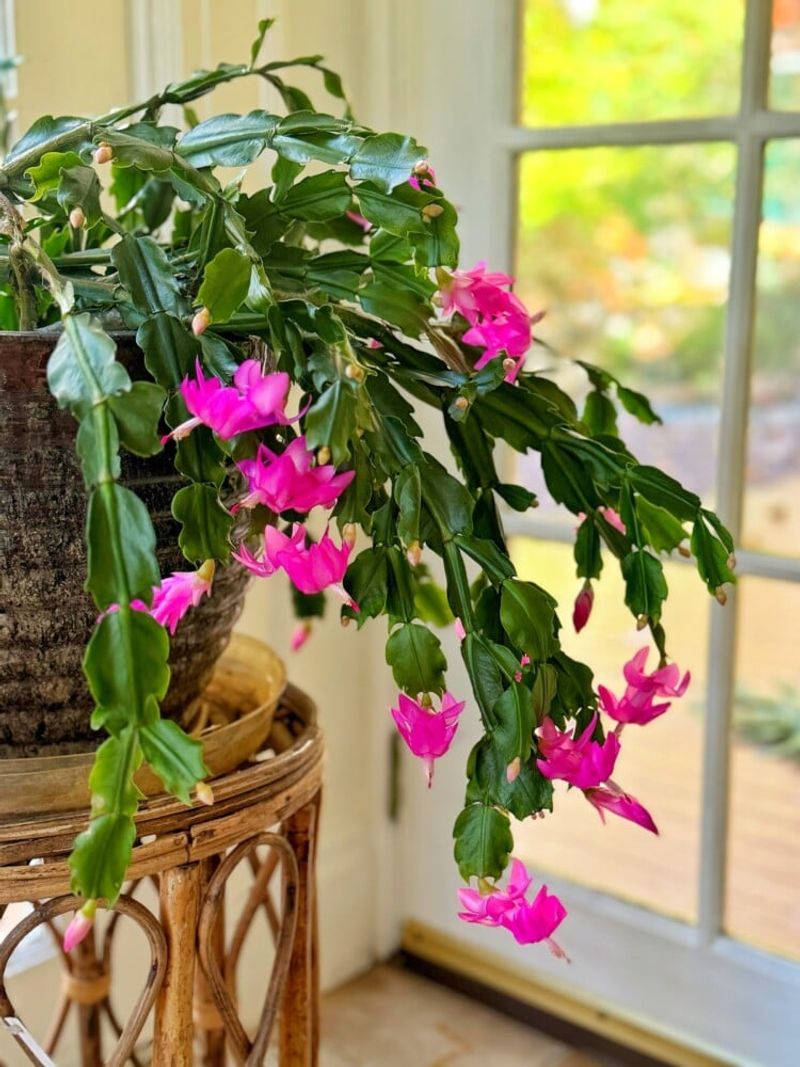
Cool nights act like a second alarm clock for this plant, nudging it toward flowers instead of more stems. Extension guidance suggests nights around 50 to 55 degrees Fahrenheit encourage buds even when day length is imperfect.
Between about 55 and 65 degrees, long nights become more important for steady bud formation. Warm rooms that stay near 70 degrees or higher at night often produce healthy segments but very few flowers.
By November in North Carolina, many of us have already brought porch plants inside before frost. Our first fall frost usually arrives between October and November, depending on whether you live near the mountains or coast.
Avoid leaving a cactus outdoors on chilly nights, since cold damage shows up as limp, discolored segments. Temperatures falling into the low 40s or below can harm tender tissue and cause buds to drop early.
Indoors, a cooler guest room or a bright enclosed porch can mimic the misty highlands where wild relatives grow. I keep mine on a bedroom dresser near a window, because we rarely heat that room much at night.
A cheap indoor thermometer takes the guessing out of the process, and most hardware stores carry them. Check readings early in the morning, since that is usually when indoor temperatures sit at their lowest.
Daytime temperatures in the mid-60s to around 70 degrees keep the plant comfortable and growing slowly. That gentle swing between day and night feels natural to the plant and supports a fuller, longer lasting bloom.
4. Water Your Holiday Cactus With A Lighter Hand
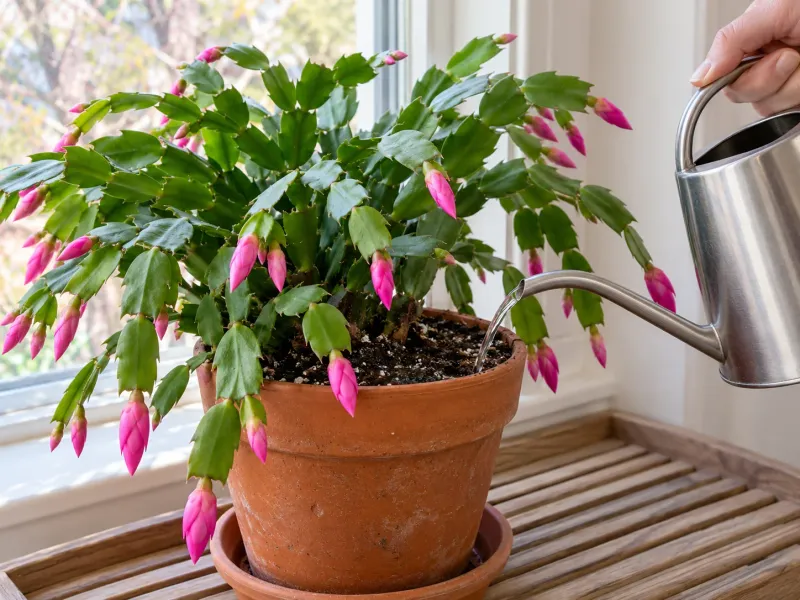
Despite the cactus name, this plant comes from humid Brazilian forests, where it clings to tree branches instead of sand. That background means it enjoys moisture, yet its roots also need air and quick drainage.
During fall bud set, many growers let the top inch or so of soil dry before watering again. A slightly drier rhythm helps signal the change of seasons, though the potting mix should not turn dusty.
My favorite trick is lifting the pot, because a light pot usually means it is time for a drink. After a while, your hands learn the difference between a thirsty plant and one still holding water.
Water thoroughly until some drains out the bottom, then empty the saucer within a few minutes. Roots sitting in standing water can rot quickly, and soggy soil is a common reason these plants struggle.
Once buds appear, keep the soil evenly moist rather than letting it swing between wet and dry. Sudden drought or a sudden soaking can stress the plant enough that it drops its buds before opening.
Indoor heat in North Carolina homes dries the air quickly once furnaces start running in late fall. Setting the pot on a tray of pebbles with a little water nearby adds gentle humidity around the segments.
Use room temperature water instead of icy water straight from a cold tap or an outdoor spigot. Small details like that keep the roots comfortable and help those buds swell into bright, long lasting flowers.
5. Put The Fertilizer Bottle Away Until Spring
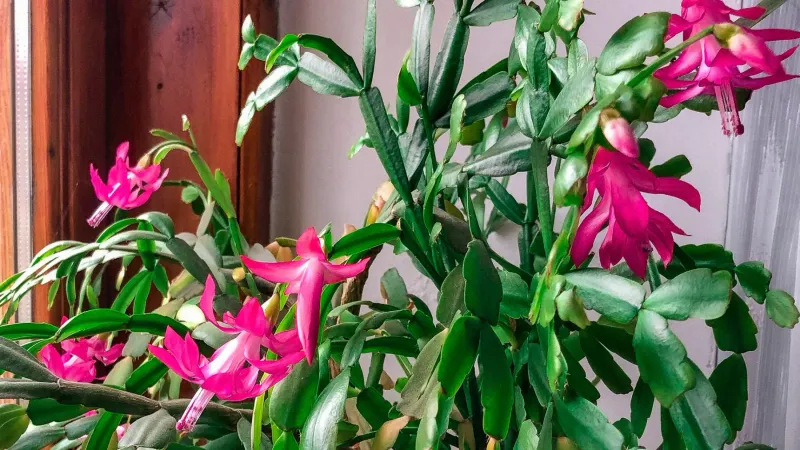
Feeding a plant less sounds strange during an important season, but this cactus prefers a break from fertilizer now. Most extension sources suggest stopping regular feeding by late summer or early fall so energy shifts toward buds.
If you have been adding plant food through autumn, November is a sensible time to pause. Extra nitrogen tends to push new stem growth, and fresh green segments compete with flower buds for the plant’s resources.
I learned this one the hard way, after a generous fall feeding gave me a lush plant with barely any blooms. It looked healthy and green, yet it spent its effort on segments while the holidays slipped right past.
Leftover fertilizer salts can also build up in the potting mix over time, especially in small containers. Watering thoroughly so water drains from the bottom helps flush some of those salts away during the rest period.
Spring brings a fresh start, once flowering ends and new segments begin to appear at the stem tips. A balanced houseplant fertilizer mixed at half strength once a month works well through spring and summer.
Some gardeners also add a pinch of Epsom salt for magnesium, though evidence for that habit is mixed. Stick with a regular balanced fertilizer unless a soil test or a clear deficiency suggests something more.
For now, place the fertilizer bottle on a high shelf and let your plant rest quietly. Its stored energy can carry it for months, and your patience may pay off with plenty of holiday color.
6. Keep Budding Christmas Cactus Away From Drafts And Heat Vents
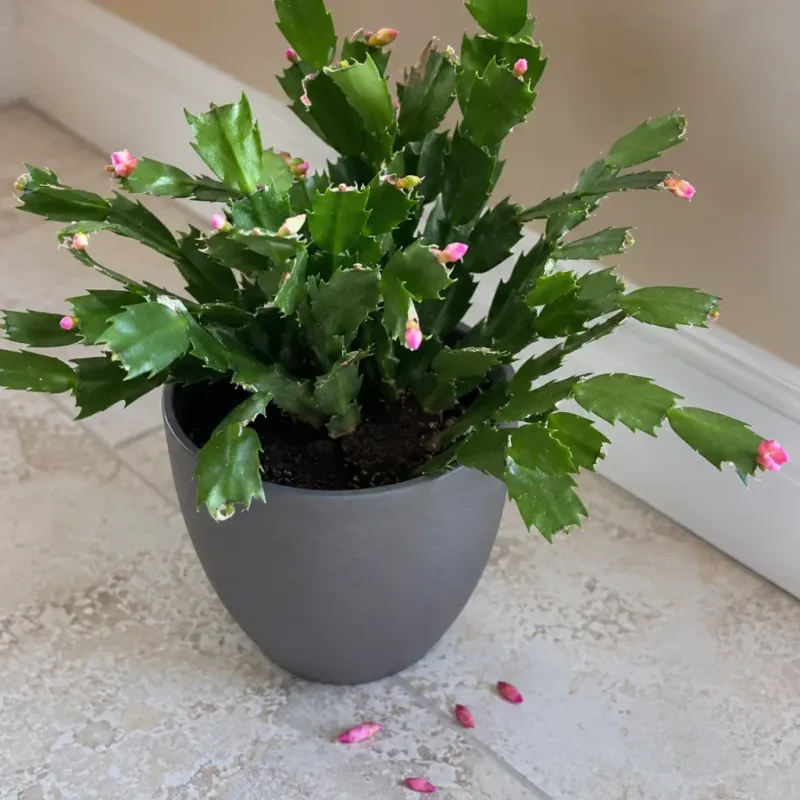
Few things feel as frustrating as watching plump buds drop onto the floor just days before they open. Bud drop usually happens after a sudden change, such as a cold draft or a move to a new spot.
Exterior doors that swing open all day during holiday visits can send chilly air rushing across a nearby plant. Heat vents and fireplaces create the opposite problem, drying stems and warming buds far too fast.
Once buds form, find a stable spot with bright indirect light and leave the plant there through blooming. Turning it around to show off flowers can cause buds to drop as they reorient toward the light.
Repotting can wait until spring, because these plants actually bloom well when slightly snug in their containers. Fresh soil and roomy pots invite root growth, which pulls attention away from the flowers you have waited for.
Gifted plants from stores sometimes drop buds after moving from a warm greenhouse to a cooler home. A gradual adjustment and steady care usually help them settle in and hold their remaining buds through the season.
In my kitchen, the plant sits well away from the oven, and that small decision has paid off nicely. Baking days can raise indoor temperatures quickly, and steady conditions matter most while buds are swelling.
With a little patience, the flowers can last for several weeks and brighten gray winter days indoors. Steady indoor conditions during North Carolina winters suit this plant nicely, so enjoy every cheerful blossom that opens.