Why Creeping Charlie Returns Every Spring in Ohio and the Fall Fix That Finally Stops It
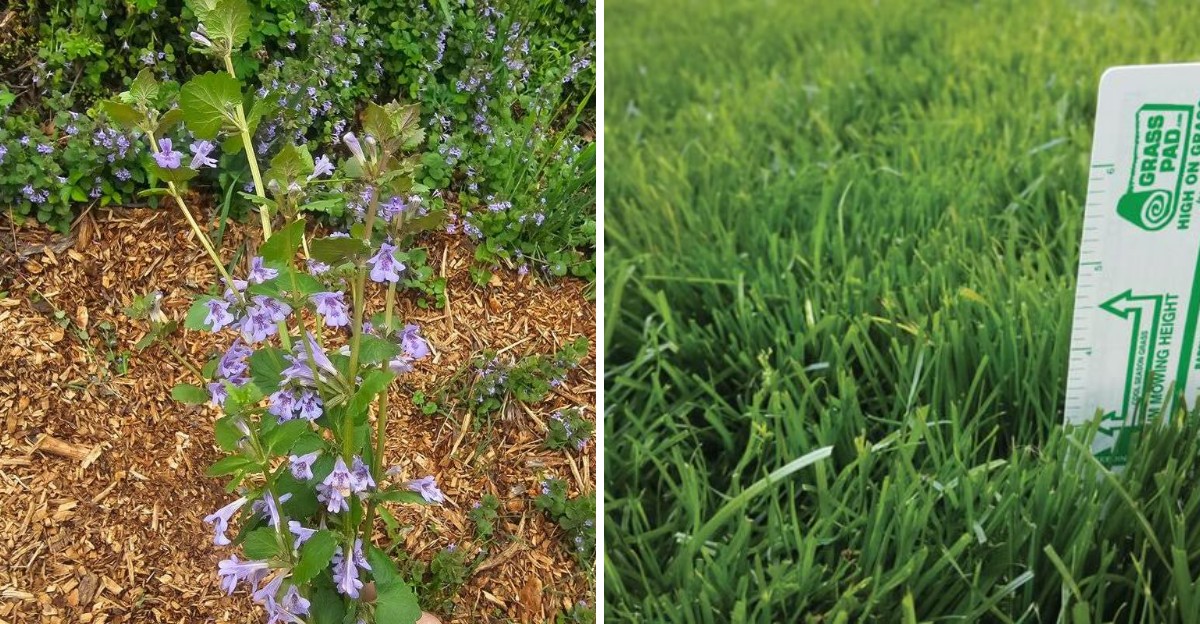
A single stem of this lawn invader can root at every node it touches, so one runner can become dozens of new plants by summer. It belongs to the mint family, and yes, you can smell it when you mow.
Early settlers brought it from Europe on purpose. They used it in salves and teas, and some even used it to flavor beer before hops became common.
I used to yank out armfuls every April and feel pretty proud of myself. Then those scalloped leaves and tiny purple flowers would creep right back into the same shady corners by May.
You need to know that my spring effort was mostly wasted, and I had no idea why.
Ohio lawns give this plant a cozy home, especially under trees and in soggy spots.
Hear me out, because the best shot at beating it arrives months after most of us stop looking.
Those Purple-Flowered Runners Have a Hidden Backup Plan
Pull a strand of ground ivy and you will feel it resist, then snap. That little snap is exactly how the plant wins.
The piece you left behind is still alive and ready to grow.
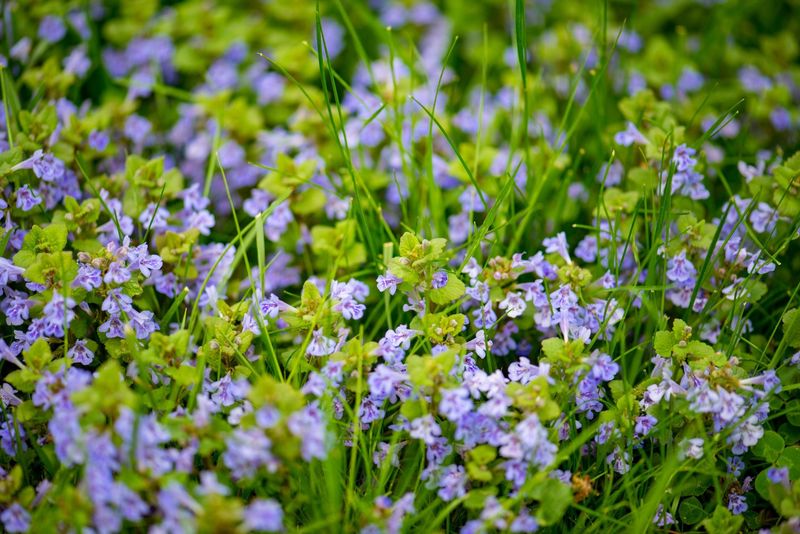
Creeping Charlie, known to botanists as Glechoma hederacea, spreads mostly by stolons. These are square, creeping stems that run along the soil and send down roots at each leaf node.
Every rooted node can act like a separate plant, so one patch quickly becomes a tangled mat.
Seeds play a smaller role than you might expect. University extension experts note that the plant spreads mainly by those creeping stems rather than by seed.
That means hand pulling often breaks stems into fragments, and each fragment with a node can regrow.
The plant also stays green through much of the winter in mild spells. It keeps a living base low to the ground, hidden under leaves and grass.
When spring warmth arrives, it has a head start over your sleepy turf.
So the comeback is not magic or bad luck. It is a clever survival system built for persistence.
Once you understand that system, you can stop fighting the leaves and start targeting the whole network.
Autumn Is When Ground Ivy Pulls Everything Down to Its Roots
Here is the twist that changed my whole approach. The best time to fight this spring nuisance is in fall, roughly mid-September through October in most of Ohio.
As days shorten, perennial weeds start moving sugars from their leaves down into their stems and roots for winter storage. A systemic broadleaf herbicide applied then travels along with those sugars.
Instead of just burning the leaves, it reaches deep into the network that fuels next spring.
Ohio State and other Midwest extension programs point to fall as the most effective window. Research from Purdue and Wisconsin shows similar results, with fall treatments giving better control the following year than spring sprays.
Some gardeners do a second round after a frost or two, while the plant is still green.
Spring treatment is not useless, but it often just knocks the plant back. During spring, sap is flowing upward into new growth, so less product reaches the roots.
That is why many people see quick wilting followed by a frustrating return.
Mark your calendar now for late September. Your future self, the one admiring a cleaner lawn next May, will be very glad you did.
Picking the Right Broadleaf Spray Makes a Real Difference
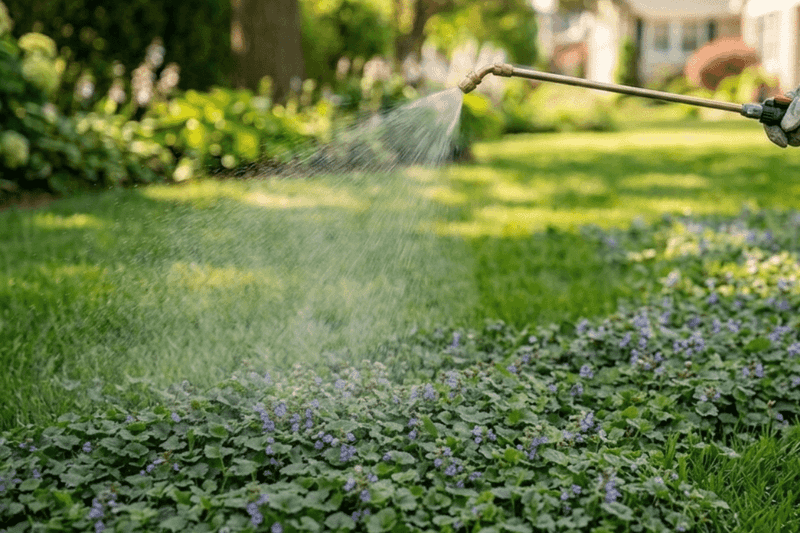
Not every weed spray works well on this plant. Many general lawn products barely slow it down, which explains plenty of gardener frustration.
Extension sources recommend products containing triclopyr or dicamba, often sold in combination with 2,4-D and mecoprop. Triclopyr in particular has a strong track record on ground ivy.
Read the label closely, because it is the legal guide for how much to use and where.
Timing within the day matters too. Spray when the leaves are dry, temperatures are mild, and no rain is expected for at least a day.
Skip mowing for a few days before and after so there is plenty of leaf surface to absorb the product.
Watch the wind and keep sprays away from flower beds, vegetables, and tree roots near the surface. Dicamba can move and harm nearby plants, so a calm morning is your friend.
Spot treating patches uses less product than blanket spraying the whole yard.
Plan for a follow-up about two to four weeks later. Heavy mats rarely give up after one round.
Patience in fall pays off with fewer surprises in spring.
Shady Spots Under Trees Are Ground Ivy Heaven
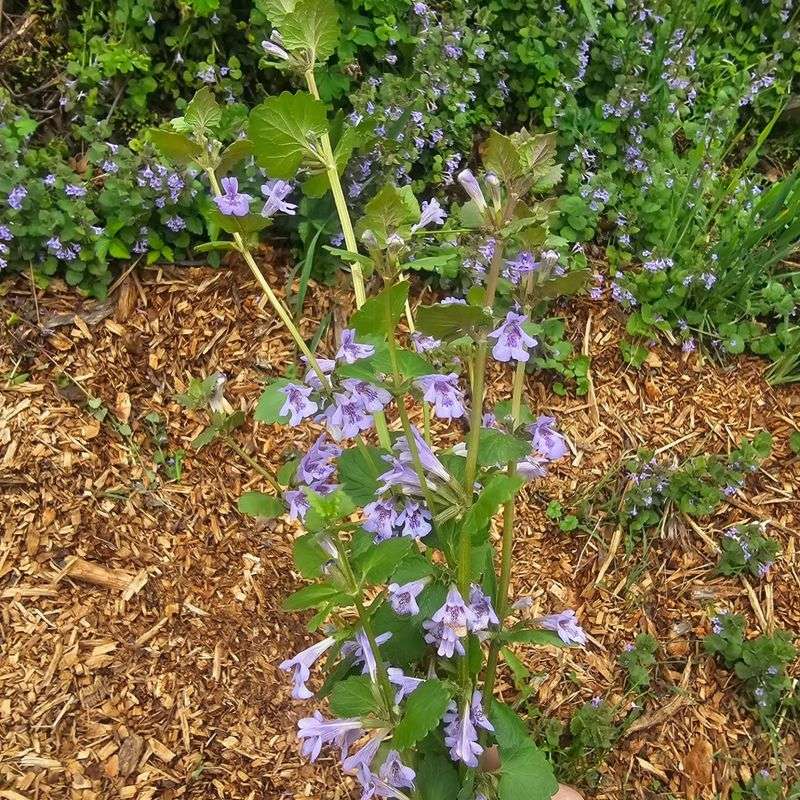
Take a walk around your yard and look under the biggest tree. I would bet that is where the worst patch lives.
Creeping Charlie loves shade and moisture, two things most lawn grasses tolerate poorly. Under trees, grass grows thin and weak, leaving bare soil for the runners to claim.
Damp spots along fences, downspouts, and north-facing walls are favorites too.
You can tip the balance by letting in more light. Pruning lower tree branches, sometimes called limbing up, lets sunlight reach the ground.
Even an extra hour or two of sun can help grass compete better.
For deep shade where grass struggles no matter what, consider a different plan. A mulched bed or a planting of native shade lovers like wild ginger or woodland sedges may work better than fighting for turf.
Choose natives rather than spreading groundcovers that can escape into woods.
Fixing drainage helps as well. Redirect downspouts, fill low spots, and avoid overwatering.
When the soil dries out a bit between rains, this moisture-loving weed loses some of its edge, and your grass gains a fighting chance.
Taller Grass Leaves Less Room for Creeping Stems
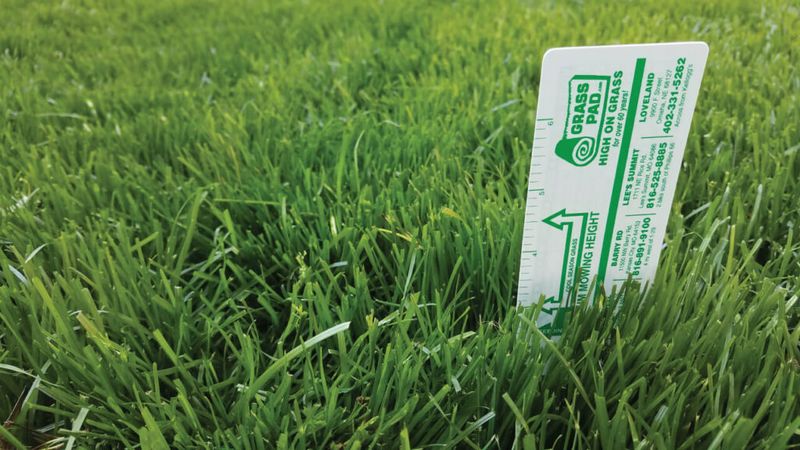
Mowing short might look tidy, but it is basically rolling out a welcome mat. Short grass lets light hit the soil, and low-growing weeds soak it up.
Keeping cool-season grasses around three to four inches tall shades the ground and builds deeper roots. Thick, tall turf crowds out creeping stems trying to sneak through.
Ohio lawns are mostly tall fescue, Kentucky bluegrass, and perennial ryegrass, and all of them prefer a higher cut.
Fertilizer timing matters here too. Ohio State turf experts suggest focusing feeding in fall, when cool-season grass builds roots and stores energy.
A strong fall lawn greens up faster in spring and leaves less space for weeds.
Compacted soil is another hidden helper for weeds. Core aeration in early fall pulls out small plugs of soil so air, water, and roots can move freely.
It pairs nicely with overseeding at the same time.
Think of these habits as quiet daily defense. None of them is flashy, but together they make your lawn a tough neighborhood for invaders.
A dense lawn is honestly the best long-term weed control there is.
Hand Pulling Ground Ivy Works Only With a Smart Technique
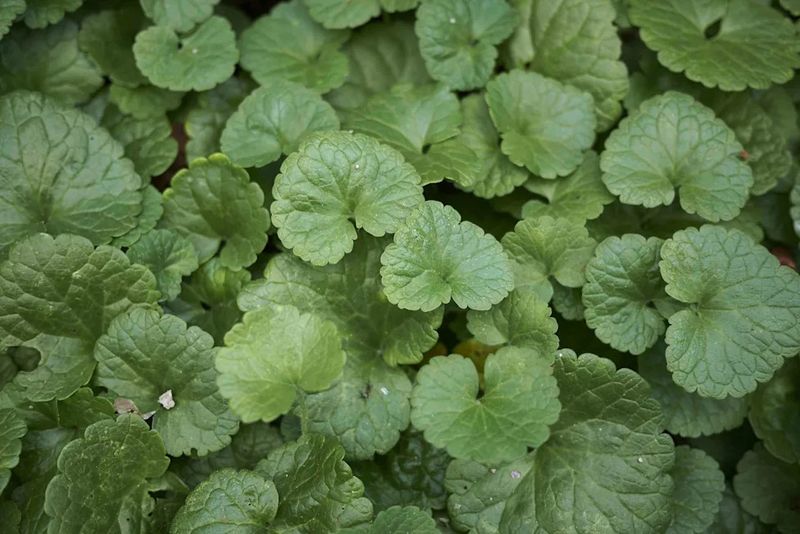
Some folks prefer to skip sprays, especially near vegetable gardens, kids, or pets. Good choice for small patches, as long as you pull with a plan.
Wait until the soil is moist, ideally a day after a soaking rain. Grab a runner near its base and pull slowly, following the stem as it lifts from the ground.
Gentle, steady tugs keep more of the stem intact.
A garden rake can help loosen long mats before you pull. Bag the pieces instead of tossing them on the compost pile, since fragments can root again.
Check the same area every couple of weeks and pull any new sprouts quickly.
You may have heard of using borax as a home remedy. Extension specialists now discourage it, because the boron can build up in soil and harm grass, garden plants, and nearby trees.
It is hard to get the dose right, so the risks often outweigh the rewards.
Hand pulling takes persistence, but it does work over time on small areas. Pair it with thicker turf and better sunlight, and those runners start to lose ground season by season.
Overseed the Bare Patches Before Spring Brings the Runners Back
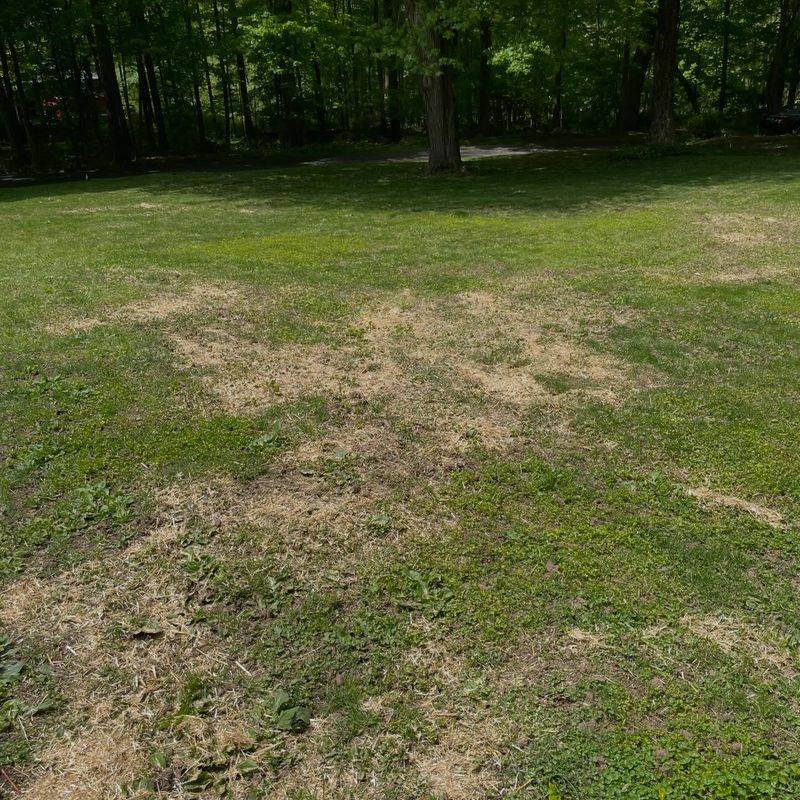
Once those weed patches fade, you will notice bare spots left behind. Leave them empty and something will move in, very likely the same weed.
Fill the gaps with grass seed suited to your light. Fine fescues handle shade well, while tall fescue and Kentucky bluegrass do best in sunnier areas.
Early fall is ideal for seeding in Ohio, since warm soil and cool air help seedlings root fast.
A quick timing note matters here. Many herbicide labels require waiting a few weeks between spraying and seeding, so check yours before you spread seed.
In northern Ohio, cooler weather arrives sooner, so aim for earlier September dates there.
Keep new seed lightly moist until it sprouts, then water deeper and less often. Rake fallen leaves off young grass so it gets light through autumn.
A thin layer of straw or compost can help hold moisture on slopes.
Next spring, walk the yard and spot treat or pull any stragglers early. Expect a few survivors, because this plant is stubborn.
Still, a fall plan plus thick grass turns a yearly fight into simple, easy upkeep.