These Are The 8 Native Ohio Plants That Feed Bees All Summer Long
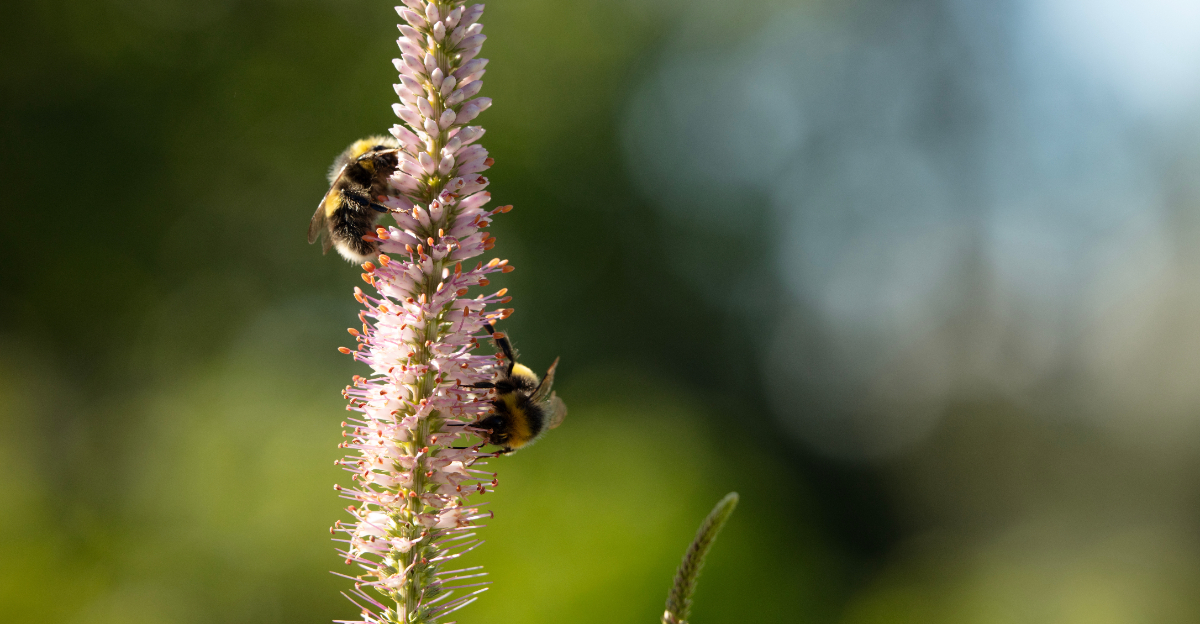
Walk through an Ohio garden in July and you can tell within sixty seconds whose plants are actually pulling weight for the local bee population and whose are just taking up space.
The difference shows up loud and clear in the buzz, the movement, the sheer number of pollinators working the flowers from sunrise to sunset.
Bees in Ohio are having a rough go of it. Habitat shrinks every season, and the average suburban yard, packed with ornamentals bred for looks over function, gives a hungry bee almost nothing to work with.
That gap between what bees need and what most gardens offer? It’s bigger than most people realize.
But close that gap with the right native plants and something remarkable happens. Your garden transforms into a full-season buffet that keeps bees fat and busy from the first warm days of spring straight through the last gasps of fall.
Ohio’s native plants are built for exactly that job. Eight of them do it better than anything else you can grow.
1. Let Wild Bergamot Keep Bees Busy In High Summer
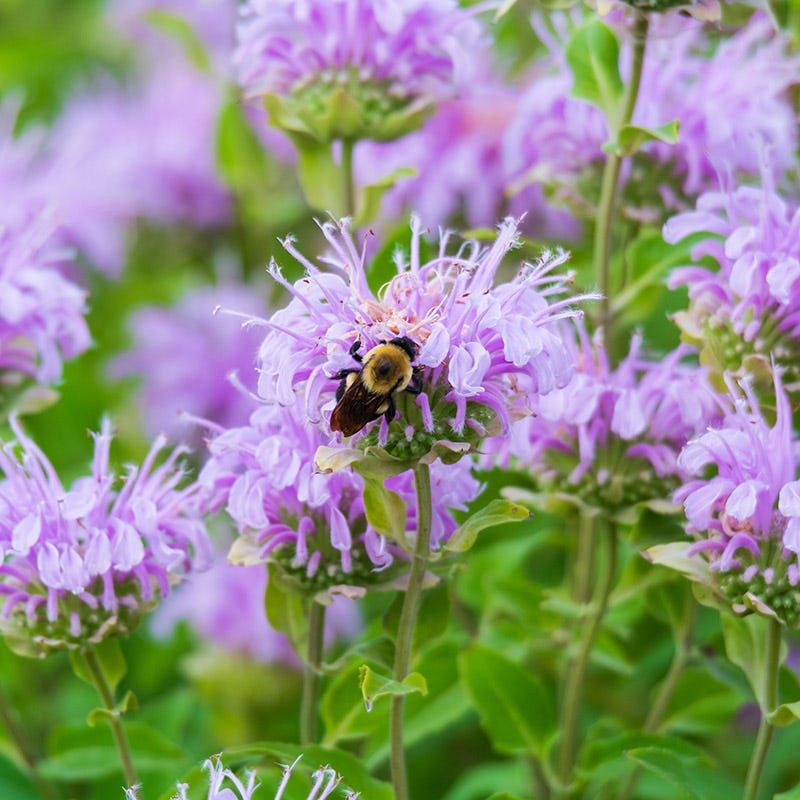
Few plants bring a sunny Ohio border to life in July quite like Wild Bergamot, known botanically as Monarda fistulosa.
Native to Ohio and much of the eastern and central United States, this aromatic perennial produces loose, rounded clusters of lavender to soft pinkish flowers that bees absolutely work over from the moment they open.
Bumblebees, long-tongued native bees, and even smaller sweat bees all visit the tubular florets for both nectar and pollen.
Wild Bergamot typically blooms from late June through August in Ohio, slotting into that critical high-summer window when other plants have already finished. Plant it in full sun to part sun for the best flower production.
It handles well-drained to average soils without complaint, though it struggles in heavy clay that stays wet. Good air circulation around the plants helps reduce powdery mildew pressure, which can appear in humid Ohio summers.
The plant spreads by rhizomes and can self-seed in spots it likes, so give it some room or plan to thin it every few years. It works naturally in meadow-style plantings, sunny native beds, and pollinator borders where a bit of spread is welcome.
According to Ohio State University Extension, native Monarda species are among the most reliable summer bloomers for supporting a wide range of native bee species across the state.
2. Plant Mountain Mint For A Long Buzzing Bloom Window
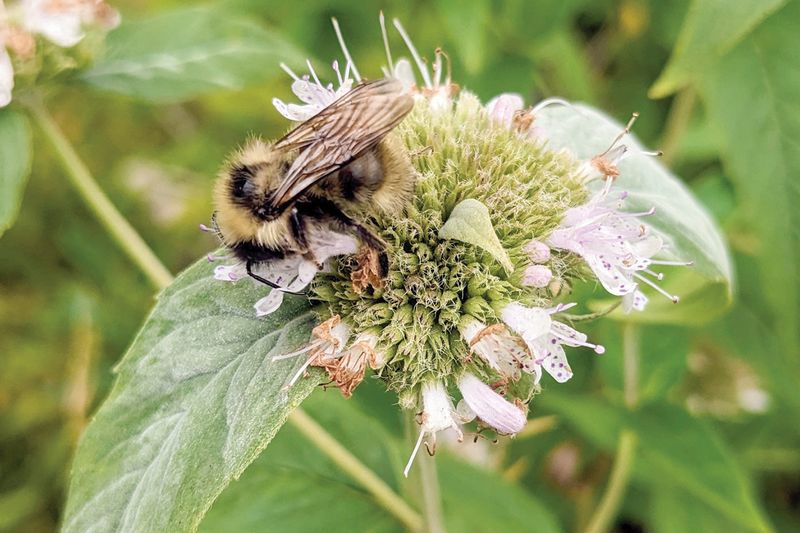
Walk past a patch of Mountain Mint in full bloom and you will hear it before you see it.
The small, clustered white flowers of Pycnanthemum virginianum, Virginia mountain mint, and its close relative Pycnanthemum muticum attract so many bee species at once that the plant practically vibrates with activity on a warm afternoon.
Both species are native or regionally native to Ohio and are widely recommended by pollinator conservationists for their exceptional value to native bees.
Mountain mint blooms from roughly mid-July through August in Ohio, giving bees a steady nectar and pollen source during the hottest stretch of summer.
Your Ohio Garden Changes Every Week. Your Plan Should Too.
Gardening in Ohio changes quickly throughout the season. Every Friday you’ll receive a simple weekly plan showing exactly what to plant, prune, fertilize, harvest, and protect so you never miss the right timing.
The small flowers are accessible to a wide range of bee sizes, from large bumblebees down to tiny native sweat bees, making it one of the more inclusive plants you can add to a pollinator bed.
It prefers full sun to part sun and average to moist, well-drained soil.
One thing to know upfront: mountain mint spreads by rhizomes and can form a colony over time. That spreading habit is not a flaw in a naturalized border or a dedicated pollinator bed, but it is worth planning for in a smaller, more structured garden.
The Xerces Society lists mountain mint species among its top recommended native plants for supporting native bees in the eastern United States, and Ohio gardeners consistently report heavy bee traffic throughout its bloom period.
3. Use Purple Coneflower For Steady Nectar In Sunny Borders
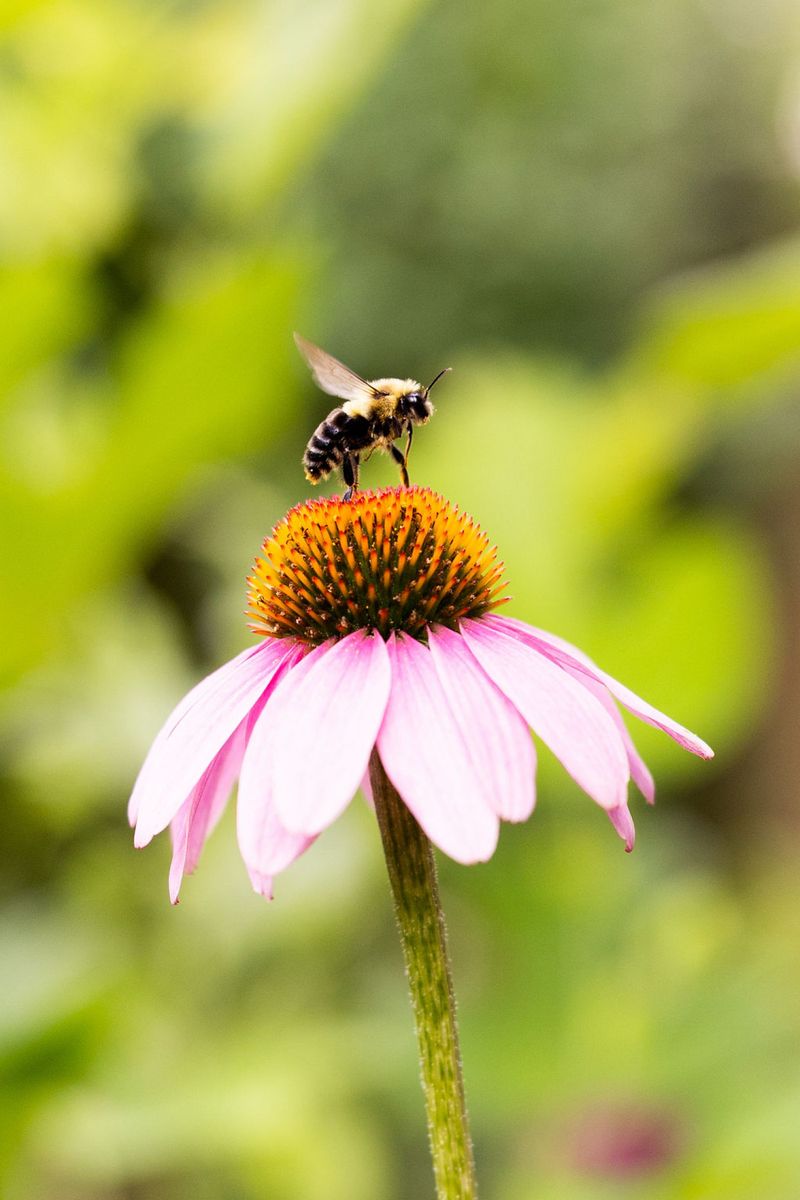
There is a reason Purple Coneflower shows up in nearly every Ohio pollinator garden recommendation.
Echinacea purpurea is native to parts of the eastern and central United States and has long been used in Ohio native plantings, where it performs reliably as a summer-blooming nectar and pollen source for bees.
Its large purple rays surround a raised, spiny orange-brown cone that bees land on and work methodically, gathering pollen from the ring of florets that open progressively from the outside in.
In Ohio, Purple Coneflower typically blooms from late June through August, depending on the site and the season. It grows best in full sun with well-drained soil and handles Ohio’s hot, dry summer stretches better than many other native perennials.
Average garden soil suits it well, and it does not need fertilizing once established. Overly rich or wet soil can actually cause floppy stems and reduced flowering.
Purple Coneflower self-seeds modestly in favorable conditions, which can help a planting fill in naturally over a few seasons.
If you leave the seed heads standing through fall and winter, birds such as goldfinches will feed on them, adding another layer of wildlife value to your garden.
The Lady Bird Johnson Wildflower Center lists Echinacea purpurea as a strong summer-blooming option for pollinator gardens across the Midwest, and Ohio State University Extension recommends it consistently for Ohio native plantings.
4. Let Swamp Milkweed Feed Bees Where Soil Stays Moist
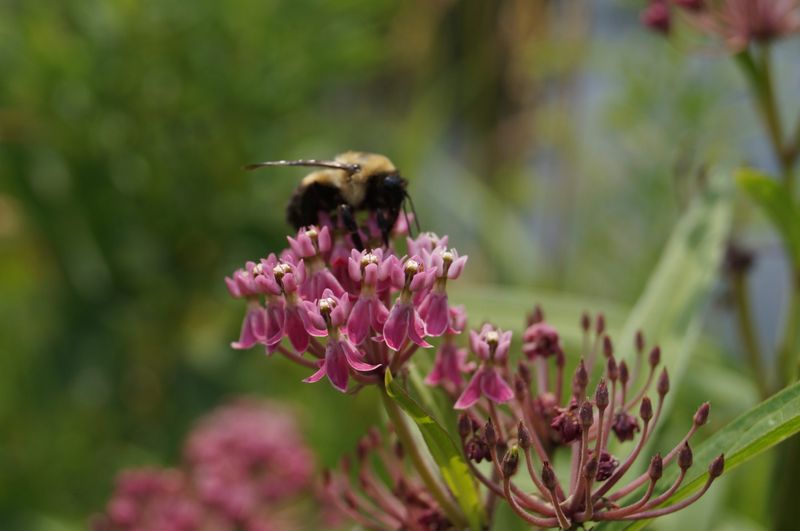
Most Ohio yards have at least one spot that holds moisture a little longer than the rest, a low corner, a spot near a downspout, or a section of lawn that stays damp after rain. Swamp Milkweed, Asclepias incarnata, was practically made for those places.
Native to Ohio and common across the state in wet meadows, stream banks, and wet prairies, it produces clusters of bright pink flowers in midsummer that draw in a wide range of visitors.
Swamp milkweed is best known as a host plant for monarch butterfly caterpillars, but its flowers are equally important for bees.
Bumblebees, native leaf-cutter bees, and various sweat bee species all visit the blooms for nectar and pollen from roughly July through August in Ohio.
The flowers are small but packed tightly into rounded clusters, and their nectar is accessible to many bee species without requiring a long tongue.
This species handles full sun to part sun and prefers moist to average soil.
Unlike common milkweed, Asclepias syriaca, swamp milkweed tends to stay in a clump rather than spreading aggressively by underground rhizomes, making it a more manageable choice for smaller pollinator beds and rain gardens.
Ohio Department of Natural Resources recognizes Asclepias incarnata as a native Ohio species, and it is a consistent recommendation from the Xerces Society for moist-site pollinator plantings across the Midwest.
5. Plant Culver’s Root For Tall Spires Bees Can Work For Weeks
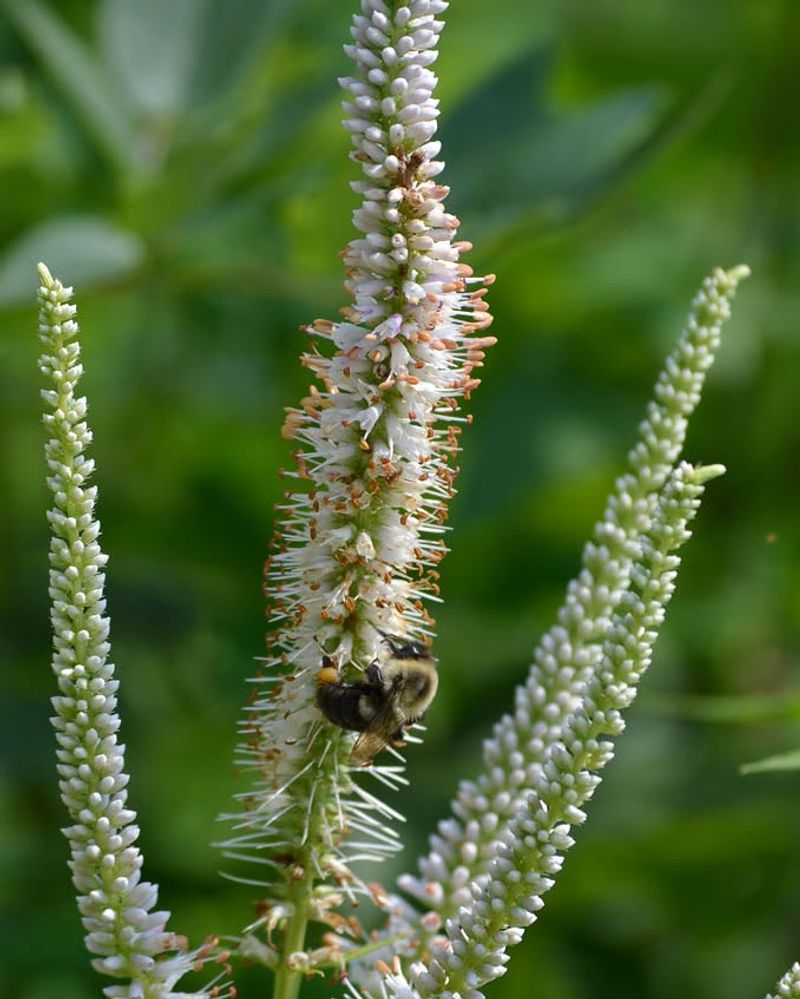
Vertical structure is something a lot of pollinator gardens lack, and Culver’s Root, Veronicastrum virginicum, solves that problem while also feeding bees for a surprisingly long stretch of summer.
Native to Ohio and found naturally in moist prairies, open woodlands, and meadow edges across the state, this tall perennial sends up elegant, candelabra-like spikes of small white to pale lavender flowers that bees visit steadily from roughly July into August.
The individual flowers along each spike are tiny, but bees work them systematically, moving up the spire as each cluster opens from the bottom up.
That progressive opening pattern stretches out the bloom period and keeps the plant productive for pollinators over several weeks rather than all at once.
Bumblebees and smaller native bees are frequent visitors, and the plant also draws in wasps and other beneficial insects that help with garden pest management.
Culver’s Root prefers full sun to part sun and does best in moist, well-drained soil, though it can adapt to average garden conditions once it is established. It is not aggressive and does not spread by rhizomes the way some native plants do.
Its main consideration is height: mature plants can reach five to six feet, so place it at the back of a border or in a larger native bed where its scale feels proportional.
Ohio State University Extension lists Veronicastrum virginicum as a native Ohio species with strong pollinator value.
6. Add Joe Pye Weed For Big Late Summer Nectar
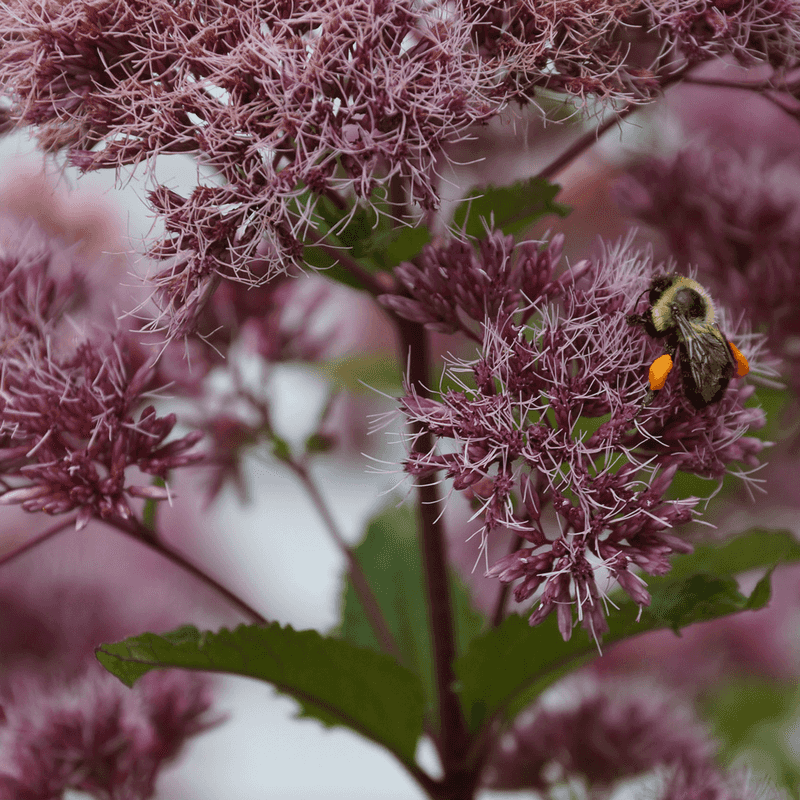
By late July and into August, a lot of the earlier summer bloomers are winding down, and that is exactly when Joe Pye Weed steps in.
Eutrochium purpureum, sweet Joe Pye Weed, and its close relative Eutrochium maculatum, spotted Joe Pye Weed, are both native to Ohio and produce large, domed clusters of dusty mauve to pinkish-purple flowers that attract bees, butterflies, and other beneficial insects in impressive numbers during the final stretch of summer.
The flowers are rich in nectar and draw in bumblebees, native sweat bees, and various other bee species at a time when food sources are starting to thin out before fall.
That late-season nectar availability makes Joe Pye Weed particularly valuable for bees that are still raising young or building up winter food stores.
Bloom time in Ohio typically runs from late July through September, depending on species and site conditions.
Joe Pye Weed is a big plant, often reaching four to seven feet tall depending on the species and growing conditions, so it belongs at the back of a border, along a meadow edge, or in a larger rain garden where its height reads as a feature rather than a problem.
It prefers full sun to part sun and moist to average soil.
The USDA Plants Database confirms both Eutrochium purpureum and Eutrochium maculatum as native Ohio species well suited for pollinator-focused plantings across the state.
7. Use Woodland Sunflower To Carry Bee Traffic Toward Fall
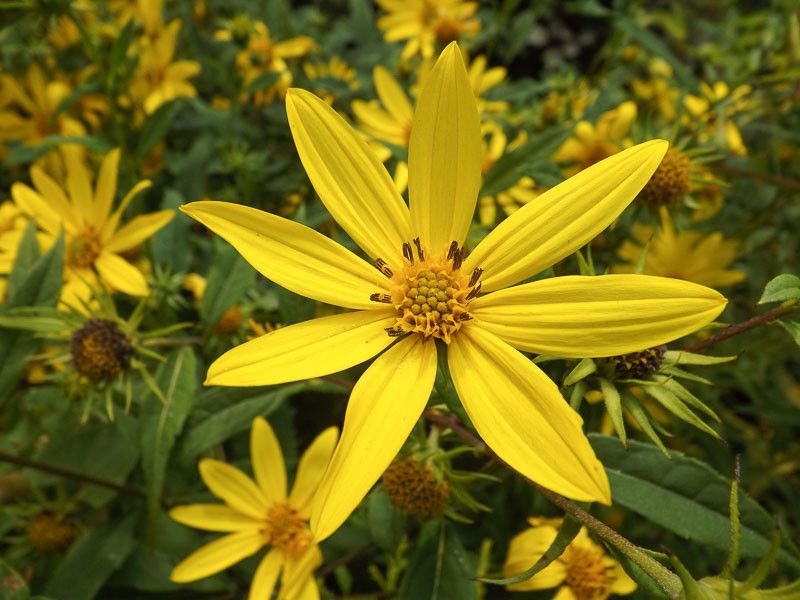
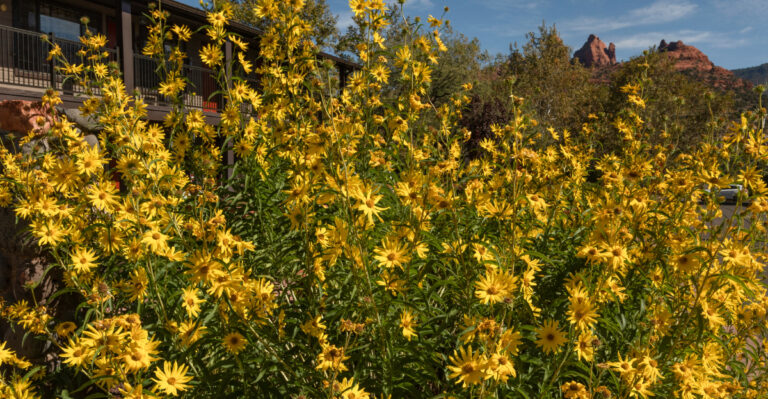
Native sunflowers are pollen powerhouses, and Woodland Sunflower, Helianthus divaricatus, is one of the most adaptable Ohio natives for gardeners who want to push bee support later into the season.
Unlike the tall annual sunflowers most people picture, this is a native perennial that blooms from mid-July through September in Ohio, carrying bee activity right up to the edge of fall when many other plants have already finished.
Woodland Sunflower is particularly useful because it tolerates a wider range of light conditions than most sunflowers.
It can handle full sun all the way to part shade, making it a practical choice for planting along woodland edges, informal borders, and naturalized areas where direct light is not guaranteed all day.
Bees, especially bumblebees and native mining bees, visit the bright yellow flowers heavily for pollen, which is the main reward this plant offers.
One honest note about placement: Woodland Sunflower spreads by rhizomes and can form a colony over time.
That spreading habit is not the same as being invasive, and it is actually an asset in a naturalized planting or a large pollinator bed where filling space is the goal.
In a smaller or more formal garden, it needs a spot where it has room to move without crowding neighbors.
The Lady Bird Johnson Wildflower Center lists Helianthus divaricatus as native to Ohio, and Cleveland Metroparks uses native sunflowers in its pollinator restoration plantings throughout the region.
8. Finish With Goldenrod For The Season’s Strongest Late Summer Feast
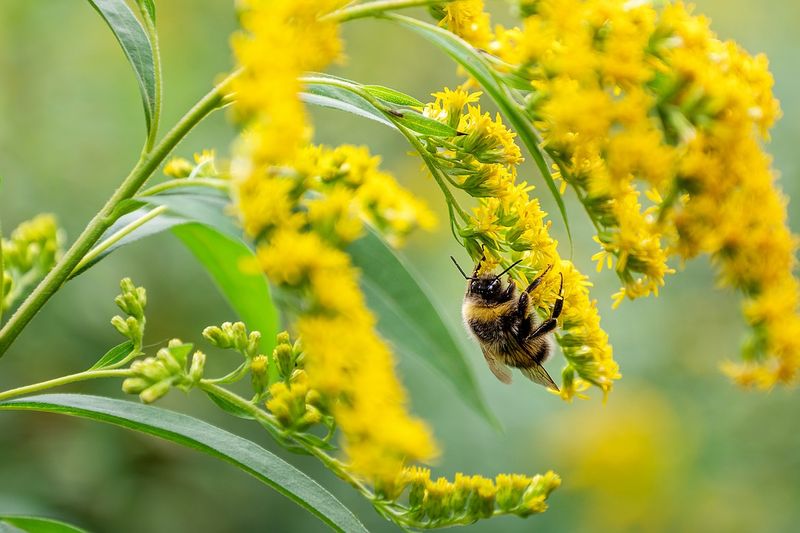
Goldenrod gets an unfair reputation. Many Ohio gardeners avoid it because they assume it causes seasonal allergies, but the real culprit is usually ragweed, a wind-pollinated plant that blooms at the same time and releases lightweight pollen into the air.
Goldenrod, by contrast, produces heavy, sticky pollen that bees carry away directly from the flower. Native goldenrods such as Solidago rugosa, Solidago speciosa, and Solidago canadensis are among the most important late-summer bee plants in Ohio.
Goldenrod blooms from roughly August through October in Ohio depending on the species, filling the gap between midsummer plants and the first frosts.
The bright yellow plumes are covered with dozens of tiny individual flowers, each offering nectar and pollen to bees that are working hard to store food before cold weather arrives.
Bumblebees, native sweat bees, mining bees, and many other species all forage on goldenrod heavily during this window.
Some goldenrod species spread more than others, so choosing the right one for your space matters.
Solidago rugosa and Solidago speciosa tend to be better behaved in garden settings than Solidago canadensis, which can spread aggressively by rhizomes and self-seeding in open conditions.
All prefer full sun to part sun and well-drained to average soil.
Ohio State University Extension and the Xerces Society both identify native goldenrods as critical late-season resources for Ohio’s native bee populations, and no pollinator planting is truly complete without at least one species.