How Short Is Too Short? The Final Michigan Lawn Cut That Helps Keep Snow Mold Away
A fungus can grow under a snowbank at temperatures barely above freezing, quietly feeding on your grass all winter long.
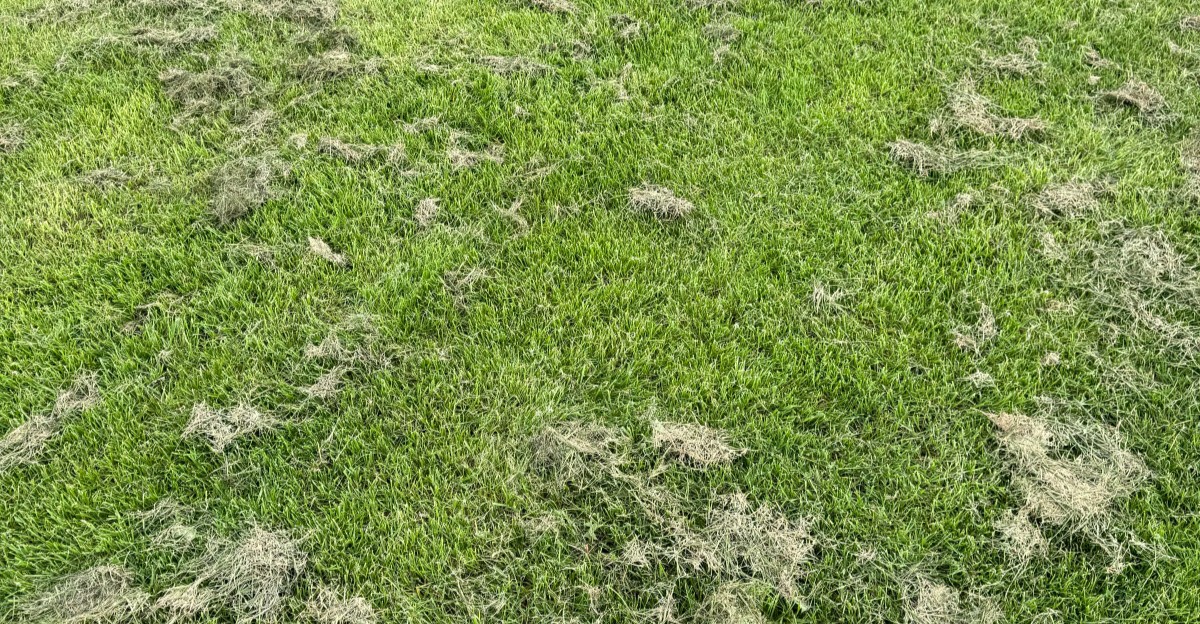
By spring, it leaves behind matted circles that look gray, tan, or even pinkish. Michigan lawns see it often because long snow cover keeps things cool, damp, and dark for months.
One thing I love about lawn care is how small habits add up. The height of your very last mow is one of those habits, and most of us set it without a second thought.
Too tall and the blades flop over into a soggy mat. Too short and you stress the plant right before its hardest season. I tend to think the sweet spot deserves more attention than it gets.
1. Those Matted Gray Patches On Spring Grass Have A Fall Backstory
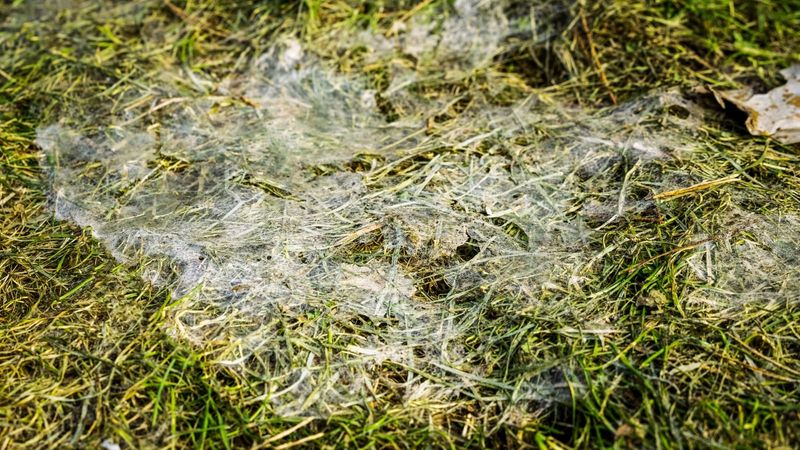
Every spring, someone in the neighborhood steps outside and spots crusty, flattened circles in the lawn. Most folks blame the snowplow or the dog. The real culprit is usually snow mold, a group of cold-loving fungi.
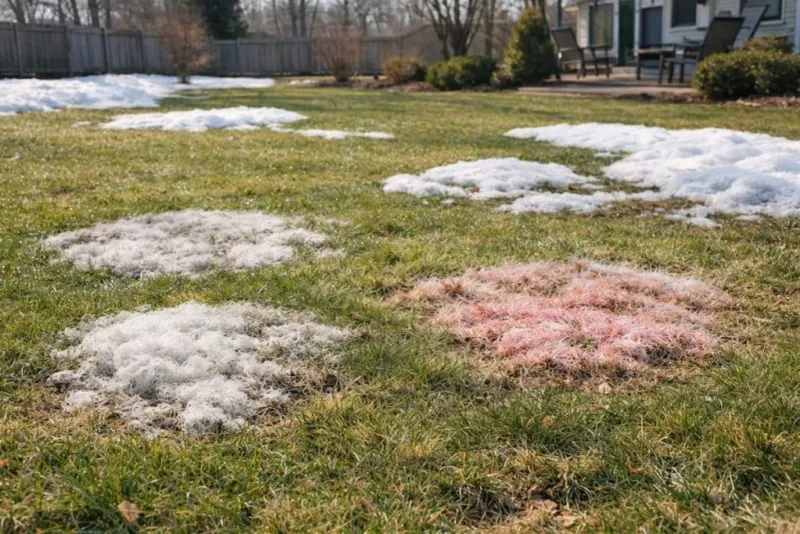
Gray snow mold, caused by Typhula fungi, shows up as straw-colored or grayish patches, sometimes with a cobweb-like coating.
Pink snow mold, caused by Microdochium nivale, can look tan with a salmon or pinkish edge. Michigan State University Extension notes that pink snow mold is often the more serious one, since it can harm the grass crowns.
So what does this have to do with mowing in October or November? Quite a lot, actually. These fungi thrive in damp, still spots where grass blades lie flat and stay wet for weeks under the snow.
Long, floppy grass creates exactly that kind of hideout. Once snow presses it down, it forms a cozy, moist mat with very little airflow.
The patches you see in March were often set up by what happened in your yard months earlier. Your final mow, your leaf cleanup, and your fertilizer choices all play a part. A few smart fall moves can tip the odds back in your favor.
2. Set Your Mower Deck Between 2.5 And 3 Inches For The Last Cut
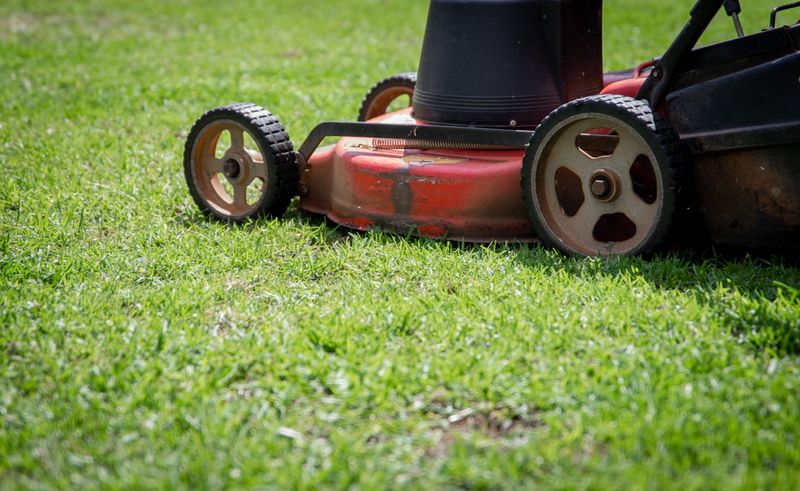
Here’s the number most turf experts land on. For cool-season lawns like Kentucky bluegrass, perennial ryegrass, and fine fescue, a final cut of roughly 2.5 to 3 inches works well. Many sources say anywhere from 2 to 3 inches is reasonable.
That height is a little shorter than the 3 to 3.5 inches many people use in summer. The goal is grass that stands up instead of flopping over. Shorter blades are less likely to fold into a wet blanket once snow piles on.
You also want to keep the one-third rule in mind. Never take off more than about a third of the blade in one mowing. If your lawn is sitting at 4 inches in October, lower the deck a notch at a time over two or three mows.
Dropping it all at once can shock the grass. A gradual approach lets the plant adjust while it is still storing energy for winter.
A quick tip I like is to measure from a flat surface like a driveway. Set the mower there, then check the blade height with a ruler. It takes thirty seconds and removes the guesswork.
3. Scalping Your Bluegrass Before Winter Backfires
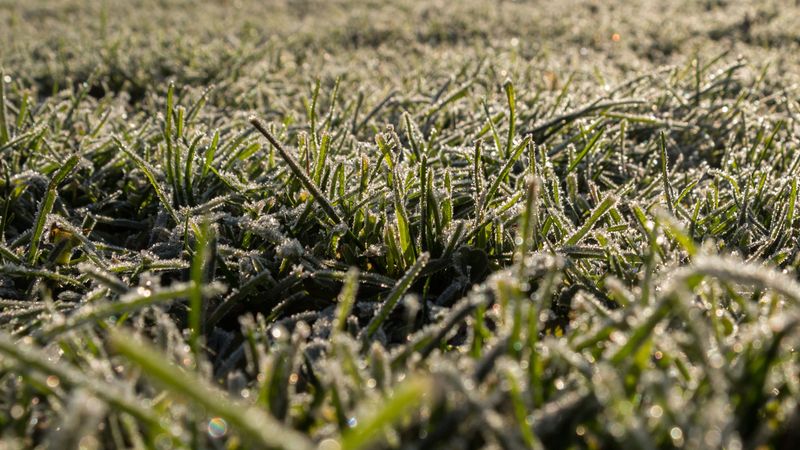
It’s tempting to buzz the lawn super low so you can skip mowing as long as possible. I get the appeal. Unfortunately, cutting down to an inch or so usually causes more harm than help.
Grass blades are the plant’s solar panels. In fall, turf uses sunlight to make sugars and stash them in the roots and crowns. Those reserves carry it through winter and fuel green-up in spring.
Scalp the lawn, and you shrink that food factory right when it matters most. The crown, the growing point near the soil, also loses its leafy cover. That leaves it more exposed to freezing, drying winds, and ice.
Very short turf can also let more light reach bare soil. Come spring, that opens the door for crabgrass and other weeds to move in.
Think of the final cut as a trim, not a buzz cut. A lawn that heads into winter at a moderate height usually bounces back faster. It also tends to look thicker in April than one that was shaved down to the dirt.
Short enough to stand tall, long enough to keep feeding itself is the balance you want.
4. Watch The Grass Slow Down Instead Of Circling A Date
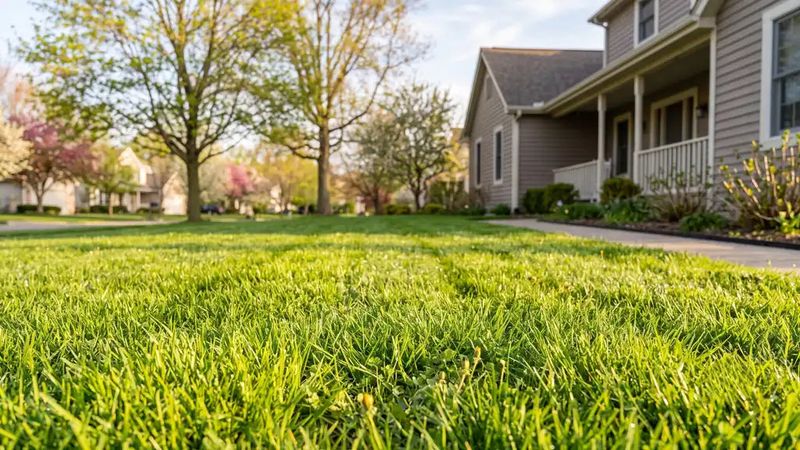
Calendars are handy, but grass doesn’t read them. The right moment for your last mow depends on when the turf actually stops growing.
Cool-season grasses slow down a lot as daytime highs settle into the 40s and 50s. In southern Michigan, that often lands in late October or early November. Up north and in the Upper Peninsula, it can come a few weeks sooner.
A warm spell can surprise you, though. If you get a sunny week in early November and the lawn perks up, go ahead and mow again at your final height. Letting it grow tall right before snow is what you want to avoid.
One easy trick is to check how fast the grass grows between weekends. If it barely changes in a week or more, you’re probably done.
Try not to mow when the lawn is frosty or soggy. Frozen blades can break and bruise under foot traffic and wheels. Wet turf clumps and leaves ruts.
Pick a dry afternoon, make that last pass, and clean the mower deck before storing it. Your spring self will thank you for the tidy start.
5. Soggy Leaves And Clippings Make A Cozy Fungus Blanket
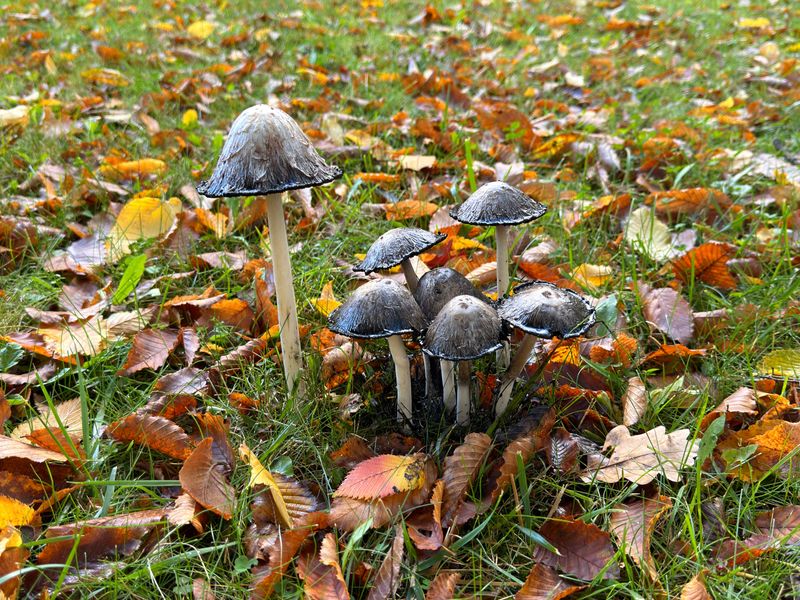
Picture-perfect fall leaves turn into a soggy problem once snow lands on them. A thick layer of maples or oaks traps moisture right against the grass. Snow mold fungi love that setup.
Before the first lasting snowfall, clear leaves off the lawn. You can rake them, blow them, or mulch them with the mower if the layer is thin. A light sprinkle of chopped leaves usually breaks down fine.
The trouble starts with heavy, unbroken mats. Those smother the turf and hold dampness for months. Grass clippings can do the same if they’re left in thick clumps.
For your final mow, bagging the clippings is a smart move. It keeps extra debris from sitting on the lawn all winter.
Kids’ toys, patio furniture, and stray tarps deserve a look too. Anything left on the grass creates a dark, damp pocket that stays wet longer than the rest of the yard.
I like to do a quick walk around the lawn the same day I put the mower away. It takes ten minutes. Removing those little hideouts is one of the simplest ways to cut down on spring patches.
6. Go Easy On Late Nitrogen And Big Snow Piles
Fertilizer timing sounds boring until you see its effect in spring. Heavy nitrogen applied too late can push soft, lush growth. That tender grass is more vulnerable to snow mold.
Michigan State University Extension suggests that if you fertilize in fall, apply it while the grass is still actively growing, often in September or early October, with moderate rates. Avoid dumping a big dose right before snow.
The aim is a sturdy lawn, not a flush of fresh blades heading into the cold. Snow piles matter too. When you shovel the driveway or sidewalk, try not to heap everything onto one corner of the lawn.
Giant piles melt slowly and keep turf wet and covered well into spring. Those spots often show the worst snow mold.
Spread snow out when you can, or rotate where you pile it. If a mound lingers in March, breaking it up with a shovel can help it melt faster.
Good drainage also helps. Areas where water pools after snowmelt stay soggy longer. Core aeration in fall and correcting low spots over time can reduce those wet zones.
7. A Gentle Spring Rake Helps Patchy Turf Bounce Back
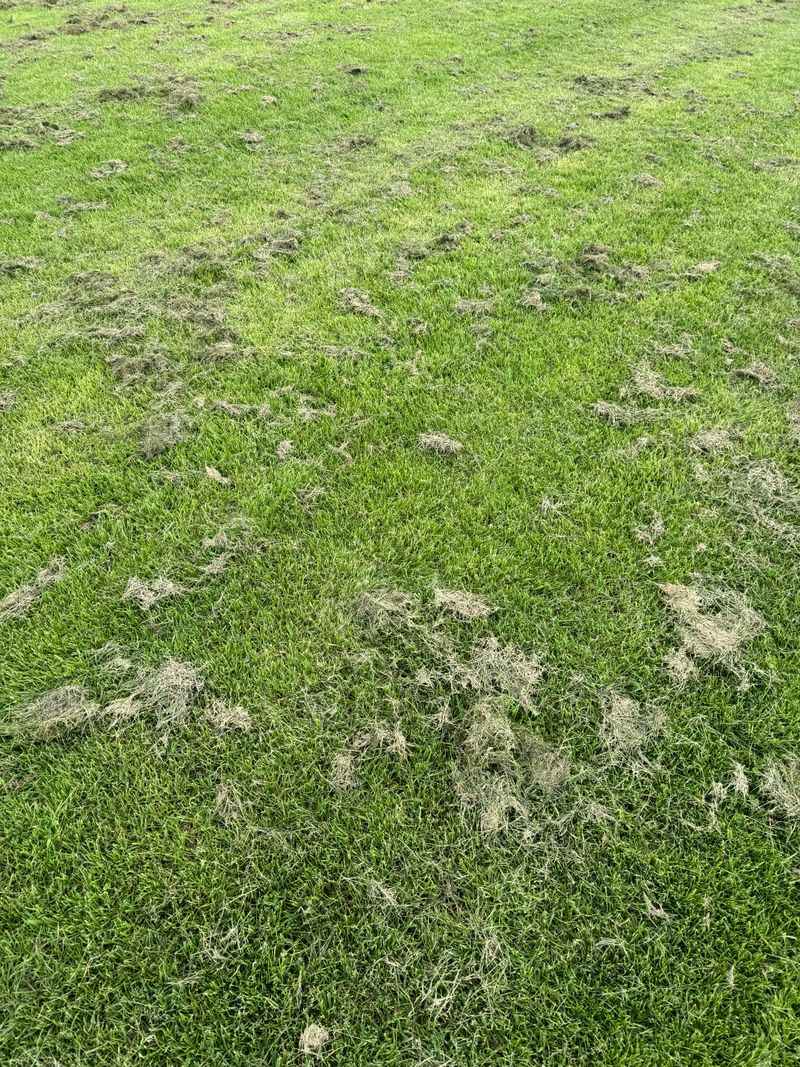
Even with perfect fall habits, some snow mold may still pop up. Weather is weather. A long, wet winter can give the fungi a head start no matter what you do.
When the snow melts and the lawn dries a bit, grab a leaf rake. Lightly fluff up the matted patches to let air and sunlight in. That simple step helps the blades dry out and encourages new growth.
In most home lawns, gray snow mold damage is mostly to the leaves. The grass usually recovers as temperatures warm. Pink snow mold can be tougher, and some spots may need overseeding later in spring.
For most homeowners, fungicides aren’t usually needed. Extension experts generally point out that they work best as preventive treatments before snowfall, and they’re mostly used on golf courses and high-value turf.
My favorite takeaway is how much control a few fall chores give you. Set the mower to about 2.5 to 3 inches, mow until growth stops, clear the leaves, and skip heavy late nitrogen.
Jot those steps on a note in the garage. Next fall, your lawn will head into winter standing tall and ready.