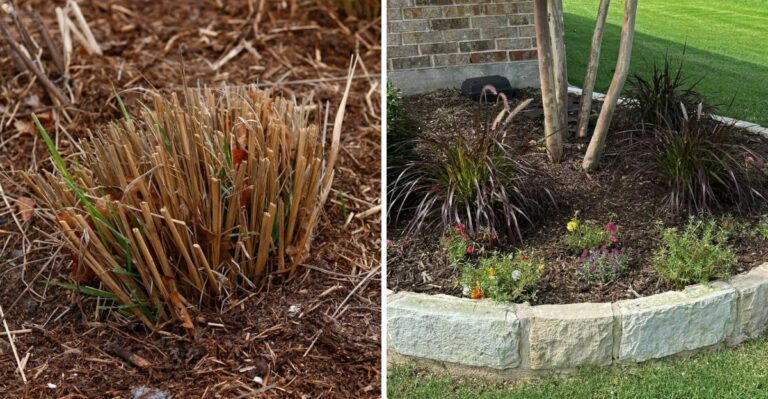
9 Steps Georgia Gardeners Take To Get A Thanksgiving Cactus Blooming On Time
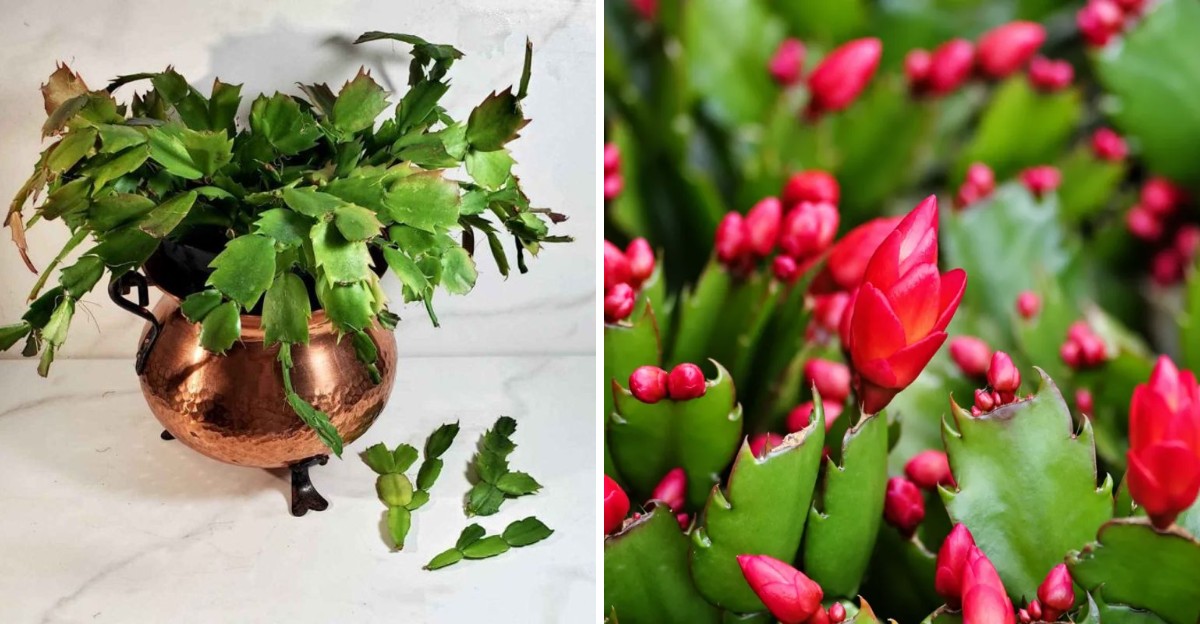
This small tropical plant grows on tree branches and can actually measure how long each night lasts. Once the dark hours stretch past twelve, it quietly starts building tiny flower buds for late autumn.
Wild ones cling to mossy trunks in misty mountain forests, far from any desert. I love how a plant from that cloudy forest can feel so at home on a windowsill.
Timing is the tricky part, because a small mistake in September can push flowers well past the holiday. I have to admit that my first one bloomed in January, which felt like showing up late to dinner.
Our warm Georgia autumns make the job a little harder, since toasty nights can stall bud formation.
Getting those bright pink flowers to open right on schedule comes down to a few important details that experienced growers know well.
1. Check The Claw Shaped Stem Segments First
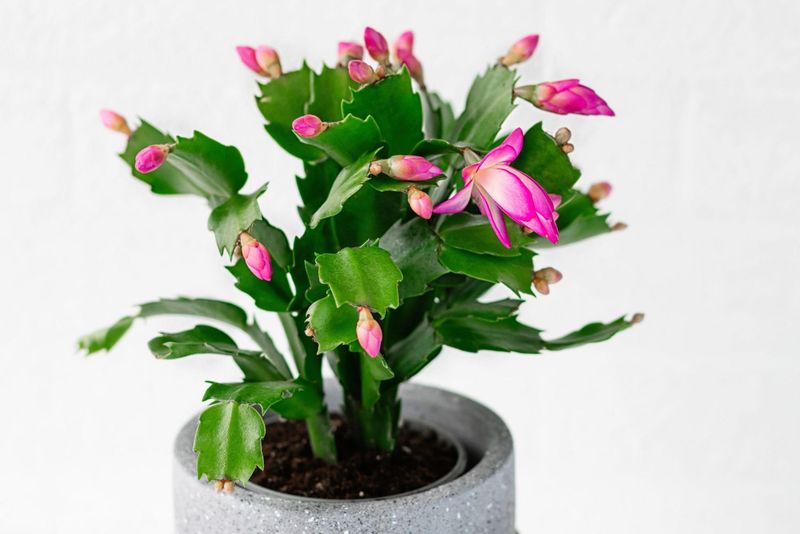
Run your finger along the edge of a stem, and you might feel little pointed teeth like tiny claws. Those sharp points are the easiest clue that you own a true Thanksgiving cactus, Schlumbergera truncata.
Christmas cactus, known as Schlumbergera x buckleyi, has smoother stem segments with rounded, scalloped edges instead.
It usually blooms several weeks later, so mixing up the two can wreck your holiday timing plans.
Flowers offer another clue once they open, because Thanksgiving types carry yellow pollen on their anthers. Christmas cactus flowers usually show purplish brown anthers, which look darker when you peek inside closely.
Personally, I find that many plants sold in stores around the holidays are actually Thanksgiving cactus.
Growers favor them because they bloom earlier and ship well, even when labels say Christmas cactus.
Knowing your type matters because each one follows its own natural calendar for setting flower buds. A Thanksgiving cactus treated right will often open its first blooms in mid to late November.
Snap a quick photo of a stem tip and compare it with pictures from a university extension website. Easter cactus looks similar too, but its rounded segments carry tiny bristles and bloom in spring.
Once you know which plant sits on your shelf, every other step suddenly makes a lot more sense. I like to tape a small label on the pot so nobody forgets during the busy fall season.
2. Give The Cactus A Shady Summer Spot Outdoors
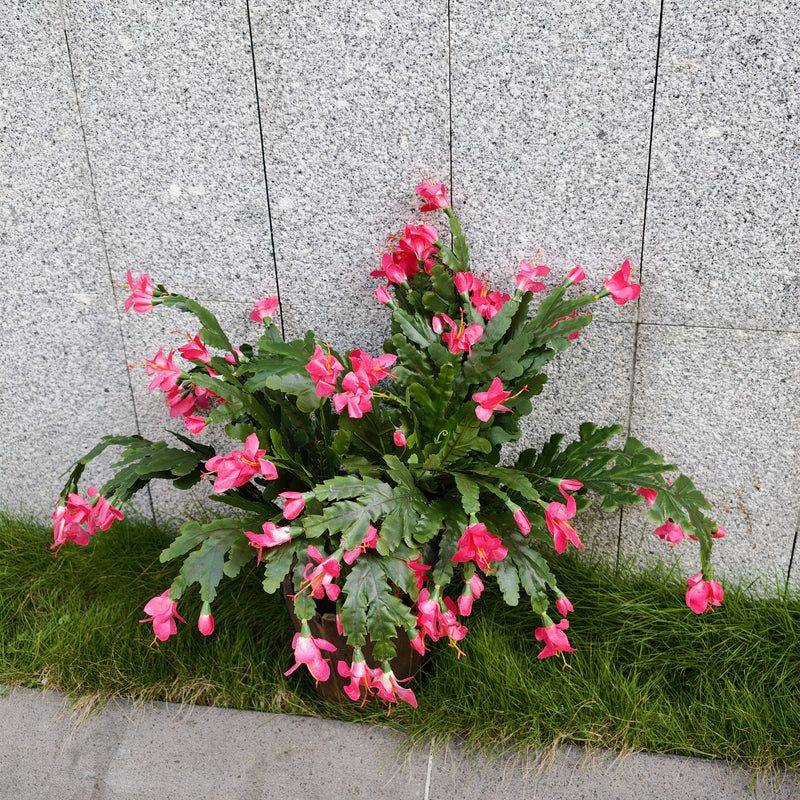
Summer on a shady Georgia porch feels like a vacation for this cactus, with warm air and soft light.
I love watching new stem segments push out in bright green during those muggy months of growth.
Strong afternoon sun is a different story, because it can bleach the stems a reddish or yellow color. Look for a spot under a tree or a porch roof where light stays bright but filtered.
Morning sun with afternoon shade works nicely, much like the dappled light found in its native forests. Healthy summer growth matters because flowers form at the tips of the newest stem segments later on.
Water whenever the top inch of soil feels dry, since warm weather and breezes dry pots quickly. Heavy summer storms can flood a saucer, so empty any standing water after a soaking rain passes.
Feed with a balanced houseplant fertilizer at half strength about once a month through the summer. Pinching stem tips back in early summer also encourages branching, which gives you more places for buds.
Keep an eye out for mealybugs, which look like tiny cotton tufts tucked where the segments join.
A strong spray of water or insecticidal soap usually handles small infestations before they spread further.
Personally, I think a summer outdoors makes these plants sturdier and greener than months spent inside. You get a stronger plant heading into fall, which sets the stage for the bloom show ahead.
3. Stop Fertilizing Your Cactus By Late Summer
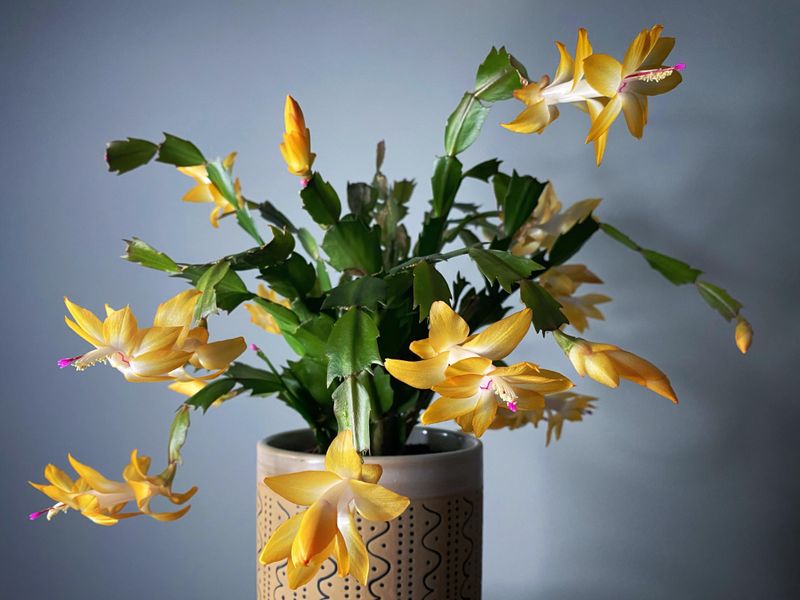
Cutting off the plant food might feel unkind, but your cactus usually responds well to the break.
Many growers stop feeding in late August or early September to slow down leafy stem growth.
Lots of fresh green segments look nice, yet a plant busy growing stems may put off making buds. Easing off fertilizer helps the plant settle down so it can respond to longer nights and cooler air.
I mark the date on my kitchen calendar because late summer in the South tends to blur together. Labor Day makes an easy reminder, since it lands right around the time to put fertilizer away.
Too much fertilizer can also leave salt buildup in the soil, which may stress the roots over time. Watering thoroughly until water runs from the drainage hole helps flush out some of those extra salts.
Some growers like a bloom booster formula, but a balanced fertilizer at half strength works well too. Strong doses do not create extra flowers, so resist the urge to give your plant a big meal.
Feeding picks back up in late winter or spring, once the flowers fade and new growth appears.
That rest period gives the plant a natural rhythm that matches the seasons in its home forests.
You might notice the plant looks a bit quieter in fall, with fewer new segments popping out. That calm stretch is exactly what you want, because the real action is happening at the stem tips.
4. Give Your Cactus Long Uninterrupted Dark Nights
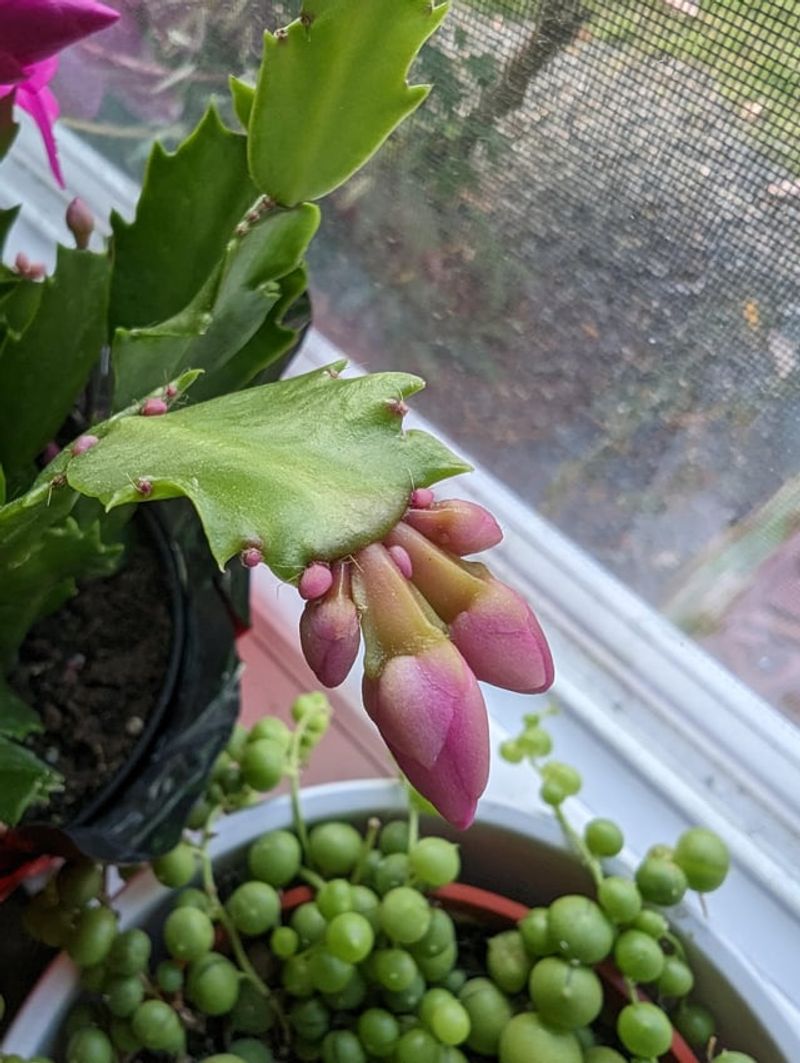
Darkness is the secret ingredient, and this little plant can sense a single lamp left on at night.
Thanksgiving cactus is a short day plant, which means long nights tell it to start forming buds.
Most experts recommend about twelve to fourteen hours of unbroken darkness each night for roughly six weeks.
Starting in mid to late September gives you a good shot at flowers arriving near Thanksgiving week.
A spare bedroom that nobody uses at night works great, as long as it still gets daytime light. Some folks slip a cardboard box over the plant each evening and lift it off every morning.
I have to admit that remembering the box every evening takes discipline, so I set a phone alarm. Porch lights and a glowing television nearby can interrupt the dark period and slow down bud formation.
Cool temperatures can help too, since nights around fifty to fifty five degrees encourage buds regardless of light. That backup plan explains why plants on chilly porches sometimes bloom without any special darkness routine at all.
Keep the plant in bright light during the day, because it still needs energy to build those flowers. An east facing window during daylight hours makes a fine partner for the nightly dark routine.
You can relax the routine once you spot tiny buds forming at the tips of the stems. Seeing those little pink nubs appear feels like getting a secret note that your patience paid off.
5. Let Cool Autumn Nights Encourage Thanksgiving Cactus Buds
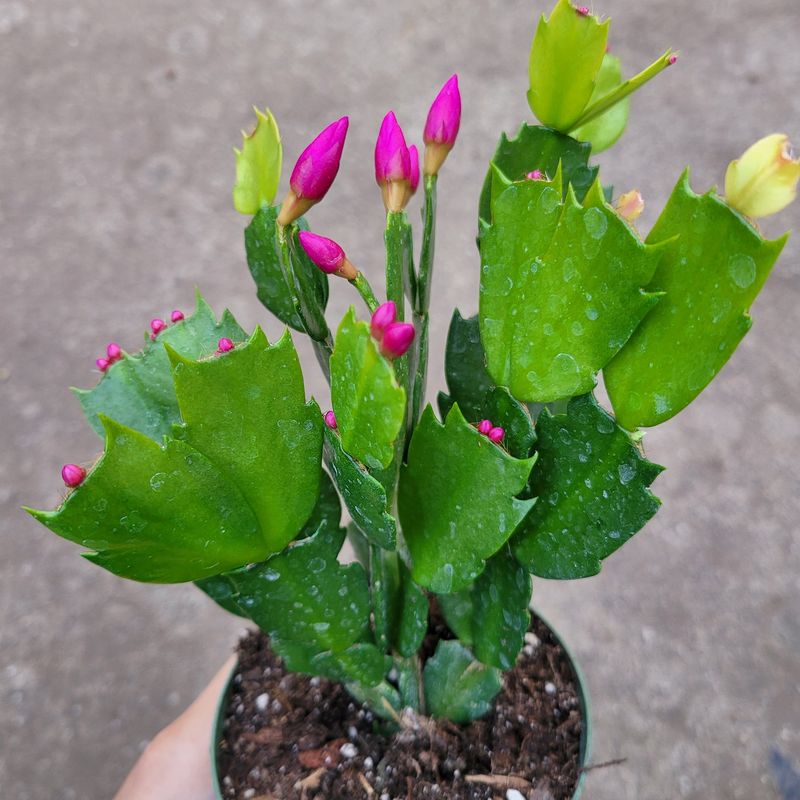
Crisp October evenings do a surprising amount of work for you, especially if the plant stays on the porch.
Research on these plants shows that nighttime temperatures in the fifties strongly encourage new flower buds to form.
Warm nights are the real trouble, because temperatures near seventy or higher can stall buds or cause drops.
Early fall in much of Georgia stays muggy, so watch the forecast closely during September and October.
Leaving the pot outside in a sheltered spot lets it soak up those naturally cool nights. Bring it inside before temperatures drop toward forty degrees, since cold injury can hurt both stems and buds.
Mountain gardeners up north often move pots indoors weeks earlier than folks living near the coast. I keep an old thermometer on my porch railing so I can check overnight lows each morning.
Indoors, a cool room away from heat vents gives the plant similar conditions without the frost risk. An unheated sunroom or a bright spot beside a cool window can work surprisingly well for this.
Sudden swings matter more than you might expect, since bud drop often follows big temperature changes. Moving a plant from a chilly porch straight next to a fireplace is a recipe for disappointment.
Personally, I think cool nights are the easiest trick on this list because nature does most of it. You just need to watch the weather and step in before the first real cold snap arrives.
6. Adjust Your Watering Can As Fall Arrives
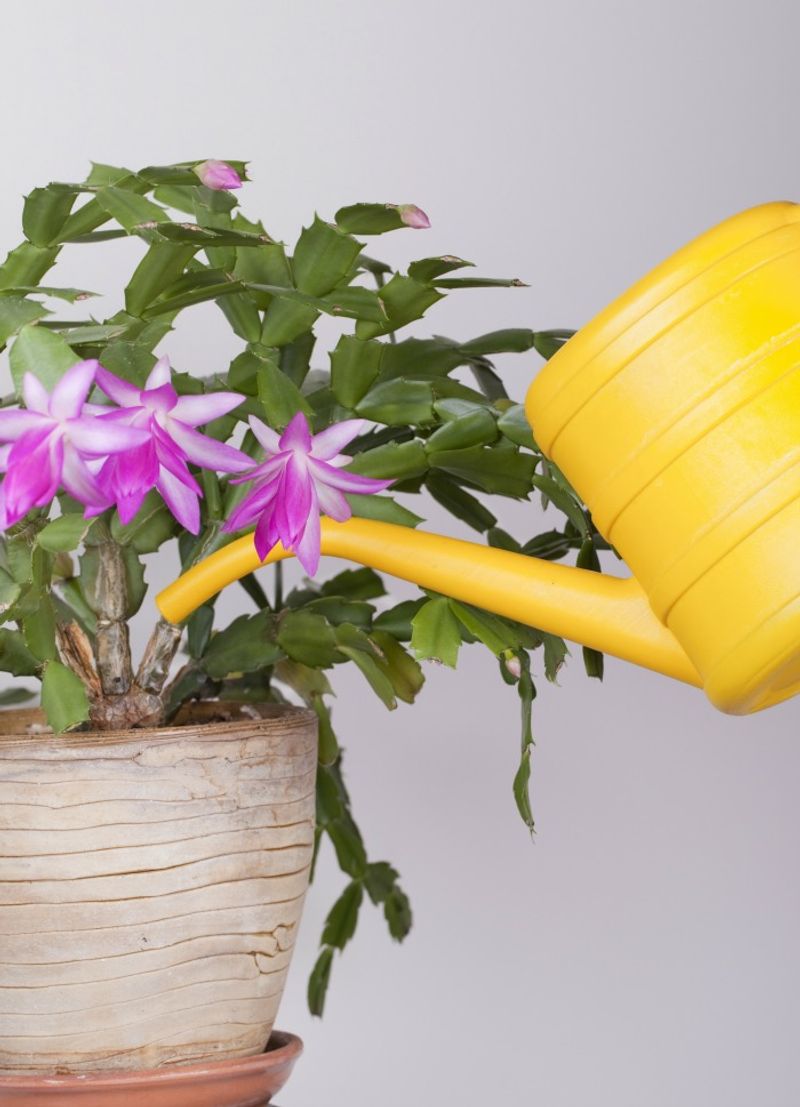
Despite the word cactus in its name, this rainforest plant dislikes the bone dry desert treatment.
Its roots wrap around bark and moss in the wild, where they dry quickly between frequent rains.
In fall, let the top inch or so of soil dry out a bit more before watering again. Slightly drier conditions during the dark treatment period can help nudge the plant toward making flowers.
Avoid letting the pot turn parched for weeks, though, because stems may shrivel and look limp. Wrinkled, droopy segments usually perk up within a few days after a thorough drink of water.
Once buds appear, switch gears and keep the soil lightly moist so those buds can keep growing. I can’t imagine anything more frustrating than watching fat buds drop because the pot dried out.
Soggy soil is the bigger danger, since roots sitting in water quickly develop rot and fungal problems.
Pour out water that collects in the saucer about fifteen minutes after you finish watering each time.
Pushing a finger into the soil is still the most reliable way to know when watering is needed. Lifting the pot works too, since a dry pot feels noticeably lighter than one that was just watered.
You might notice your schedule shifts once the heater kicks on, because indoor air dries soil faster. Checking every few days beats watering on a strict calendar that ignores what the plant really needs.
7. Raise Humidity Around Your Holiday Cactus Indoors
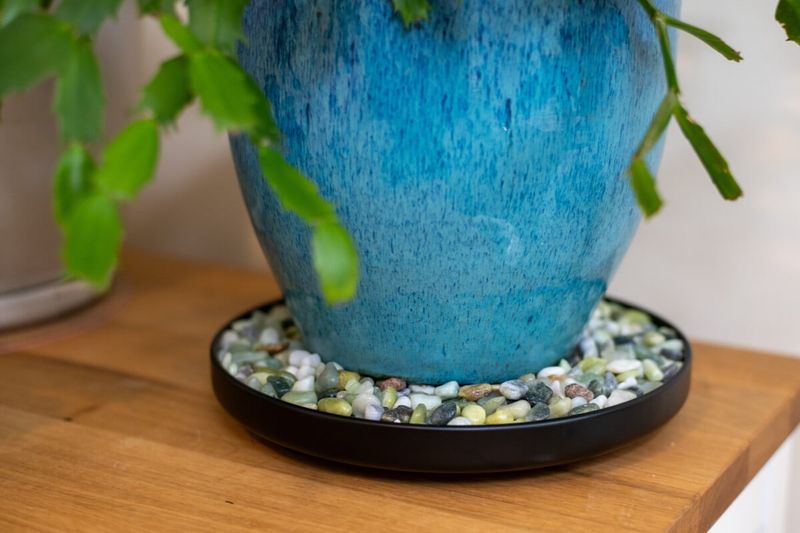
Cloud forests in Brazil stay damp most of the year, and this plant still remembers that moist air. Dry indoor heat in late fall can leave buds stressed, especially in rooms close to a furnace vent.
Our humid summers spoil us, but heated homes in November can feel surprisingly dry to plants.
A pebble tray is one of my favorite fixes because it costs almost nothing and takes minutes.
Fill a shallow tray with gravel and water, then set the pot on top above the waterline. Evaporating water rises around the stems and adds a little extra moisture to the surrounding air.
Grouping several houseplants together creates a small pocket of humidity, since plants release moisture as they breathe. A small room humidifier works even better if your house feels especially dry during the colder months.
Misting looks charming, but the effect fades within minutes and does little for the plant overall. I treat misting as a fun extra rather than a real solution for dry winter air indoors.
Bathrooms and kitchens with bright windows can make cozy homes, thanks to steam from showers and cooking. Just make sure the room does not get warm enough at night to slow down bud development.
You’re in for a treat when well humidified buds swell plump and open without shriveling at the edges. Healthy moisture levels also help the flowers last longer once they finally unfurl in late November.
8. Leave Budding Thanksgiving Cactus Right Where It Sits
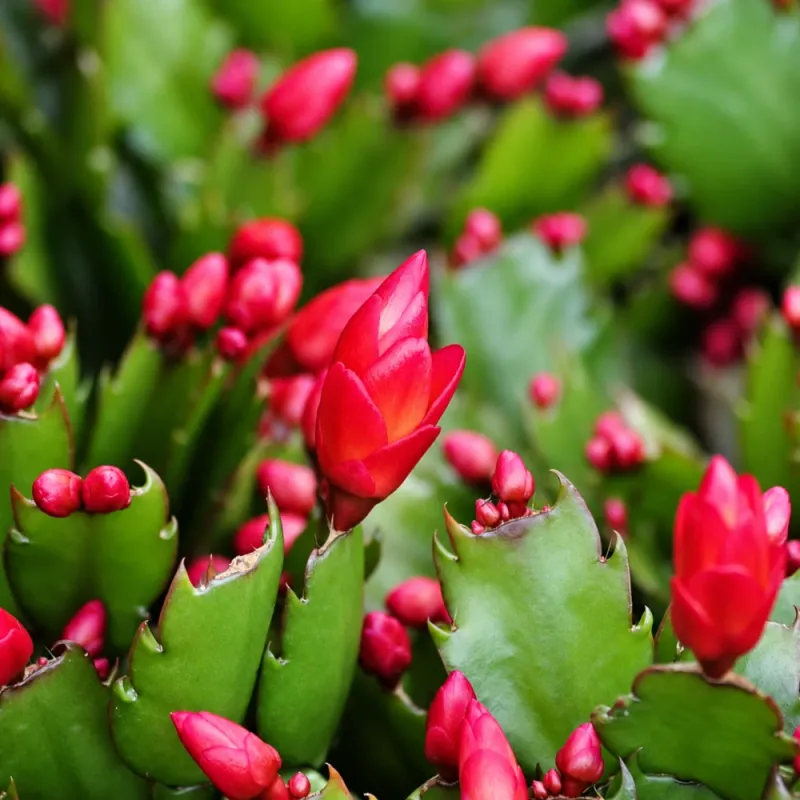
Those tiny pink buds might tempt you to show off the plant in a new spot, but hold that thought.
Bud drop is the most common complaint with holiday cacti, and sudden changes are usually behind it.
Moving the pot into a warmer room or a drafty hallway can make developing buds fall off within days. Shifts in light direction sometimes cause trouble too, since buds tend to orient toward the light source.
I learned to set my plant in its display spot before buds formed, so it could settle in early. That way, it adjusts to the room’s light and temperature long before the flowers become fragile.
If you must move it, do so gently and choose a spot with similar light and steady temperatures. Rotating the pot every day might seem helpful, yet that constant turning can actually upset the buds.
Skip pruning while buds are forming, because every stem tip you remove is a potential flower gone. Snipping off a broken segment is fine, but save bigger trimming jobs for after the flowers fade.
Ethylene gas from ripening fruit can also trigger bud drop in some flowering plants, so keep fruit bowls away. A countertop full of apples and bananas might seem harmless, but your sensitive cactus may quietly disagree.
What surprises me most is how a plant so easygoing all year becomes so fussy for a few weeks. A little patience now pays off with a shelf full of glowing blooms when family arrives for dinner.
9. Repot And Prune Your Cactus After The Flowers Fade
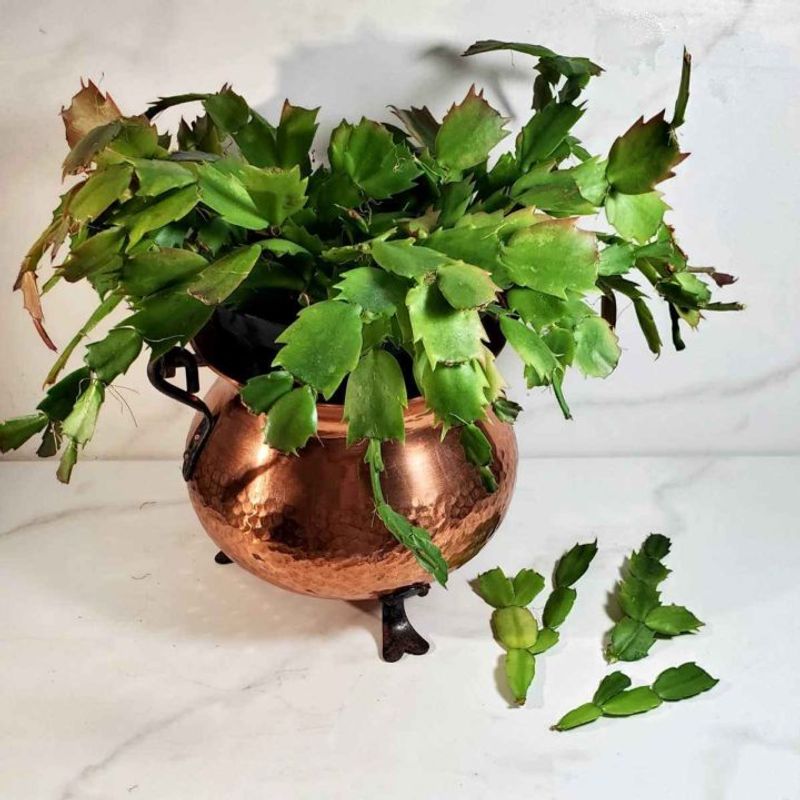
Plenty of new growers are surprised to learn these plants often bloom better when their roots feel snug.
A slightly root bound cactus puts energy into flowers instead of filling a big pot with roots.
Repotting every two to three years is plenty, and spring after blooming is the best time to do it. Choose a pot only one size larger, with a drainage hole so extra water can escape freely.
A light, airy mix suits these tree dwellers, such as potting soil blended with plenty of perlite. Some gardeners add orchid bark for extra airflow, which mimics the loose debris found on forest branches.
Pruning works best a few weeks after flowering, or in late spring when new growth starts up. Twist off a few segments at the joints, and each cut tip can branch into two or more new stems.
More stem tips mean more places for flowers, so a fuller plant usually means a bigger holiday show. I love how those trimmed pieces root easily, giving you free plants to share with friends.
Let cuttings sit a day or two to callus, then tuck them into slightly damp potting mix. Roots usually form within a few weeks, especially when the cuttings sit in bright, indirect light.
Treating spring as the starting line keeps the whole yearly cycle on track for next Thanksgiving. Many Georgia families pass these plants down for generations, and good care makes that possible.