Is It Legal to Burn Leaves in Michigan? The Answer Changes From Town to Town
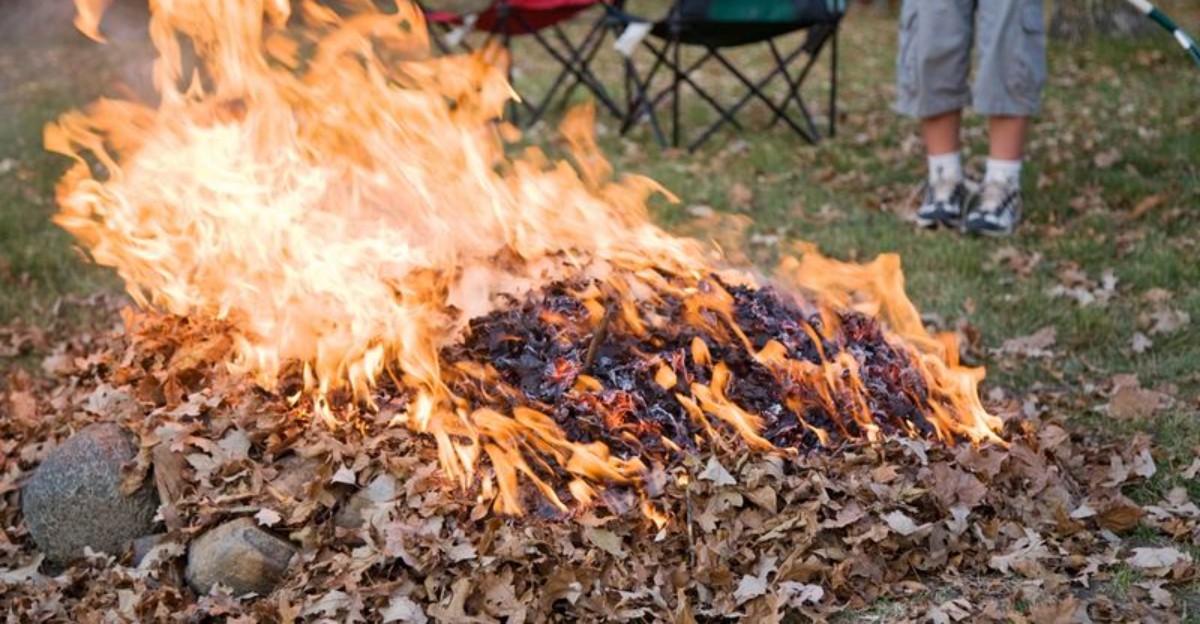
Two families raking the same red maple leaves a few miles apart can face opposite rules about what happens next. One may strike a match legally. The other could earn a visit from the fire department.
In Michigan, the dividing line often comes down to how many people live in your town, plus whatever your local board decided. I can’t help but think that surprises a lot of longtime yard keepers.
That smoky autumn smell carries plenty of memories for me, from crunchy rake piles to warm cider and cold fingers. It also carries fine particles that bother lungs, which explains why so many cities stepped away from the old fall ritual.
So which side of the line is your street on? The answer might be closer to home than you expect, and it could change how you handle this year’s pile.
1. Your Town’s Head Count Matters More Than Your Leaf Pile Does
Believe it or not, a census number plays a huge role in your fall cleanup. State law in Michigan, found in Part 115 of the Natural Resources and Environmental Protection Act, sets its leaf burning rules based on population.
Communities with 7,500 or more residents fall under a general ban on burning leaves and grass clippings. That ban has one big exception, though. A city, village, or township of that size can pass its own ordinance that allows the practice.
Smaller places work the other way around. In a community with fewer than 7,500 people, burning yard waste like leaves is generally allowed by the state. Local leaders can still pass an ordinance that forbids it.
So the state sets a starting point, and your local government can flip it. That explains why one rural township lets residents burn on a calm October afternoon while a nearby suburb hands out fines for the same thing.
Here’s a fun wrinkle I learned while digging into this. Population counts are based on the official numbers for your specific unit of government, not your mailing address.
A house with a city ZIP code might actually sit in a smaller township with different rules, so it pays to know exactly where your property lines fall.
2. City Hall Holds the Final Word on Backyard Leaf Fires
Local ordinances are where the real answer lives. A township board or city council can make leaf burning rules stricter than the state’s starting point, and plenty of them have done just that.
Many larger cities ban open burning outright, including leaves, brush, and grass. Some townships allow it only on certain days of the week, during set hours, or in specific months.
Others require that piles sit a certain distance from homes, fences, and property lines. I’ve seen ordinances that limit pile size, ban burning in the street or ditch, and require an adult to stay with the fire until it’s out.
A few communities allow small recreational campfires but forbid leaf burning, which catches people off guard every autumn.
Curious why the rules vary so much? Local leaders weigh things like housing density, complaints from neighbors with asthma, and whether the town already runs a curbside leaf pickup program.
A packed subdivision has very different needs than a farm road with homes spread far apart. The easiest way to find your rules is the ordinance section on your city or township website.
Search for terms like open burning, yard waste, or fire code. If the wording feels confusing, a phone call to the clerk’s office usually clears it up fast.
3. Grab a Burn Permit Before Any Match Meets Dry Leaves
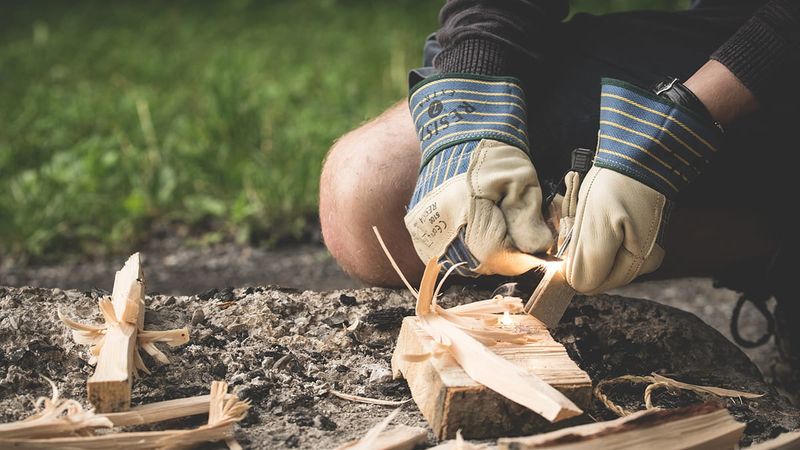
Getting the green light from your town is only step one. In many areas, you still need a burn permit, especially when the ground isn’t covered in snow.
Where you live in the state changes who issues it. The Michigan Department of Natural Resources handles permits for the Upper Peninsula and the northern Lower Peninsula. You can check burn conditions and get a free permit online.
The DNR system updates daily based on weather and fire risk. If conditions turn dry or breezy, burning may be restricted that day even if it was fine yesterday. I like that setup, since it keeps a quick fall chore from turning into a field fire.
Down in the southern Lower Peninsula, things work a bit differently. Your local fire department or municipal office usually issues permits there, and some communities require a small fee or an inspection first.
Keep one thing in mind. A permit does not override other rules. If your township bans leaf burning, a permit won’t make it legal, and banned materials stay banned. Think of the permit as permission for an allowed burn on a safe day, nothing more.
4. Keep Plastic, Trash, and Painted Boards Out of That Leaf Fire

Old habits can sneak up on you. Decades ago, lots of rural families tossed household garbage into a burn barrel along with the leaves, and some folks still do.
That practice is against state law. Changes made in 2012 spelled out that burning household waste containing plastic, rubber, foam, chemically treated wood, textiles, electronics, chemicals, or hazardous materials is prohibited statewide.
It doesn’t matter how small your town is. Plastic packaging, foam cups, painted lumber, pressure-treated deck boards, old furniture, and tires all fall on that list.
Burning them at low backyard temperatures releases harmful pollutants like dioxins, which can settle on garden soil and vegetables nearby. That’s not something I want near my tomato beds.
Clean, untreated wood and natural yard waste are a different story where local rules allow them. Even then, a few sneaky items slip into leaf piles. Watch for plastic plant tags, garden twine, bagged leaves, and stray candy wrappers that blew in from the street.
Picking those out takes a couple of minutes. It also keeps your fire legal and your yard cleaner. Treated wood and trash belong at the curb, a transfer station, or your local recycling center instead of the fire ring.
5. Drifting Leaf Smoke Can Shut Down an Otherwise Legal Fire
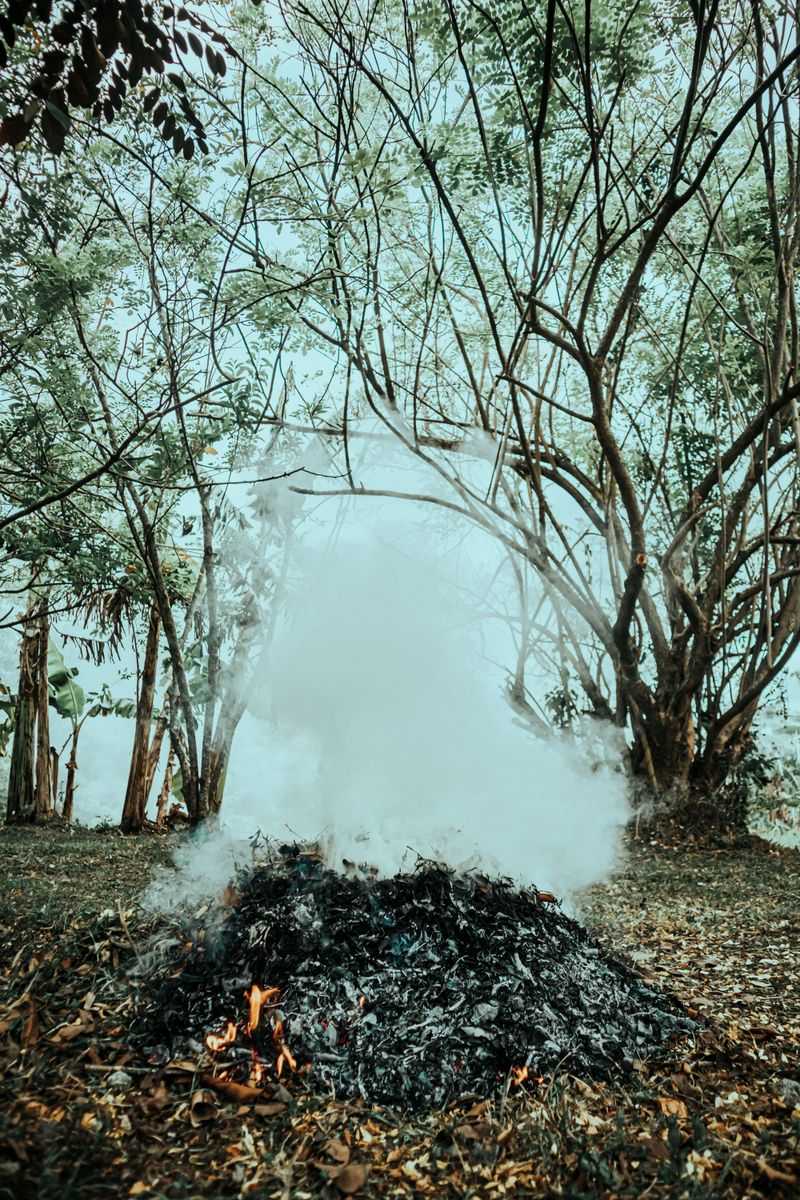
Smoke doesn’t respect fence lines. Even when your town allows leaf burning and you hold a permit, state rules still forbid creating a smoke or odor nuisance for others.
Leaves are tricky fuel. They tend to sit damp and packed, so they smolder instead of burning hot and clean. That slow smolder pumps out thick smoke loaded with fine particles and carbon monoxide.
Those tiny particles can travel deep into lungs. People with asthma, heart conditions, young kids, and older adults often feel the effects first. A neighbor with a breathing condition might be stuck indoors with the windows shut on a gorgeous fall afternoon.
If smoke rolls into someone’s home or across a road and blocks visibility, officials can order the fire put out. You can also be held responsible for any damage or complaints the smoke causes, even if everything else was done by the book.
Want to be the neighbor people appreciate? Burn only small amounts of dry leaves, keep the pile away from homes, and pay attention to which way the breeze blows. Better yet, give folks next door a heads-up first.
A friendly knock on the door goes a long way toward keeping peace on the block.
6. Breezy Days and Crispy Grass Can Turn a Leaf Fire Into a Wildfire
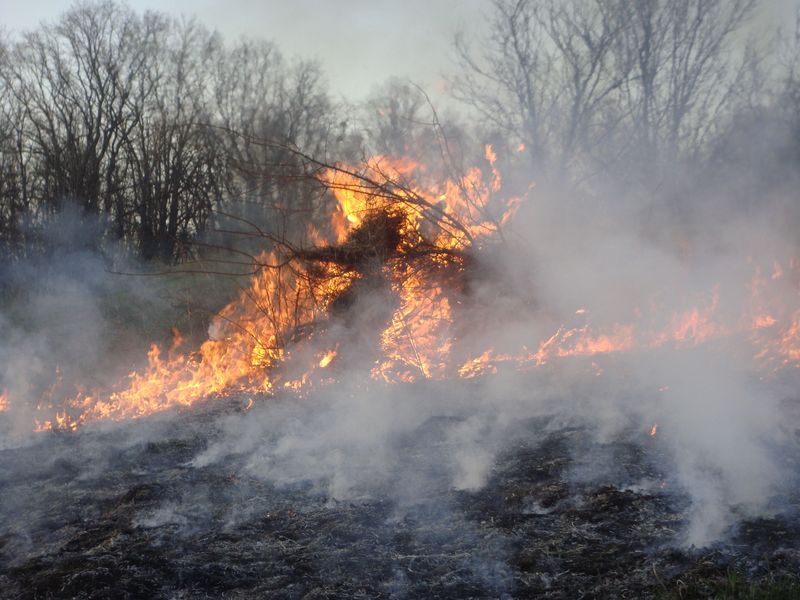
Here’s a fact that stopped me in my tracks. According to the Michigan DNR, debris burning is the leading cause of wildfires in the state. Fall and spring are the riskiest stretches.
Dry grass, crunchy fallen leaves, and gusty winds create a setup where one floating ember can travel across a field faster than you can grab the hose. Many escaped fires start with someone who stepped inside for just a minute.
Local fire officials can ban burning on dry or windy days, and some ordinances set specific wind limits. Check the DNR burn permit page or your fire department before lighting anything, even if you burned safely last weekend.
A few habits make a real difference: Keep piles small and at least several feet from buildings, fences, and overhanging branches. Clear a strip of bare soil around the pile. Have a charged garden hose, a shovel, and a rake within arm’s reach.
Stay with the fire from start to finish. When you’re done, drown the ashes, stir them, and drown them again until everything feels cool to the touch. If a fire does get away from you, call 911 right away. Quick reports give crews the best shot at stopping it early.
7. Shredded Leaves Make Free Mulch and Compost for Your Garden
Honestly, those leaves are too valuable to send up in smoke. Michigan State University Extension encourages homeowners to treat fall leaves as a garden resource instead of waste.
The simplest trick? Run your mower over them. A mulching mower chops leaves into tiny bits that drop between grass blades and break down over the winter, feeding the soil.
MSU research found that mowing a moderate layer of leaves into turf doesn’t harm the lawn.
Got more than your grass can handle? Shred the extras and spread a two to three inch layer over perennial beds and around shrubs. That blanket helps hold moisture, softens frost swings, and slowly adds organic matter as it decays.
Leaves also make fantastic compost. They count as brown material, so mix them with green items like grass clippings, coffee grounds, and vegetable scraps. Keep the pile damp like a wrung-out sponge and turn it now and then.
One of my favorite tricks is stashing a few bags of shredded leaves in the garage. Come summer, they balance out all those fresh grass clippings in the compost bin. Gardeners sometimes call fully broken-down leaves leaf mold, and earthworms adore the stuff.
8. A Quick Call to Your Township Office Beats a Burn Ticket
Five minutes of homework can save you a fine and a lot of stress. Before you light anything this fall, run through a short checklist.
First, confirm which city, village, or township actually governs your property. Tax bills and the county parcel lookup site make this easy. Next, read the open burning section of that local ordinance or call the clerk or fire department and ask directly.
If burning is allowed, find out whether you need a permit and where to get it. Check the daily burn conditions that morning too. Rules can tighten quickly during a dry spell or a windy week.
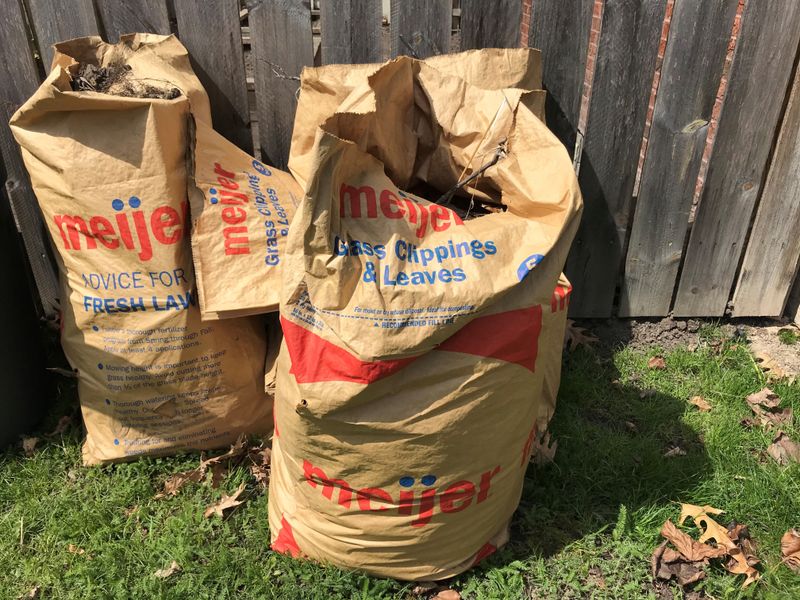
Not allowed where you live? You still have plenty of easy options. Many communities run curbside leaf pickup in fall, often using brown paper yard waste bags or specific collection weeks.
Some offer drop-off sites where leaves turn into community compost you can sometimes take home for free. Here’s the takeaway I keep coming back to.
The rules in Michigan really do change from town to town, so your own local office is the best source of truth. Ask once, jot the answer on your calendar, and your autumn yard work gets a whole lot simpler every year after.