This Colorful Shrub Is A Better Burning Bush Alternative For Michigan Summer And Fall Color
Burning bush had one job in Michigan landscapes, and it put on a spectacular red show every October.
That reliable fall color kept it in local yards long after its environmental problems were well known. Now, gardeners who are finally removing it want to know what can match that brilliant seasonal color without the invasive spread and near-zero wildlife value.
One shrub answers that question more convincingly than anything else currently available for Michigan landscapes.
It offers beautiful summer interest that burning bush never could, matches the intense fall color that made burning bush so hard to replace, and attracts birds and pollinators.
This turns a single plant into one of the most productive spots in your yard for multiple seasons.
1. Black Chokeberry Is The Better Burning Bush Alternative
Burning bush has been a staple in Michigan landscaping for decades, but its reputation has taken a real hit. Michigan classifies burning bush as a potentially invasive plant, meaning its seeds spread easily into natural areas and crowd out native plants.
Many garden centers have started pulling it from shelves, and several states have already banned it outright. Gardeners who want bold seasonal color now need a smarter option.
Black chokeberry steps right into that role without any of the invasive baggage. It is a true Michigan native, meaning it evolved here and belongs in the local ecosystem.
Native shrubs support local insects, birds, and soil health in ways that non-native plants simply cannot match.
Choosing black chokeberry over burning bush is not just a practical gardening decision, it is genuinely better for the environment around your yard.
Both shrubs offer strong fall color, but black chokeberry brings far more to the table across the full growing season. Spring flowers, glossy summer leaves, late-season fruit, and crimson fall foliage all happen on one plant.
Burning bush really only shines for a few weeks in autumn, making it a one-trick performer by comparison.
Black chokeberry earns its space in the garden every single month from spring through late fall, giving you far more visual value for the same amount of planting space and effort.
2. The Summer Foliage Looks Clean, Glossy, And Full
Most shrubs get their big moment in spring or fall, then fade into the background for the rest of the season. Black chokeberry refuses to do that.
Its leaves are a rich, deep green with a noticeable glossy sheen that catches light beautifully through the entire summer. Planted in a garden bed or along a border, it looks polished and intentional, not like an afterthought.
That glossy texture is one of the reasons black chokeberry stands out next to other native shrubs. Many natives have a more matte or rough leaf surface, which can look a little dull by midsummer.
Black chokeberry keeps that clean, refined appearance week after week, even during hot and humid Michigan summers. It holds its foliage well and does not tend to look ragged or stressed the way some shrubs do by August.
Your Michigan Garden Changes Every Week. Your Plan Should Too.
Gardening in Michigan changes quickly throughout the season. Every Friday you’ll receive a simple weekly plan showing exactly what to plant, prune, fertilize, harvest, and protect so you never miss the right timing.
For gardeners who want a landscape that looks attractive in July and August, not just October, this matters enormously. Burning bush, by contrast, has a fine-textured leaf that can look thin and somewhat unremarkable through summer.
Black chokeberry fills its space with lush, full growth that gives garden beds real visual weight during the longest stretch of the growing season.
Pairing it with native perennials like coneflower or black-eyed Susan creates a layered, cohesive summer garden that looks purposeful and lively.
The summer presence of this shrub alone makes it worth considering, even before you factor in what happens when fall arrives and the real show begins.
3. The Black Fruit Adds Late Summer And Fall Interest
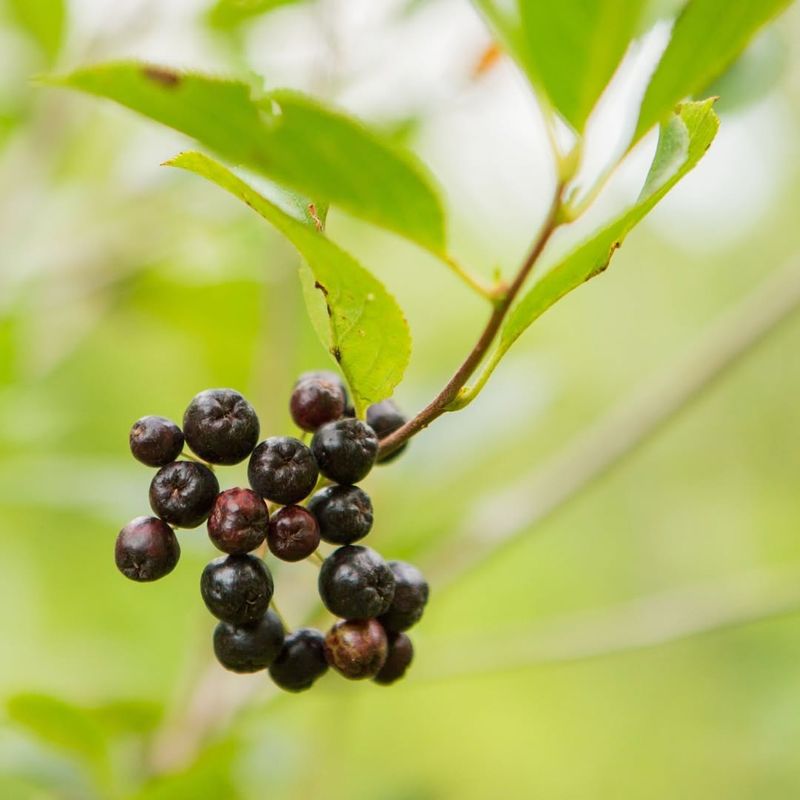
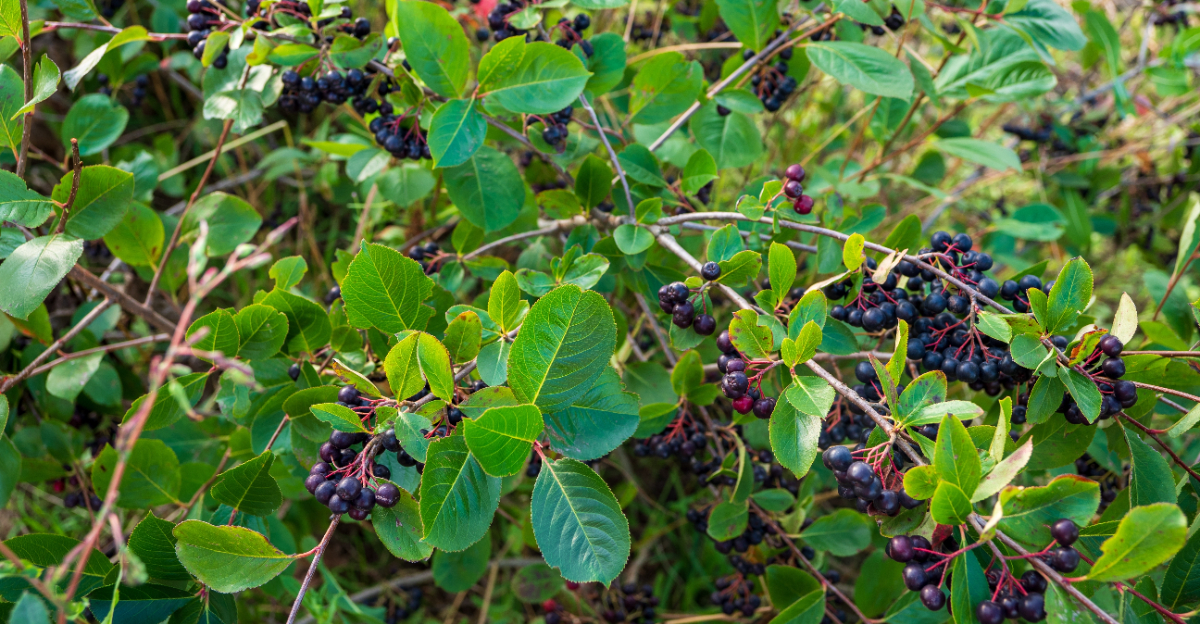
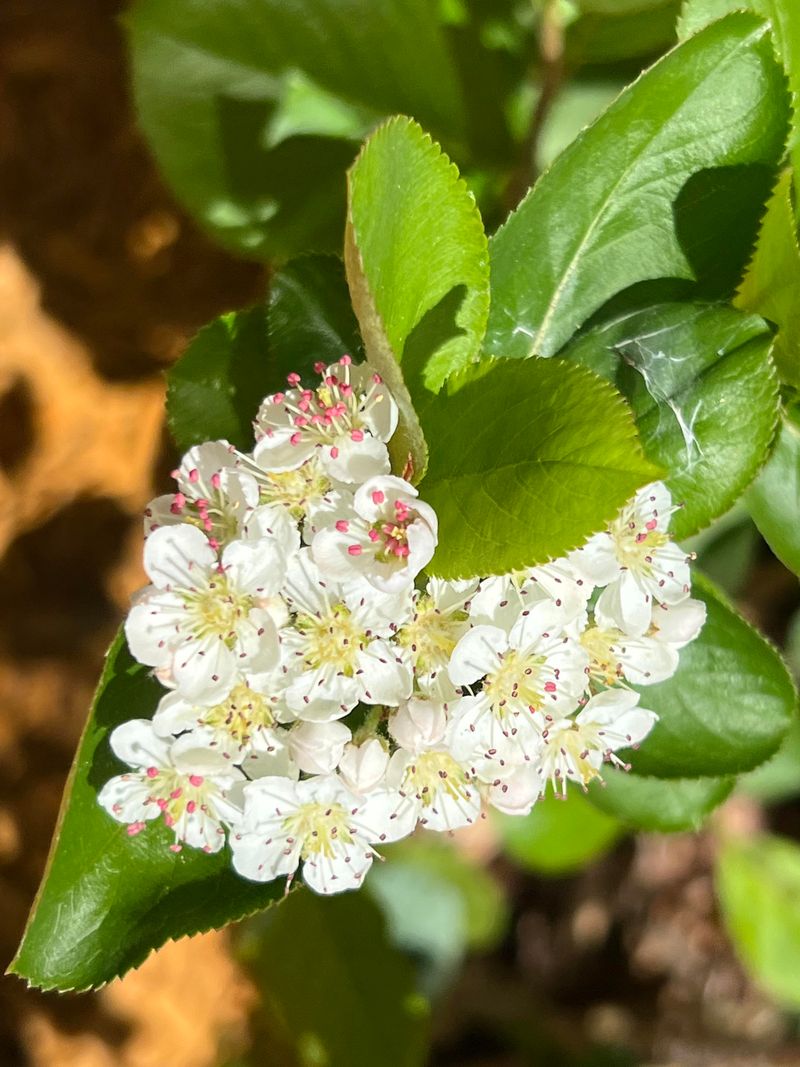
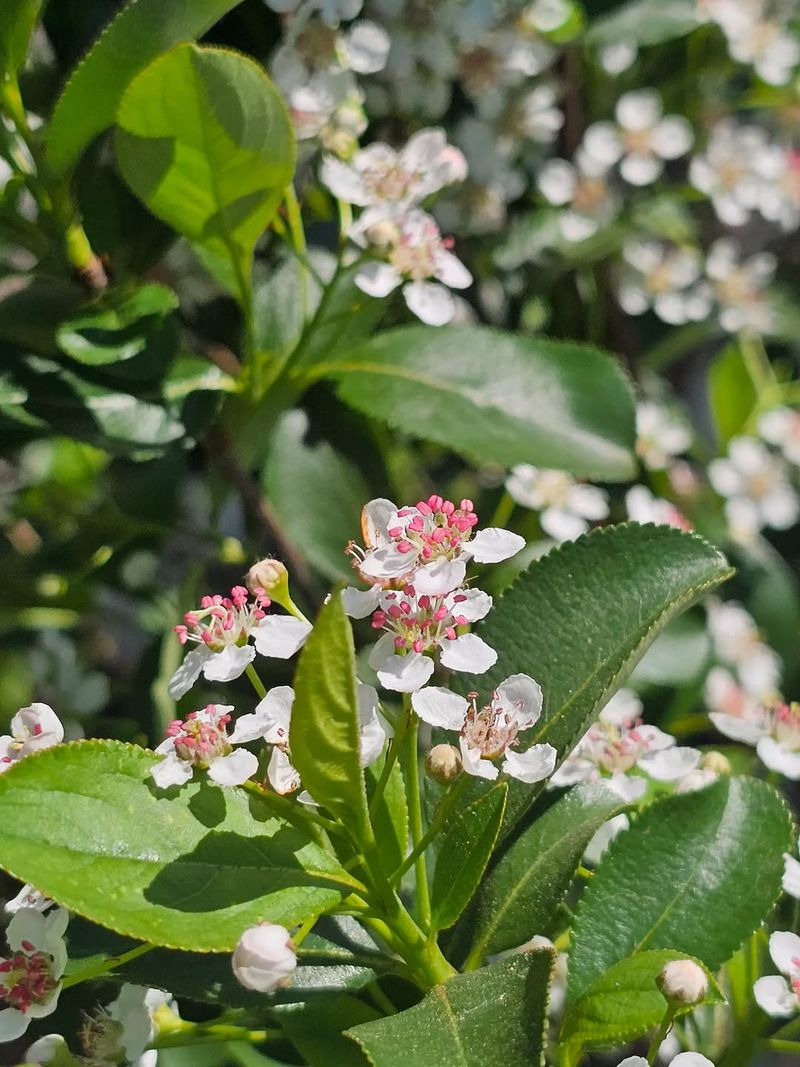
After the white spring flowers fade, something interesting starts to happen on black chokeberry. Small, round berries form in clusters and gradually darken through summer, turning a deep, glossy black by late August.
This fruit stage adds a completely different layer of texture and color to the shrub, keeping it visually interesting long after most spring-flowering plants have gone quiet.
Those black berries are not just decorative. Birds absolutely love them.
Robins, cedar waxwings, and other Michigan songbirds will visit regularly once the fruit ripens, turning your yard into a small wildlife hub without any extra effort on your part.
Gardeners who enjoy watching birds will appreciate how reliably this shrub attracts feathered visitors during migration season, which can be a genuinely exciting thing to witness from a kitchen window.
The fruit also hangs on the plant well into fall, overlapping with the shrub’s own spectacular foliage color change. That combination of dark fruit clusters and crimson leaves creates a layered visual effect that very few ornamental shrubs can replicate naturally.
It feels almost like the shrub was designed to look its best exactly when the rest of the garden is winding down.
For gardeners who want late-season interest without planting a bunch of different species, black chokeberry delivers multiple textures and colors on a single plant.
That kind of efficiency is rare, and it is one of the big reasons this shrub deserves far more attention than it currently gets in residential landscapes.
4. The Fall Color Can Turn Crimson Red
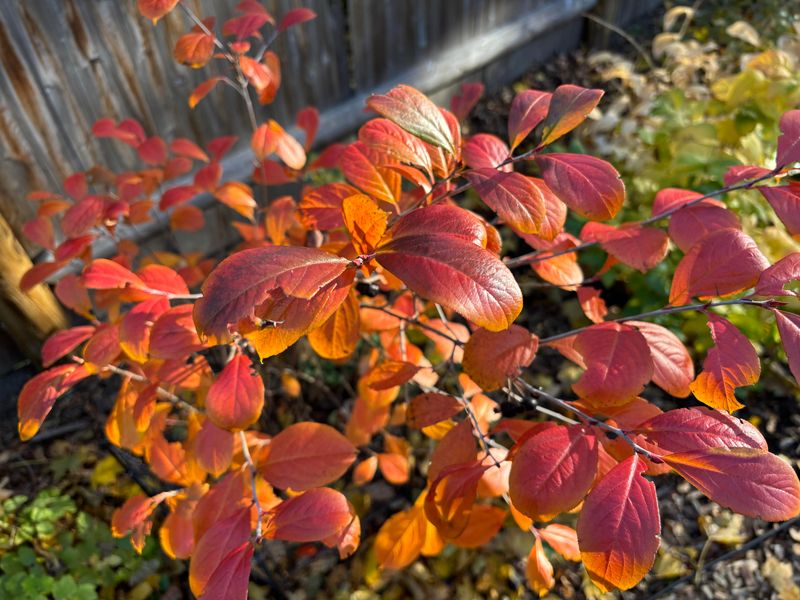
Ask most Michigan gardeners why they planted burning bush, and the answer is almost always the same: that blazing red fall color. It is genuinely striking.
But here is something worth knowing, black chokeberry can match that intensity almost shade for shade.
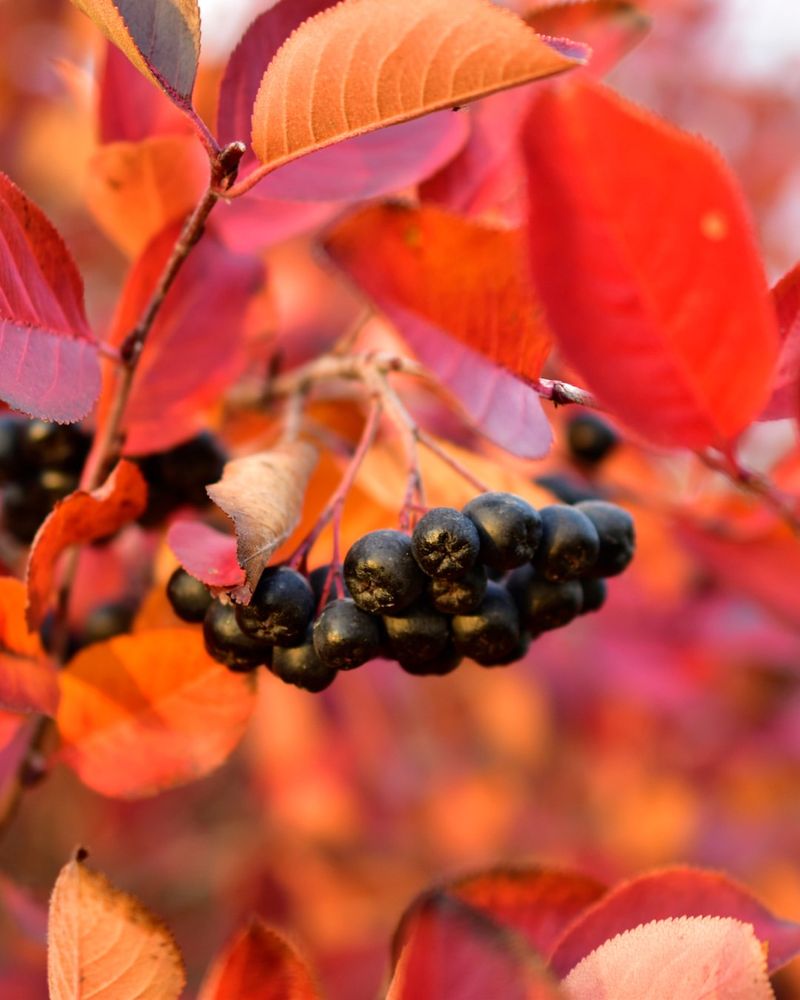
When fall temperatures arrive and the days shorten, black chokeberry leaves shift from glossy green into deep, saturated shades of red and crimson that stop people in their tracks.
The color change can be dramatic, especially on plants growing in full sun. Some years the foliage leans more toward orange-red, and other years it goes deep burgundy-crimson depending on temperature swings and sun exposure.
Either way, the display is bold and genuinely beautiful. Gardeners who have grown both shrubs side by side often say they cannot tell the fall color apart at a quick glance, which is remarkable for a plant that also checks all the native-friendly boxes.
What makes black chokeberry’s fall color even more satisfying is the context around it.
Those dark berry clusters are still hanging on the branches while the leaves are turning, so you get this gorgeous combination of red foliage and deep black fruit at the same time.
It creates a richer, more layered look than burning bush ever could on its own. For anyone who has been hesitant to swap out burning bush because they feared losing that iconic fall color, black chokeberry is the answer.
You get the crimson autumn drama you love, wrapped in a plant that actually belongs in Michigan’s natural landscape.
5. It Fits Moist Sites Better Than Burning Bush
One of the most practical advantages of black chokeberry is where it thrives. This shrub is naturally adapted to moist, even wet soils, which is a condition that burns bush handles poorly.
Michigan landscapes are full of spots that stay soggy after rain, collect runoff near downspouts, or sit in low areas where water lingers. Those spots are often the hardest to plant, and black chokeberry fills them beautifully.
Rain gardens have become increasingly popular in Michigan as homeowners look for ways to manage stormwater naturally.
Black chokeberry is one of the top recommended shrubs for rain garden installations because it handles both temporary flooding and short dry periods without much complaint.
It does not need perfectly drained soil the way many ornamental shrubs do, which makes it far more versatile for the average yard where conditions are not always ideal.
Shoreline plantings along ponds, streams, and lakefronts are another excellent fit. The shrub helps stabilize banks with its root system while providing seasonal color and wildlife habitat right at the water’s edge.
Woodland edges, low borders, and areas beneath downspouts are all fair game. Once established, black chokeberry is surprisingly adaptable and can handle average garden soil too, so it is not strictly limited to wet spots.
But if you have a soggy corner of your yard that has stumped you for years, this shrub is one of the most reliable solutions available. It turns a problem area into a productive, attractive, wildlife-friendly planting with minimal fuss.
6. It Works Best In Sun To Partial Shade
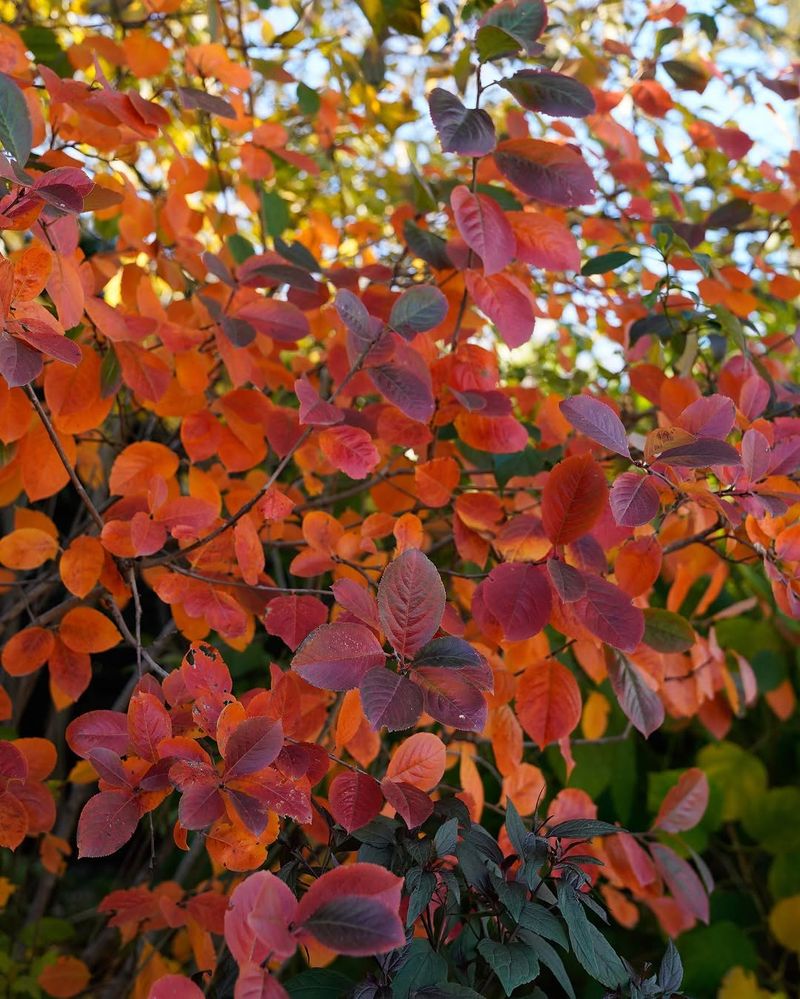
Sunlight plays a bigger role in black chokeberry’s performance than many gardeners realize. Full sun, meaning at least six hours of direct sunlight per day, produces the strongest results across every season.
Spring flowers come in more abundantly, fruit sets more reliably, and fall color tends to be more vivid and saturated. If you have a sunny spot that needs a native shrub, black chokeberry will absolutely shine there.
Partial shade is still workable, and that flexibility is genuinely useful in Michigan yards where mature trees create shifting light conditions. A spot that gets four to five hours of sun can still support healthy growth and decent seasonal color.
The display will be a bit softer, with fewer flowers and perhaps less intense fall color, but the plant will stay attractive and provide real garden value.
It will not struggle or look sad the way sun-loving shrubs sometimes do when pushed into too much shade.
Deep shade is where the plant starts to lose its appeal. In heavy shade, flowering drops off significantly, fruiting becomes sparse, and fall color fades to a less exciting yellow-green.
For those spots, other native shrubs like spicebush or native viburnums might be a better fit. But for the majority of Michigan gardens, which tend to have a mix of sun and dappled shade throughout the day, black chokeberry adapts comfortably.
Knowing your light conditions before planting will help you get the most out of this shrub and avoid disappointment. A little planning goes a long way with any plant.
7. It Can Form A Natural-Looking Shrub Mass
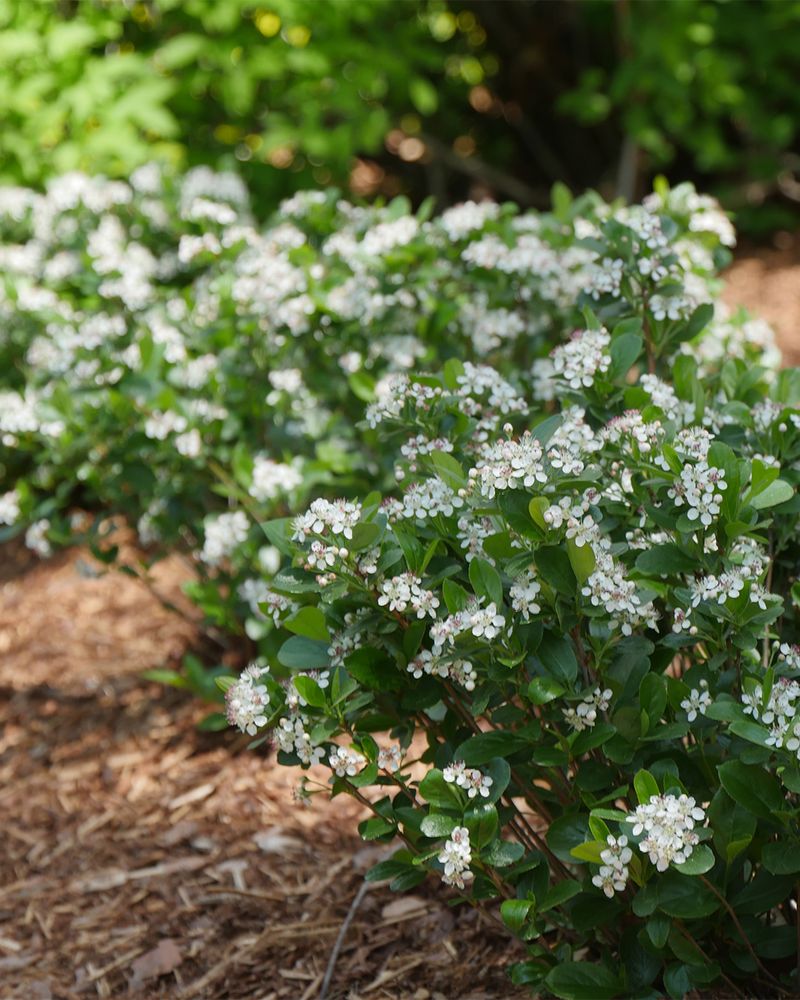
Black chokeberry has a growth habit that sets it apart from tightly manicured ornamental shrubs. Over time, it slowly spreads by underground suckers, sending up new stems around the base of the original plant.
This means a single shrub can gradually fill out into a fuller, more natural-looking mass without any extra planting. For gardeners who want a relaxed, layered border rather than a clipped hedge, this quality is genuinely valuable.
That suckering habit makes black chokeberry especially well-suited for informal screens, wildlife edges, and naturalized areas where a loose, organic look fits the design.
Rain garden plantings often use it in groups of three or more to create a cohesive sweep of texture and seasonal color.
The result looks intentional and naturalistic at the same time, which is a combination that takes real skill to achieve with more rigid, formal shrubs.
If you prefer a tighter, more contained look, light pruning after flowering can keep the spread manageable without harming the plant. Black chokeberry responds well to pruning and bounces back quickly.
Just avoid heavy shearing, which removes the flower buds and eliminates the fruit display you worked hard to encourage. A few selective cuts each year is all it takes to keep the shape tidy while preserving the plant’s best seasonal features.
Whether you let it roam freely in a naturalized corner or keep it neatly shaped along a garden path, black chokeberry brings a relaxed charm and wildlife-friendly energy that formal ornamental shrubs rarely deliver with such consistency and ease.
8. It Gives Michigan Gardens More Than One Season Of Color
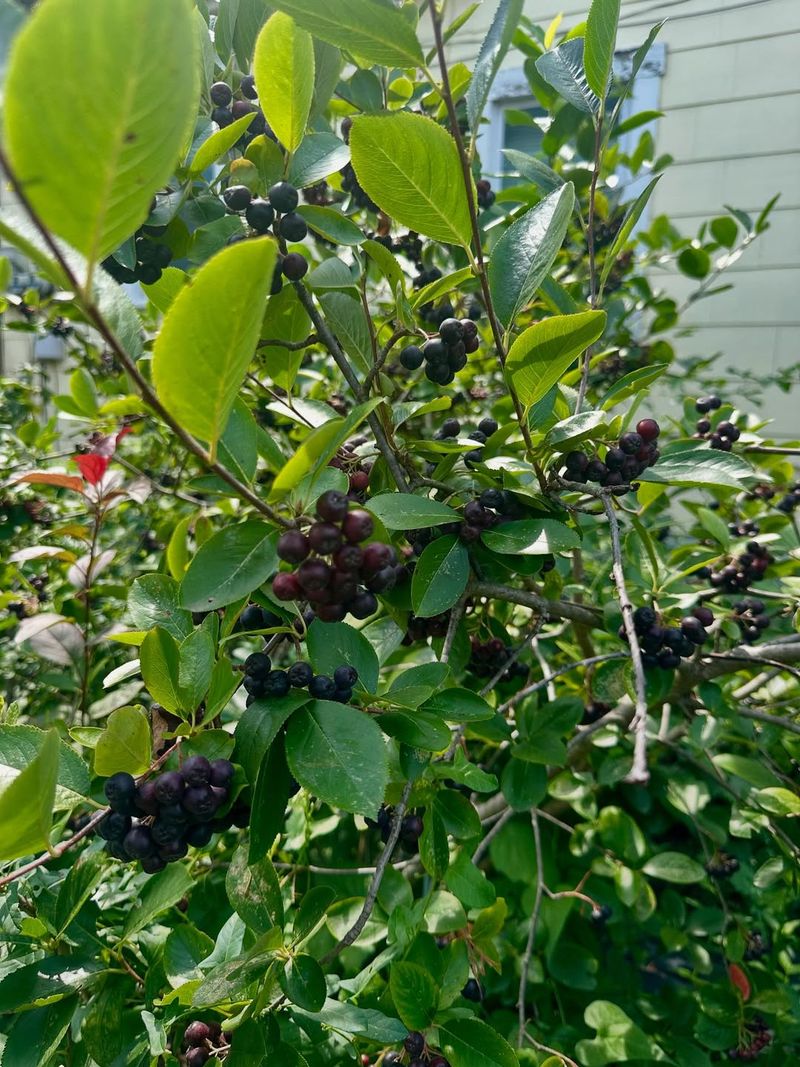
Most ornamental shrubs earn their place in the garden during one season, then coast through the rest of the year looking ordinary. Black chokeberry breaks that pattern completely.
From spring’s white flower clusters to summer’s glossy green leaves, this shrub always delivers. In late August, it grows ripening black fruit before turning a blazing crimson in the fall, giving you something worth noticing month after month.
That four-season value is rare in a single plant, especially one that is also native, wildlife-friendly, and adaptable to challenging Michigan soil conditions. Burning bush simply cannot compete on those terms.
It flares up in October and then goes dormant as bare sticks for the next six months.
Black chokeberry earns its spot in the landscape every season it is in leaf, making it one of the most efficient choices a Michigan gardener can make when planning a colorful yard.
Beyond the visual rewards, there is a deeper satisfaction in planting something that genuinely belongs here.
Black chokeberry supports native bees during spring bloom, feeds migrating birds in fall, and connects your yard to the broader Michigan ecosystem in a way that no imported ornamental ever could.
Gardeners who have made the switch from burning bush consistently say they do not miss it once they see what black chokeberry brings to the table across a full growing season.
If you want bold color, wildlife value, low maintenance, and a plant that fits naturally into Michigan’s landscape, black chokeberry checks every single one of those boxes with confidence and beauty to spare.