Save Your Pawpaw Seeds – How Ohio Gardeners Grow Their Own Trees
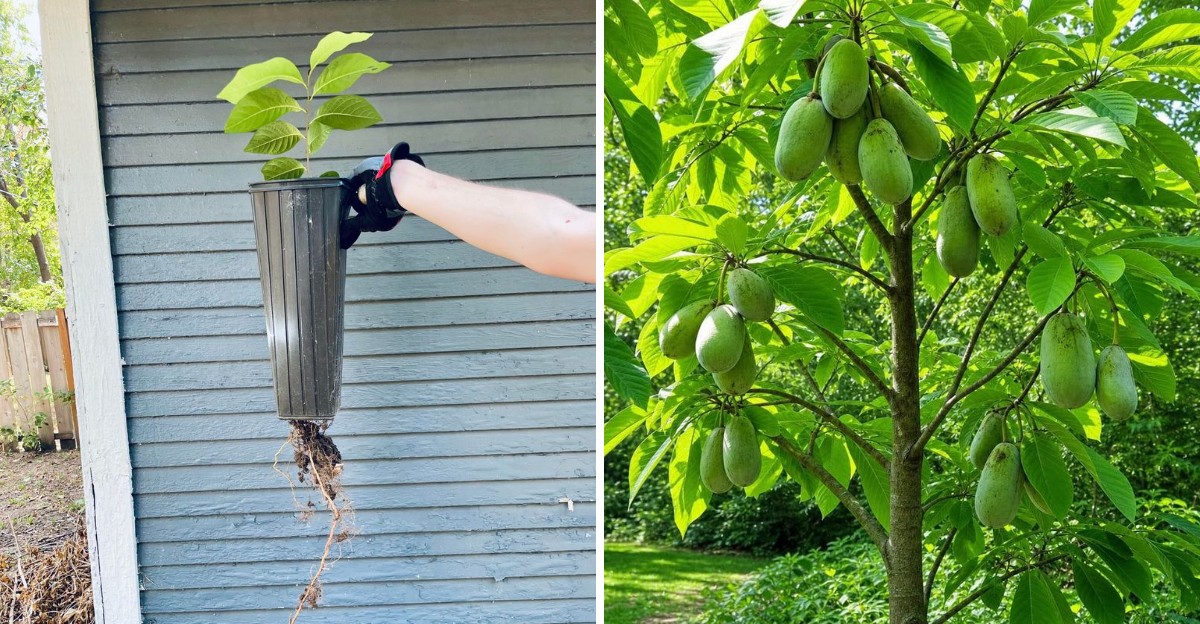
North America’s largest native fruit hides seeds that lose their spark once they dry out. A few days on a sunny windowsill can quietly ruin them.
I find that wild, because the fruit itself tastes like a tropical vacation.
These trees grow in Ohio woods, along creeks, and in shady river bottoms. The fruit tastes like banana, mango, and custard all blended together.
Each one holds a row of shiny brown seeds about the size of lima beans.
I’ll take the blame for tossing those seeds in the compost for years without a second thought. Then I learned that a plastic bag, some damp moss, and a refrigerator can turn them into baby trees.
You need almost no special gear, just patience and a little planning.
Hear me out, because those slippery seeds are worth far more in your fridge than in your compost bin. You’re in for a slow, sweet surprise that could feed you for decades.
Those Shiny Brown Pawpaw Seeds Hold A Fragile Secret
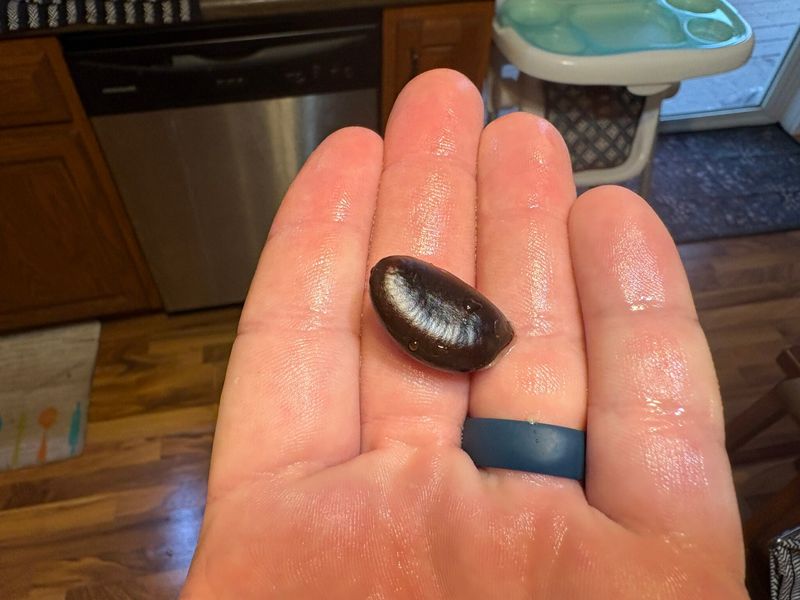
Scoop open a ripe pawpaw and you’ll find two rows of glossy, bean-shaped seeds tucked in the yellow pulp. They look tough, like little river stones.
Looks fool plenty of gardeners, though, because these seeds are surprisingly delicate.
Pawpaw seeds are what scientists call recalcitrant. That means they can’t survive drying out the way corn or bean seeds can.
Once moisture leaves the seed, the tiny embryo inside often stops being viable.
Research from Kentucky State University, home of the main pawpaw research program, shows that dried seeds lose much of their ability to sprout. Even a few days on the counter can hurt your odds.
Freezing harms them too.
I learned this the hard way after leaving a handful on a paper towel for a week. Not a single one came up the next spring.
Lesson learned.
So the first step is simple. Treat every seed like a fresh vegetable, not a packet of dry seeds.
Keep it moist, keep it cool, and keep it away from heat.
Once you understand this one quirk, the rest of the process makes a lot more sense. Every step that follows is about protecting that moisture.
Bag Your Pawpaw Seeds In Damp Moss Right Away
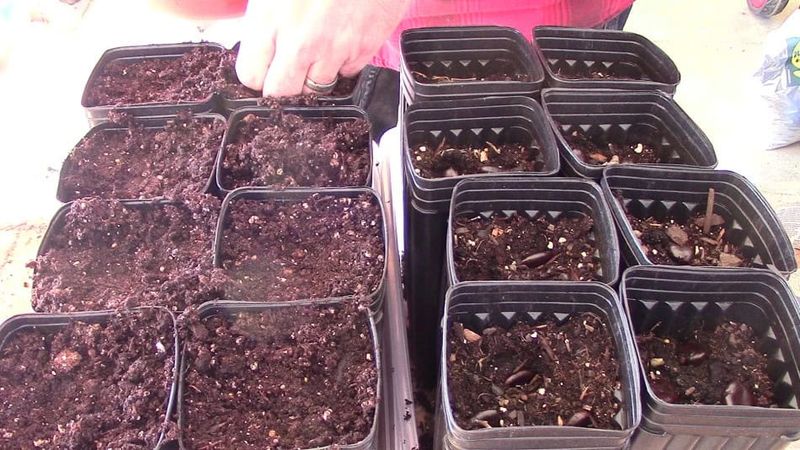
Speed matters most right after you eat the fruit. Rinse the seeds under cool water and rub off any clinging pulp with your fingers.
Leftover pulp can invite mold.
Next, grab a zip-top bag and a handful of sphagnum moss or peat moss. Wet the moss, then squeeze it until it feels like a wrung-out sponge.
Damp is perfect, but dripping wet can cause rot.
Tuck the seeds into the moss and seal the bag. Write the date and the fruit source on the outside with a marker.
Trust me, you’ll forget otherwise.
Some growers give seeds a quick dip in a mild bleach solution, about one part bleach to nine parts water, before bagging. Rinse them well afterward.
It’s optional, but it can help keep fungus away.
Check the bag every few weeks. If you spot fuzzy mold, rinse the seeds and swap in fresh moss.
Ohio pawpaws usually ripen from late August through early October. That timing works beautifully, since your seeds will get bagged right before the cold season begins.
Fall fruit today means spring seedlings later.
Your Refrigerator Becomes A Winter Bedroom For Pawpaw Seeds
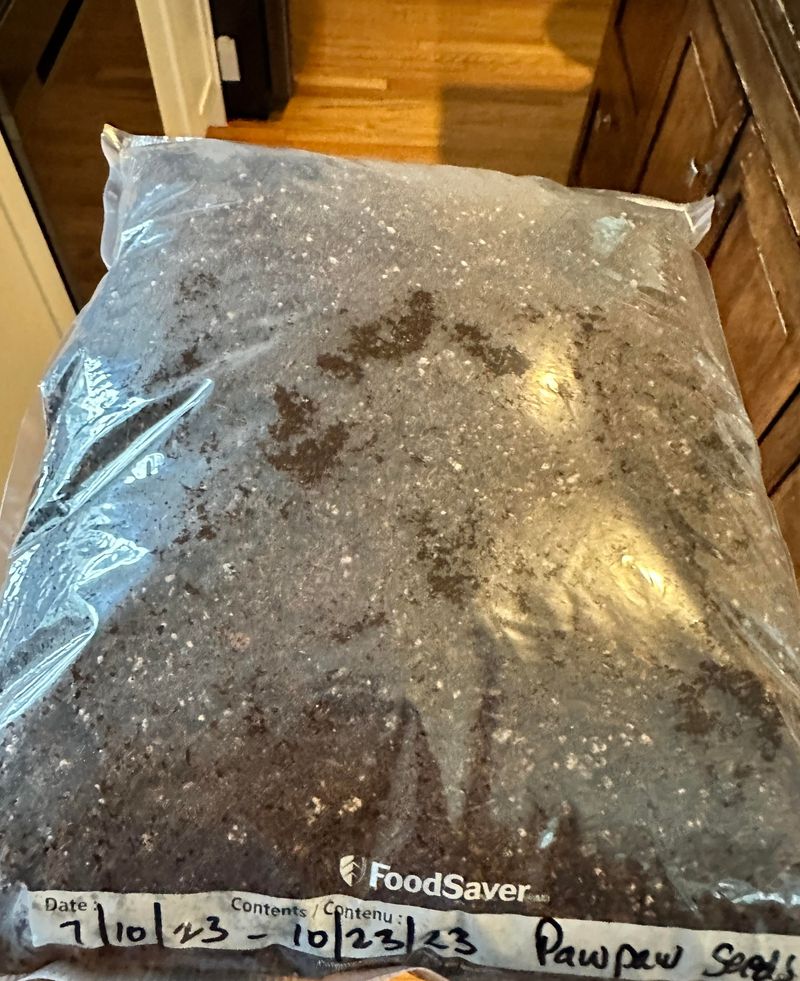
Out in the woods, fallen pawpaw seeds spend the winter buried in cold, wet leaves. That chilly rest wakes them up in spring.
Gardeners copy this with a process called cold stratification.
Your fridge does the job nicely. Aim for a steady temperature around 32 to 40 degrees Fahrenheit.
Most kitchen refrigerators already sit in that range.
Leave the seeds there for about 70 to 100 days. Many growers stretch it to 120 days for better results.
I mark the end date on my calendar so I don’t have to guess.
Keep the bag away from the back wall, where some fridges get cold enough to freeze. Frozen seeds often fail to sprout.
A middle shelf or crisper drawer is a safer choice.
Some folks skip the fridge and plant seeds outdoors in fall instead. That can work, but squirrels and mice love digging them up.
Fridge storage gives you more control.
Fun fact for curious minds: the seed embryo is actually still developing during this cold period. So the chill isn’t just a pause button.
It’s real growing time hidden inside that brown shell.
Deep Tree Pots Keep That Pawpaw Taproot Happy
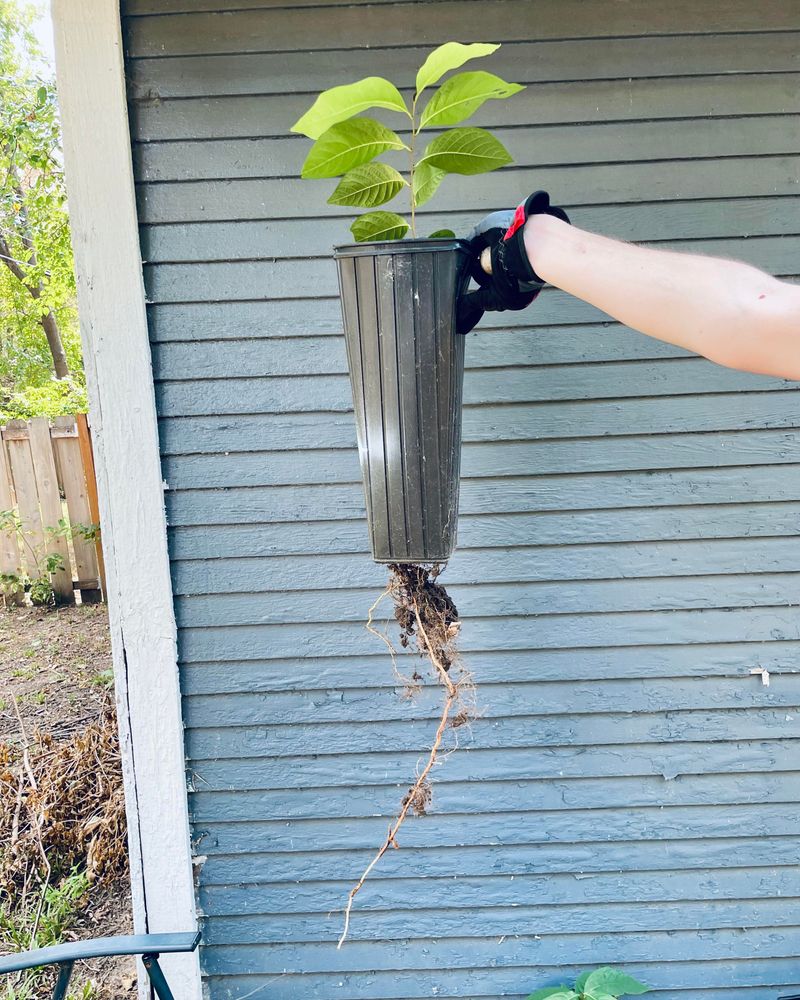
Pawpaw seedlings have a funny habit. They grow downward first, sending a long taproot deep into the soil before any leaf shows up.
A shallow pot simply cramps their style.
Pick tall containers at least 10 to 18 inches deep. Tree pots, root trainers, or even cut milk cartons work well.
Narrow and deep beats wide and shallow every time.
Fill them with a loose, well-draining potting mix that has some compost or organic matter. Avoid heavy garden soil in pots, because it packs down and holds too much water.
Make sure every container has drainage holes.
Plant each seed about one inch deep, lying on its side. One seed per pot keeps roots from tangling.
Water gently until the mix feels evenly moist.
Here’s why depth matters so much. Pawpaws dislike having that taproot disturbed later, and transplant shock is common.
Giving the root room now makes moving day much easier.
I like setting my pots inside a sturdy crate. It keeps them upright and makes carrying them outside a breeze.
A little organization saves a lot of tipped-over soil.
Spring Warmth Tells Pawpaw Seeds It’s Time To Wake
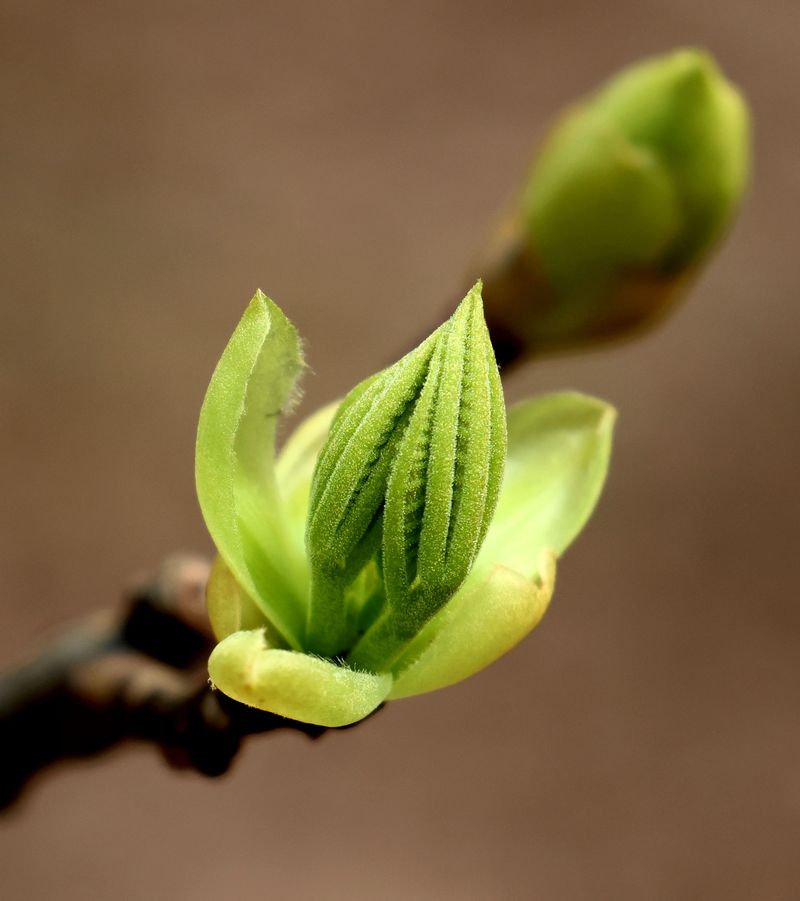
Spring fever hits gardeners and pawpaw seeds at about the same time. After their cold rest, the seeds want warmth to get moving.
Soil temperature makes a huge difference.
Many growers start pots indoors in late winter or early spring. A warm spot around 75 to 85 degrees Fahrenheit encourages faster sprouting.
A seedling heat mat under the pots works wonders.
If you’d rather plant outside, wait until the soil has truly warmed. In Ohio, that’s usually mid to late spring, after the last frost has passed.
Northern counties near Lake Erie often warm up later than southern areas along the Ohio River.
Cold soil won’t harm stratified seeds right away, but it slows everything down. Seeds sitting in chilly, wet ground also face more risk of rot.
Warm soil gives them the best start.
Personally, I start mine indoors in March. That head start means sturdier seedlings by summer.
Keep the soil evenly moist, not soggy, during this stage. A quick finger test works fine.
If the top inch feels dry, it’s time for a drink.
Bare Pots Can Hide Busy Pawpaw Roots For Weeks
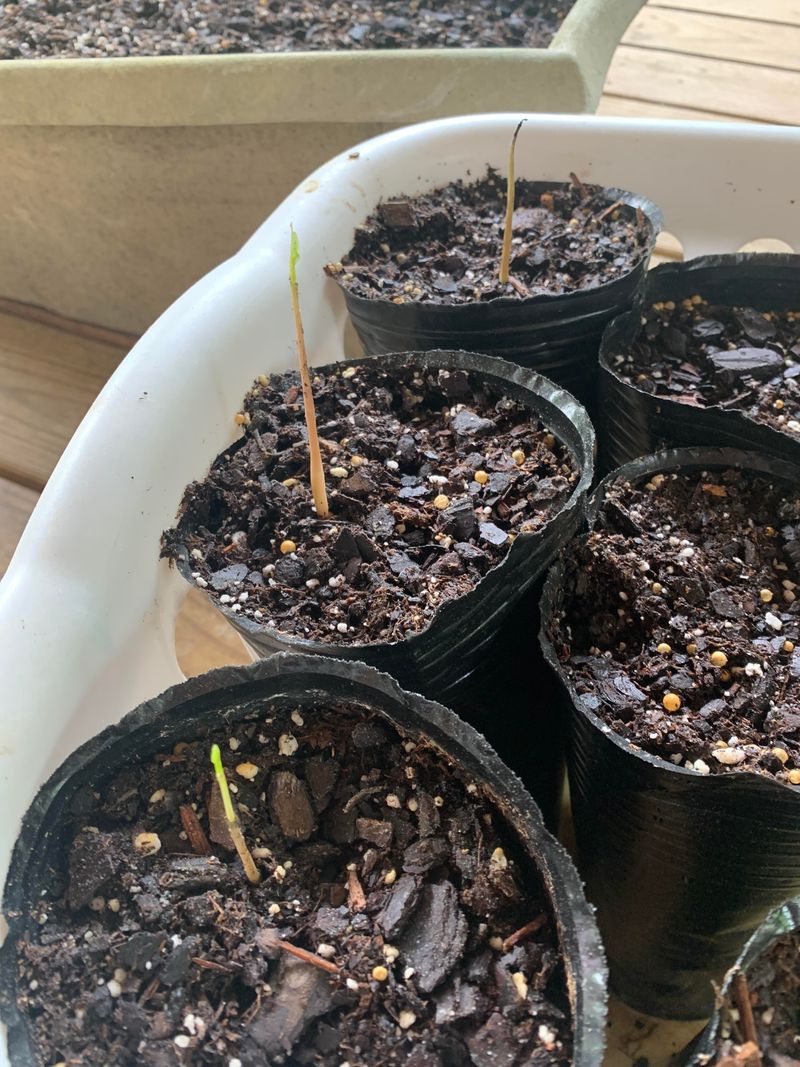
Staring at a pot of plain dirt for two months takes real willpower. That’s what pawpaw growing often looks like.
Below the surface, though, plenty is happening.
The seed spends weeks building its taproot before sending up a shoot. Sprouts may appear anywhere from a few weeks to two months or more after planting.
Some stubborn seeds take even longer.
Resist the urge to dig and check. I know, it’s tempting.
Poking around can snap that fragile root and set the seedling back badly.
Instead, keep the soil moist and warm and let nature do its thing. A clear plastic cover can help hold humidity, as long as you open it for air now and then.
When the shoot finally appears, it often comes up bent like a little hook. Soon it straightens and unfolds glossy green leaves.
That moment feels like winning a small prize.
Don’t expect fast growth that first year. Many pawpaw seedlings only reach a few inches tall by fall.
They’re busy building roots, which pays off with stronger growth in later years.
Baby Pawpaw Leaves Prefer Dappled Shade Over Full Sun
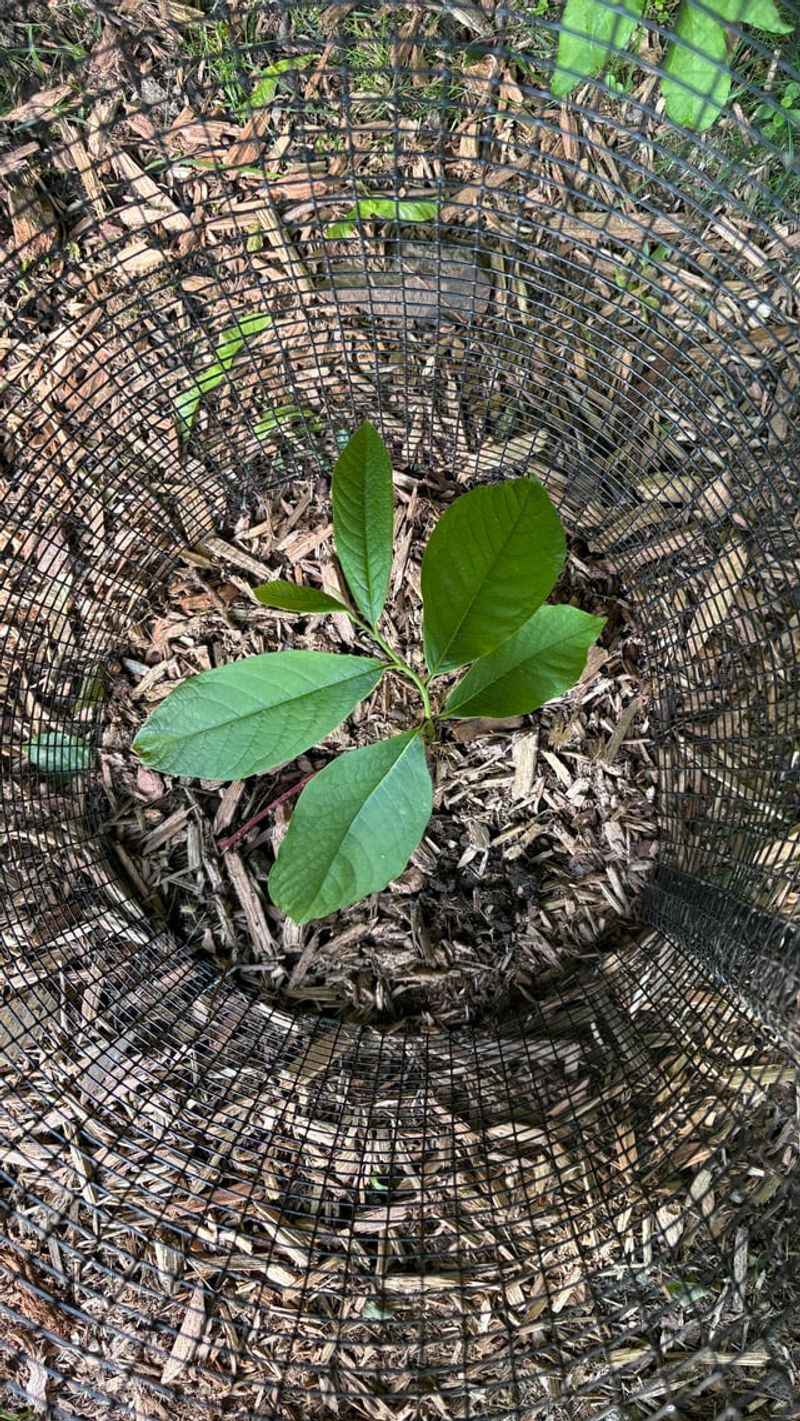
Out in nature, young pawpaws grow under taller trees in shady forest understories. Their big, tender leaves are built for that filtered light.
Strong sun can scorch them quickly.
For the first year or two, give seedlings partial shade. A spot under a tree canopy, a shade cloth, or a tree tube can protect them.
Morning sun with afternoon shade works nicely too.
Things change as the tree grows. Mature pawpaws actually produce more fruit in full sun.
So the plan is shade early, sunlight later.
When you move potted seedlings outside, harden them off first. Set them out for a few hours a day, adding time over a week or two.
Sudden exposure can stress them.
Choose a final planting spot with moist, well-drained, slightly acidic soil. Pawpaws handle Ohio’s USDA zones 5 and 6 with ease.
They do struggle in heavy, waterlogged clay.
Plant in spring rather than fall, since young trees establish better with a full season ahead. Dig carefully to protect that taproot.
Water well during dry summer spells, especially the first couple of years.
Two Different Pawpaw Trees Mean A Real Fruit Harvest
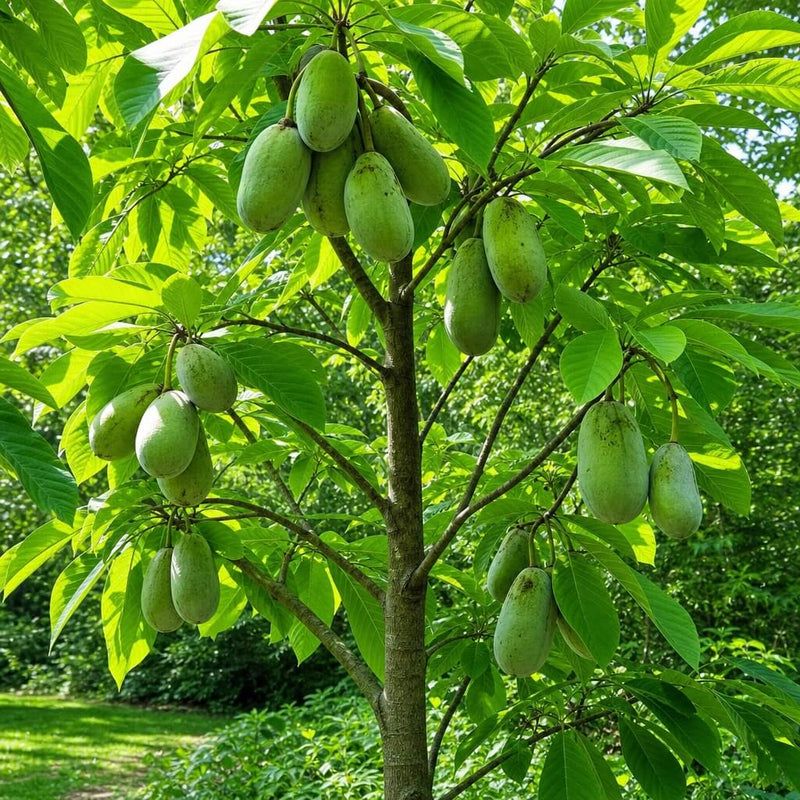
Single pawpaw trees can bloom like crazy and still produce zero fruit. Most pawpaws need a genetically different partner for pollination.
One lonely tree usually just won’t cut it.
Root suckers or clones from the same parent count as the same tree. Seeds, though, are genetically unique.
Planting several seedlings is an easy way to get the variety you need.
Space trees about 8 to 15 feet apart so pollinators can travel between them. The maroon flowers have a faint yeasty scent that attracts flies and beetles, not bees.
Some growers even hand-pollinate with a small paintbrush.
Patience is part of the deal. Seed-grown pawpaws usually take about five to eight years to fruit.
Fruit quality can vary too, since seedlings don’t copy their parents exactly.
Bonus perk while you wait: pawpaw leaves feed the caterpillars of the zebra swallowtail butterfly. You’re growing habitat right in your yard.
Ohio even named the pawpaw its official native fruit in 2009. Every September, the Ohio Pawpaw Festival near Albany celebrates it.
Save a few seeds this fall, and someday you might bring your own harvest to share.