What to Do With Your North Carolina Mums Once the Flowers Fade

Those big round porch flowers sold every September were bred to bloom on cue, often forced into bud by growers who control how many hours of darkness they get each night.
That clever trick means many of them are tougher than their price tag suggests. Plenty are true perennials that can return year after year in North Carolina gardens.
I tend to think most of us toss them too soon. The blooms turn brown, the pot looks tired, and out it goes with the pumpkins.
The real question is whether your plant still has a second act hiding in its roots. A few simple choices this fall and winter can decide that.
1. That Faded Chrysanthemum Might Be Tougher Than It Looks
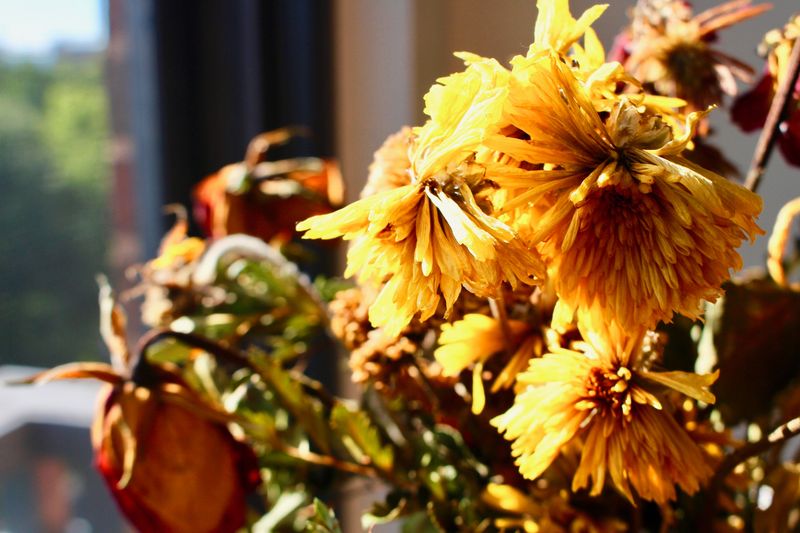
Two plants can look nearly identical on a store shelf yet have very different futures. Garden mums, sometimes called hardy mums, are bred to handle winter outdoors. Florist mums are mostly grown in greenhouses for gifts and indoor color.
Telling them apart takes a little detective work. Garden mums usually have a bushy, mounded shape and plenty of small to medium blooms.
Florist mums often have larger, fancier flowers and come wrapped in foil or sold near the cut flower section.
Check the plant tag if you still have it. Words like hardy, garden mum, or a hardiness zone listing are helpful signs. Most of North Carolina falls in USDA zones 6 through 8, and many garden mums are rated for zones 5 through 9.
Look at the base of the plant, too. Hardy types often push out small green shoots near the soil once the flowers fade. Those little rosettes are a strong hint that your plant wants to keep going.
Once you know what you have, the rest gets easier. A hardy mum deserves a real home in the ground, while a florist type can be enjoyed, then retired without guilt.
2. Get Those Potted Mums Into the Ground Before Winter Settles In

Planting is the single biggest step toward a mum that comes back. Roots tucked into garden soil stay much warmer and steadier than roots sitting in a plastic pot on cold concrete.
Aim to plant as early in fall as you can. Many experts suggest getting mums in the ground at least six weeks before a hard freeze. In the mountains that window closes sooner, while Piedmont and coastal gardeners often have until late October or even November.
Pick a spot with full sun, meaning at least six hours of direct light. Good drainage matters just as much. Mums sitting in soggy clay over winter often rot at the crown, and that is a common reason they fail to return.
Dig a hole a bit wider than the root ball. Gently loosen any circling roots with your fingers before setting the plant in at the same depth it grew in the pot. Water it well, then keep the soil lightly moist until cold weather arrives.
If your yard has heavy red clay, mix in compost or plant on a slightly raised mound. Your mum will thank you with stronger roots by spring.
3. A Thick Layer of Pine Straw Keeps Mum Roots Snug

Southern winters love to play games. One week brings a frosty morning, and the next feels almost like spring. Those swings can push shallow mum roots right out of the soil, a problem gardeners call frost heaving.
Mulch acts like a cozy quilt that evens out soil temperatures. After a hard frost browns the leaves, spread about 3 to 4 inches of pine straw, shredded leaves, or aged pine bark around the plant.
Pine straw is easy to find across the state and stays light and airy. Shredded leaves from your own yard work well too, and they cost nothing. Avoid matted whole leaves, since they can trap too much moisture against the crown.
Keep the mulch loose around the very center of the plant. A little breathing room helps prevent rot during long, wet stretches of winter rain.
Come early spring, pull some of the mulch back as new shoots appear. That lets the soil warm up and gives fresh growth plenty of light. It feels a bit like tucking a plant into bed, then waking it up gently when the days get longer.
4. Leave the Old Mum Stems Standing a Little Longer

Pruning shears tend to come out the moment flowers turn brown. With hardy mums, though, a little patience often pays off.
Research and advice from several extension services suggest that leaving old stems in place over winter may help mums survive better.
The dry stems catch leaves and mulch, adding extra insulation around the crown. They can also give shelter to helpful insects looking for a winter hideout.
Some gardeners prefer a tidier look, and that choice is fine too. If you cut back in fall, wait until after a hard frost and leave about 2 to 4 inches of stem above the soil.
Most folks who wait trim everything in late winter or early spring. Watch for fresh green shoots at the base, then snip the old brown stems down just above them. That timing makes it easy to see where new growth is starting.
One fun bonus of waiting is watching frost sparkle on those old seed heads on chilly mornings. Birds may poke around them, too. A slightly messy winter bed is often a busy, living one.
5. Potted Mums Need a Sheltered Spot to Ride Out the Cold
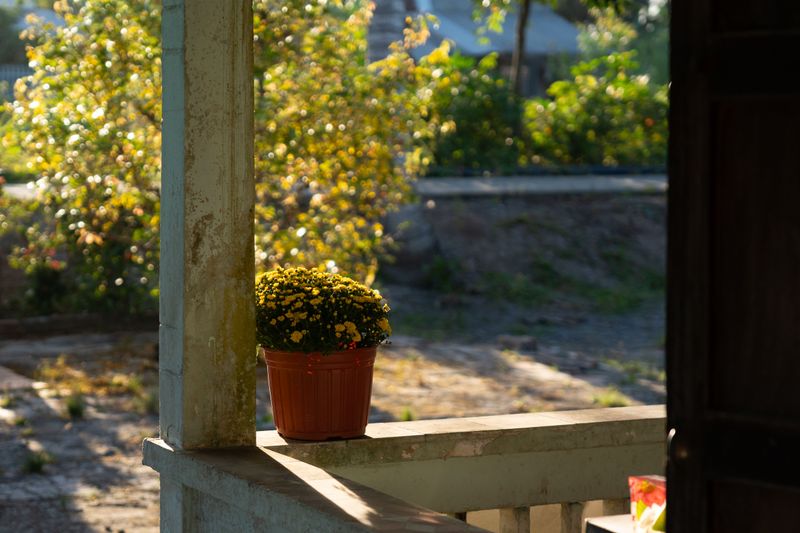
Not every mum ends up in the ground, and that is okay. Maybe you rent, have limited space, or just love the look of containers. Potted mums can still survive winter with some extra care.
Roots in containers are exposed on every side. Cold air can chill them far more than soil chills roots in a garden bed. That makes protection extra important.
After the blooms fade, cut stems back to a few inches above the soil. Move the pot to a cool, sheltered space such as an unheated garage, shed, or enclosed porch. You want temperatures that stay cold but mostly above freezing.
Water lightly about once a month, or whenever the soil feels dry an inch down. The goal is to keep roots from drying out without making them soggy. Dormant plants drink very little.
Another trick is to sink the pot into the ground or a mulch pile for the winter. In coastal areas with mild weather, grouping pots against a warm wall may be enough. When spring arrives, bring the pot back into sunlight and watch for green shoots.
6. Spring Pinching Turns Last Year’s Mum Into a Bloom-Covered Mound

Here comes the fun part, at least for me. A mum that made it through winter will send up fresh green shoots in spring, and you get to shape the show.
Pinching is the secret growers use to make those perfect round mounds. Once new shoots reach about 6 inches tall, pinch off the top inch or so with your fingers. Each pinch encourages the stem to branch, which means more buds later.
Repeat every few weeks until around early July in most of the state. Stopping then gives the plant time to set flower buds for fall. Pinching too late can delay or reduce blooms.
Feed lightly in spring and again in early summer with a balanced garden fertilizer. Keep the soil evenly moist during hot, dry spells, since mums have shallow roots.
Crowded clumps can be divided every two or three years in spring. Simply dig up the plant, separate healthy outer sections, and replant them. The tired woody center can go to the compost.
Do this right, and your porch mum may look even fuller than the day you bought it.
7. Spent Florist Mums Still Have a Job in the Compost Bin

Some mums are simply built for a short, glamorous career. Florist types, and many heavily forced porch mums, rarely survive winter outdoors. Letting them go is a perfectly reasonable choice.
Composting gives that plant a useful second life. Chop the stems and leaves into smaller pieces so they break down faster. Mix them with brown materials like fallen leaves and a little garden soil.
Skip composting any plant with obvious disease, such as fuzzy gray mold or spotted, rotting leaves. Bag those and put them out with yard waste instead, since a home pile may not get hot enough to handle the problem.
The potting soil from those containers can be reused too. Spread it into garden beds or mix it into the compost pile. Rinse and store the pots for next year.
If you loved a certain color, jot down the variety name before tossing the tag. That way you can hunt for a hardy version next fall.
Either way, your faded mum ends up feeding next season’s garden. That feels like a happy ending for a plant that brightened your doorstep for weeks.