These 8 Ohio Flowers Bring In Ladybugs Before Aphids Take Over
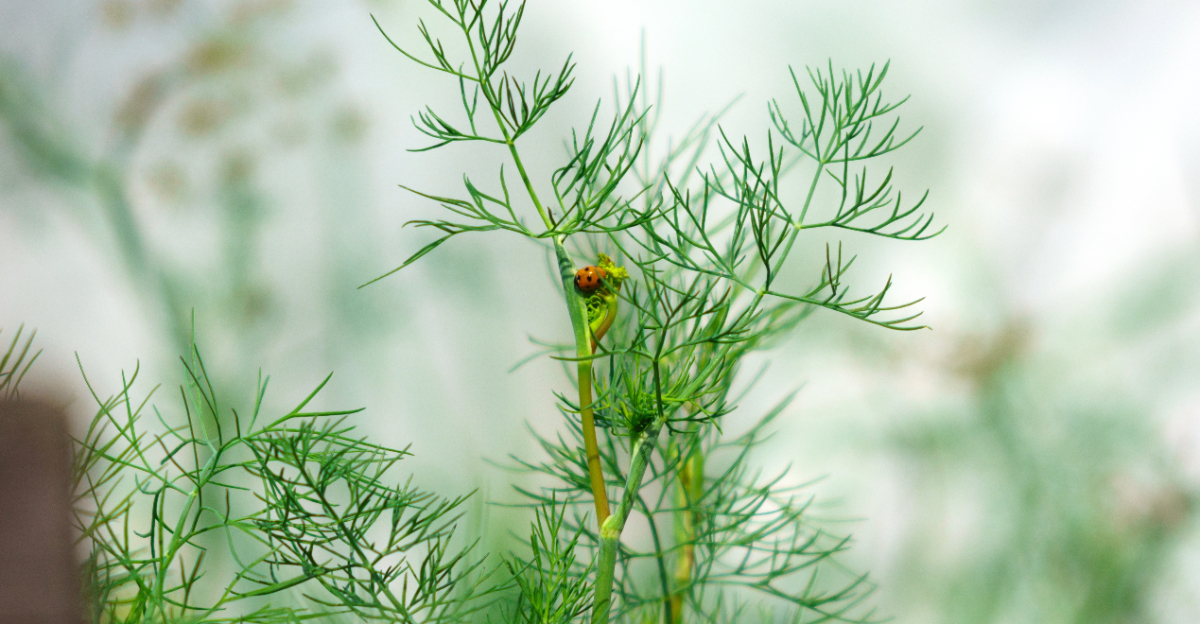
Aphids do not announce themselves. One week the garden looks fine, the next the new growth is curled, sticky, and crawling.
By the time most Ohio gardeners notice, the population has already taken hold and the options narrow quickly. The smarter play happens before any of that starts.
Ladybugs are one of the most effective natural checks on aphids, but they do not show up on command. They show up where the garden gives them a reason to stay.
Certain flowers help roll out that invitation early, offering the nectar, pollen, and nearby hunting ground adult ladybugs are looking for just as aphid pressure starts to build.
Planting with that in mind turns the garden itself into a first line of defense.
No panic, no instant chemical reflex, just a smarter planting strategy that puts helpful insects closer to the trouble spots before the problem has a chance to explode.
1. Sweet Alyssum Keeps Ladybugs Near Aphid-Prone Plants
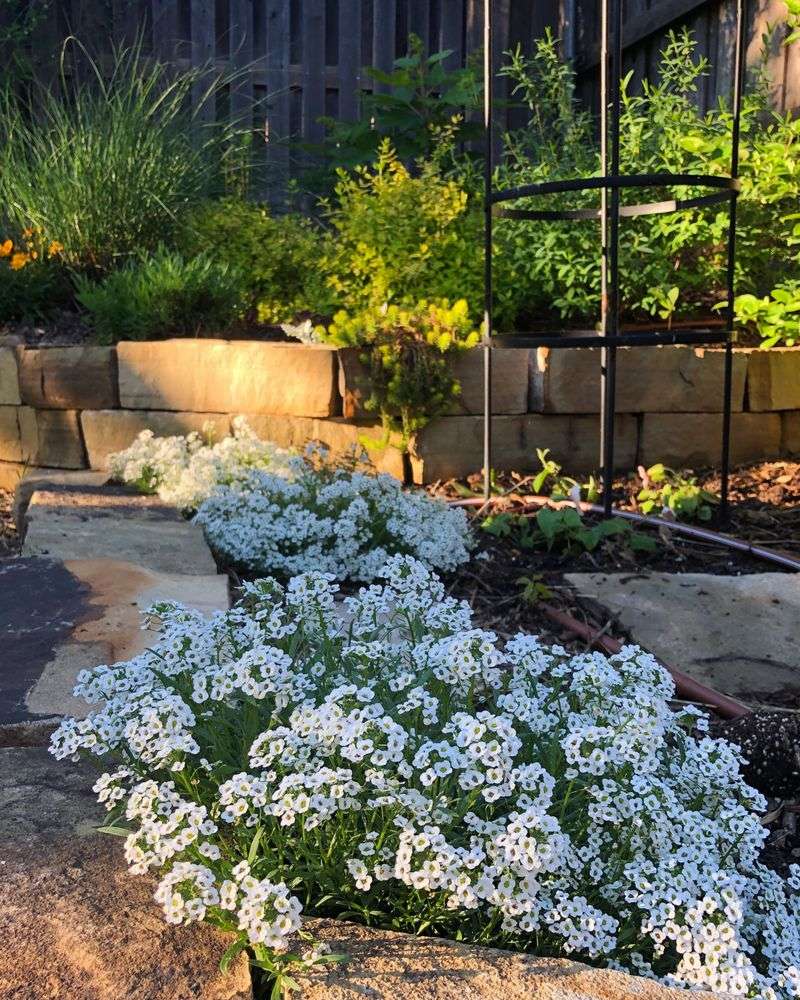
Few flowers are as easy to tuck into tight spots as sweet alyssum. Its low, spreading habit makes it a natural fit along the edges of raised beds and around the base of rose bushes.
It also works near container plantings where aphids tend to cluster first. The tiny clustered blooms produce nectar and pollen that adult ladybugs can access without much effort.
That is exactly what you want when you are trying to keep them nearby.
Sweet alyssum works best as a companion plant rather than a stand-alone fix. Plant it close to your most aphid-prone crops, like lettuce, kale, or roses.
That way, adult ladybugs foraging on the flowers are already right next to the plants that need the most protection. It will not pull ladybugs in from miles away, but it can help keep the ones already in your yard interested in staying.
For best results, grow sweet alyssum in full sun to part sun with well-drained soil and consistent moisture. It tends to do well during the cooler parts of Ohio’s growing season and may slow down or go sparse during peak summer heat.
Cutting it back lightly during a heat spell can encourage a fresh flush of blooms when temperatures ease up in late summer. Direct sow or transplant after your last frost date.
2. Dill Flowers Feed Adult Ladybugs Between Aphid Hunts
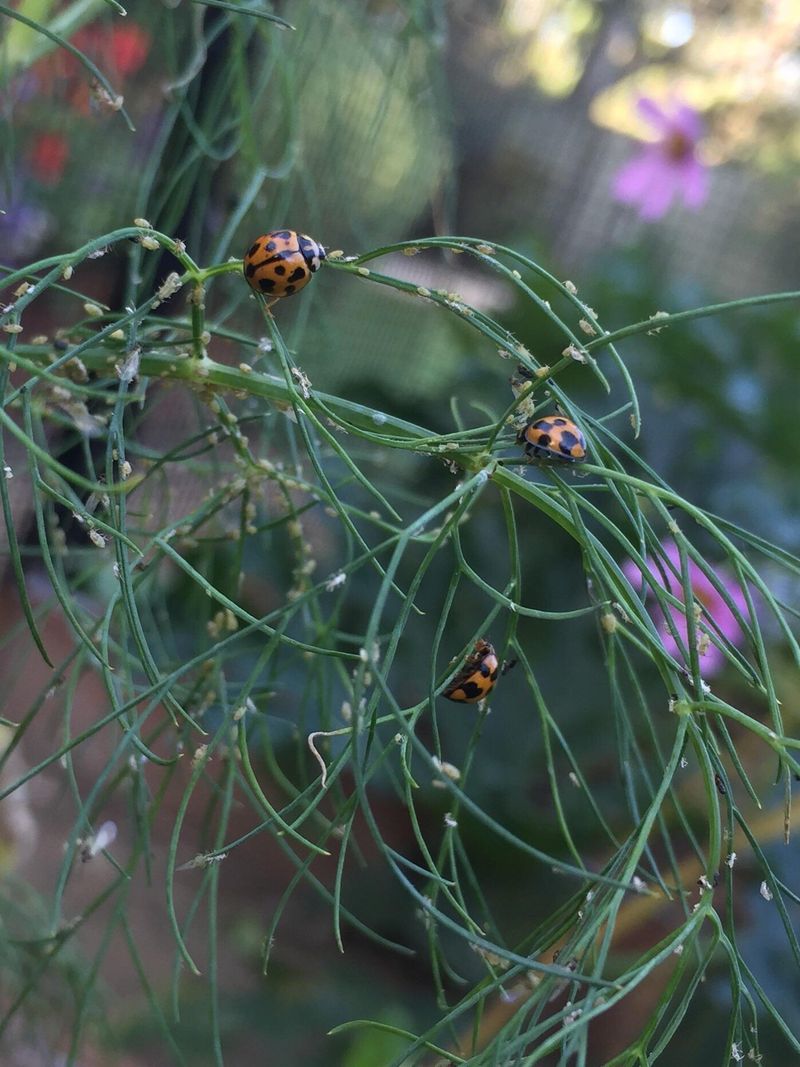
Most gardeners grow dill for the kitchen and harvest it before it ever gets a chance to bloom. That is understandable, but leaving a few stems to flower can make a real difference for adult ladybugs working your vegetable beds.
The flat, umbrella-shaped flower heads are covered in tiny individual blooms that offer accessible nectar and pollen. That makes them easy stops for ladybugs moving through the garden between aphid-hunting sessions.
Dill fits naturally into the vegetable garden, which puts its flowers right where you need them most. Aphids often target tender vegetable growth first, including bean shoots, pepper plants, and squash stems.
Having dill in bloom nearby gives adult ladybugs a food source that keeps them in the neighborhood rather than drifting off to someone else’s yard.
Your Ohio Garden Changes Every Week. Your Plan Should Too.
Gardening in Ohio changes quickly throughout the season. Every Friday you’ll receive a simple weekly plan showing exactly what to plant, prune, fertilize, harvest, and protect so you never miss the right timing.
The simplest approach is to let a portion of your dill planting go to seed while you continue harvesting from the rest. Grow dill in full sun with well-drained soil, and direct sow it after the last frost.
It grows quickly and does not need much fussing. One thing worth knowing: fennel can become a big, dominant neighbor, so give dill and fennel their own space if you are growing both.
A staggered planting schedule also keeps some dill in bloom across a longer stretch of the season.
3. Fennel Blooms Give Ladybugs Tiny Flowers To Visit
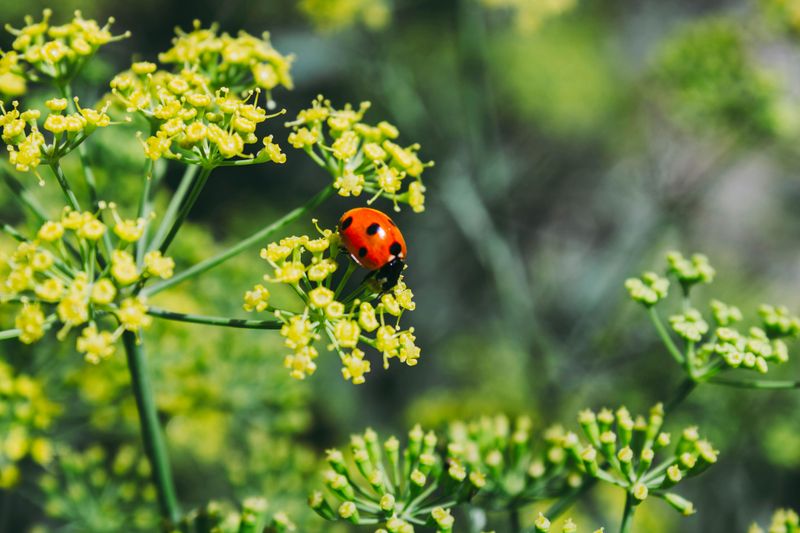
Fennel has a reputation for being a big, bold plant that can take over a small garden if you are not paying attention. That reputation is fair.
But placed thoughtfully, fennel can earn its spot near the vegetable garden. It offers clusters of small yellow flowers that adult ladybugs seem to find genuinely useful.
The blooms are similar in structure to dill, with lots of tiny individual florets that make nectar and pollen easy to reach.
Because fennel can grow quite tall and wide, it works best at the edge of a vegetable bed. It also fits well in a pollinator strip or along a fence line rather than crowded between smaller plants.
Bronze fennel is a popular choice for home landscapes because its feathery, copper-toned foliage looks attractive even before it blooms. Both green and bronze fennel produce flowers that can support adult ladybugs through the season.
Keep in mind that fennel can inhibit the growth of some nearby plants, including tomatoes and peppers. Check companion planting guidance before placing it right next to your most important crops.
Full sun and well-drained soil suit fennel well, and it is drought-tolerant once established. If aphids are showing up on plants near your fennel patch and ladybugs are foraging on the blooms, that combination is exactly the setup you are hoping to create.
4. Cilantro Flowers Help Ladybugs Linger In Vegetable Beds
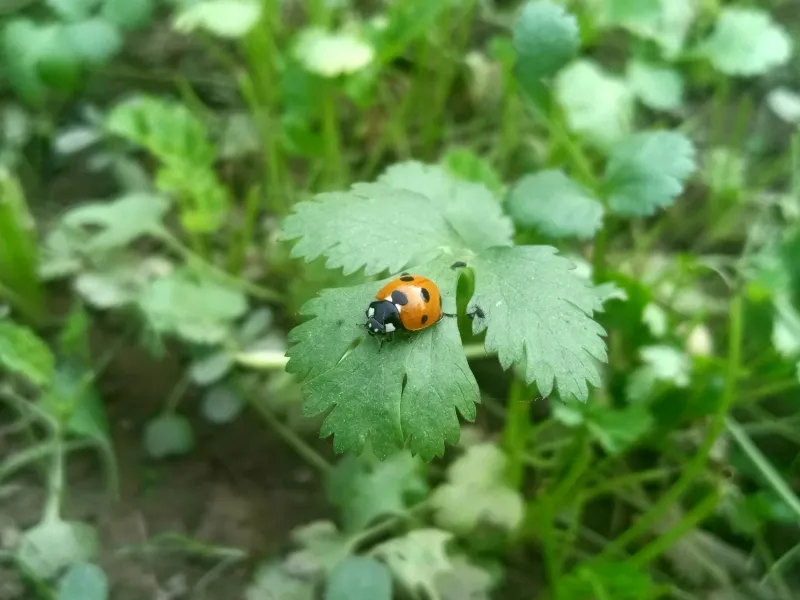
Bolting cilantro is usually met with frustration, but before you pull it out, take a closer look at those tiny white flowers. Once cilantro goes to seed, its delicate flower clusters can offer adult ladybugs a quick and accessible source of nectar and pollen.
Leaving a few bolted plants standing in your vegetable bed puts that food source right where aphid pressure is most likely to build.
Cilantro tends to bolt quickly once warm weather arrives, which in many parts of our state means late spring into early summer. That timing lines up reasonably well with early aphid activity on vegetables like lettuce, peas, and brassicas.
Instead of yanking every bolted plant, try leaving two or three to flower while you start a new sowing for fresh leaves. You get both a kitchen herb and a ladybug support plant from the same bed.
Cilantro grows best during cooler stretches of the season. In full sun to part sun with well-drained soil, it establishes quickly from direct-sown seed.
Succession planting every few weeks can extend your harvest window and keep some plants flowering across a longer period. In warmer, humid summers, it tends to race to flower faster than usual.
Rather than fighting that tendency, work with it and let some plants do their job as a support flower for the ladybugs already patrolling your beds.
5. Yarrow Offers Landing Pads Near Aphid Hot Spots
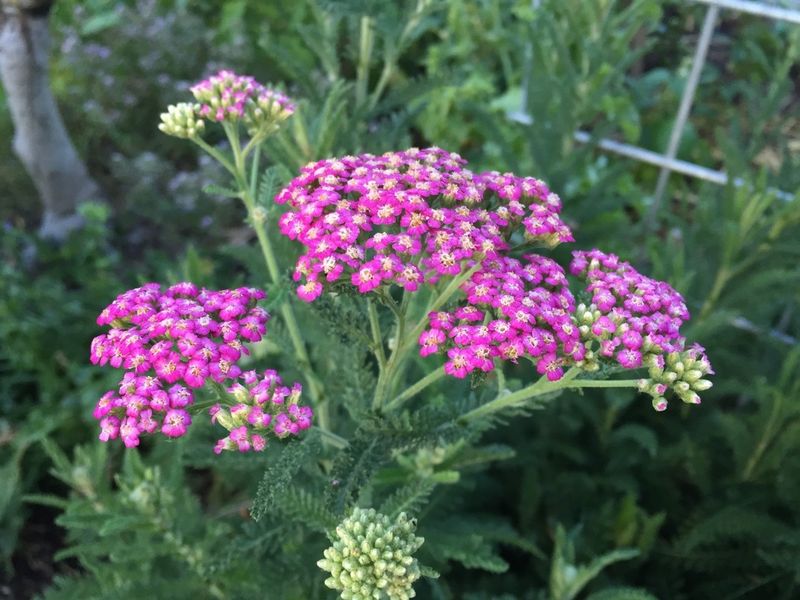
Yarrow is one of those plants that pulls double duty without asking for much in return. Its wide, flat flower heads act almost like landing platforms, giving adult ladybugs an easy place to settle, forage, and move between blooms.
That open flower structure makes yarrow one of the more practical choices for supporting ladybugs near aphid-prone spots. Use it near rose beds, mixed borders, and sunny vegetable-adjacent strips.
Common yarrow comes in white, yellow, and a range of warm pinks and reds. All of them offer the same flat-topped cluster structure that makes foraging easy for small insects.
Planting yarrow near roses is a particularly useful strategy since roses are one of the most consistent aphid magnets in the home landscape. Having a ladybug food source just a few feet away from a plant that reliably attracts aphids puts the predator close to the prey.
Yarrow thrives in full sun with well-drained soil and handles dry spells reasonably well once established. It is worth knowing that yarrow can spread aggressively in fertile, moist soil, so divide clumps every few years to keep it manageable.
In average to lean soil, it tends to stay more contained. Trimming spent blooms encourages a second flush later in summer, which can extend the window when ladybugs have easy access to flowers in your garden.
6. Cosmos Brings Ladybugs Closer To Summer Garden Pests
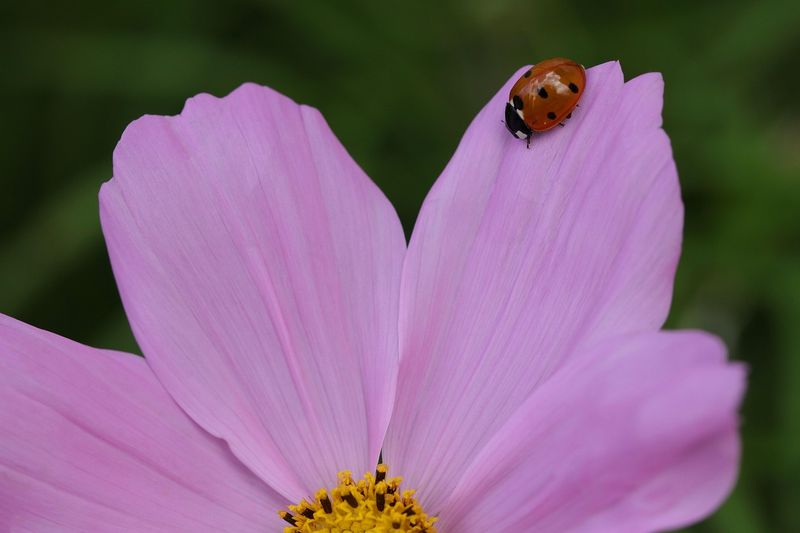
Cosmos is one of the easiest annuals you can grow from seed, and it blooms for months without much fuss. That long bloom period matters because aphid pressure in summer gardens does not usually come and go in a single week.
It tends to build gradually. Having flowers that stay open and attractive through July, August, and into September gives adult ladybugs a reliable food source through peak pest season.
Plant cosmos near summer vegetables, ornamental grasses, or flowering shrubs where aphids tend to show up on new growth. The key is proximity.
Ladybugs foraging on cosmos blooms right beside your pepper plants or dahlias are more likely to notice a nearby aphid colony. They are less likely to help quickly if they are visiting flowers on the other side of the yard.
Cosmos grows best in full sun with well-drained soil, and here is a tip that surprises a lot of gardeners: do not overfertilize it. Rich soil or heavy nitrogen feeding pushes cosmos to produce lush foliage at the expense of flowers.
Lean to average soil gives you a much better-blooming plant. Direct sow after the last frost, thin seedlings to give plants room, and enjoy the show.
Cosmos reseeds reliably, so you may find volunteer plants coming back in the same spots next year.
7. Calendula Helps Fill Gaps Around Aphid-Prone Crops
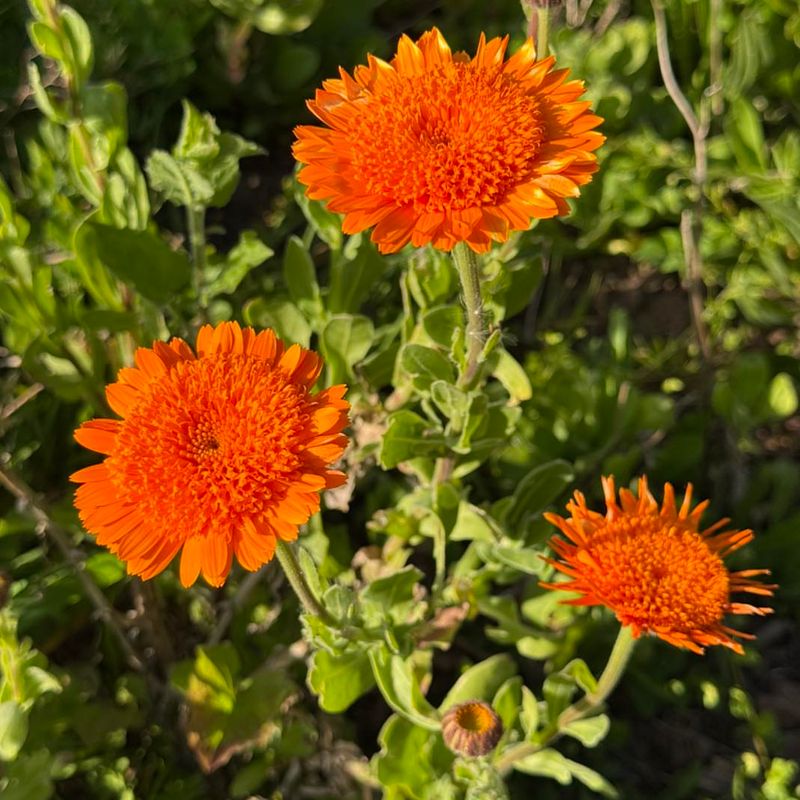
Calendula has a relaxed, cheerful look that fits naturally into kitchen gardens, cutting beds, and vegetable borders. It blooms best during the cooler shoulder seasons, which in our state means spring and early fall.
That timing is well-matched to when aphids often start building on tender new growth.
Getting flowers established before aphid populations peak gives adult ladybugs something to forage on right when you need them most.
The blooms are open enough that adult ladybugs can access them without difficulty. Planting calendula as a border around vegetable beds or tucking it between rows of brassicas, lettuce, or herbs works well.
It puts the flowers in the same general zone where aphids are most likely to appear first. It will not create a force field around your crops, but it can help make your garden a more hospitable stopping point for ladybugs passing through.
Grow calendula in full sun to part sun with well-drained soil. It handles light frost reasonably well, which makes it a good choice for early spring planting after the worst cold has passed.
During peak summer heat, calendula can slow down or look tired, especially in humid years.
Cutting back heat-stressed plants and keeping them watered can sometimes push a late-season rebloom once temperatures drop again in August or September.
Trim regularly to extend the bloom period as long as possible.
8. Coreopsis Adds Native Blooms Where Ladybugs Can Forage
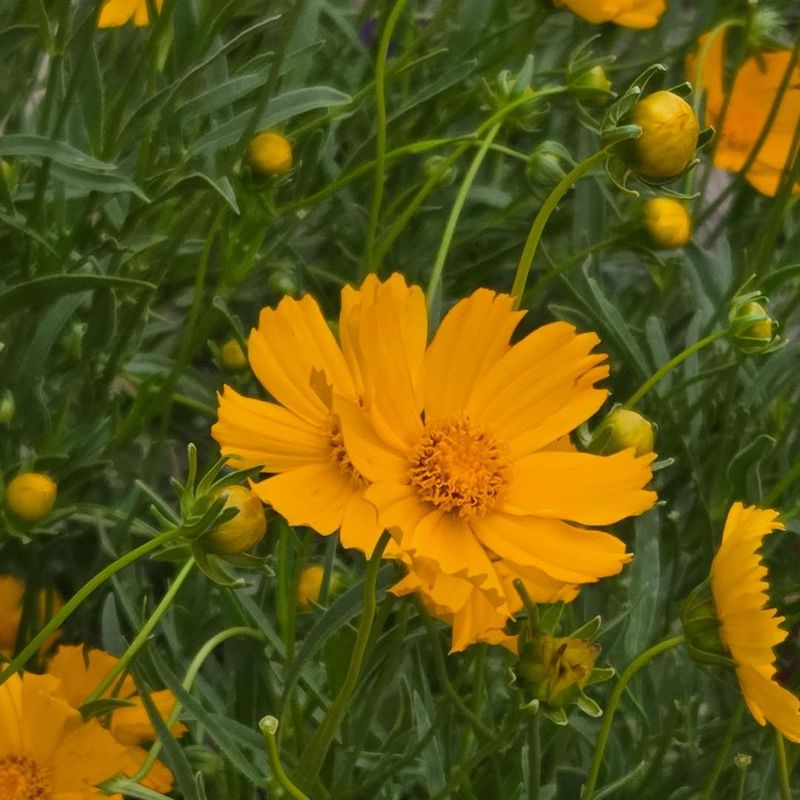
There is something satisfying about choosing a plant that is already well-suited to where you live. Coreopsis, particularly native species like lance-leaved coreopsis, is right at home in Ohio’s sunny beds and borders.
Its cheerful yellow blooms open reliably through the summer and hold up well in heat. That makes it a dependable flower source for adult ladybugs during some of the most active aphid months of the growing season.
Coreopsis fits well in perennial borders, cottage-style beds, and pollinator strips planted near the vegetable garden. That last placement is especially useful.
A sunny strip of coreopsis can run along the edge of your vegetable beds or between your garden and a fence. It gives ladybugs a foraging station just steps away from the crops most likely to attract aphids.
The closer the flower is to the pest pressure, the better.
Full sun and well-drained soil are the two things coreopsis needs most. It is notably drought-tolerant once established, which is helpful during dry Ohio summers.
Avoid overwatering or planting in heavy clay without amending the soil first, since poor drainage can cause root problems over time.
Trimming spent flowers encourages continued blooming, but leaving some seed heads in place later in the season also supports wildlife.
Divide clumps every few years to keep plants vigorous and blooming at their best.