What Venomous Creature Is Hiding In Minnesota’s Forgotten Corner
A spider no bigger than a paperclip carries venom that scientists rank among the strongest of any North American spider. It lives quietly in the steep, wooded bluffs of southeastern Minnesota, a rugged corner that the glaciers skipped.
I was surprised to learn that this region is called the Driftless Area. Without glaciers flattening it, the land kept its deep valleys, rocky outcrops, and cool, shady crevices.
Those hidden nooks make perfect hideouts for creatures that prefer to stay unseen. You might notice a messy, tangled web tucked under a firewood pile or inside an old shed. Most gardeners walk right past it without a second thought.
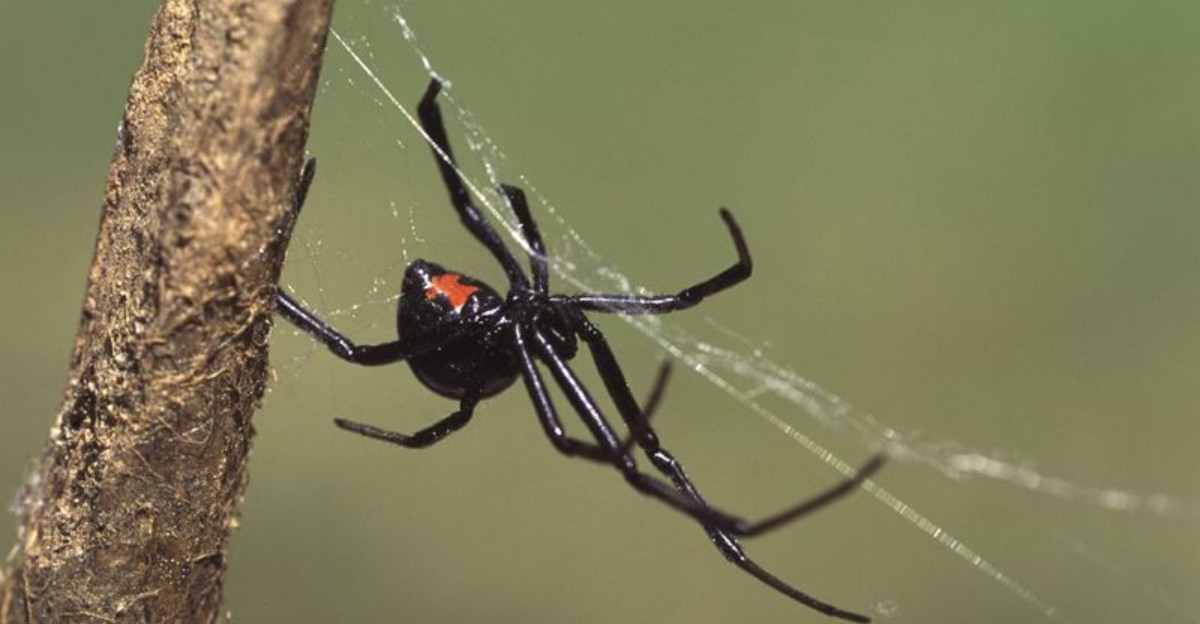
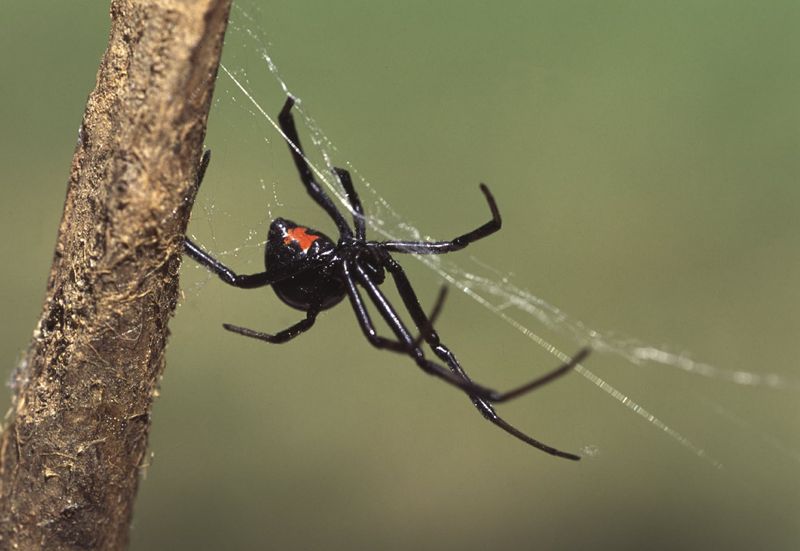
A glossy black body and a splash of red underneath tell a very different story. So who exactly is living in that Minnesota woodpile, and how careful do you really need to be?
A Glossy Black Spider Calls the Driftless Bluffs Home
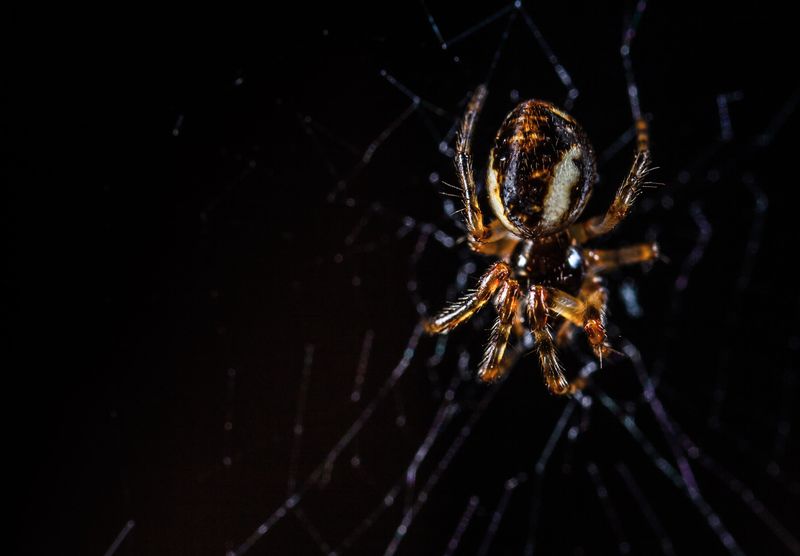
Meet the northern black widow, known to scientists as Latrodectus variolus. Minnesota’s sightings cluster in the far southeast, in counties such as Houston, Winona, and Fillmore along the Mississippi River bluffs.
That corner is part of the Driftless Area, a region the last glaciers missed. Its rocky slopes, south-facing hillsides, and loose stone give the spider warm, sheltered spots to survive cold winters.
Sightings elsewhere in the state are uncommon, and some turn out to be harmless look-alikes or spiders that hitched a ride on grapes or lumber shipped from other places. Is it venomous? Yes.
Its venom contains a nerve-acting toxin called alpha-latrotoxin, and pound for pound it is remarkably potent. Still, the spider injects only a tiny amount, so the overall effect on a person is far smaller than those dramatic comparisons suggest.
I find it oddly comforting that this spider is shy. It spends most of its life hanging upside down in its web, waiting for beetles and crickets to stumble in.
Bites usually happen only when someone presses against one by accident, like reaching blindly into a woodpile. Knowing where it lives is your first and best defense.
Look for the Broken Red Hourglass on Her Belly
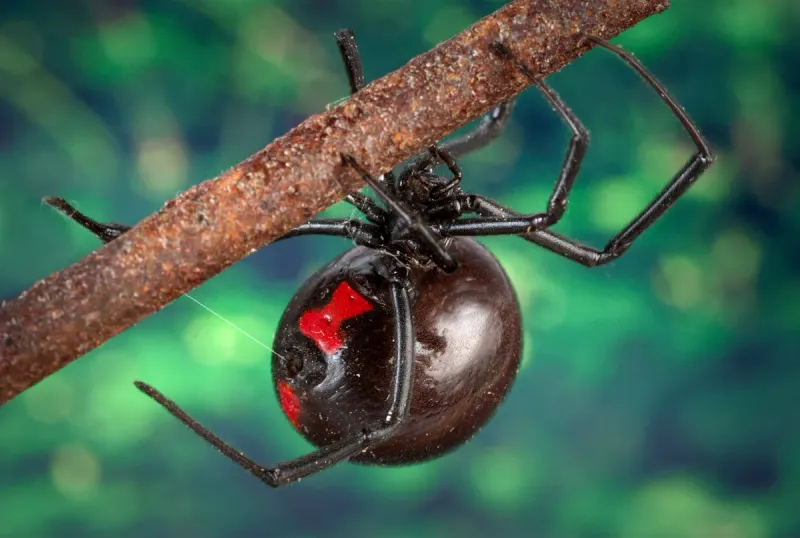
Flip a female northern black widow over, and you will spot her signature mark. Instead of a solid red hourglass, she usually wears one that is split into two separate red pieces, almost like a broken bowtie.
Her body is shiny and black, with a round, marble-like abdomen and long, thin legs. Adult females reach roughly half an inch long, not counting the legs.
Many also show a row of small red spots running down the top of the abdomen, sometimes edged in white.
Males and young spiders look quite different. They are smaller, often lighter in color, and may have white, yellow, or brown streaks. Adult males rarely bite people at all, so the female is the one worth respecting.
Plenty of black spiders live in Minnesota, and most of them are harmless. False widow spiders and some ground spiders get mistaken for widows all the time.
Without that red marking underneath, you are probably looking at someone else. Here is my rule of thumb. Never try to handle a spider just to check its belly.
Snap a photo from a safe distance, then compare it with a trusted extension guide or ask a local expert.
Woodpiles and Stone Walls Make Cozy Widow Hideouts
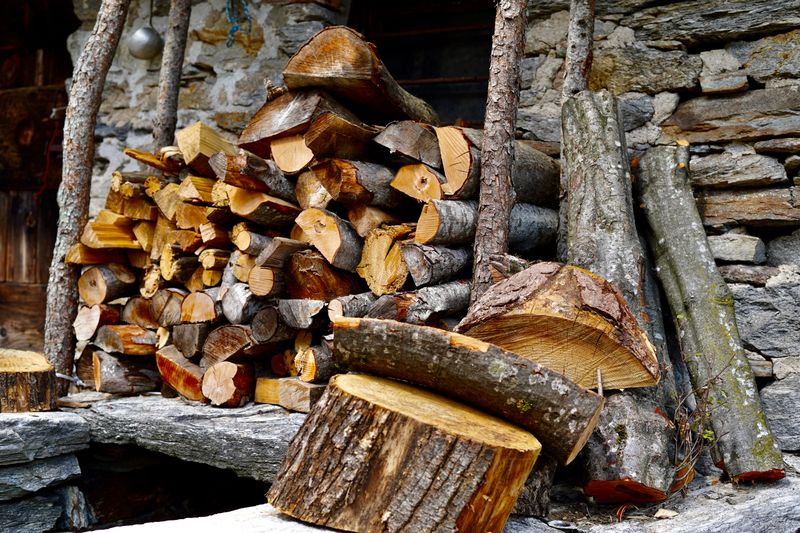
Woodpiles are basically luxury apartments for these spiders. Dark gaps between logs stay sheltered from wind and rain, and plenty of insects wander through looking for a hiding place of their own.
Out in the wild, northern black widows favor rock crevices, hollow stumps, fallen logs, and the bases of shrubs.
Around homes, they settle into stone walls, overturned flowerpots, water meter boxes, outdoor furniture, and the dim corners of sheds and garages.
Basically, any quiet spot close to the ground can work. Their webs give them away if you know what to look for.
Unlike the neat wheel shape of a garden orb weaver, a widow web looks tangled and messy, with tough, sticky strands that feel stronger than you expect. You often find it low and tucked into a corner rather than stretched across an open path.
I started paying more attention when I restacked firewood each fall. Now I check the ends of logs and the underside of tarps before grabbing anything. That little habit takes seconds.
Gardeners in the bluff country should give extra care to rock gardens and old retaining walls. Those warm, stony spaces match the habitat these spiders already love.
That Tiny Pinprick Bite Can Bring Serious Muscle Cramps
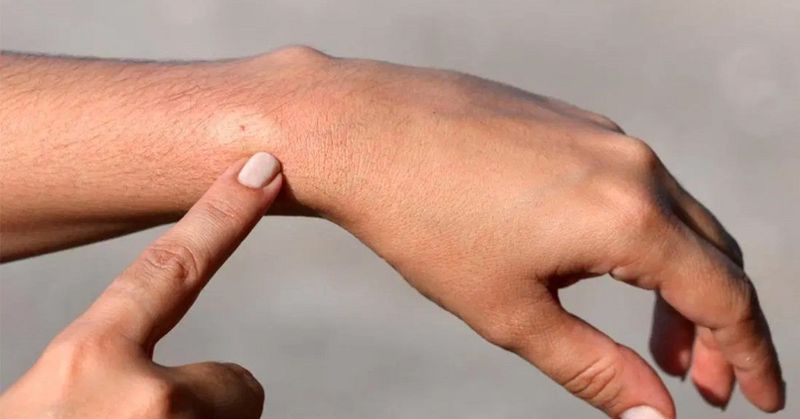
Many people barely feel a black widow bite at first. It often seems like a small pinprick, and you may see two faint red dots or nothing at all.
The real story starts later. Within about 30 minutes to a few hours, pain can spread from the bite into nearby muscles.
Doctors call this reaction latrodectism, and its hallmark is painful cramping that may move into the belly, back, or chest.
Other symptoms can include sweating, nausea, vomiting, headache, restlessness, and higher blood pressure.
Belly cramps can feel so intense that they sometimes get confused with appendicitis. Symptoms often peak within the first day and fade over several days.
Serious complications are rare in healthy adults. Young children, older adults, and people with heart conditions or high blood pressure face a higher risk, so they deserve extra caution and quicker care.
I like knowing the warning signs because they take the guessing out of a scary moment. If muscle pain starts building after something pricked you in the shed or garden, treat it seriously. Spreading cramps are your signal to get help rather than wait it out.
Call Poison Control Before You Do Anything Else
Stay calm and grab your phone first. The national Poison Help line, 1-800-222-1222, connects you with experts any time of day, and the call is free and confidential.
While you wait for advice, gently wash the bite with soap and water. Put a cool, damp cloth or wrapped ice pack on the spot for about 10 minutes at a time to ease pain and swelling. Keep the bitten arm or leg still and resting at a comfortable level.
Skip the old-fashioned tricks. Cutting the wound, sucking out venom, or tying a tight band around the limb can cause more harm than help. If symptoms are severe, call 911 instead.
Doctors can treat strong pain and cramps with medicines, and an antivenom exists for serious cases. Hospitals use it carefully because it can trigger allergic reactions, so many patients recover with pain relief and observation alone.
One tip saved a friend of mine some worry. If you can safely capture the spider in a jar, or snap a clear photo, bring it along. Medical staff can confirm what bit you and choose the right care faster.
Thick Garden Gloves Are Your Best Friend Around Clutter

A good pair of leather gloves is honestly the cheapest safety gear in my shed. Most bites happen on hands and arms when someone reaches into a spot they cannot see.
Start by cutting down the clutter. Store firewood off the ground and away from the house, and use the oldest logs first. Remove unused boards, stacks of pots, and piles of rocks that you no longer need.
Shake out boots, gloves, and garden clothes that sit in the garage or shed. Before you sit on outdoor furniture that has been covered for weeks, take a quick peek underneath. A flashlight helps in dim corners.
Seal cracks around doors, windows, and foundations to keep spiders from wandering indoors. A long-handled broom or vacuum easily removes webs and egg sacs, which look like small, round, papery tan balls.
Broad spraying of pesticides across the yard usually does little and can harm helpful insects. Cleaning and sealing do far more good.
University extension experts generally recommend targeted control only when a spider is in a spot people use often. Wearing gloves every time you move logs turns a risky chore into an easy one.
These Reclusive Widow Spiders Earn Their Spot in the Ecosystem
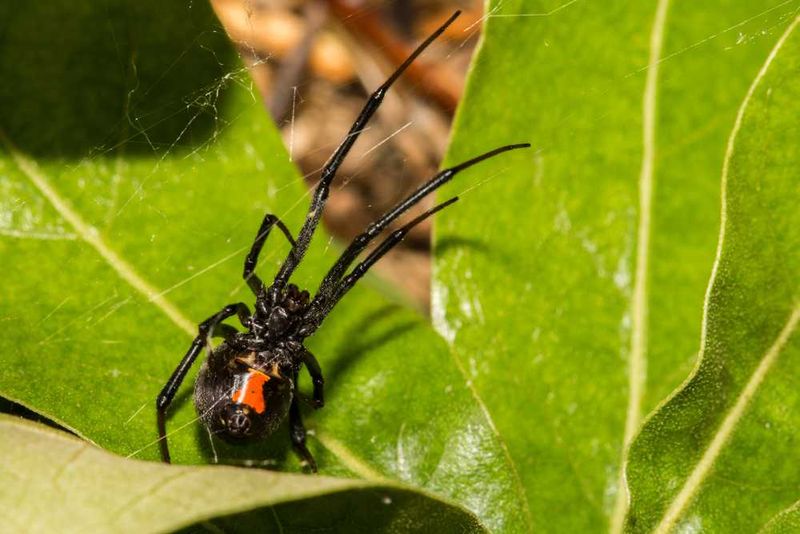
Believe it or not, these spiders do your garden a quiet favor. They snack on beetles, crickets, flies, and other insects that wander into their sticky webs.
Encounters in Minnesota remain uncommon, even in the southeastern bluffs. Most residents will garden for years without seeing one.
The spiders prefer undisturbed rocky slopes and woodland edges far more than busy lawns and vegetable beds.
Fun fact for your next garden chat. Despite the famous name, female northern black widows do not always eat their mates. Scientists have found that males often escape and go on their way.
Respect works better than fear. Learn the broken red hourglass, check dark corners before reaching in, keep gloves handy, and save the Poison Help number in your phone. Those few habits cover nearly every risky moment.
If you live in the Driftless Area, consider sharing a clear photo with a local extension office or a community science site like iNaturalist. Verified sightings help researchers understand where this spider truly lives in Minnesota.
I have come to appreciate this shy little neighbor. It reminds me that even a familiar backyard still holds a few surprises worth noticing.