The Little Brown Surprises New Jersey Gardeners Are Tucking In Right Now
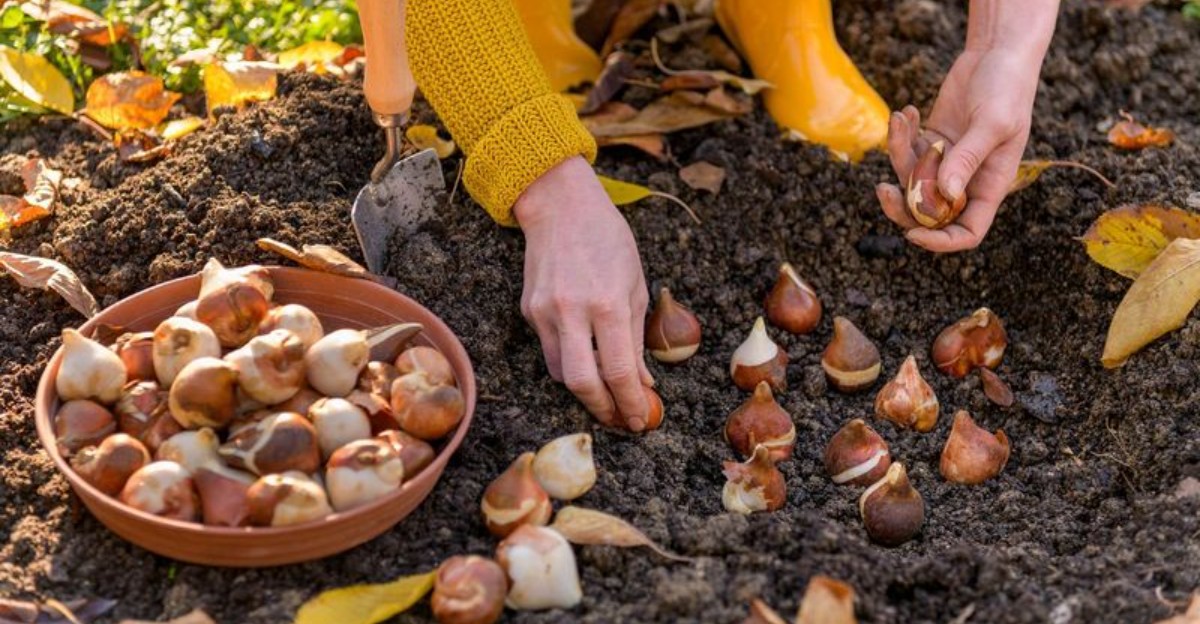
Tulips reportedly once sold for more than a fancy house in 1630s Holland. Today, the same papery brown lumps cost less than a cup of coffee, and I am still amazed by that bargain.
Walk into any New Jersey garden center this fall and you will find bins of them. They look like onions that forgot to shower. Yet each one holds a tiny flower bud, already packed and waiting inside.
I tucked my first batch into a New Jersey flower bed years ago and then lost track of them. The next March, a flash of yellow by the mailbox stopped me cold. You might notice the same thing happens to almost everyone who tries.
So why do gardeners bury their treasure in cold dirt and walk away for months? The answer has a lot to do with winter, a few hungry squirrels, and a little patience.
Those Papery Brown Bulbs Are Hiding Spring Inside
Slice a tulip bulb in half and you will spot something wild. A tiny, pale flower is already folded up inside, complete with leaves and a stem. The bulb is basically a lunchbox with a baby plant tucked in.
Spring-flowering bulbs like daffodils, tulips, crocus, hyacinths, and alliums store food in thick, fleshy layers. That stored energy fuels fast growth once the soil warms.
So when you see green tips poking up in March, the plant is mostly cashing in on last year’s savings.
New Jersey gardeners plant them in fall because the timing matches what these plants evolved to expect. Many come from regions with cold winters and quick springs, such as parts of Turkey and Central Asia.
Our weather plays the same tune pretty well. When you shop, pick bulbs that feel firm and heavy for their size. Skip any that are soft, moldy, or shriveled.
Bigger bulbs of the same type usually produce bigger or more flowers. A loose papery skin is normal, so do not worry if a few flakes fall off. The firm body underneath is what matters. Store them somewhere cool and dry until planting day, away from ripening fruit.
Late September To Mid-November Is Your Bulb Planting Window
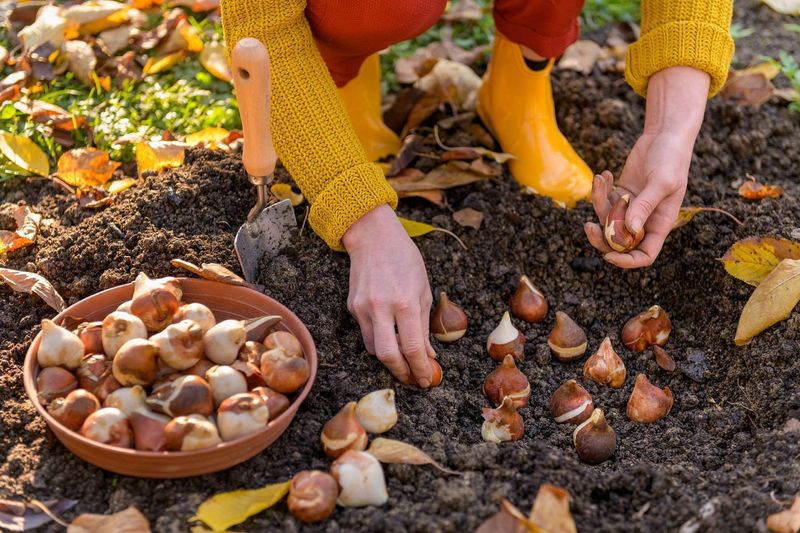
Timing is the quiet secret behind a great spring show. Rutgers Cooperative Extension suggests planting most spring bulbs in fall, once soil temperatures cool but before the ground freezes.
In much of the state, that means roughly late September through mid-November. Roots need a few weeks of cool, moist soil to settle in. Those roots anchor the bulb and help it pull up water and nutrients.
Without them, the spring display can look thin or delayed. Location matters, too. Gardeners in colder northern spots like Sussex and Warren counties can start a bit earlier.
Folks near the coast or in South Jersey often have more wiggle room into November, since the soil stays warmer longer.
A handy clue is the weather itself. When nights stay in the 40s and the maples start dropping leaves, you are in a good zone.
Planting during a heat spell can push some bulbs to sprout too soon. Running late? Bulbs planted in early December can still bloom if you can dig the soil.
Leftover bulbs sitting in a garage rarely bloom well, so getting them in the ground beats waiting for perfect timing.
A Cold Winter Nap Wakes Up Tulips And Daffodils
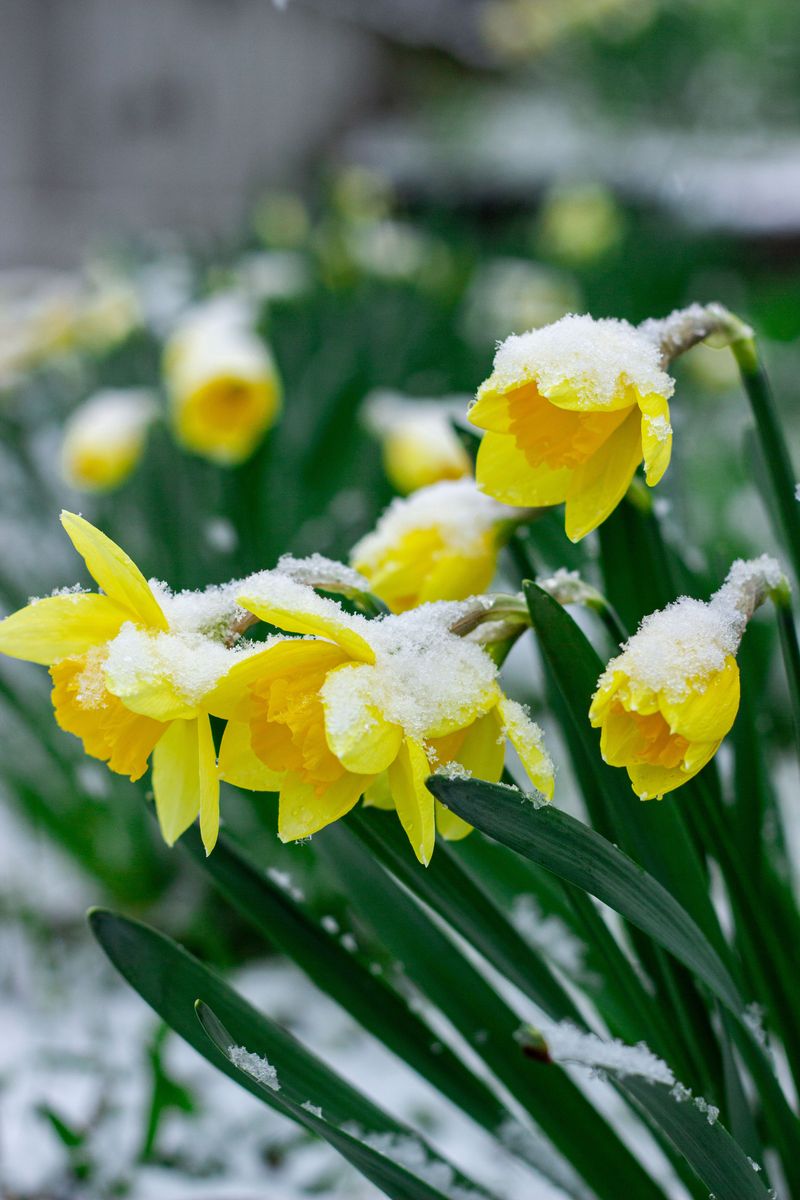
Funny enough, those chilly gray months are doing your tulips a favor. Many spring bulbs need a long stretch of cold before they bloom properly. Gardeners often call it the chilling requirement.
Most tulips, daffodils, and hyacinths want somewhere around 12 to 16 weeks below about 45 degrees Fahrenheit. Exact needs vary by type, with tulips usually asking for more cold than crocus.
During that time, chemical changes inside the bulb prepare the flower stem to stretch upward.
Skip the cold, and things go sideways. Tulips may bloom on short, stubby stems or not bloom at all. That is why gardeners in warm southern states often chill bulbs in the fridge first.
New Jersey sits mostly in USDA zones 6b to 7b, which gives bulbs plenty of natural chill. You do not need to refrigerate anything. Just plant them and let winter handle the job.
One caution comes with the fridge trick if you ever try it. Keep bulbs away from apples and other ripening fruit. Fruit gives off ethylene gas, which can harm the flower bud hiding inside.
Dig Deep And Point Those Bulb Tips Toward The Sky
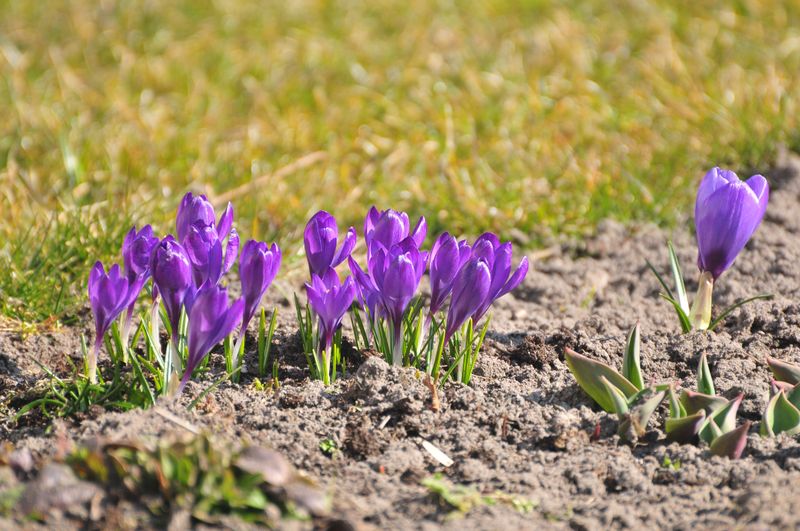
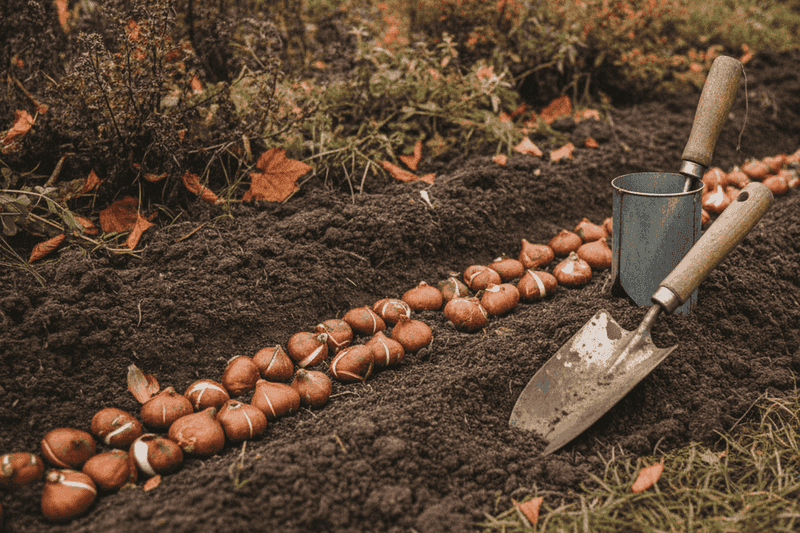
Here is a rule I wish someone had told me sooner. Plant bulbs about two to three times as deep as the bulb is tall. A two-inch tulip bulb goes roughly four to six inches down.
The pointy end faces up, and the flat, sometimes hairy end faces down. Those little hairs are where roots form.
If you truly cannot tell, lay the bulb on its side, and it will usually find its way. Drainage is the big deal breaker. Bulbs sitting in soggy soil tend to rot over winter.
Heavy clay is common in parts of central and northern New Jersey, so mix in compost to loosen it, or plant on a slight slope or raised bed.
Aim for a spot with at least five or six hours of spring sun. Areas under deciduous trees can work nicely for early bloomers, since the branches stay bare in March.
After planting, water well to settle the soil and wake up the roots. A light layer of shredded leaves or mulch helps even out soil temperatures.
Skip heavy fertilizer at planting, though a sprinkle of bulb food or compost is fine.
Daffodils And Alliums Rarely Tempt Hungry Deer
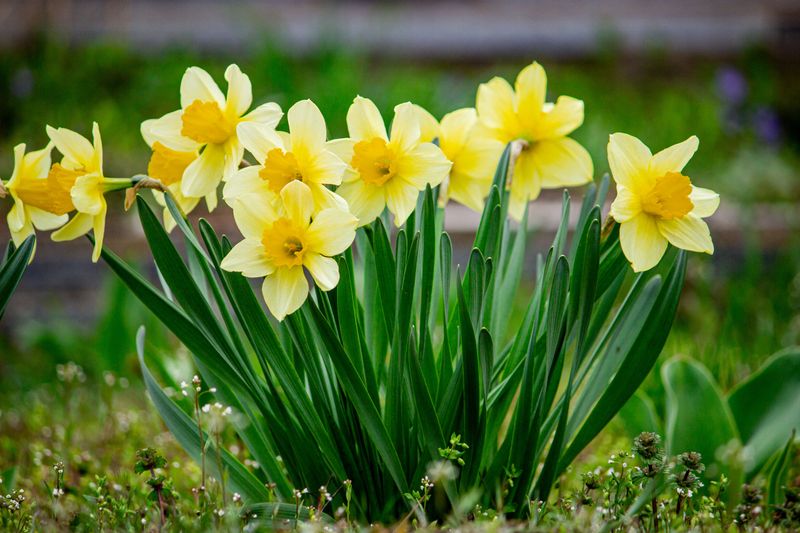
Deer in the Garden State have expensive taste, and tulips sit near the top of their menu. Rutgers even lists tulips among plants deer frequently damage. So choosing bulbs wisely saves a lot of heartbreak.
Daffodils are the champions here. Their bulbs, leaves, and flowers contain bitter, toxic compounds called alkaloids, so deer, squirrels, and voles mostly leave them alone. Keep pets and kids from snacking on them, too.
Ornamental alliums are another smart pick. That oniony smell turns off most browsers, and the big purple globes look great in late spring. Pollinators love them as well.
Other bulbs that animals tend to skip include snowdrops, Siberian squill, grape hyacinths, and fritillarias. Crown imperial fritillaria has a famously skunky scent. Some gardeners claim it scares off moles, though that idea lacks solid proof.
One quick note on Siberian squill and grape hyacinth. Both can spread aggressively and are considered invasive in some nearby areas, so check local guidance before planting.
Plenty of gardeners stick with daffodils, alliums, and snowdrops for a safer, deer-resistant mix. No bulb is fully deer-proof, but these come close in most yards.
Chicken Wire Keeps Squirrels Out Of Your Tulip Beds
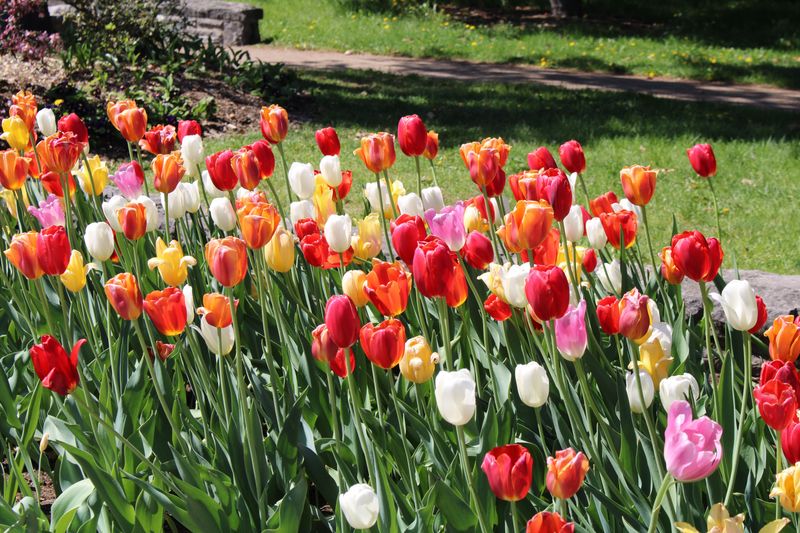
Squirrels watched me plant tulips once, then dug up half of them before dinner. Lesson learned. A few simple tricks make a huge difference.
First, clean up. Those papery skins and bits of bulb left on the ground smell like a snack bar. Toss them in the trash instead of leaving them in the bed.
Next, try a physical barrier. After planting, lay chicken wire or hardware cloth flat over the bed, then cover it with soil or mulch. Shoots grow right through the holes in spring, but digging paws hit a wall.
Voles are trickier, since they tunnel underground. Some gardeners line planting holes with sharp gravel or wrap bulbs in small wire cages. Pairing tasty tulips with daffodils nearby may also help discourage a few visitors.
For deer, plant favorite bulbs close to the house where traffic is high. Repellent sprays work for many people, but you will need to reapply after rain and switch brands now and then.
Deer tend to get used to one smell. Crocus lovers can also look for species types like Crocus tommasinianus. Many gardeners report squirrels bother it less than larger crocus varieties.
Leave Those Yellowing Daffodil Leaves Alone After Blooming
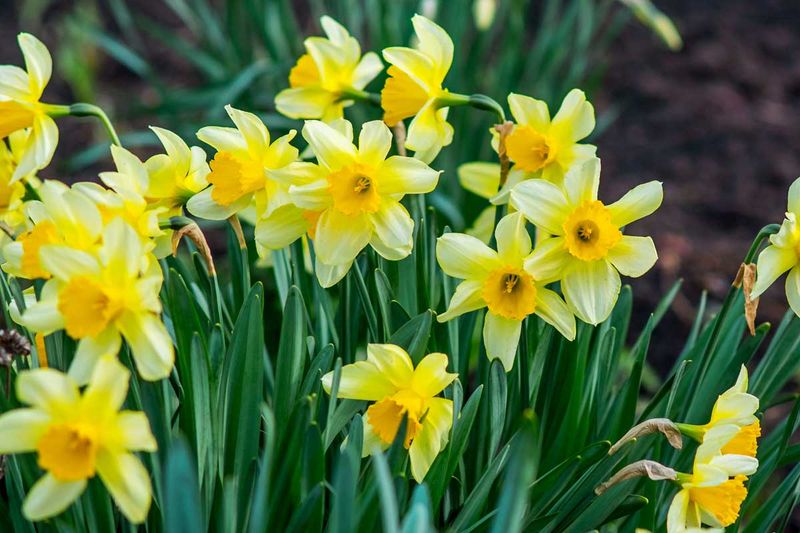
Patience pays off twice with bulbs, once in fall and again after the flowers fade. The floppy leaves might look messy, but they are busy recharging the bulb for next year. Cutting them early is one of the most common reasons bulbs stop blooming.
Let foliage turn yellow and brown on its own, usually six weeks or so after flowering. You can snip off the faded flower heads sooner.
That stops plants from wasting energy on seeds. Hiding the mess is easy. Plant bulbs among perennials like hostas, daylilies, or ferns. Their growing leaves cover the fading ones nicely by late spring.
Over time, daffodil clumps get crowded and bloom less. When that happens, dig them up after the leaves wither in early summer, separate the bulbs, and replant. Many gardeners do this every three to five years.
Tulips are a little different. Many hybrid tulips fade after a year or two, so treat them more like annuals or choose species tulips and Darwin hybrids for better staying power.
Then mark your calendar for next fall, grab a fresh bag of those brown surprises, and keep the spring parade going in your New Jersey yard.