What A Dry Fall Means For The Spring Bulbs You Just Planted In Michigan
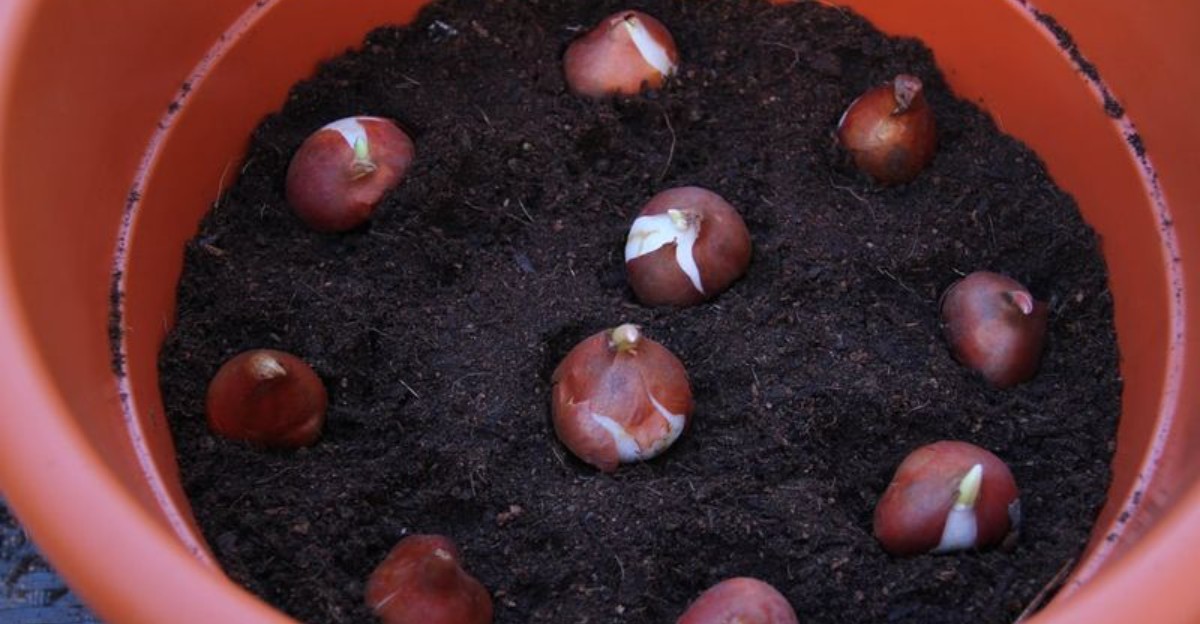
A brand-new bulb can push out roots in soil as cool as 40 degrees, long after your tomatoes have quit for the year. All that busy work happens in the dark, weeks before the ground freezes.
I love that secret underground season. It feels like the garden is still working after I hang up my gloves. But roots need moisture to grow, and a dry autumn leaves very little to sip.
Across Michigan, many gardeners planted in crumbly, dusty beds this year. You probably watered once, patted the soil, and walked away hopeful. Personally, I did the same thing and then started wondering.
So are those papery little packages sitting in dry soil doing fine, or quietly struggling? The answer is more hopeful than you might expect, with a few smart moves still worth making before the snow flies.
Those Fresh Bulb Roots Are Racing The Frozen Ground
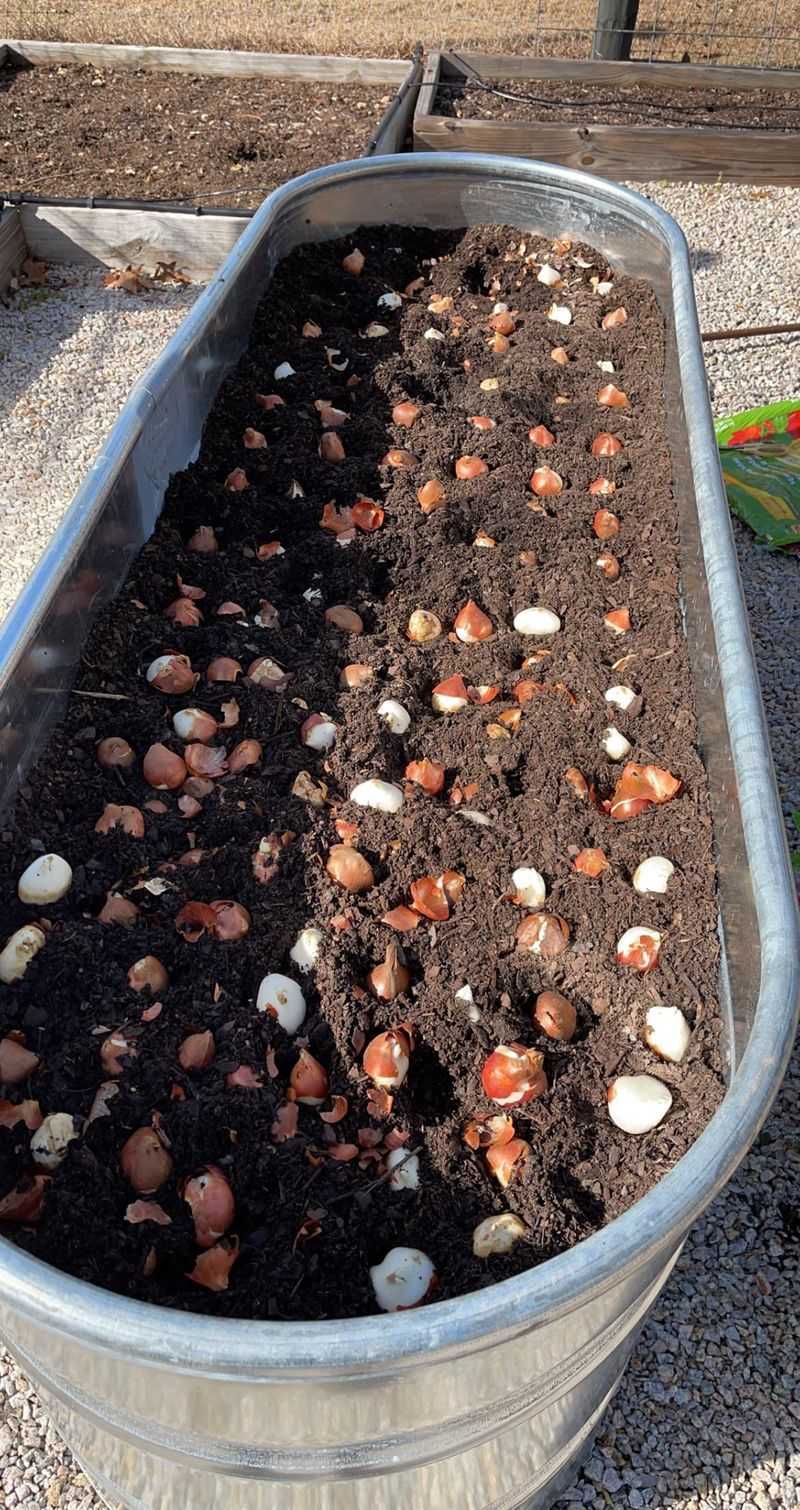
Underground, the real action starts the moment you cover that bulb. Tulips, daffodils, and crocuses spend fall growing a fresh set of roots before winter locks the soil.
Those roots matter more than most of us realize. They pull in water, anchor the bulb against frost heaving, and set the stage for strong spring growth. Bulbs already store their own food, so the flower inside is mostly formed. What they lack is the root system to support it.
Dry soil slows that root growth way down. A bulb sitting in powder-dry ground may grow only a few short roots, or wait and stay idle. Then winter arrives, and the window closes.
Here is the hopeful part. Bulbs are tough, and a dry spell rarely ruins them outright. Many will still bloom, though flowers may be smaller, stems shorter, or the show a little late.
Michigan State University Extension notes that bulbs need several weeks of cool, moist soil to root well before freezing. In most of the Lower Peninsula, that window often runs into November. Up north, it closes sooner. That timing tells you how much opportunity you still have to help.
A Slow Soak From The Garden Hose Fixes Most Of It
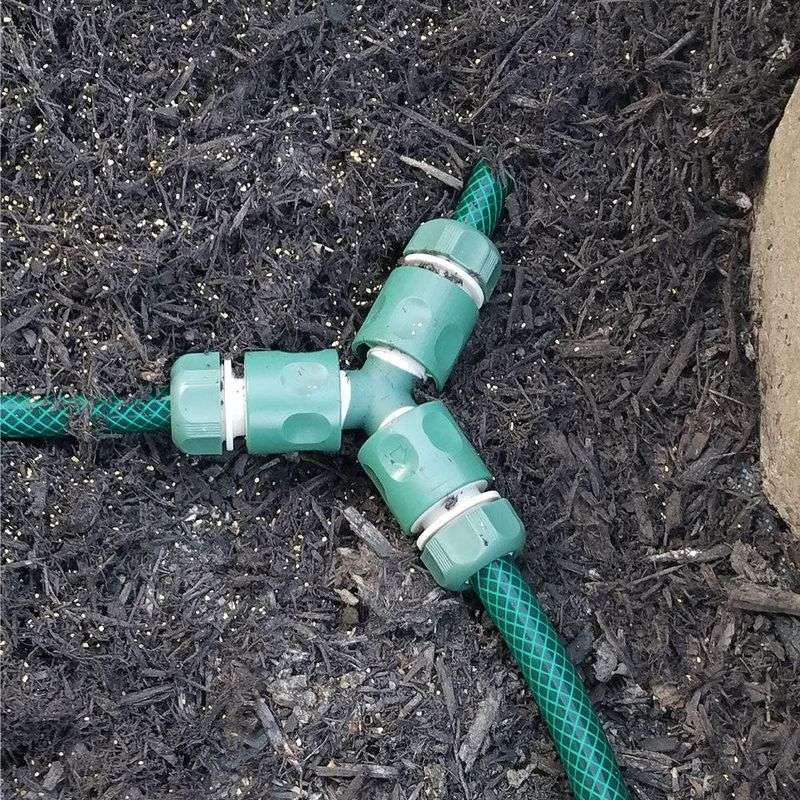
Honestly, the fix is wonderfully simple. Grab the hose and give your bulb beds a deep, slow drink.
Aim for about an inch of water per week when rain does not deliver it. A light sprinkle only wets the top layer, while bulbs sit 4 to 8 inches down. Let the water trickle slowly so it soaks in instead of running off.
A soaker hose or a gently running hose end works great. Leave it in one spot for a while, then move it. Afterward, poke a trowel into the soil and check that moisture reached bulb depth.
Keep watering weekly during dry stretches until the ground starts to freeze. Once soil is frozen solid, water cannot soak in, so you can stop. Unhook and drain your hose after that so it does not crack.
Morning watering is my favorite choice. The soil has all day to absorb it before cold nights arrive. Avoid creating soggy puddles, though. Bulbs dislike standing water, which can lead to rot.
One or two thorough soakings can make a real difference. Your future self, admiring cheerful daffodils in April, will be grateful.
Shredded Leaf Mulch Holds Moisture Around Your Bulbs
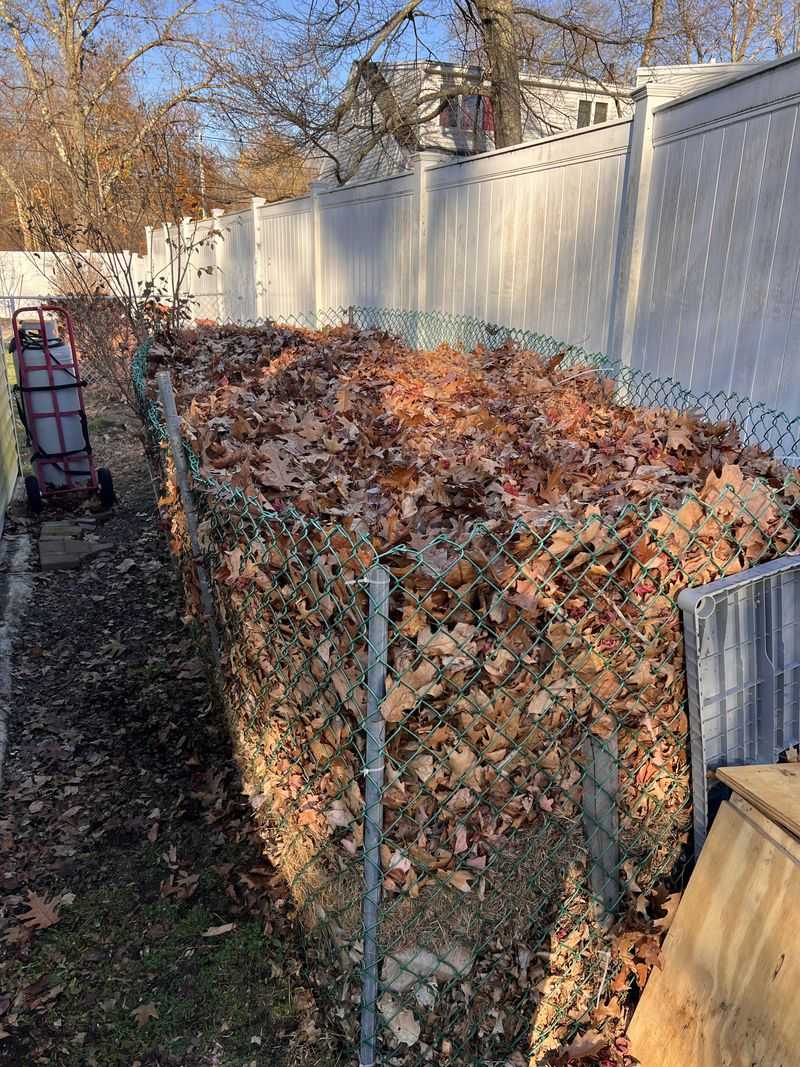
Fallen leaves are basically free bulb insurance. Run them over with a mower, and you get a fluffy mulch that keeps soil from drying out.
Spread about 2 to 3 inches over your bulb beds after watering. Mulch slows evaporation, so every soak lasts longer. It also smooths out temperature swings, giving roots a steadier home.
Shredded leaves beat whole leaves for one big reason. Whole maple leaves can mat into a soggy, airless layer. Chopped pieces stay loose and break down nicely into the soil by summer.
Bark chips, straw, or coarse compost work too. Pine needles are another light option. Just skip heavy piles that smother the surface.
Timing gives you some freedom. Mulching right after planting helps hold fall moisture. Adding more after the ground freezes helps prevent heaving during winter thaws, which Michigan sees plenty of.
In spring, pull mulch back a bit once shoots appear if it seems thick. Most bulbs push right through a modest layer without trouble. I like leaving it in place to keep weeds down and soil cool as the flowers open.
Sandy Soil And Heavy Clay Handle Dry Weather Differently
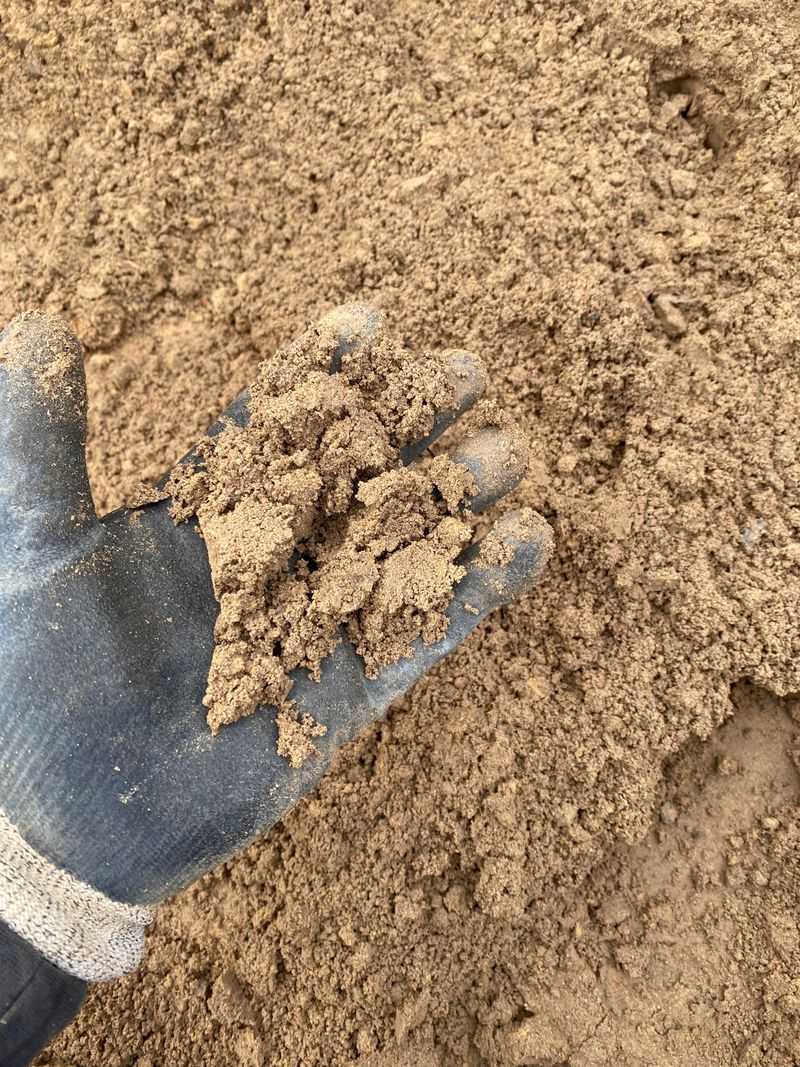
Grab a handful of your garden soil and squeeze. What happens next tells you a lot about your bulbs this fall.
Sandy soil, common in west Michigan along the lakeshore, crumbles and drains fast. Water slips away quickly, so bulbs there dry out first. These beds benefit most from weekly soaking and a good mulch layer.
Heavy clay, found across much of southeast Michigan, holds water longer. During a dry spell, though, clay can bake hard and crack. Water may run off the surface instead of soaking in, so slow watering really pays off.
Loamy soil sits in the sweet middle. It holds moisture but still drains well, which bulbs adore.
Compost improves both extremes. It helps sand hold water and helps clay drain and breathe. You cannot easily dig it in around bulbs already planted, but a top layer of compost will slowly work its way down.
For next year, mix compost into the planting area before bulbs go in. A little effort now shapes how your beds handle the next dry autumn. Healthy soil is honestly the best long-term drought plan.
Short Tulip Stems And Floppy Daffodils Might Show Up In Spring
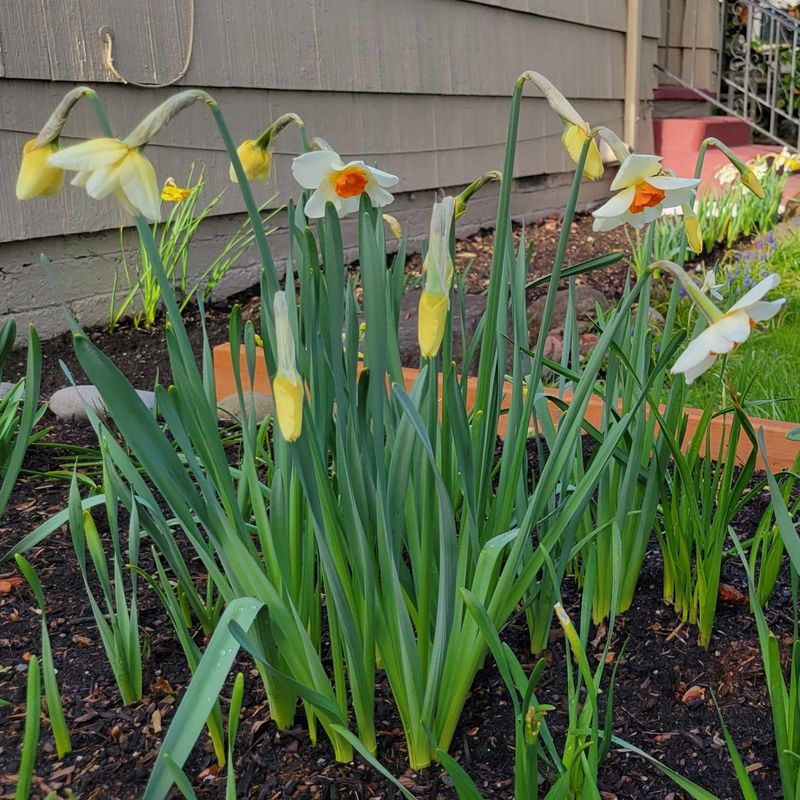
Spring will tell the story of this fall. You just need to know what clues to watch for.
Bulbs with weak root systems often produce shorter stems and smaller flowers. Some daffodils may flop over or bloom later than usual. A few might send up leaves with no flower at all.
Those signs do not mean failure. A stressed bulb often recovers if you treat it well in spring. Let the leaves stay until they yellow, usually about six weeks after blooming.
Leaves act like tiny solar panels, recharging the bulb for next year. Cutting or braiding them early weakens future flowers. Water during a dry spring helps too.
Tulips deserve a quick note. Many hybrid tulips naturally fade after a few years, even with perfect care. So if blooms decline, dry weather is only one possible cause.
Other common culprits include planting too shallow, poor drainage, and hungry squirrels or voles. Fertilizing at planting rarely fixes much, since bulbs store their own food. A balanced fertilizer as shoots emerge in spring offers modest help. I jot notes about each bed so I can compare results next year.
Bulbs In Pots Need Extra Care Through A Dry Winter
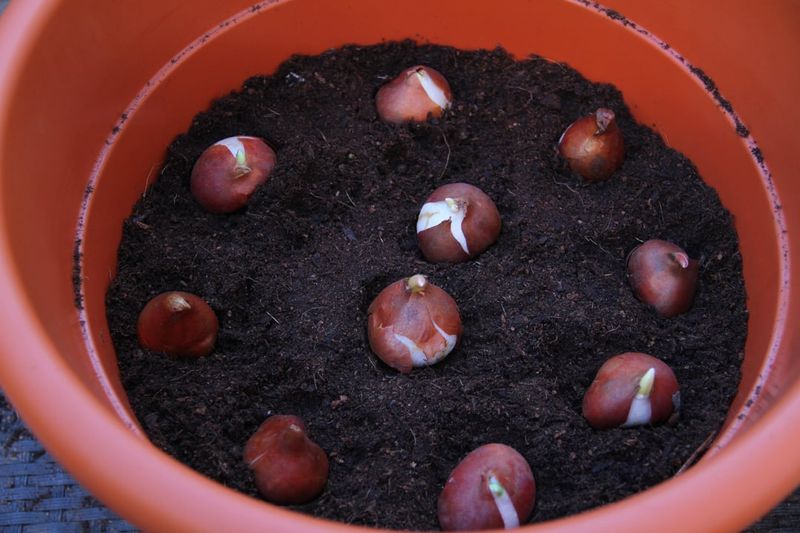
Container bulbs live a tougher life than their garden cousins. Pots dry out faster and freeze harder, so they need a bit more attention.
Store planted pots in an unheated garage, shed, or cold porch. Bulbs still need a chilling period of roughly 12 to 16 weeks to bloom. Aim for temperatures that stay cold but avoid deep, hard freezes.
Check the soil about once a month. If it feels dry an inch down, add a modest drink. You want slightly moist soil, not soggy mud that invites rot.
Bulbs in the ground get help from snow, which insulates soil and adds moisture as it melts. A snow-free, dry winter is less common in most of the state, but it happens. During long bare stretches, in-ground beds may appreciate a drink on a mild day when soil is not frozen.
Squirrels love raiding pots, by the way. A piece of chicken wire over the soil keeps them out.
Come early spring, move pots into a sunny spot once shoots appear. That is the moment your patience finally pays off with fresh color.
Crocus And Grape Hyacinth Shrug Off Drier Autumns
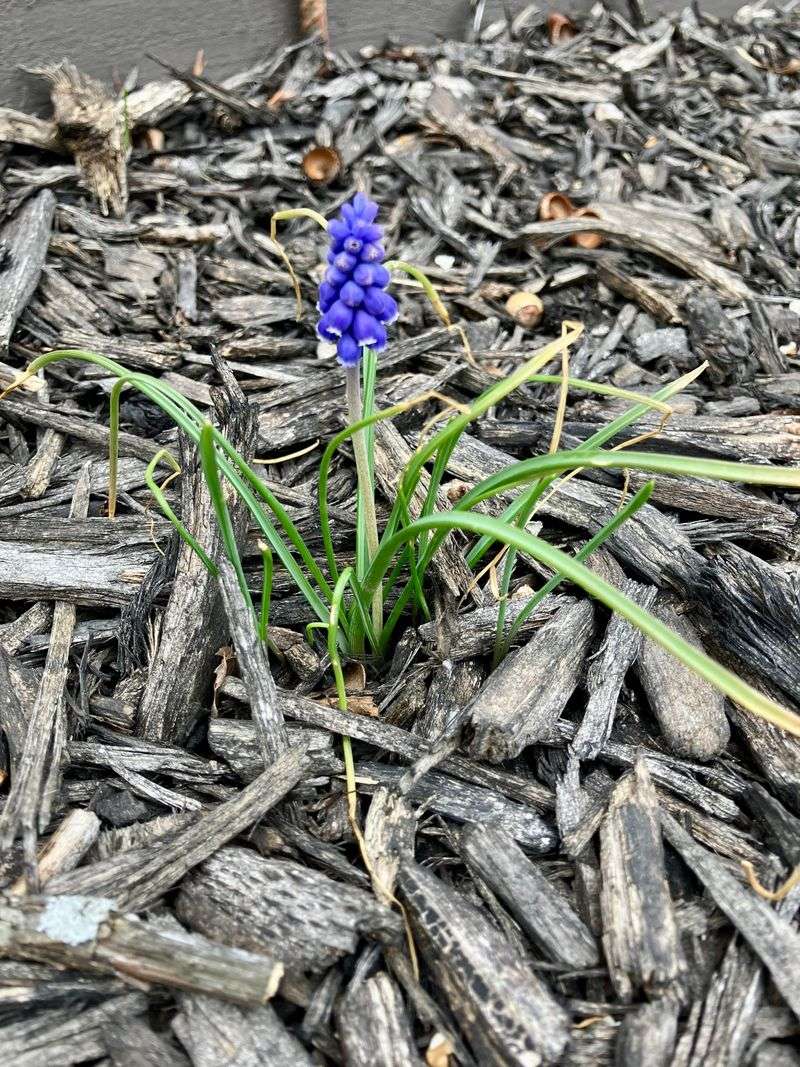
Some bulbs simply handle dry spells with more grace. Planning around them makes future autumns far less stressful.
Crocuses, grape hyacinths, and species tulips are tough little performers. Many species tulips come from dry, rocky regions of Central Asia, so they feel right at home in lean soil. They often return year after year better than big hybrid tulips.
Daffodils are another sturdy choice. They multiply over time and tend to resist deer and squirrels, which is a lovely bonus. Alliums and Siberian squill hold up well too.
One caution on squill, though. Siberian squill can spread into lawns and woods, and some regions consider it invasive. Glory-of-the-snow and grape hyacinth can also spread freely, so plant them where spreading feels welcome.
Native spring wildflowers deserve a spot as well. Virginia bluebells and wild columbine support early pollinators.
My biggest takeaway is simple. Water deeply until the ground freezes, mulch well, and keep notes on how each bed performs. Most bulbs forgive a dry fall far more than we expect, and spring often surprises us with color anyway.